

Tested Applications
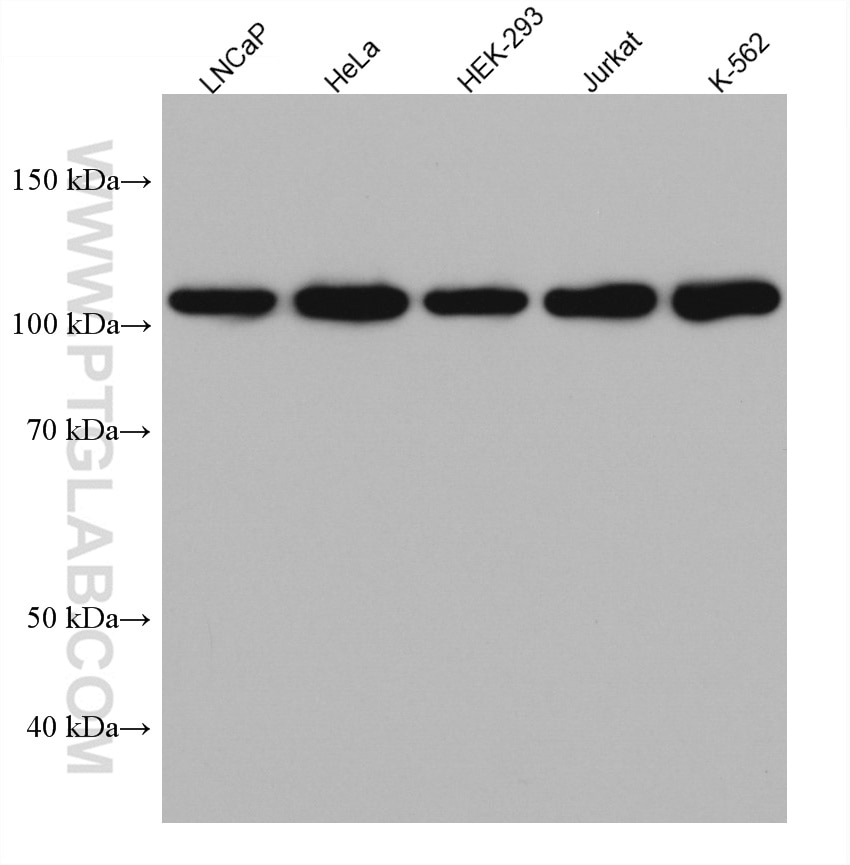
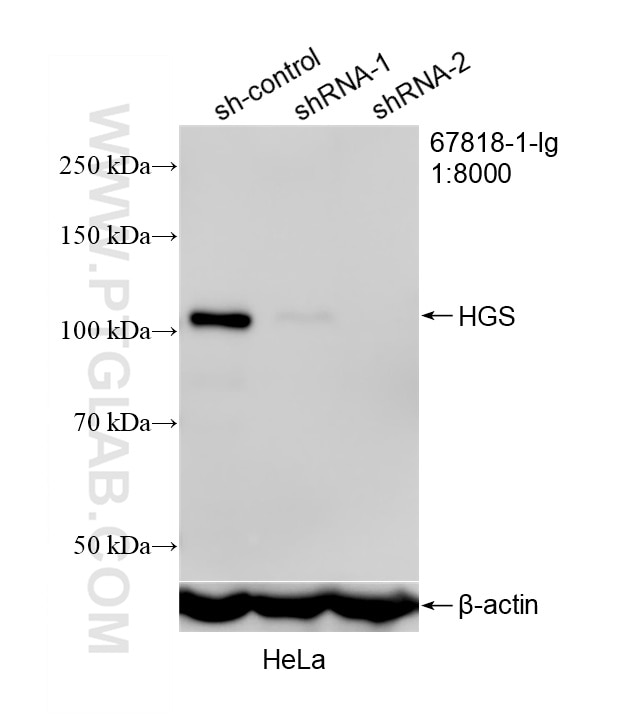
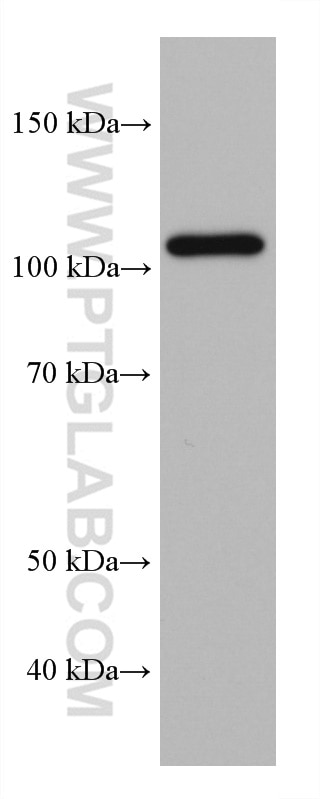
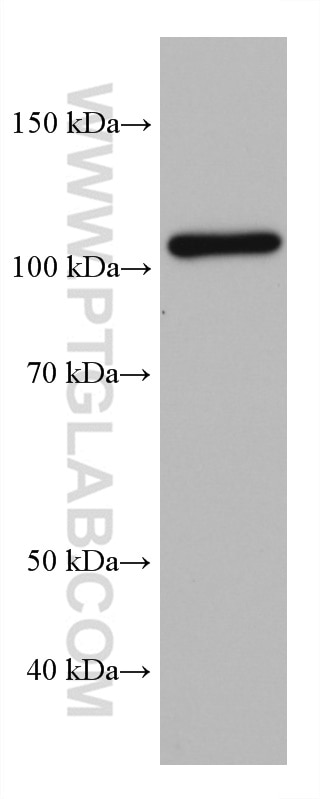
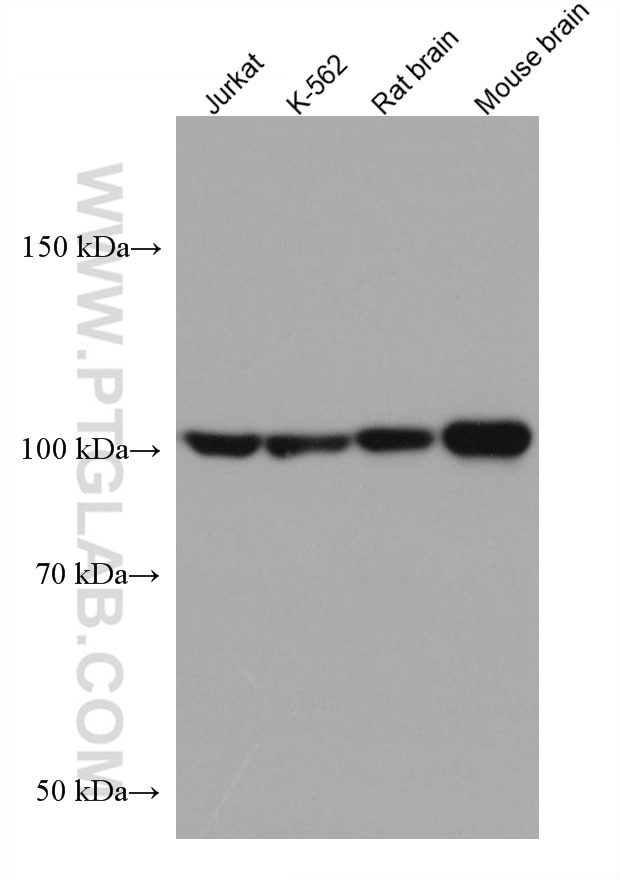
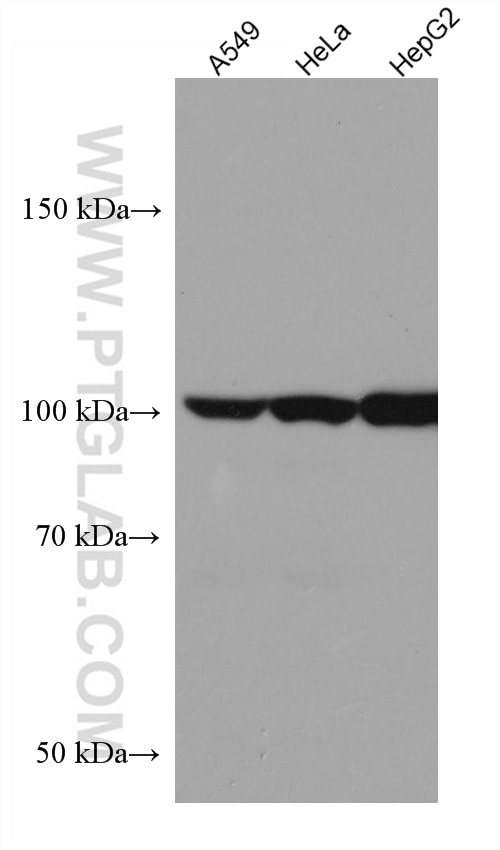
| Positive WB detected in | LNCaP cells, A549 cells, HeLa cells, Jurkat cells, Neuro-2a cells, PC-12 cells, HepG2 cells, K-562 cells, rat brain tissue, mouse brain tissue, HEK-293 cells |
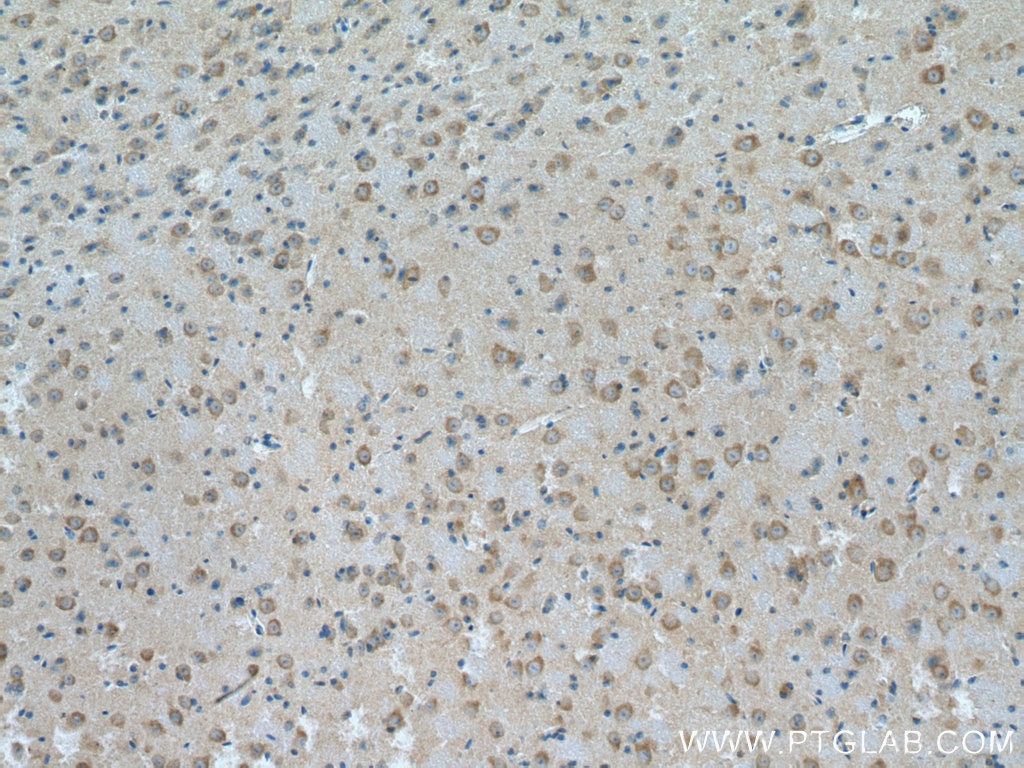
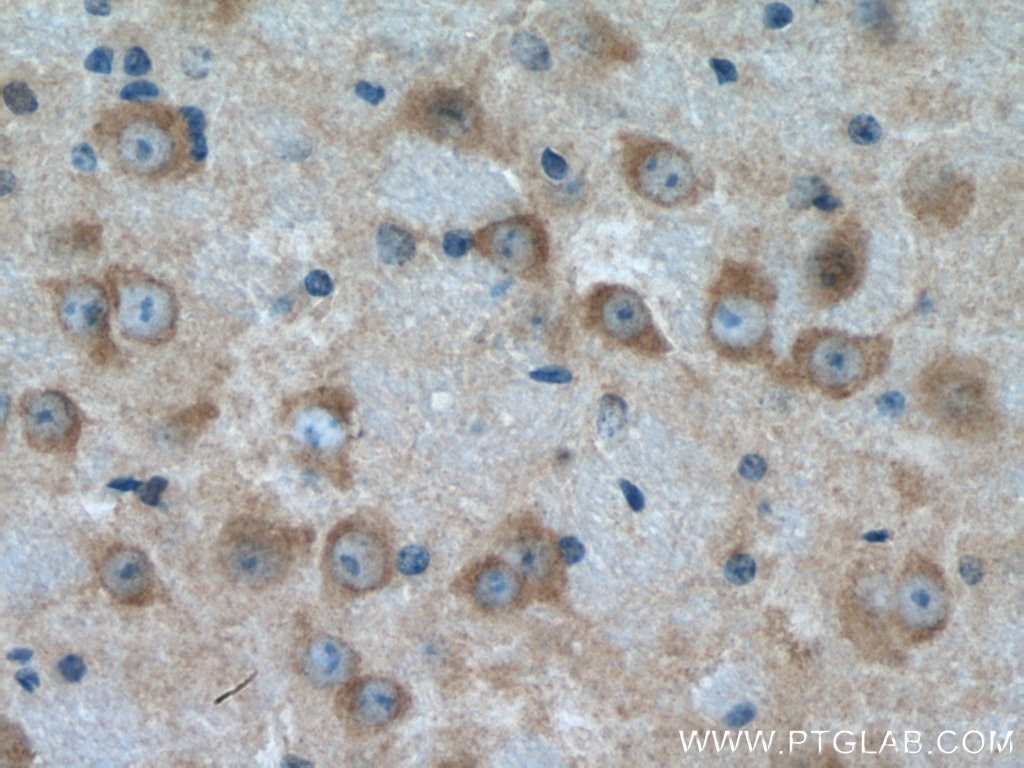
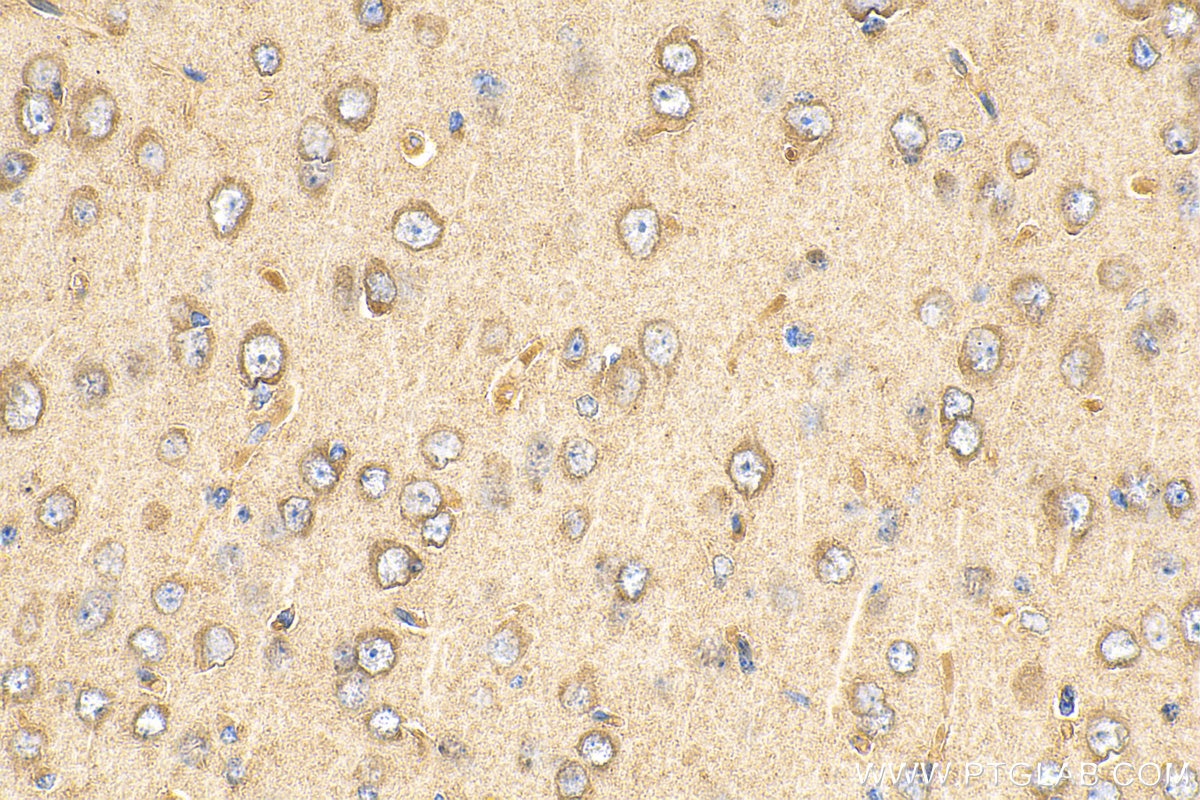
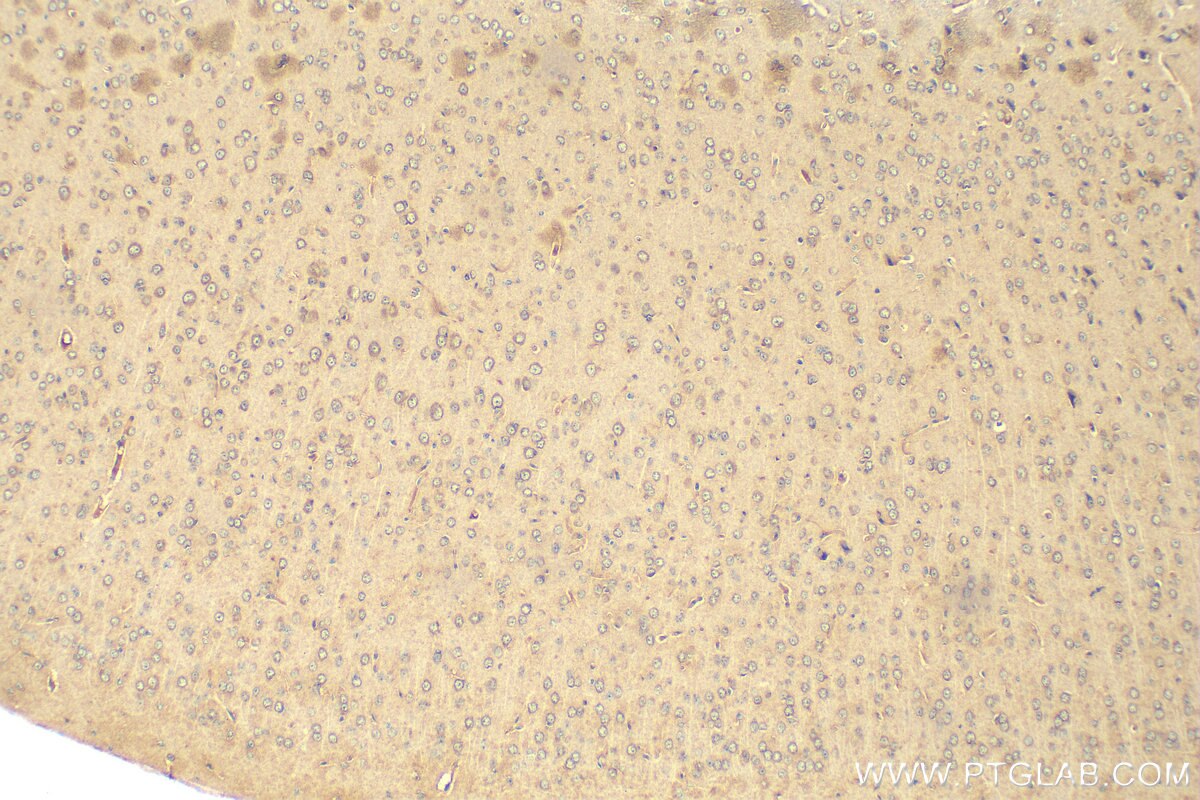
| Positive IHC detected in | mouse brain tissue Note: suggested antigen retrieval with TE buffer pH 9.0; (*) Alternatively, antigen retrieval may be performed with citrate buffer pH 6.0 |
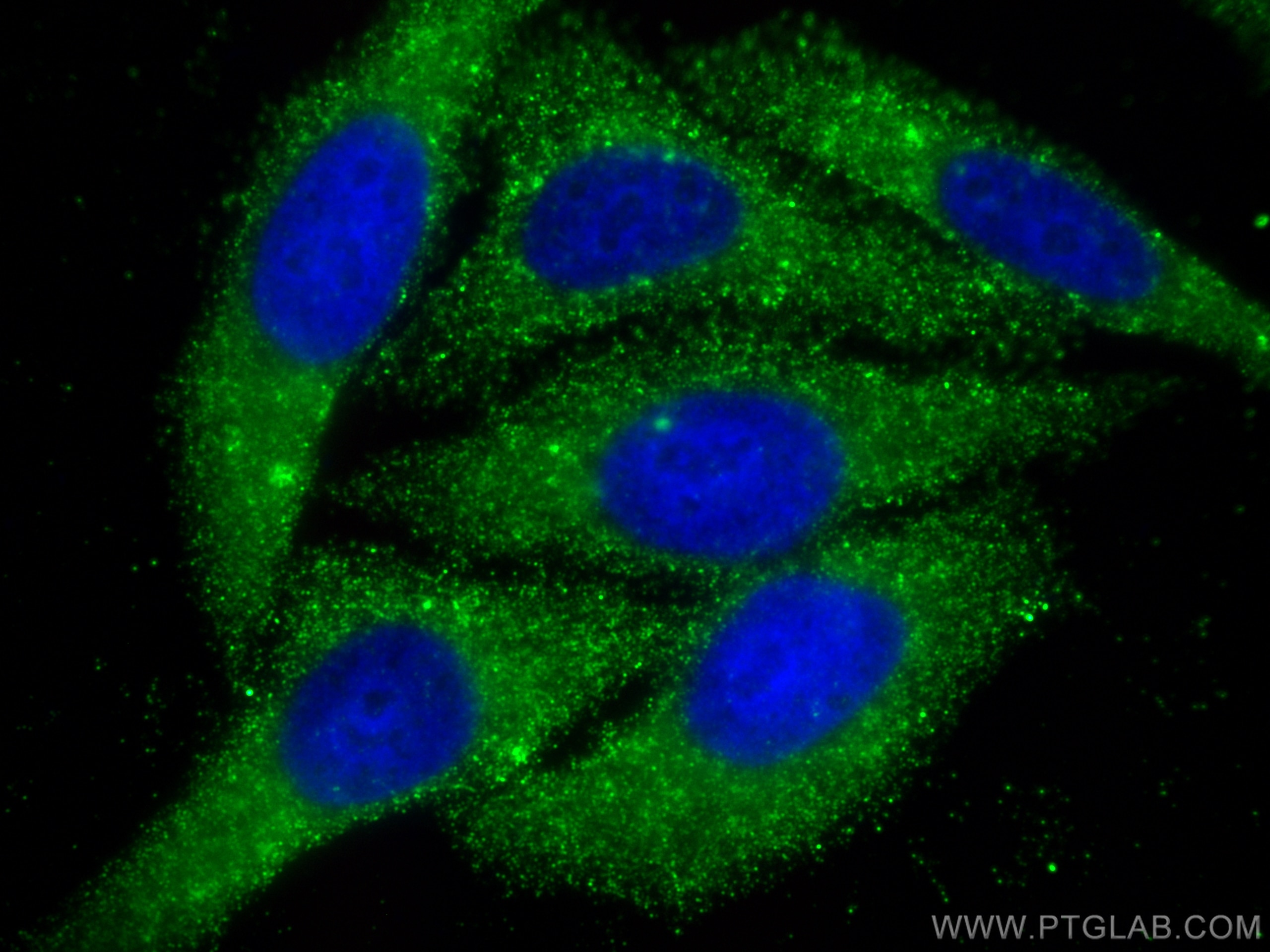
| Positive IF/ICC detected in | HepG2 cells |
Recommended dilution
| Application | Dilution |
|---|---|
| Western Blot (WB) | WB : 1:5000-1:50000 |
| Immunohistochemistry (IHC) | IHC : 1:500-1:2000 |
| Immunofluorescence (IF)/ICC | IF/ICC : 1:200-1:800 |
| It is recommended that this reagent should be titrated in each testing system to obtain optimal results. | |
| Sample-dependent, Check data in validation data gallery. | |
Product Information
67818-1-Ig targets HGS in WB, IHC, IF/ICC, ELISA applications and shows reactivity with human, mouse, rat samples.
| Tested Reactivity | human, mouse, rat |
| Cited Reactivity | human |
| Host / Isotype | Mouse / IgG2a |
| Class | Monoclonal |
| Type | Antibody |
| Immunogen |
CatNo: Ag28610 Product name: Recombinant human HGS protein Source: e coli.-derived, PET28a Tag: 6*His Domain: 186-387 aa of BC003565 Sequence: GQIFCGKCSSKYSTIPKFGIEKEVRVCEPCYEQLNRKAEGKATSTTELPPEYLTSPLSQQSQLPPKRDETALQEEEELQLALALSQSEAEEKERLRQKSTYTSYPKAEPMPSASSAPPASSLYSSPVNSSAPLAEDIDPELARYLNRNYWEKKQEEARKSPTPSAPVPLTEPAAQPGEGHAAPTNVVENPLPETDSQPIPPS Predict reactive species |
| Full Name | hepatocyte growth factor-regulated tyrosine kinase substrate |
| Calculated Molecular Weight | 86 kDa |
| Observed Molecular Weight | 110 kDa |
| GenBank Accession Number | BC003565 |
| Gene Symbol | HGS |
| Gene ID (NCBI) | 9146 |
| RRID | AB_2918581 |
| Conjugate | Unconjugated |
| Form | Liquid |
| Purification Method | Protein A purification |
| UNIPROT ID | O14964 |
| Storage Buffer | PBS with 0.02% sodium azide and 50% glycerol, pH 7.3. |
| Storage Conditions | Store at -20°C. Stable for one year after shipment. Aliquoting is unnecessary for -20oC storage. 20ul sizes contain 0.1% BSA. |
Background Information
Hepatocyte growth factor-regulated tyrosine kinase substrate (HGS, synonyms: HRS, ZFYVE8) is a 110 to 115-kDa zinc finger phosphotyrosine protein inducible by stimulation with interleukin 2 (IL-2), granulocyte-macrophage colony-stimulating factor (GM-CSF) as well as hepatocyte growth factor (HGF), and is associated with signal-transducing adaptor molecule (STAM). HGS suppresses DNA synthesis upon stimulation with IL-2 and GM-CSF, counteracting the function of STAM which is critical for cell growth signaling mediated by the cytokines. HGS also interacts with the neurofibromatosis 2 tumor suppressor protein schwannomin/merlin. The growth suppression activity of schwannomin/merlin requires HGS and the binding of schwannomin/merlin to HGS facilitates its ability to function as a tumor suppressor, probably by inhibiting STAT activation.
Protocols
| Product Specific Protocols | |
|---|---|
| IF protocol for HGS antibody 67818-1-Ig | Download protocol |
| IHC protocol for HGS antibody 67818-1-Ig | Download protocol |
| WB protocol for HGS antibody 67818-1-Ig | Download protocol |
| Standard Protocols | |
|---|---|
| Click here to view our Standard Protocols |
Publications
What published studies show
The HGS Monoclonal antibody (Cat# 67818-1-Ig) has 3 citations. These appear in Molecular Cancer, PLoS Pathogens, and iScience. The research fields span non-small cell lung cancer and immunotherapy, hepatitis B virus (HBV) infection and lysosomal activity, and endo-lysosomal trafficking and multivesicular body formation. Applications cited include immunofluorescence (IF) and Western blot (WB).
| Species | Application | Title |
|---|---|---|
Mol Cancer LAMTOR1 decreased exosomal PD-L1 to enhance immunotherapy efficacy in non-small cell lung cancer | ||
PLoS Pathog Manganese is a potent inducer of lysosomal activity that inhibits de novo HBV infection | ||
iScience ATP8A1-translocated endosomal phosphatidylserine fine-tunes the multivesicular body formation and the endo-lysosomal traffic |












