

Tested Applications
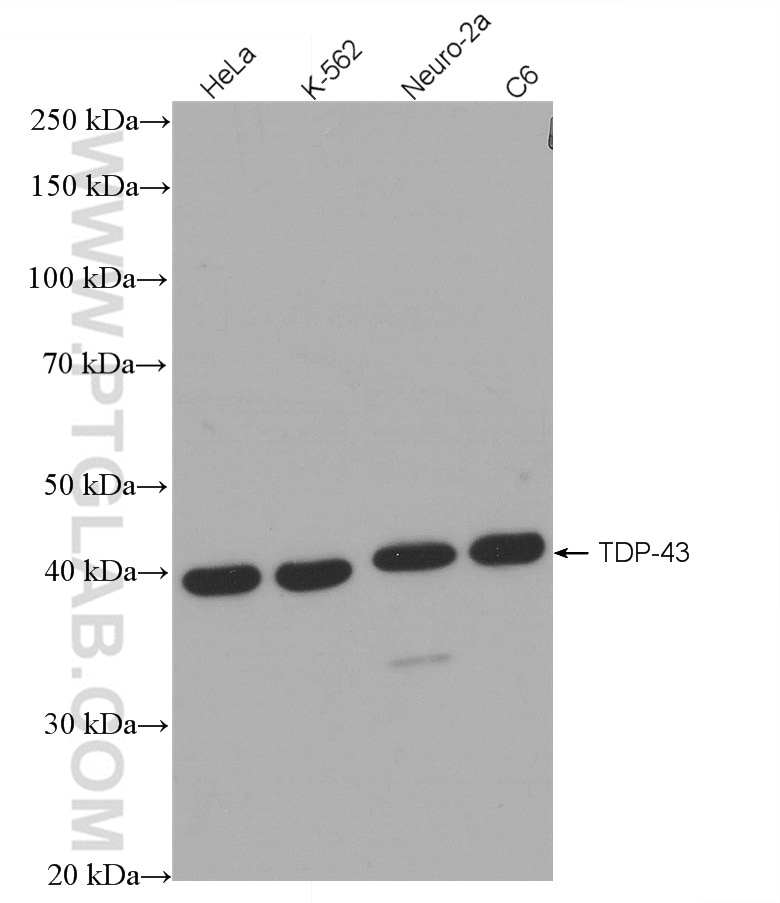
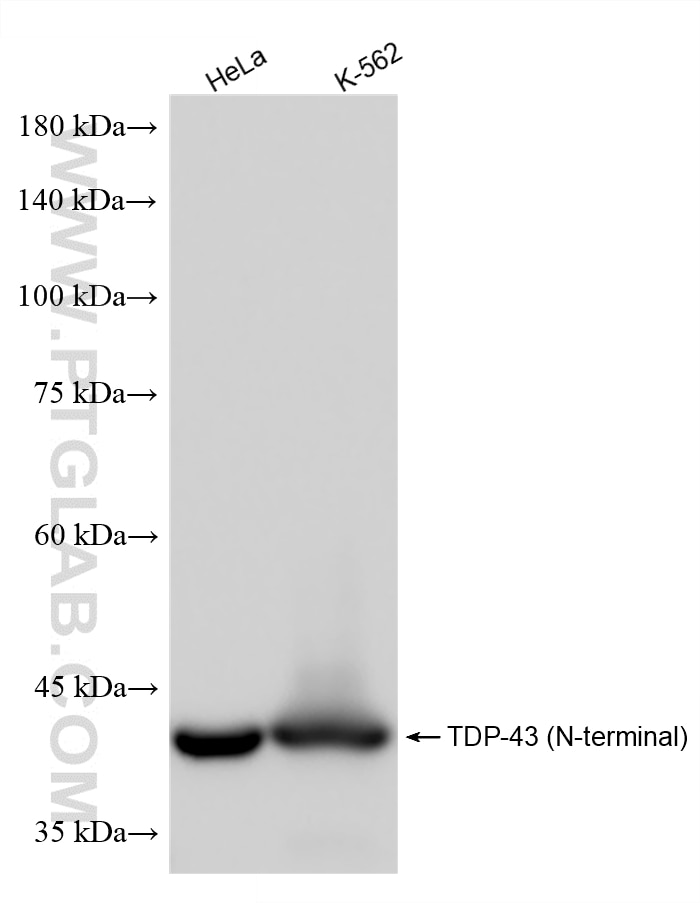
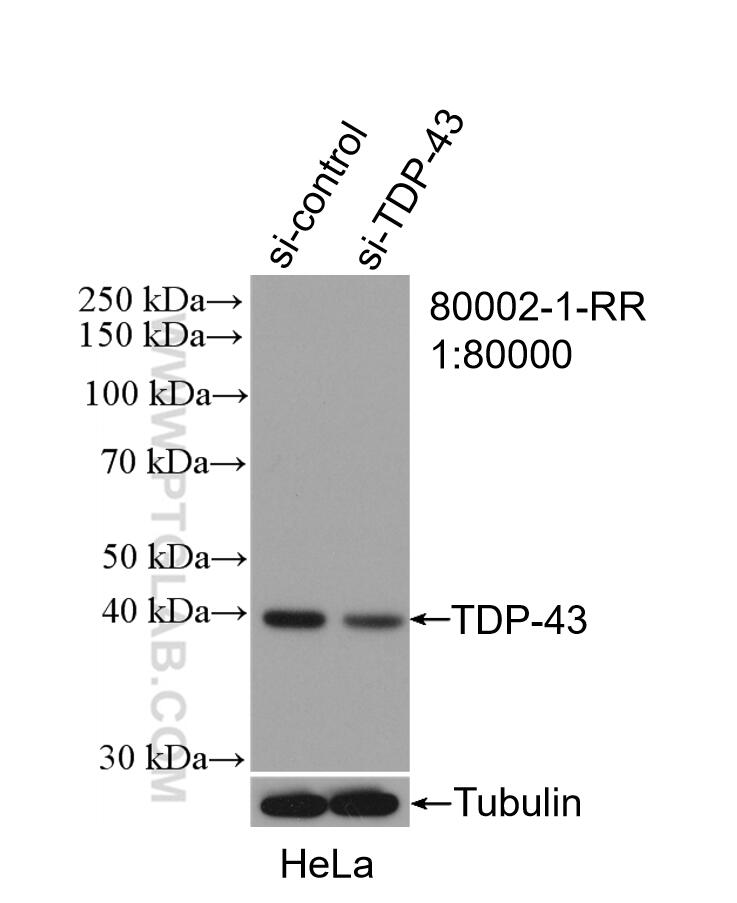
| Positive WB detected in | HeLa cells, HAP1 cells, K-562 cells, Neuro-2a cells, C6 cells |
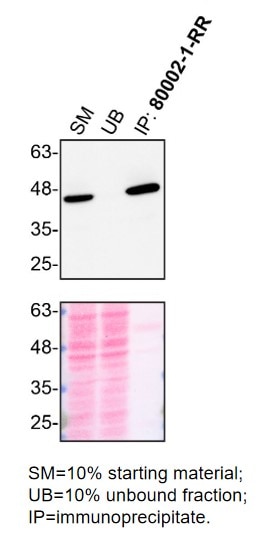
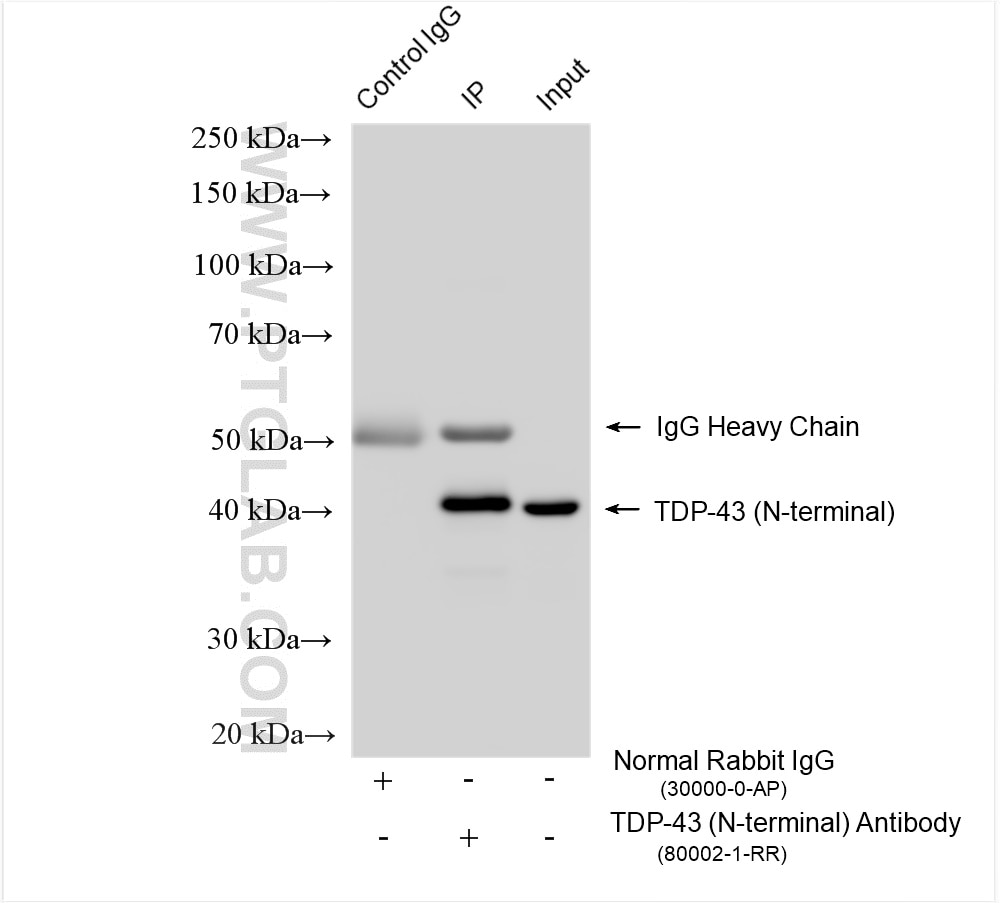
| Positive IP detected in | HAP1 cells, HeLa cells |
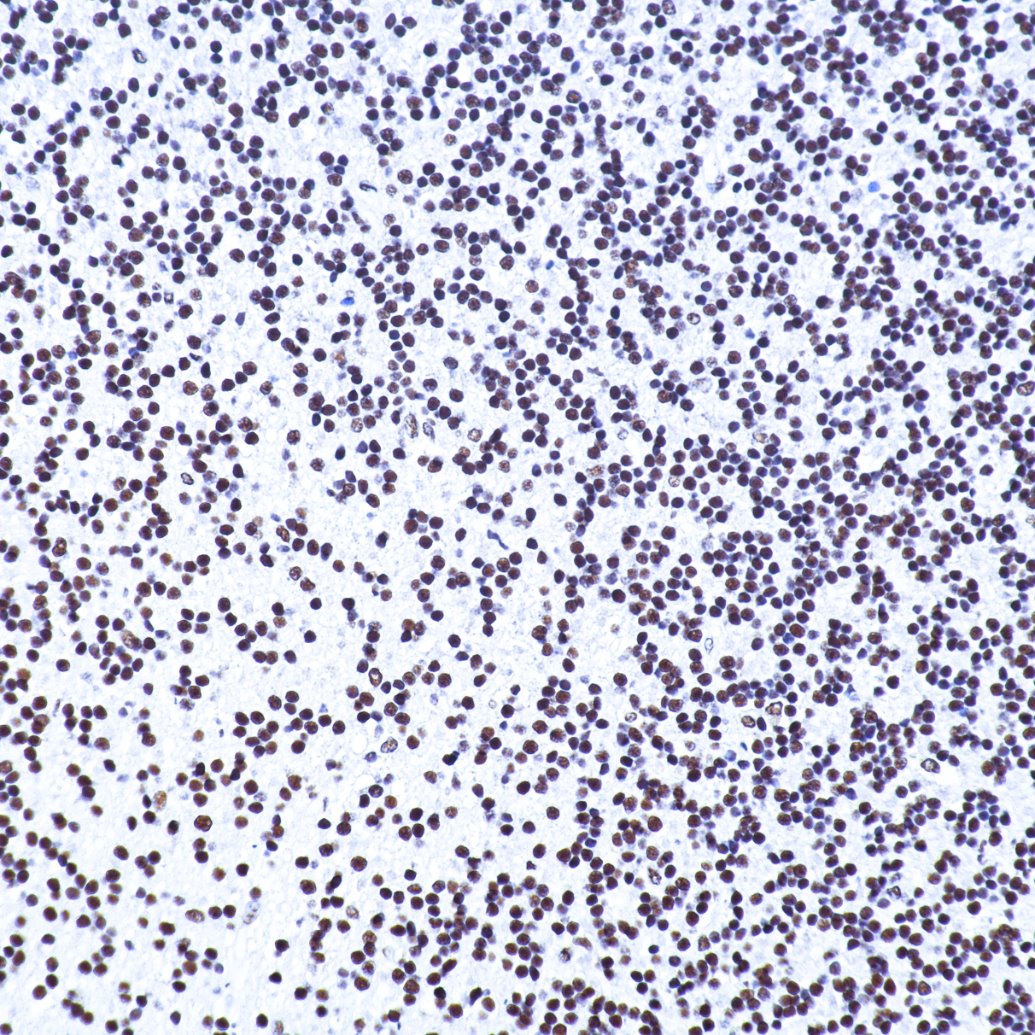
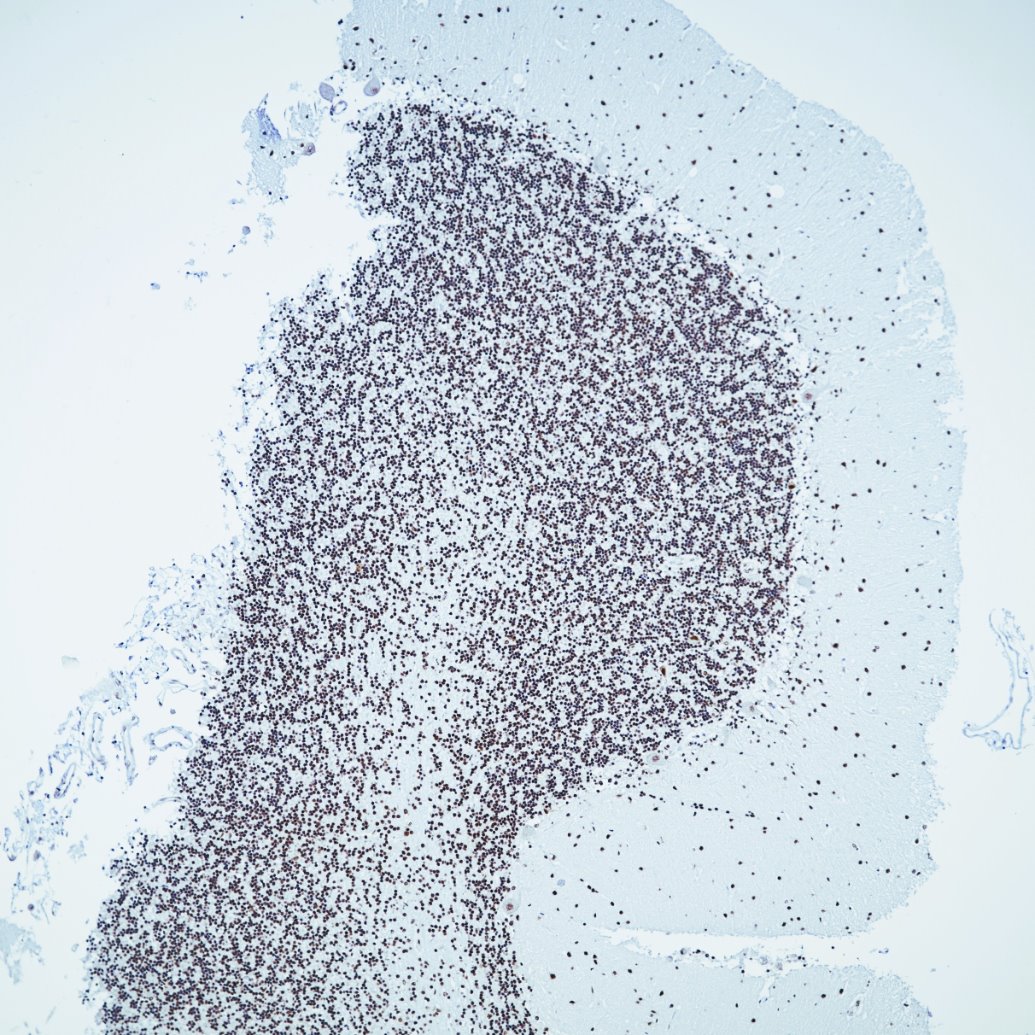
| Positive IHC-Autostainer detected in | human brain tissue |
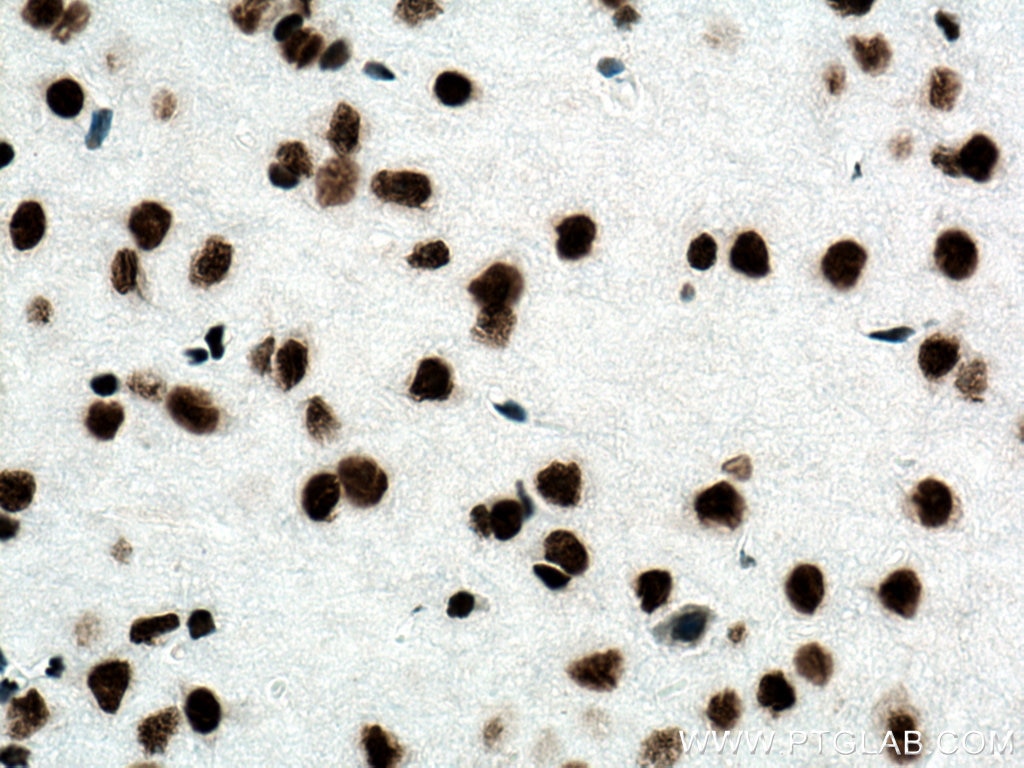
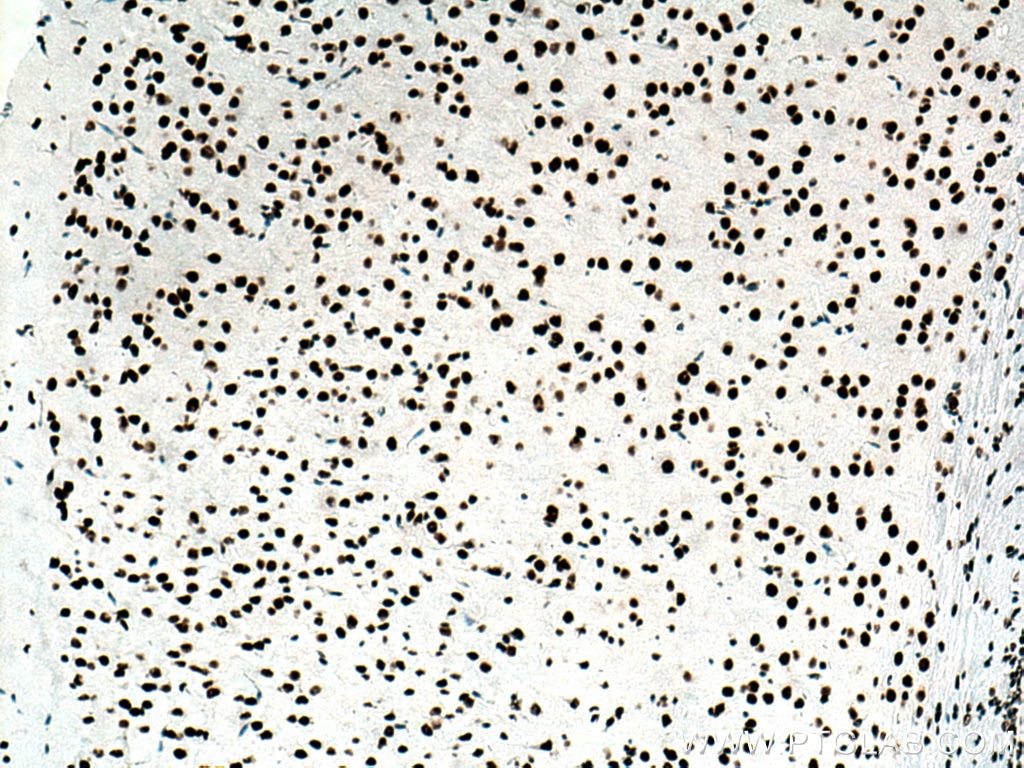
| Positive IHC detected in | mouse brain tissue, human brain tissue Note: suggested antigen retrieval with TE buffer pH 9.0; (*) Alternatively, antigen retrieval may be performed with citrate buffer pH 6.0 |
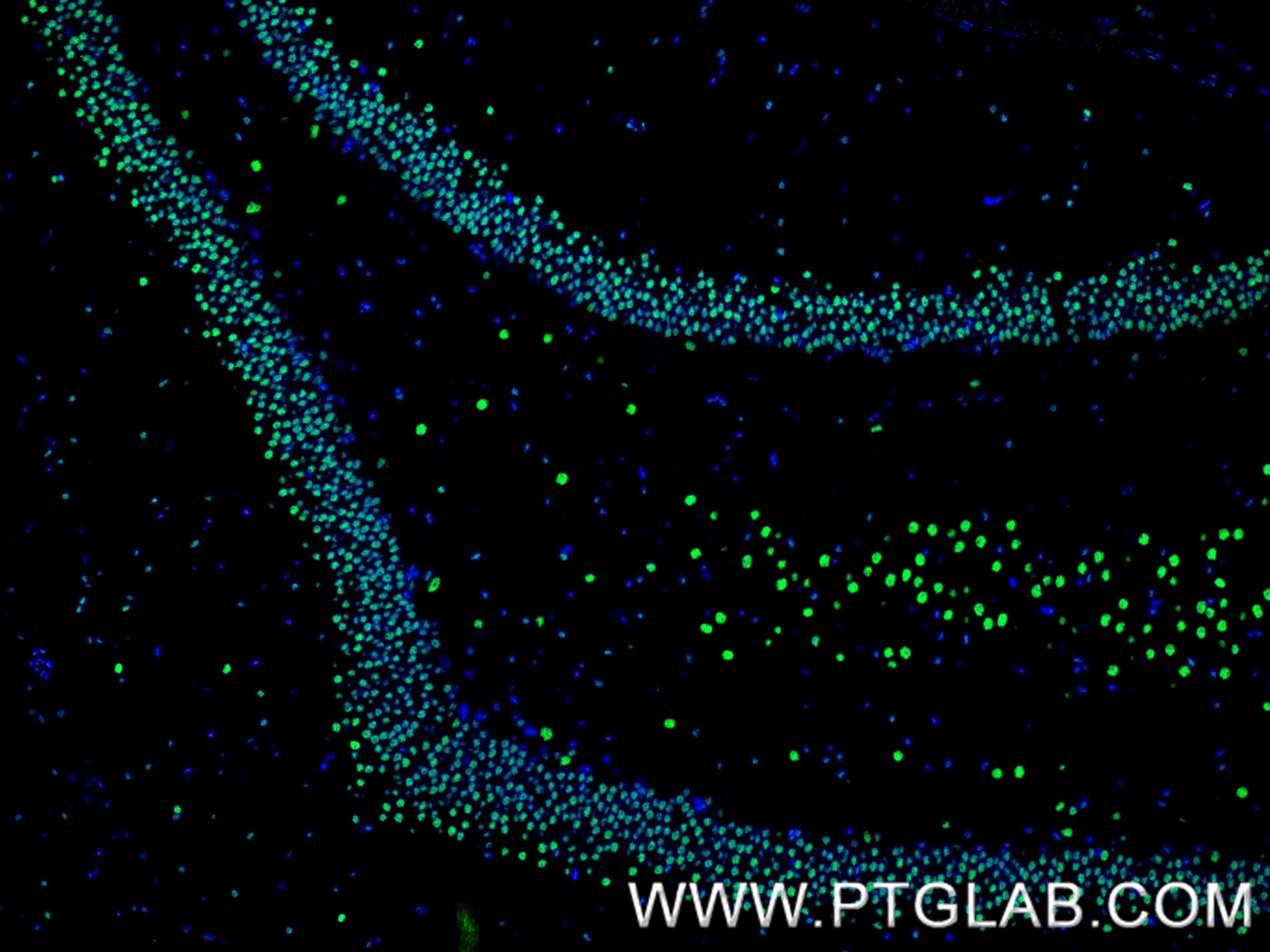
| Positive IF-P detected in | rat brain tissue |
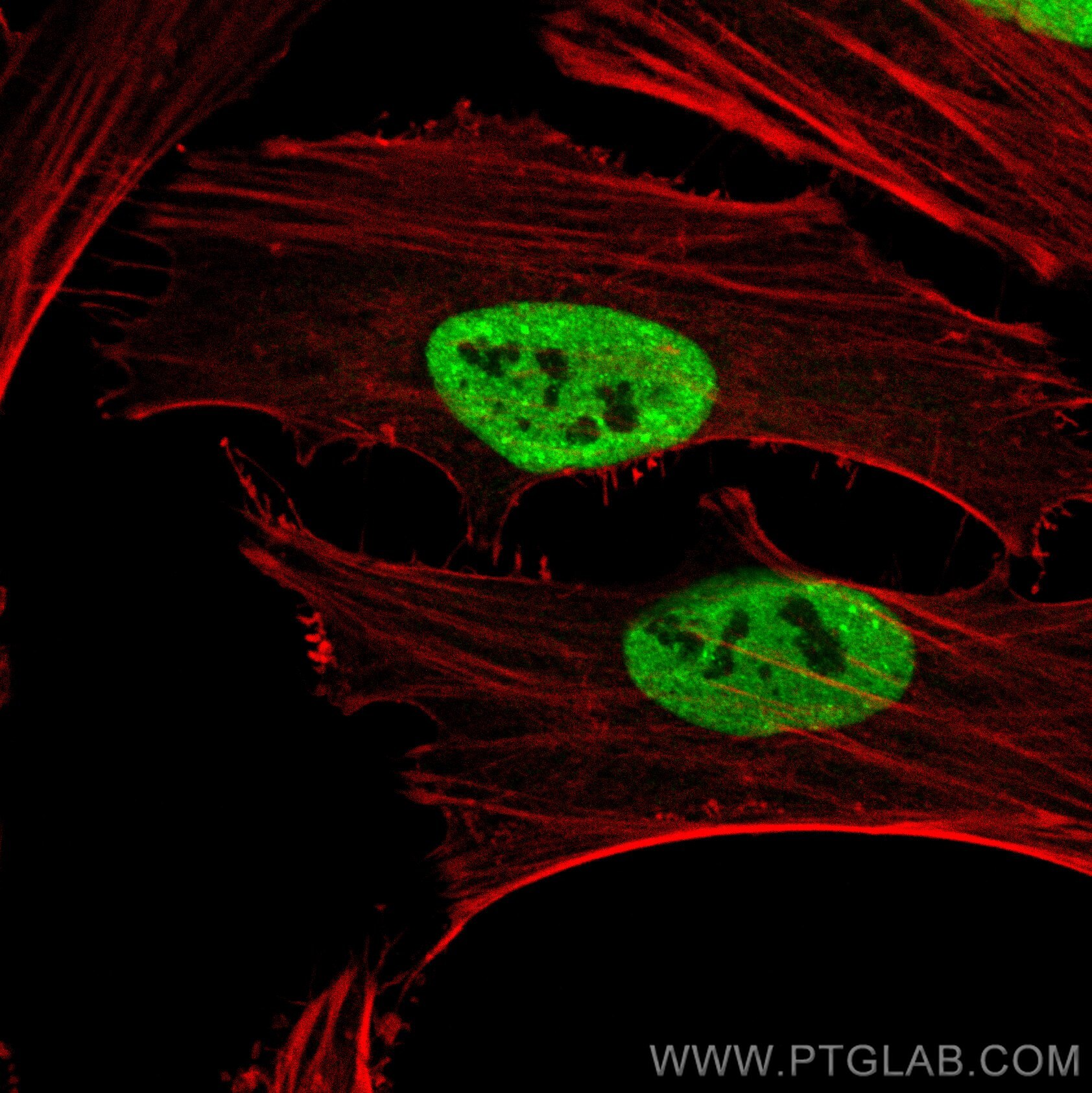
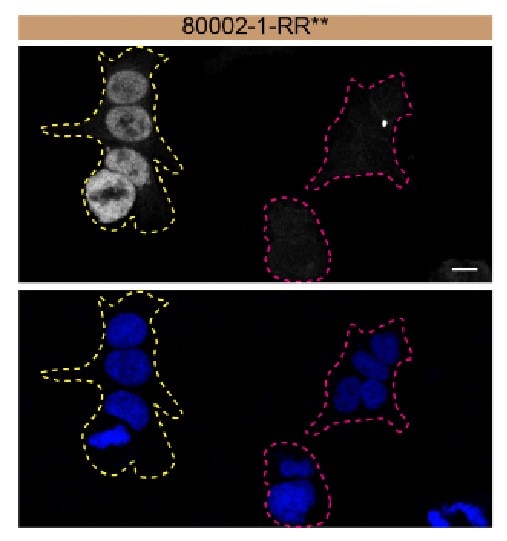
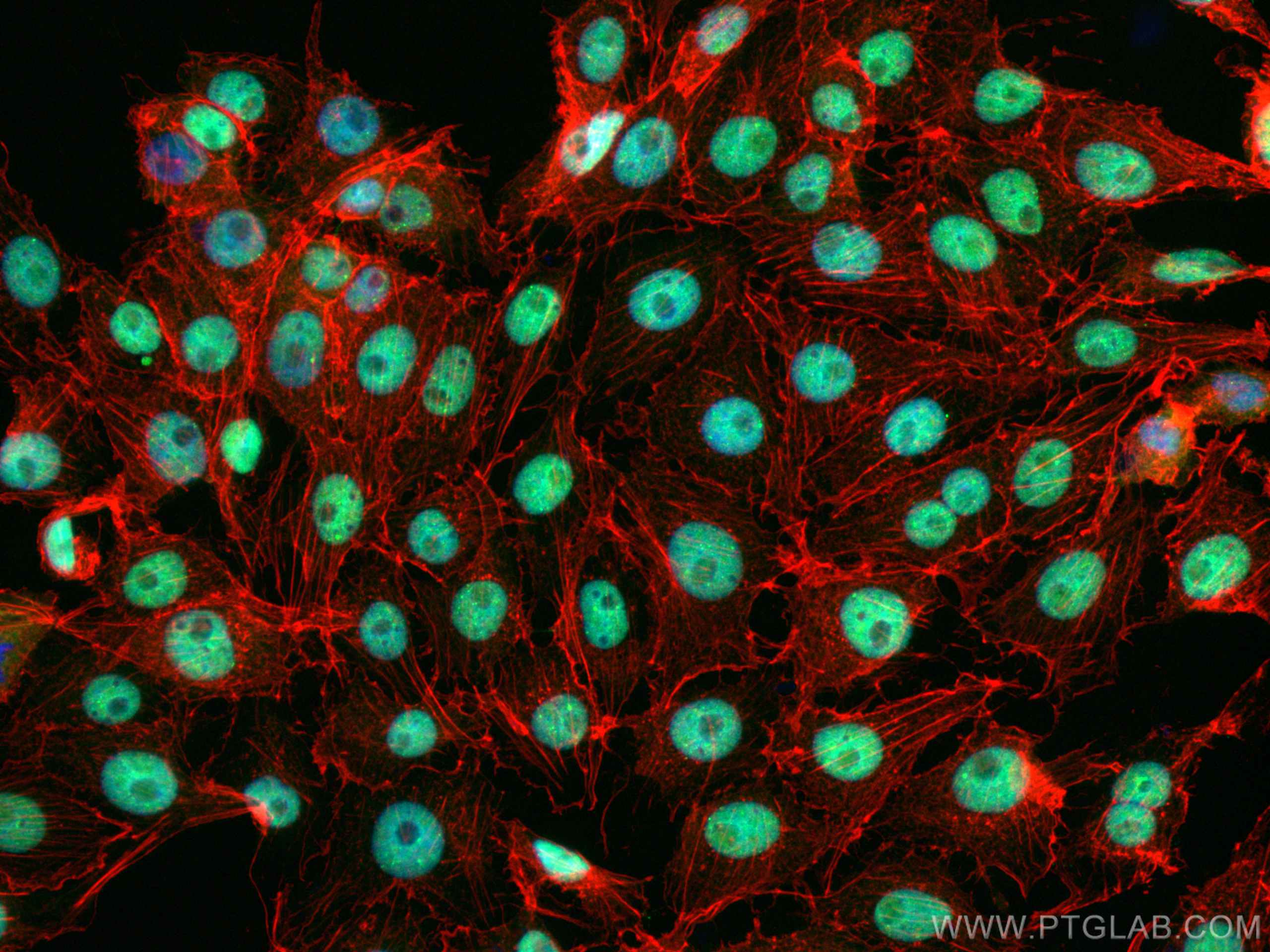
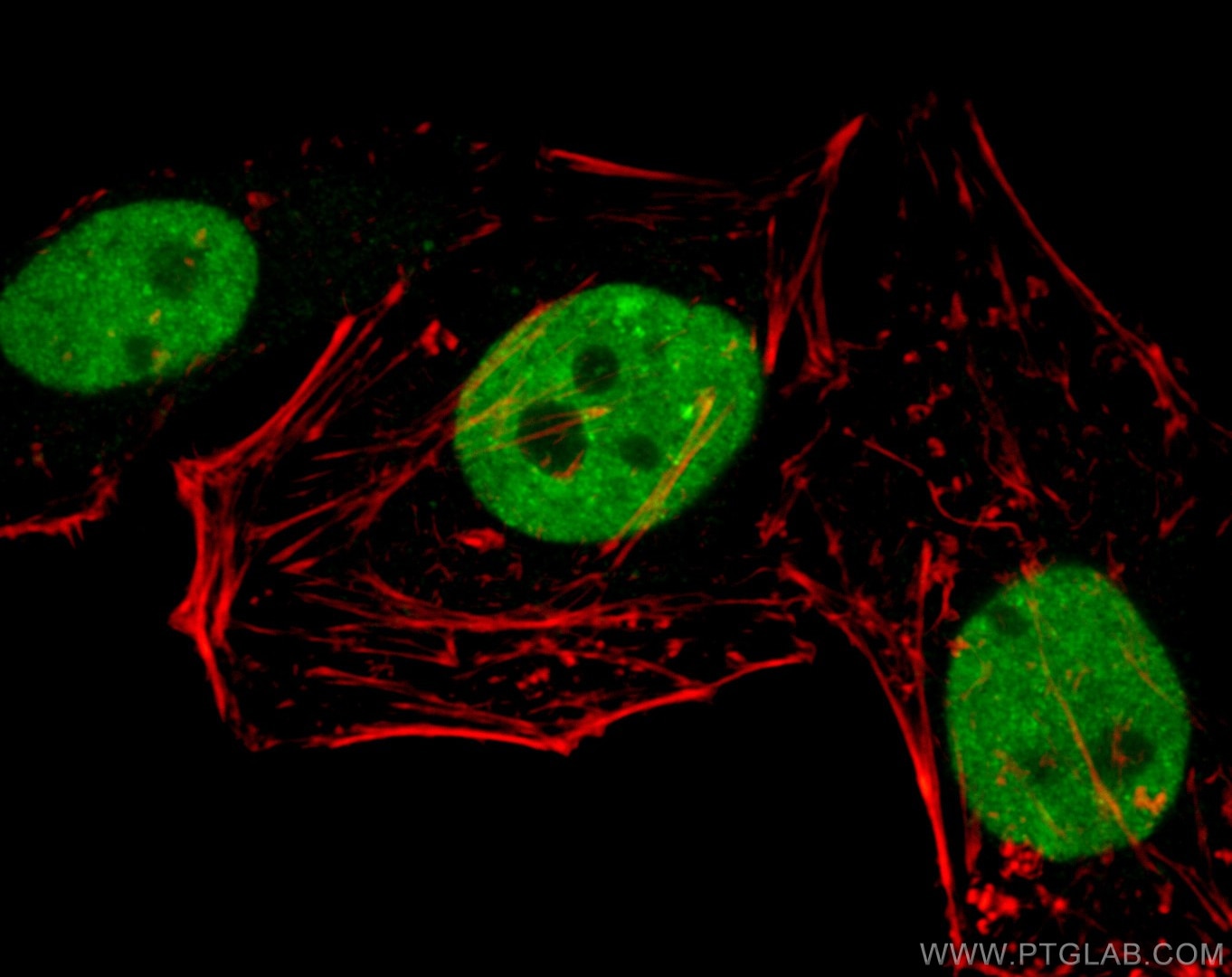
| Positive IF/ICC detected in | HeLa cells, HepG2 cells, SH-SY5Y cells, HAP1 cells |
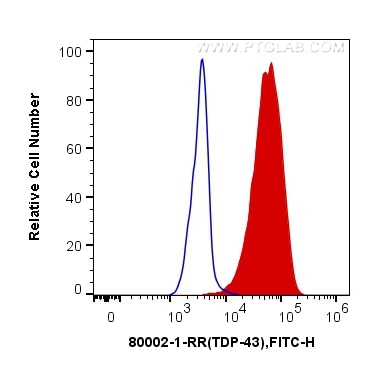
| Positive FC (Intra) detected in | HeLa cells |
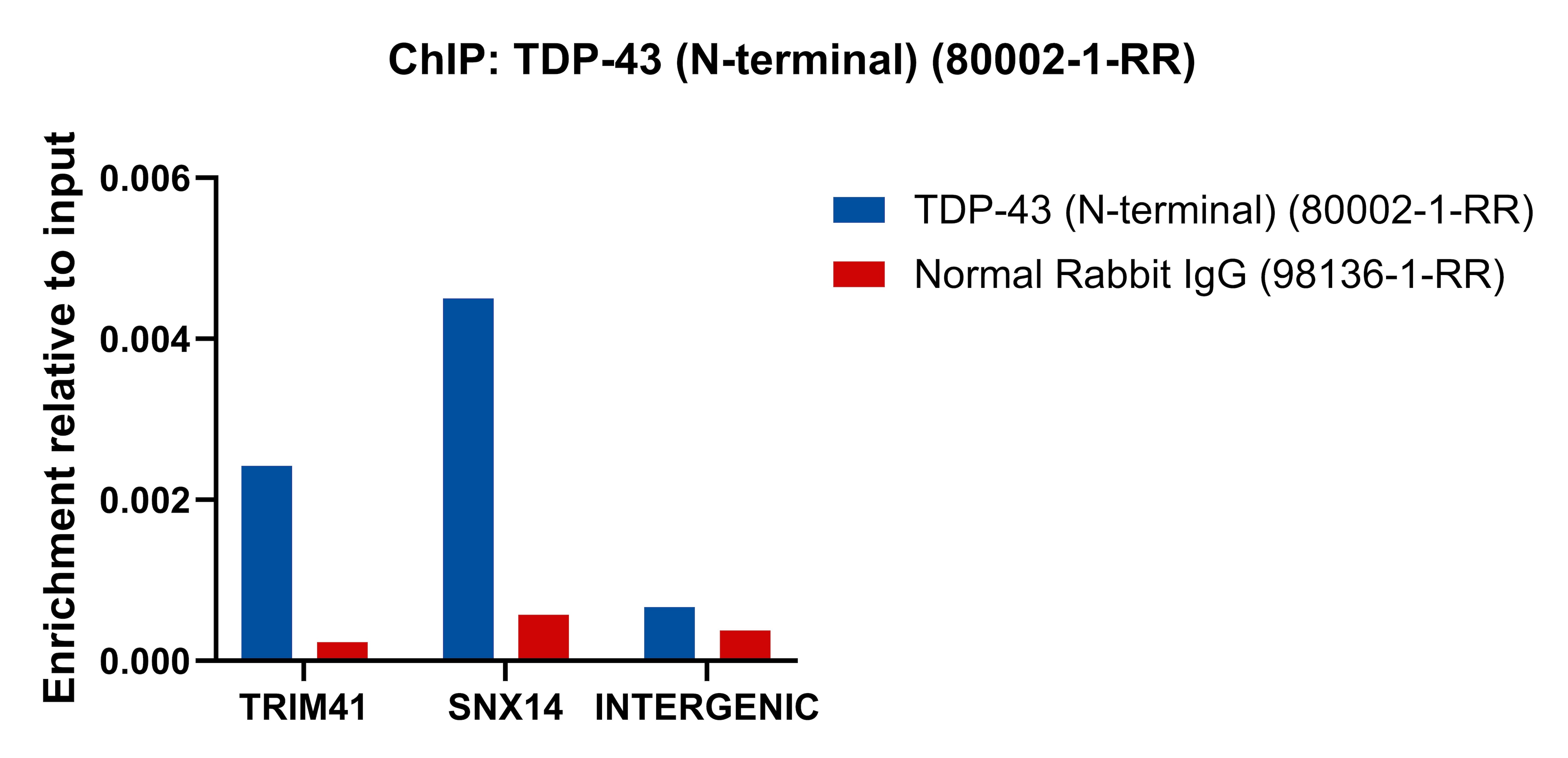
| Positive ChIP-qPCR detected in | HEK-293T cells |
Recommended dilution
| Application | Dilution |
|---|---|
| Western Blot (WB) | WB : 1:20000-1:100000 |
| Immunoprecipitation (IP) | IP : 0.5-4.0 ug for 1.0-3.0 mg of total protein lysate |
| Immunohistochemistry (IHC)-AUTOSTAINER | IHC-AUTOSTAINER : 1:50-1:500 |
| Immunohistochemistry (IHC) | IHC : 1:1600-1:6400 |
| Immunofluorescence (IF)-P | IF-P : 1:800-1:3200 |
| Immunofluorescence (IF)/ICC | IF/ICC : 1:200-1:800 |
| Flow Cytometry (FC) (INTRA) | FC (INTRA) : 0.40 ug per 10^6 cells in a 100 µl suspension |
| CHIP-QPCR | CHIP-QPCR : 1:10-1:100 |
| It is recommended that this reagent should be titrated in each testing system to obtain optimal results. | |
| Sample-dependent, Check data in validation data gallery. | |
Product Information
80002-1-RR targets TDP-43 (N-terminal) in WB, IHC, IHC-Autostainer, IF/ICC, IF-P, FC (Intra), IP, ELISA, ChIP-qPCR applications and shows reactivity with human, mouse, rat samples.
| Tested Reactivity | human, mouse, rat |
| Cited Reactivity | human, mouse |
| Host / Isotype | Rabbit / IgG |
| Class | Recombinant |
| Type | Antibody |
| Immunogen |
CatNo: Ag1231 Product name: Recombinant human TDP-43 protein Source: e coli.-derived, PGEX-4T Tag: GST Domain: 1-260 aa of BC001487 Sequence: MSEYIRVTEDENDEPIEIPSEDDGTVLLSTVTAQFPGACGLRYRNPVSQCMRGVRLVEGILHAPDAGWGNLVYVVNYPKDNKRKMDETDASSAVKVKRAVQKTSDLIVLGLPWKTTEQDLKEYFSTFGEVLMVQVKKDLKTGHSKGFGFVRFTEYETQVKVMSQRHMIDGRWCDCKLPNSKQSQDEPLRSRKVFVGRCTEDMTEDELREFFSQYGDVMDVFIPKPFRAFAFVTFADDQIAQSLCGEDLIIKGISVHISNA Predict reactive species |
| Full Name | TAR DNA binding protein |
| Calculated Molecular Weight | 43 kDa |
| Observed Molecular Weight | 43 kDa |
| GenBank Accession Number | BC001487 |
| Gene Symbol | TDP-43 |
| Gene ID (NCBI) | 23435 |
| RRID | AB_2882934 |
| Conjugate | Unconjugated |
| Form | Liquid |
| Purification Method | Protein A purification |
| UNIPROT ID | Q13148 |
| Storage Buffer | PBS with 0.02% sodium azide and 50% glycerol, pH 7.3. |
| Storage Conditions | Store at -20°C. Stable for one year after shipment. Aliquoting is unnecessary for -20oC storage. 20ul sizes contain 0.1% BSA. |
Background Information
The TARDBP gene encodes the TDP-43 protein, initially found to repress HIV-1 transcription by binding TAR DNA. TDP-43 has since been shown to bind RNA as well as DNA, and have multiple functions in transcriptional repression, translational regulation and pre-mRNA splicing. For instance, it is reported to regulate alternate splicing of the CTFR gene.
In 2006 Neumann et al. found that hyperphosphorylated, ubiquitinated and/or cleaved forms of TDP-43, collectively known as pathological TDP-43, play a major role in the disease mechanisms of ubiquitin-positive, tau- and alpha-synuclein-negative frontotemporal dementia (FTLD-U) and in amyotrophic lateral sclerosis (ALS).
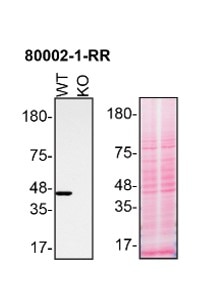
Proteintech's 80002-1-RR is a rabbit recombinant TDP-43 antibody recognizing N-terminal TDP-43. It recognizes the intact 43 kDa protein as well as all posttranslationally modified and truncated forms in multiple applications. Various forms of TDP-43 exist, including 18-35 kDa of cleaved C-terminal fragments, 45-50 kDa phospho-protein, 55 kDa glycosylated form, 75 kDa hyperphosphorylated form, and 90-300 kDa cross-linked form. (PMID: 17023659, 19823856, 21666678, 22193176)
Recently TDP-43 has been reported to be overexpressed in triple negative breast cancer (TNBC) and it may be a potential target for TNBC diagnosis and drug design. (PMID: 29581274)
80002-1-RR antibody works well in IF experiment.
Protocols
| Product Specific Protocols | |
|---|---|
| FC protocol for TDP-43 (N-terminal) antibody 80002-1-RR | Download protocol |
| IF protocol for TDP-43 (N-terminal) antibody 80002-1-RR | Download protocol |
| IHC protocol for TDP-43 (N-terminal) antibody 80002-1-RR | Download protocol |
| IP protocol for TDP-43 (N-terminal) antibody 80002-1-RR | Download protocol |
| WB protocol for TDP-43 (N-terminal) antibody 80002-1-RR | Download protocol |
| Standard Protocols | |
|---|---|
| Click here to view our Standard Protocols |
Publications
What published studies show
The anti-TDP-43 antibody (Cat# 80002-1-RR) has 9 total citations. These appear in journals including Nature Chemical Biology, Neural Regeneration Research, Journal of Neuropathology & Experimental Neurology, Molecular Biology of the Cell, Neuropathology & Applied Neurobiology, Translational Cancer Research, Neuroreport, and F1000Research. Associated research fields span amyotrophic lateral sclerosis (ALS), frontotemporal dementia, Alzheimer's disease, cerebral amyloid angiopathy, and hepatocellular carcinoma, with applications in IF, WB, IHC, and IP.
| Species | Application | Title |
|---|---|---|
Nat Chem Biol Small-molecule dissolution of stress granules by redox modulation benefits ALS models | ||
Neural Regen Res 5-Hydroxytryptamine: a potential therapeutic target in amyotrophic lateral sclerosis | ||
Mol Biol Cell Patient-derived induced pluripotent stem cells with a C9orf72 expansion as a model to study frontotemporal dementia pathologies. | ||
Neuropathol Appl Neurobiol Structural Heterogeneity of TDP-43 Fragments in Alzheimer's Disease and Primary Age-Related Tauopathy by Artificial Intelligence (AI)-Based 3D Segmentation. | ||
Transl Cancer Res Elevated TARDBP expression correlates with an unfavorable prognosis, immune evasion, and poor immune efficacy in hepatocellular carcinoma. |



















