

Tested Applications
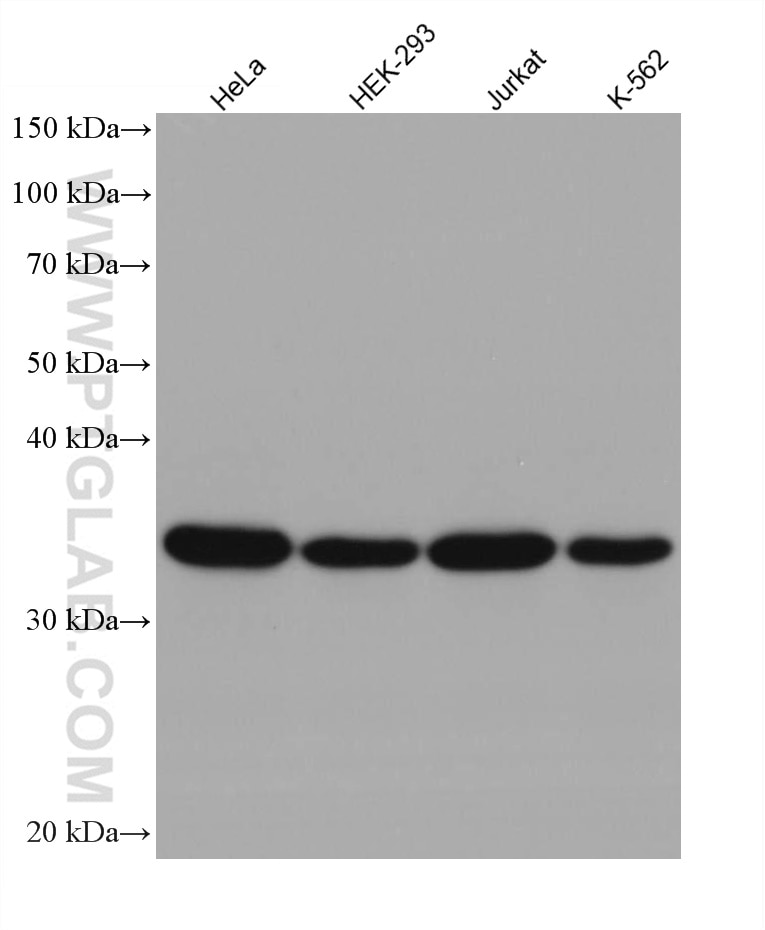
| Positive WB detected in | HeLa cells, HEK-293 cells, Jurkat cells, K-562 cells |
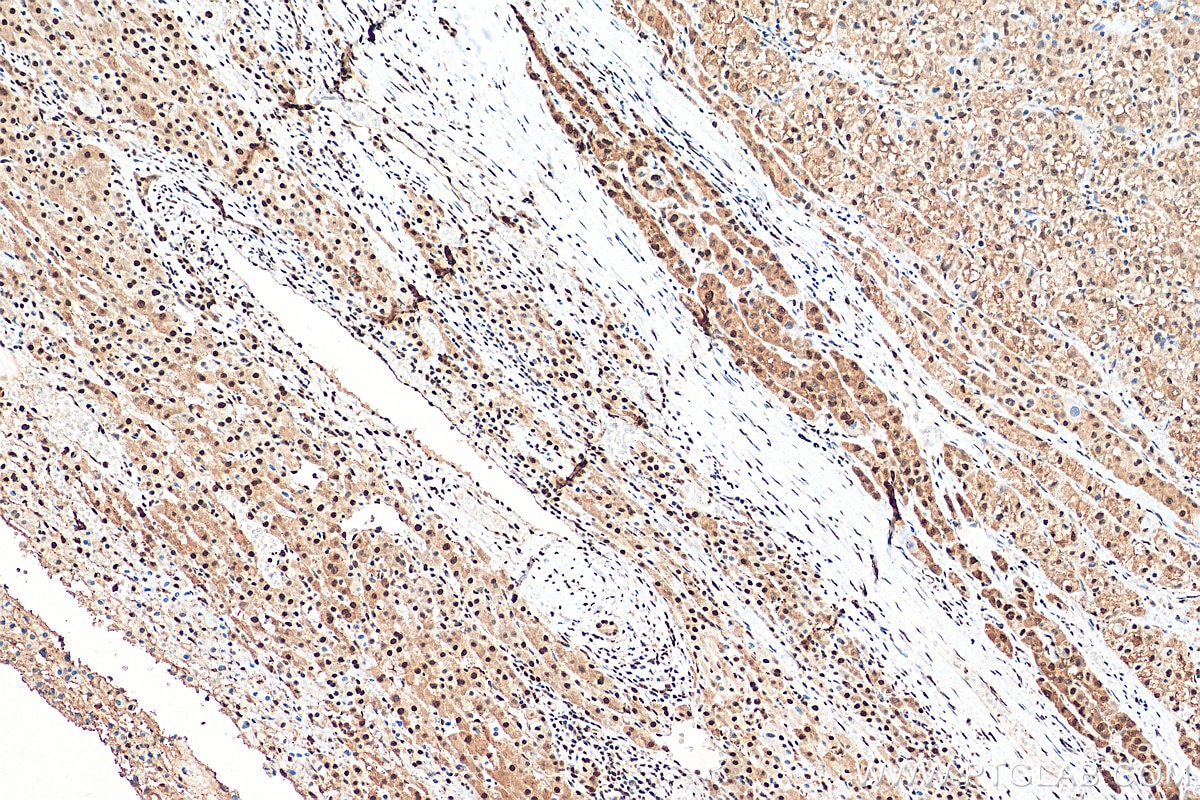
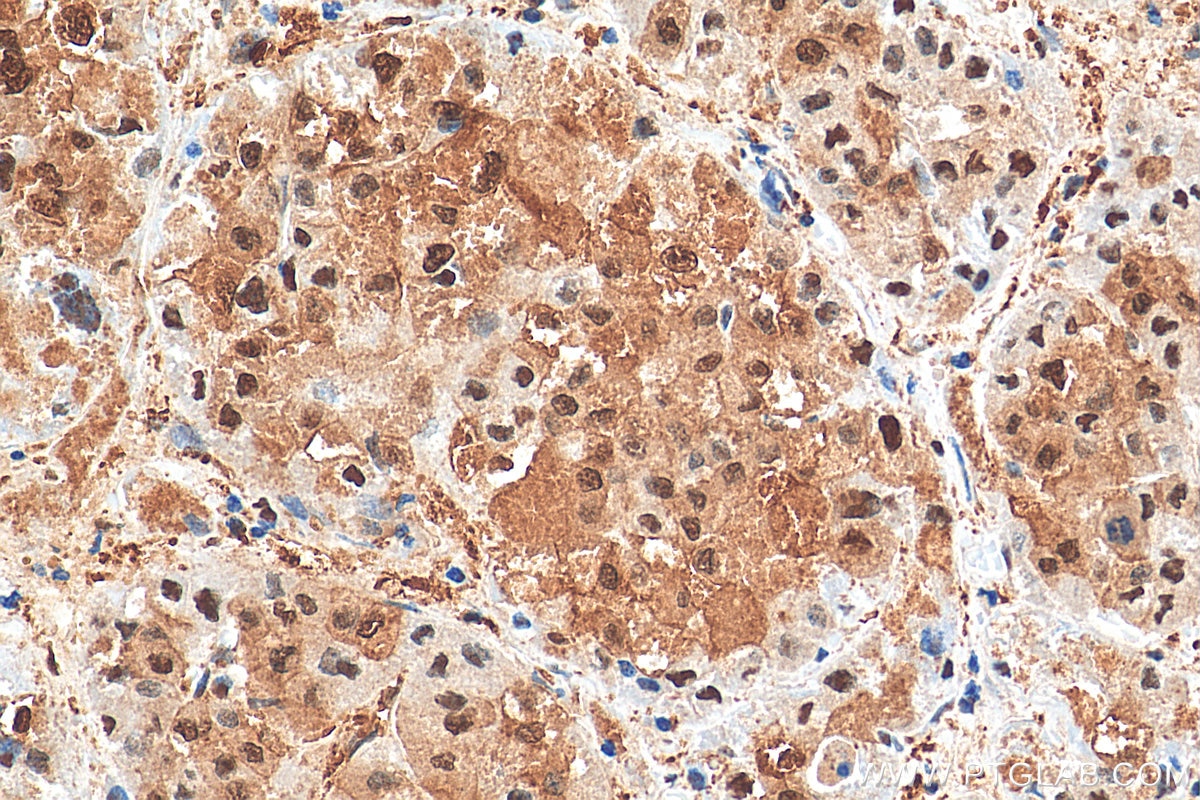
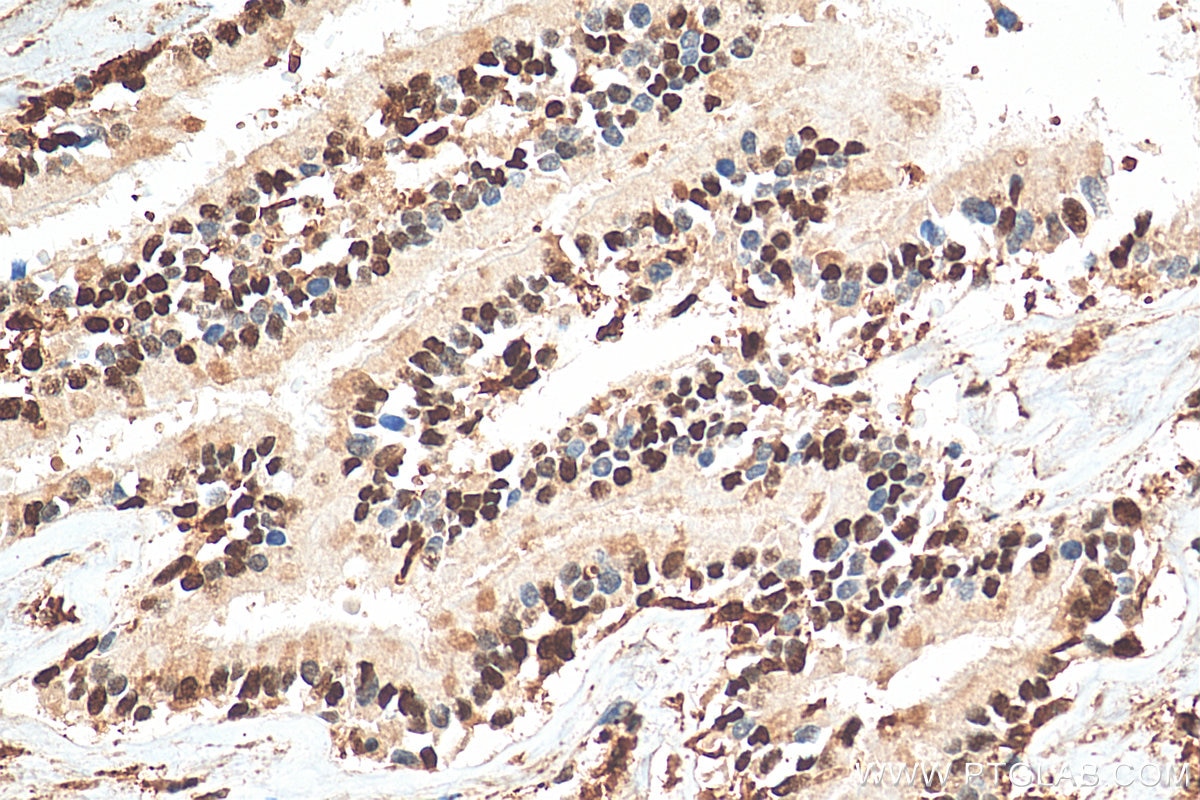
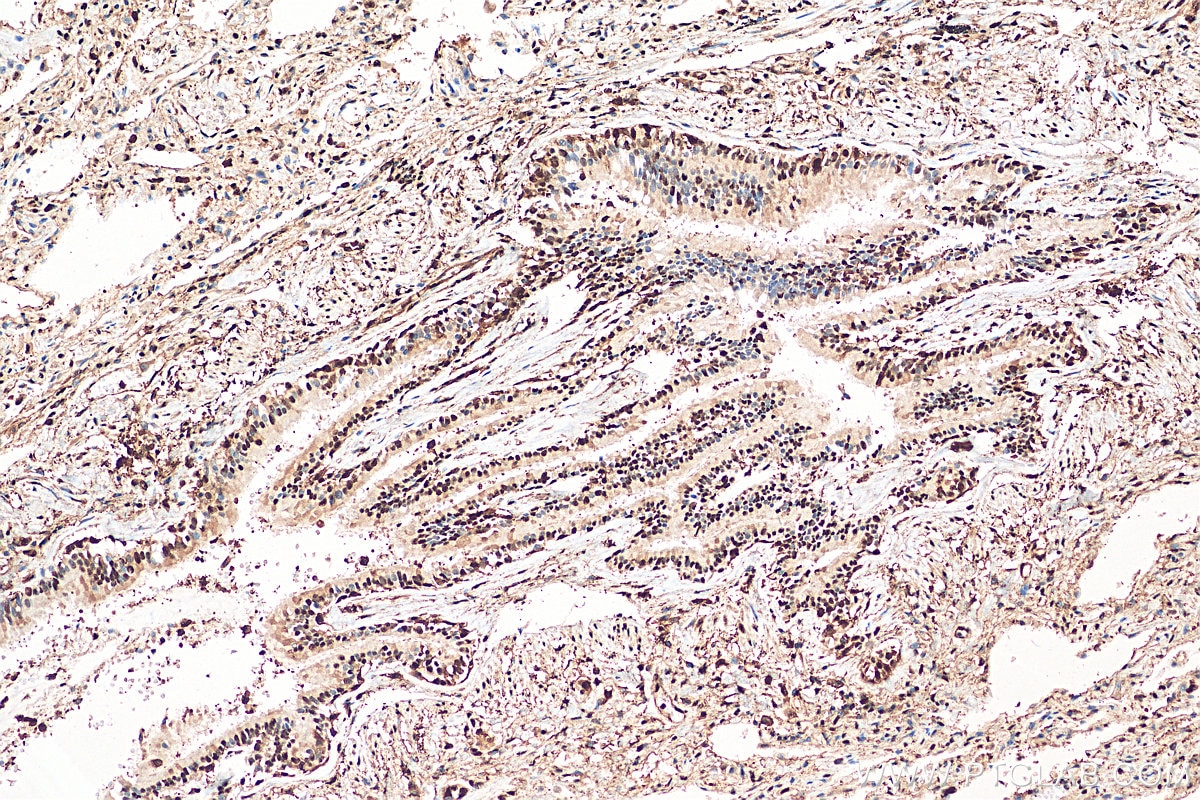
| Positive IHC detected in | human liver cancer tissue, human lung tissue Note: suggested antigen retrieval with TE buffer pH 9.0; (*) Alternatively, antigen retrieval may be performed with citrate buffer pH 6.0 |
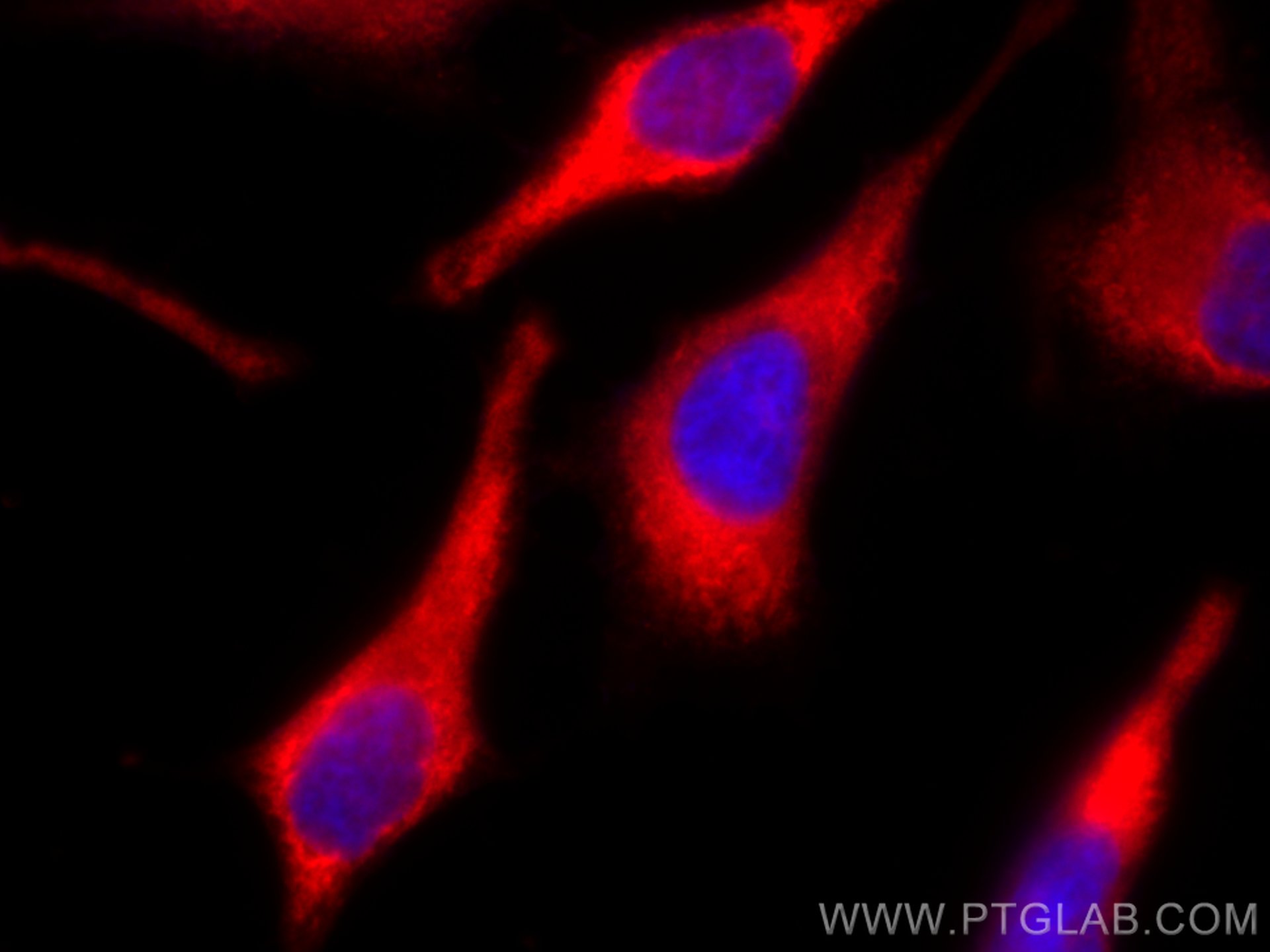
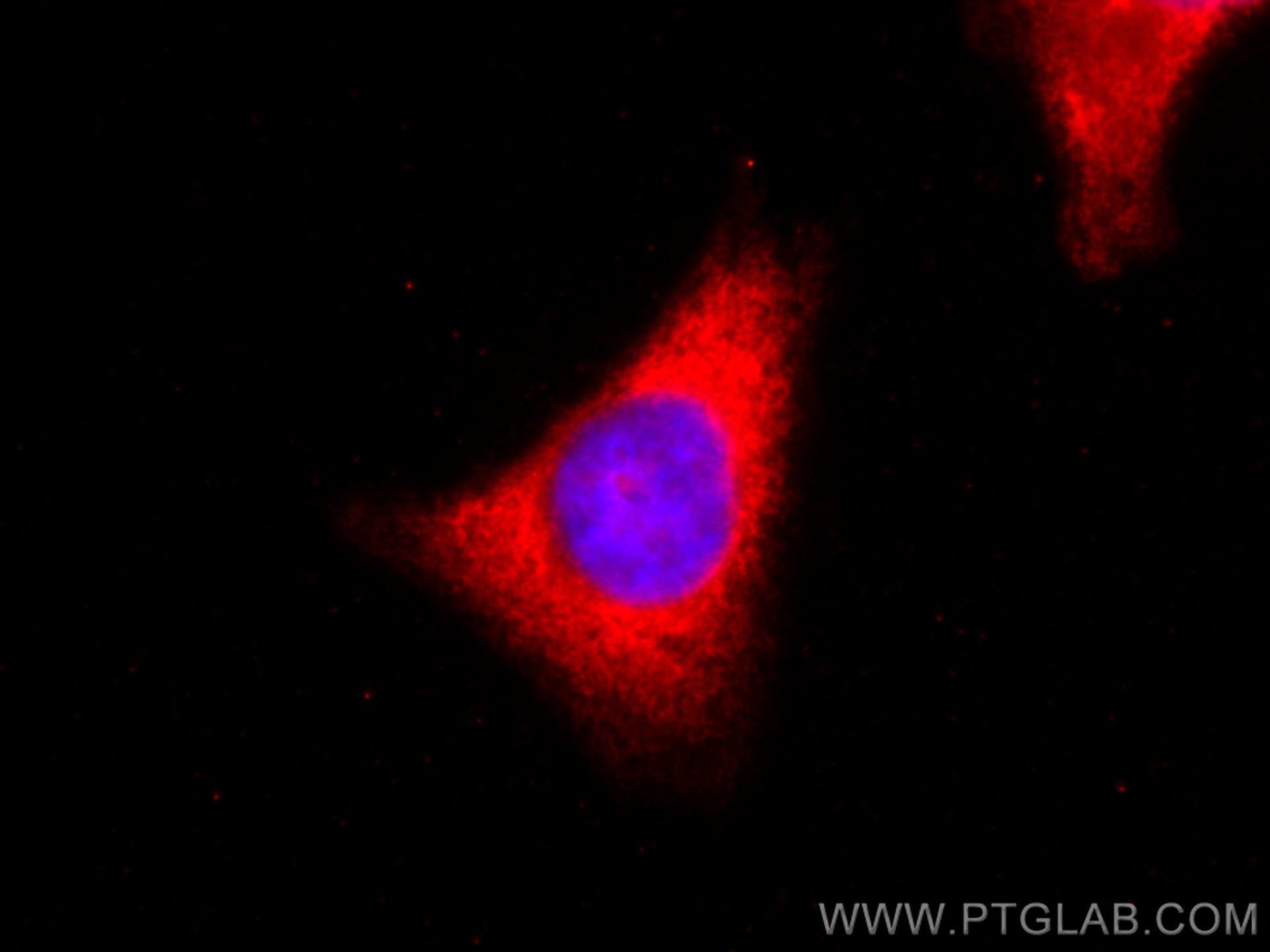
| Positive IF/ICC detected in | HeLa cells |
Recommended dilution
| Application | Dilution |
|---|---|
| Western Blot (WB) | WB : 1:2000-1:16000 |
| Immunohistochemistry (IHC) | IHC : 1:400-1:1600 |
| Immunofluorescence (IF)/ICC | IF/ICC : 1:200-1:800 |
| It is recommended that this reagent should be titrated in each testing system to obtain optimal results. | |
| Sample-dependent, Check data in validation data gallery. | |
Product Information
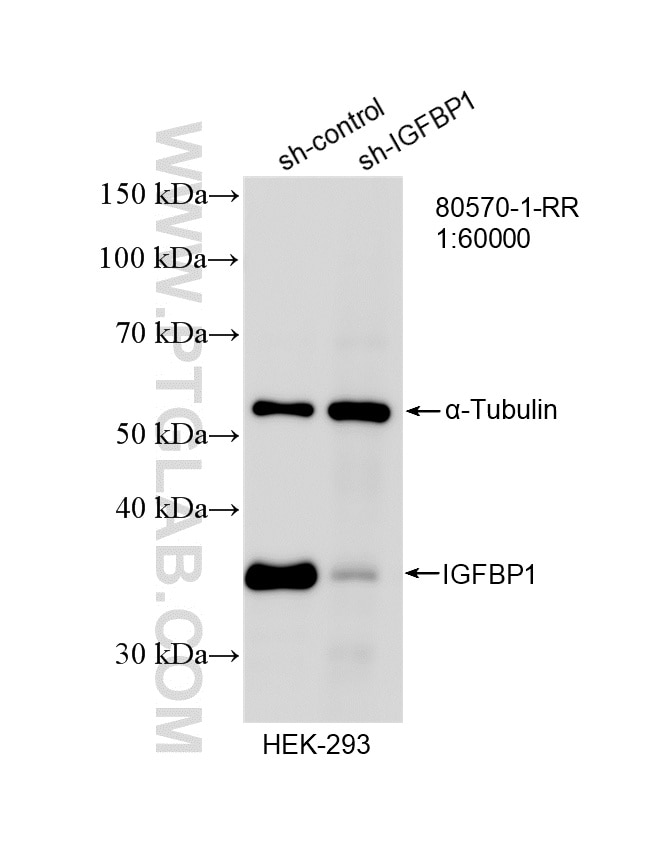
80570-1-RR targets GAPDH (Human Specific) in WB, IHC, IF/ICC, ELISA applications and shows reactivity with human samples.
| Tested Reactivity | human |
| Cited Reactivity | human |
| Host / Isotype | Rabbit / IgG |
| Class | Recombinant |
| Type | Antibody |
| Immunogen |
CatNo: Ag0766 Product name: Recombinant human GAPDH protein Source: e coli.-derived, PGEX-4T Tag: GST Domain: 1-335 aa of BC004109 Sequence: MGKVKVGVNGFGRIGRLVTRAAFNSGKVDIVAINDPFIDLNYMVYMFQYDSTHGKFHGTVKAENGKLVINGNPITIFQERDPSKIKWGDAGAEYVVESTGVFTTMEKAGAHLQGGAKRVIISAPSADAPMFVMGVNHEKYDNSLKIISNASCTTNCLAPLAKVIHDNFGIVEGLMTTVHAITATQKTVDGPSGKLWRDGRGALQNIIPASTGAAKAVGKVIPELNGKLTGMAFRVPTANVSVVDLTCRLEKPAKYDDIKKVVKQASEGPLKGILGYTEHQVVSSDFNSDTHSSTFDAGAGIALNDHFVKLISWYDNEFGYSNRVVDLMAHMASKE Predict reactive species |
| Full Name | glyceraldehyde-3-phosphate dehydrogenase |
| Calculated Molecular Weight | 36 kDa |
| Observed Molecular Weight | 36 kDa |
| GenBank Accession Number | BC004109 |
| Gene Symbol | GAPDH |
| Gene ID (NCBI) | 2597 |
| RRID | AB_2918902 |
| Conjugate | Unconjugated |
| Form | Liquid |
| Purification Method | Protein A purification |
| UNIPROT ID | P04406 |
| Storage Buffer | PBS with 0.02% sodium azide and 50% glycerol, pH 7.3. |
| Storage Conditions | Store at -20°C. Stable for one year after shipment. Aliquoting is unnecessary for -20oC storage. 20ul sizes contain 0.1% BSA. |
Background Information
Glyceraldehyde-3-phosphate dehydrogenase (GAPDH) catalyzes the phosphorylation of glyceraldehyde-3-phosphate during glycolysis. GAPDH participates in nuclear events including transcription, binding RNA, RNA transportation, DNA replication, DNA repair and apoptosis. Being stably and constitutively expressed at high levels in most tissues and cells, GAPDH is considered a housekeeping protein. It is widely used as a control for RT-PCR and also loading control in electrophoresis and Western blotting. GAPDH is normally expressed in cellular cytoplasm or membrane, but can occasionally translocate to the nucleus after the addition of post-translational modifications such as S-nitrosylation. This antibody is raised against full length GAPDH of human origin. It can recognize the 36 kDa GAPDH protein in most cells/tissues. In addition, a band below 36 kDa can always be detected as the isoform or spliced product of GAPDH (PMID: 23885286, 23877755, 19368702). Please note that some physiological factors, such as hypoxia and diabetes, increase GAPDH expression in certain cell types. For murine tissue samples, conjugated mouse antibody HRP-60004 and rabbit antibody 10494-1-AP are preferable. 80570-1-RR is human specific.
Protocols
| Product Specific Protocols | |
|---|---|
| IF protocol for GAPDH (Human Specific) antibody 80570-1-RR | Download protocol |
| IHC protocol for GAPDH (Human Specific) antibody 80570-1-RR | Download protocol |
| WB protocol for GAPDH (Human Specific) antibody 80570-1-RR | Download protocol |
| Standard Protocols | |
|---|---|
| Click here to view our Standard Protocols |
Publications
What published studies show
I'll search for the citation information for catalog number 80570-1-RR.The GAPDH (Human Specific) recombinant monoclonal antibody (catalog #80570-1-RR) has a total of 32 citations. Citations appear in journals including Nature Communications, Journal of Controlled Release, Cell Death & Disease, Journal of Pharmaceutical Analysis, Materials Today Bio, NPJ Precision Oncology, Stem Cell Research & Therapy, Cell Reports, Computational Biology and Medicine, Journal of Ethnopharmacology, Cellular and Molecular Life Sciences, Communications Biology, Molecular Medicine Reports, Toxics, Scientific Reports, Clinical and Experimental Medicine, Frontiers in Molecular Biosciences, BMC Cancer, Journal of Biochemical and Molecular Toxicology, Diagnostic Pathology, Human Genetics, Breast Cancer Research and Treatment, Journal of Cancer Research and Clinical Oncology, BBRC, International Journal of General Medicine, Histology and Histopathology, Medicine, Biochemical Genetics, Human Mutation, and European Journal of Pharmacology.
The associated research fields span cancer biology (breast, prostate, glioma, colon, liver/HCC, head and neck, renal, pancreatic, nasopharyngeal, laryngeal cancers), oncology mechanisms (ferroptosis, cuproptosis, tumor microenvironment, immune microenvironment), regenerative medicine and liver failure therapy, osteoarthritis/bone regeneration, toxicology, diabetes-related periodontitis, endometriosis, gene regulation, and cardiovascular injury research.
| Species | Application | Title |
|---|---|---|
Nat Commun CGMega: explainable graph neural network framework with attention mechanisms for cancer gene module dissection | ||
J Control Release Nanoceria drive stem cell hepatic differentiation and microenvironment remodeling for acute liver failure therapy. | ||
Cell Death Dis TRIP13 promotes the expansion and immunosuppression of CD4(+)Foxp3(+) regulatory T cells by sustaining HAT1 stability. | ||
Mater Today Bio Sustained release of naringin from silk-fibroin-nanohydroxyapatite scaffold for the enhancement of bone regeneration. | ||
NPJ Precis Oncol Impact of HMGA1 on tumorigenesis, prognosis and immune microenvironment in HNSCC: a multi-omics study |









