

Tested Applications
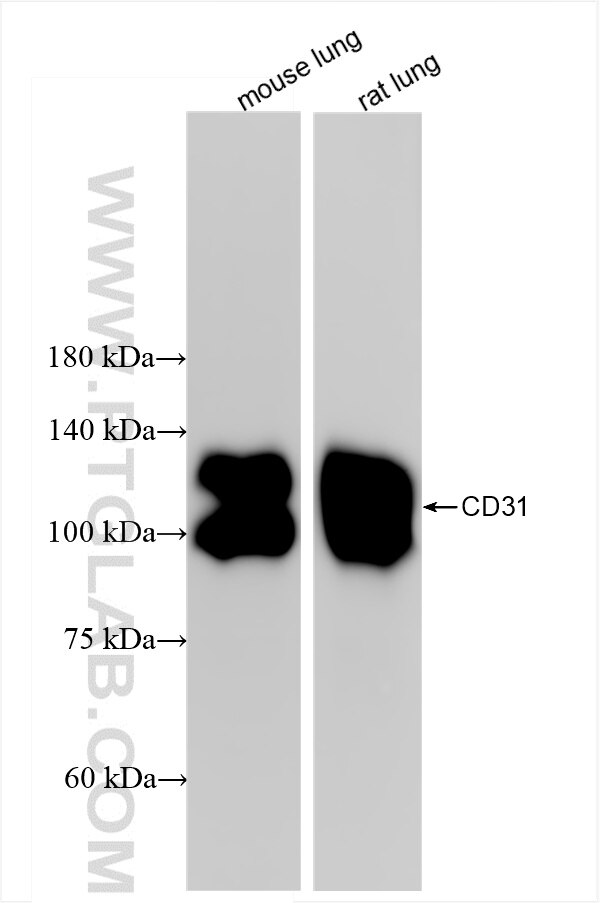
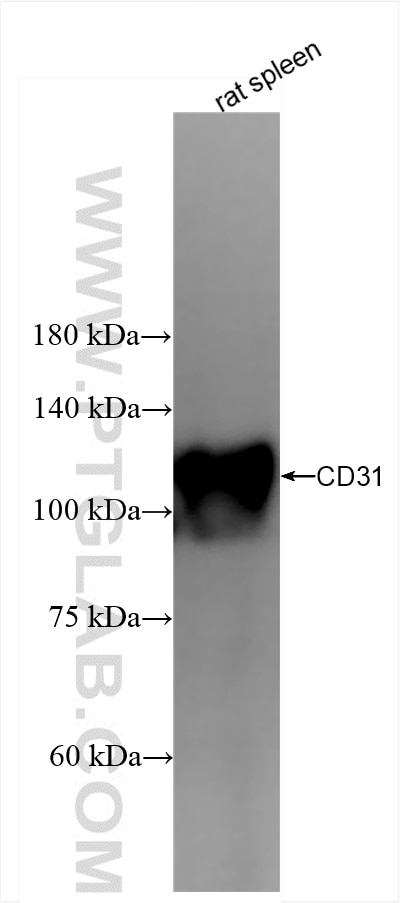
| Positive WB detected in | mouse lung tissue, rat spleen tissue, rat lung tissue |
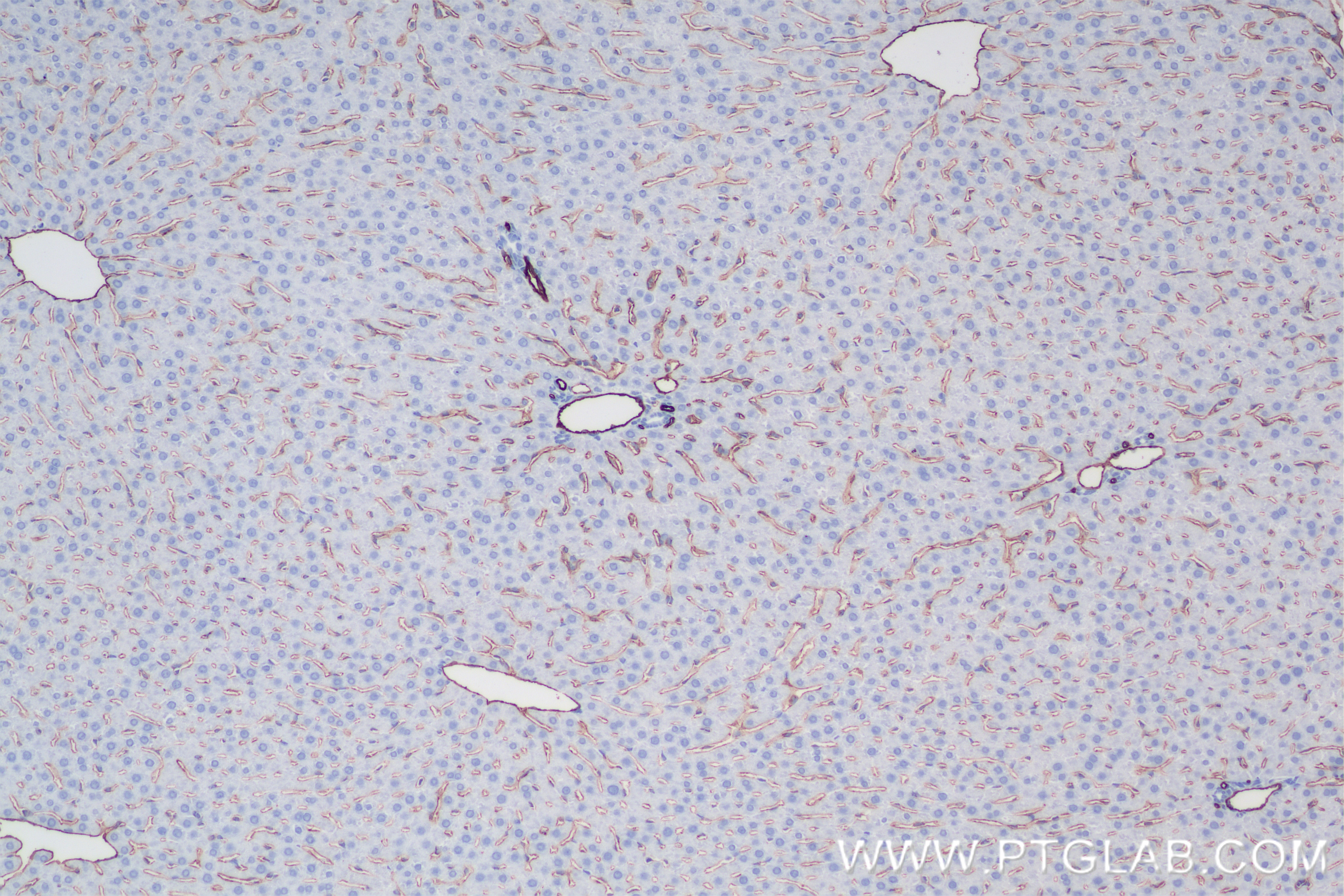
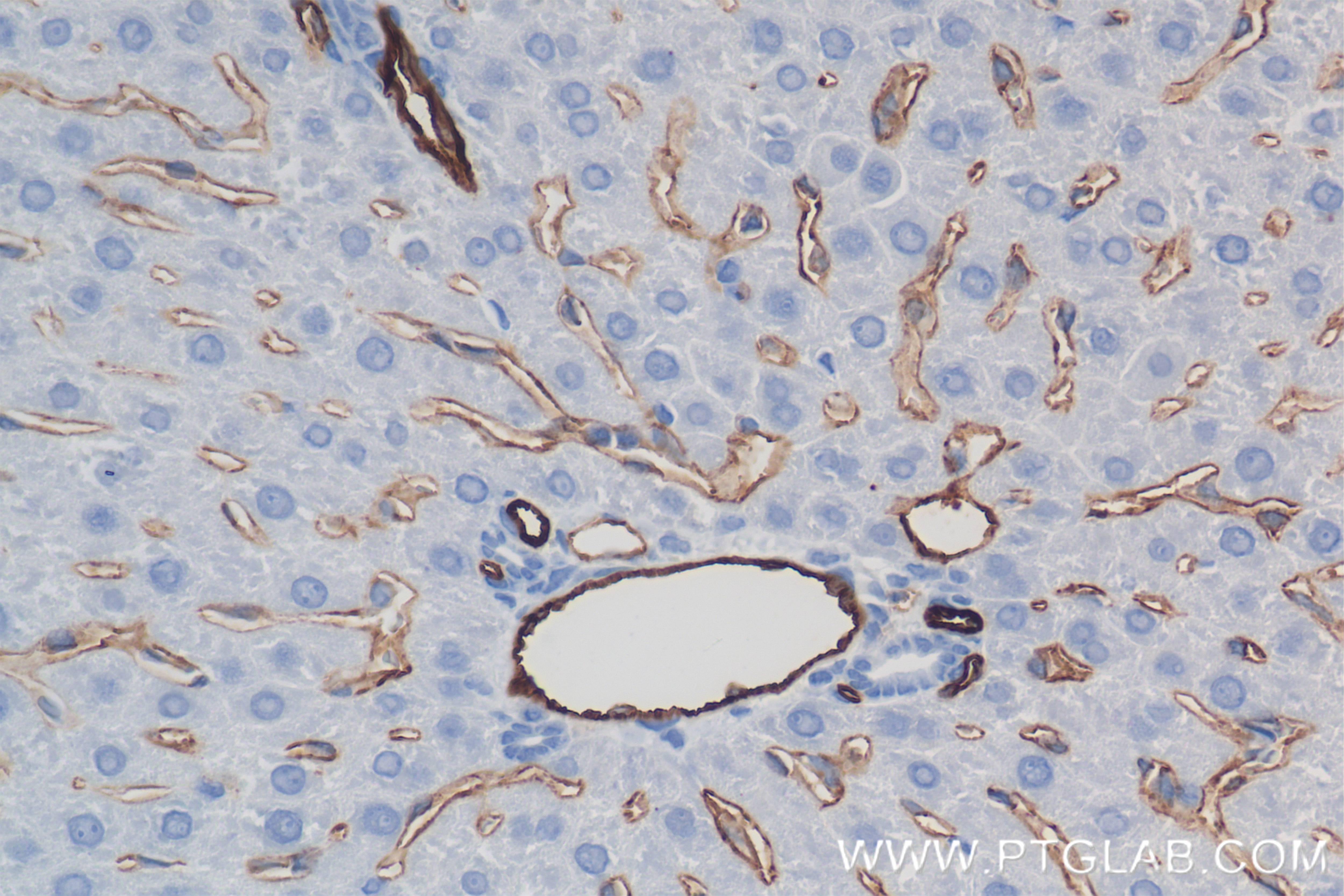
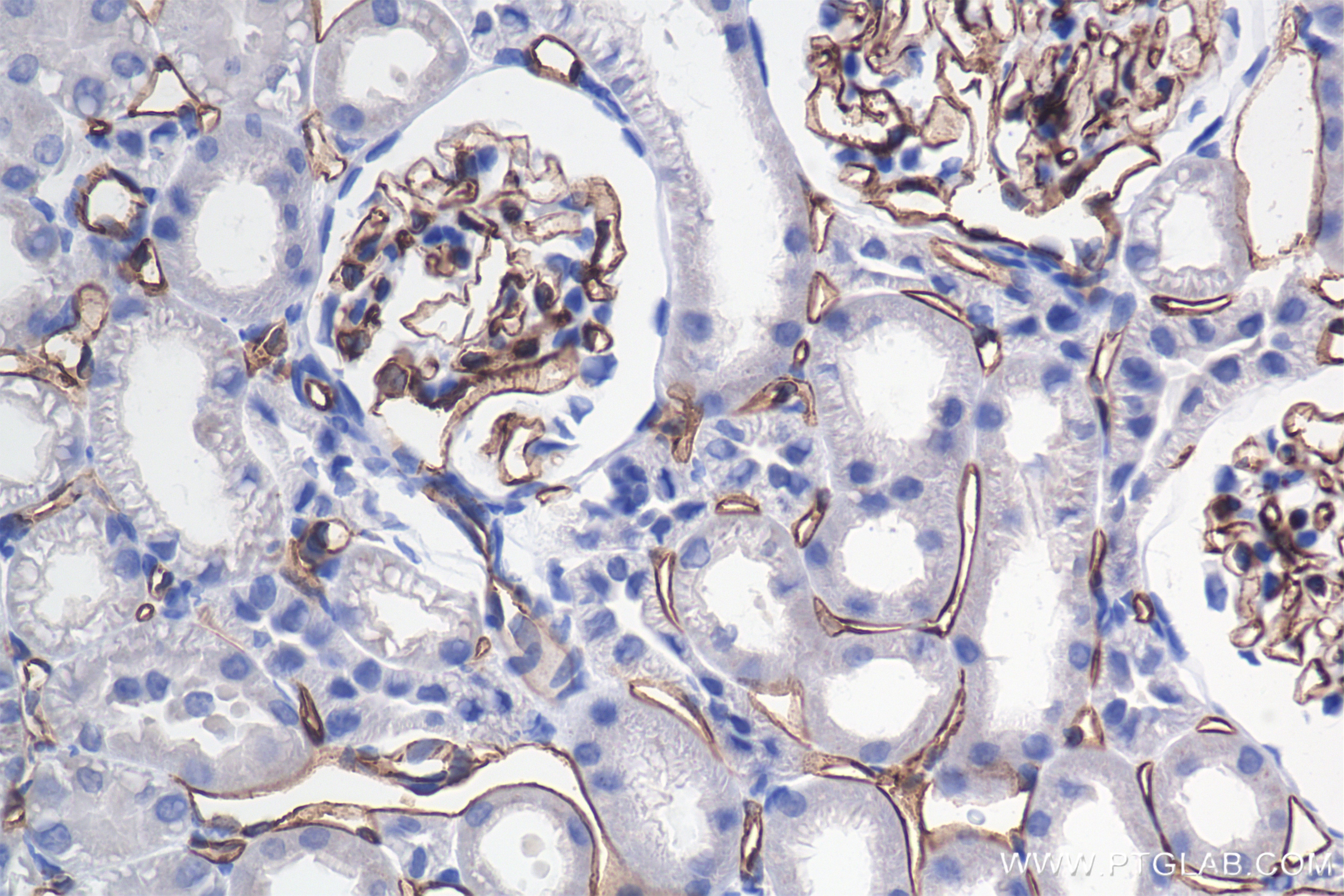
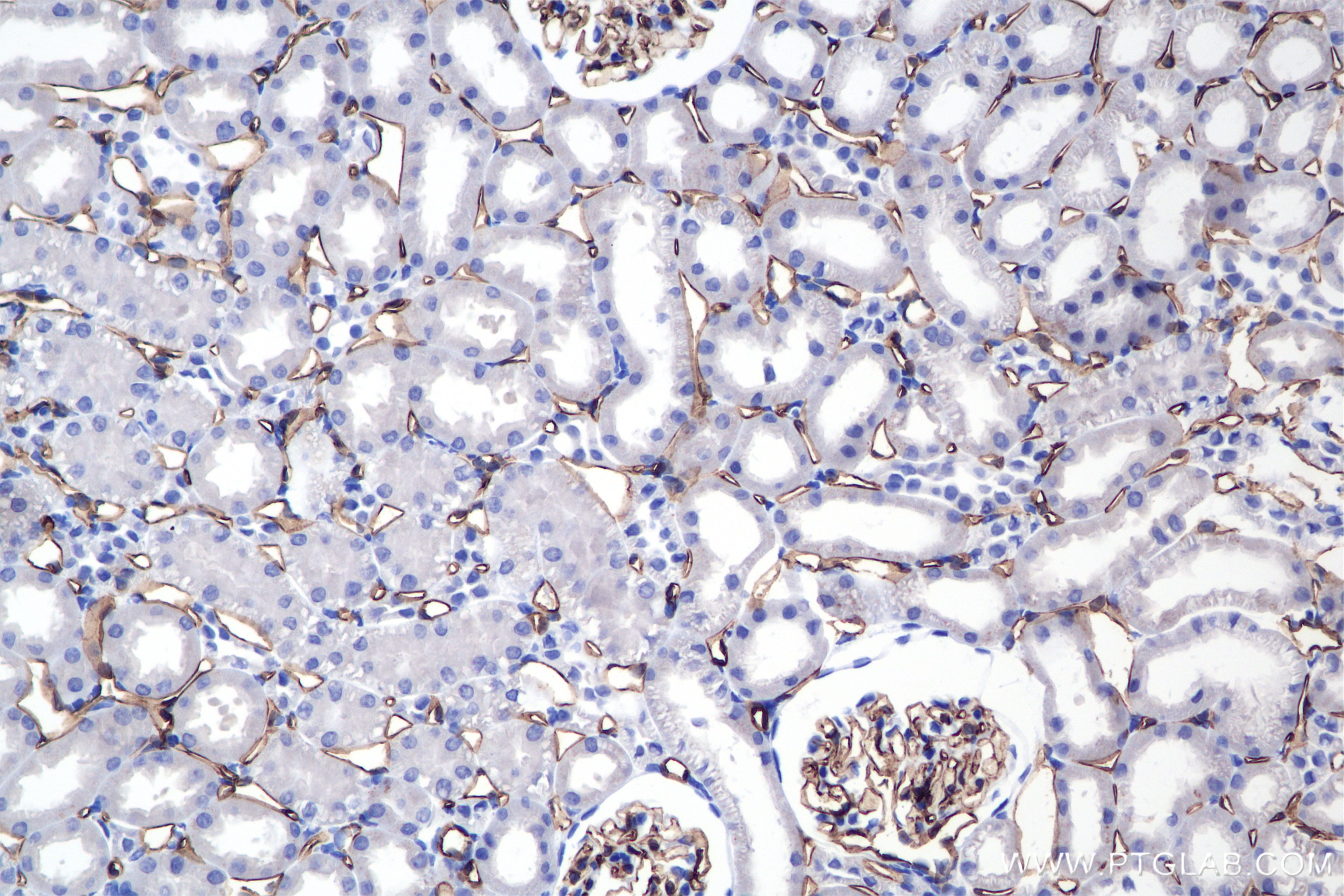
| Positive IHC detected in | rat liver tissue, rat kidney tissue Note: suggested antigen retrieval with TE buffer pH 9.0; (*) Alternatively, antigen retrieval may be performed with citrate buffer pH 6.0 |
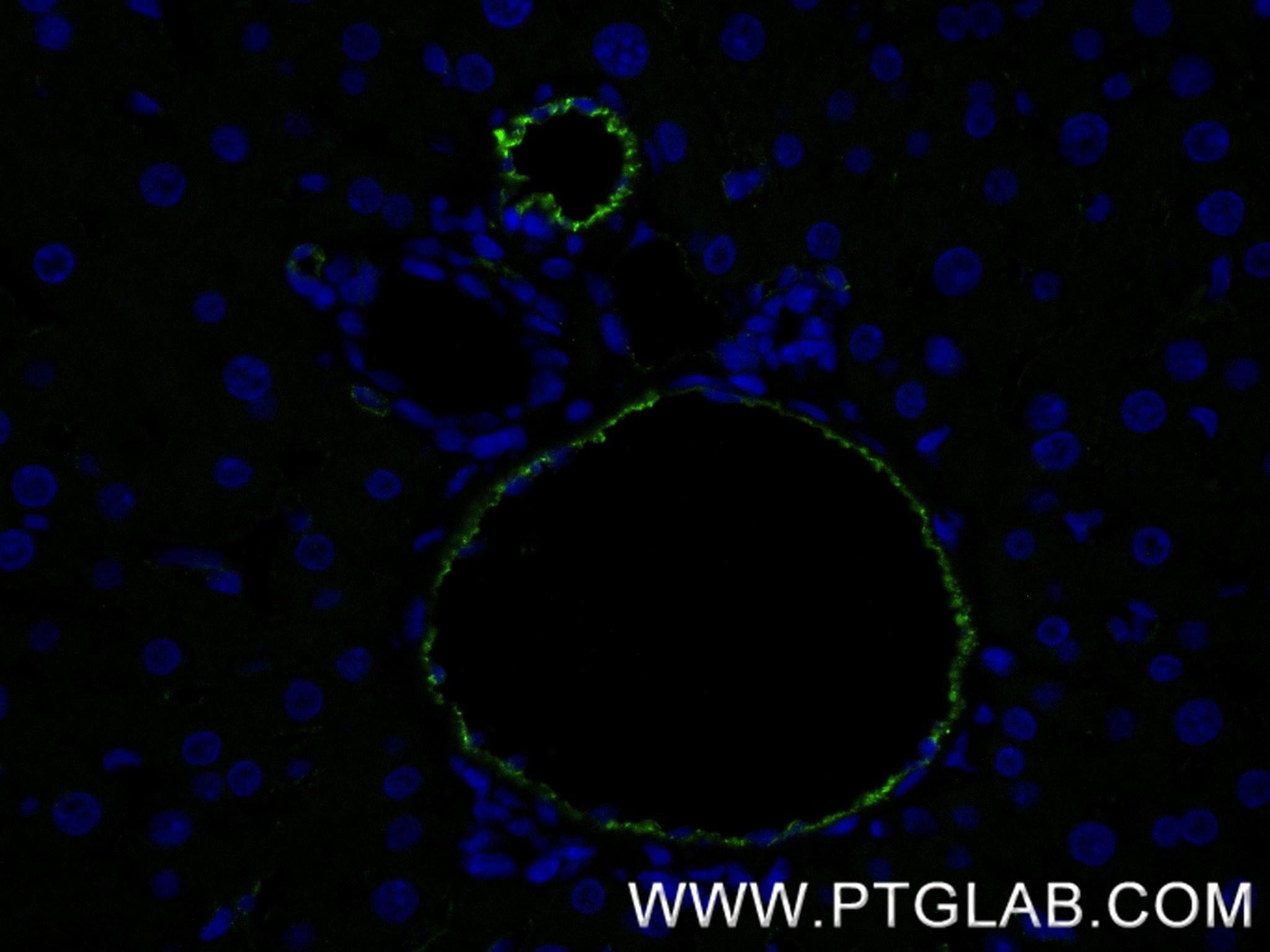
| Positive IF-P detected in | rat liver tissue |
This antibody does not react with human CD31.
Recommended dilution
| Application | Dilution |
|---|---|
| Western Blot (WB) | WB : 1:2000-1:10000 |
| Immunohistochemistry (IHC) | IHC : 1:500-1:2000 |
| Immunofluorescence (IF)-P | IF-P : 1:250-1:1000 |
| It is recommended that this reagent should be titrated in each testing system to obtain optimal results. | |
| Sample-dependent, Check data in validation data gallery. | |
Product Information
85898-4-RR targets CD31 in WB, IHC, IF-P, ELISA applications and shows reactivity with mouse, rat samples.
| Tested Reactivity | mouse, rat |
| Cited Reactivity | rat |
| Host / Isotype | Rabbit / IgG |
| Class | Recombinant |
| Type | Antibody |
| Immunogen |
CatNo: Eg1456 Product name: Recombinant Rat CD31/PECAM-1 protein (rFc Tag) Source: mammalian cells-derived, pHZ-KIsec-C-rFc Tag: C-rFc Domain: 18-589 aa of NP_113779.1 Sequence: QENSFTINSIHMESRPSWEVSNGQKLTLQCLVDISTTSKSRPQHQVLFYKDDALVYNVSSSEHTESFVIPQSRVFHAGKYKCTVILNSKEKTTIEYQLTVNGVPMPEVTVDKKEVTEGGIVTVNCSMQEEKPPIYFKIEKVELGTKNVKLSREKTSNMNFVLIEFPIEEQDHLLVFRCQAGVLSGIKMQTSEFIRSEYVTVQEFFSTPKFQIQPPEMIIEGNQLHIKCSVQVAHLAQEFPEIIIQKDKAIVATSKQSKEAVYSVMALVEHSGHYTCKVESNRISKASSILVNITELFPRPKLELSSSRLDQGEMLDLSCSVSGAPVANFTIQKEETVLSQYQNFSKIAEERDSGLYSCTAGIGKVVKRSNLVPVQVCEMLSKPRIFHDAKFEIIKGQIIGISCQSVNGTAPITYRLLRAKSNFQTVQKNSNDPVTFTDKPTRDMEYQCIVDNCHSHPEVRSEILRVKVIAPVDEVTISILSGNDVQSGDEMVLRCSVKEGTGPVTFQFYKEKEGRPFHEETVNDTQVFWHHEQTSKEQEGQYYCTAFNRASIVTSLRSGPLTVRVFLAPWKK Predict reactive species |
| Full Name | platelet/endothelial cell adhesion molecule 1 |
| Calculated Molecular Weight | 76kDa |
| Observed Molecular Weight | 100-130 kDa |
| GenBank Accession Number | NP_113779.1 |
| Gene Symbol | Pecam1 |
| Gene ID (NCBI) | 29583 |
| RRID | AB_3744456 |
| Conjugate | Unconjugated |
| Form | Liquid |
| Purification Method | Protein A purification |
| UNIPROT ID | Q3SWT0 |
| Storage Buffer | PBS with 0.02% sodium azide and 50% glycerol, pH 7.3. |
| Storage Conditions | Store at -20°C. Stable for one year after shipment. Aliquoting is unnecessary for -20oC storage. 20ul sizes contain 0.1% BSA. |
Background Information
Platelet endothelial cell adhesion molecule-1 (PECAM-1, CD31) is a member of the immunoglobulin gene superfamily of cell adhesion molecules. CD31 is a transmembrane glycoprotein that is highly expressed on the surface of the endothelium, making up a large portion of its intracellular junctions. PECAM-1 is also present on the surface of hematopoietic cells and immune cells including platelets, monocytes, neutrophils, natural killer cells, megakaryocytes and some types of T-cell (PMID: 9011572). As well as its role in cell-cell adhesion, PECAM-1 functions as a signaling receptor, and is involved in important physiological events such as nitric oxide production, regulation of T-cell immunity and tolerance, leukocyte transendothelial migration and inflammation and angiogenesis (PMID: 21183735; 20978210; 17872453; 20634489).
Protocols
| Product Specific Protocols | |
|---|---|
| IF protocol for CD31 antibody 85898-4-RR | Download protocol |
| IHC protocol for CD31 antibody 85898-4-RR | Download protocol |
| WB protocol for CD31 antibody 85898-4-RR | Download protocol |
| Standard Protocols | |
|---|---|
| Click here to view our Standard Protocols |
Publications
What published studies show
The CD31 Recombinant monoclonal antibody (250372F8), catalog number 85898-4-RR, has 11 citations. These appear in journals including Bioactive Materials, Journal of Nanobiotechnology, Materials Today Bio, Acta Biomaterialia, International Journal of Biological Macromolecules, Biomaterials Advances, International Immunopharmacology, Journal of Biomedical Materials Research A, and Frontiers in Nutrition. The research fields span tissue engineering and biomaterials, wound healing (including diabetic wounds), bone regeneration, endometrial regeneration, vascular biology, and immunometabolism.
| Species | Application | Title |
|---|---|---|
Bioact Mater A cell-free lipid sterosomal therapeutic enables bone regeneration via USP18-mediated noncanonical S1P signaling. | ||
J Nanobiotechnology Piezo-herbal microneedle patches enable wireless endometrial regeneration and fertility recovery. | ||
Mater Today Bio 3D printing combined with thermally induced phase separation for engineering hierarchical osteogenic PLA scaffolds. | ||
Acta Biomater Adhesive polyethylene glycol hydrogels with metformin enabling in-situ drug delivery reprogramming immuno-metabolism for tissue repair in diabetic foot ulcers. | ||
Int J Biol Macromol Multifunctional double-network hydrogel with antibacterial and anti-inflammatory synergistic effects contributes to wound healing of bacterial infection. | ||
Biomater Adv (K,Na)NbO(3)-based lead-free ceramic/polyvinylidene fluoride piezoelectric composite for biomimetic wound healing via endogenous electric field simulation. |








