




Product Information
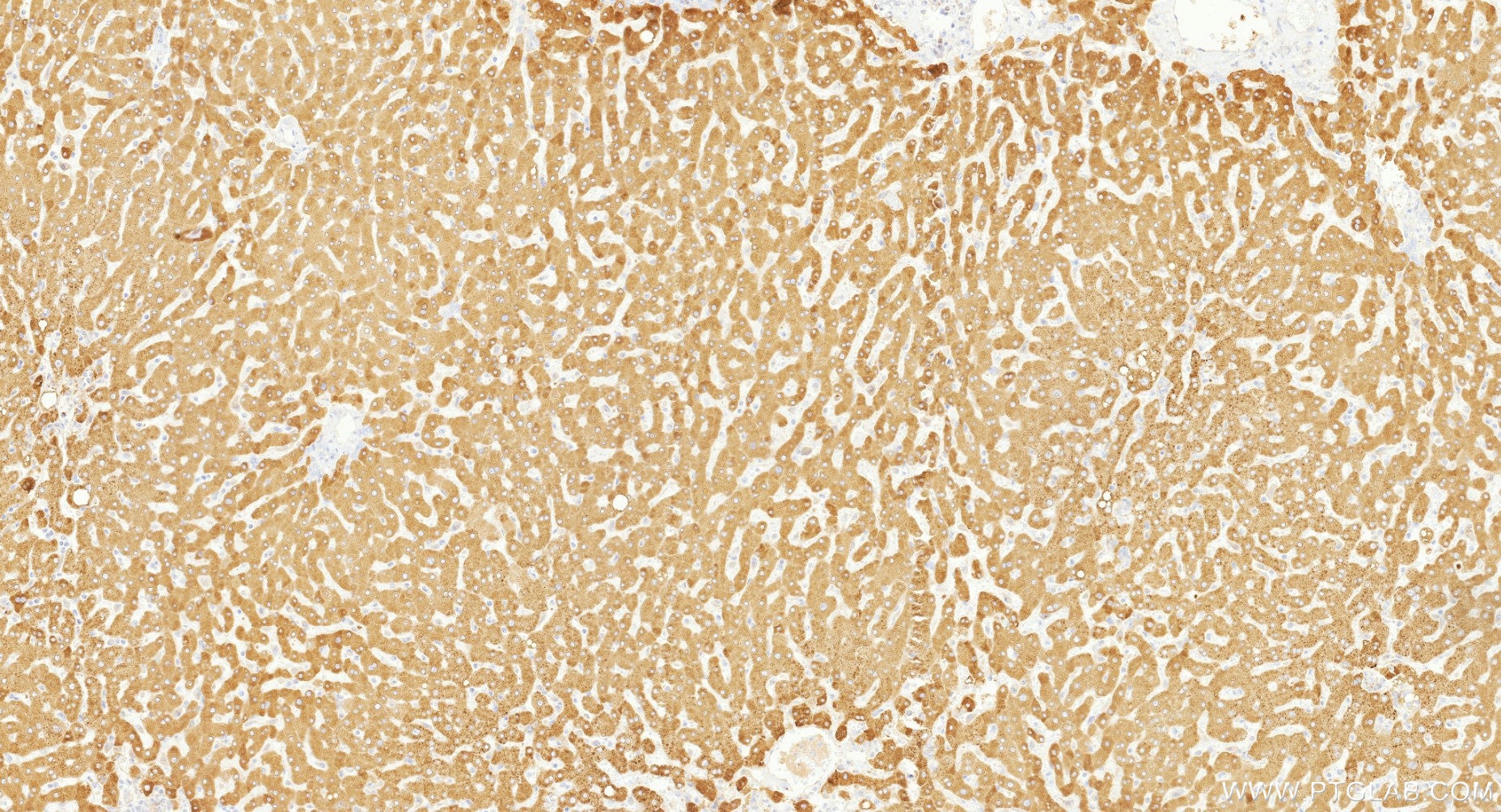
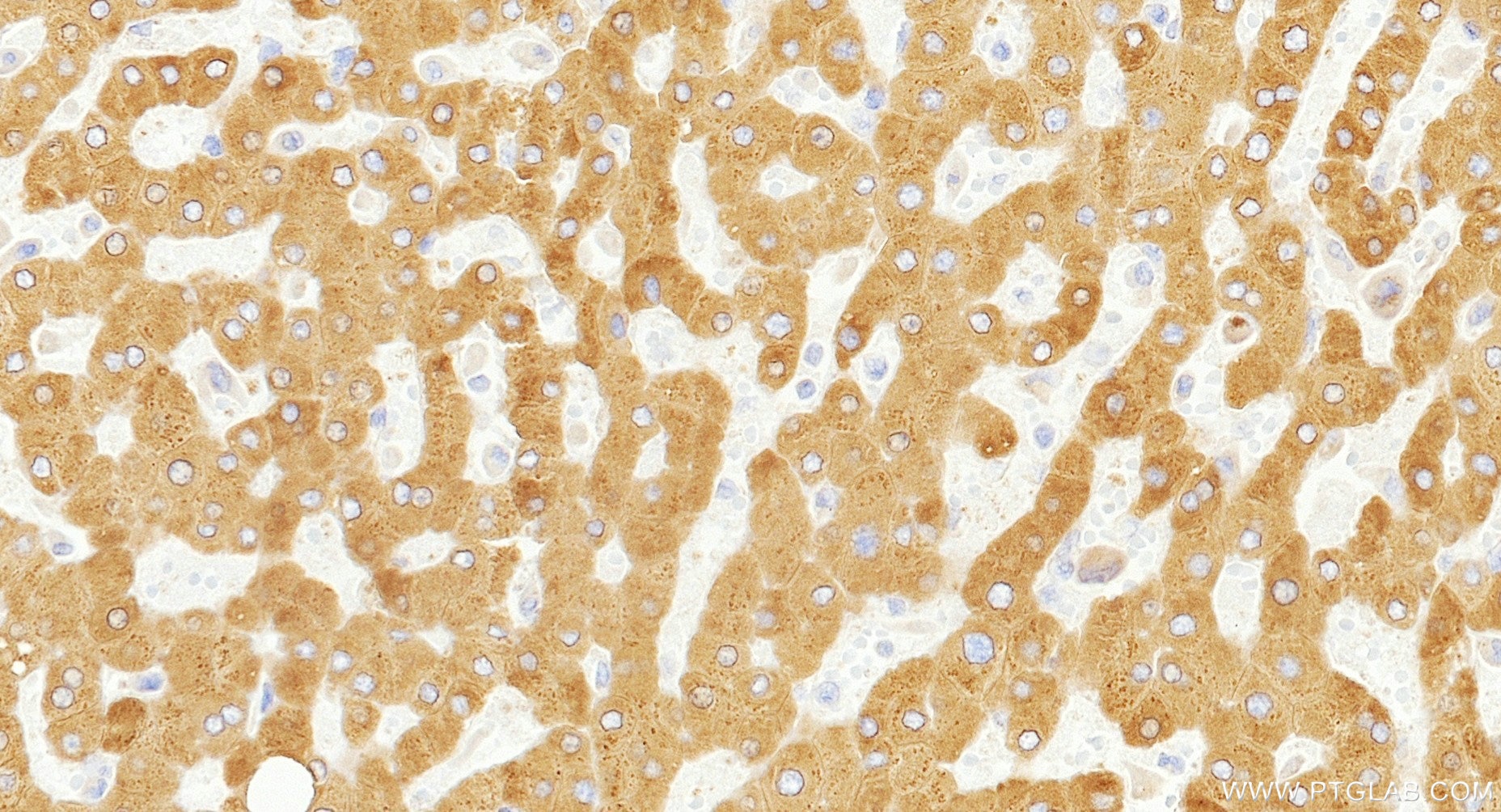
86982-1-PBS targets ACSL5 in WB, IHC, Indirect ELISA applications and shows reactivity with human, mouse, rat samples.
| Tested Reactivity | human, mouse, rat |
| Host / Isotype | Rabbit / IgG |
| Class | Recombinant |
| Type | Antibody |
| Immunogen |
CatNo: Ag8258 Product name: Recombinant human ACSL5 protein Source: e coli.-derived, PGEX-4T Tag: GST Domain: 388-739 aa of BC007985 Sequence: DIRLLADDMKTLKPTLFPAVPRLLNRIYDKVQNEAKTPLKKFLLKLAVSSKFKELQKGIIRHDSFWDKLIFAKIQDSLGGRVRVIVTGAAPMSTSVMTFFRAAMGCQVYEAYGQTECTGGCTFTLPGDWTSGHVGVPLACNYVKLEDVADMNYFTVNNEGEVCIKGTNVFKGYLKDPEKTQEALDSDGWLHTGDIGRWLPNGTLKIIDRKKNIFKLAQGEYIAPEKIENIYNRSQPVLQIFVHGESLRSSLVGVVVPDTDVLPSFAAKLGVKGSFEELCQNQVVREAILEDLQKIGKESGLKTFEQVKAIFLHPEPFSIENGLLTPTLKAKRGELSKYFRTQIDSLYEHIQD Predict reactive species |
| Full Name | acyl-CoA synthetase long-chain family member 5 |
| Calculated Molecular Weight | 76 kDa |
| Observed Molecular Weight | 65-70 kDa |
| GenBank Accession Number | BC007985 |
| Gene Symbol | ACSL5 |
| Gene ID (NCBI) | 51703 |
| RRID | AB_3745254 |
| Conjugate | Unconjugated |
| Form | Liquid |
| Purification Method | Protein A purification |
| UNIPROT ID | Q9ULC5 |
| Storage Buffer | PBS only, pH 7.3. |
| Storage Conditions | Store at -80°C. |
Background Information
ACSL5 (acyl-CoA synthetase long-chain family member 5) is a gene encoding an enzyme that activates long-chain fatty acids into acyl-CoA esters, thereby directing them toward lipid synthesis or β-oxidation. It is predominantly expressed in the small intestine, uterus, and spleen, with minimal presence in normal brain tissue. ACSL5 has gained clinical attention for its marked upregulation in malignant gliomas, where it promotes fatty-acid-driven tumor growth, and its mutations are linked to congenital diarrhea (DIAR13). Additionally, its expression levels are being explored as prognostic markers in colorectal cancer and as modulators of apoptotic signaling.






