
Tested Applications
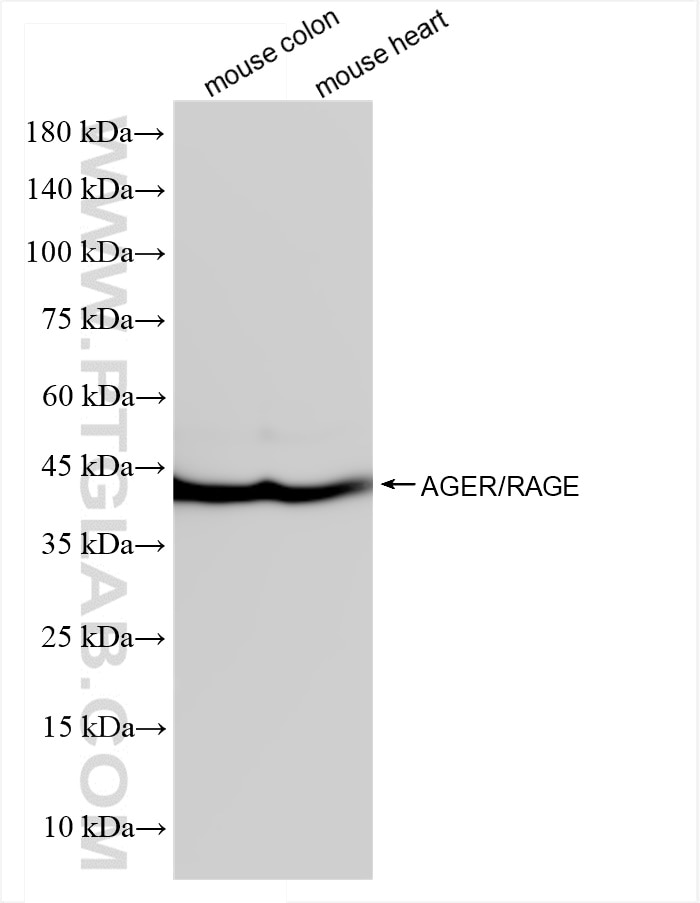
| Positive WB detected in | mouse colon tissue, mouse heart tissue |
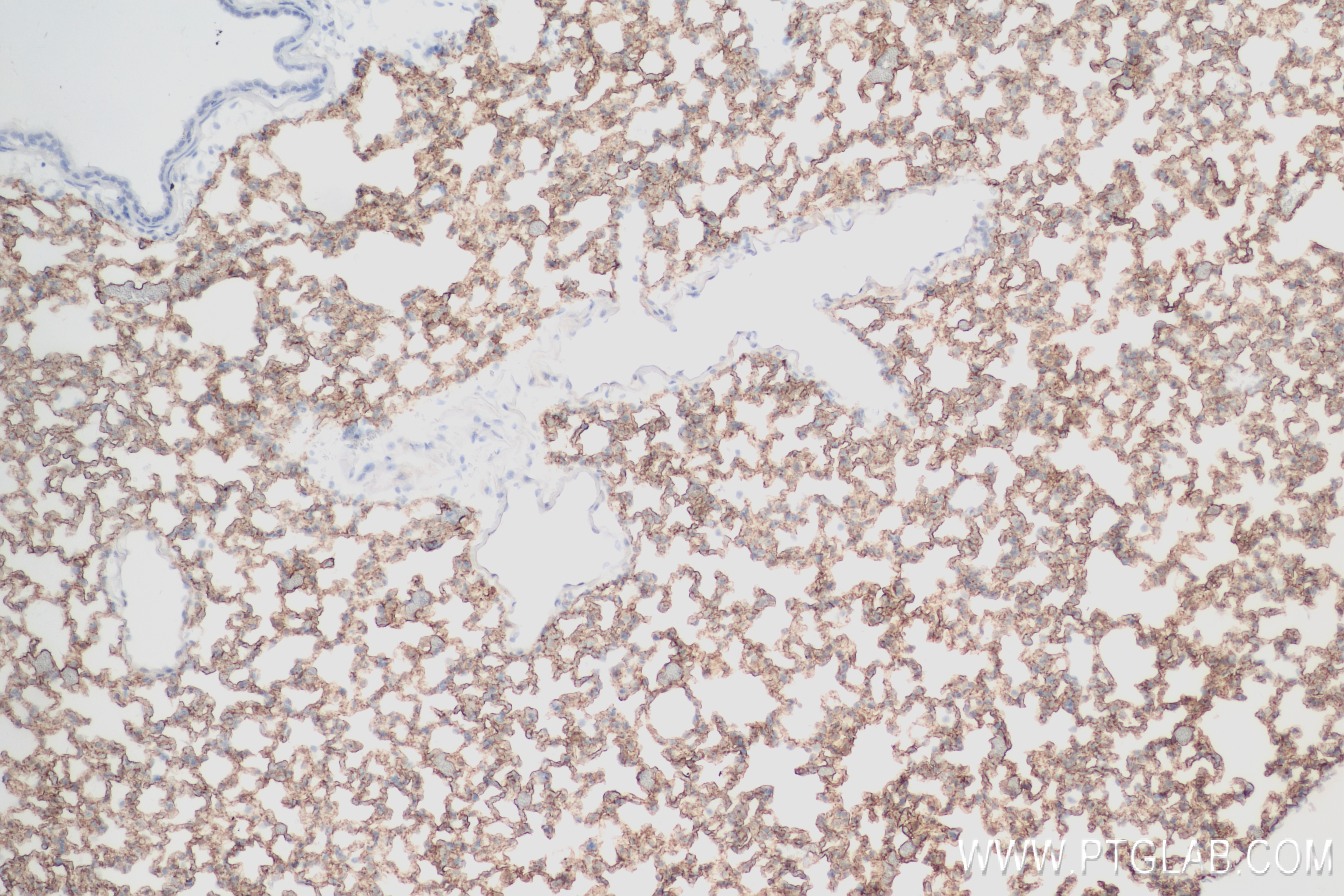
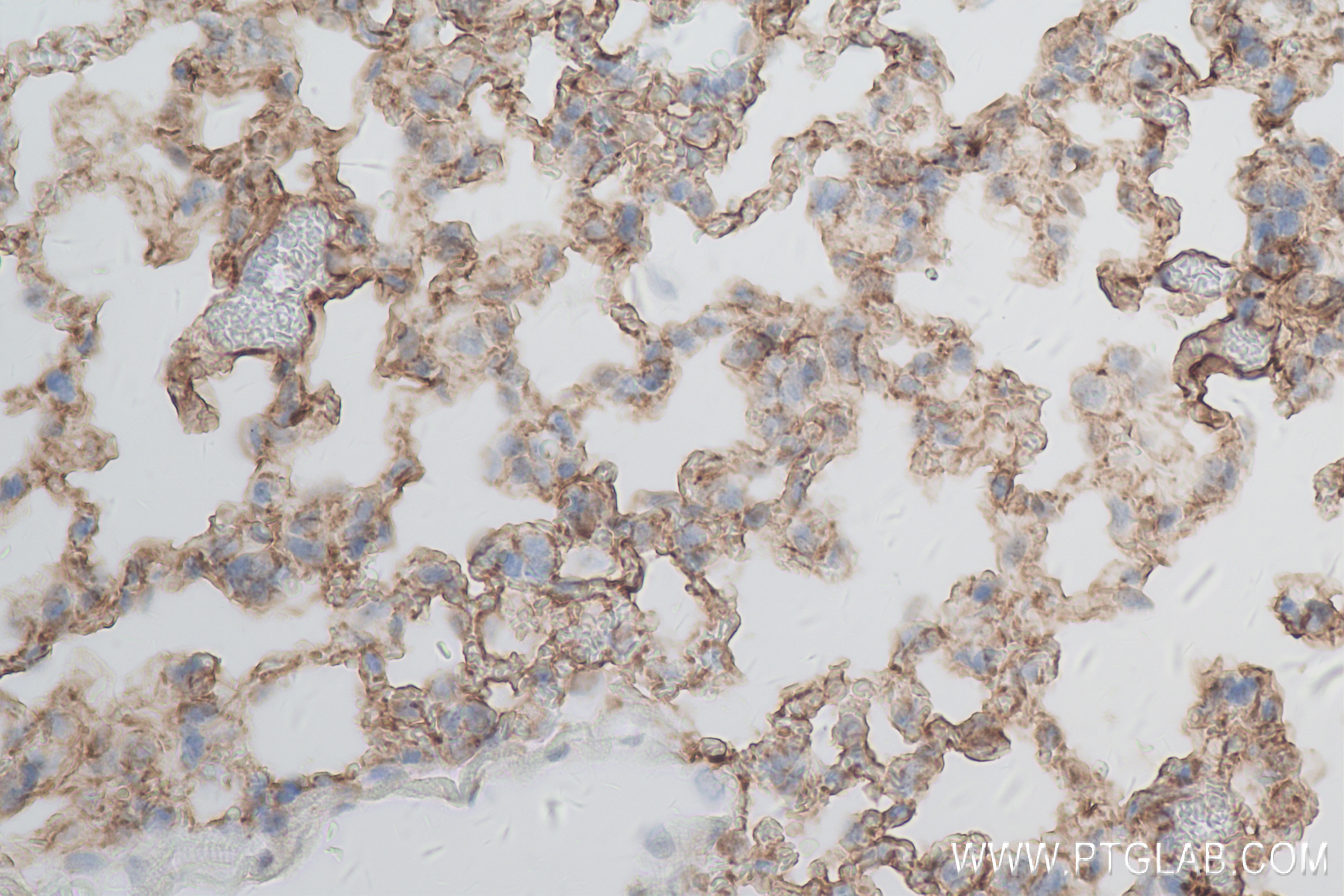
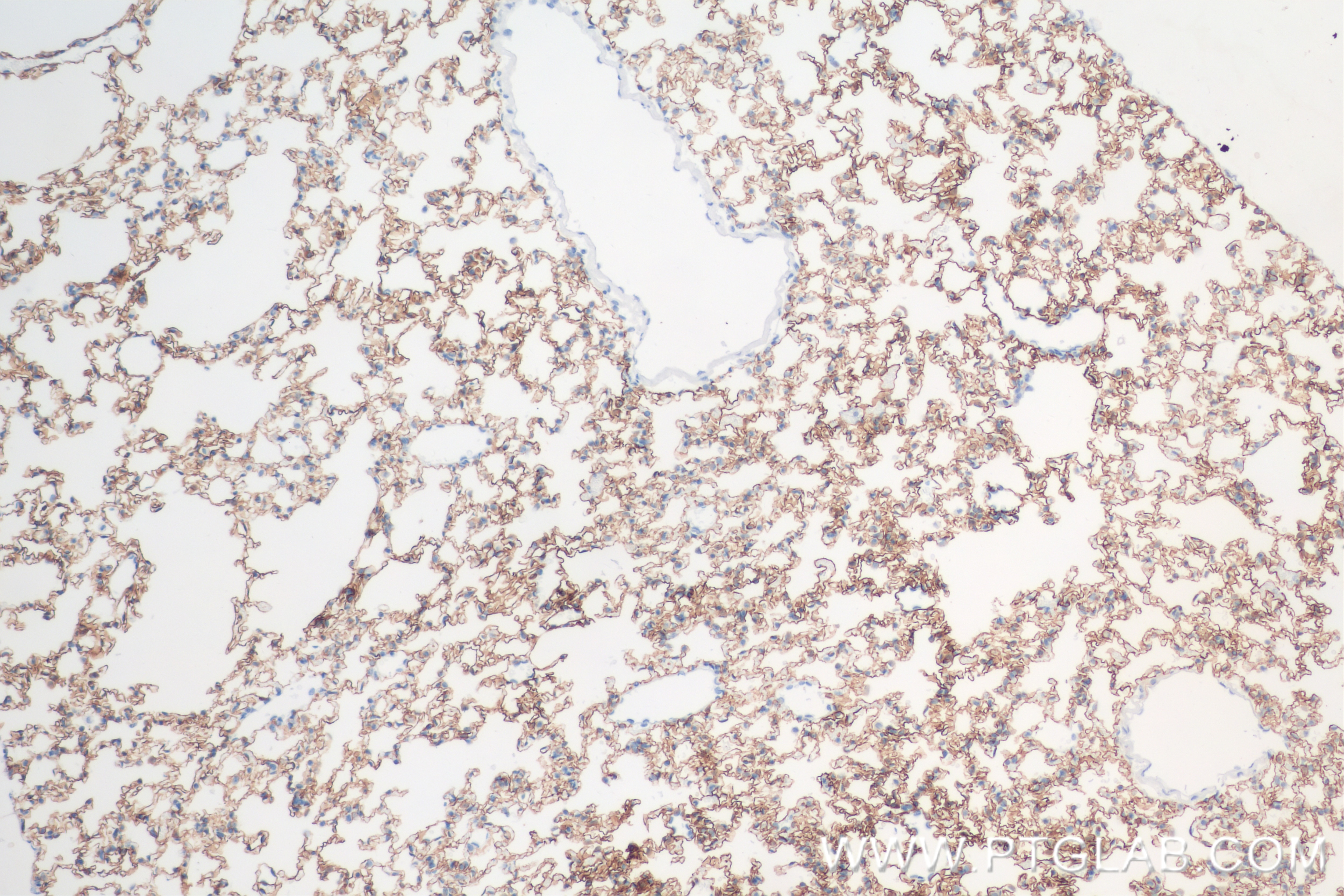
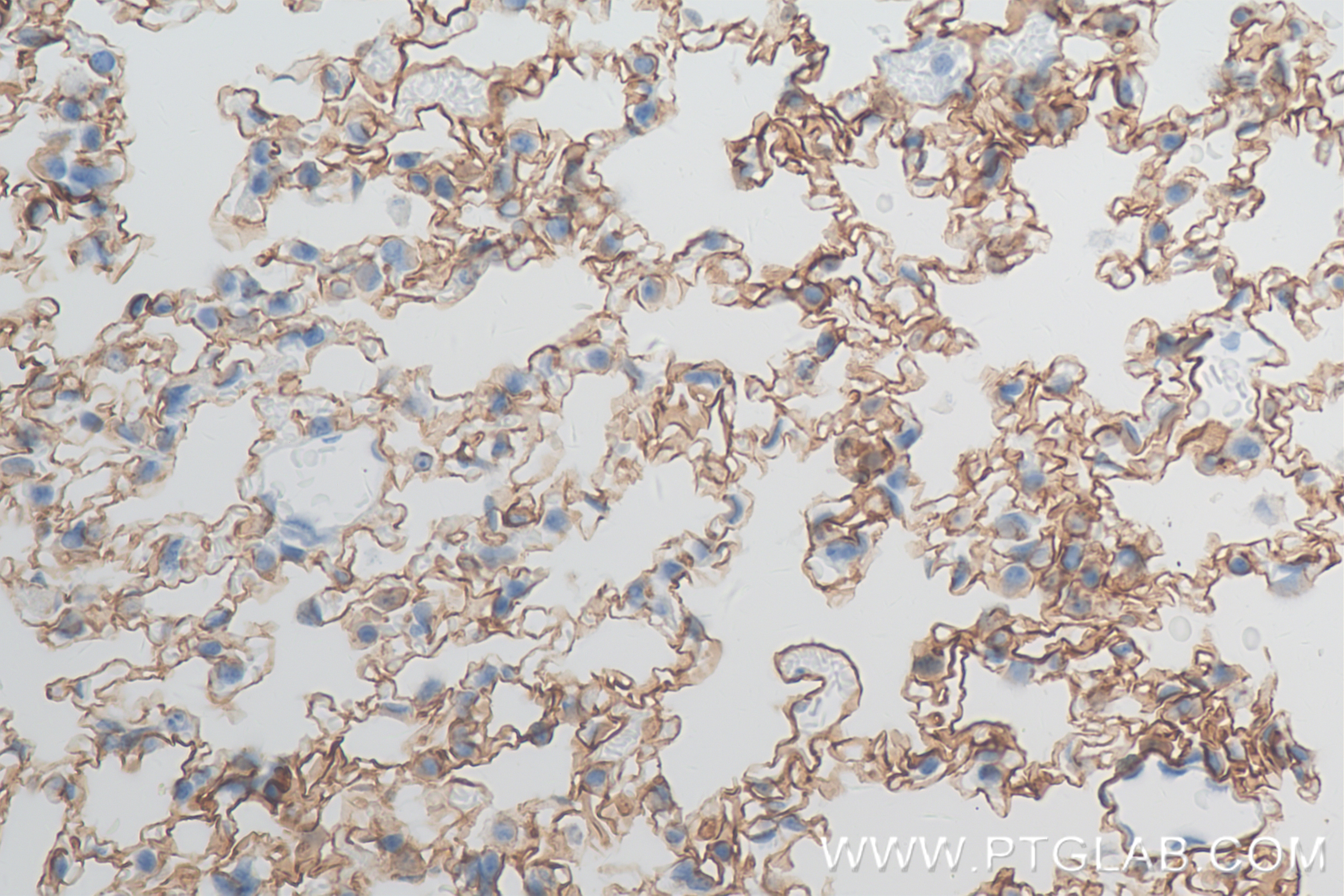
| Positive IHC detected in | mouse lung tissue, rat lung tissue Note: suggested antigen retrieval with TE buffer pH 9.0; (*) Alternatively, antigen retrieval may be performed with citrate buffer pH 6.0 |
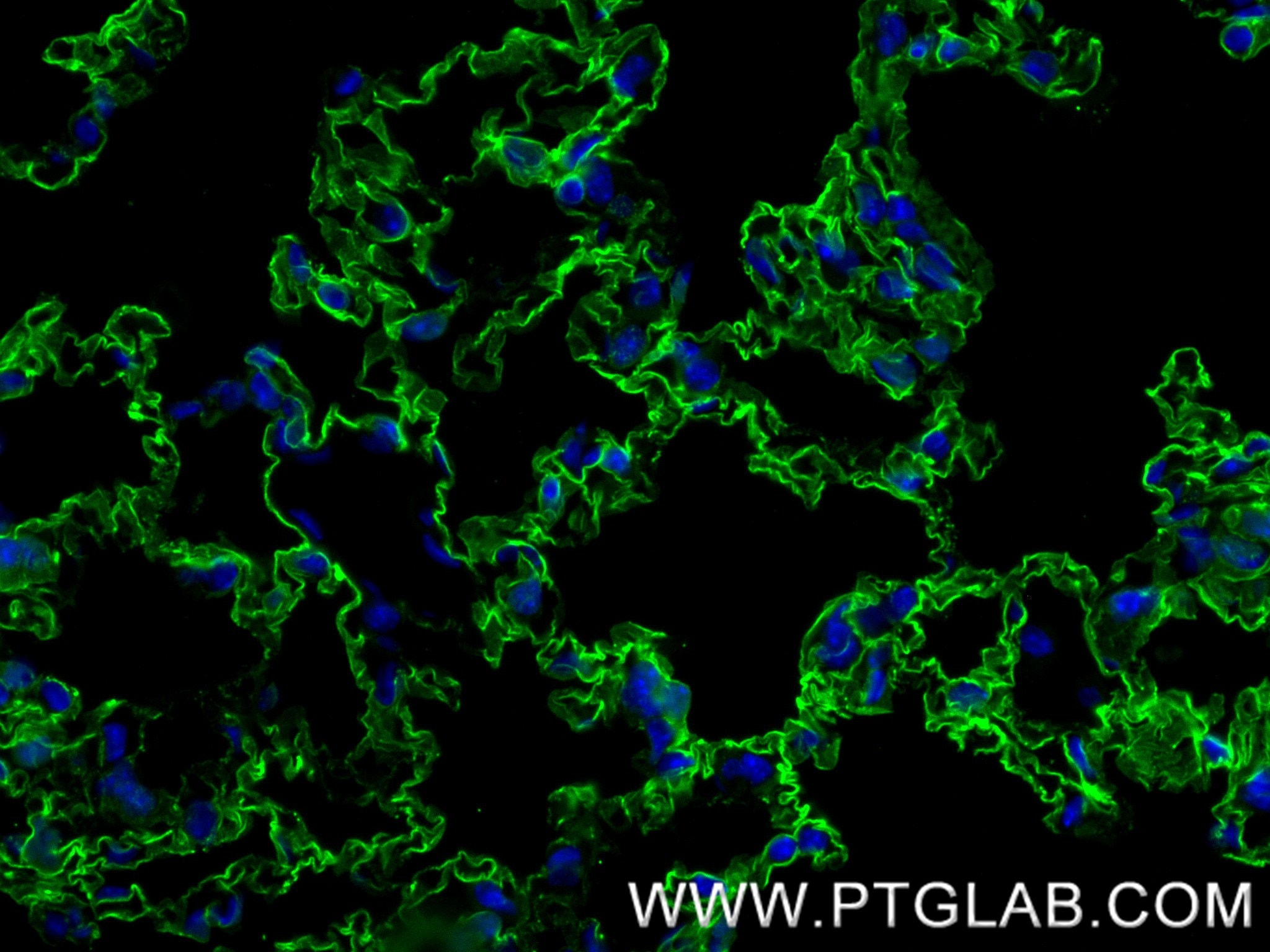
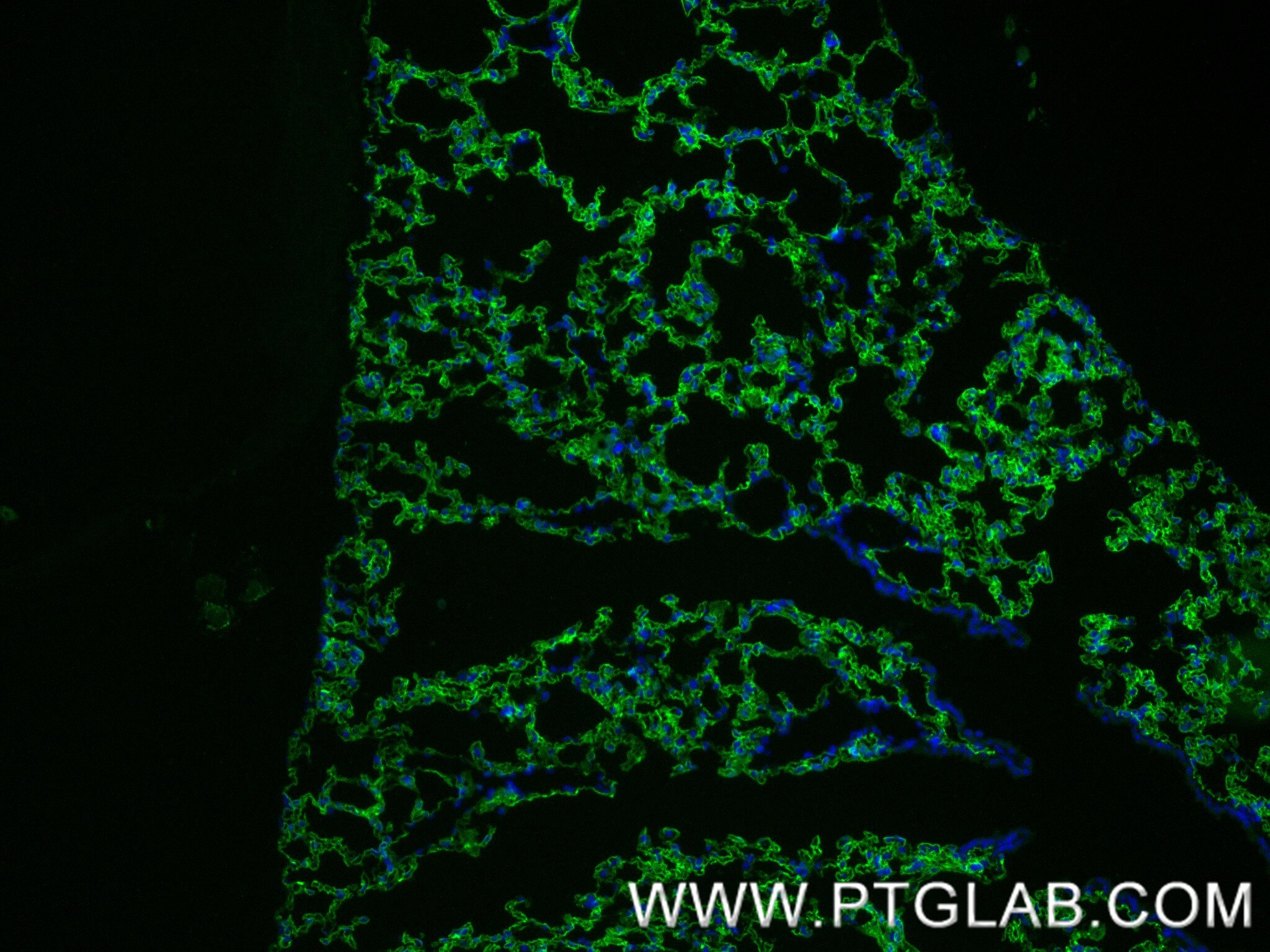
| Positive IF-P detected in | mouse lung tissue |
Recommended dilution
| Application | Dilution |
|---|---|
| Western Blot (WB) | WB : 1:5000-1:50000 |
| Immunohistochemistry (IHC) | IHC : 1:500-1:2000 |
| Immunofluorescence (IF)-P | IF-P : 1:250-1:1000 |
| It is recommended that this reagent should be titrated in each testing system to obtain optimal results. | |
| Sample-dependent, Check data in validation data gallery. | |
Product Information
83759-5-RR targets AGER/RAGE in WB, IHC, IF-P, ELISA applications and shows reactivity with mouse, rat samples.
| Tested Reactivity | mouse, rat |
| Cited Reactivity | mouse, rat |
| Host / Isotype | Rabbit / IgG |
| Class | Recombinant |
| Type | Antibody |
| Immunogen |
CatNo: Eg1135 Product name: Recombinant Rat AGER/RAGE protein (His Tag) Source: mammalian cells-derived, pHZ-KIsec-C-6*HIS Tag: C-6*HIS Sequence: GQNITARIGEPLMLSCKGAPKKPTQKLEWKLNTGRTEAWKVLSPQGDPWDSVARILPNGSLLLPAIGIVDEGTFRCRATNRLGKEVKSNYRVRVYQIPGKPEIVNPASELTANVPNKVGTCVSEGSYPAGTLSWHLDGKPLIPDGKGTVVKEETRRHPETGLFTLRSELTVTPAQGGTTPTYSCSFSLGLPRRRPLNTAPIQPRVREPLPPEGIQLLVEPEGGTVAPGGTVTLTCAISAQPPPQIHWIKDGTPLPLAPSPVLLLPEVGHEDEGIYSCVATHPSHGPQESPPVNIRVTETGDEGQAAGSVDGSGLGTLAL Predict reactive species |
| Full Name | advanced glycosylation end product-specific receptor |
| Calculated Molecular Weight | 43 kDa |
| Observed Molecular Weight | 43 kDa |
| Gene Symbol | Ager |
| Gene ID (NCBI) | 81722 |
| RRID | AB_3671355 |
| Conjugate | Unconjugated |
| Form | Liquid |
| Purification Method | Protein A purfication |
| UNIPROT ID | Q63495 |
| Storage Buffer | PBS with 0.02% sodium azide and 50% glycerol, pH 7.3. |
| Storage Conditions | Store at -20°C. Stable for one year after shipment. Aliquoting is unnecessary for -20oC storage. 20ul sizes contain 0.1% BSA. |
Background Information
Advanced glycosylation end product-specific receptor (AGER, also known as RAGE) is a member of the immunoglobulin superfamily of cell surface receptors, which interacts with distinct families of ligands, mediating diverse functions in a broad array of cell types including cellular migration, proliferation, survival and apoptosis (PMID: 12645002; 17425919). It senses endogenous stress signals with a broad ligand repertoire including advanced glycation end products, S100 proteins, high-mobility group box 1 protein/HMGB1, amyloid beta/APP oligomers, nucleic acids, phospholipids and glycosaminoglycans (PMID: 19910580; 28627626). It interacts with distinct molecules implicated in homeostasis, development, inflammation, and certain diseases such as diabetes and Alzheimer's disease (PMID: 26253613; 31079281).
Protocols
| Product Specific Protocols | |
|---|---|
| IF protocol for AGER/RAGE antibody 83759-5-RR | Download protocol |
| IHC protocol for AGER/RAGE antibody 83759-5-RR | Download protocol |
| WB protocol for AGER/RAGE antibody 83759-5-RR | Download protocol |
| Standard Protocols | |
|---|---|
| Click here to view our Standard Protocols |
Publications
What published studies show
| Species | Application | Title |
|---|---|---|
Front Endocrinol (Lausanne) Exploring the mechanism of Heidihuang Pill in the treatment of osteoporosis based on network pharmacology, molecular docking, and experimental validation. | ||
Chin Med Yiqi Wenyang Formula ameliorates diabetic kidney disease via inhibiting inflammation and regulating the gut microbiota-bile acid axis in mice by FXR signaling pathway. |









