

Tested Applications
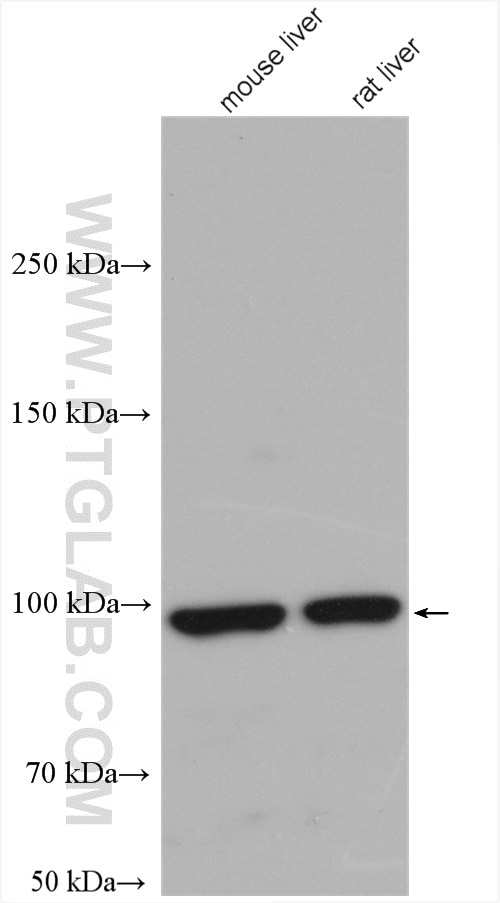
| Positive WB detected in | mouse liver tissue, mouse liver, rat liver |
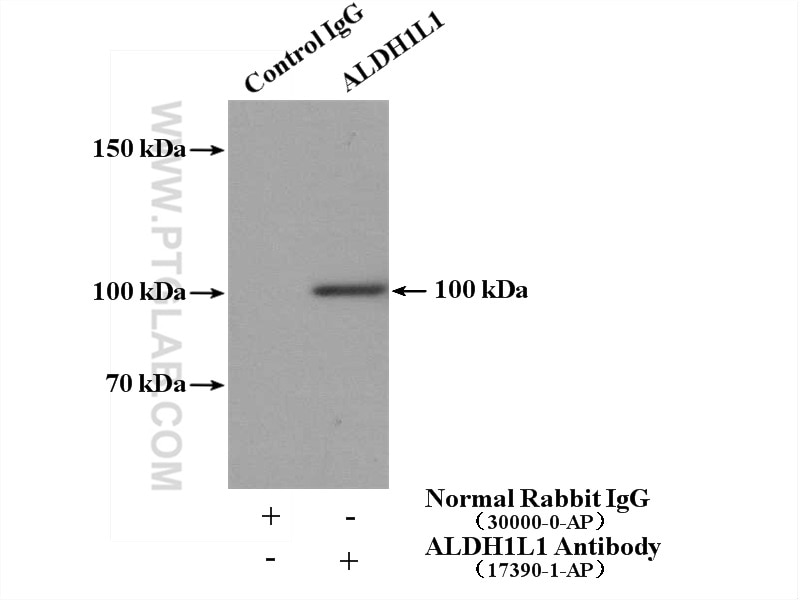
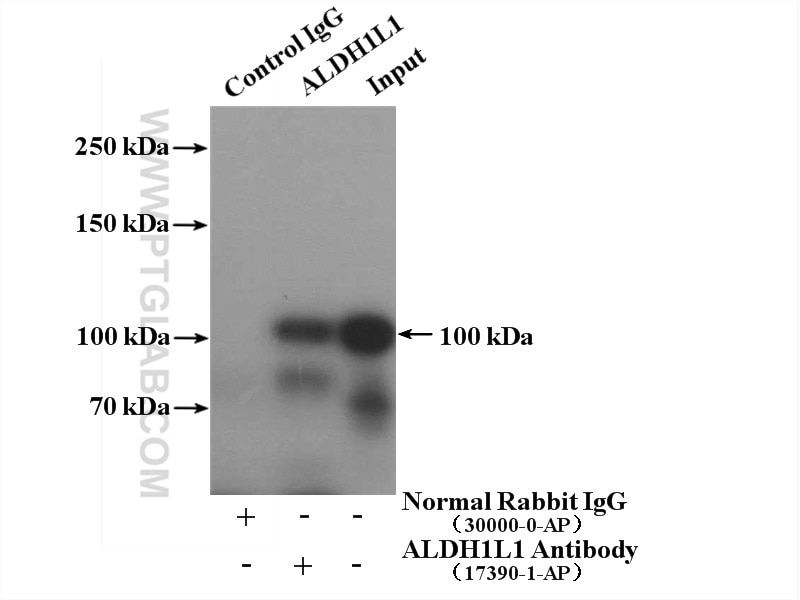
| Positive IP detected in | mouse liver tissue |
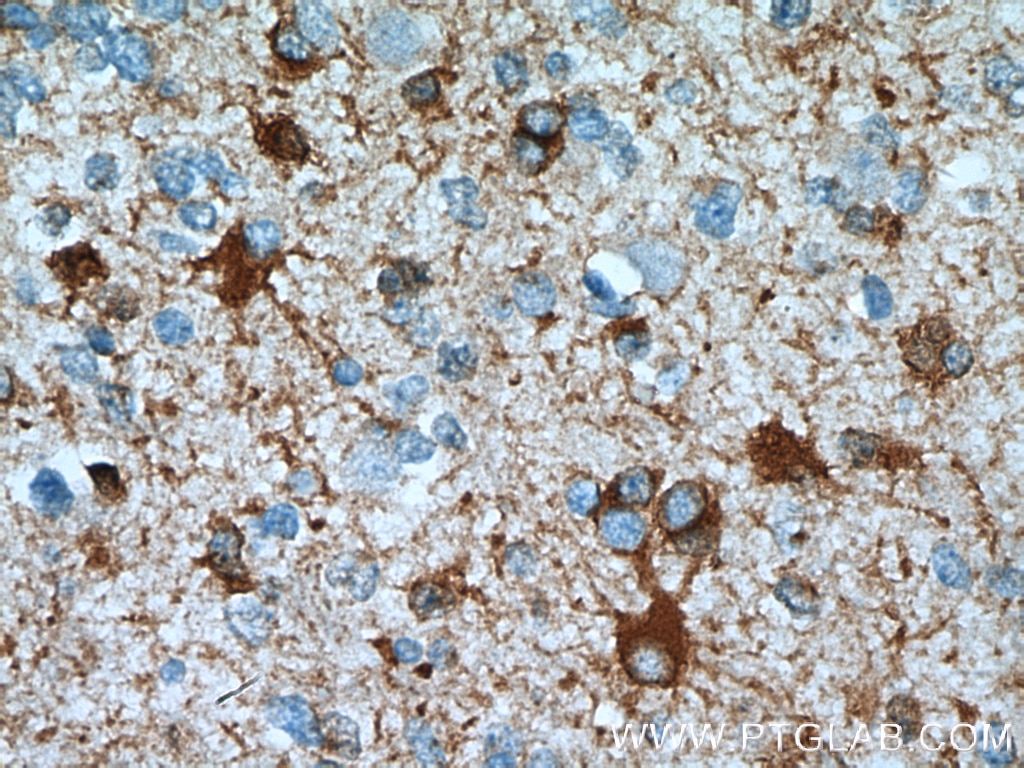
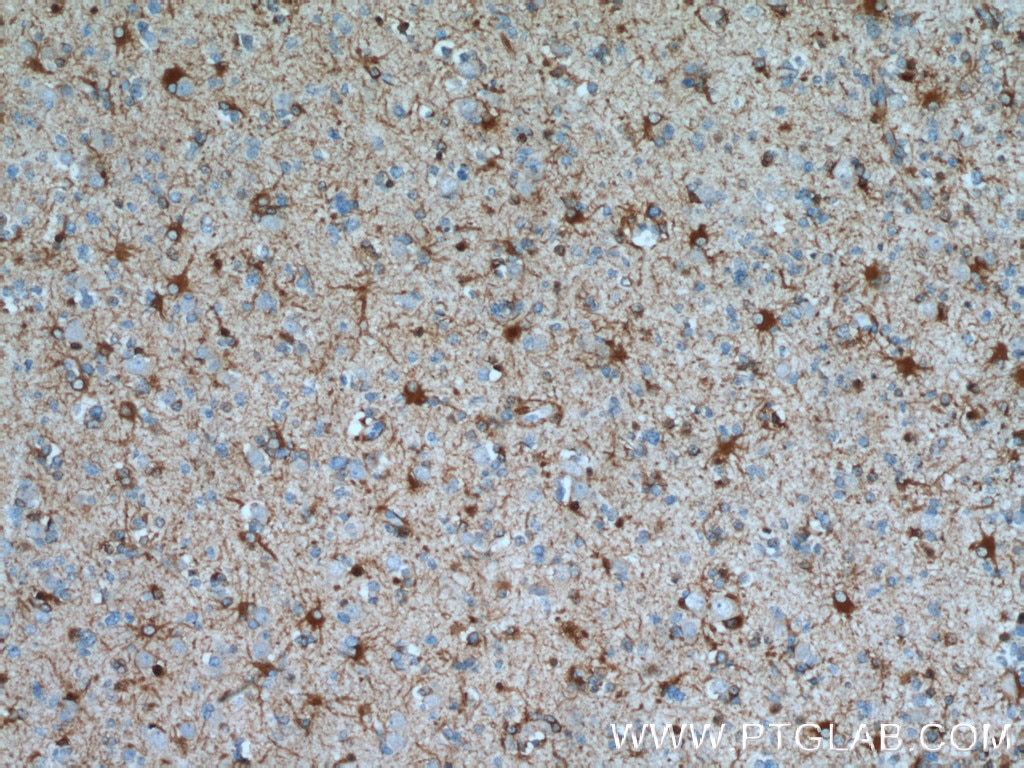
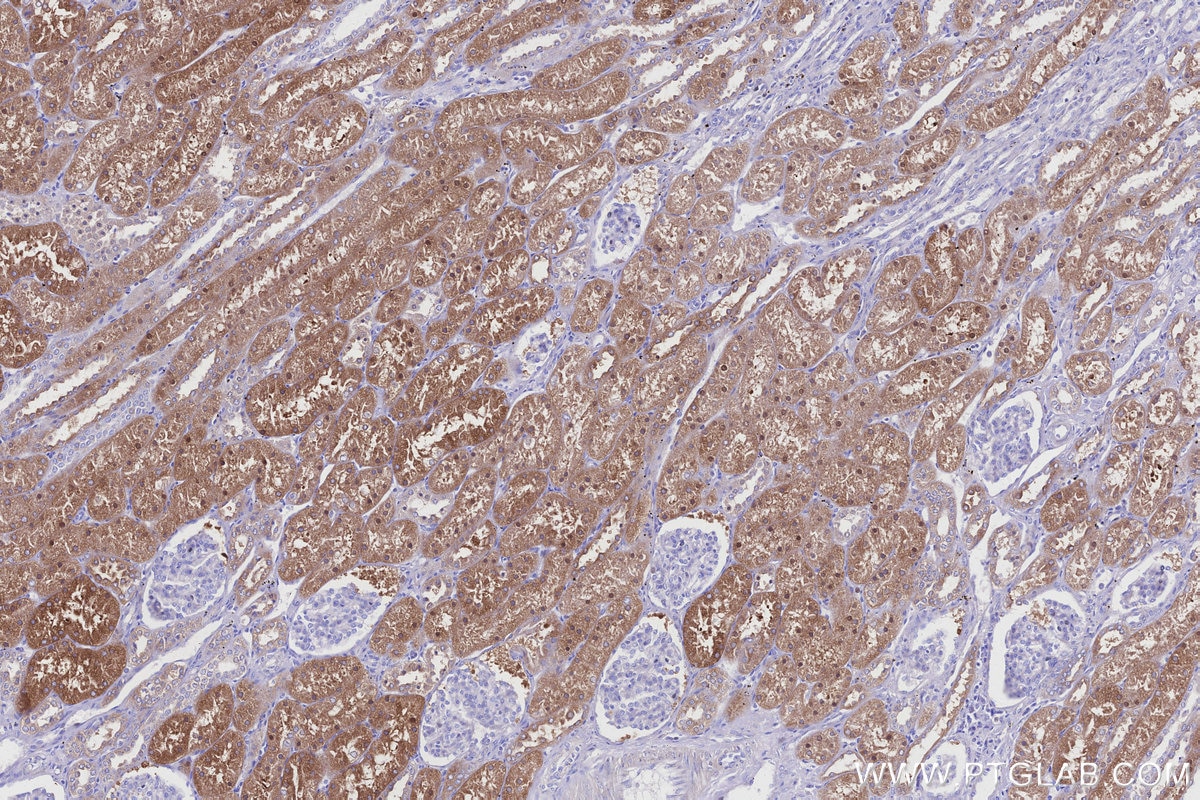
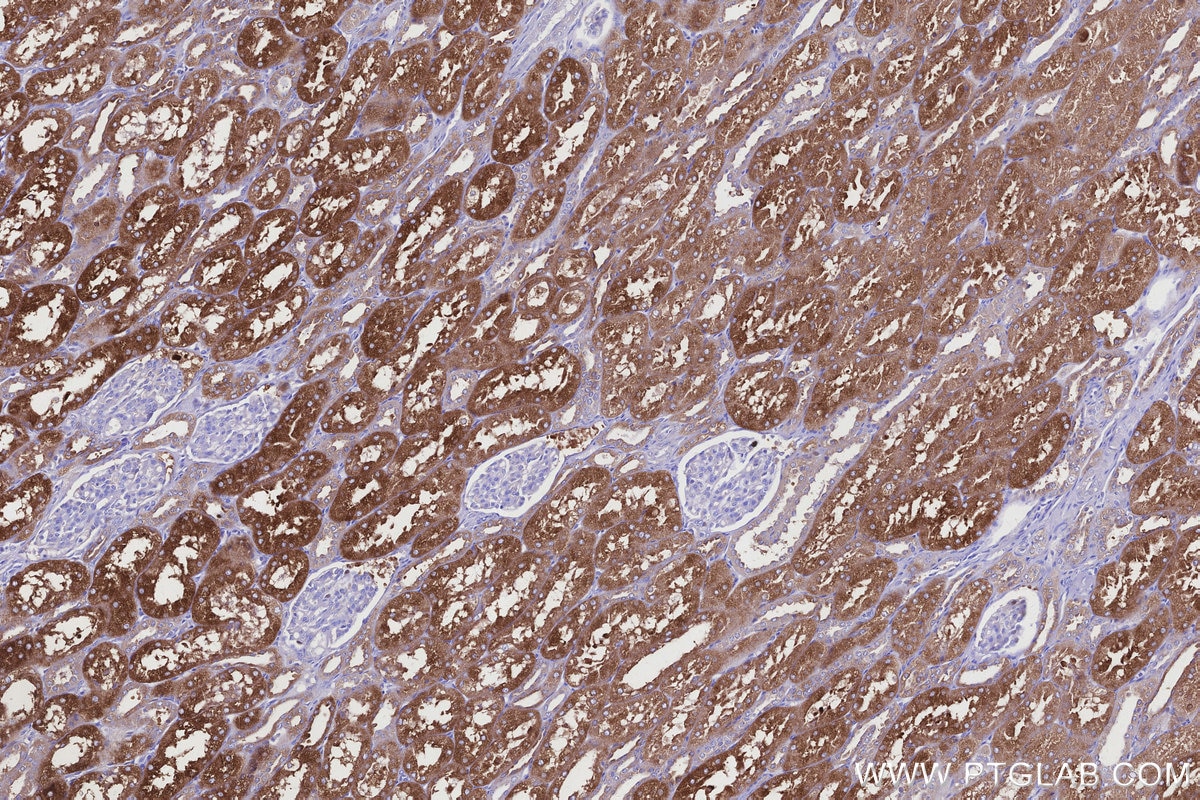
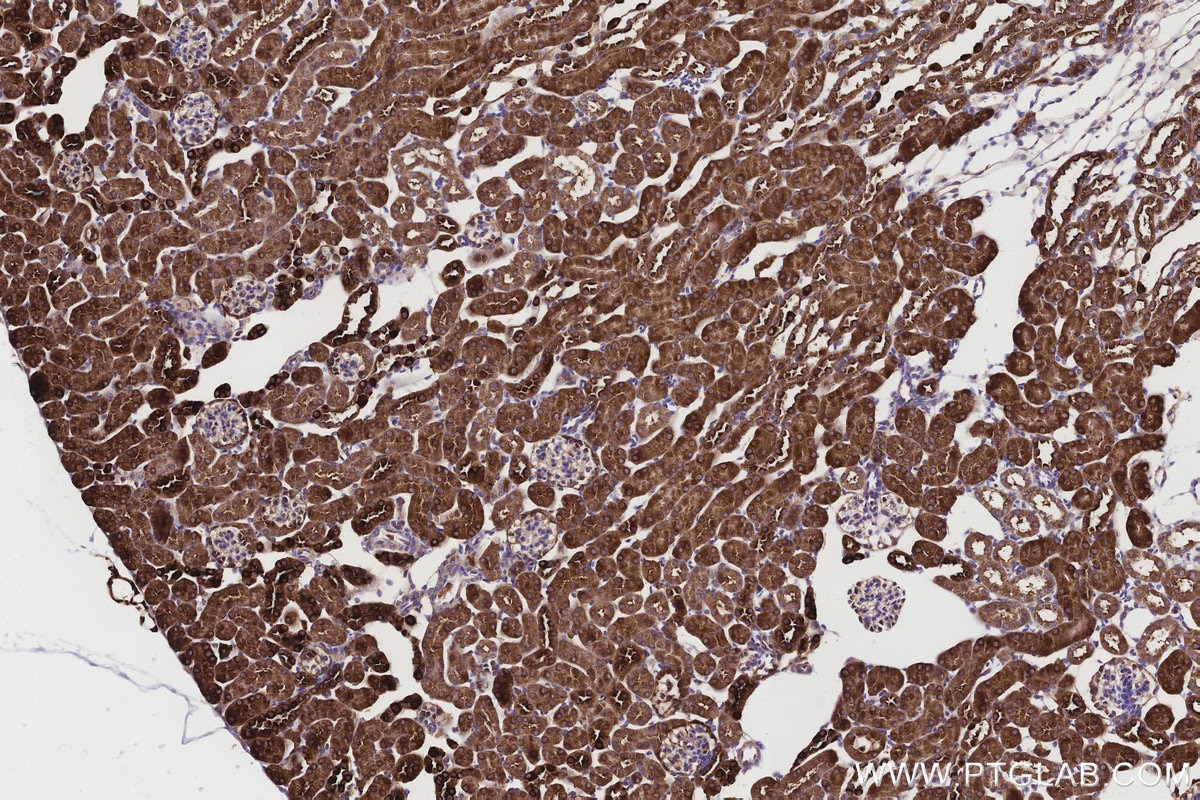
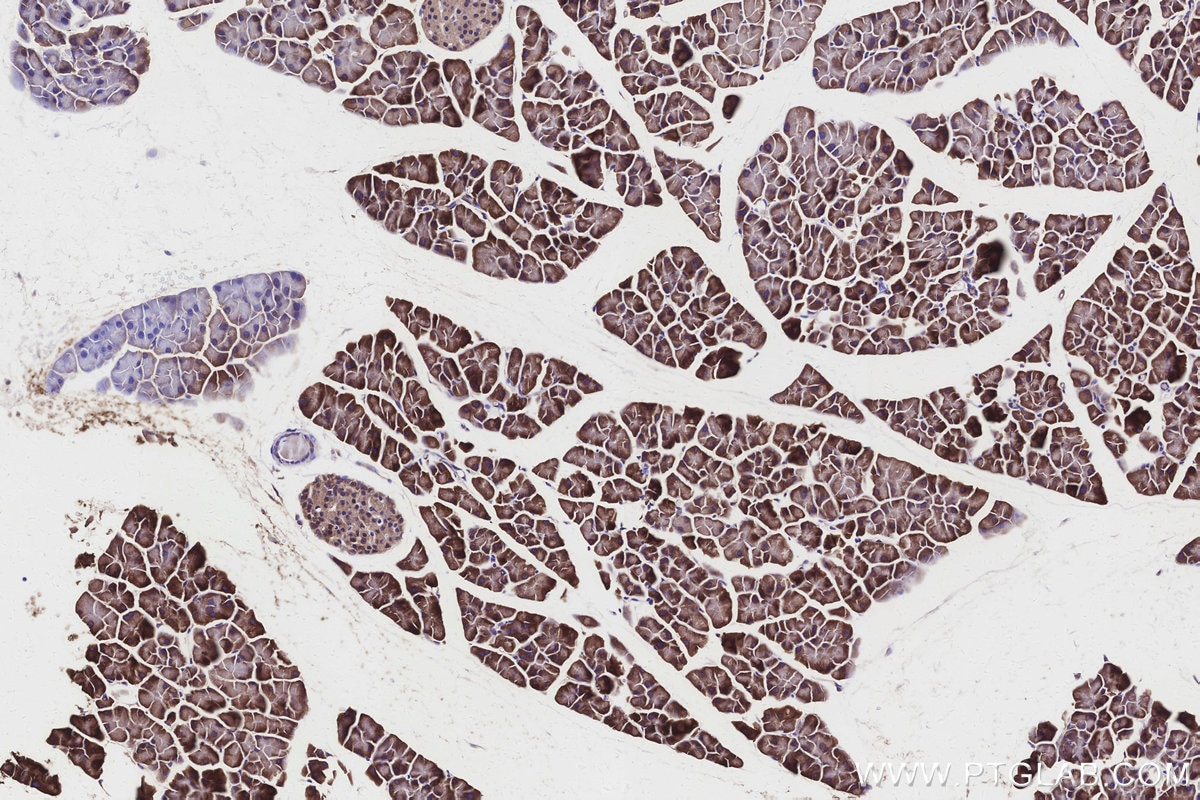
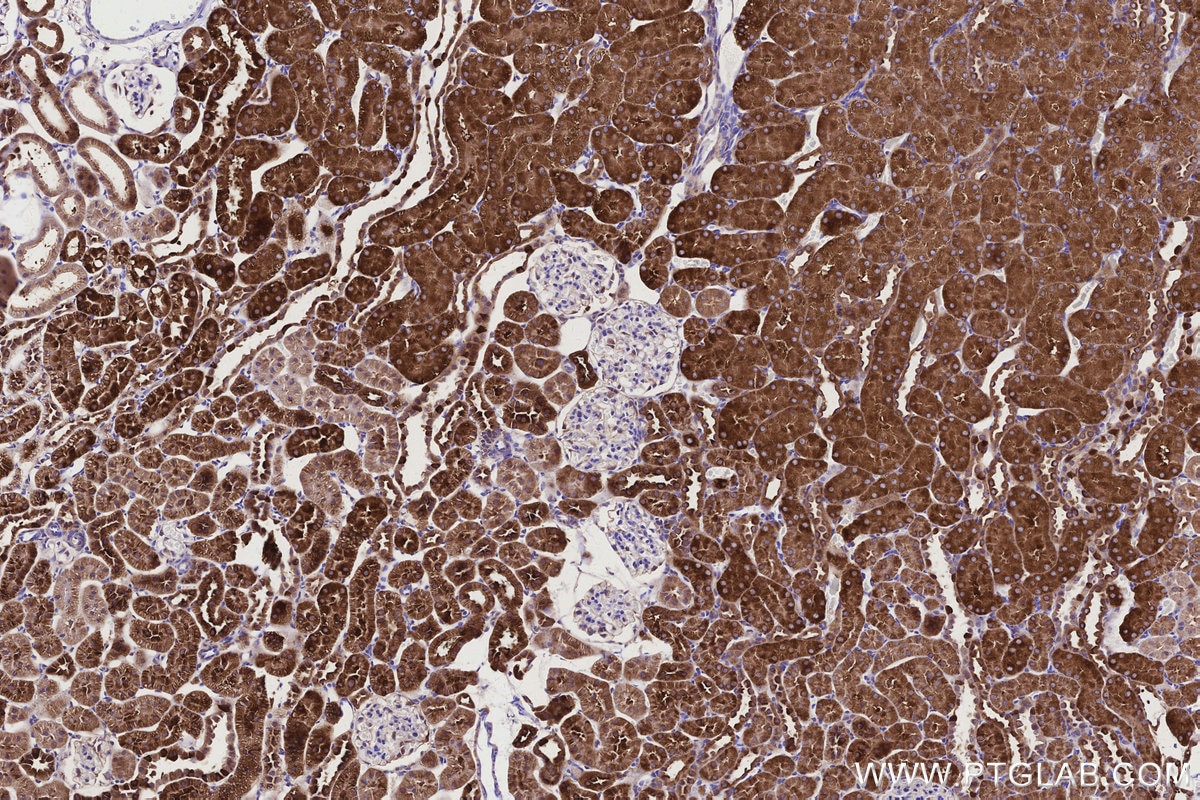
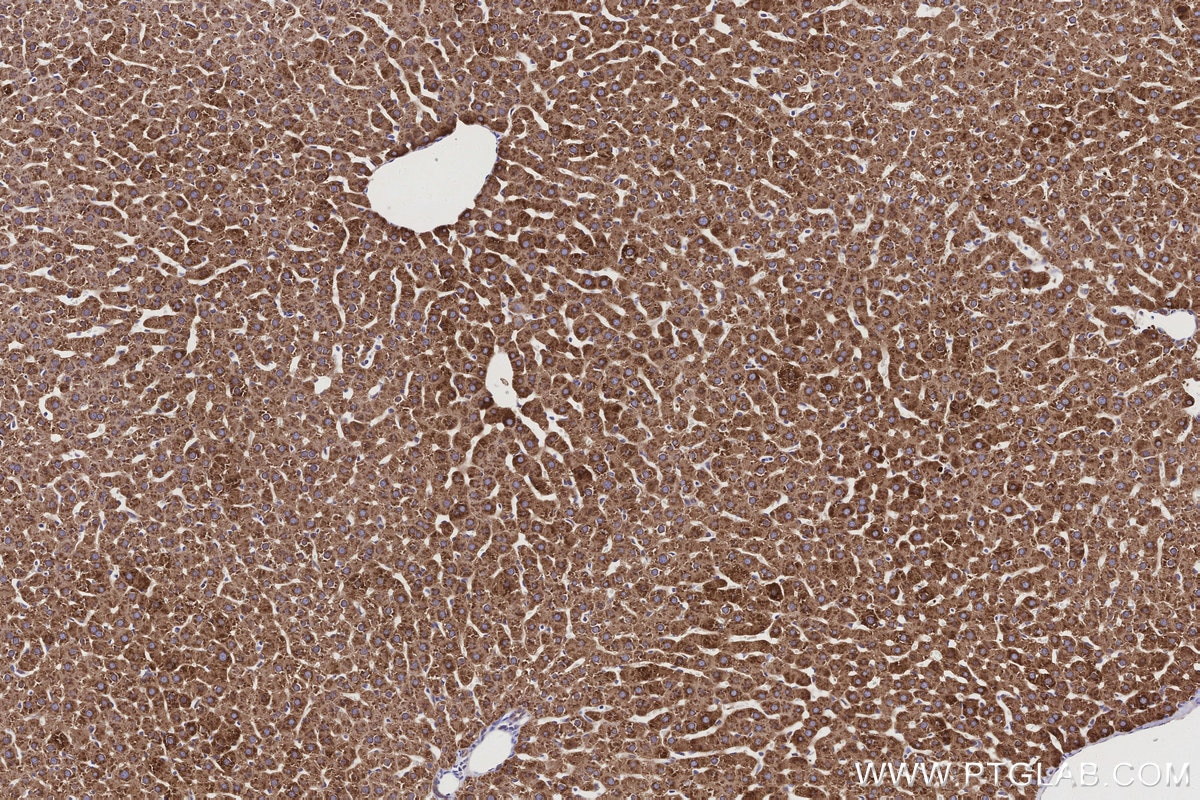
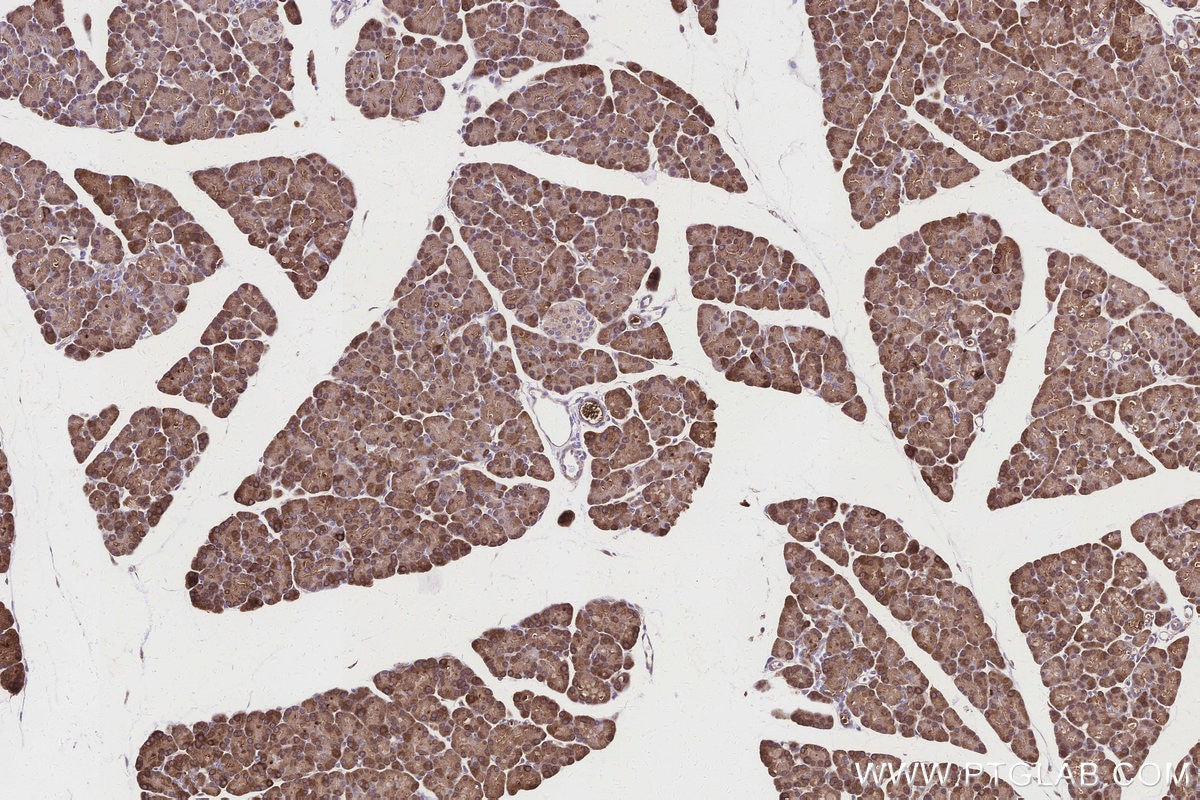
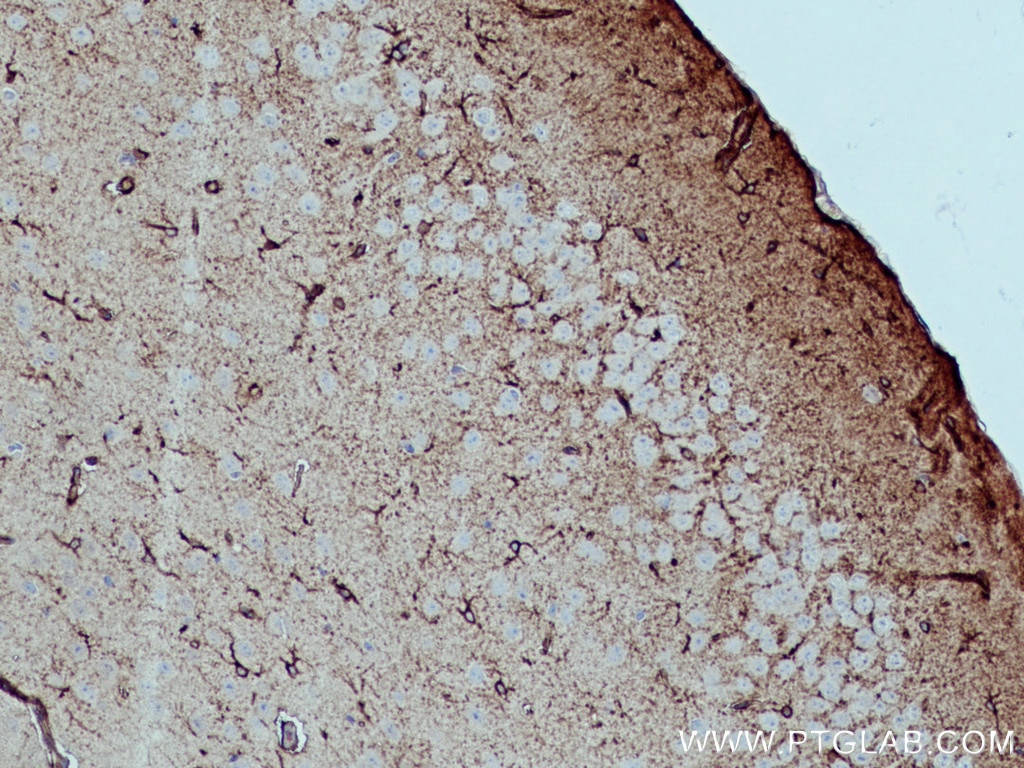
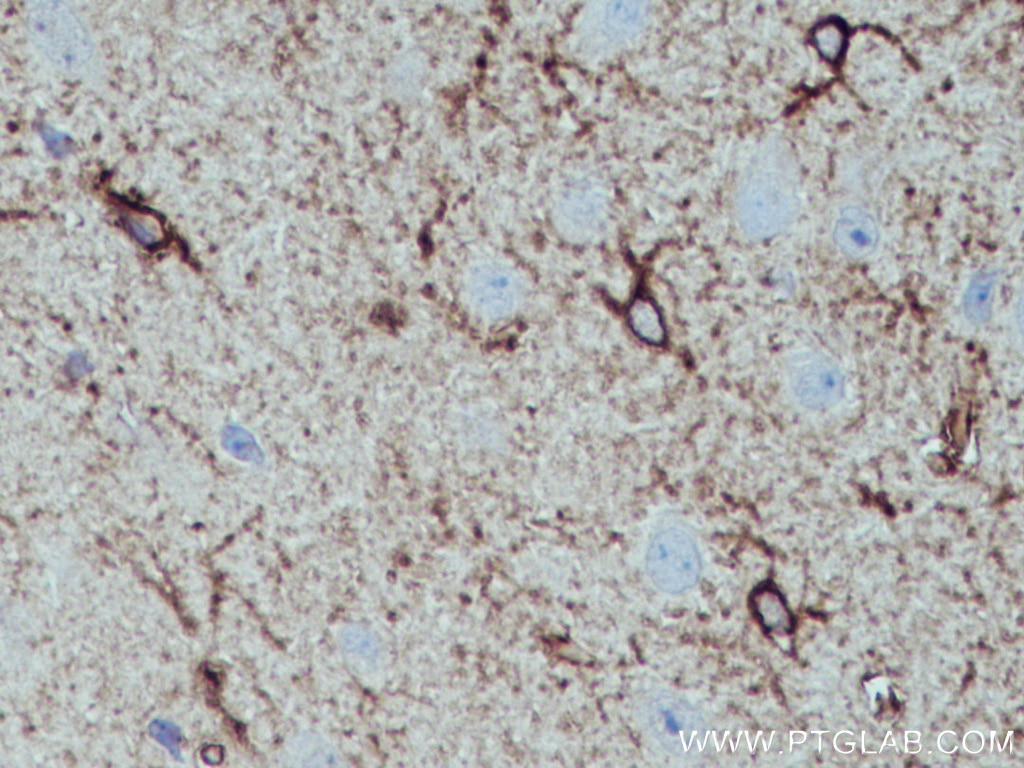
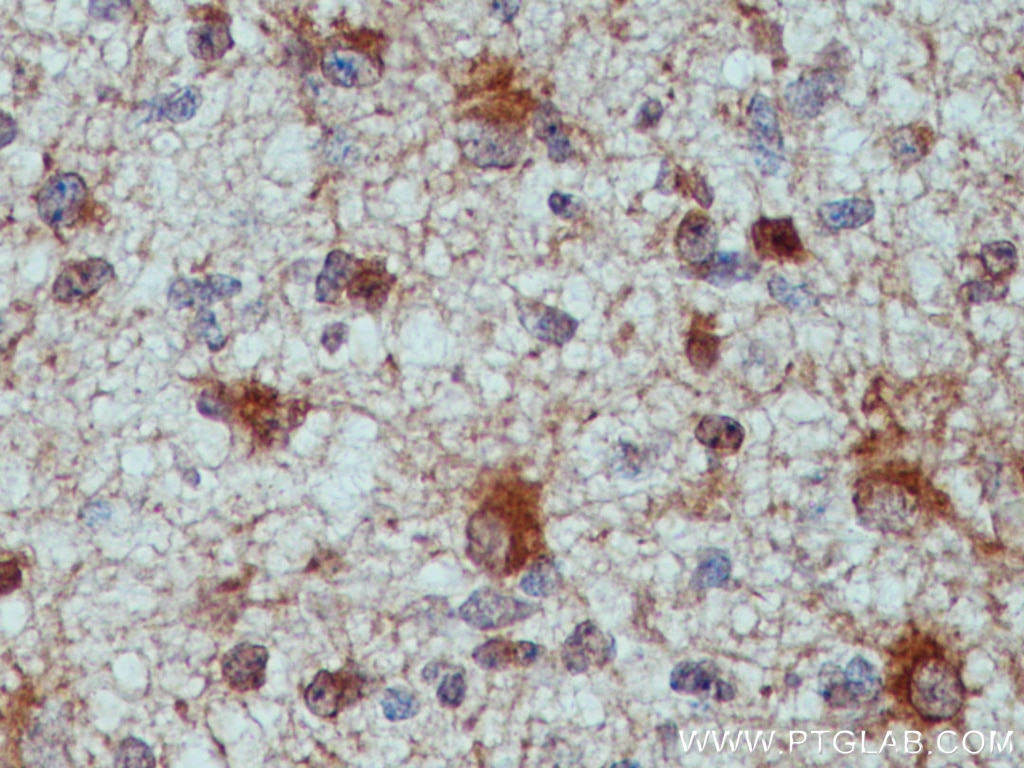
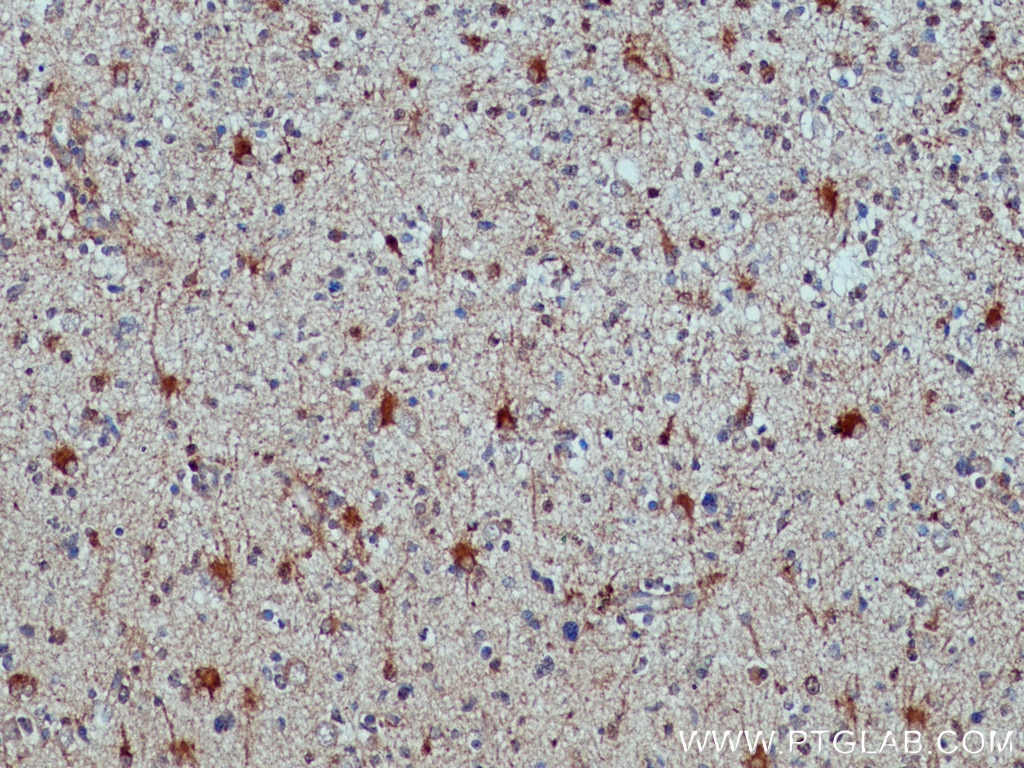
| Positive IHC detected in | human gliomas tissue, rat liver tissue, rat pancreas tissue, human gliomas tissue, mouse brain tissue, human kidney tissue, mouse pancreas tissue, rat kidney tissue, mouse kidney tissue Note: suggested antigen retrieval with TE buffer pH 9.0; (*) Alternatively, antigen retrieval may be performed with citrate buffer pH 6.0 |
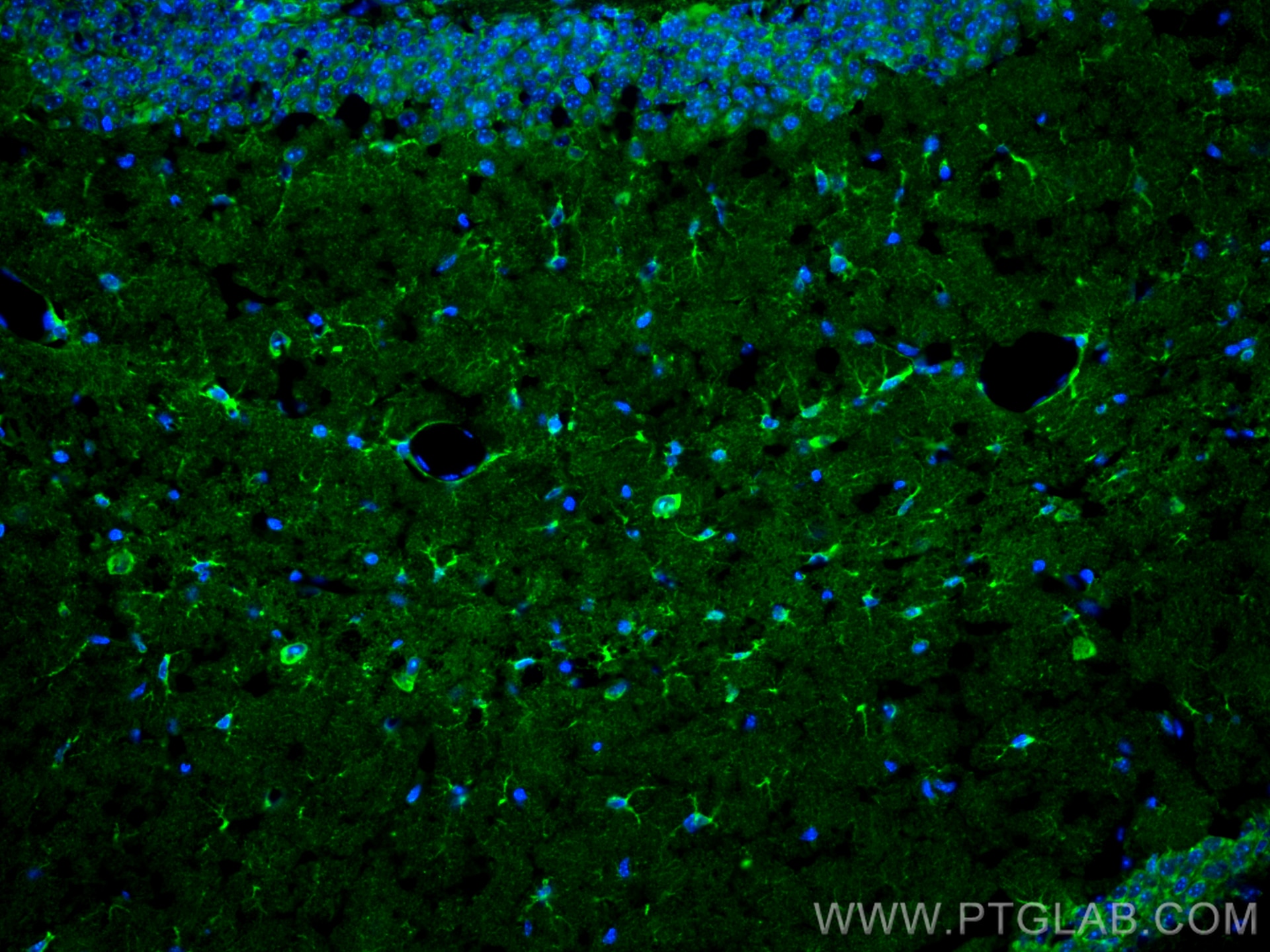
| Positive IF-Fro detected in | mouse brain tissue |
Recommended dilution
| Application | Dilution |
|---|---|
| Western Blot (WB) | WB : 1:2000-1:10000 |
| Immunoprecipitation (IP) | IP : 0.5-4.0 ug for 1.0-3.0 mg of total protein lysate |
| Immunohistochemistry (IHC) | IHC : 1:100-1:400 |
| Immunofluorescence (IF)-FRO | IF-FRO : 1:50-1:500 |
| It is recommended that this reagent should be titrated in each testing system to obtain optimal results. | |
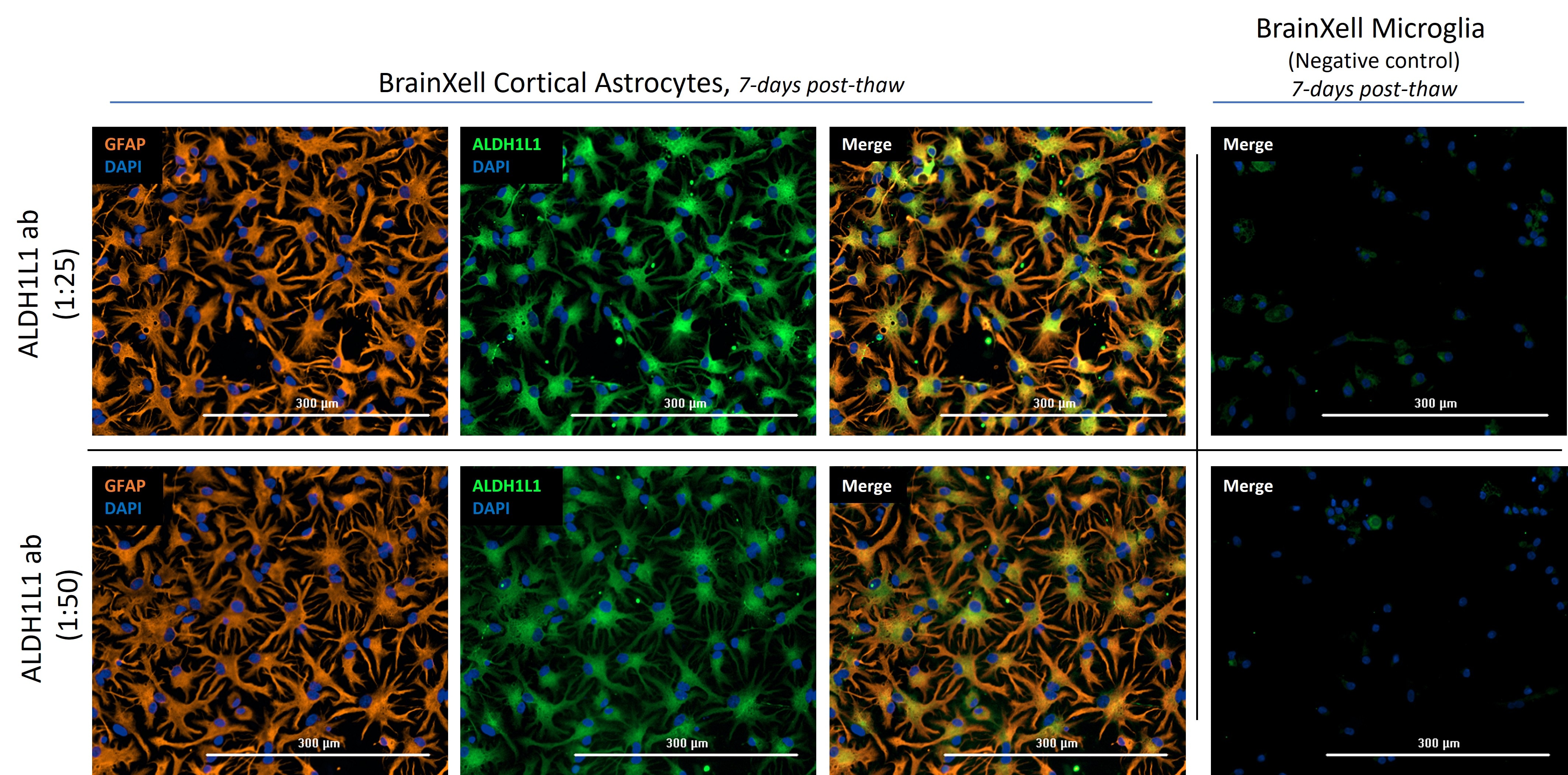
| Sample-dependent, Check data in validation data gallery. | |
Product Information
17390-1-AP targets ALDH1L1 in WB, IHC, IF-Fro, IP, ELISA applications and shows reactivity with human, mouse, rat samples.
| Tested Reactivity | human, mouse, rat |
| Cited Reactivity | human, mouse, rat |
| Host / Isotype | Rabbit / IgG |
| Class | Polyclonal |
| Type | Antibody |
| Immunogen |
CatNo: Ag11285 Product name: Recombinant human ALDH1L1 protein Source: e coli.-derived, PGEX-4T Tag: GST Domain: 157-505 aa of BC027241 Sequence: DDTVSTLYNRFLFPEGIKGMVQAVRLIAEGKAPRLPQPEEGATYEGIQKKETAKINWDQPAEAIHNWIRGNDKVPGAWTEACEQKLTFFNSTLNTSGLVPEGDALPIPGAHRPGVVTKAGLILFGNDDKMLLVKNIQLEDGKMILASNFFKGAASSVLELTEAELVTAEAVRSVWQRILPKVLEVEDSTDFFKSGAASVDVVRLVEEVKELCDGLELENEDVYMASTFGDFIQLLVRKLRGDDEEGECSIDYVEMAVNKRTVRMPHQLFIGGEFVDAEGAKTSETINPTDGSVICQVSLAQVTDVDKAVAAAKDAFENGRWGKISARDRGRLMYRAPPSPSTRPDPTAT Predict reactive species |
| Full Name | aldehyde dehydrogenase 1 family, member L1 |
| Calculated Molecular Weight | 99 kDa |
| Observed Molecular Weight | 100 kDa |
| GenBank Accession Number | BC027241 |
| Gene Symbol | ALDH1L1 |
| Gene ID (NCBI) | 10840 |
| RRID | AB_2878401 |
| Conjugate | Unconjugated |
| Form | Liquid |
| Purification Method | Antigen affinity purification |
| UNIPROT ID | O75891 |
| Storage Buffer | PBS with 0.02% sodium azide and 50% glycerol, pH 7.3. |
| Storage Conditions | Store at -20°C. Stable for one year after shipment. Aliquoting is unnecessary for -20oC storage. 20ul sizes contain 0.1% BSA. |
Background Information
Aldehyde dehydrogenase 1 family member L1 (ALDH1L1), belongs to the aldehyde dehydrogenase family of proteins and is responsible for formate oxidation in vivo. Loss of ALDH1L1 is associated with decreased apoptosis, increased cell motility, and cancer progression. ALDH1L1 catalyzes the conversion of 10-formyltetrahydrofolate, nicotinamide adenine dinucleotide phosphate (NADP+), and water to tetrahydrofolate, NADPH, and carbon dioxide. ALDH1L1 has some isoforms with MW of 99, 88 and 55 kDa.
Protocols
| Product Specific Protocols | |
|---|---|
| IF protocol for ALDH1L1 antibody 17390-1-AP | Download protocol |
| IHC protocol for ALDH1L1 antibody 17390-1-AP | Download protocol |
| IP protocol for ALDH1L1 antibody 17390-1-AP | Download protocol |
| WB protocol for ALDH1L1 antibody 17390-1-AP | Download protocol |
| Standard Protocols | |
|---|---|
| Click here to view our Standard Protocols |
Publications
What published studies show
The ALDH1L1 polyclonal antibody (Cat# 17390-1-AP) has 21 citations published in journals including Nature, Neuron, Nature Communications, Cell Reports, Bioactive Materials, NPJ Parkinson's Disease, and Brain, Behavior, and Immunity. Research fields span neuroscience (Parkinson's disease, spinal cord injury, astrocyte biology, multiple sclerosis), oncology (head and neck squamous cell carcinoma), metabolic disease (diabetic kidney disease), immunology (ulcerative colitis, depression), and cell biology (astrocyte immortalization).
| Species | Application | Title |
|---|---|---|
Bioact Mater Autologous exosome facilitates load and target delivery of bioactive peptides to repair spinal cord injury | ||
Nat Commun Ten-eleven translocation 1 mediated-DNA hydroxymethylation is required for myelination and remyelination in the mouse brain. | ||
Cell Rep Med Phosphoglycerate kinase 1 contributes to diabetic kidney disease through enzyme-dependent and independent manners. |
Reviews
What customers say
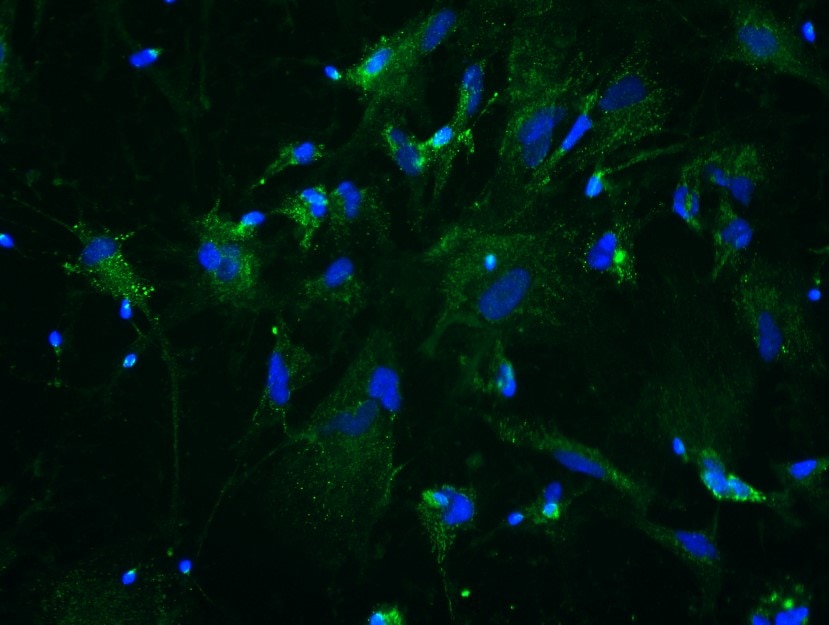
One reviewer (Juan G., January 2022) rated this antibody 4 out of 5 stars for immunofluorescence on hiPSC-derived astrocytes at a 1:50 dilution, noting it was "working fine." Overall, the limited feedback suggests satisfactory performance in IF applications, though the sample size is small and no critical issues were reported.
The reviews below have been submitted by verified Proteintech customers who received an incentive for providing their feedback.
Juan (Verified Customer) (01-11-2022) | Working fine
 |



















