

Tested Applications
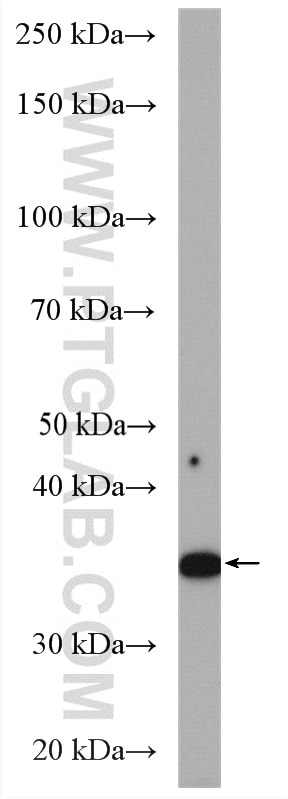
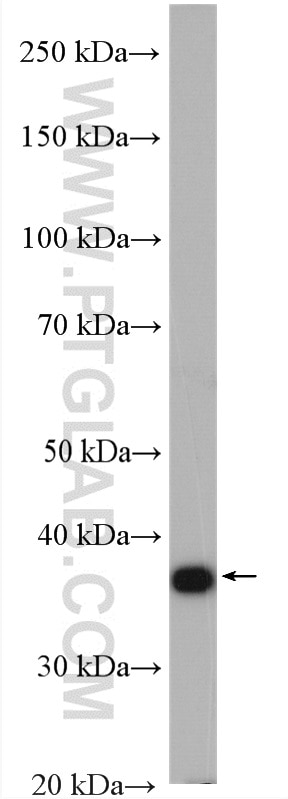
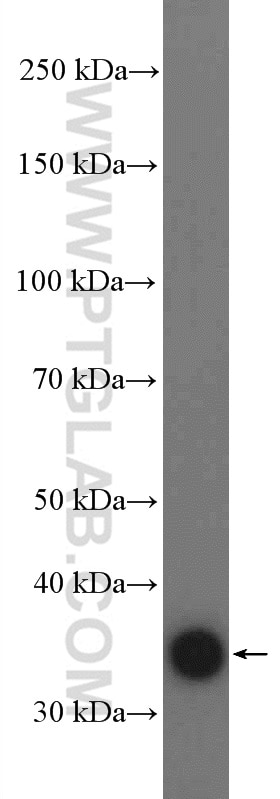
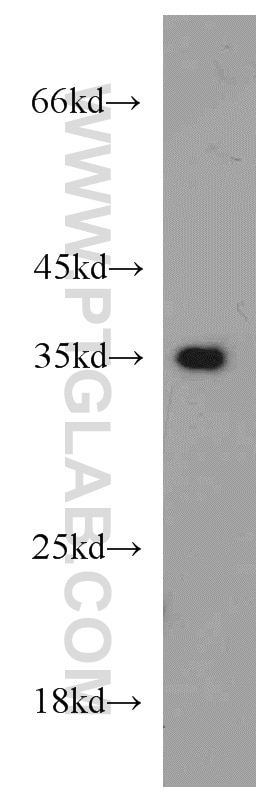
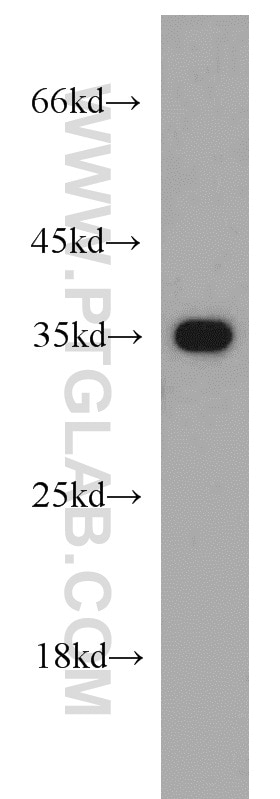
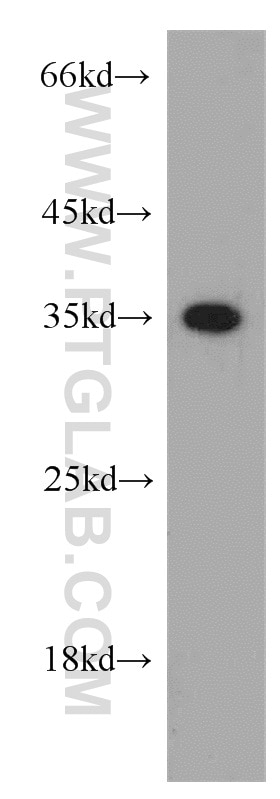
| Positive WB detected in | C2C12 cell, HeLa cells, NIH/3T3 cells, HepG2 cells, C6 cells, K-562 cells |
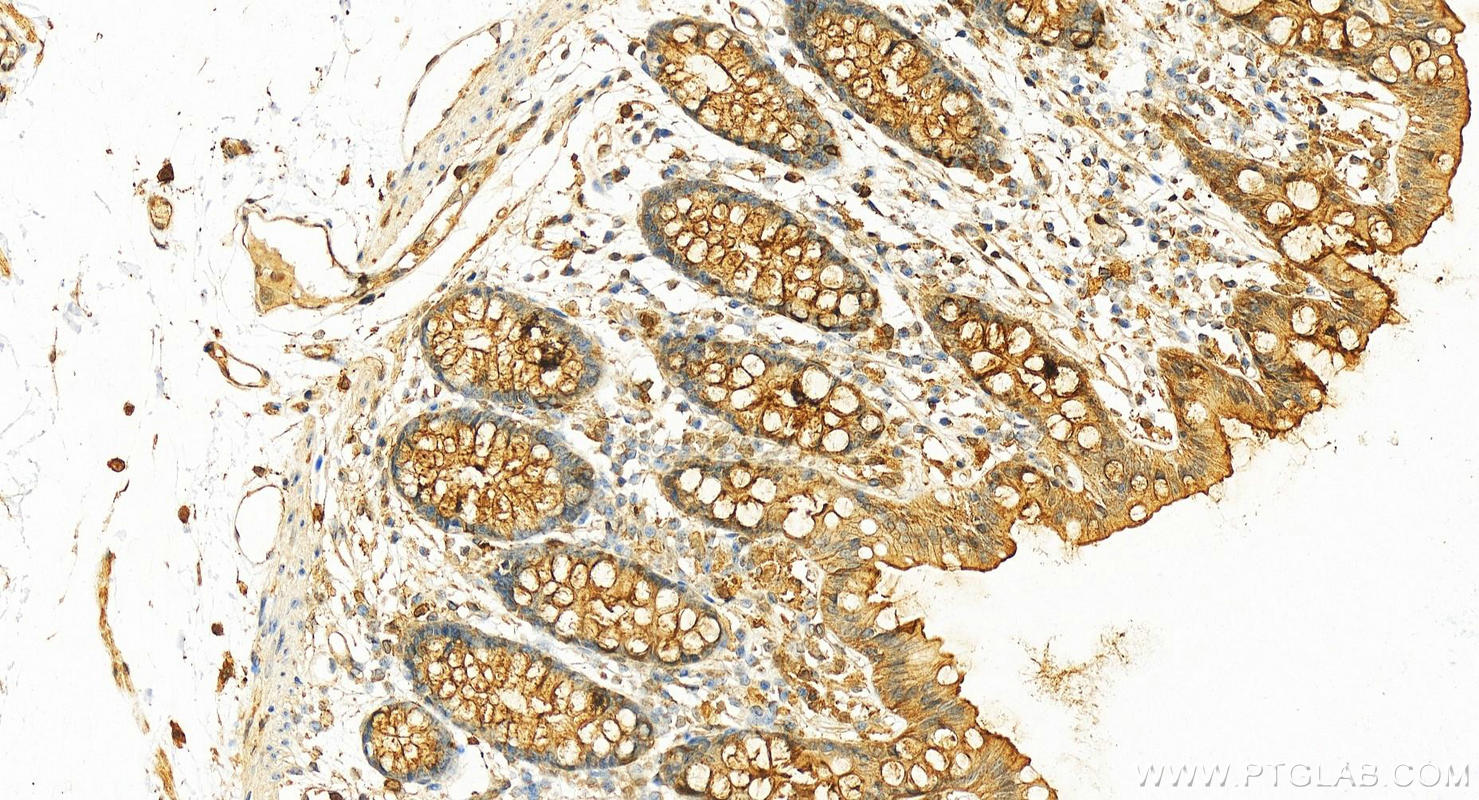
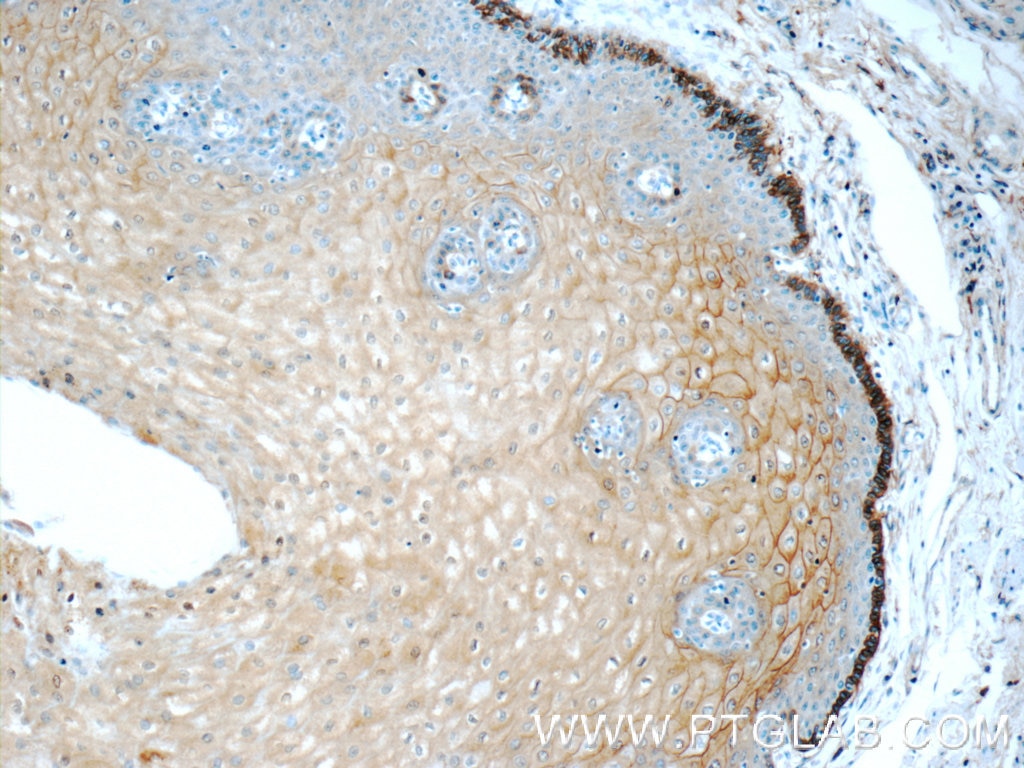
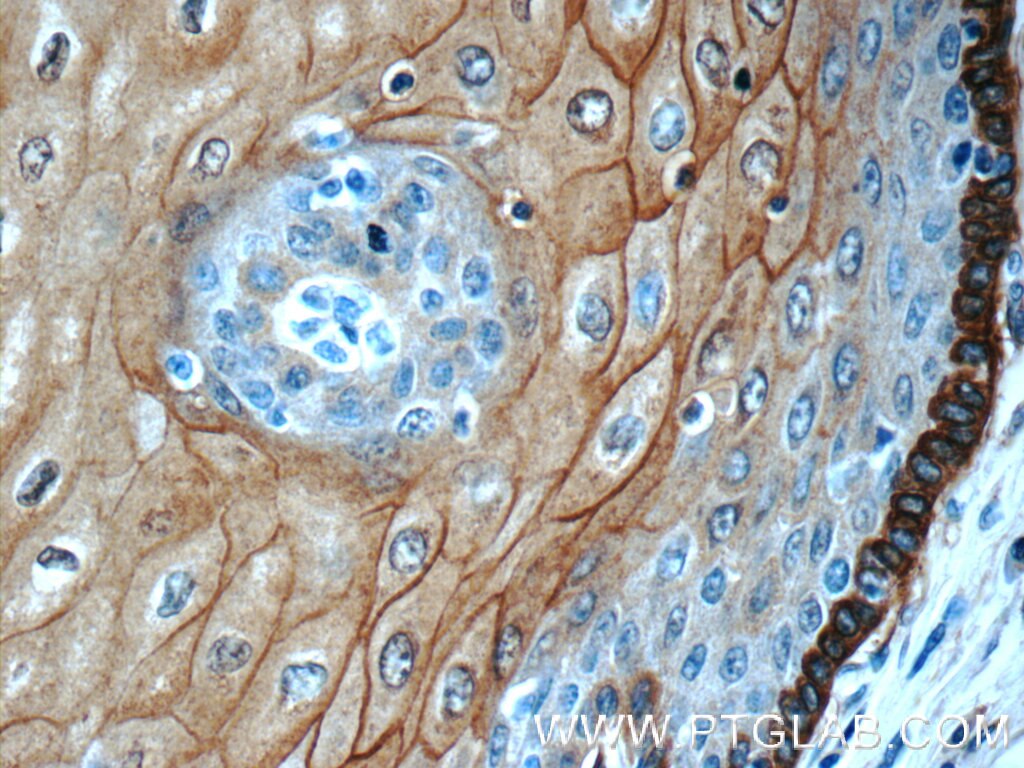
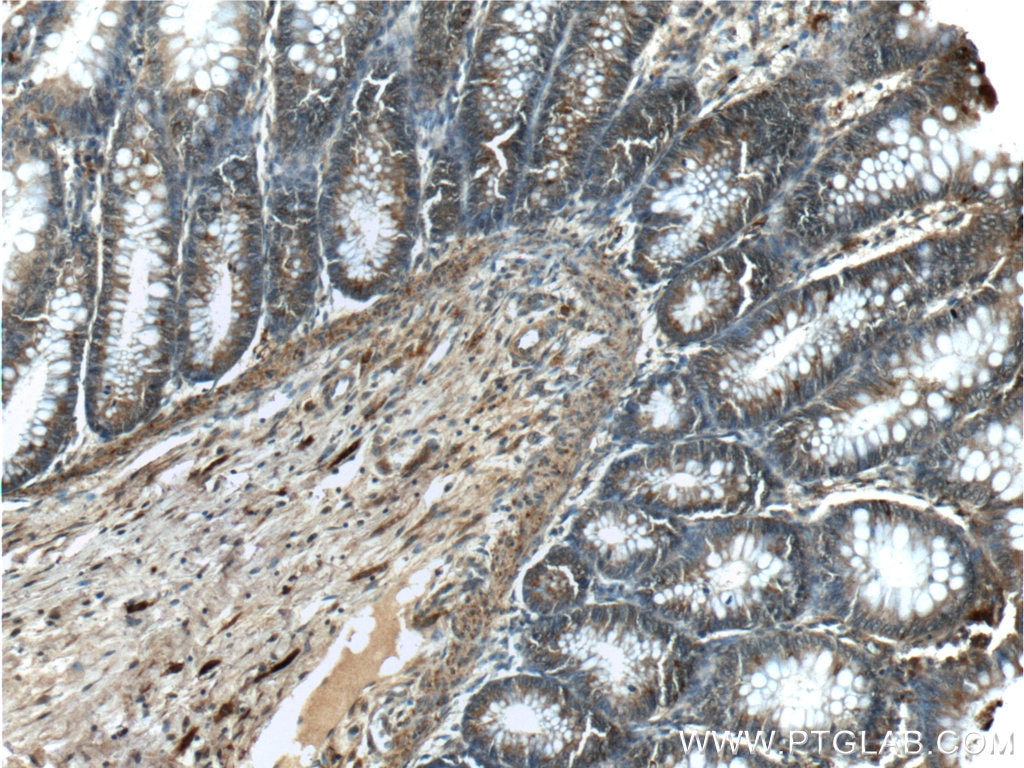
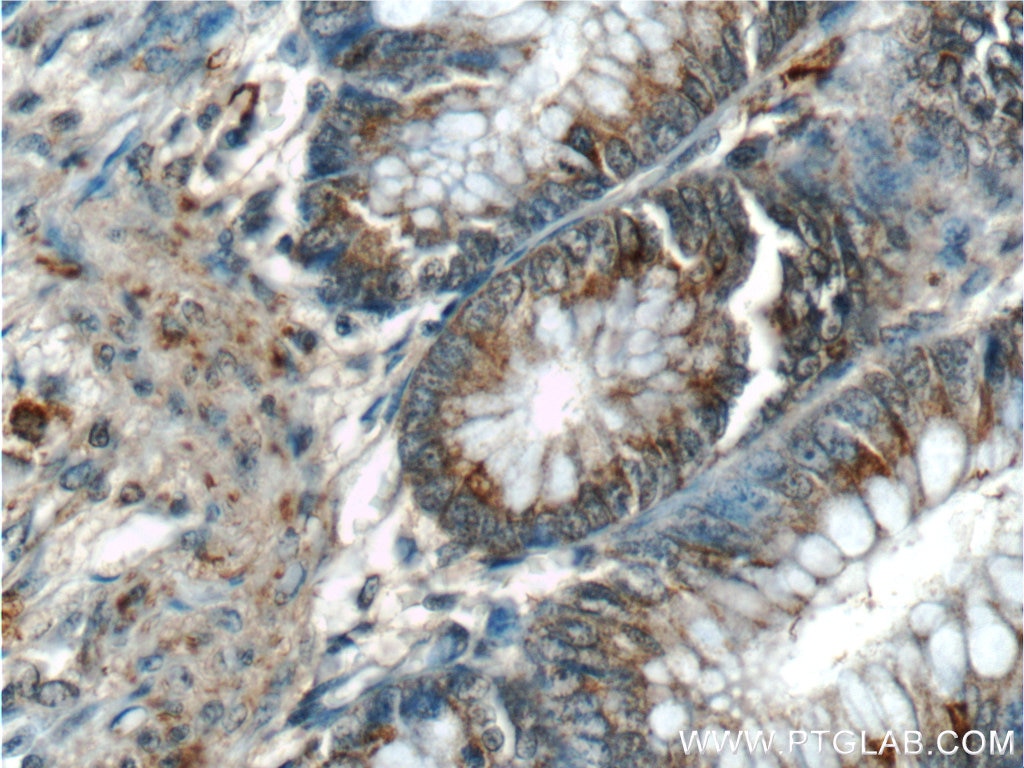
| Positive IHC detected in | human colon tissue, human oesophagus tissue Note: suggested antigen retrieval with TE buffer pH 9.0; (*) Alternatively, antigen retrieval may be performed with citrate buffer pH 6.0 |
Recommended dilution
| Application | Dilution |
|---|---|
| Western Blot (WB) | WB : 1:500-1:2000 |
| Immunohistochemistry (IHC) | IHC : 1:50-1:500 |
| It is recommended that this reagent should be titrated in each testing system to obtain optimal results. | |
| Sample-dependent, Check data in validation data gallery. | |
Product Information
55018-1-AP targets Annexin A1 in WB, IHC, IF, ELISA applications and shows reactivity with human, mouse, rat samples.
| Tested Reactivity | human, mouse, rat |
| Cited Reactivity | human, mouse, rat, canine, monkey |
| Host / Isotype | Rabbit / IgG |
| Class | Polyclonal |
| Type | Antibody |
| Immunogen |
Peptide Predict reactive species |
| Full Name | annexin A1 |
| Calculated Molecular Weight | 40 kDa |
| Observed Molecular Weight | 39 kDa |
| GenBank Accession Number | NM_000700 |
| Gene Symbol | Annexin A1 |
| Gene ID (NCBI) | 301 |
| RRID | AB_10860266 |
| Conjugate | Unconjugated |
| Form | Liquid |
| Purification Method | Antigen affinity purification |
| UNIPROT ID | P04083 |
| Storage Buffer | PBS with 0.02% sodium azide and 50% glycerol, pH 7.3. |
| Storage Conditions | Store at -20°C. Stable for one year after shipment. Aliquoting is unnecessary for -20oC storage. 20ul sizes contain 0.1% BSA. |
Background Information
ANXA1, also named as ANX1, LPC1 and p35, belongs to the annexin family. It is a member of the annexin family of Ca2+-binding and phospholipidbinding proteins, and it is particularly abundant in various populations of peripheral blood leukocytes. ANXA1 regulates phospholipase A2 activity. It seems to bind from two to four calcium ions with high affinity. ANXA1 is a pleiotrophic protein produced by many cell types including peripheral blood leucocytes. The antibody is specific to ANXA1.
Protocols
| Product Specific Protocols | |
|---|---|
| IHC protocol for Annexin A1 antibody 55018-1-AP | Download protocol |
| WB protocol for Annexin A1 antibody 55018-1-AP | Download protocol |
| Standard Protocols | |
|---|---|
| Click here to view our Standard Protocols |
Publications
What published studies show
Annexin A1 antibody (Cat# 55018-1-AP) has 13 citations published in journals including Nature Communications, Journal of Experimental & Clinical Cancer Research, FASEB Journal, Journal of Medicinal Chemistry, Cellular and Molecular Biology Letters, Mediators of Inflammation, Journal of Cell Science, Neurotoxicity Research, Food Science & Nutrition, Expert Review of Molecular Diagnostics, Journal of Proteomics, and American Journal of Translational Research. Research fields span lung cancer, breast cancer, renal cell carcinoma, epithelial morphogenesis, immunology, blood-brain barrier biology, vascular disease, neurotoxicity, autophagy, and virology.
| Species | Application | Title |
|---|---|---|
Nat Commun Annexin A1 is a polarity cue that directs mitotic spindle orientation during mammalian epithelial morphogenesis
| ||
J Exp Clin Cancer Res YTHDC1 is downregulated by the YY1/HDAC2 complex and controls the sensitivity of ccRCC to sunitinib by targeting the ANXA1-MAPK pathway | ||
J Exp Clin Cancer Res Upregulation of Hsp90-beta and annexin A1 correlates with poor survival and lymphatic metastasis in lung cancer patients. | ||
Cell Mol Biol Lett AGR2-mediated unconventional secretion of 14-3-3ε and α-actinin-4, responsive to ER stress and autophagy, drives chemotaxis in canine mammary tumor cells | ||
J Med Chem Discovery of a Novel 1,4-Benzodiazepine Derivative as a Highly Selective ANXA3 Degrader for the Treatment of Triple-Negative Breast Cancer | ||
Food Sci Nutr Jiawei Danxuan Koukang and Its Component Kaempferol Alleviate Oral Submucous Fibrosis by Restoring Epithelial-Fibroblast Homeostasis and Suppressing Neutrophil Recruitment via the ANXA1/FPR2 Axis. |












