
Product Information
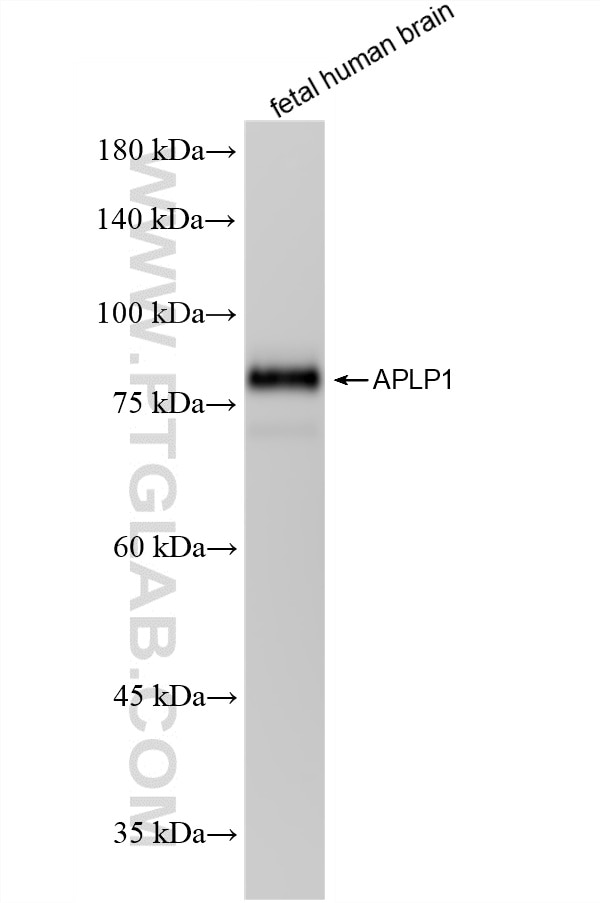
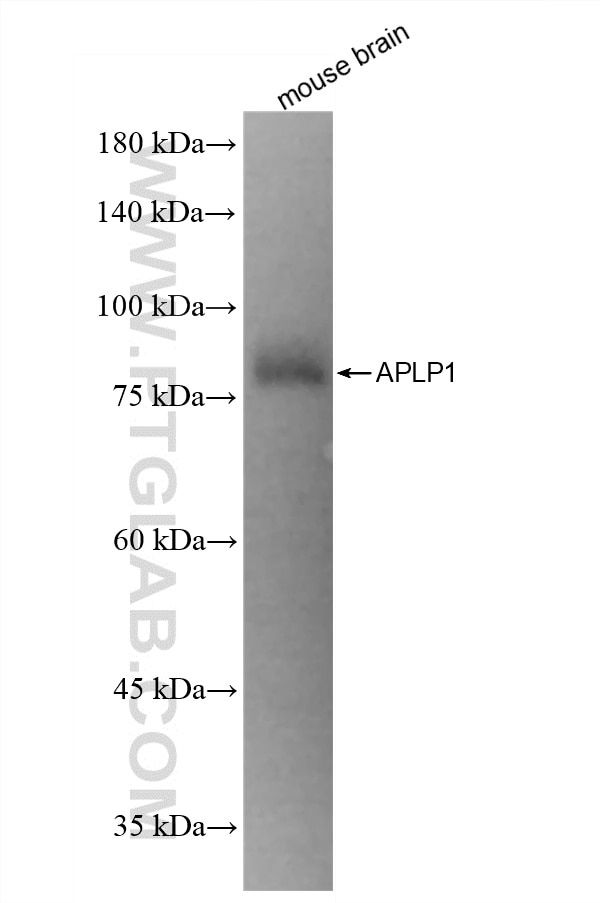
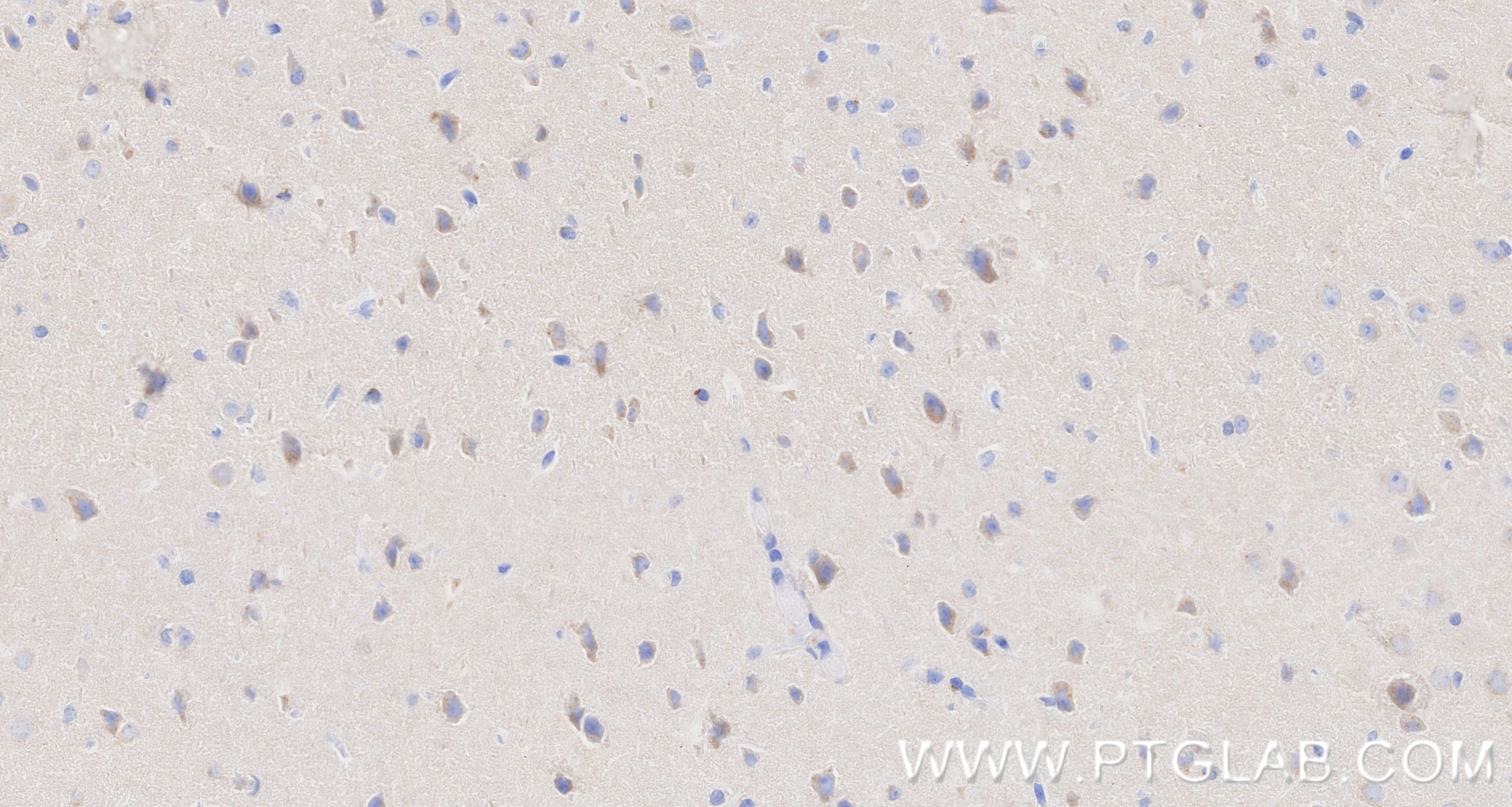
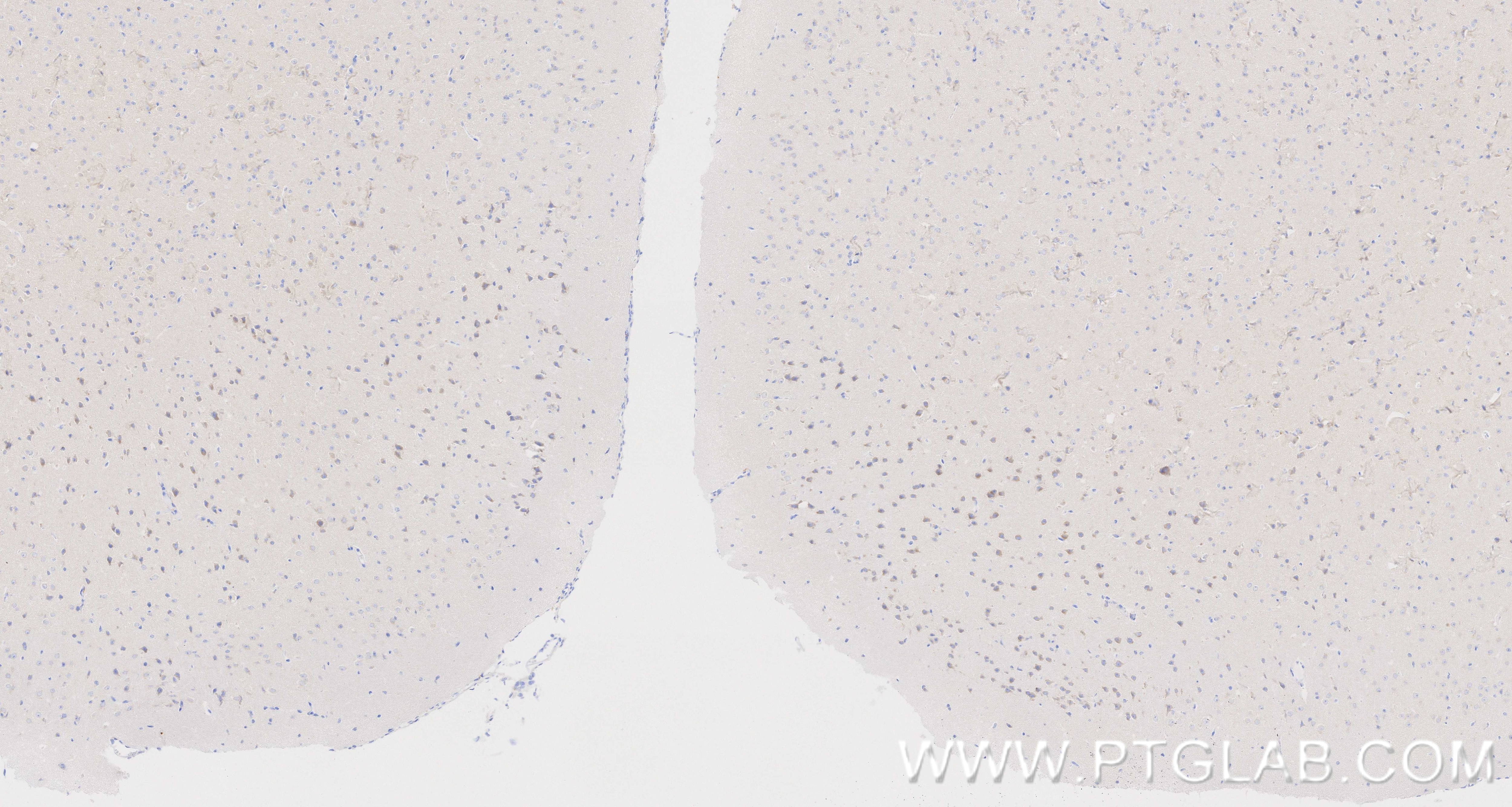
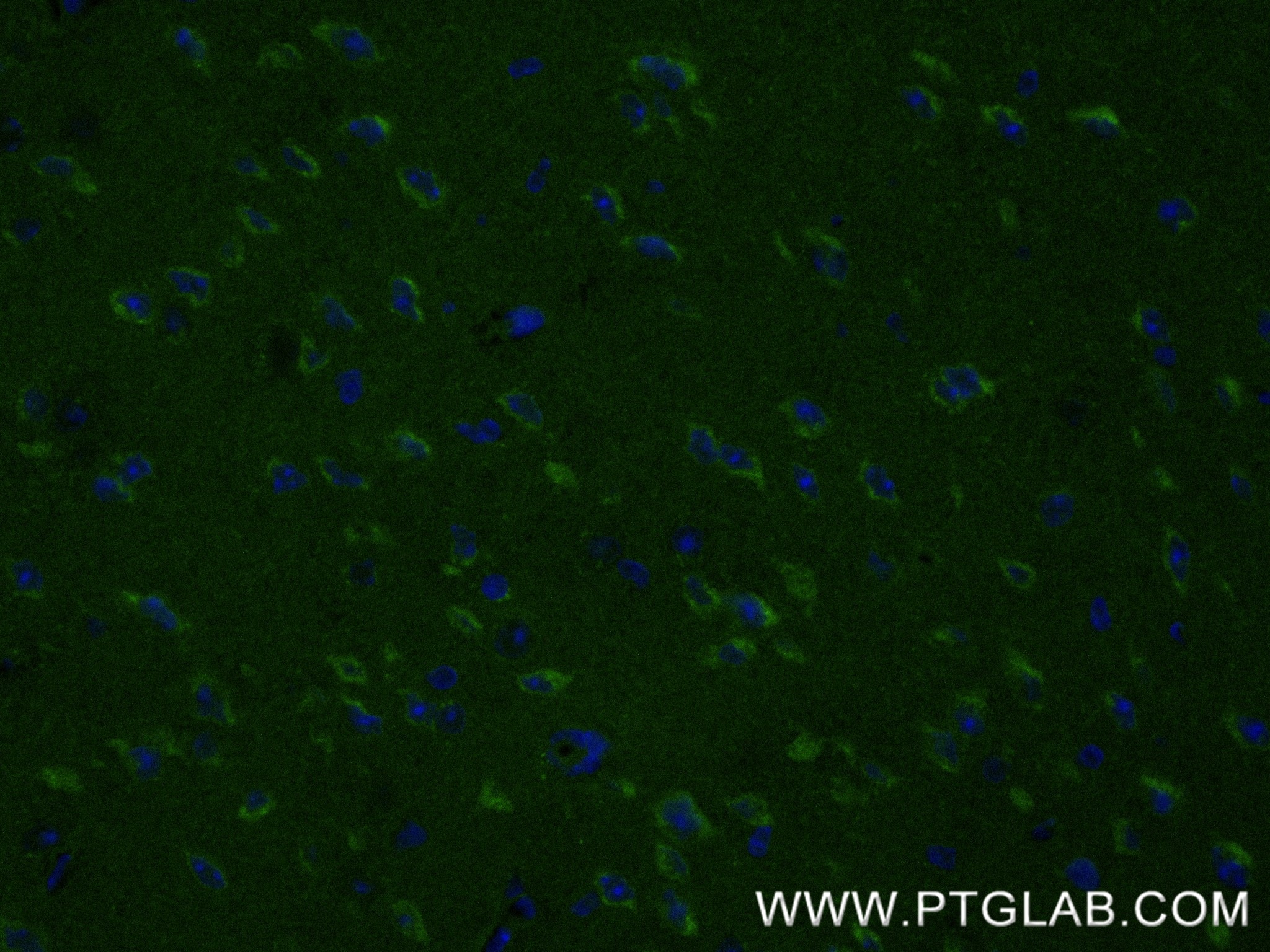
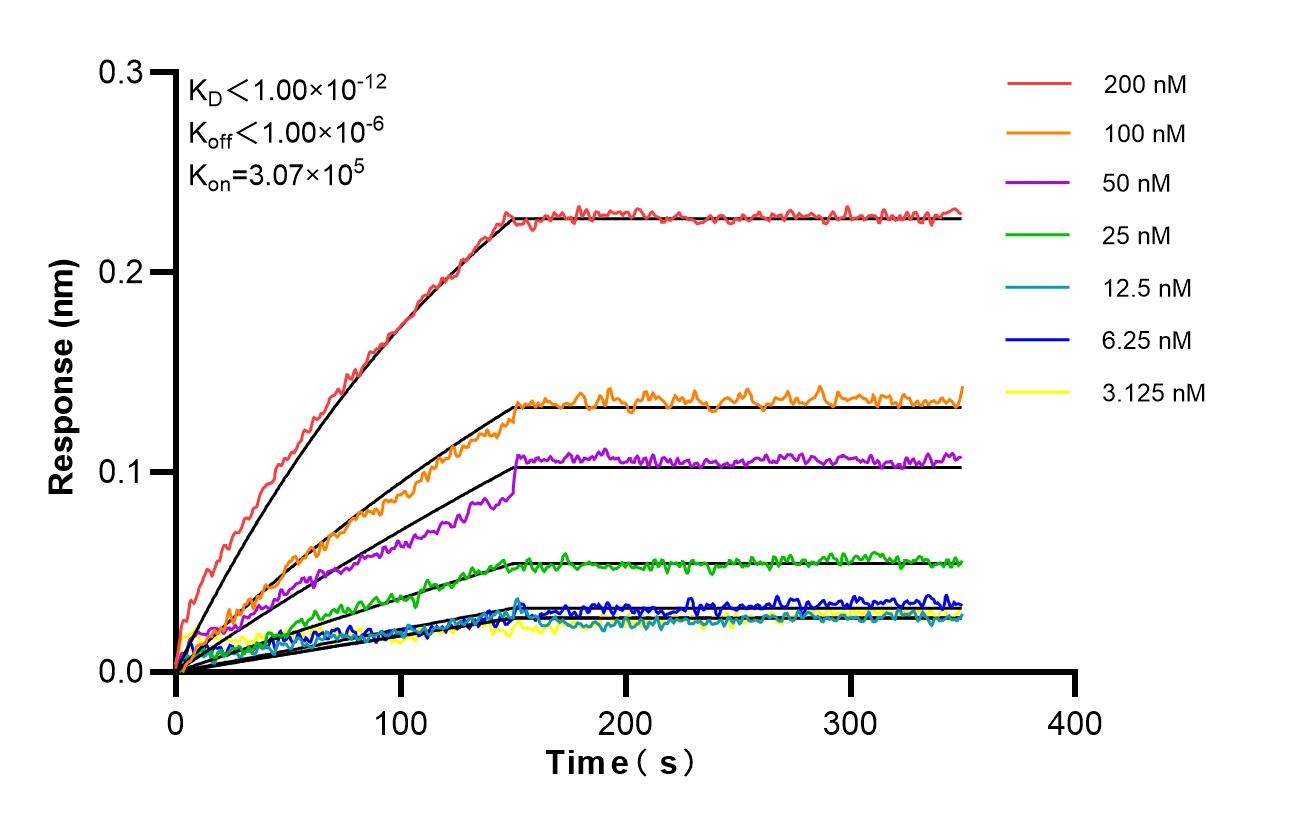
87113-1-PBS targets APLP1 in WB, IHC, IF-P, Indirect ELISA applications and shows reactivity with human, mouse samples.
| Tested Reactivity | human, mouse |
| Host / Isotype | Rabbit / IgG |
| Class | Recombinant |
| Type | Antibody |
| Immunogen |
CatNo: Eg5634 Product name: Recombinant Human APLP1 protein (rFc Tag) Source: mammalian cells-derived, V37 Tag: C-rFc Domain: 39-580 aa of NM_005166.4 Sequence: SLAGGSPGAAEAPGSAQVAGLCGRLTLHRDLRTGRWEPDPQRSRRCLRDPQRVLEYCRQMYPELQIARVEQATQAIPMERWCGGSRSGSCAHPHHQVVPFRCLPGEFVSEALLVPEGCRFLHQERMDQCESSTRRHQEAQEACSSQGLILHGSGMLLPCGSDRFRGVEYVCCPPPGTPDPSGTAVGDPSTRSWPPGSRVEGAEDEEEEESFPQPVDDYFVEPPQAEEEEETVPPPSSHTLAVVGKVTPTPRPTDGVDIYFGMPGEISEHEGFLRAKMDLEERRMRQINEVMREWAMADNQSKNLPKADRQALNEHFQSILQTLEEQVSGERQRLVETHATRVIALINDQRRAALEGFLAALQADPPQAERVLLALRRYLRAEQKEQRHTLRHYQHVAAVDPEKAQQMRFQVHTHLQVIEERVNQSLGLLDQNPHLAQELRPQIQELLHSEHLGPSELEAPAPGGSSEDKGGLQPPDSKDDTPMTLPKGSTEQDAASPEKEKMNPLEQYERKVNASVPRGFPFHSSEIQRDELAPAGTGVSRE Predict reactive species |
| Full Name | amyloid beta (A4) precursor-like protein 1 |
| Calculated Molecular Weight | 72 kDa |
| Observed Molecular Weight | 80 kDa |
| GenBank Accession Number | NM_005166.4 |
| Gene Symbol | APLP1 |
| Gene ID (NCBI) | 333 |
| RRID | AB_3745348 |
| Conjugate | Unconjugated |
| Form | Liquid |
| Purification Method | Protein A purification |
| UNIPROT ID | P51693-1 |
| Storage Buffer | PBS only, pH 7.3. |
| Storage Conditions | Store at -80°C. |
Background Information
APLP1 (Amyloid Precursor-Like Protein 1) is a member of the amyloid precursor protein (APP) family, which also includes APP and APLP2. It is a type I transmembrane glycoprotein that is highly and predominantly expressed in the central nervous system, especially at the postsynaptic density of neurons. Functionally, APLP1 plays important roles in synaptic adhesion, synaptogenesis, and neurite outgrowth. It can form homophilic trans-interactions between neighboring cells, contributing to cell-cell adhesion and the formation of synaptic structures. Its proteolytic processing by α-, β-, and γ-secretases releases intracellular fragments that may participate in transcriptional regulation and signal transduction, potentially influencing gene expression and neuronal survival.







