

Tested Applications
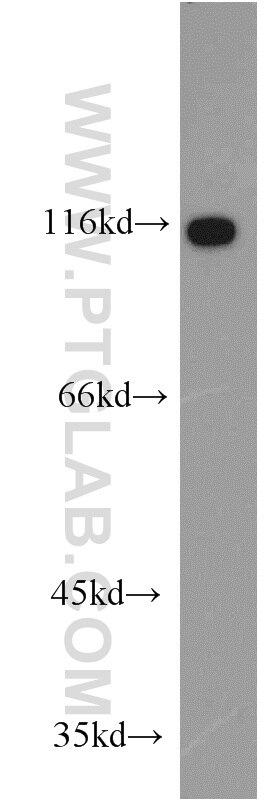
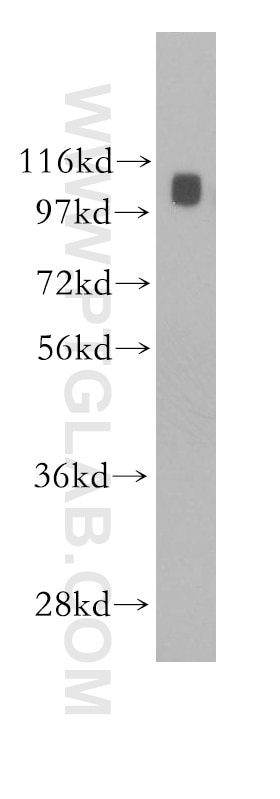
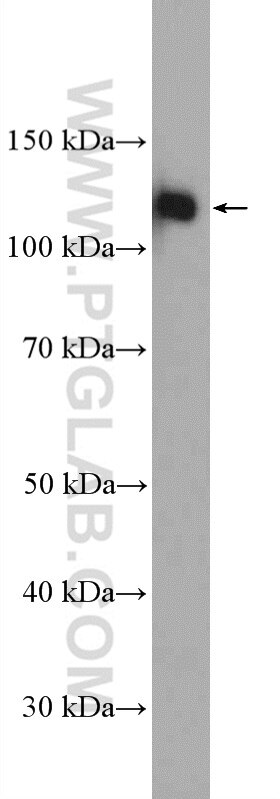
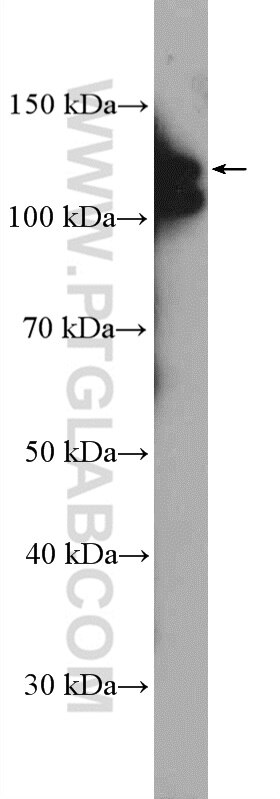
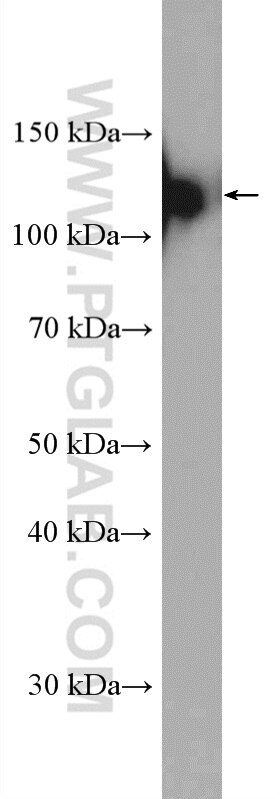
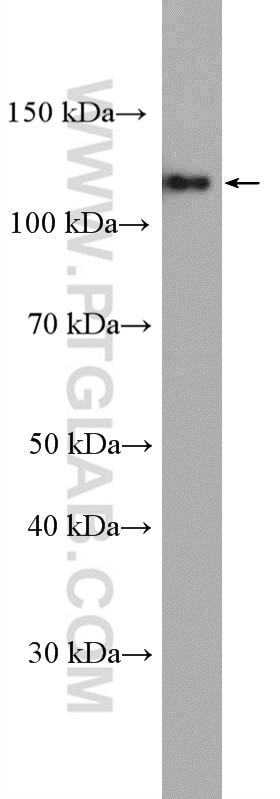
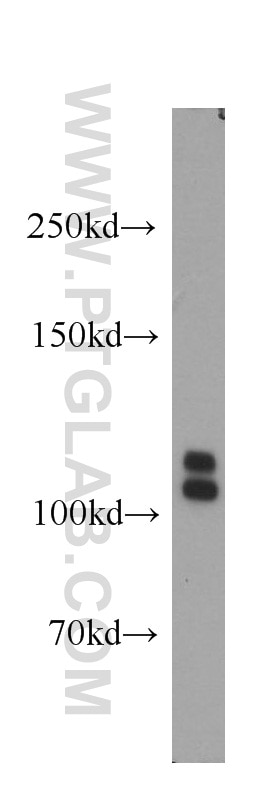
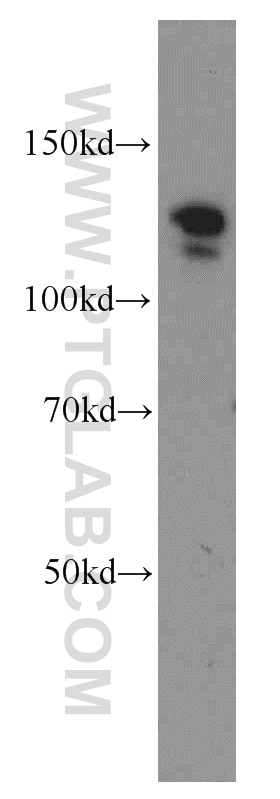
| Positive WB detected in | HEK-293 cells, HeLa cells, HepG2 cells, human brain tissue, human spleen tissue, Jurkat cells, K-562 cells, mouse spleen tissue |
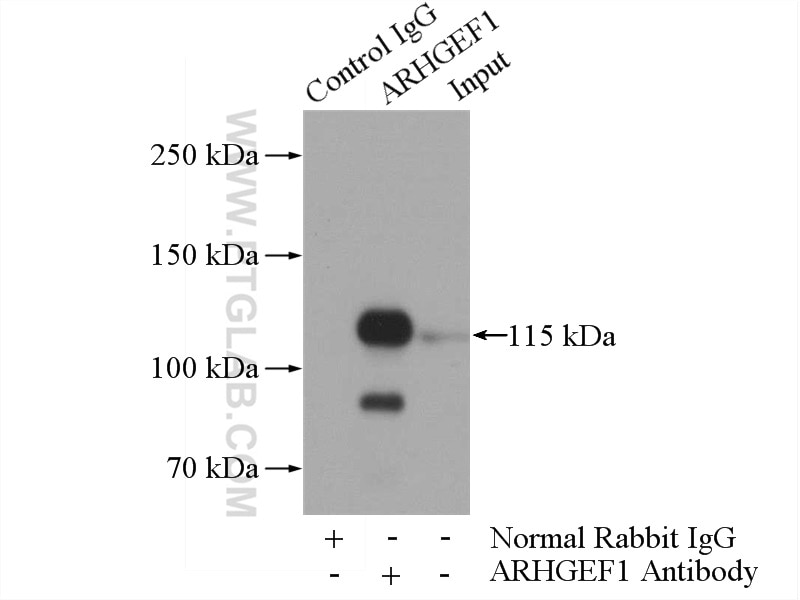
| Positive IP detected in | HEK-293 cells |
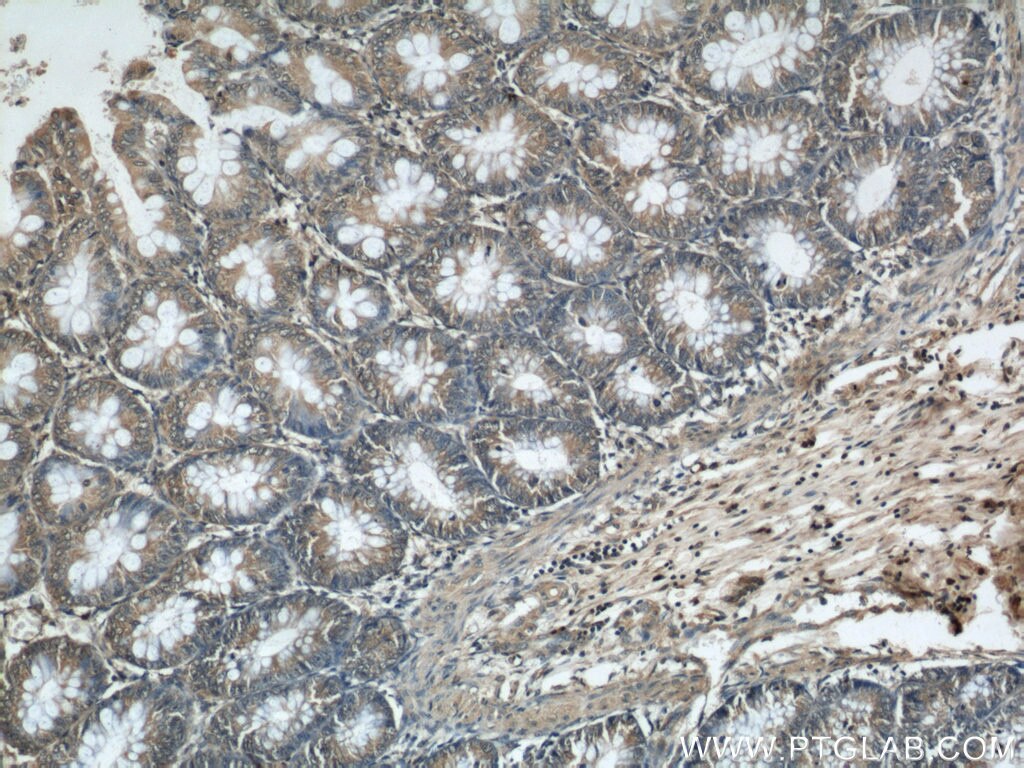
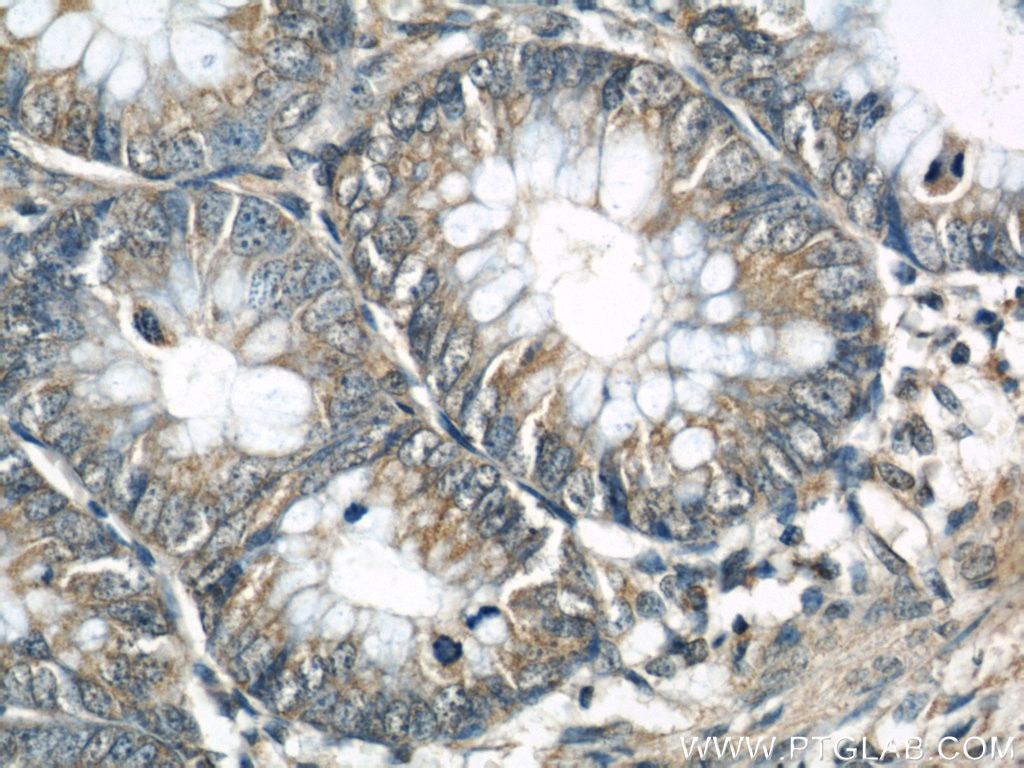
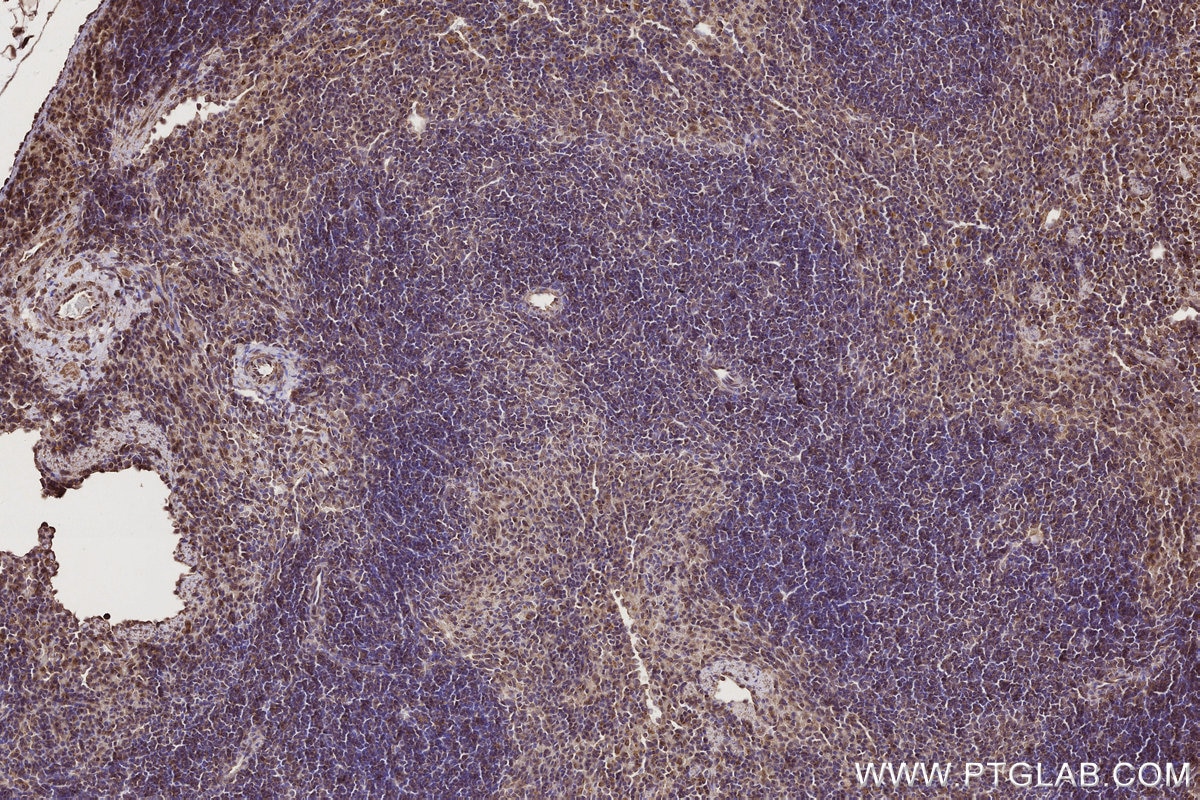
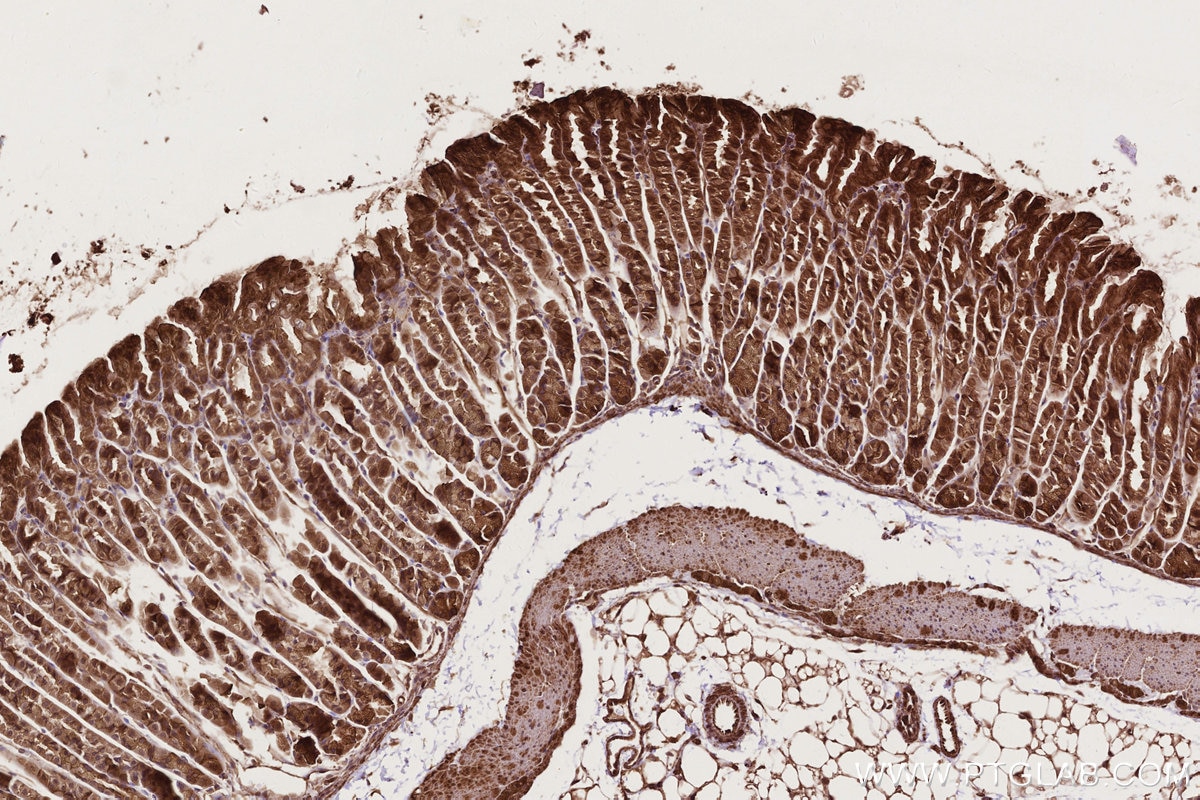
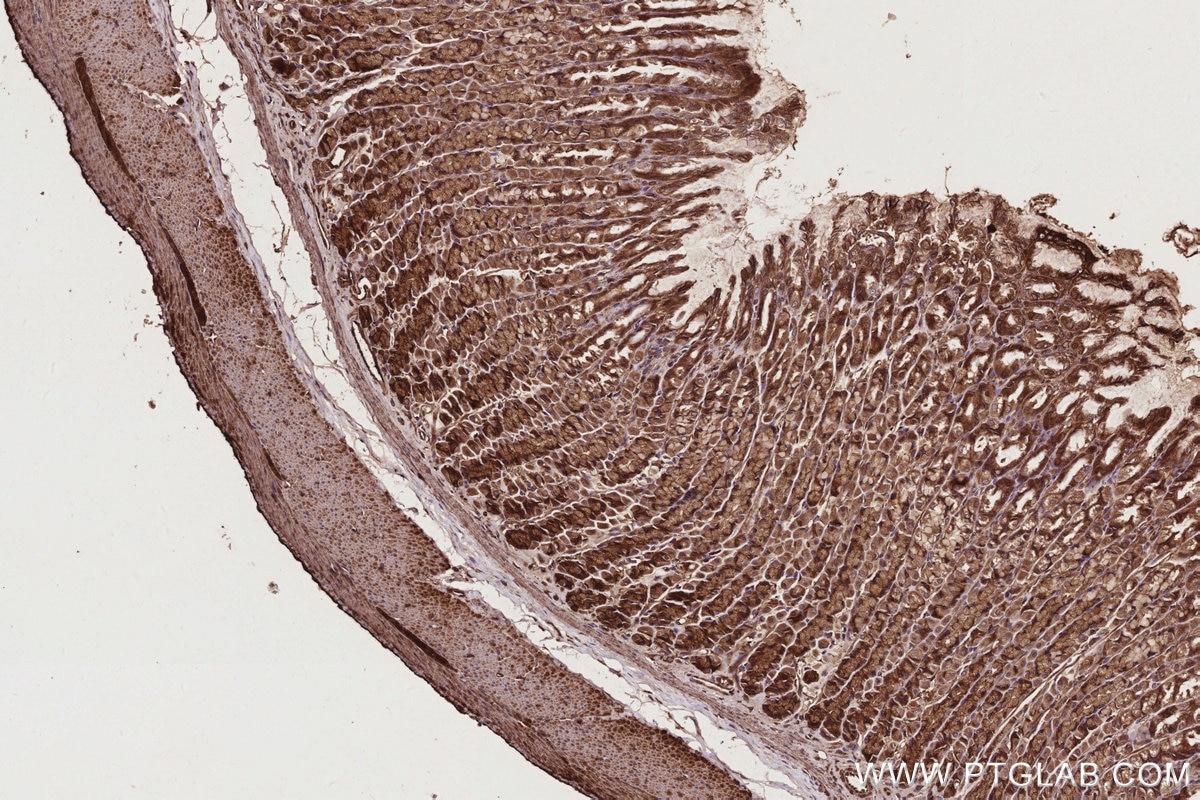
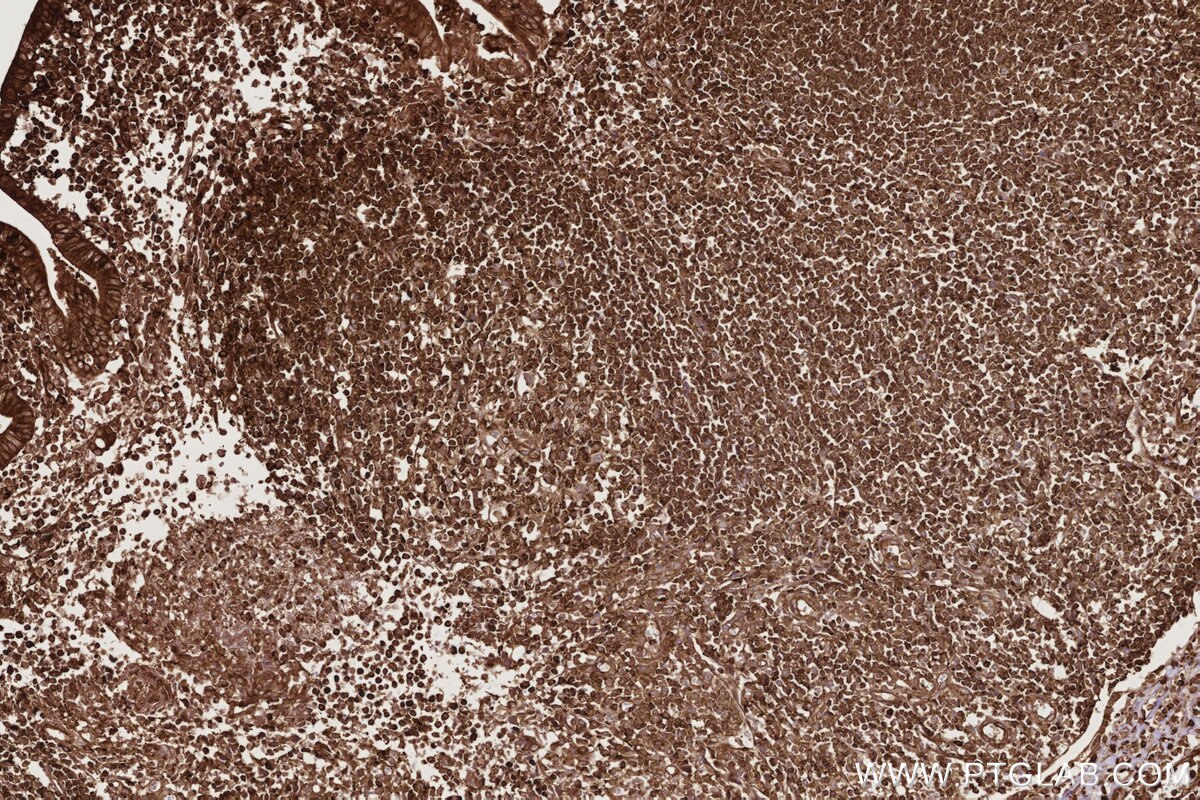
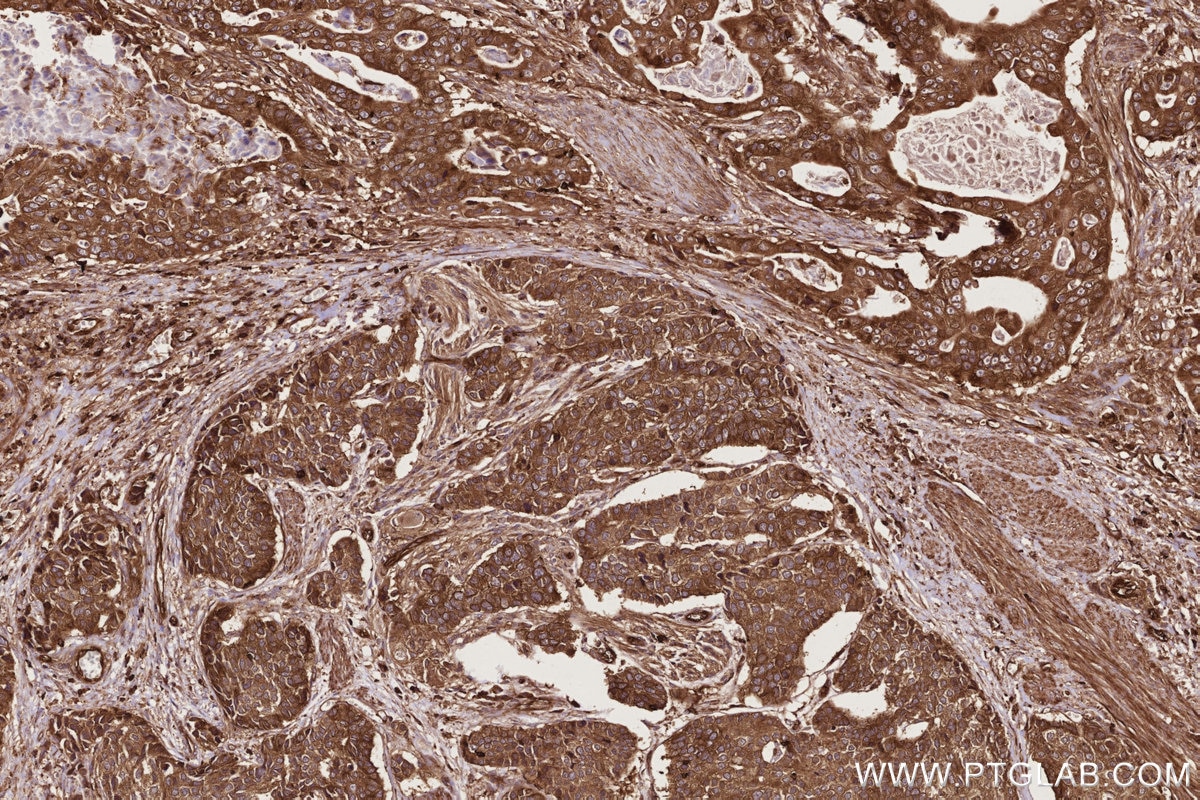
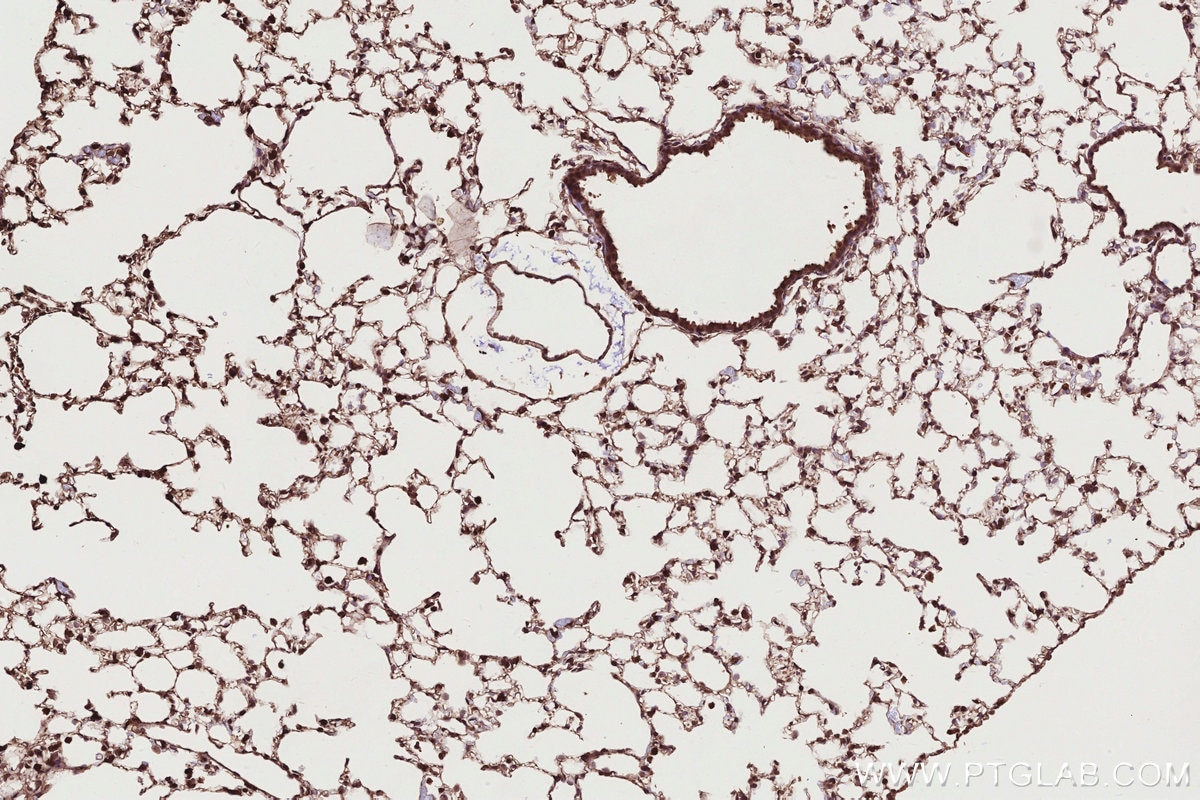
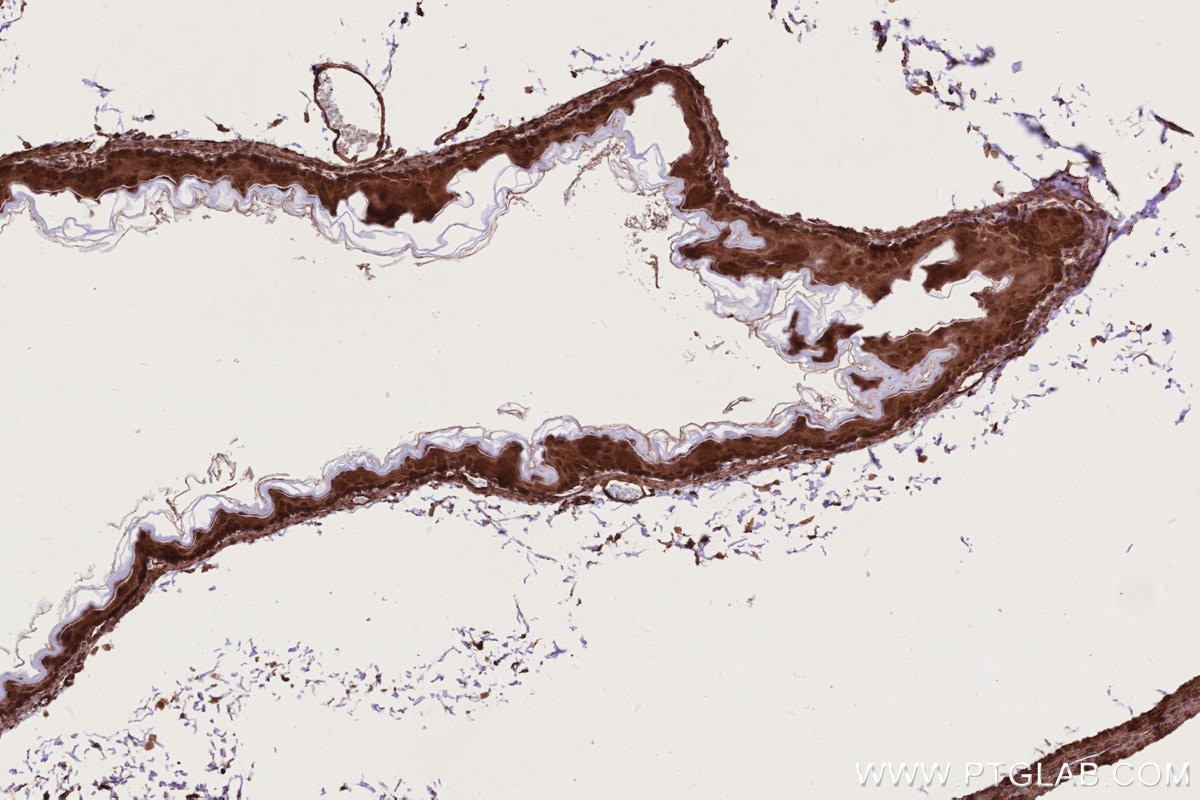
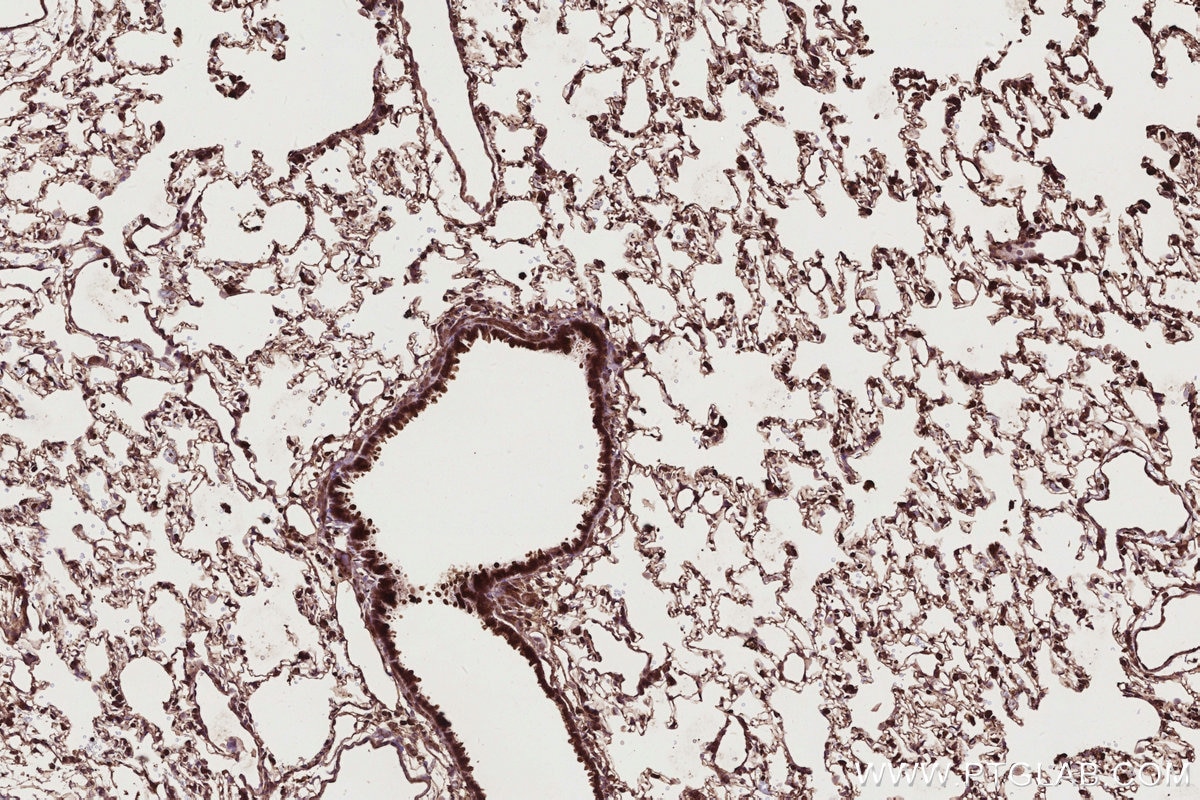
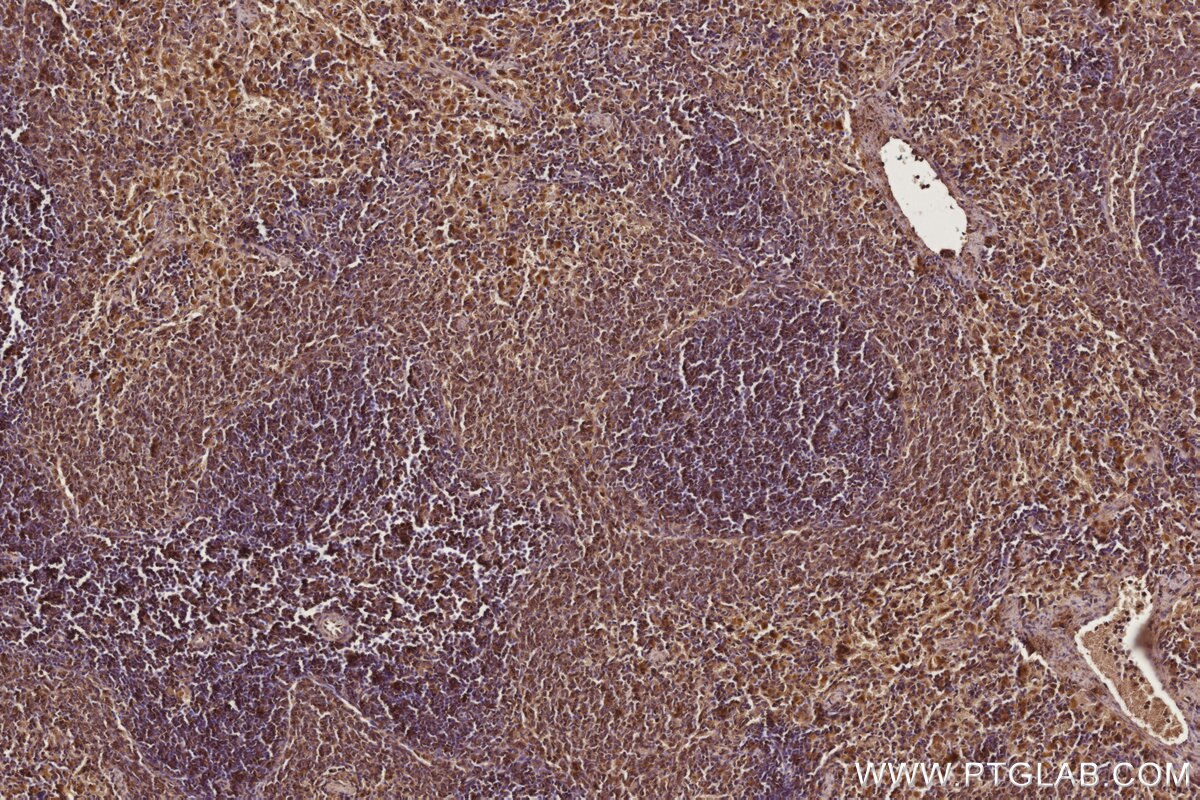
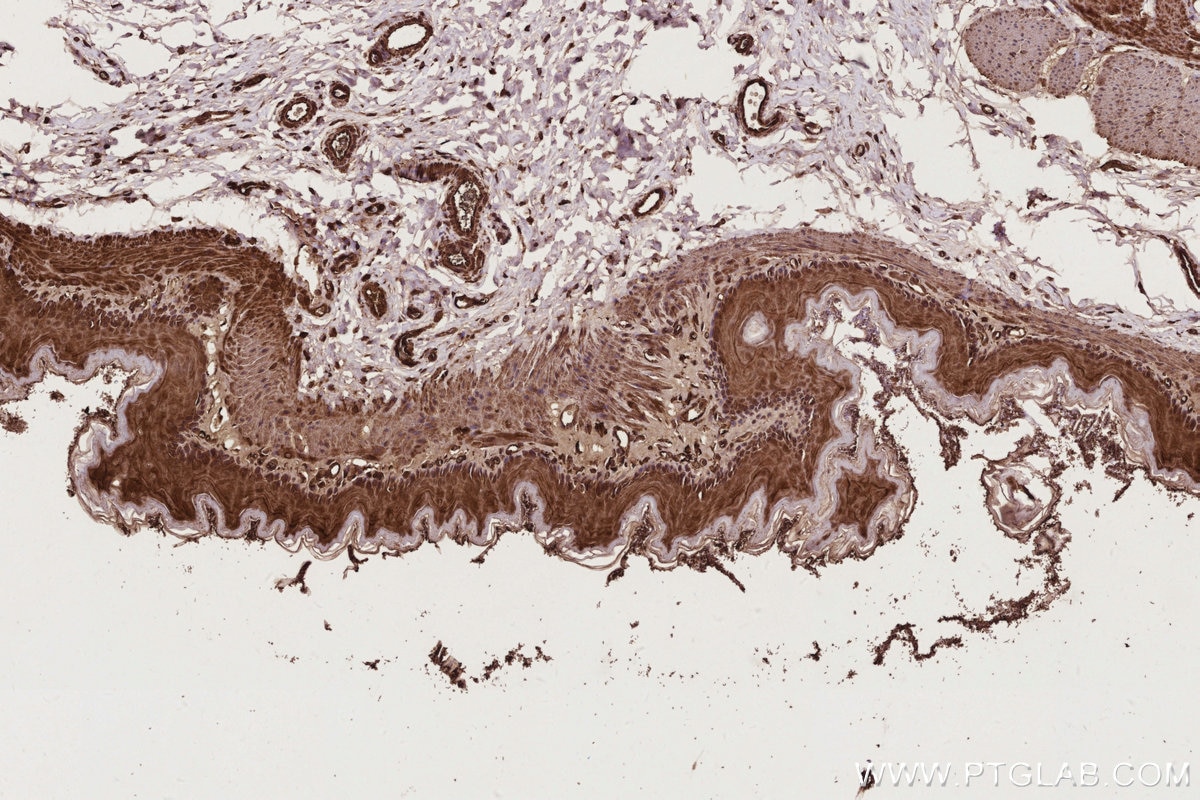
| Positive IHC detected in | human colon tissue, rat stomach tissue, human appendicitis tissue, mouse spleen tissue, rat spleen tissue, mouse stomach tissue, human stomach cancer tissue, rat lung tissue, mouse lung tissue Note: suggested antigen retrieval with TE buffer pH 9.0; (*) Alternatively, antigen retrieval may be performed with citrate buffer pH 6.0 |
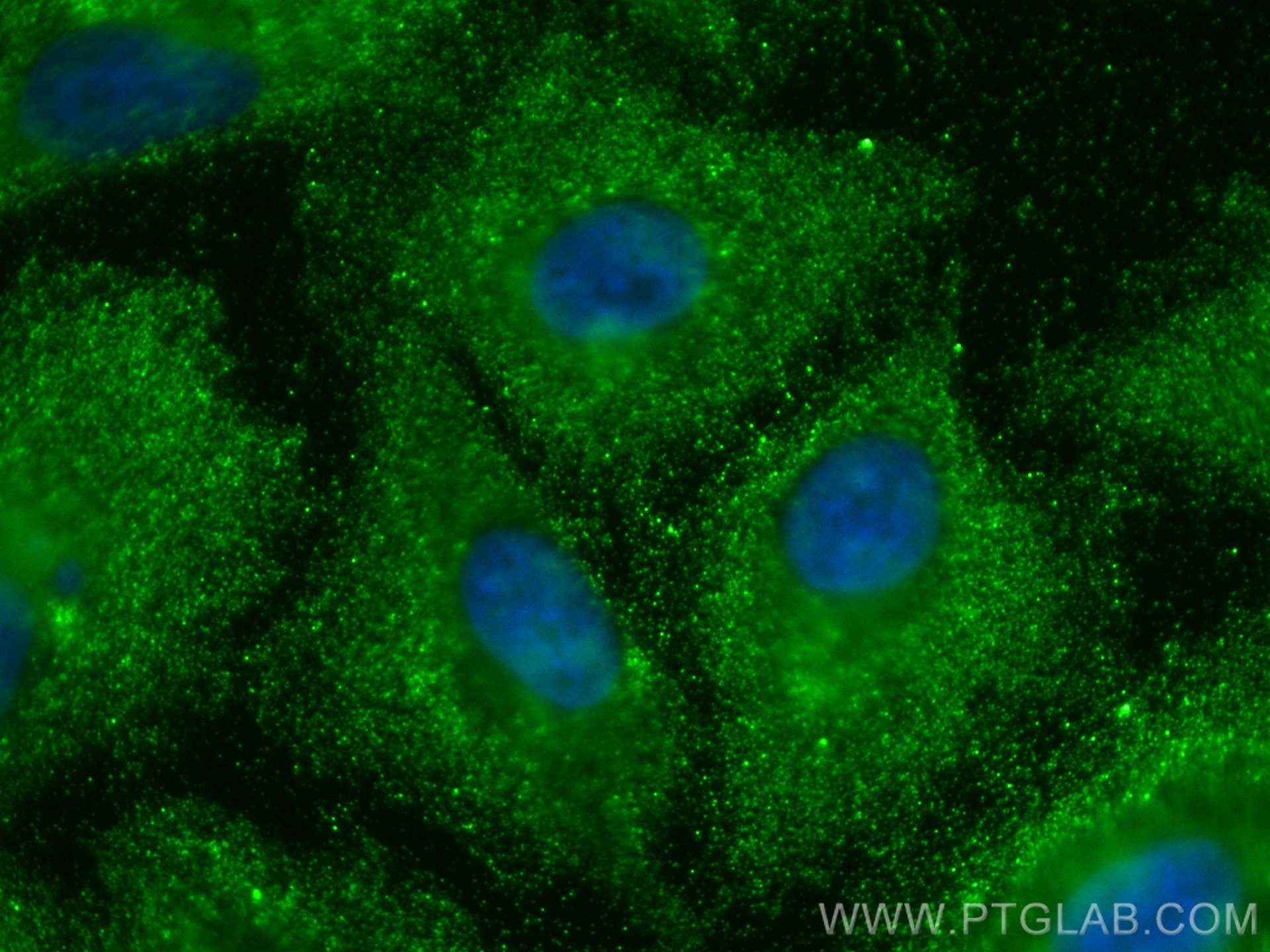
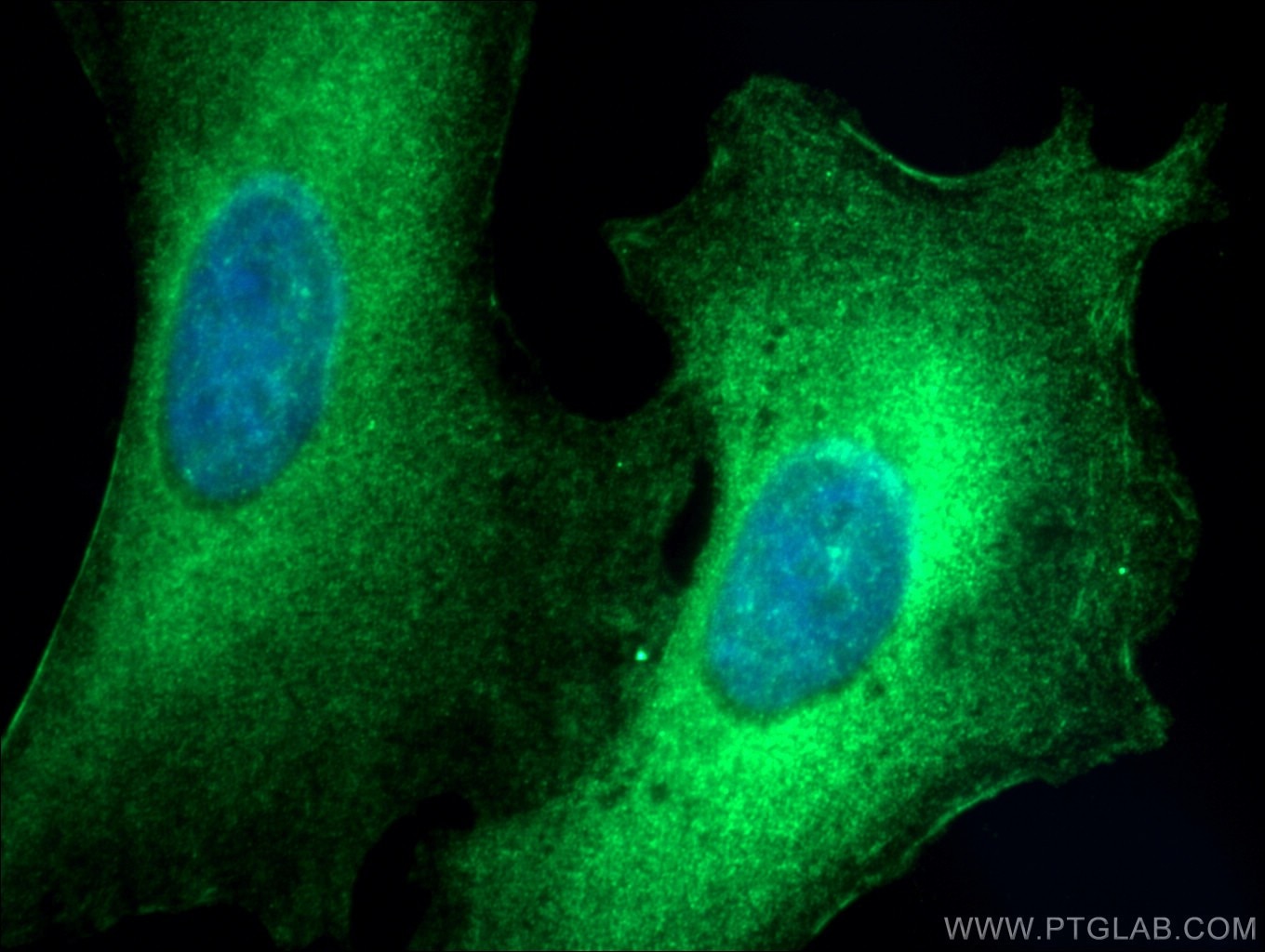
| Positive IF/ICC detected in | A549 cells |
Recommended dilution
| Application | Dilution |
|---|---|
| Western Blot (WB) | WB : 1:500-1:2000 |
| Immunoprecipitation (IP) | IP : 0.5-4.0 ug for 1.0-3.0 mg of total protein lysate |
| Immunohistochemistry (IHC) | IHC : 1:20-1:200 |
| Immunofluorescence (IF)/ICC | IF/ICC : 1:200-1:800 |
| It is recommended that this reagent should be titrated in each testing system to obtain optimal results. | |
| Sample-dependent, Check data in validation data gallery. | |
Product Information
11363-1-AP targets ARHGEF1 in WB, IHC, IF/ICC, IP, CoIP, ELISA applications and shows reactivity with human, mouse samples.
| Tested Reactivity | human, mouse |
| Cited Reactivity | human, mouse |
| Host / Isotype | Rabbit / IgG |
| Class | Polyclonal |
| Type | Antibody |
| Immunogen |
CatNo: Ag1905 Product name: Recombinant human ARHGEF1 protein Source: e coli.-derived, PGEX-4T Tag: GST Domain: 1-350 aa of BC011726 Sequence: MEDFARGAASPGPSRPGLVPVSIIGAEDEDFENELETNSEEQNSQFQSLEQVKRRPAHLMALLQHVALQFEPGPLVLRVPVPPNVAFELDRTRADLISEDVQRRFVQEVVQSQQVAVGRQLEDFRSKRLMGMTPWEQELAQLEAWVGRDRASYEARERHVAERLLMHLEEMQHTISTDEEKSAAVVNAIGLYMRHLGVRTKSGDKKSGRNFFRKKVMGNRRSDEPAKTKKGLSSILDAARWNRGEPQVPDFRHLKAEVDAEKPGATDRKGGVGMPSRDRNIGAPGQDTPGVSLHPLSLDSPDREPGADAPLELGDSSPQGPMSLESLAPPESTDEGAETESPEPGDEGEP Predict reactive species |
| Full Name | Rho guanine nucleotide exchange factor (GEF) 1 |
| Calculated Molecular Weight | 912 aa, 102 kDa |
| Observed Molecular Weight | 102-110 kDa |
| GenBank Accession Number | BC011726 |
| Gene Symbol | ARHGEF1 |
| Gene ID (NCBI) | 9138 |
| RRID | AB_2059741 |
| Conjugate | Unconjugated |
| Form | Liquid |
| Purification Method | Antigen affinity purification |
| UNIPROT ID | Q92888 |
| Storage Buffer | PBS with 0.02% sodium azide and 50% glycerol, pH 7.3. |
| Storage Conditions | Store at -20°C. Stable for one year after shipment. Aliquoting is unnecessary for -20oC storage. 20ul sizes contain 0.1% BSA. |
Background Information
ARHGEF1, also known as p115-RhoGEF, is a member of the Rho guanine nucleotide exchange factor (GEF) family, specifically activating the small GTPase RhoA by catalyzing the exchange of GDP for GTP. Structurally, it contains a Dbl homology (DH) domain responsible for GEF activity, a Pleckstrin homology (PH) domain that may regulate membrane association, and an RGS-like domain that interacts with the G-protein subunits Gα12/13. This protein is expressed ubiquitously, with particularly high expression in hematopoietic and lymphoid tissues, and plays a critical role in transducing signals from G protein-coupled receptors coupled to Gα12/13 to activate RhoA and its downstream effector ROCK, thereby regulating cytoskeletal dynamics, cell contraction, and migration. Notably, ARHGEF1 acts as a dual-specificity regulator, functioning as a GAP for Gα12/13 while serving as a GEF for RhoA. Its involvement in essential physiological processes, such as angiotensin II-induced vascular smooth muscle contraction, underscores its importance, while mutations in the ARHGEF1 gene are associated with immunodeficiency 62 and other potential pathologies.
Protocols
| Product Specific Protocols | |
|---|---|
| IF protocol for ARHGEF1 antibody 11363-1-AP | Download protocol |
| IHC protocol for ARHGEF1 antibody 11363-1-AP | Download protocol |
| IP protocol for ARHGEF1 antibody 11363-1-AP | Download protocol |
| WB protocol for ARHGEF1 antibody 11363-1-AP | Download protocol |
| Standard Protocols | |
|---|---|
| Click here to view our Standard Protocols |
Publications
What published studies show
The ARHGEF1 Polyclonal antibody (Cat# 11363-1-AP) has 7 citations across Nature, Cancer Discovery, Nature Metabolism, Nature Communications, Cancer Letters, Oncogene, and Molecular Biology of the Cell. Research fields span CRISPR-Cas9 transcriptional activation, hematopoietic malignancies, BCAA metabolism in cancer, G protein signaling and platelet exocytosis, tumor angiogenesis, T-cell lymphoma progression, and endosomal Arp2/3 complex biology.
| Species | Application | Title |
|---|---|---|
Cancer Discov Systematic Evaluation of GAPs and GEFs Identifies a Targetable Dependency for Hematopoietic Malignancies.
| ||
Nat Metab Enhanced BCAT1 activity and BCAA metabolism promotes RhoC activity in cancer progression | ||
Nat Commun Integrin β3 directly inhibits the Gα13-p115RhoGEF interaction to regulate G protein signaling and platelet exocytosis | ||
Cancer Lett Apigenin inhibits tumor angiogenesis by hindering microvesicle biogenesis via ARHGEF1 | ||
Oncogene LncRNA IRENA promotes peripheral T-cell lymphoma progression through scaffolding ARHGEF1 and FMNL1 to modulate RHOA GTPase/MAPK signaling. |
Reviews
What customers say
Customers report consistently positive experiences with this antibody, particularly for immunoprecipitation and Western blot applications. One user found it effective for IP at 6 µg with a 1:1500 WB dilution in glioma samples. Another described it as a "very good antibody" when used with blood vascular cells. A third user successfully immunoprecipitated p115RhoGEF from transfected cells at 2 µg per reaction. Overall, reviewers rate the product highly (average ~4.7/5), praising its reliability in IP and WB workflows across different cell types.
The reviews below have been submitted by verified Proteintech customers who received an incentive for providing their feedback.
Udesh (Verified Customer) (12-29-2023) | Worked well for IP using 6ug Ab and WB 1:1500
|
can (Verified Customer) (12-17-2019) | Very good antibody!
|
Ni (Verified Customer) (09-26-2019) | Very successful in immunoprecipitating p115RhoGEF from transfected cells.
|
























