

Tested Applications
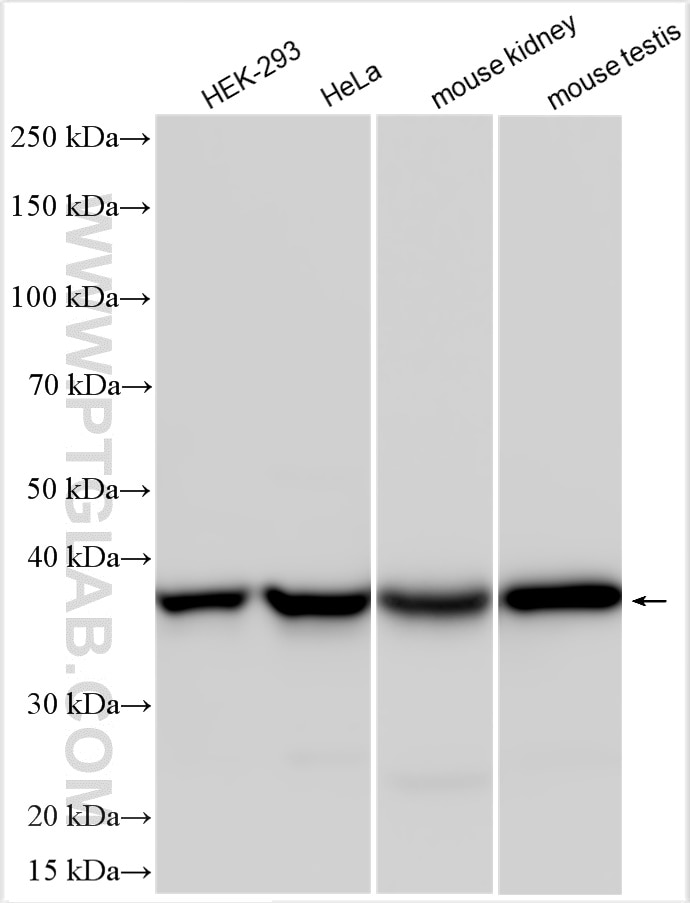
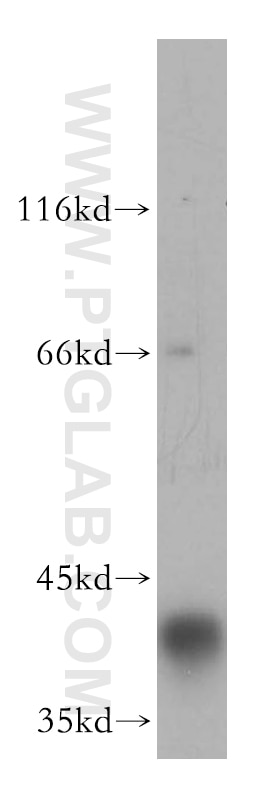
| Positive WB detected in | HEK-293 cells, human placenta tissue, HeLa cells, mouse kidney tissue, mouse testis tissue |
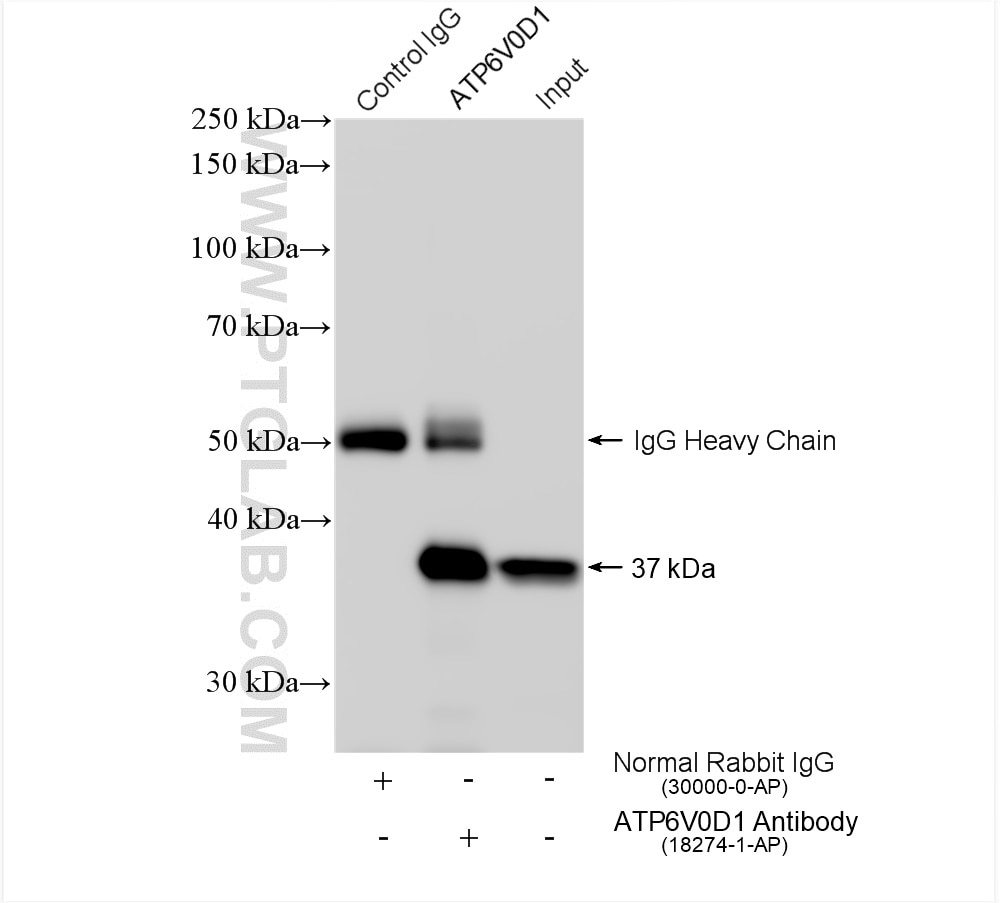
| Positive IP detected in | mouse testis tissue |
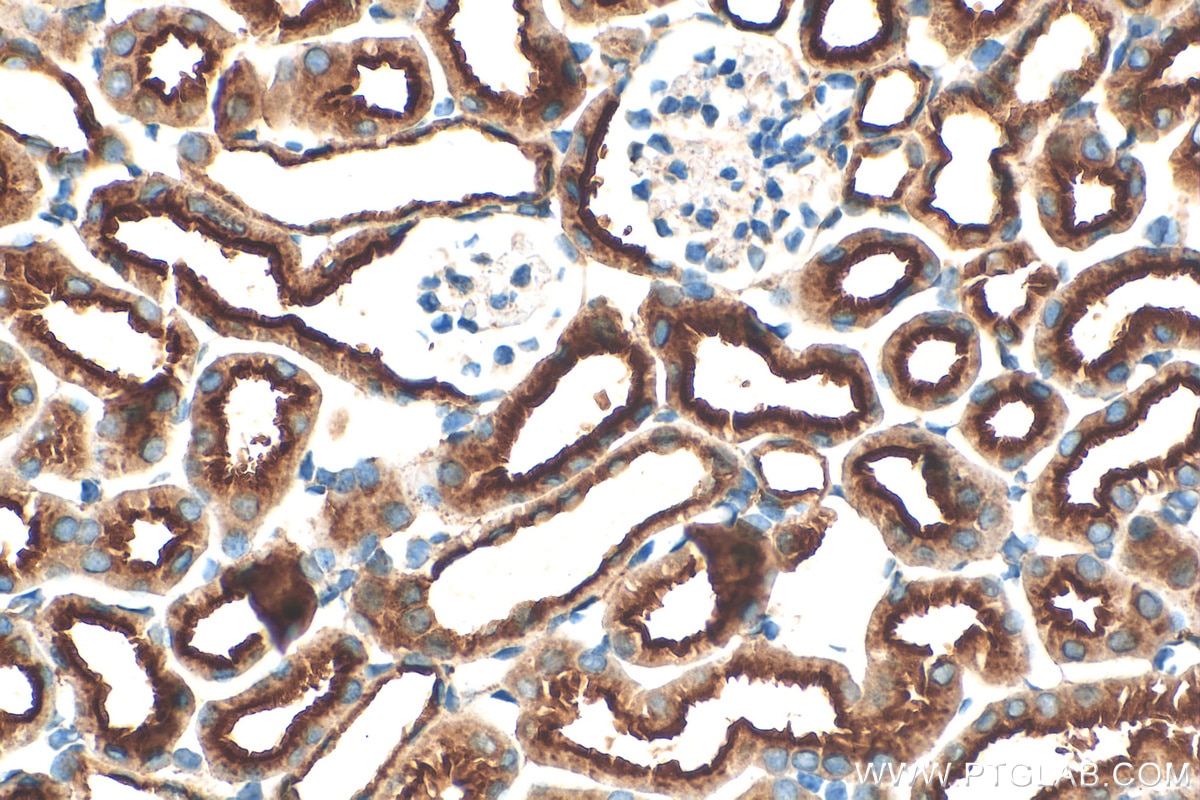
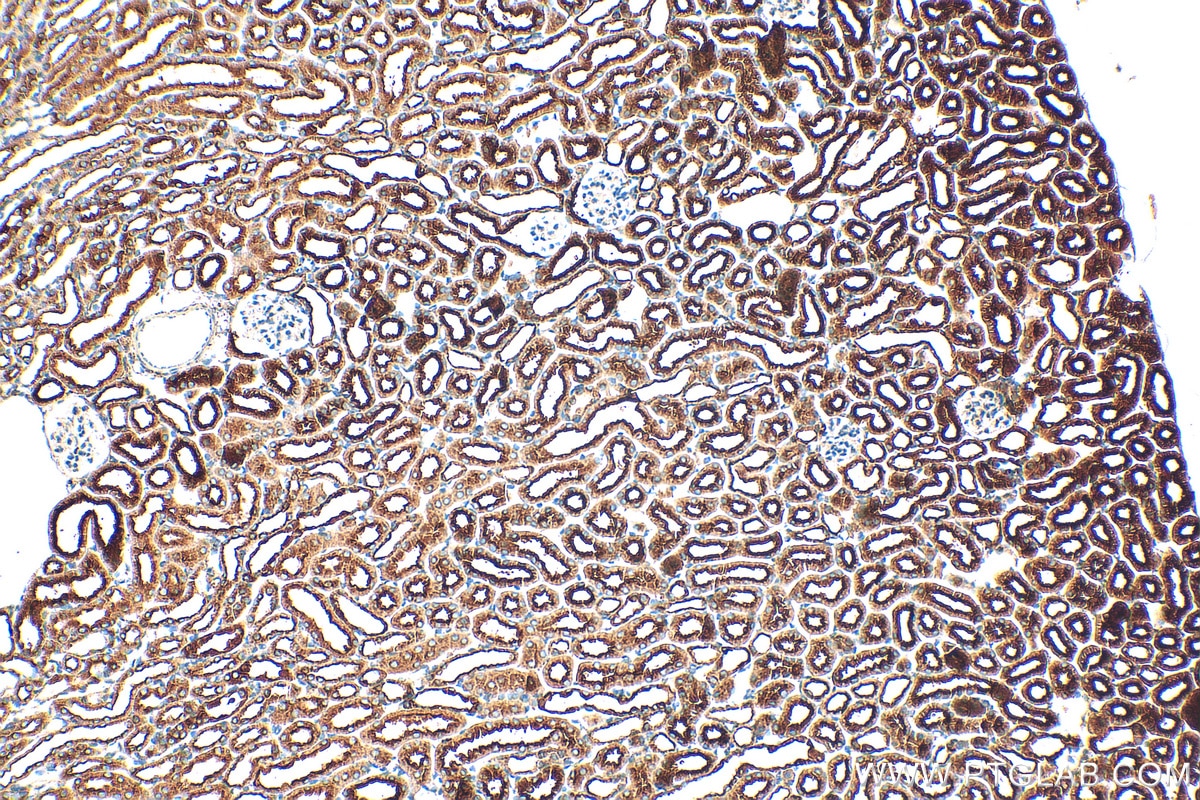
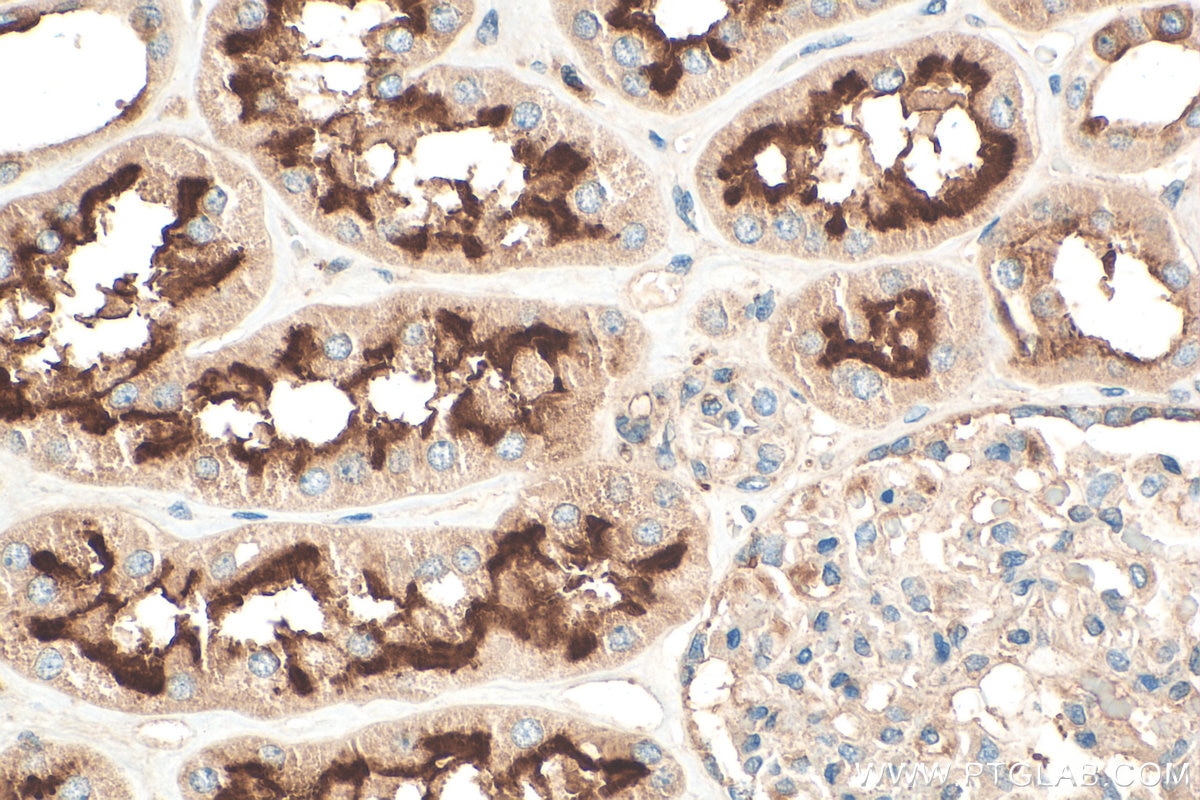
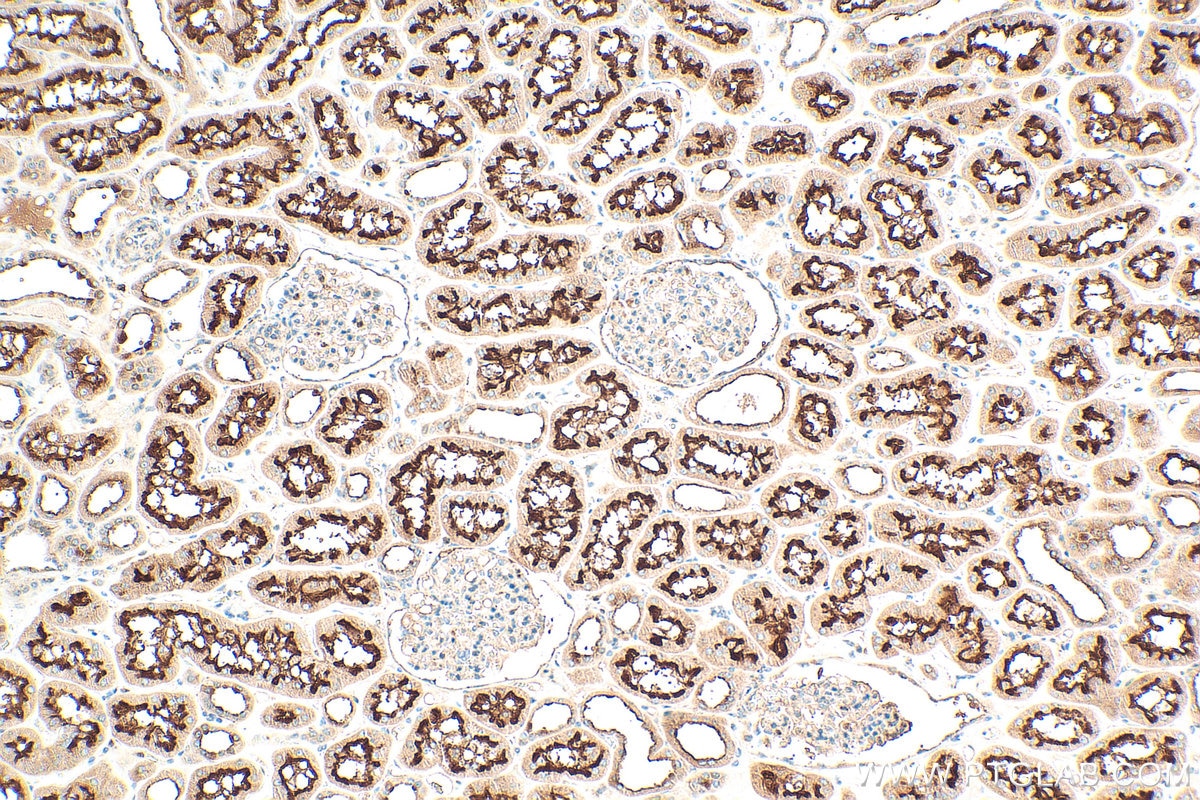
| Positive IHC detected in | mouse kidney tissue, human kidney tissue Note: suggested antigen retrieval with TE buffer pH 9.0; (*) Alternatively, antigen retrieval may be performed with citrate buffer pH 6.0 |
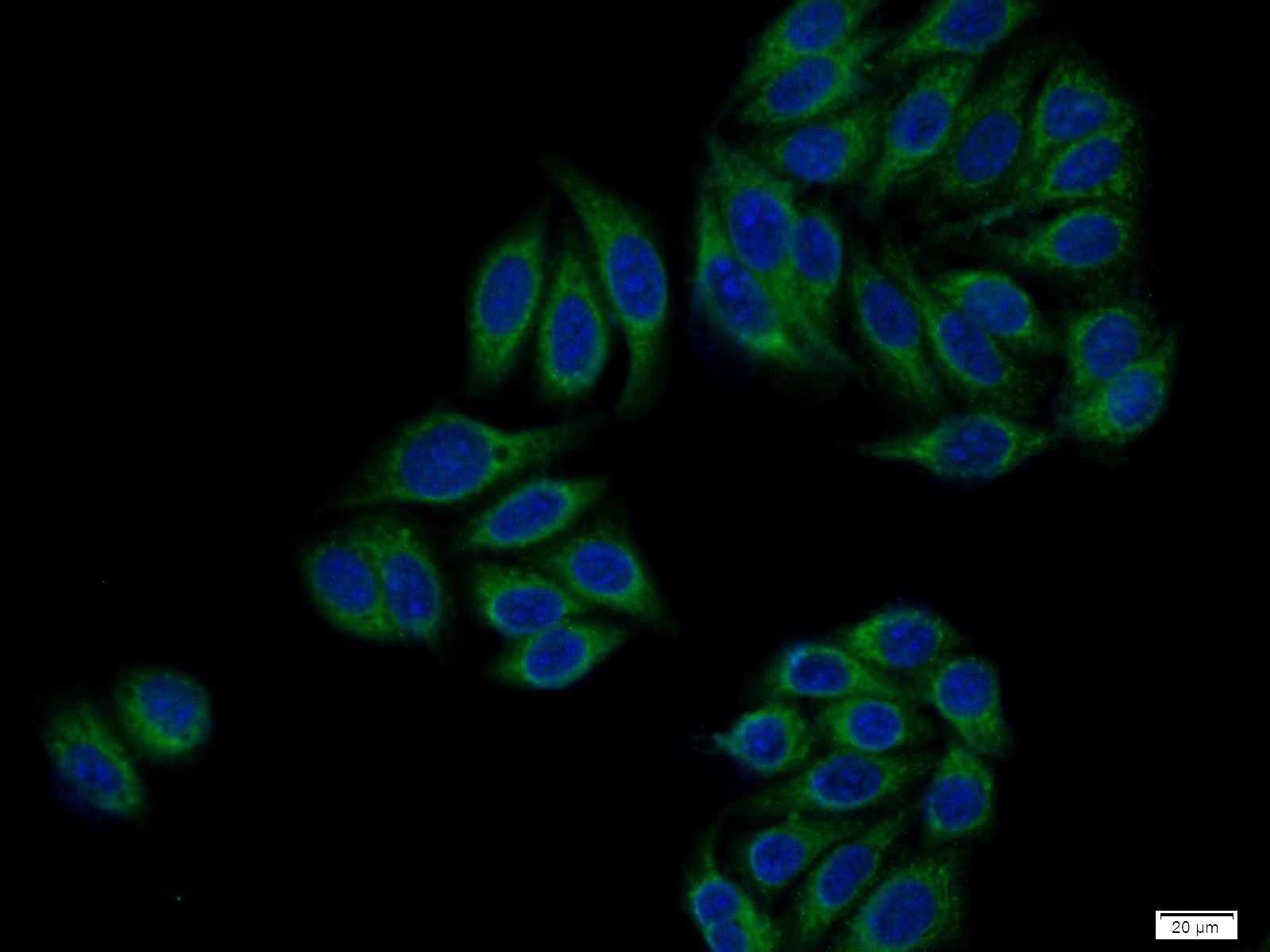
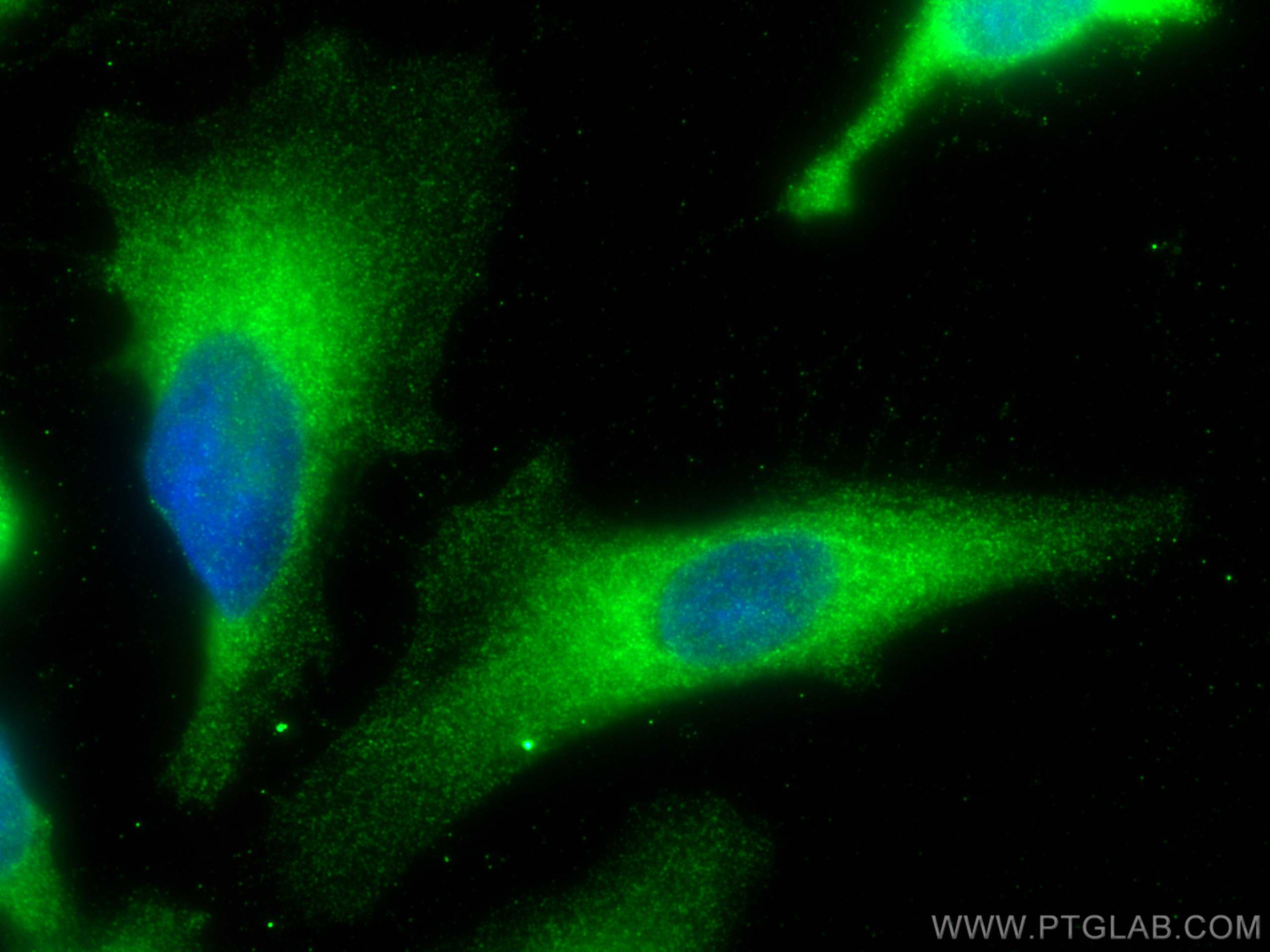
| Positive IF/ICC detected in | HeLa cells |
Recommended dilution
| Application | Dilution |
|---|---|
| Western Blot (WB) | WB : 1:2000-1:10000 |
| Immunoprecipitation (IP) | IP : 0.5-4.0 ug for 1.0-3.0 mg of total protein lysate |
| Immunohistochemistry (IHC) | IHC : 1:50-1:500 |
| Immunofluorescence (IF)/ICC | IF/ICC : 1:50-1:500 |
| It is recommended that this reagent should be titrated in each testing system to obtain optimal results. | |
| Sample-dependent, Check data in validation data gallery. | |
Product Information
18274-1-AP targets ATP6V0D1 in WB, IHC, IF/ICC, IP, ELISA applications and shows reactivity with human, mouse, rat samples.
| Tested Reactivity | human, mouse, rat |
| Cited Reactivity | human, mouse, rat, c.elegans |
| Host / Isotype | Rabbit / IgG |
| Class | Polyclonal |
| Type | Antibody |
| Immunogen |
CatNo: Ag13002 Product name: Recombinant human ATP6V0D1 protein Source: e coli.-derived, PGEX-4T Tag: GST Domain: 1-351 aa of BC008861 Sequence: MSFFPELYFNVDNGYLEGLVRGLKAGVLSQADYLNLVQCETLEDLKLHLQSTDYGNFLANEASPLTVSVIDDRLKEKMVVEFRHMRNHAYEPLASFLDFITYSYMIDNVILLITGTLHQRSIAELVPKCHPLGSFEQMEAVNIAQTPAELYNAILVDTPLAAFFQDCISEQDLDEMNIEIIRNTLYKAYLESFYKFCTLLGGTTADAMCPILEFEADRRAFIITINSFGTELSKEDRAKLFPHCGRLYPEGLAQLARADDYEQVKNVADYYPEYKLLFEGAGSNPGDKTLEDRFFEHEVKLNKLAFLNQFHFGVFYAFVKLKEQECRNIVWIAECIAQRHRAKIDNYIPIF Predict reactive species |
| Full Name | ATPase, H+ transporting, lysosomal 38kDa, V0 subunit d1 |
| Calculated Molecular Weight | 351 aa, 40 kDa |
| Observed Molecular Weight | 37-41 kDa |
| GenBank Accession Number | BC008861 |
| Gene Symbol | ATP6V0D1 |
| Gene ID (NCBI) | 9114 |
| RRID | AB_2258877 |
| Conjugate | Unconjugated |
| Form | Liquid |
| Purification Method | Antigen affinity purification |
| UNIPROT ID | P61421 |
| Storage Buffer | PBS with 0.02% sodium azide and 50% glycerol, pH 7.3. |
| Storage Conditions | Store at -20°C. Stable for one year after shipment. Aliquoting is unnecessary for -20oC storage. 20ul sizes contain 0.1% BSA. |
Background Information
ATP6V0D1(V-type proton ATPase subunit d 1) is also named as ATP6D, VPATPD and belongs to the V-ATPase V0D/AC39 subunit family.It is responsible for acidifying a variety of intracellular compartments in eukaryotic cells, thus providing most of the energy required for transport processes in the vacuolar system.
Protocols
| Product Specific Protocols | |
|---|---|
| IF protocol for ATP6V0D1 antibody 18274-1-AP | Download protocol |
| IHC protocol for ATP6V0D1 antibody 18274-1-AP | Download protocol |
| IP protocol for ATP6V0D1 antibody 18274-1-AP | Download protocol |
| WB protocol for ATP6V0D1 antibody 18274-1-AP | Download protocol |
| Standard Protocols | |
|---|---|
| Click here to view our Standard Protocols |
Publications
What published studies show
The ATP6V0D1 Polyclonal antibody (Cat# 18274-1-AP) has accumulated 35 citations across 26 journals, including Nature Metabolism, Nature Cell Biology, Nature Communications, Autophagy, Cell Reports, Cell Death & Disease, EMBO Reports, and the Journal of Biological Chemistry. Associated research fields span autophagy, lysosomal biology, V-ATPase function, cancer, neurodegeneration, cell death, bone growth, infection, ferroptosis, and proteomics.
| Species | Application | Title |
|---|---|---|
Nat Cell Biol Membrane receptors cluster phosphatidylserine to activate LC3-associated phagocytosis | ||
Autophagy Disruption of the vacuolar-type H(+)-ATPase complex in liver causes MTORC1-independent accumulation of autophagic vacuoles and lysosomes. | ||
Autophagy LAMP2-FLOT2 interaction enhances autophagosome-lysosome fusion to protect the septic heart in response to ILC2 | ||
Autophagy Follicular lymphoma-associated mutations in the V-ATPase chaperone VMA21 activate autophagy creating a targetable dependency | ||
Reviews
What customers say
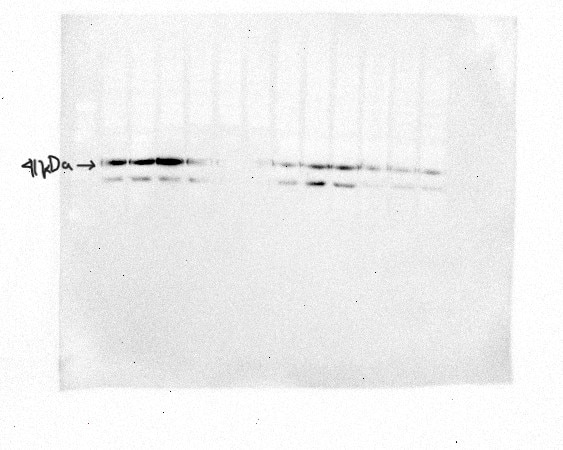
The single review for this product reports excellent performance in both Western Blot and Immunohistochemistry applications. The reviewer used it at a 1:500 dilution on N2A, 293T, and ReN cells, describing the results as working great for their lab. The product received a 5-star rating, reflecting strong satisfaction with its reliability and performance across multiple cell types and applications.
The reviews below have been submitted by verified Proteintech customers who received an incentive for providing their feedback.
Zakia (Verified Customer) (05-22-2024) | we are using this for our lab, Works great,
 |










