


Product Information
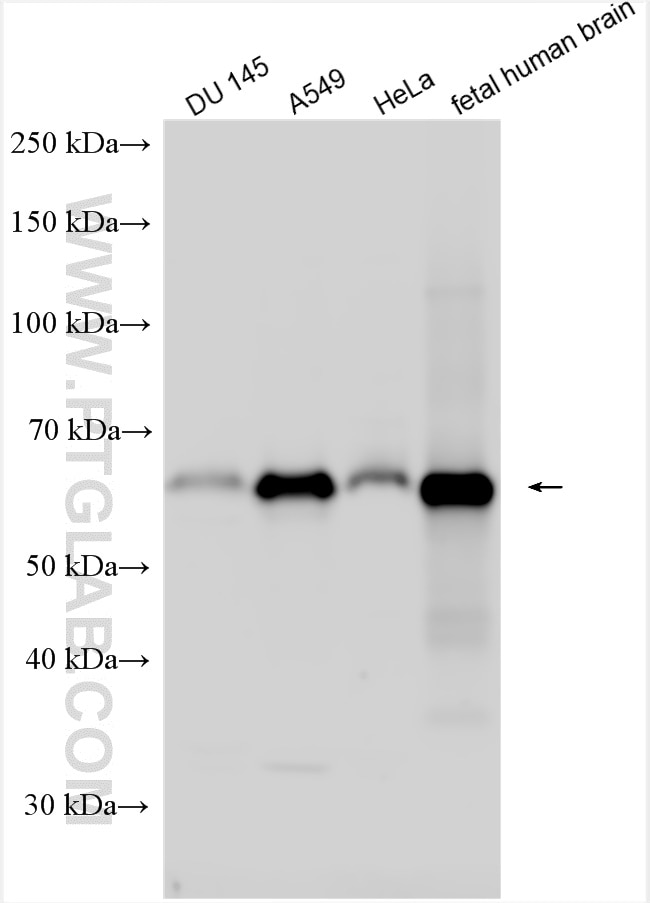
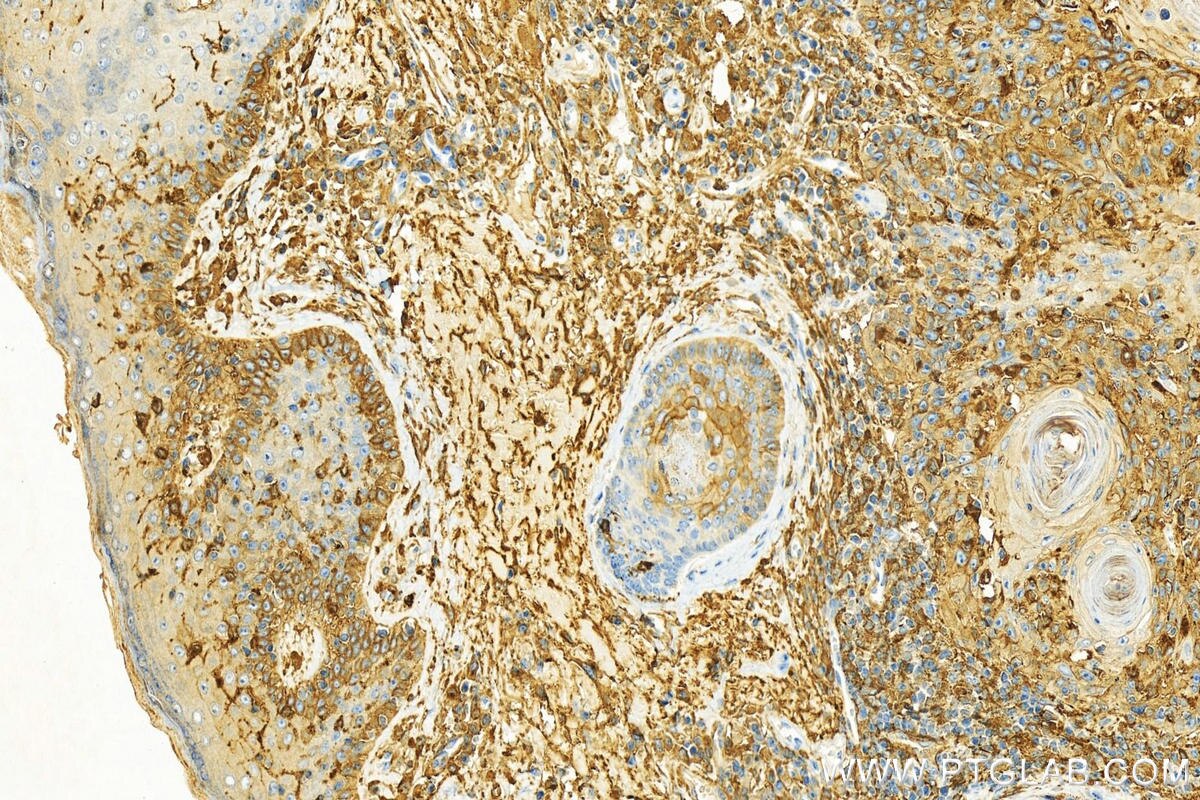
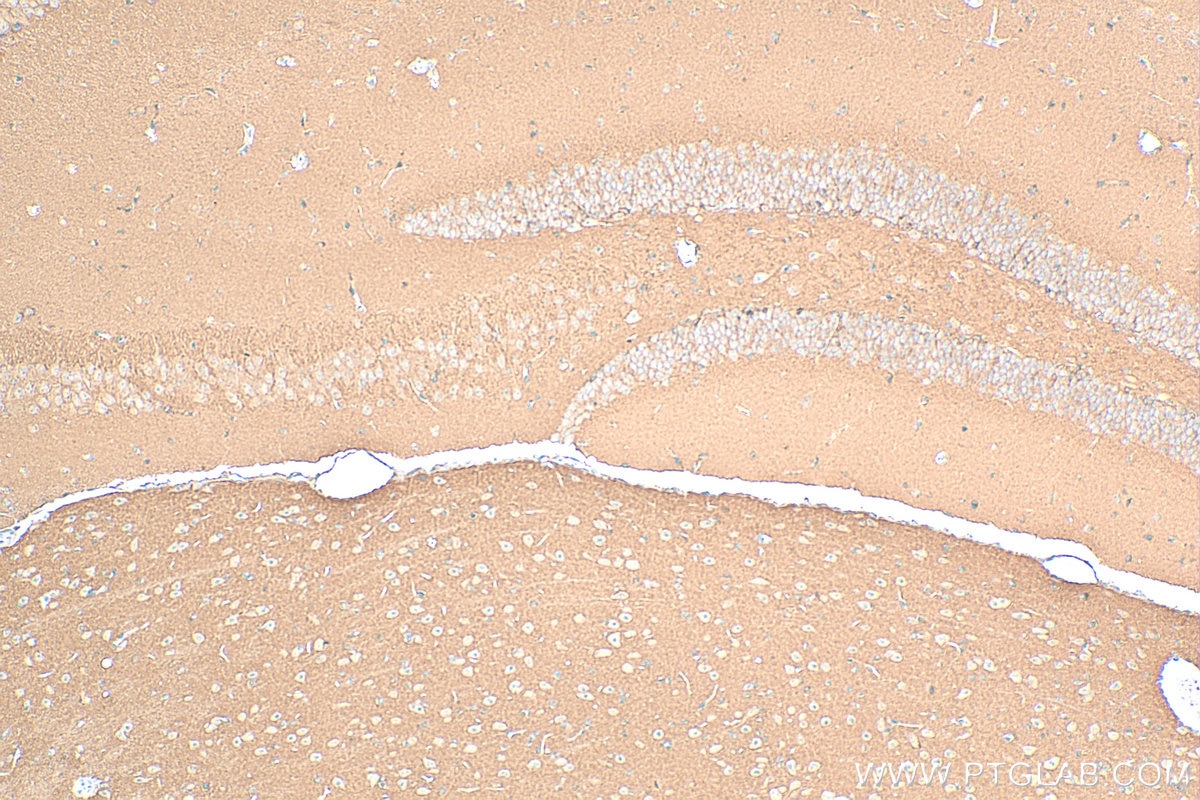
14880-1-PBS targets BASP1 in WB, IHC, Indirect ELISA applications and shows reactivity with human samples.
| Tested Reactivity | human |
| Host / Isotype | Rabbit / IgG |
| Class | Polyclonal |
| Type | Antibody |
| Immunogen |
CatNo: Ag6653 Product name: Recombinant human BASP1 protein Source: e coli.-derived, PGEX-4T Tag: GST Domain: 1-227 aa of BC000518 Sequence: MGGKLSKKKKGYNVNDEKAKEKDKKAEGAATEEEGTPKESEPQAAAEPAEAKEGKEKPDQDAEGKAEEKEGEKDAAAAKEEAPKAEPEKTEGAAEAKAEPPKAPEQEQAAPGPAAGGEAPKAAEAAAAPAESAAPAAGEEPSKEEGEPKKTGAPAAPAAQETKSDGAPASDSKPGSSEAAPSSKETPAATEAPSSTPKAQGPAASAEEPKPVEAPAANSDQTVTVKE Predict reactive species |
| Full Name | brain abundant, membrane attached signal protein 1 |
| Calculated Molecular Weight | 23 kDa |
| Observed Molecular Weight | 55-60 kDa |
| GenBank Accession Number | BC000518 |
| Gene Symbol | BASP1 |
| Gene ID (NCBI) | 10409 |
| RRID | AB_3085444 |
| Conjugate | Unconjugated |
| Form | Liquid |
| Purification Method | Antigen affinity purification |
| UNIPROT ID | P80723 |
| Storage Buffer | PBS only, pH 7.3. |
| Storage Conditions | Store at -80°C. |
Background Information
BASP1 (brain acid-soluble protein 1), also known as NAP22 or CAP-23, is an evolutionarily conserved intrinsically disordered protein that participates in cell signaling, migration, apoptosis, and gene transcription. It is highly expressed in the nervous system and plays roles in neurodevelopment, synaptic function, and nerve regeneration. BASP1 exhibits context-dependent functions in disease: it acts as a tumor suppressor in gastric cancer by inhibiting the Wnt/β-catenin pathway and in acute myeloid leukemia, while promoting atherosclerosis via vascular smooth muscle cell proliferation and inflammation. It has emerged as a promising therapeutic target and diagnostic biomarker. (PMID: 33426068; 41415108; 33015061)





