

Tested Applications
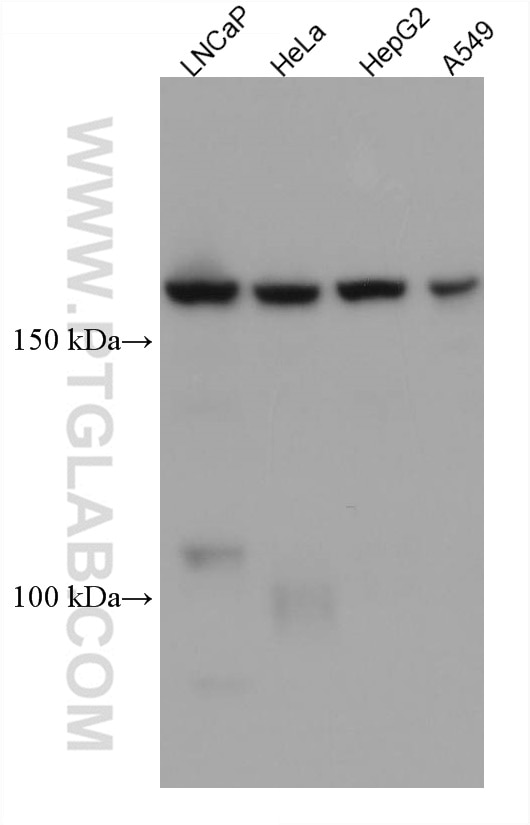
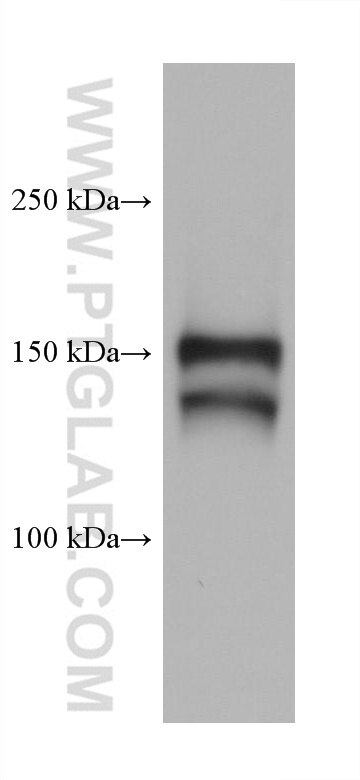
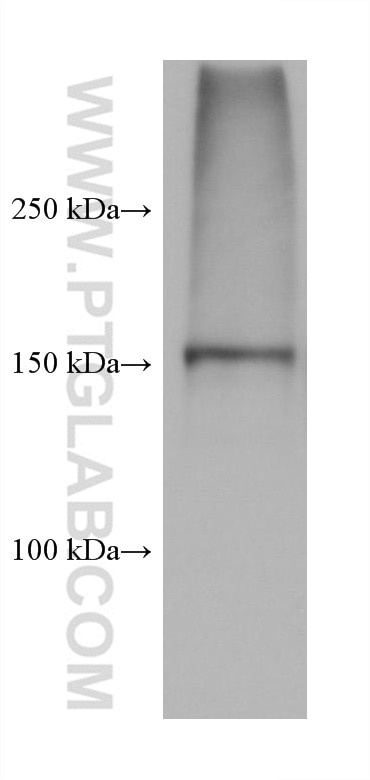
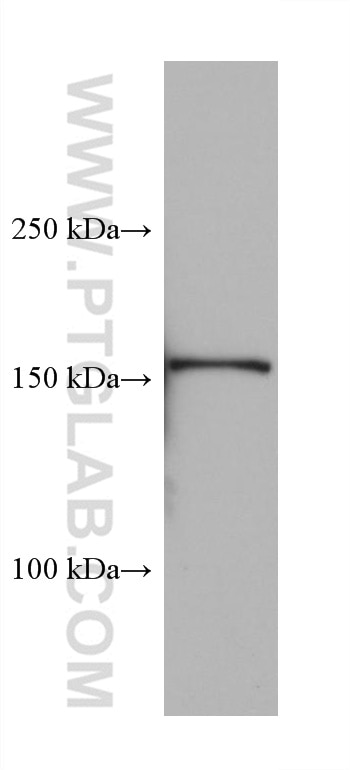
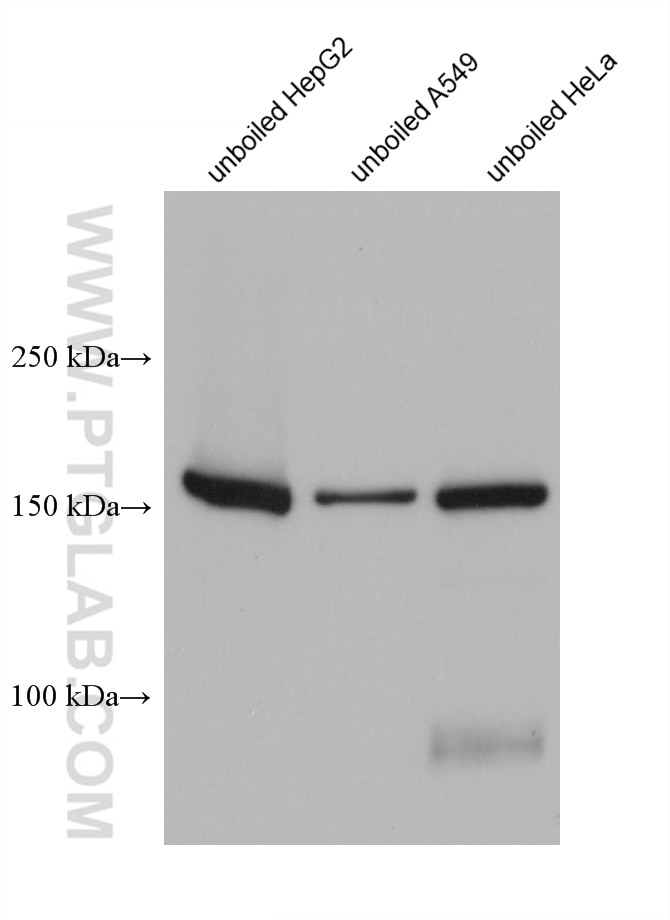
| Positive WB detected in | LNCaP cells, unboiled HepG2 cells, rat liver tissue, mouse liver tissue, pig lung tissue, HeLa cells, A549 cells |
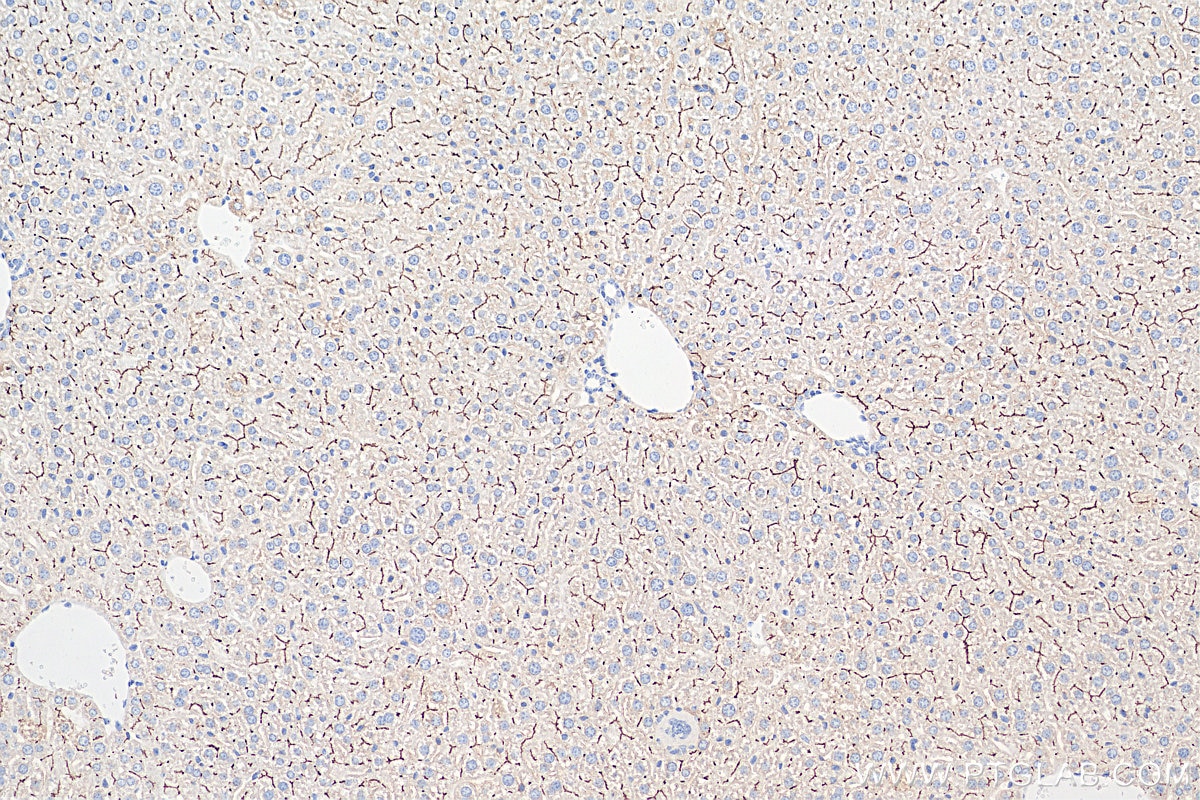
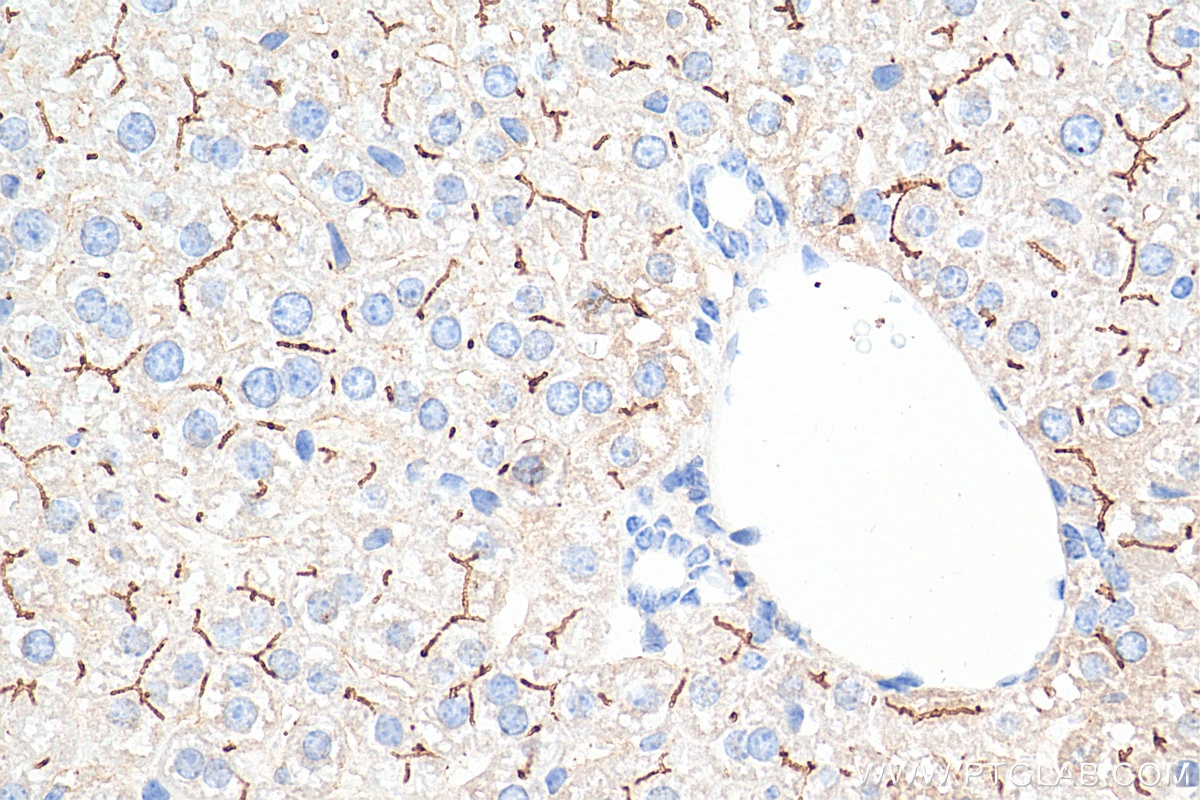
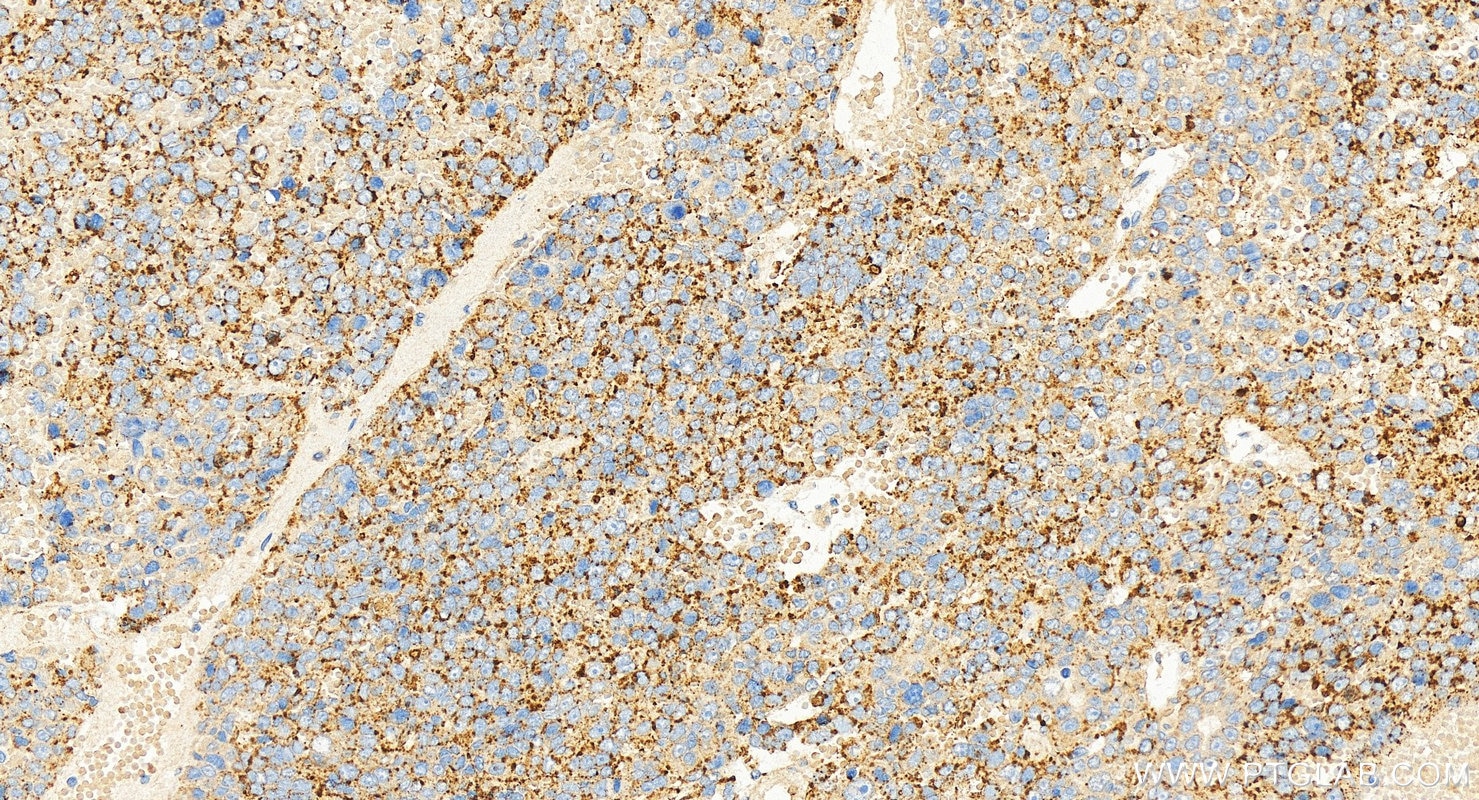
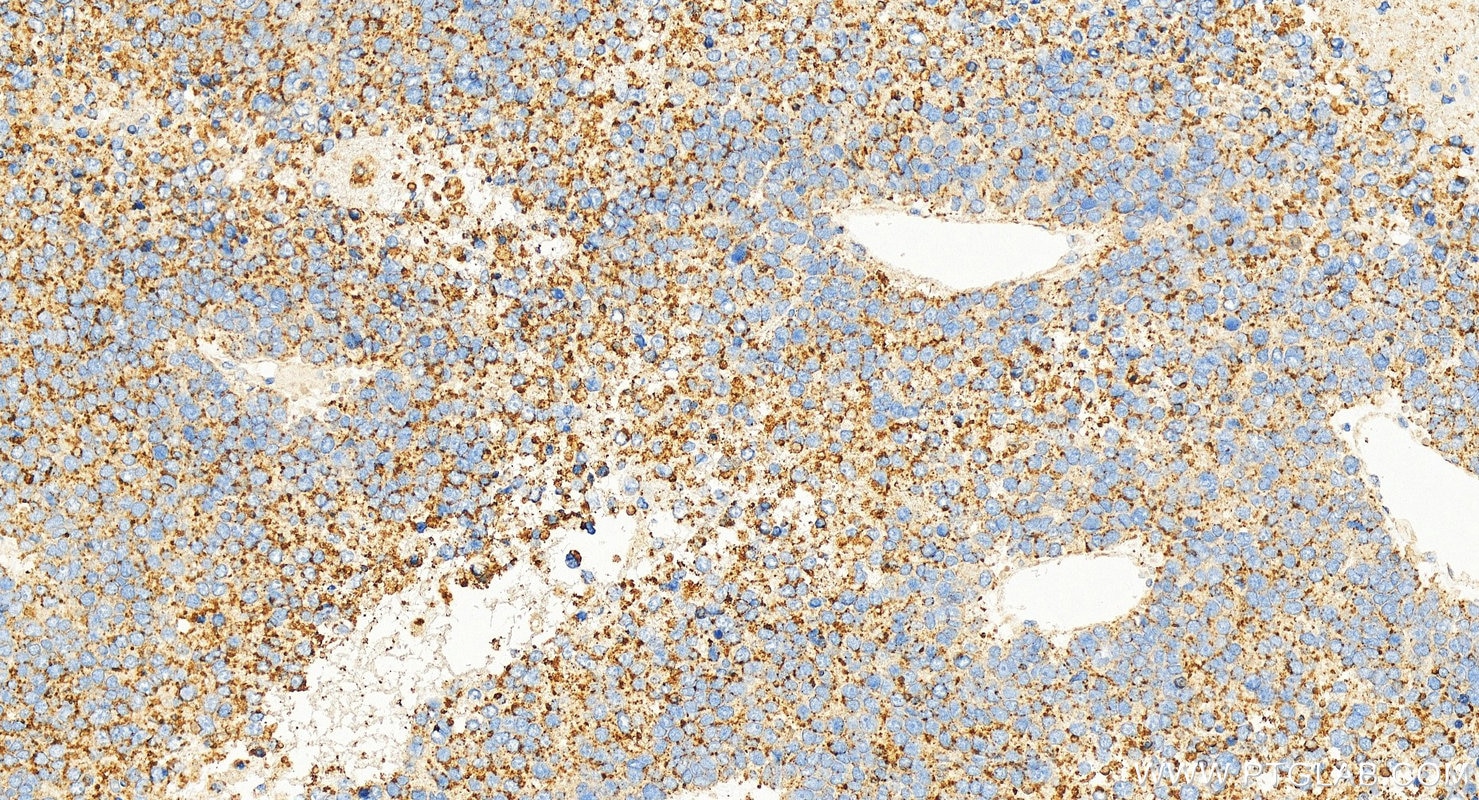
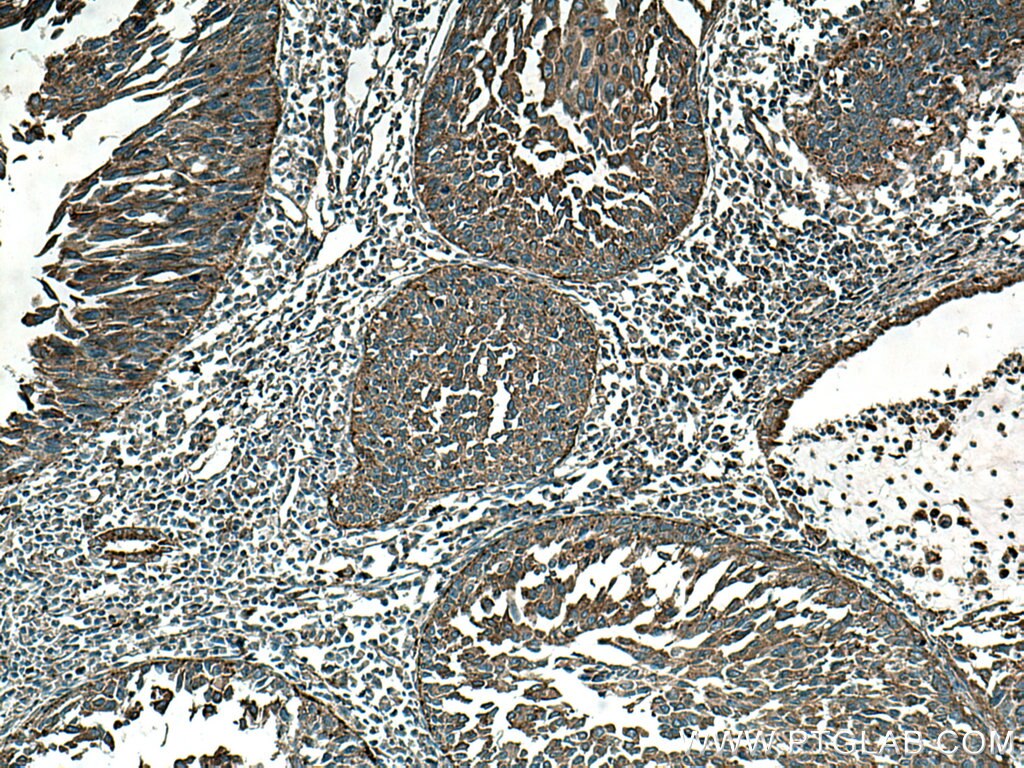
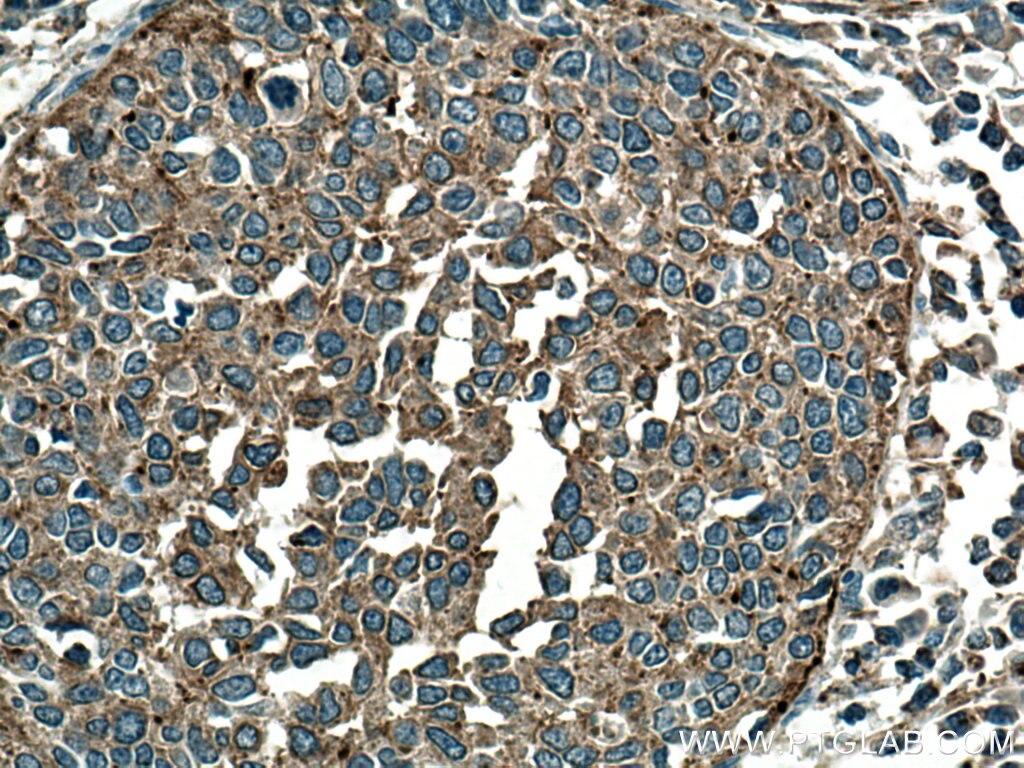
| Positive IHC detected in | mouse liver tissue, human cervical cancer tissue Note: suggested antigen retrieval with TE buffer pH 9.0; (*) Alternatively, antigen retrieval may be performed with citrate buffer pH 6.0 |
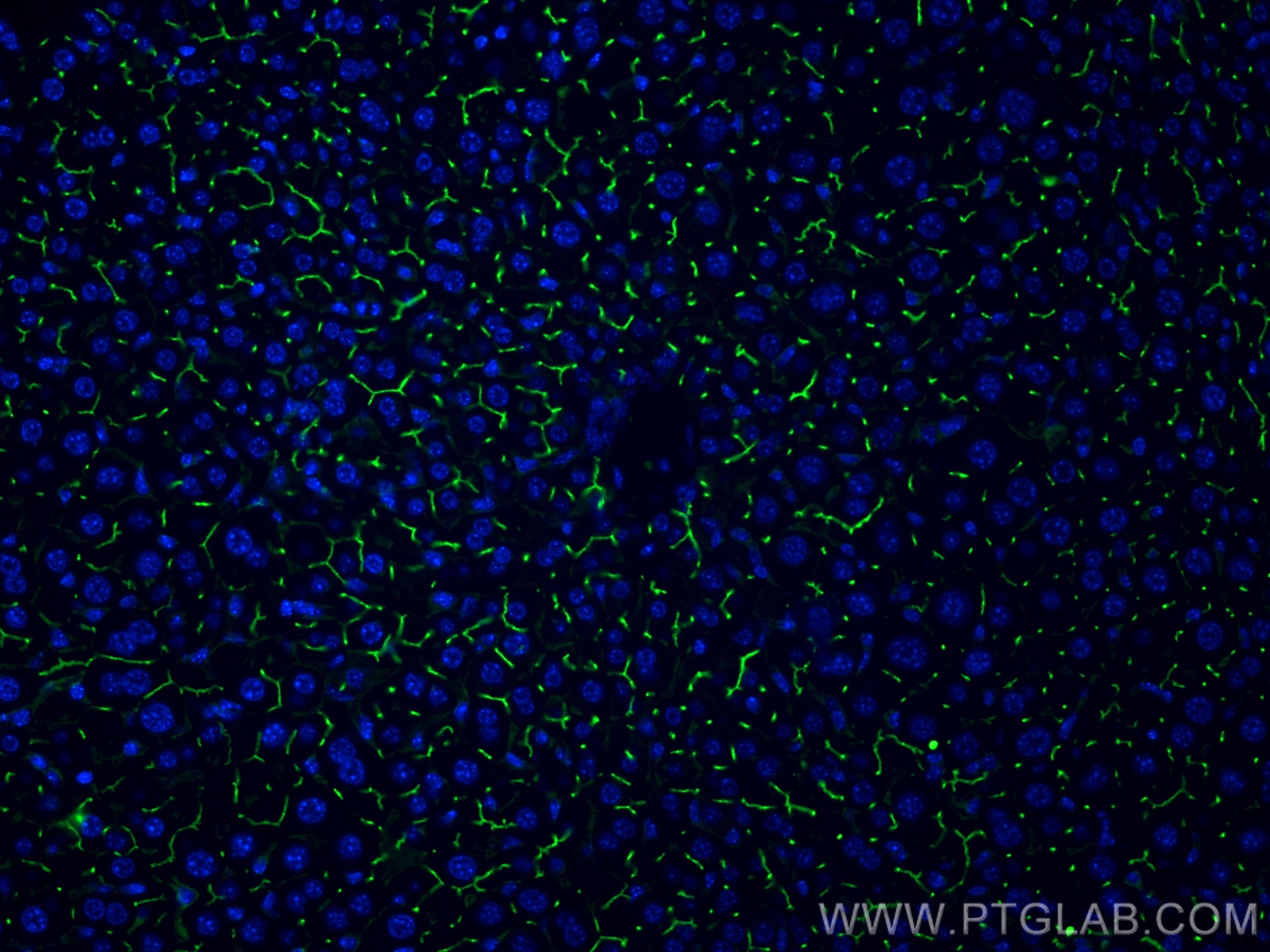
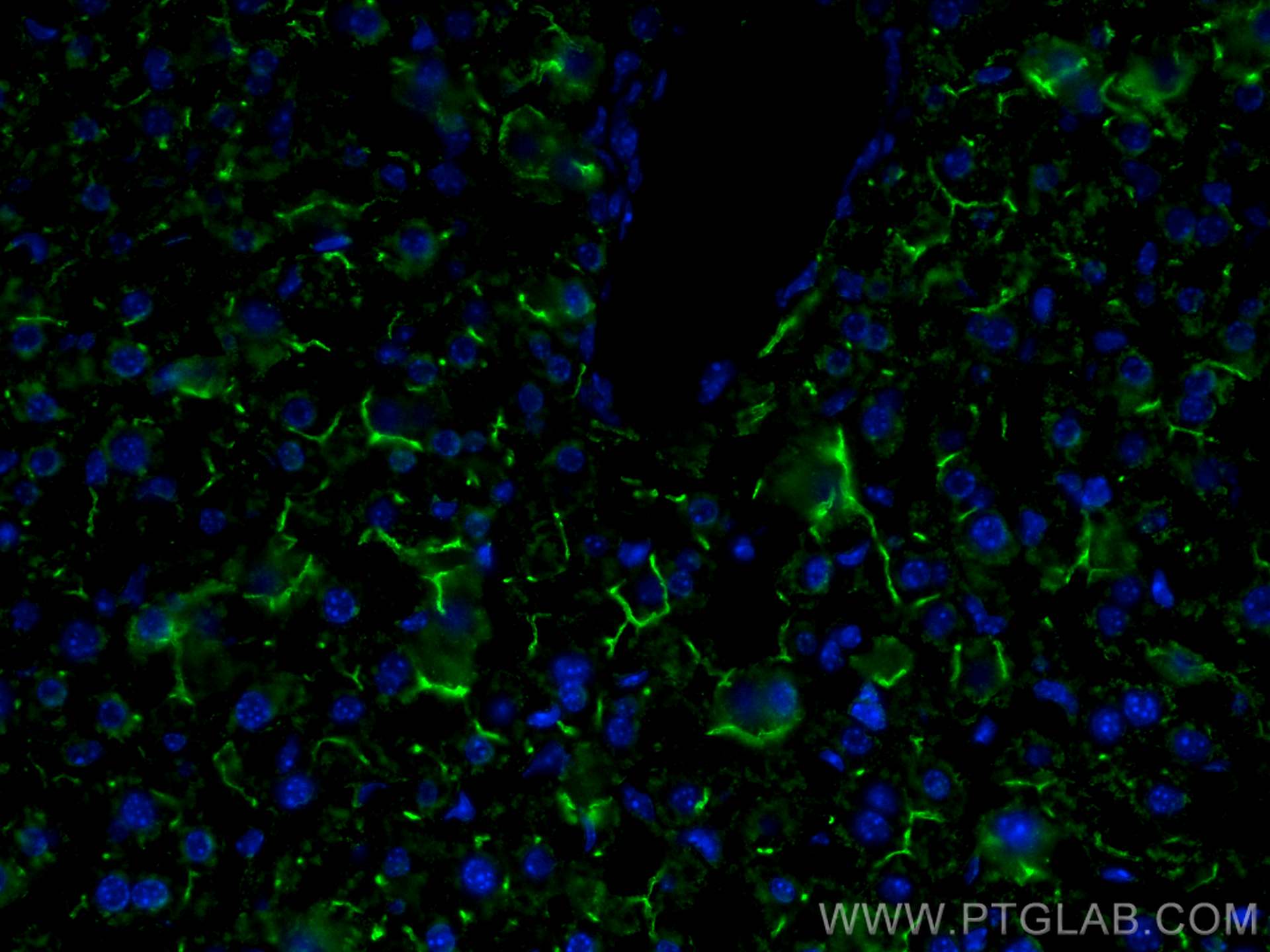
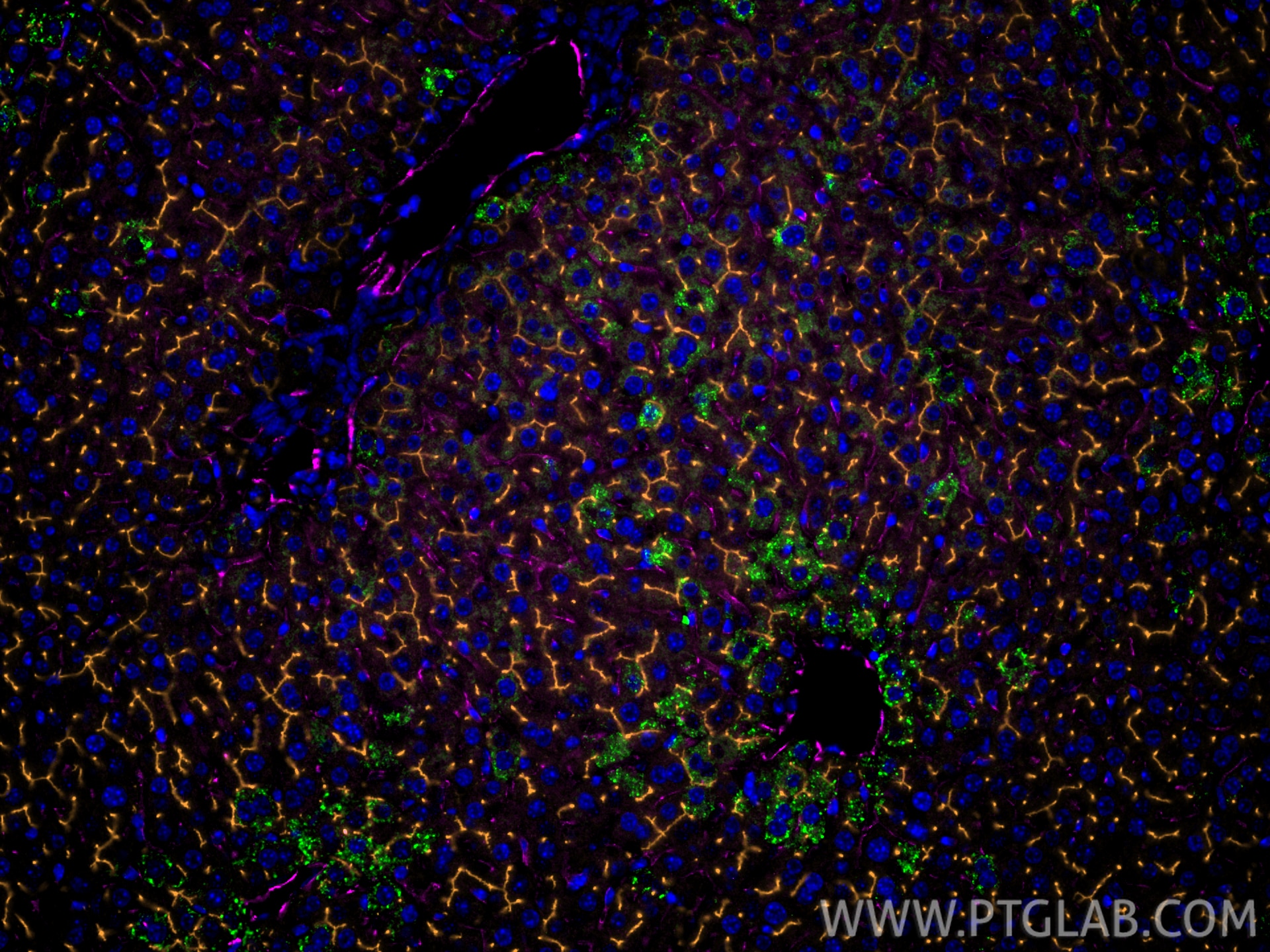
| Positive IF-P detected in | mouse liver tissue |
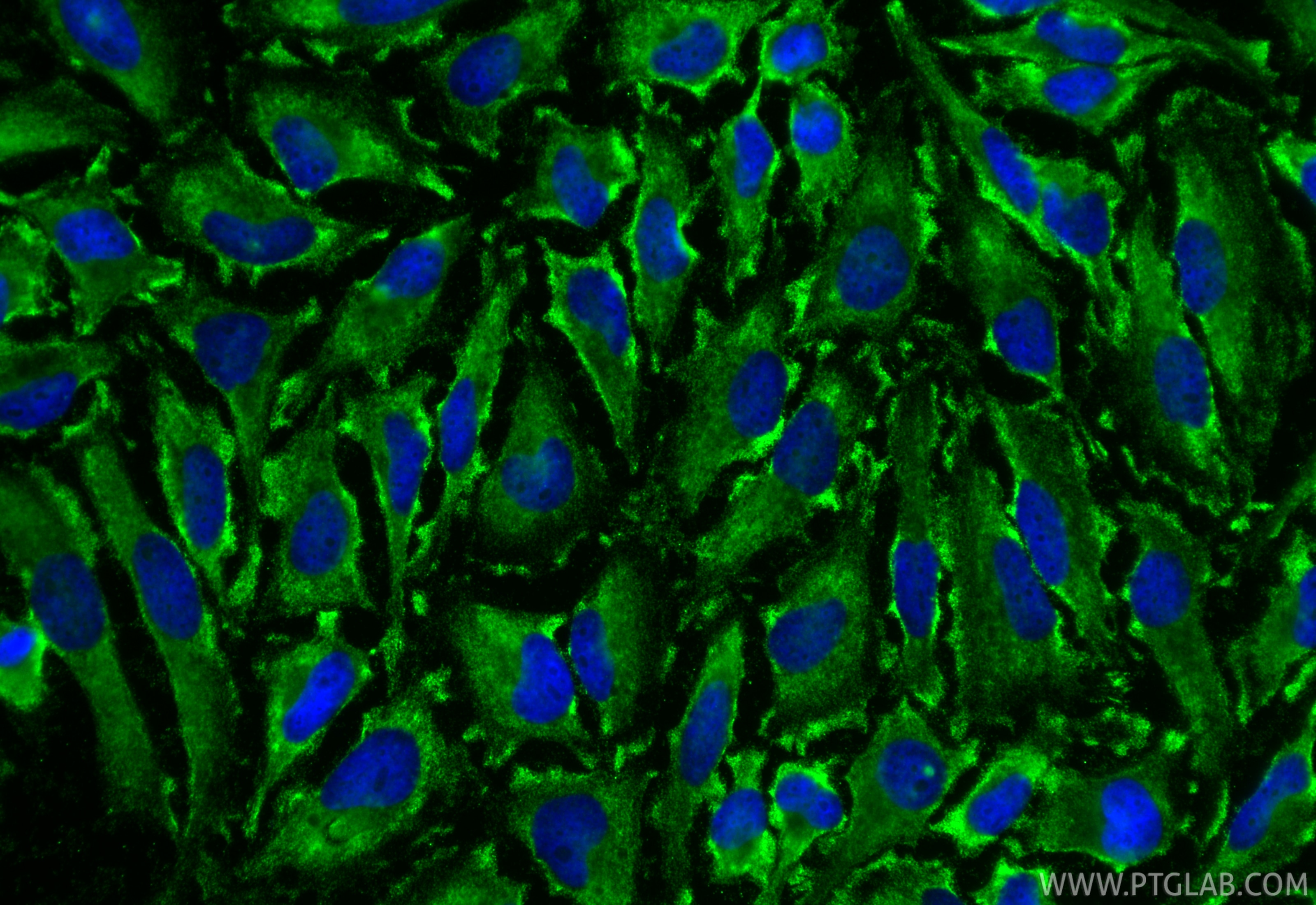
| Positive IF/ICC detected in | HeLa cells |
Recommended dilution
| Application | Dilution |
|---|---|
| Western Blot (WB) | WB : 1:5000-1:50000 |
| Immunohistochemistry (IHC) | IHC : 1:8000-1:32000 |
| Immunofluorescence (IF)-P | IF-P : 1:5000-1:20000 |
| Immunofluorescence (IF)/ICC | IF/ICC : 1:400-1:1600 |
| It is recommended that this reagent should be titrated in each testing system to obtain optimal results. | |
| Sample-dependent, Check data in validation data gallery. | |
Product Information
67512-1-Ig targets BSEP in WB, IHC, IF/ICC, IF-P, ELISA applications and shows reactivity with human, mouse, rat, pig samples.
| Tested Reactivity | human, mouse, rat, pig |
| Cited Reactivity | human, mouse, rat |
| Host / Isotype | Mouse / IgG1 |
| Class | Monoclonal |
| Type | Antibody |
| Immunogen |
CatNo: Ag29135 Product name: Recombinant human BSEP protein Source: e coli.-derived, PET28a Tag: 6*His Domain: 622-750 aa of NM_003742 Sequence: AADTIIGFEHGTAVERGTHEELLERKGVYFTLVTLQSQGNQALNEEDIKDATEDDMLARTFSRGSYQDSLRASIRQRSKSQLSYLVHEPPLAVVDHKSTYEEDRKDKDIPVQEEVEPAPVRRILKFSAP Predict reactive species |
| Full Name | ATP-binding cassette, sub-family B (MDR/TAP), member 11 |
| Calculated Molecular Weight | 146 kDa |
| Observed Molecular Weight | 150-160 kDa |
| GenBank Accession Number | NM_003742 |
| Gene Symbol | BSEP |
| Gene ID (NCBI) | 8647 |
| RRID | AB_2882733 |
| Conjugate | Unconjugated |
| Form | Liquid |
| Purification Method | Protein G purification |
| UNIPROT ID | O95342 |
| Storage Buffer | PBS with 0.02% sodium azide and 50% glycerol, pH 7.3. |
| Storage Conditions | Store at -20°C. Stable for one year after shipment. Aliquoting is unnecessary for -20oC storage. 20ul sizes contain 0.1% BSA. |
Background Information
ABCB11, also named as BSEP, belongs to the ABC transporter superfamily. ABCB11 involved in the ATP-dependent secretion of bile salts into the canaliculus of hepatocytes. Mutation of ABCB11 will cause the progressive familial intrahepatic cholestasis type 2 (PFIC2) and the benign recurrent intrahepatic cholestasis type 2 (BRIC2). Genetic variations in ABCB11 may play a role in drug-induced cholestasis causing liver damage. The calculated MW of ABCB11 is 146 kDa, 67512-1-Ig can detect bands around 150 kDa. It's reported that ABCB11 has several N-glycosylation sites, the observed higher molecular mass may due to posttranslational N-glycosylation. (PMID: 9545351, 24359682)
Protocols
| Product Specific Protocols | |
|---|---|
| IF protocol for BSEP antibody 67512-1-Ig | Download protocol |
| IHC protocol for BSEP antibody 67512-1-Ig | Download protocol |
| WB protocol for BSEP antibody 67512-1-Ig | Download protocol |
| Standard Protocols | |
|---|---|
| Click here to view our Standard Protocols |
Publications
What published studies show
Anti-FXR antibody (Cat# 67512-1-Ig) has accumulated 27 citations. These appear in journals such as Gut Microbes, Advanced Science, Journal of Controlled Release, Phytomedicine, Food Research International, JHEP Reports, Cell Molecular Gastroenterology and Hepatology, Free Radical Biology and Medicine, Communications Biology, European Journal of Pharmacology, Nutrients, and Frontiers in Pharmacology. Associated research fields include bile acid metabolism, cholestatic liver disease, MASLD, atherosclerosis, gut-liver axis regulation, gallstone pathogenesis, and drug-induced hepatotoxicity.
| Species | Application | Title |
|---|---|---|
Gut Microbes Bacteroides fragilis alleviates necrotizing enterocolitis through restoring bile acid metabolism balance using bile salt hydrolase and inhibiting FXR-NLRP3 signaling pathway | ||
Adv Sci (Weinh) Geniposidic Acid Targeting FXR "S332 and H447" Mediated Conformational Change to Upregulate CYPs and miR-19a-3p to Ameliorate Drug-Induced Liver Injury | ||
J Control Release ROS-responsive nanoparticle delivery of obeticholic acid mitigate primary sclerosing cholangitis | ||
Phytomedicine Capsaicin ameliorates cholestasis through modulation of the FXR-SHP and FXR-FGF15 gut-liver axis in mice. | ||
Phytomedicine Dictamnus dasycarpus Turcz. alleviates cholestatic liver injury: orchestrating tissue-divergent extracellular matrix remodeling across the gut-liver axis. | ||
Phytomedicine Shen-Bai-Jie-Du decoction inhibits colorectal tumorigenesis by attenuating the malignancy of cancer stem cells via the gut microbiota-bile acid-FXR axis |
















