

Tested Applications
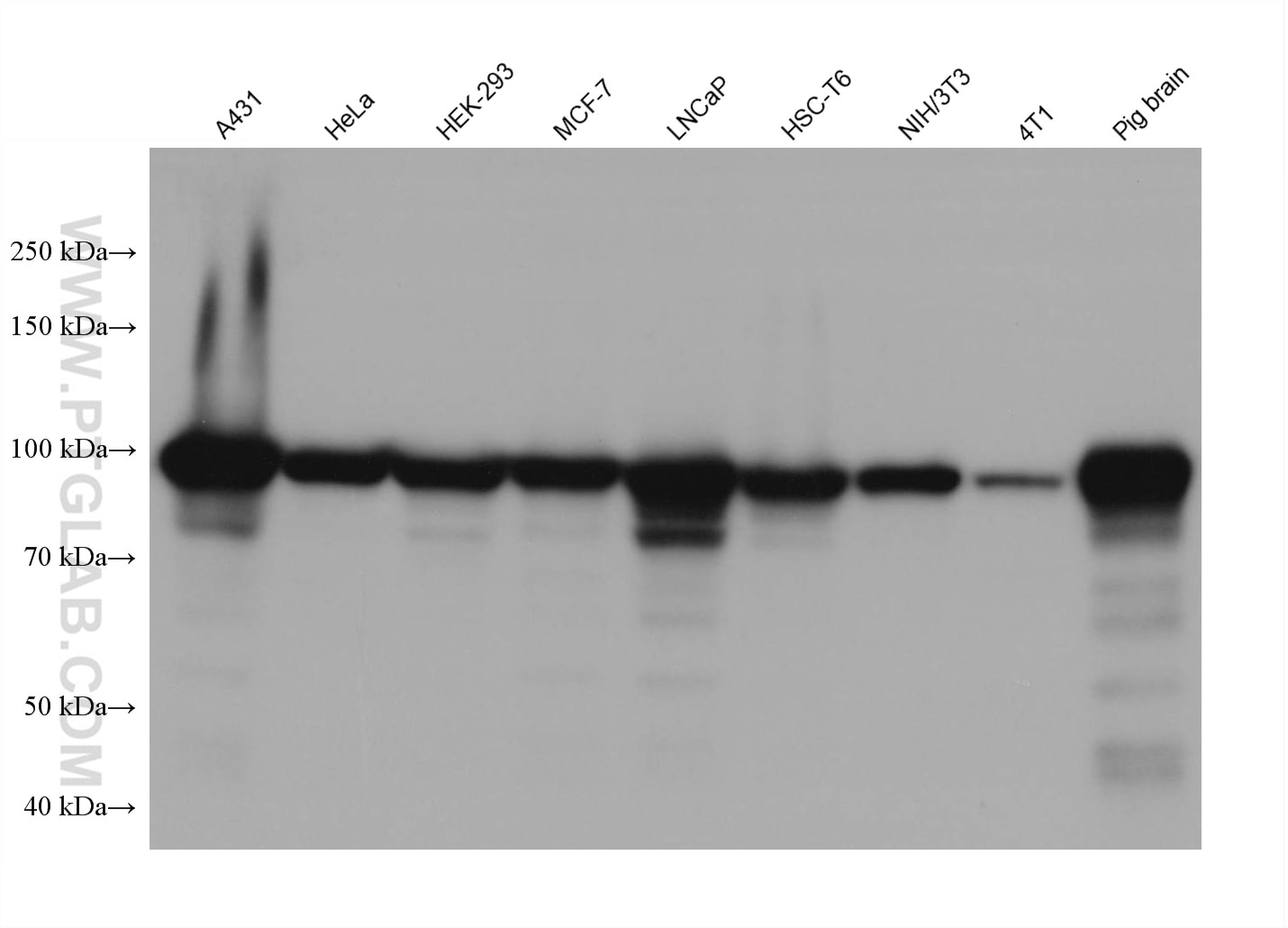
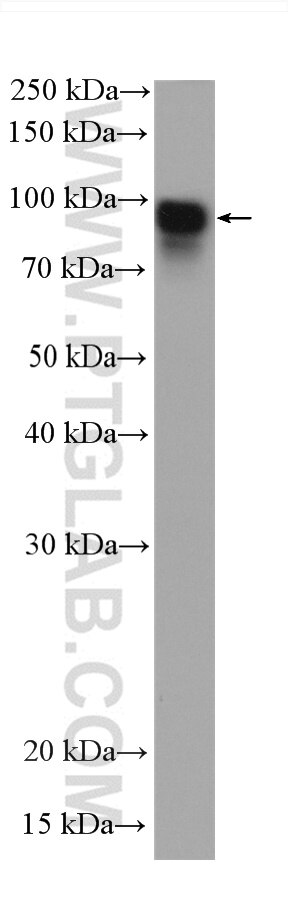
| Positive WB detected in | A431 cells, zebrafish tissue, HeLa cells, HEK-293 cells, MCF-7 cells, LNCaP cells, HSC-T6 cells, NIH/3T3 cells, 4T1 cells, pig brain tissue |
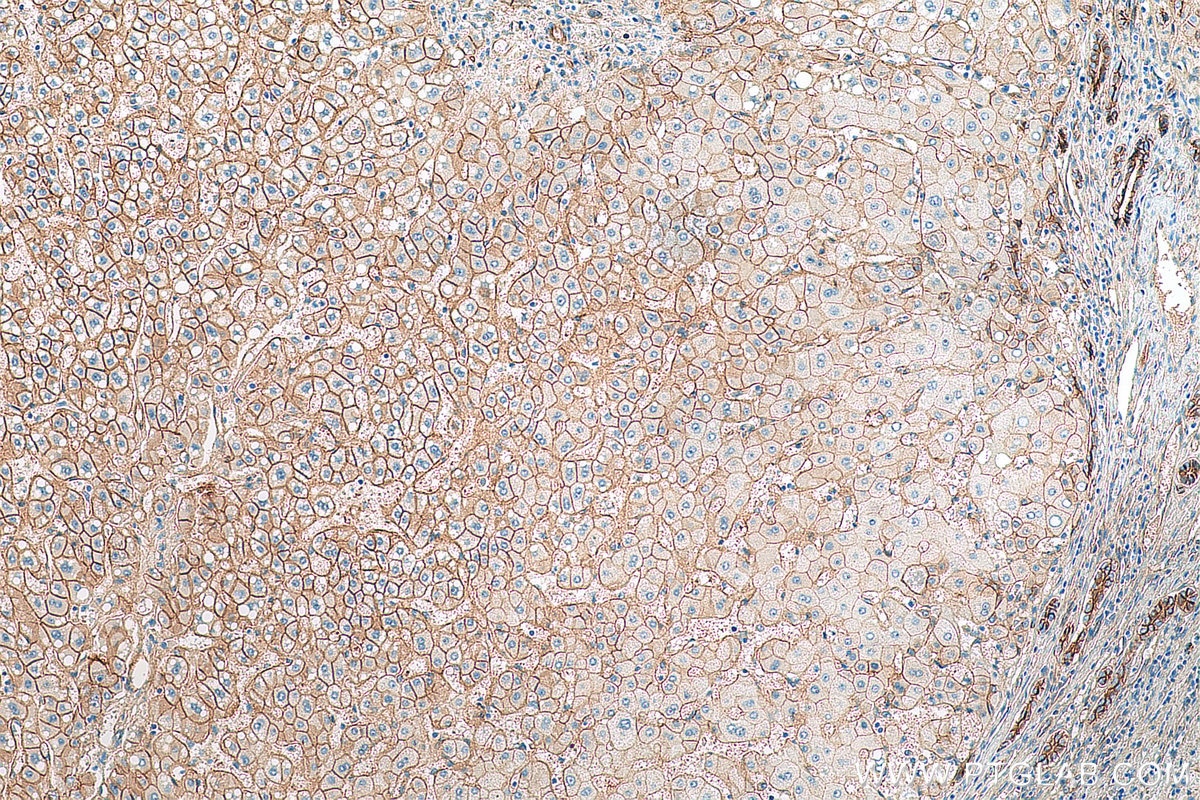
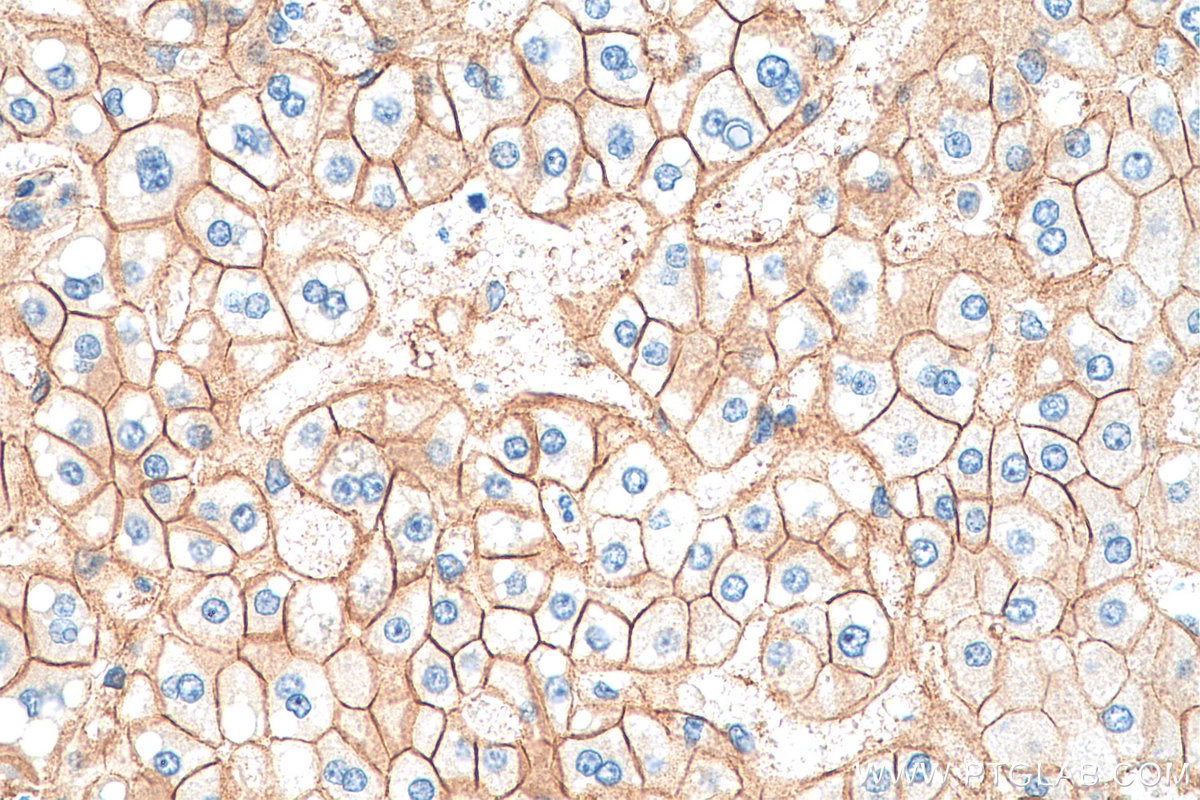
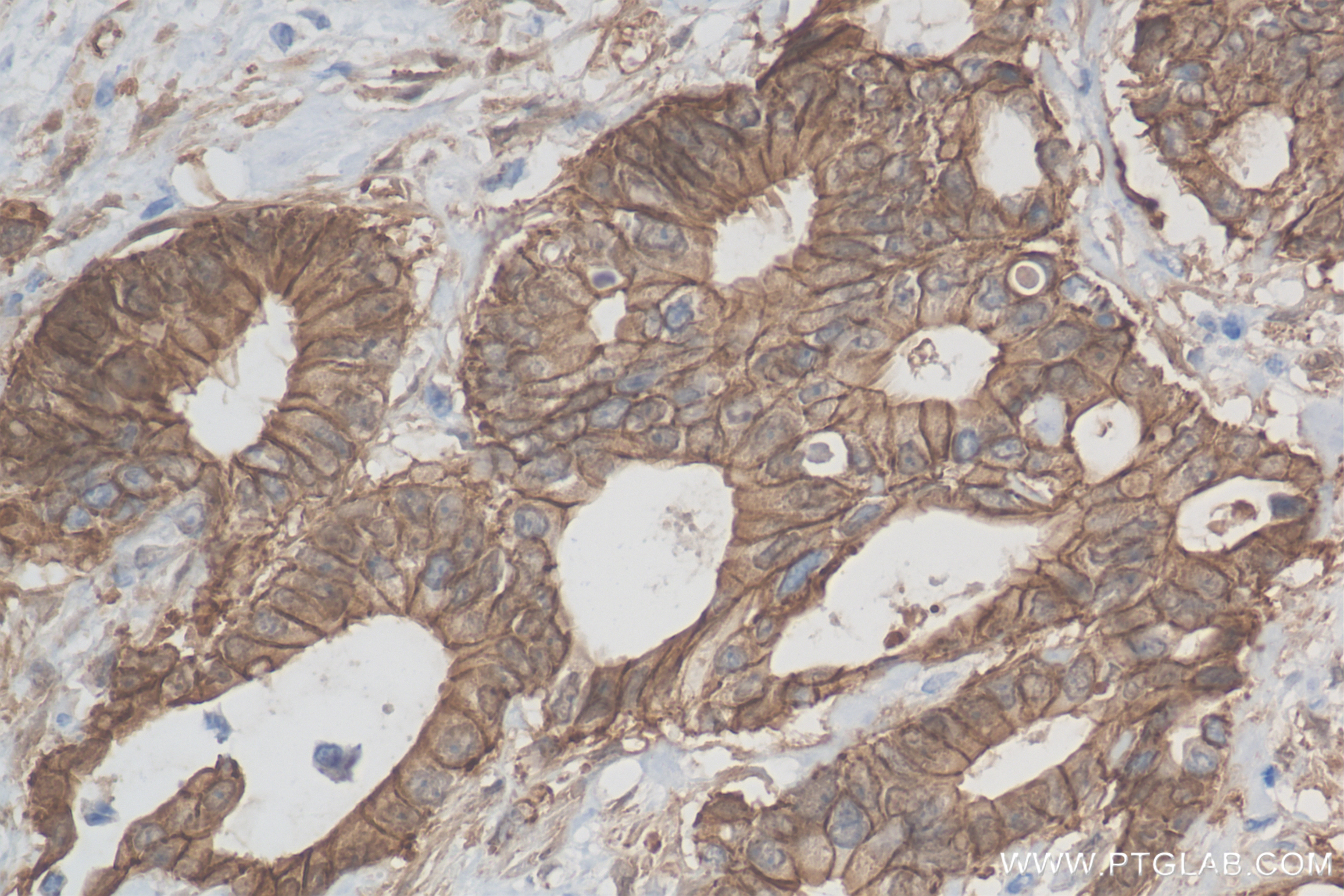
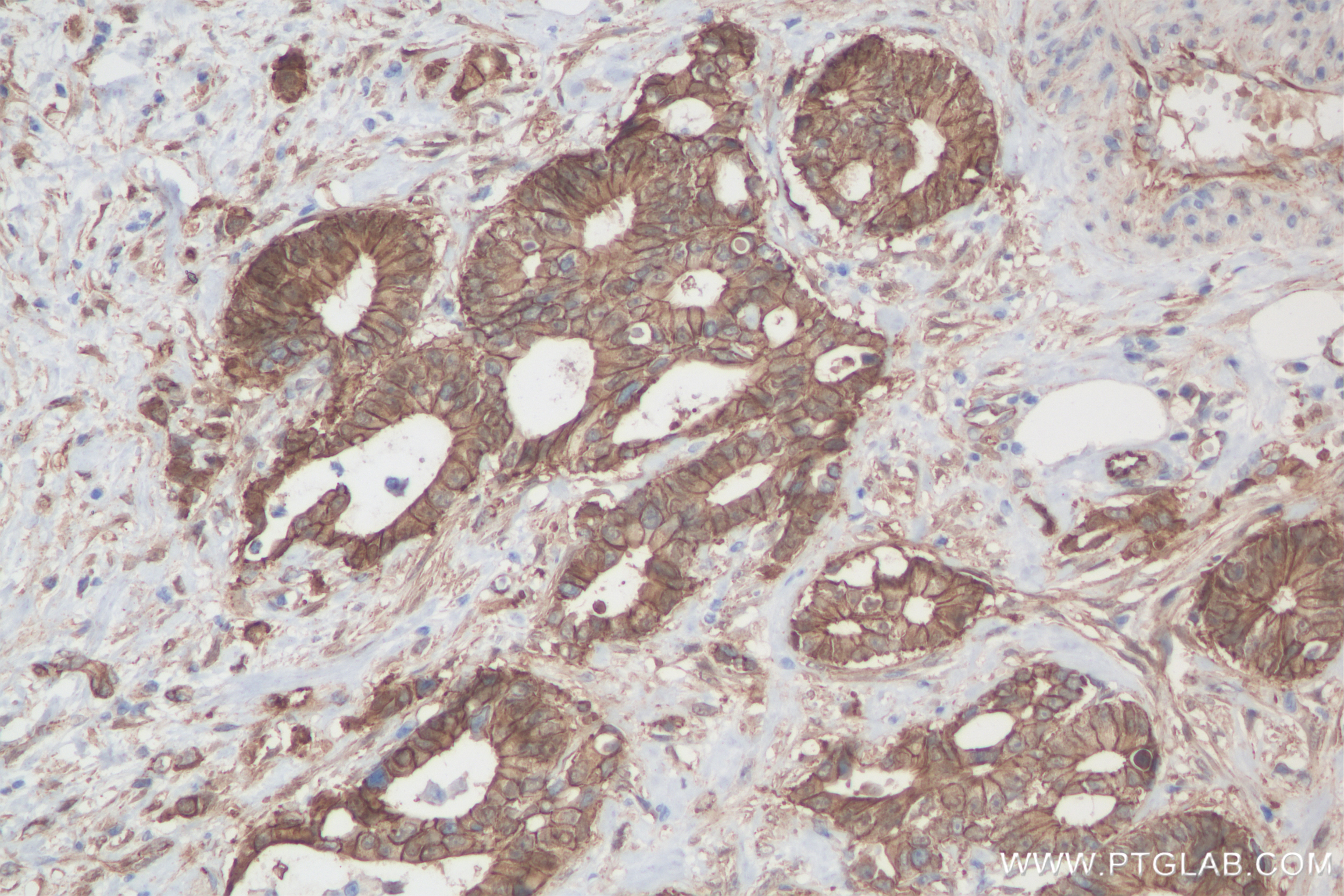
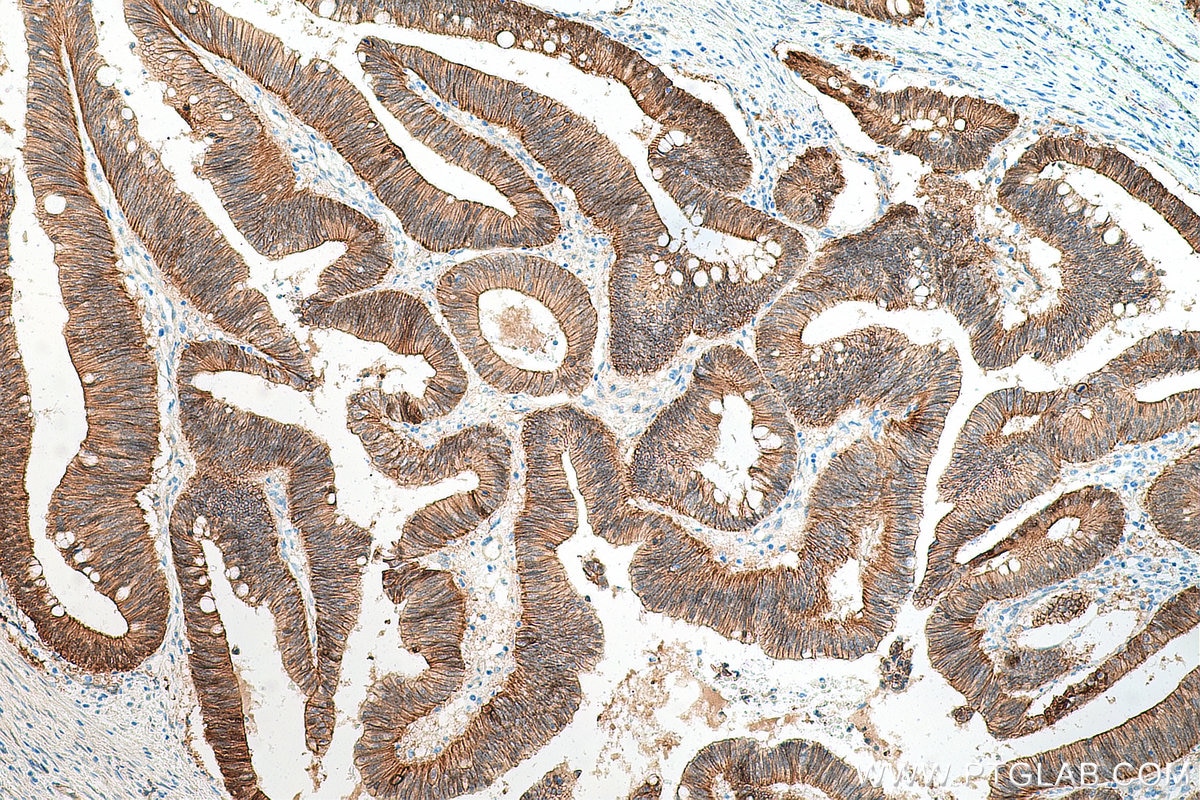
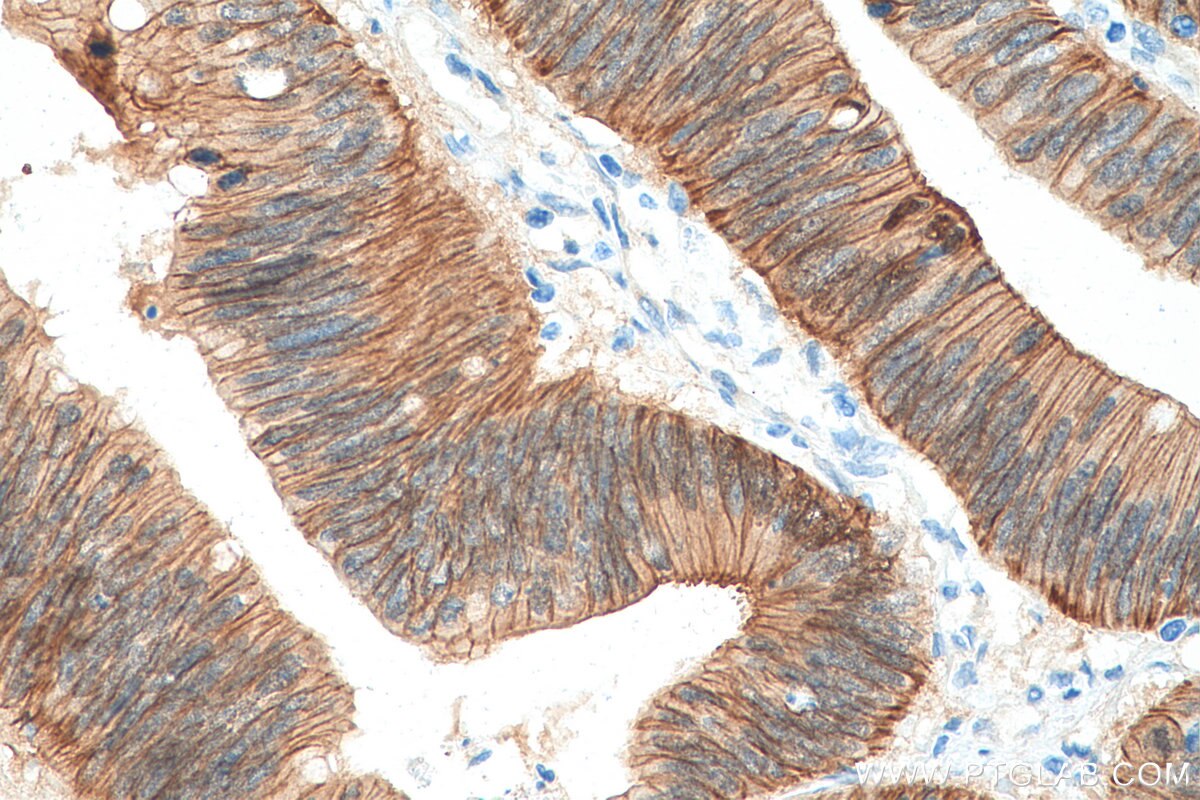
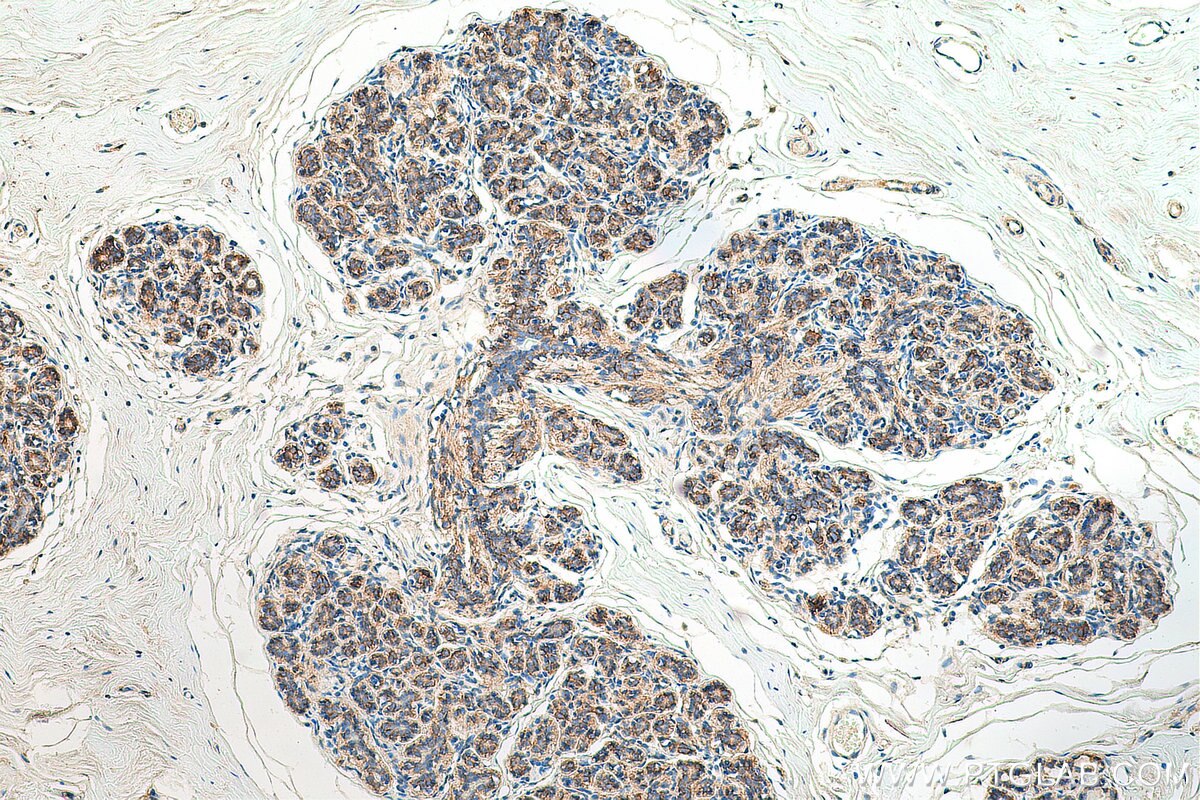
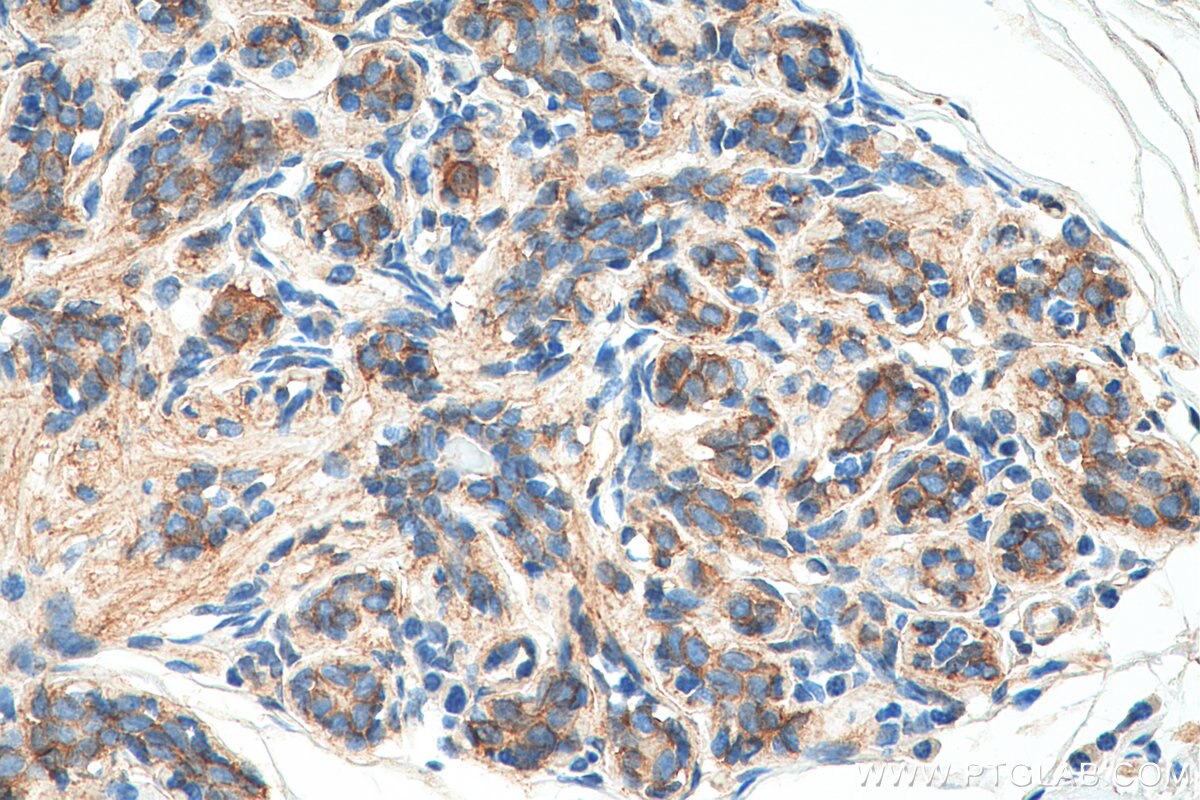
| Positive IHC detected in | human liver cancer tissue, human breast cancer tissue, human colon cancer tissue, human rectal cancer tissue Note: suggested antigen retrieval with TE buffer pH 9.0; (*) Alternatively, antigen retrieval may be performed with citrate buffer pH 6.0 |
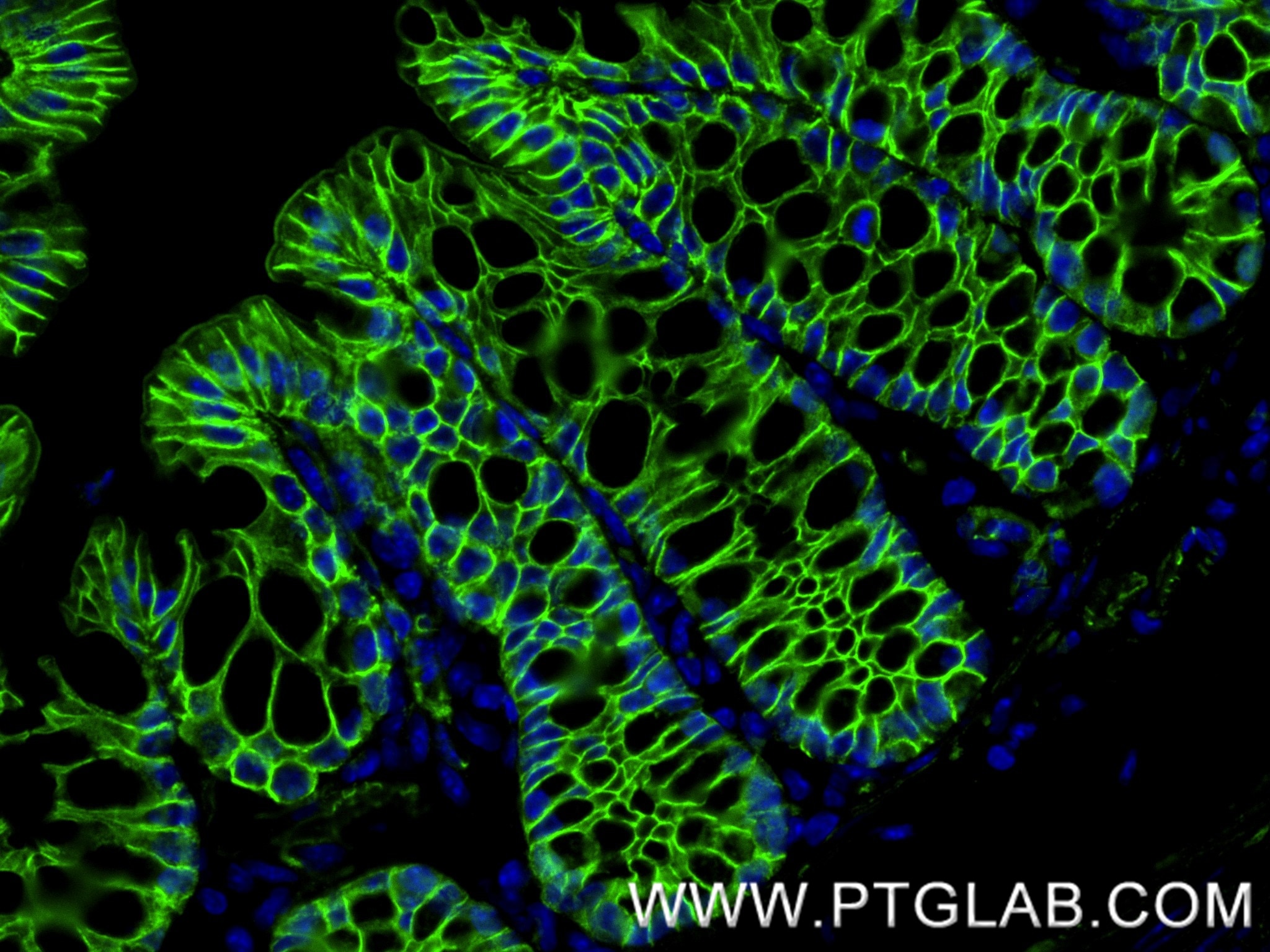
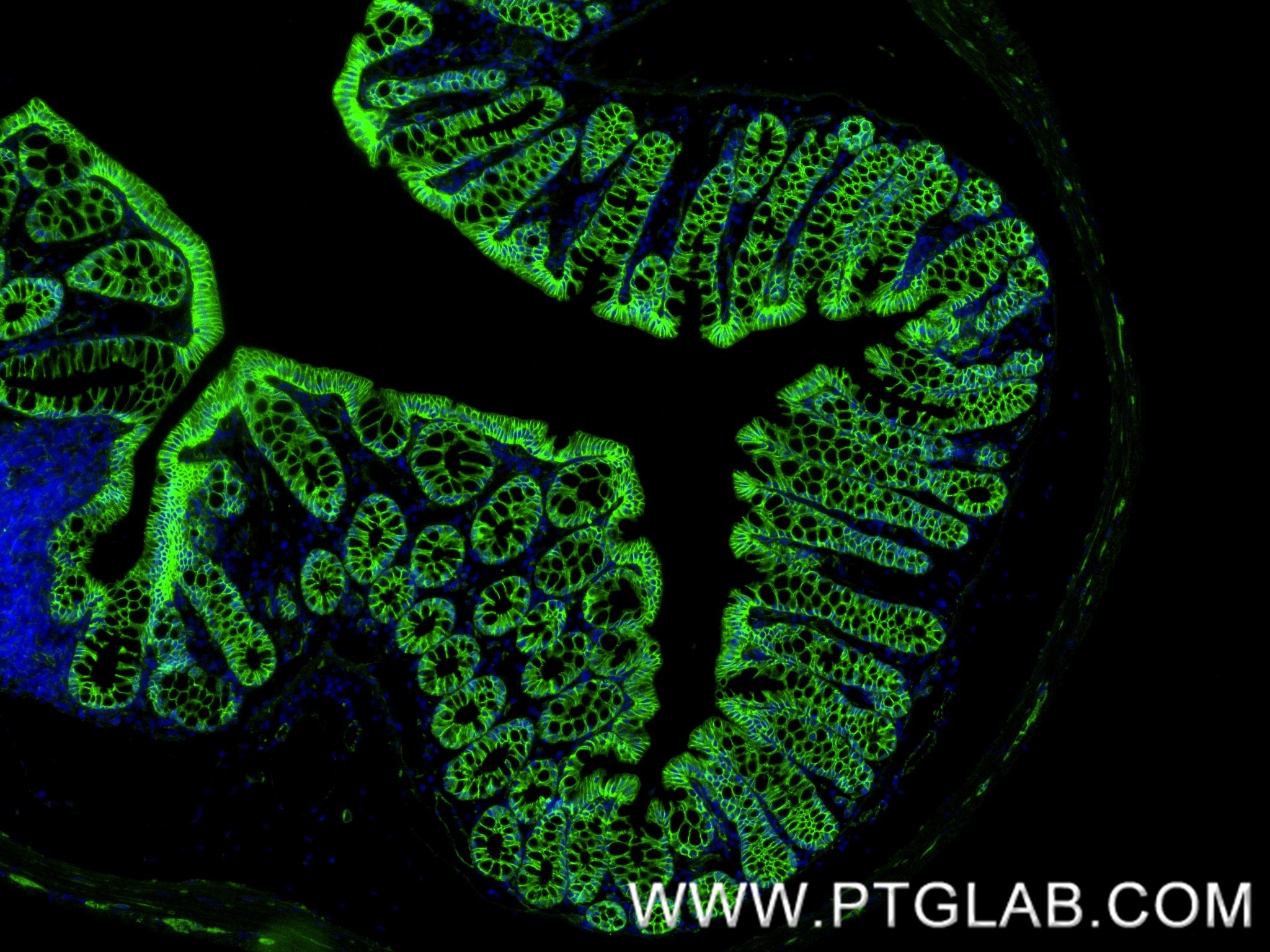
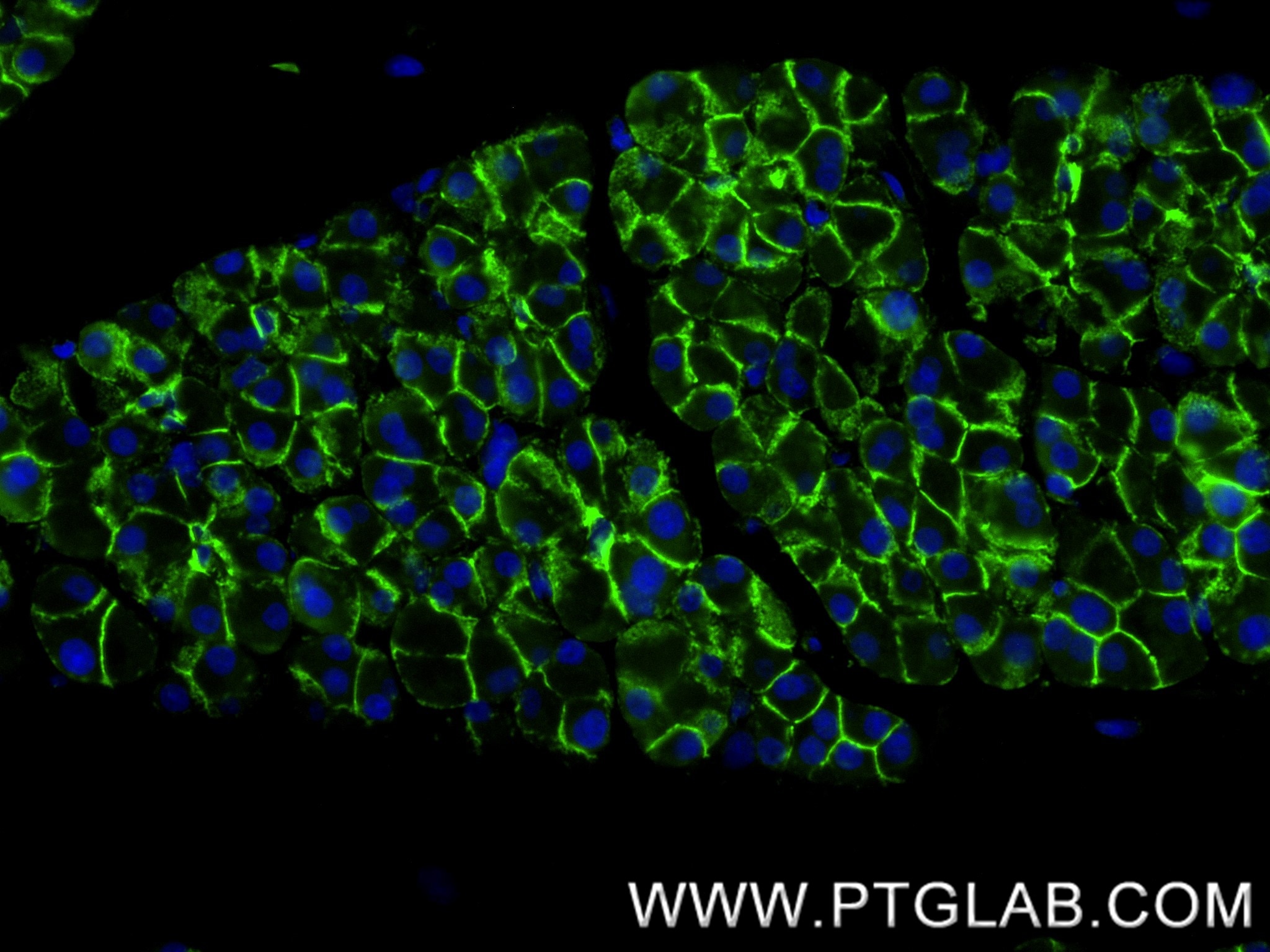
| Positive IF-P detected in | mouse colon tissue, rat pancreas tissue |
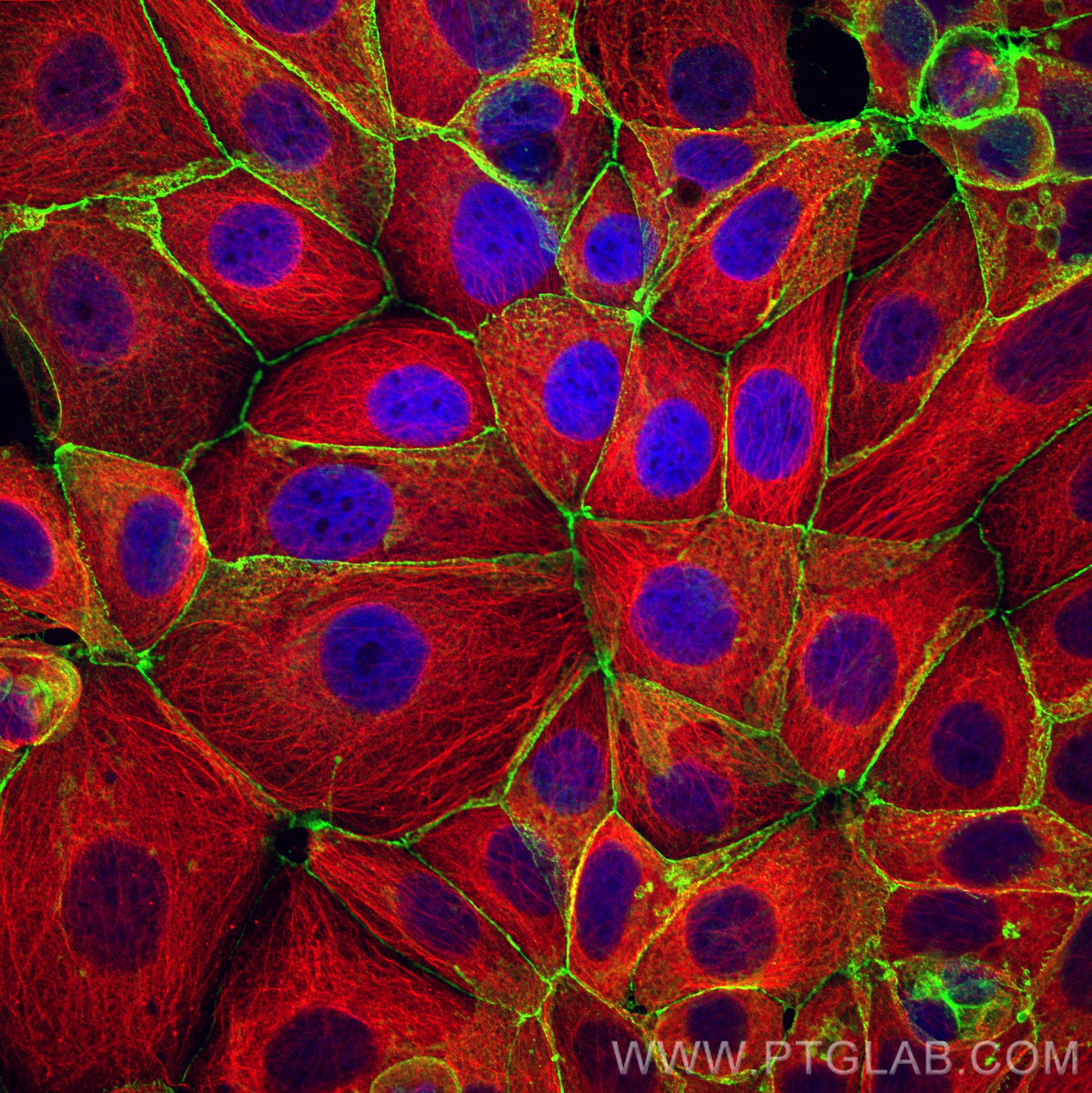
| Positive IF/ICC detected in | MCF-7 cells |
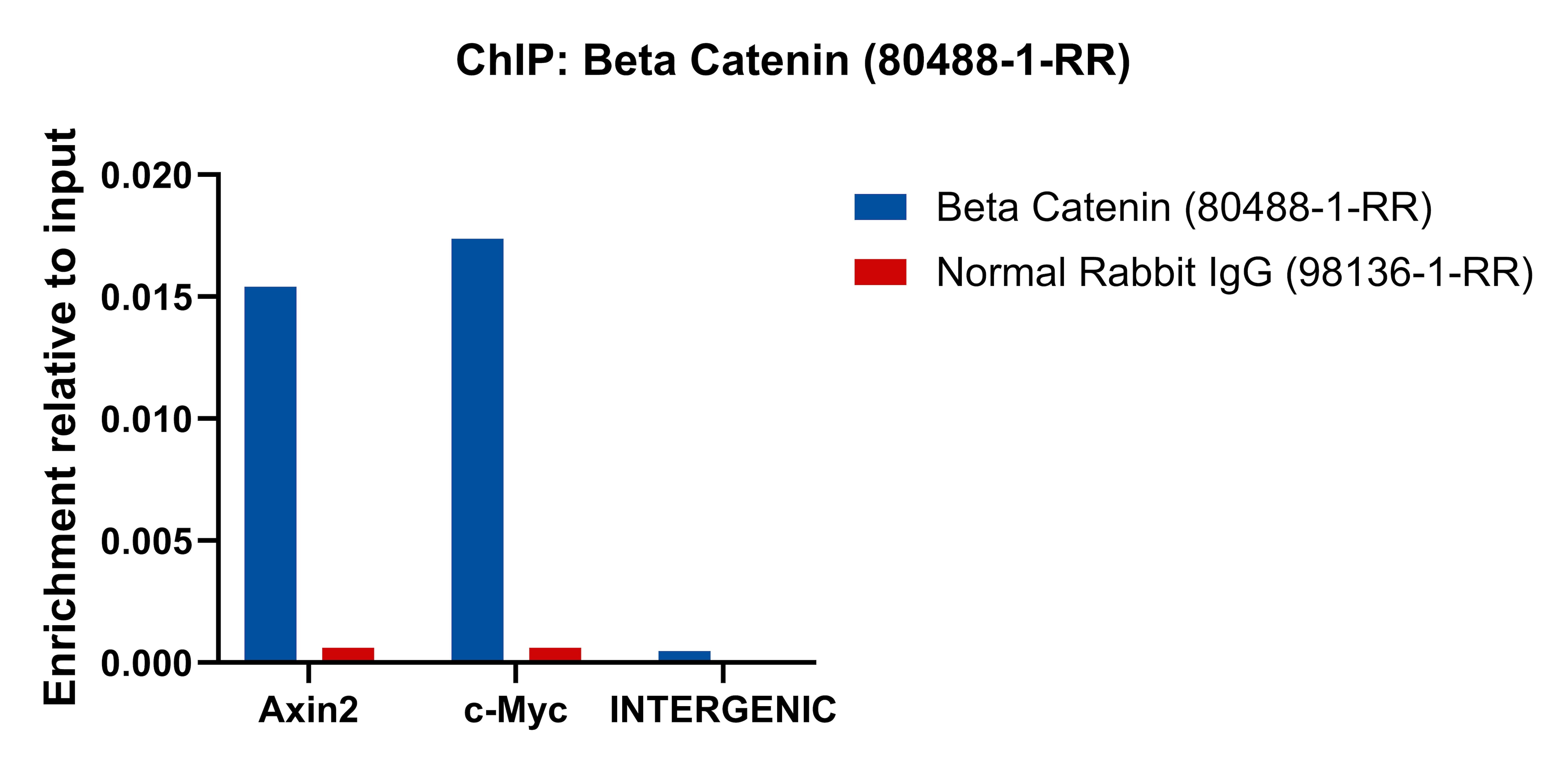
| Positive ChIP-qPCR detected in | HCT 116 cells |
Recommended dilution
| Application | Dilution |
|---|---|
| Western Blot (WB) | WB : 1:5000-1:50000 |
| Immunohistochemistry (IHC) | IHC : 1:1000-1:4000 |
| Immunofluorescence (IF)-P | IF-P : 1:200-1:800 |
| Immunofluorescence (IF)/ICC | IF/ICC : 1:1000-1:4000 |
| CHIP-QPCR | CHIP-QPCR : 1:10-1:100 |
| It is recommended that this reagent should be titrated in each testing system to obtain optimal results. | |
| Sample-dependent, Check data in validation data gallery. | |
Product Information
80488-1-RR targets Beta Catenin in WB, IHC, IF/ICC, IF-P, CoIP, ELISA, ChIP-qPCR applications and shows reactivity with human, mouse, rat, pig, zebrafish samples.
| Tested Reactivity | human, mouse, rat, pig, zebrafish |
| Cited Reactivity | human, mouse |
| Host / Isotype | Rabbit / IgG |
| Class | Recombinant |
| Type | Antibody |
| Immunogen |
Peptide Predict reactive species |
| Full Name | catenin (cadherin-associated protein), beta 1, 88kDa |
| Calculated Molecular Weight | 781 aa, 86 kDa |
| Observed Molecular Weight | 92 kDa |
| GenBank Accession Number | BC058926 |
| Gene Symbol | Beta Catenin |
| Gene ID (NCBI) | 1499 |
| ENSEMBL Gene ID | ENSG00000168036 |
| RRID | AB_2918895 |
| Conjugate | Unconjugated |
| Form | Liquid |
| Purification Method | Protein A purification |
| UNIPROT ID | P35222 |
| Storage Buffer | PBS with 0.02% sodium azide and 50% glycerol, pH 7.3. |
| Storage Conditions | Store at -20°C. Stable for one year after shipment. Aliquoting is unnecessary for -20oC storage. 20ul sizes contain 0.1% BSA. |
Background Information
β-Catenin, also known as CTNNB1, is an evolutionarily conserved, multifunctional intracellular protein. β-Catenin is a 92-kDa protein, originally identified in cell adherens junctions (AJs) where it functions to bridge the cytoplasmic domain of cadherins to a-catenin and the actin cytoskeleton. Besides its essential role in the AJs, β-catenin is also a key downstream component of the canonical Wnt pathway that plays diverse and critical roles in embryonic development and adult tissue homeostasis. The Wnt/β-catenin pathway is also involved in the activation of other intracellular messengers such as calcium fluxes, JNK, and SRC kinases. Deregulation of β-catenin activity is associated with multiple diseases including cancers. (PMID: 22617422; 18334222)
Protocols
| Product Specific Protocols | |
|---|---|
| IF protocol for Beta Catenin antibody 80488-1-RR | Download protocol |
| IHC protocol for Beta Catenin antibody 80488-1-RR | Download protocol |
| WB protocol for Beta Catenin antibody 80488-1-RR | Download protocol |
| Standard Protocols | |
|---|---|
| Click here to view our Standard Protocols |
Publications
What published studies show
The Beta Catenin Recombinant monoclonal antibody (2J24), catalog number 80488-1-RR, has 6 citations published in Bioactive Materials, PNAS, Cell Biology and Toxicology, Frontiers in Cellular and Infection Microbiology, Journal of Pharmacology and Experimental Therapeutics, and Discover Oncology. Research fields span tissue repair in keratitis, IgG transport in the mammary gland, hepatocellular carcinoma via Wnt/Hippo signaling, brucellar arthritis with bone destruction, steatotic liver disease and mitochondrial homeostasis, and colorectal cancer progression.
| Species | Application | Title |
|---|---|---|
Bioact Mater Engineering multifunctional chitosan-based hydrogels for integrated antimicrobial therapy and endogenous stem cell-driven tissue repair in infectious keratitis. | ||
Cell Biol Toxicol M6A modification-mediated LIMA1 promotes the progression of hepatocellular carcinoma through the wnt-βcatenin/Hippo pathway | ||
Front Cell Infect Microbiol Brucella melitensis clinical isolate modulates osteoclast differentiation to drive pathological bone destruction in brucellar arthritis. | ||
J Pharmacol Exp Ther Alleviation of metabolic dysfunction-associated steatotic liver disease by silymarin is associated with maintaining mitochondrial homeostasis via regulation of optic atrophy 1. | ||
Discov Oncol miR-124-3p inhibits CRC proliferation, migration, and invasion by targeting ITGB1 |
















