

Tested Applications
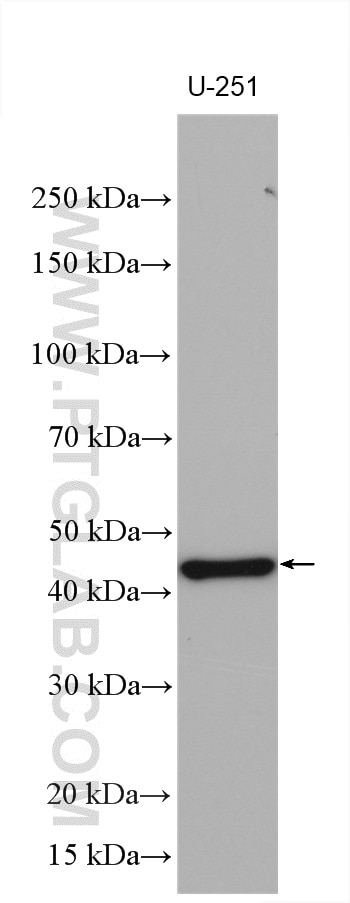
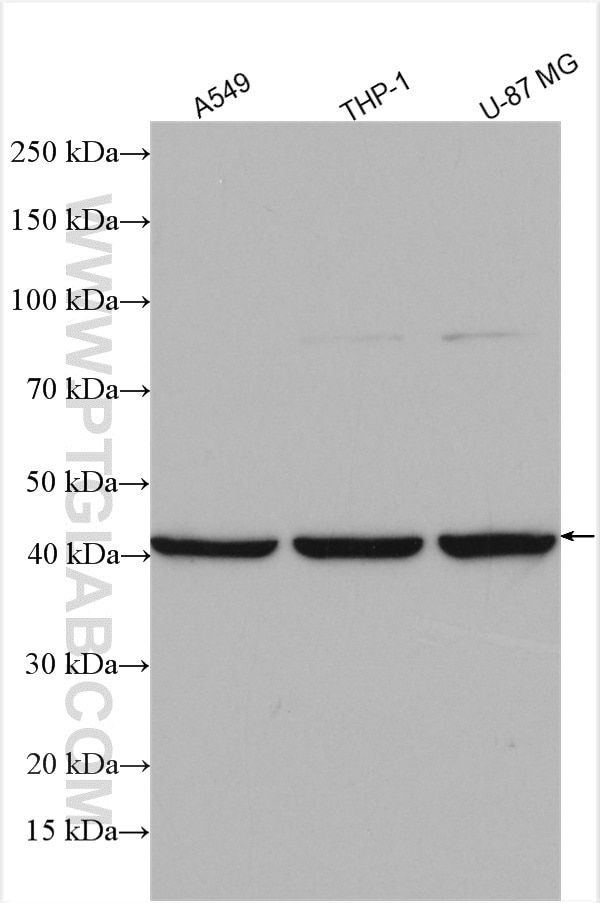
| Positive WB detected in | A549 cells, U-251 cells, THP-1 cells, U-87 MG cells |
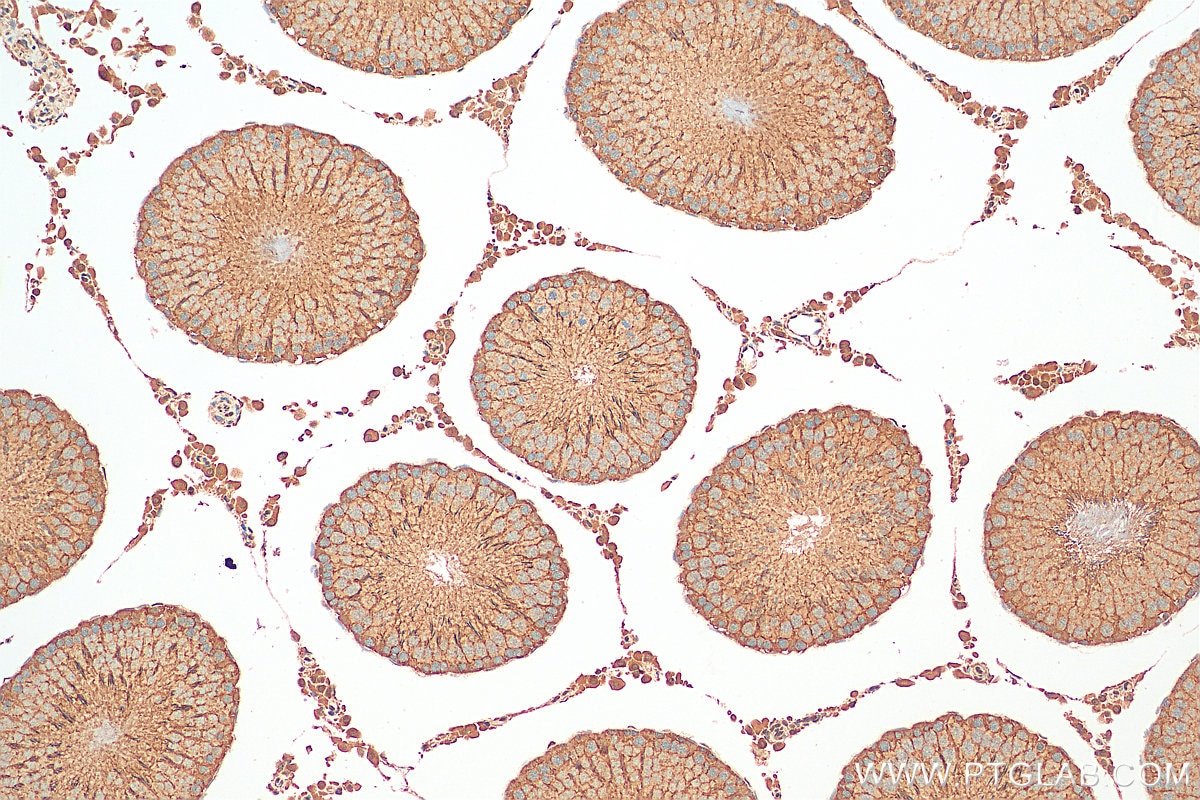
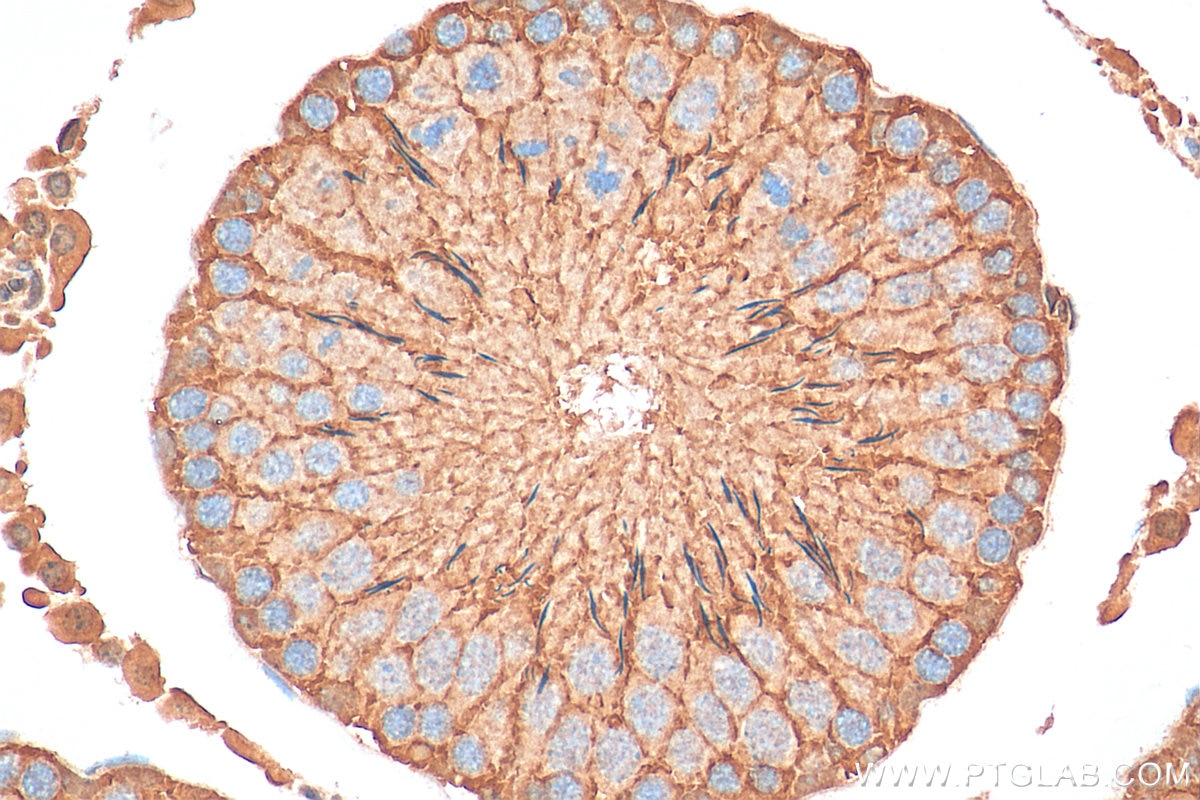
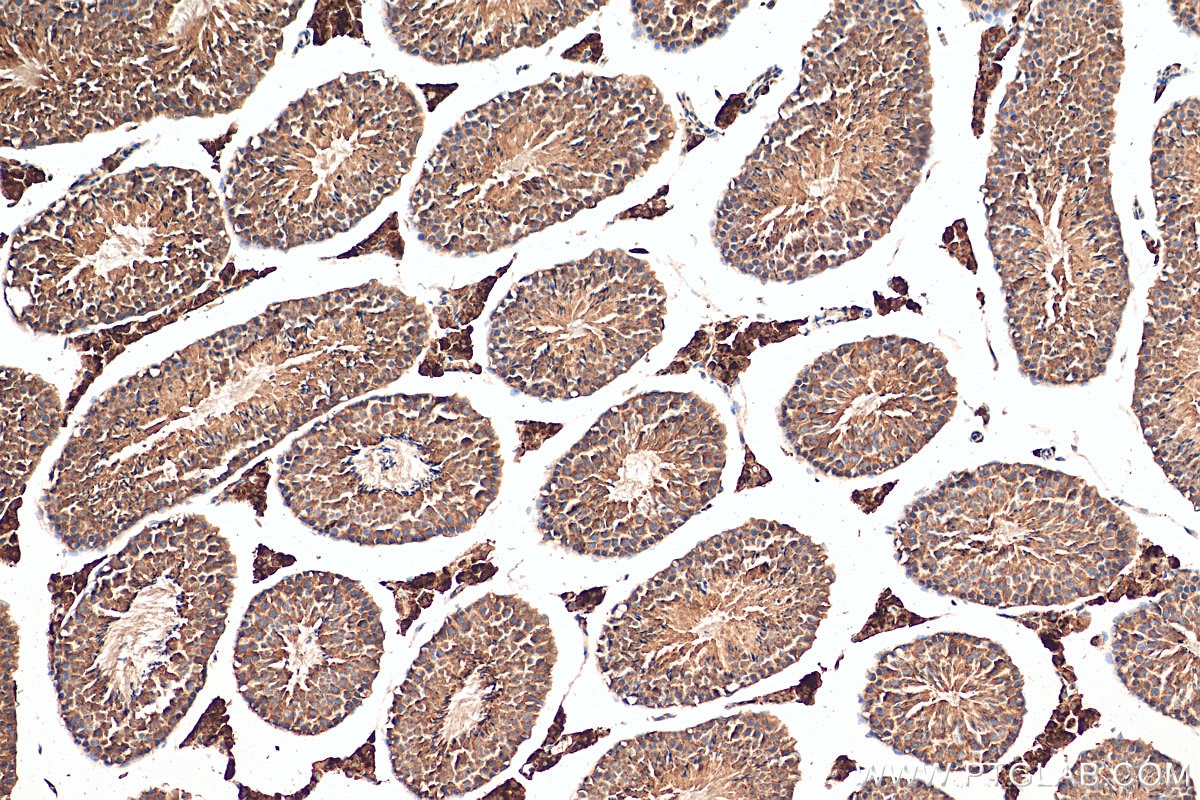
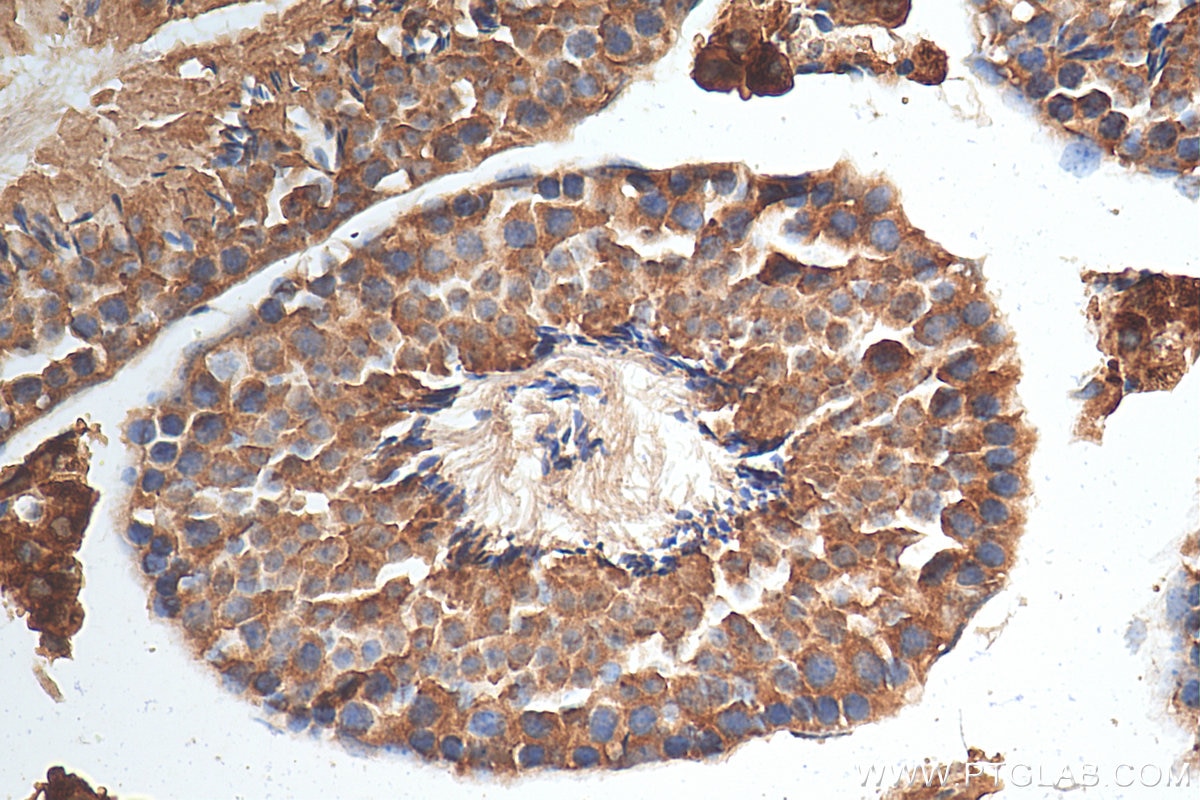
| Positive IHC detected in | rat testis tissue, mouse testis tissue Note: suggested antigen retrieval with TE buffer pH 9.0; (*) Alternatively, antigen retrieval may be performed with citrate buffer pH 6.0 |
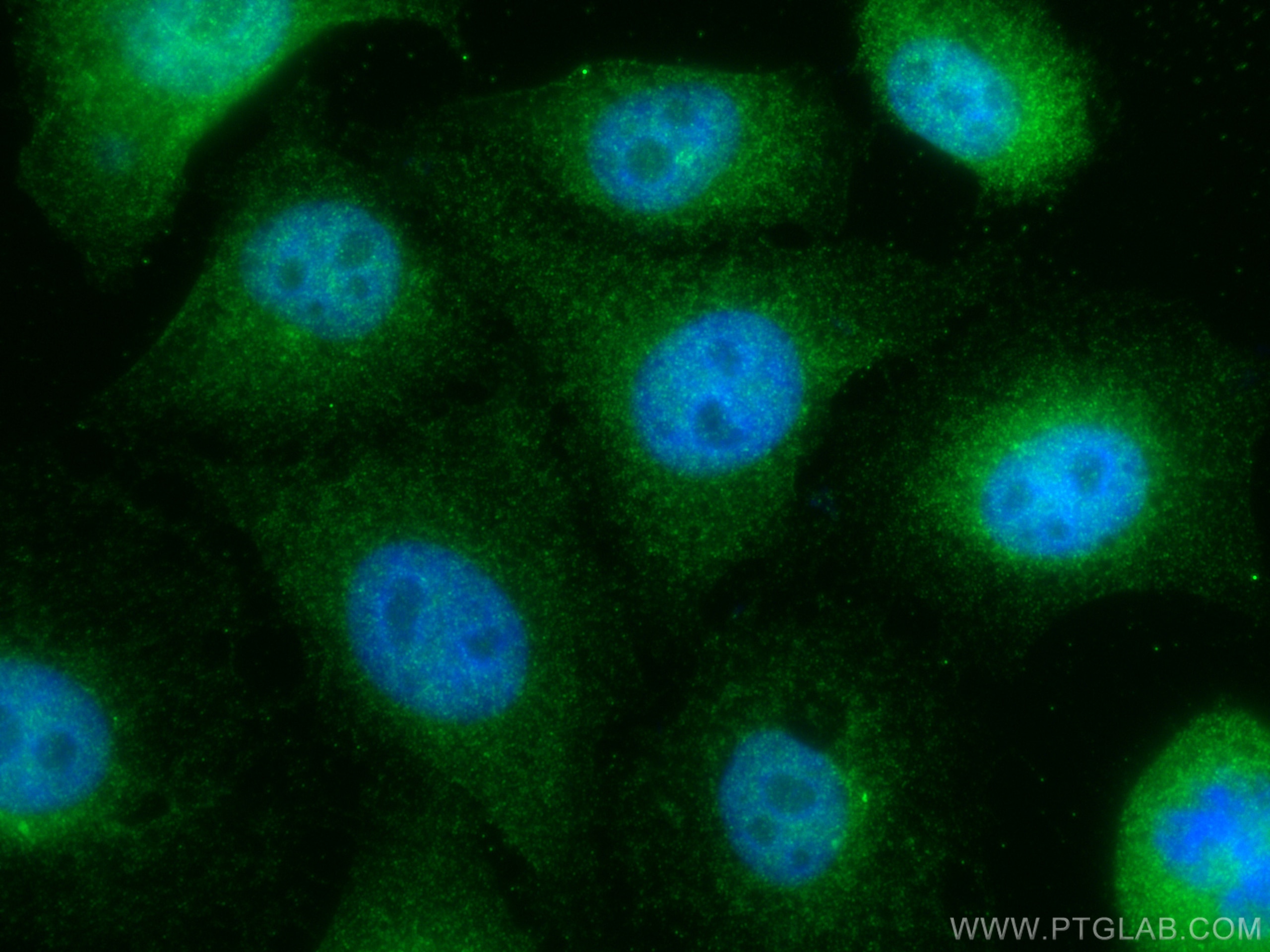
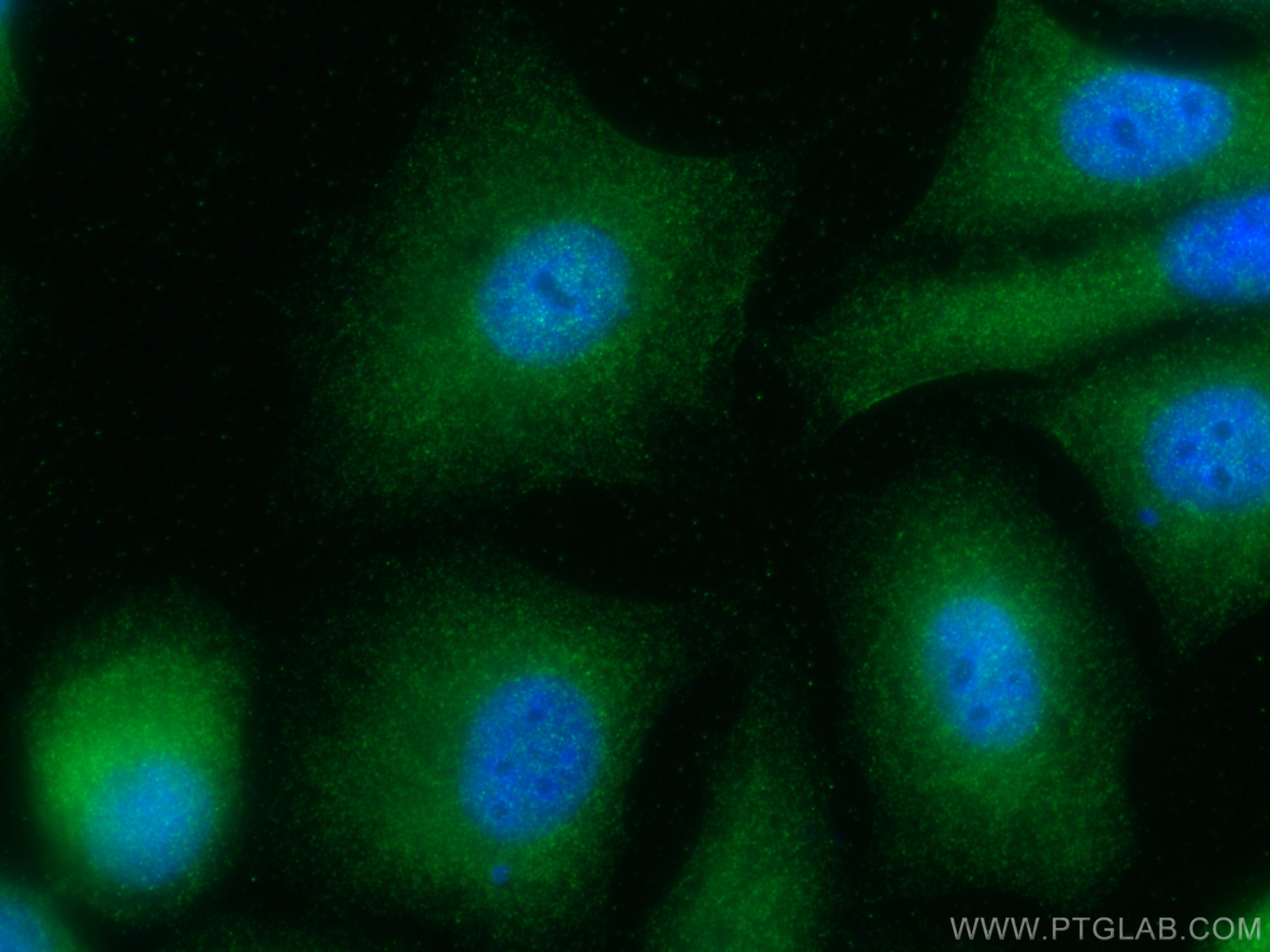
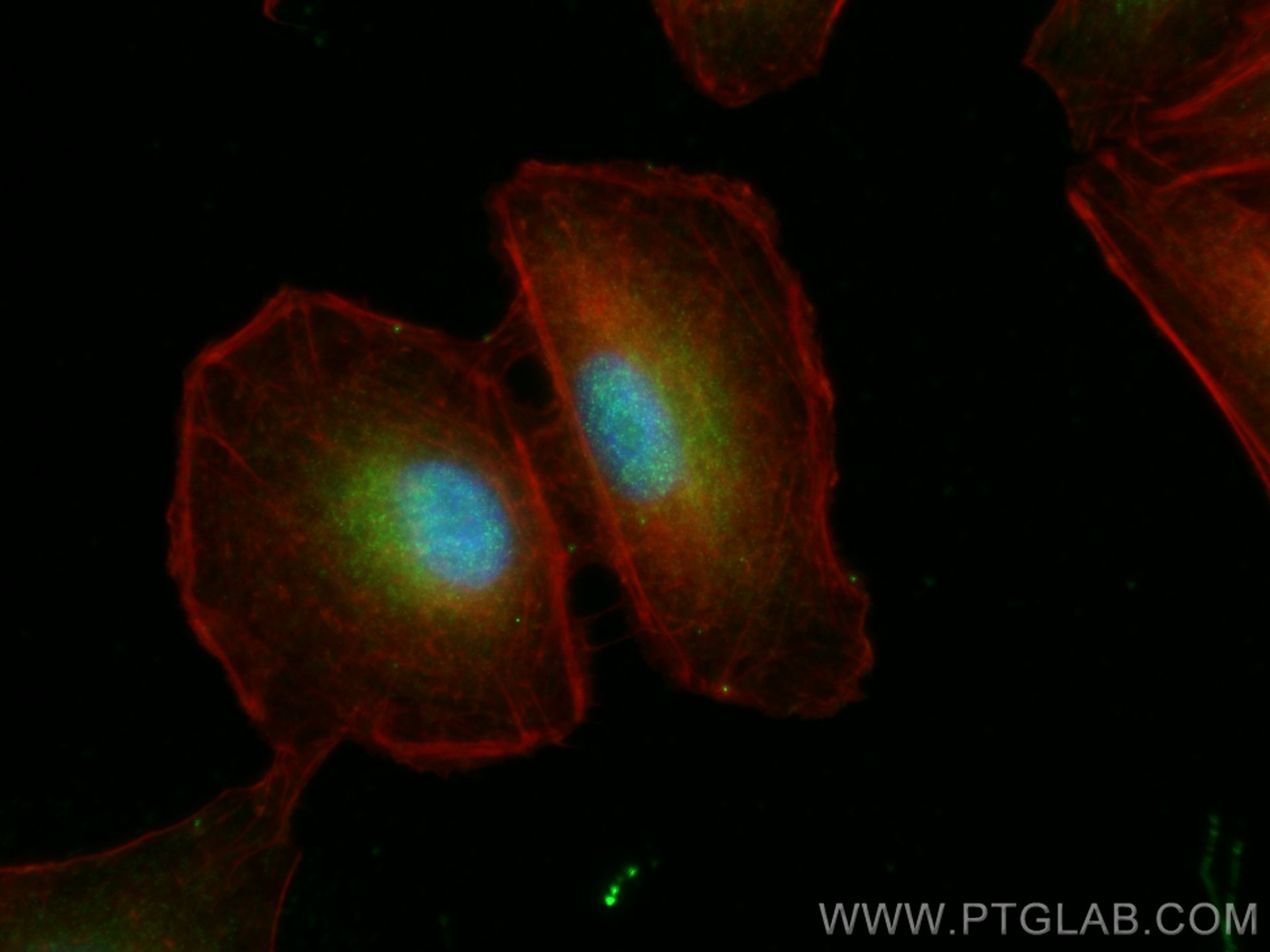
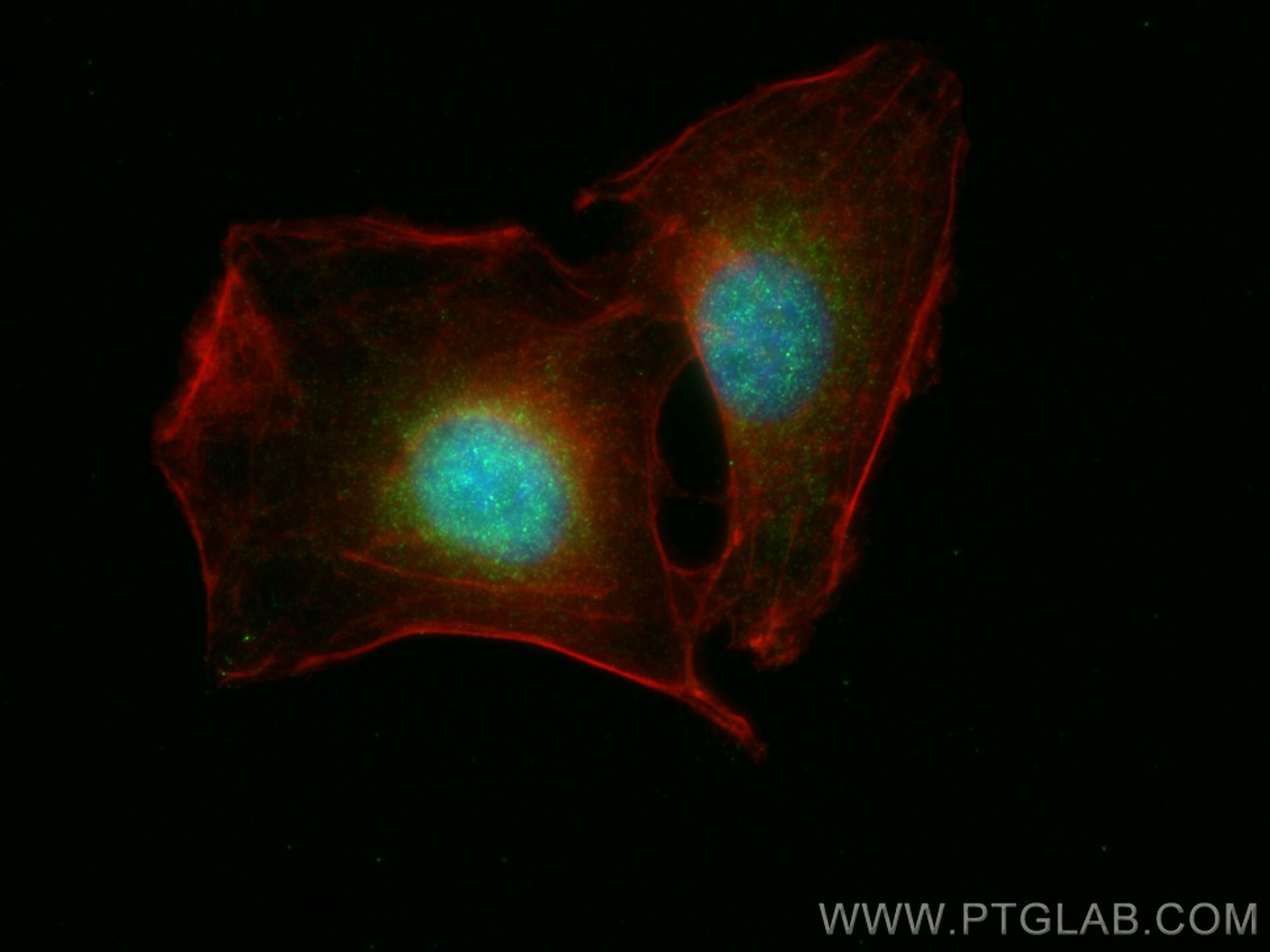
| Positive IF/ICC detected in | A549 cells |
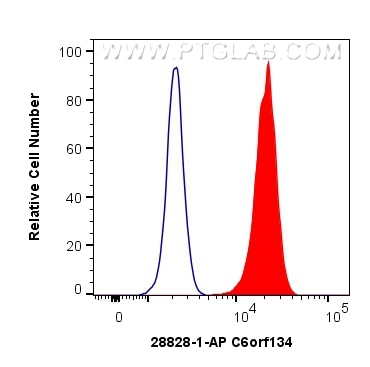
| Positive FC (Intra) detected in | A431 cells |
Recommended dilution
| Application | Dilution |
|---|---|
| Western Blot (WB) | WB : 1:500-1:2000 |
| Immunohistochemistry (IHC) | IHC : 1:50-1:500 |
| Immunofluorescence (IF)/ICC | IF/ICC : 1:50-1:500 |
| Flow Cytometry (FC) (INTRA) | FC (INTRA) : 0.40 ug per 10^6 cells in a 100 µl suspension |
| It is recommended that this reagent should be titrated in each testing system to obtain optimal results. | |
| Sample-dependent, Check data in validation data gallery. | |
Product Information
28828-1-AP targets ATAT1 in WB, IHC, IF/ICC, FC (Intra), IP, ELISA applications and shows reactivity with human, mouse, rat samples.
| Tested Reactivity | human, mouse, rat |
| Cited Reactivity | human, mouse, rat |
| Host / Isotype | Rabbit / IgG |
| Class | Polyclonal |
| Type | Antibody |
| Immunogen |
CatNo: Ag28757 Product name: Recombinant human C6orf134 protein Source: e coli.-derived, PET28a Tag: 6*His Domain: 80-325 aa of NM_001031722 Sequence: MLKDSSARPAGKGAIIGFIKVGYKKLFVLDDREAHNEVEPLCILDFYIHESVQRHGHGRELFQYMLQKERVEPHQLAIDRPSQKLLKFLNKHYNLETTVPQVNNFVIFEGFFAHQHRPPAPSLRATRHSRAAAVDPTPAAPARKLPPKRAEGDIKPYSSSDREFLKVAVEPPWPLNRAPRRATPPAHPPPRSSSLGNSPERGPLRPFVPEQELLRSLRLCPPHPTARLLLAADPGGSPAQRRRTRGT Predict reactive species |
| Full Name | chromosome 6 open reading frame 134 |
| Calculated Molecular Weight | 47 kDa |
| Observed Molecular Weight | 42-45 kDa |
| GenBank Accession Number | NM_001031722 |
| Gene Symbol | ATAT1 |
| Gene ID (NCBI) | 79969 |
| RRID | AB_2881219 |
| Conjugate | Unconjugated |
| Form | Liquid |
| Purification Method | Antigen affinity purification |
| UNIPROT ID | Q5SQI0 |
| Storage Buffer | PBS with 0.02% sodium azide and 50% glycerol, pH 7.3. |
| Storage Conditions | Store at -20°C. Stable for one year after shipment. Aliquoting is unnecessary for -20oC storage. 20ul sizes contain 0.1% BSA. |
Background Information
C6orf134 is a reported alias name for the human gene ATAT1 coding alpha-tubulin N-acetyltransferase 1, and specifically acetylates 'Lys-40' in alpha-tubulin on the lumenal side of microtubules. May affect microtubule stability and regulate microtubule dynamics. May be involved in neuron development. Western blot shows a band between 36 kDa and 45 kDa.
Protocols
| Product Specific Protocols | |
|---|---|
| FC protocol for ATAT1 antibody 28828-1-AP | Download protocol |
| IF protocol for ATAT1 antibody 28828-1-AP | Download protocol |
| IHC protocol for ATAT1 antibody 28828-1-AP | Download protocol |
| WB protocol for ATAT1 antibody 28828-1-AP | Download protocol |
| Standard Protocols | |
|---|---|
| Click here to view our Standard Protocols |
Publications
What published studies show
The ATAT1 (alpha-tubulin N-acetyltransferase 1) polyclonal antibody, catalog number 28828-1-AP, has 14 citations. These appear in journals including Experimental & Molecular Medicine, MedComm, Cell Death & Disease, Science China Life Sciences, Clinical & Translational Medicine, Cancer Cell International, Journal of Ethnopharmacology, iScience, BBA Molecular Cell Research, Journal of Biological Chemistry, Journal of Cell Science, Biochemical & Biophysical Research Communications, and Cytoskeleton. Research fields span microtubule acetylation, neurobiology, cancer, fibrosis, fertility, and cardiotoxicity.
| Species | Application | Title |
|---|---|---|
Exp Mol Med Acetylation of α-tubulin restores endothelial cell injury and blood-brain barrier disruption after intracerebral hemorrhage in mice | ||
MedComm (2020) Matrix stiffness-induced α-tubulin acetylation is required for skin fibrosis formation through activation of Yes-associated protein
| ||
Cell Death Dis TMEM232 is required for the formation of sperm flagellum and male fertility in mice | ||
Sci China Life Sci FSD1 inhibits glioblastoma diffuse infiltration through restriction of HDAC6-mediated microtubule deacetylation | ||
Clin Transl Med Pathogenic variants of TUBB8 cause oocyte spindle defects by disrupting with EB1/CAKP5 interactions and potential treatment targeting microtubule acetylation through HDAC6 inhibition | ||
Cancer Cell Int Suppression of microtubule acetylation mediates the anti-leukemic effect of CDK9 inhibition
|
Reviews
What customers say
Both reviewers rated this antibody 5 stars for Western Blot. One user found it reliable for detecting endogenous ATAT1 in mouse brain and human postmortem brain lysates at a 1:2000 dilution. The other successfully used it at 1:500 on human and mouse liver cell extracts, describing a standard protocol with 20 µg protein per well, 2-hour transfer at 400 mA, 5% BSA blocking, and 3-hour primary antibody incubation at room temperature. Overall, users report consistent performance across species and tissue types.
The reviews below have been submitted by verified Proteintech customers who received an incentive for providing their feedback.
Nou (Verified Customer) (01-02-2026) | A reliable ATAT1 antibody to detect endogenous ones.
|
K. (Verified Customer) (10-26-2023) | Each well had 20 ug of protein extract added. On a Nitrocellulose Blotting Membrane, transfer was carried out for two hours at 400 mA at 4 oC. Membrane blocking was carried out at room temperature with 5% BSA in TBS-Tween20 under light shaking. Antibodies were diluted in PBS-Tween20 containing 5% non-fat milk. -The primary antibody incubations were carried out as follows: 1:1000 for three hours at room temperature.
|












