

Tested Applications
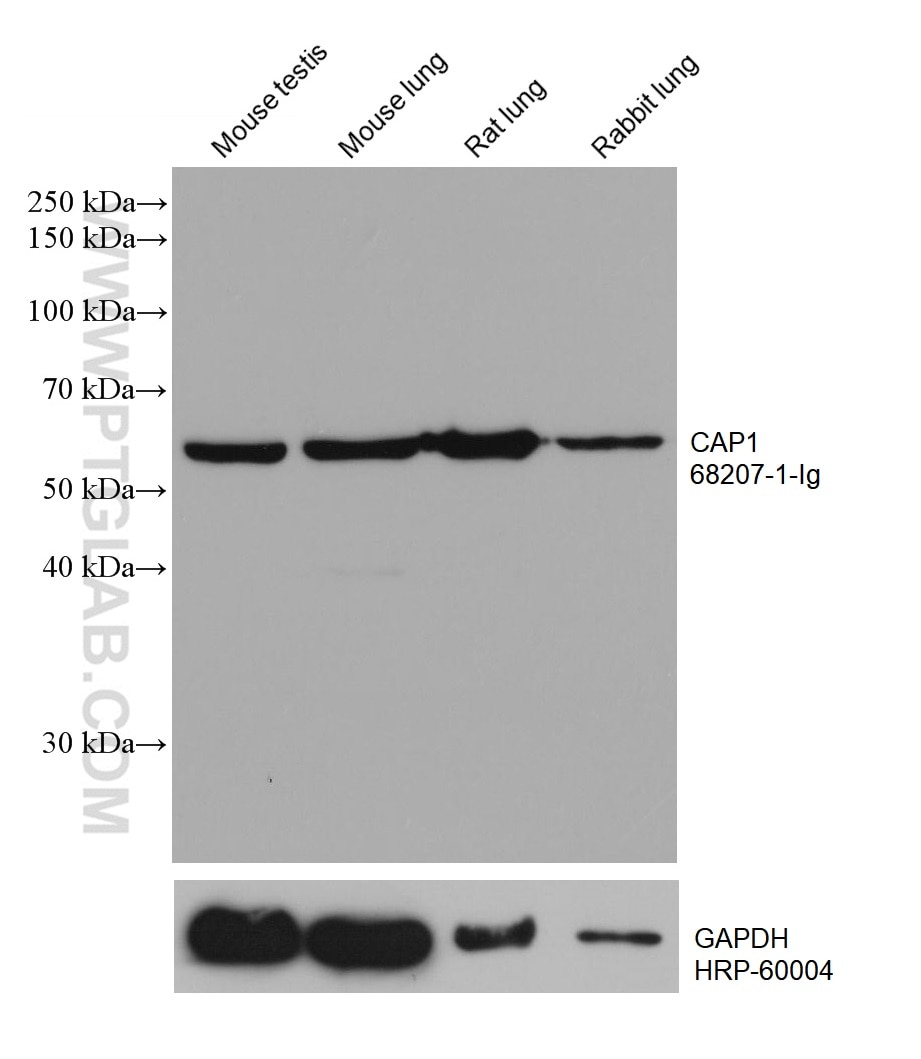
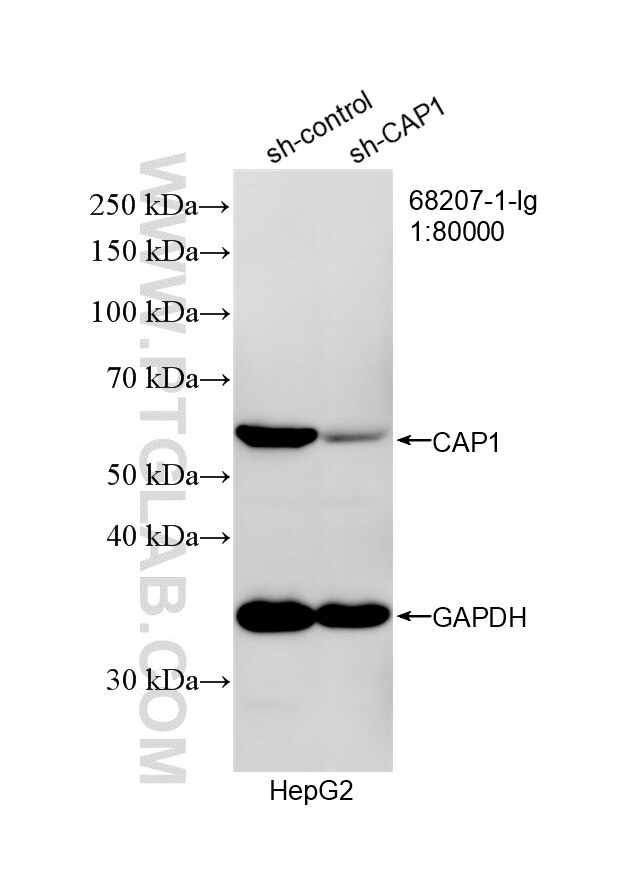
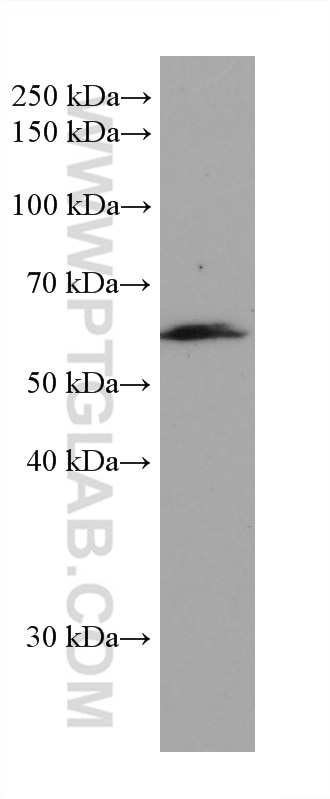
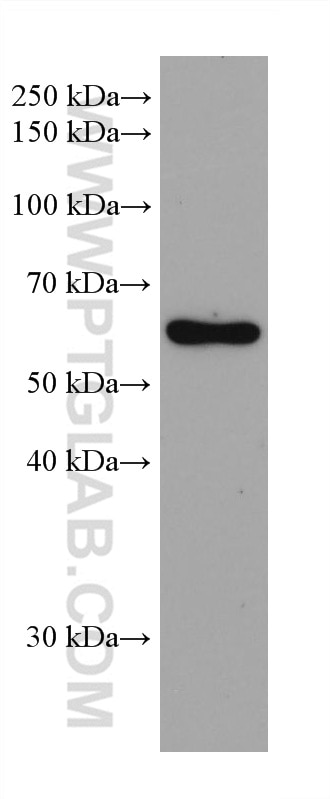
| Positive WB detected in | mouse testis tissue, HepG2 cells, human placenta tissue, pig lung tissue, mouse lung tissue, rat lung tissue, rabbit lung tissue |
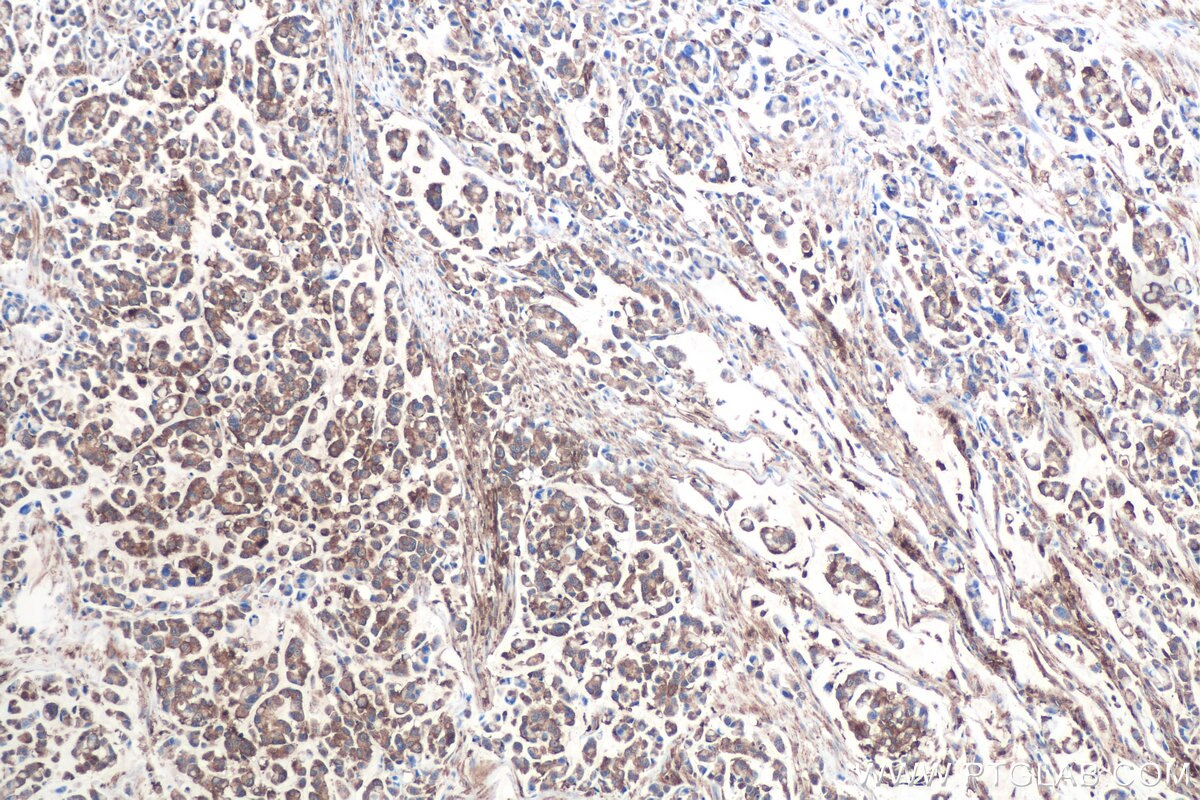
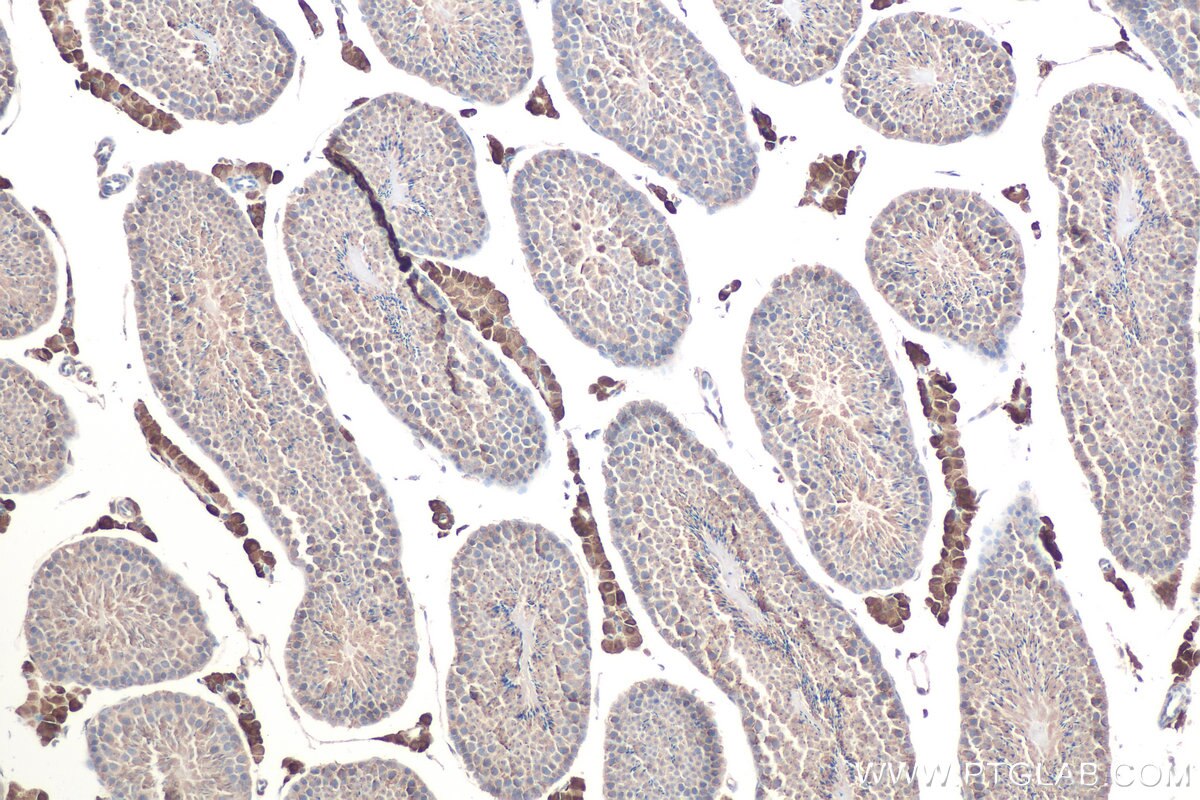
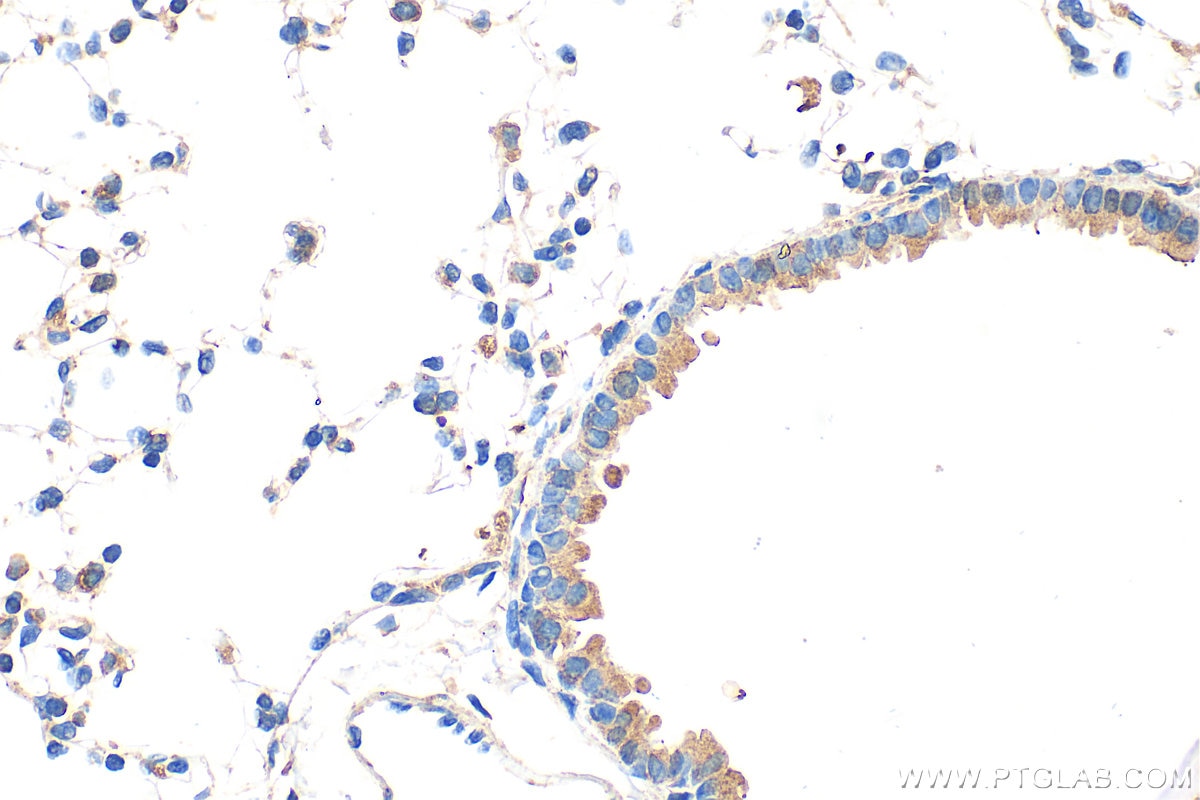
| Positive IHC detected in | human colon cancer tissue, mouse lung tissue, mouse testis tissue Note: suggested antigen retrieval with TE buffer pH 9.0; (*) Alternatively, antigen retrieval may be performed with citrate buffer pH 6.0 |
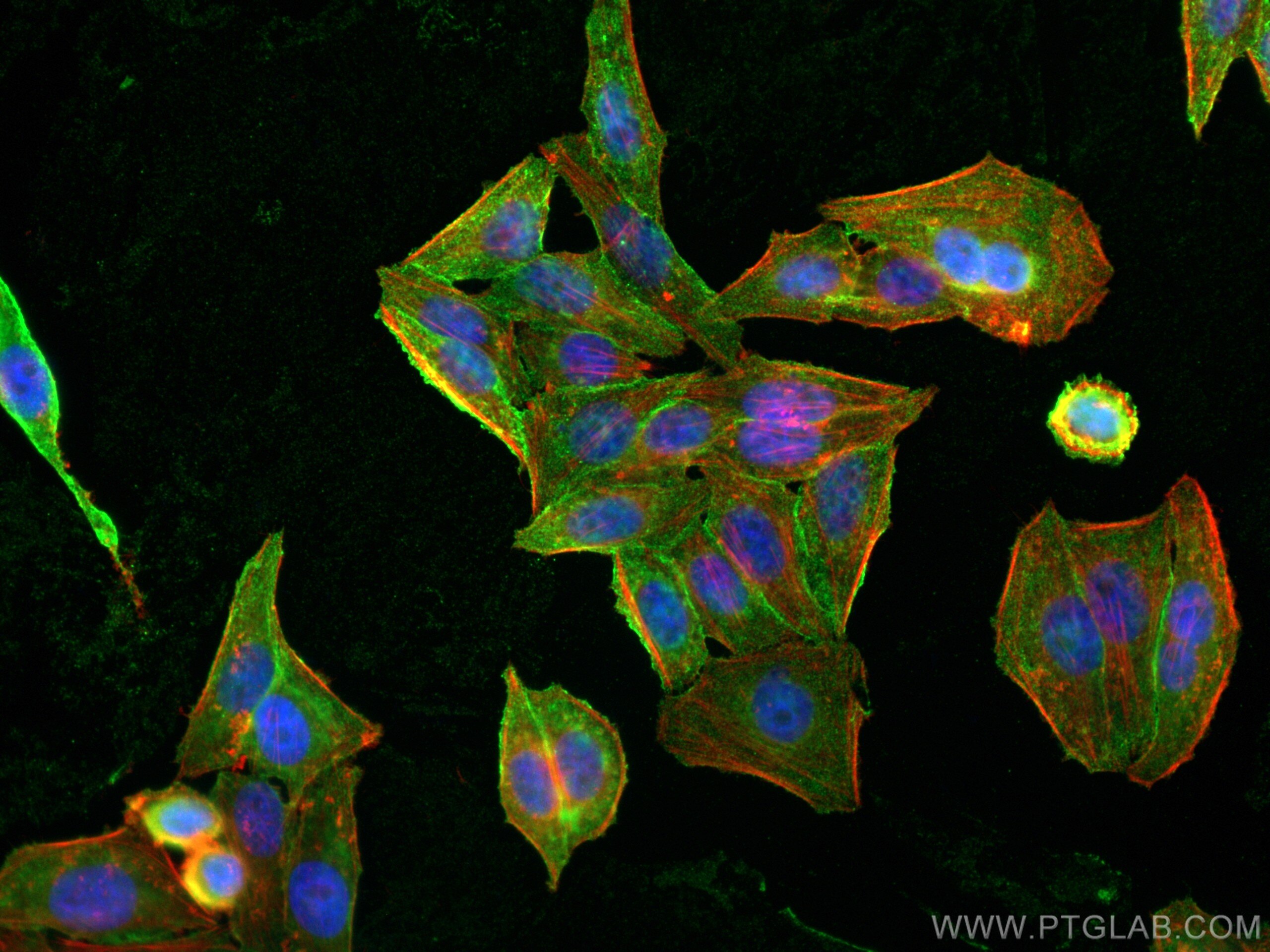
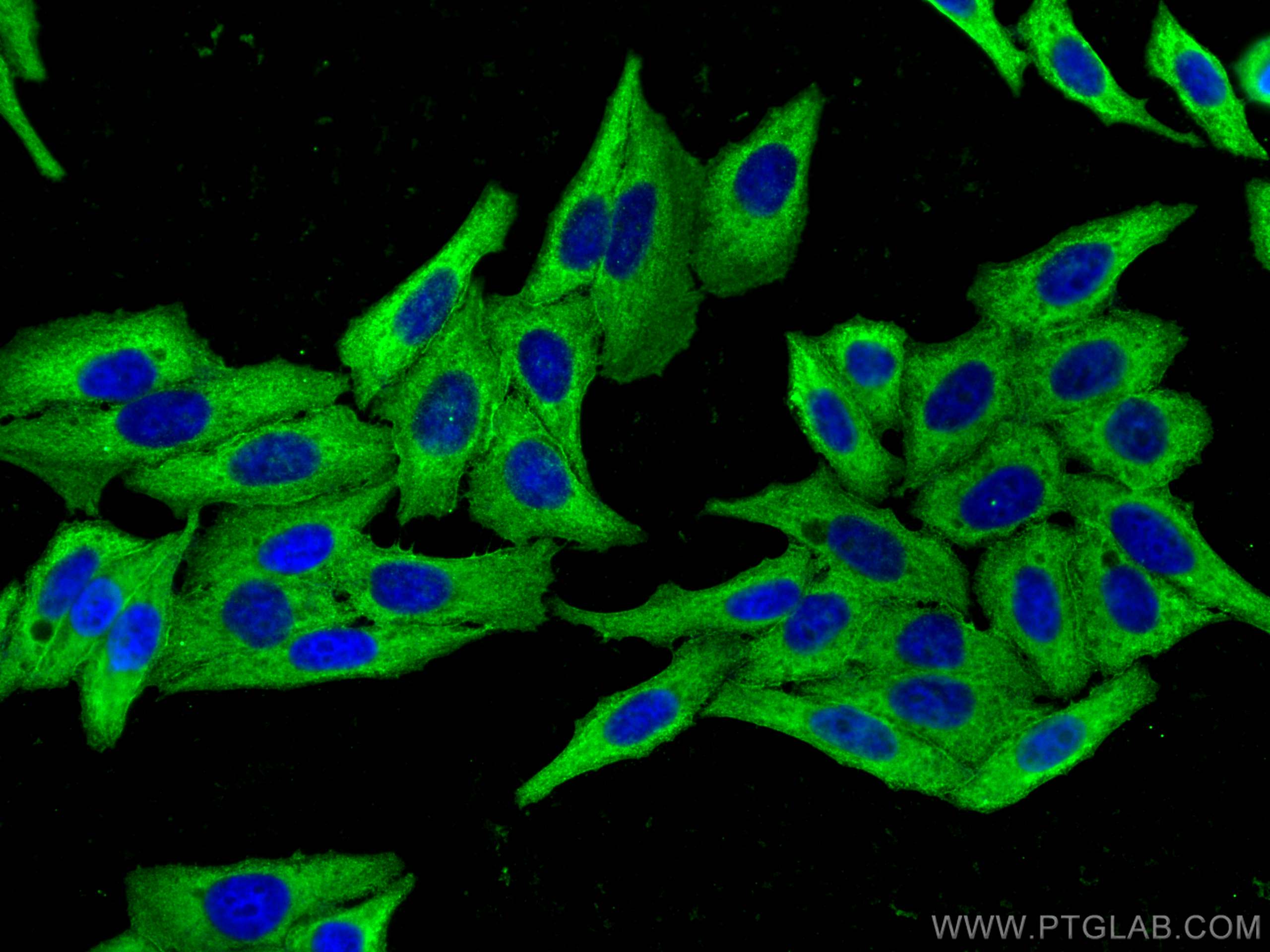
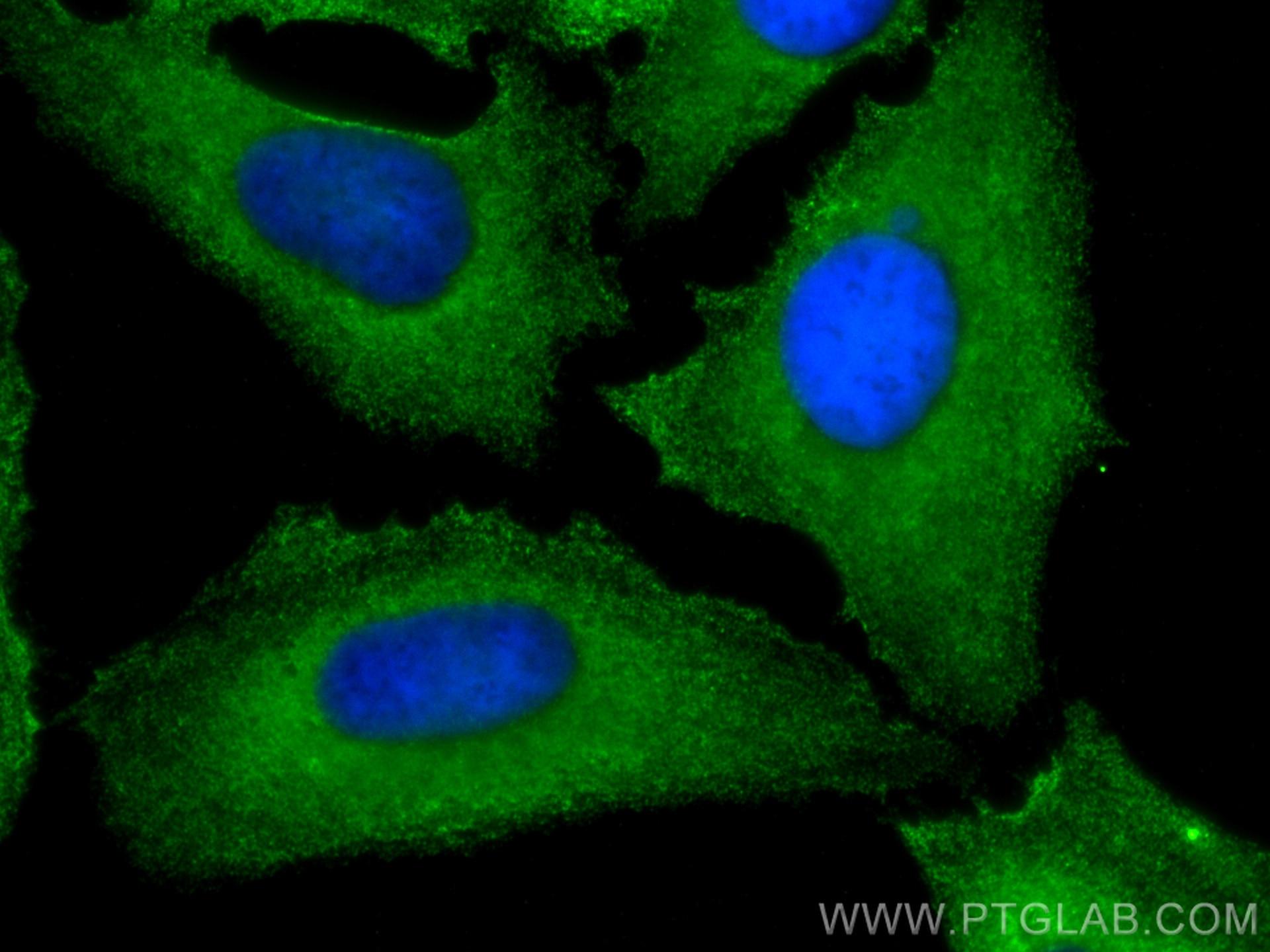
| Positive IF/ICC detected in | HepG2 cells, HeLa cells |
Recommended dilution
| Application | Dilution |
|---|---|
| Western Blot (WB) | WB : 1:5000-1:50000 |
| Immunohistochemistry (IHC) | IHC : 1:1000-1:4000 |
| Immunofluorescence (IF)/ICC | IF/ICC : 1:400-1:1600 |
| It is recommended that this reagent should be titrated in each testing system to obtain optimal results. | |
| Sample-dependent, Check data in validation data gallery. | |
Product Information
68207-1-Ig targets CAP1 in WB, IHC, IF/ICC, ELISA applications and shows reactivity with human, mouse, rat, pig, rabbit samples.
| Tested Reactivity | human, mouse, rat, pig, rabbit |
| Cited Reactivity | human |
| Host / Isotype | Mouse / IgG1 |
| Class | Monoclonal |
| Type | Antibody |
| Immunogen |
CatNo: Ag8876 Product name: Recombinant human CAP1 protein Source: e coli.-derived, PET28a Tag: 6*His Domain: 125-475 aa of BC013963 Sequence: SKLFNHLSAVSESIQALGWVAMAPKPGPYVKEMNDAAMFYTNRVLKEYKDVDKKHVDWVKAYLSIWTELQAYIKEFHTTGLAWSKTGPVAKELSGLPSGPSAGSGPPPPPPGPPPPPVSTSSGSDESASRSALFAQINQGESITHALKHVSDDMKTHKNPALKAQSGPVRSGPKPFSAPKPQTSPSPKRATKKEPAVLELEGKKWRVENQENVSNLVIEDTELKQVAYIYKCVNTTLQIKGKINSITVDNCKKLGLVFDDVVGIVEIINSKDVKVQVMGKVPTISINKTDGCHAYLSKNSLDCEIVSAKSSEMNVLIPTEGGDFNEFPVPEQFKTLWNGQKLVTTVTEIAG Predict reactive species |
| Full Name | CAP, adenylate cyclase-associated protein 1 (yeast) |
| Calculated Molecular Weight | 475 aa, 52 kDa |
| Observed Molecular Weight | 50-55 kDa |
| GenBank Accession Number | BC013963 |
| Gene Symbol | CAP1 |
| Gene ID (NCBI) | 10487 |
| RRID | AB_2935295 |
| Conjugate | Unconjugated |
| Form | Liquid |
| Purification Method | Protein G purification |
| UNIPROT ID | Q01518 |
| Storage Buffer | PBS with 0.02% sodium azide and 50% glycerol, pH 7.3. |
| Storage Conditions | Store at -20°C. Stable for one year after shipment. Aliquoting is unnecessary for -20oC storage. 20ul sizes contain 0.1% BSA. |
Background Information
CAP1, also known as CAP, CAP1-PEN, belongs to the CAP family and contains 1 C-CAP/cofactor C-like domain. CAP1 binds to monomeric actin and regulates the actin cytoskeleton to control cell size, adhesion, and migration (PMID: 23737525). CAP1 also functions as a receptor for inflammatory cytokine resistin (PMID: 24606903). CAP1 is an abundant and ubiquitously expressed protein. Western blot analysis detected CAP1 at an apparent molecular mass of 50-55 kDa.
Protocols
| Product Specific Protocols | |
|---|---|
| IF protocol for CAP1 antibody 68207-1-Ig | Download protocol |
| IHC protocol for CAP1 antibody 68207-1-Ig | Download protocol |
| WB protocol for CAP1 antibody 68207-1-Ig | Download protocol |
| Standard Protocols | |
|---|---|
| Click here to view our Standard Protocols |
Publications
What published studies show
The CAP1 Monoclonal antibody (Cat# 68207-1-Ig) has 4 total citations. These appear in Acta Neuropathologica, International Immunopharmacology, Journal of Neurochemistry, and Biochemical and Biophysical Research Communications. The associated research fields span Alzheimer's disease and neurodegeneration, sepsis and immunopharmacology, amyloidogenesis, and chronic myeloid leukemia. Applications cited include immunofluorescence and Western blot, all in human samples.
| Species | Application | Title |
|---|---|---|
Acta Neuropathol Enhanced microglial dynamics and a paucity of tau seeding in the amyloid plaque microenvironment contribute to cognitive resilience in Alzheimer's disease | ||
Int Immunopharmacol Single-cell RNA sequencing reveals cell-cell communication and potential biomarker in sepsis and septic shock patients | ||
Biochem Biophys Res Commun Exosomal circ_0058493 promotes imatinib resistance via miR-548b-3p/U2SURP axis in CML cells. |











