

Tested Applications
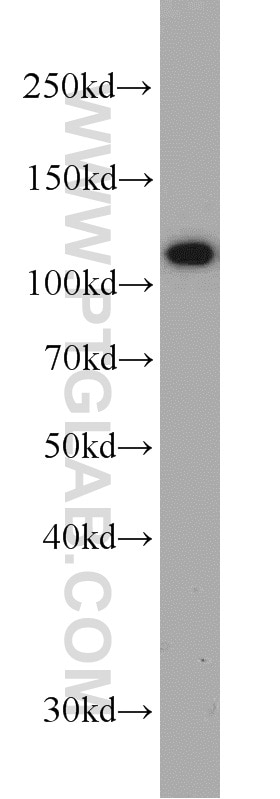
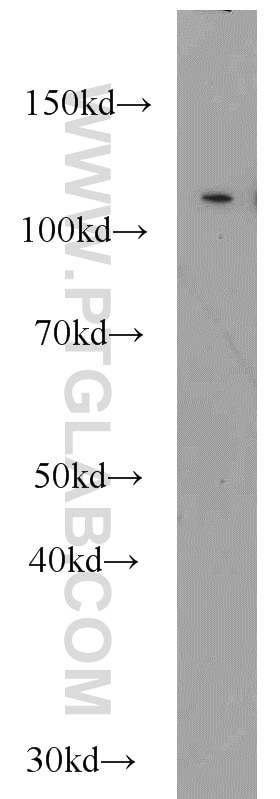
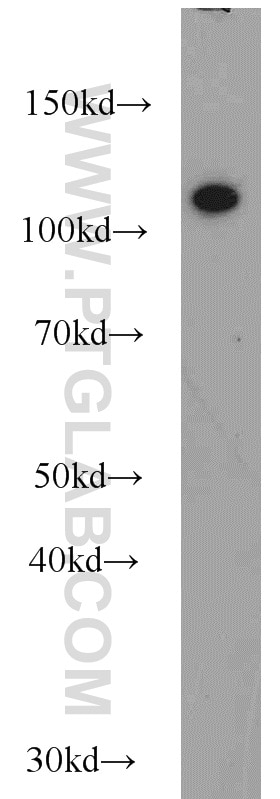
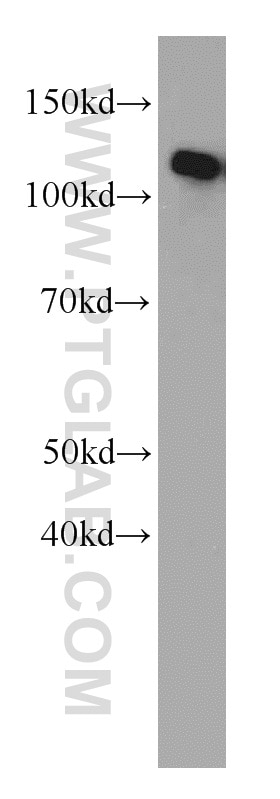
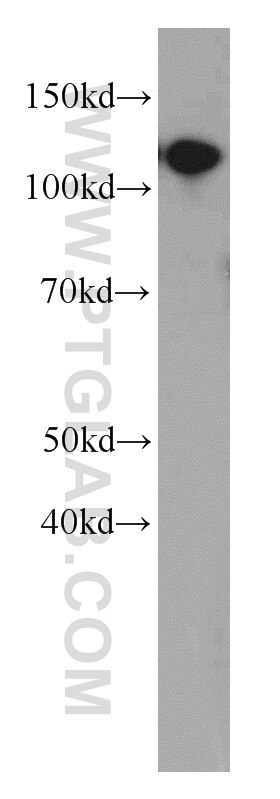
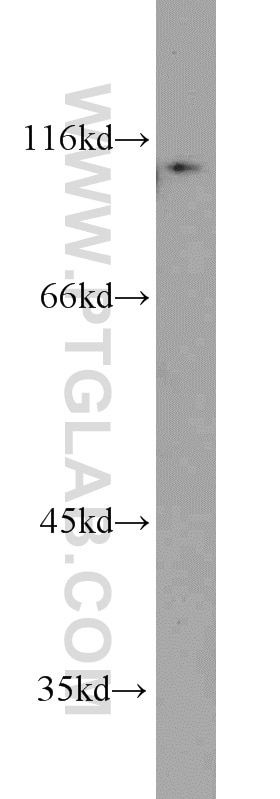
| Positive WB detected in | HEK-293 cells, A549 cells |
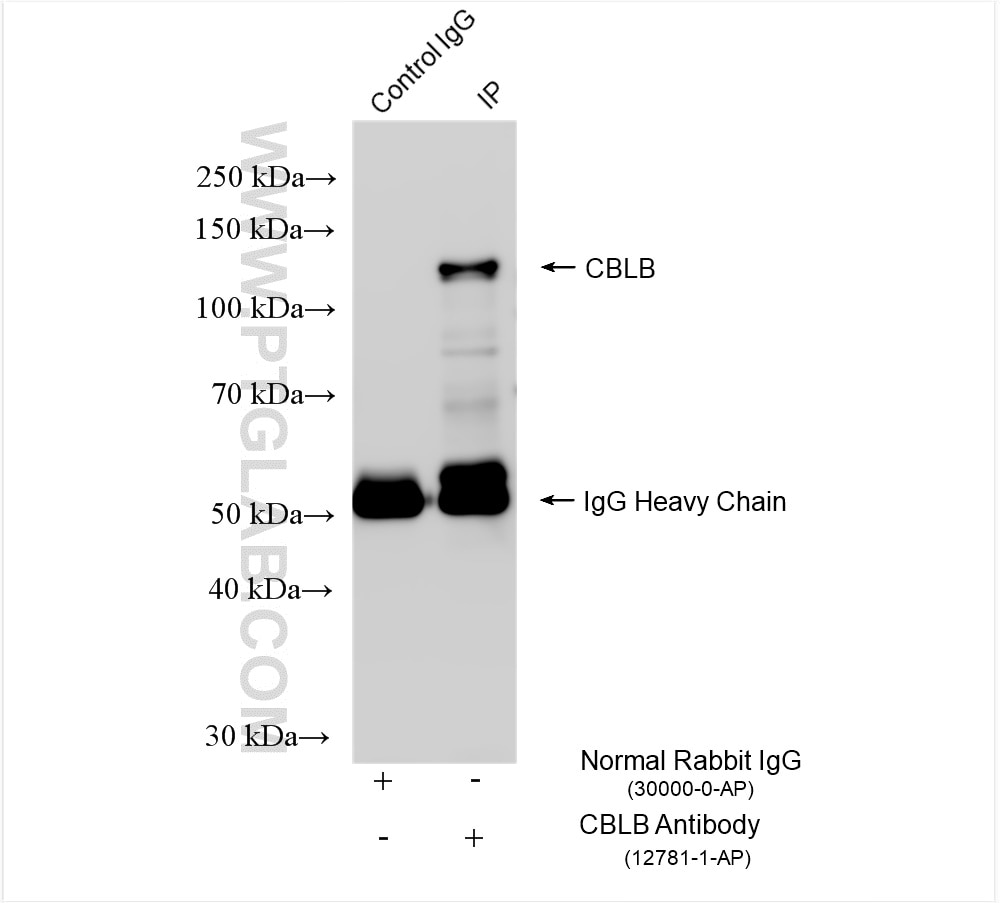
| Positive IP detected in | HEK-293 cells |
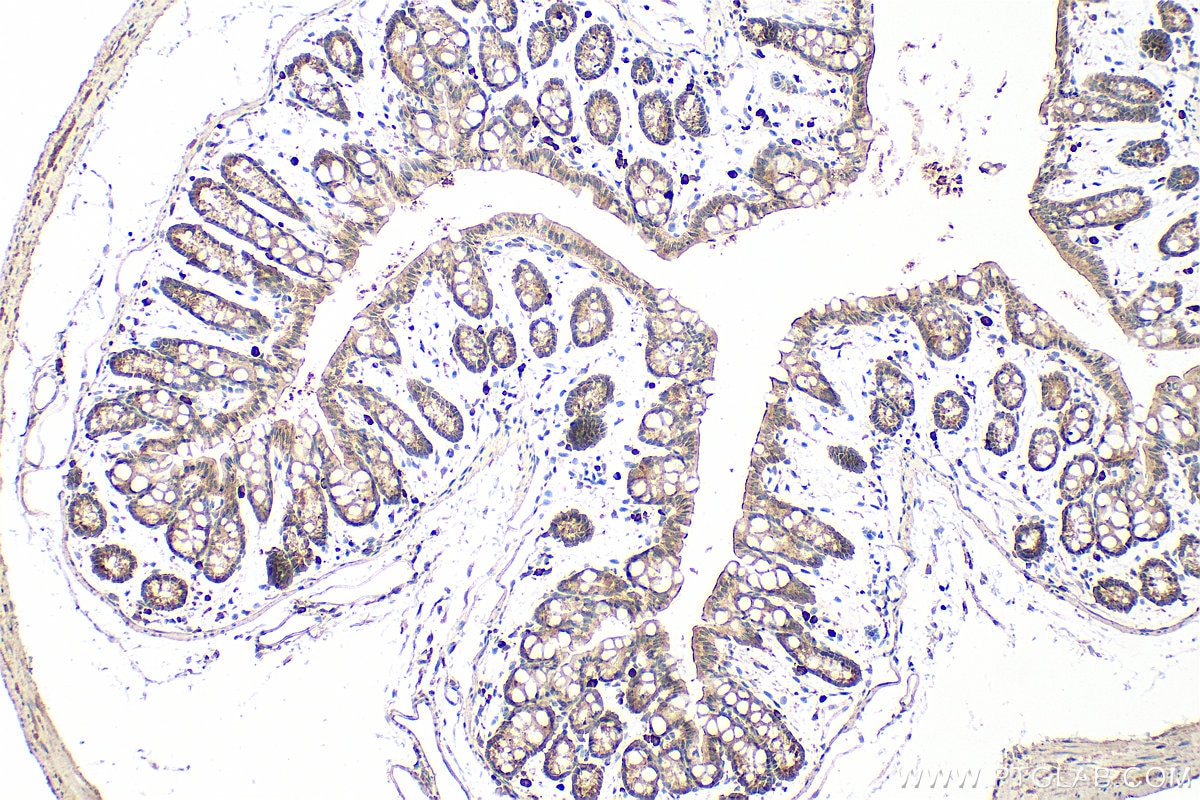
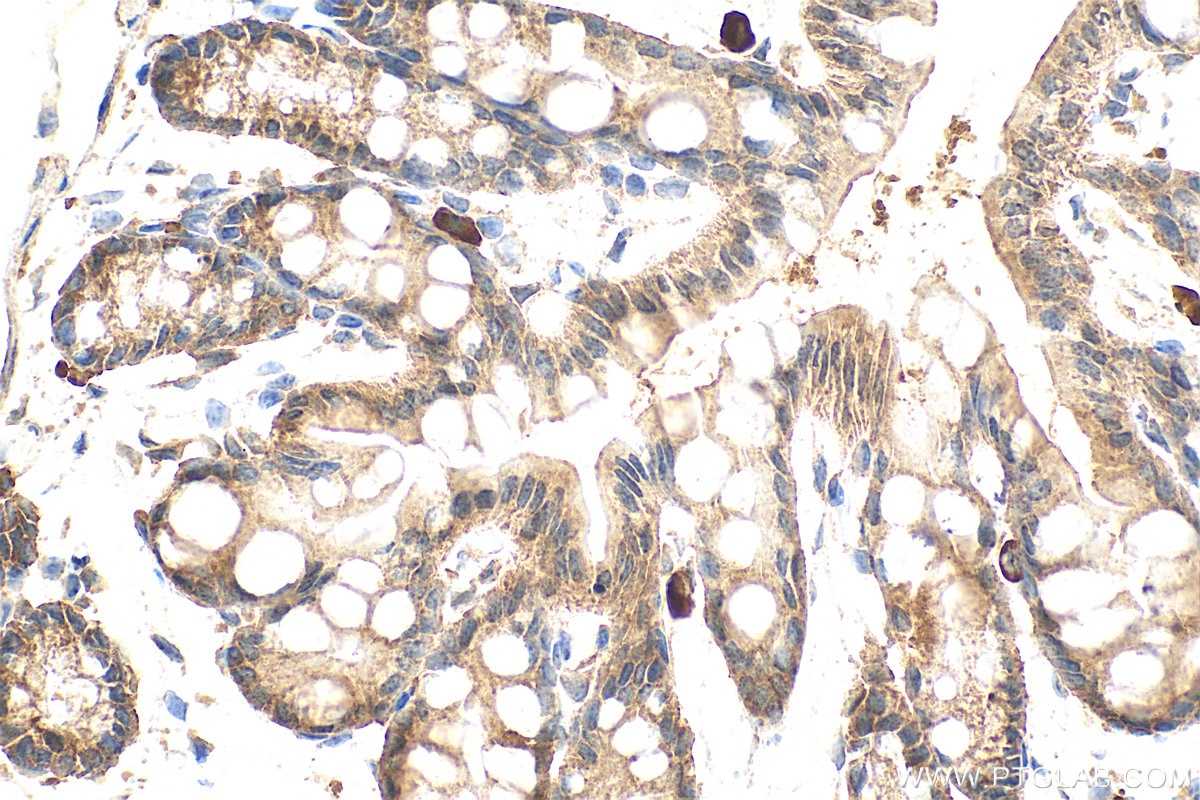
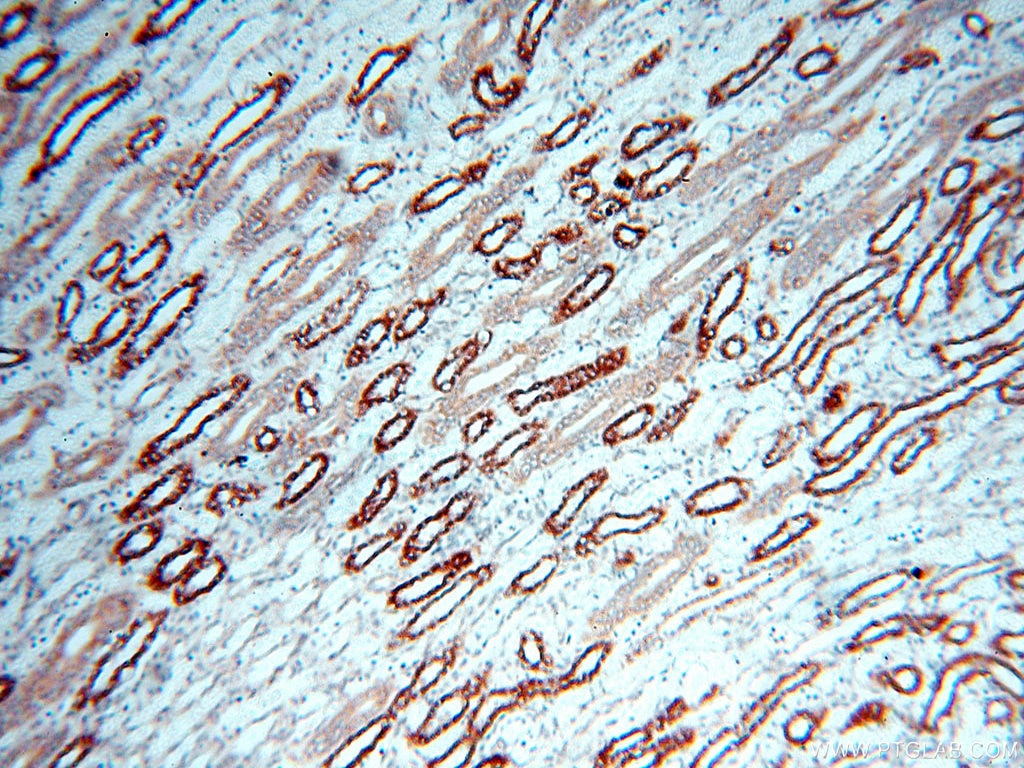
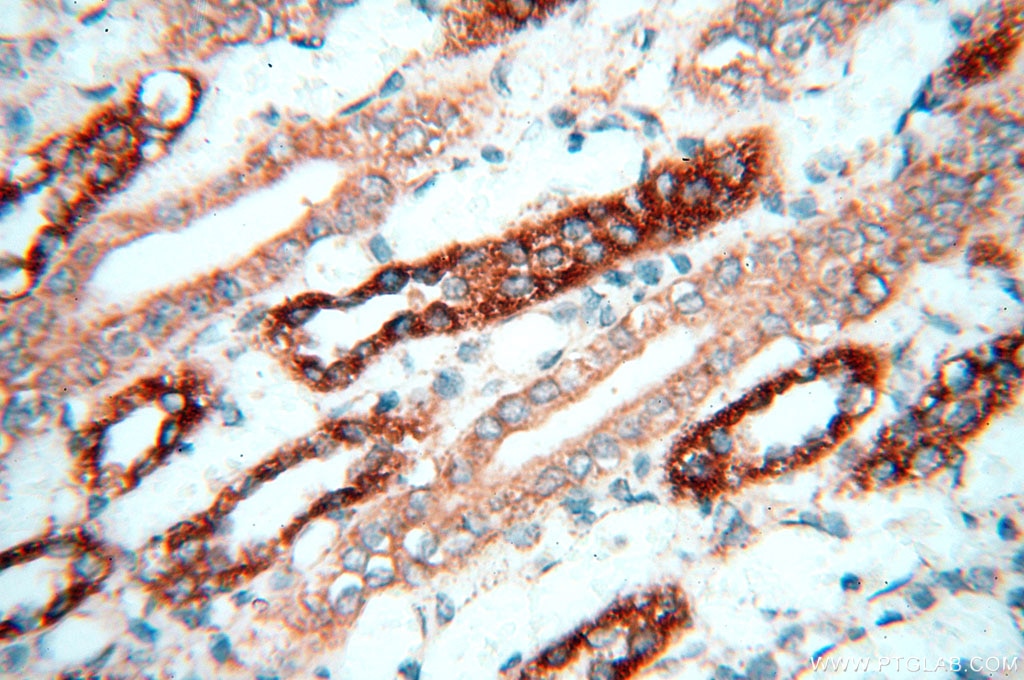
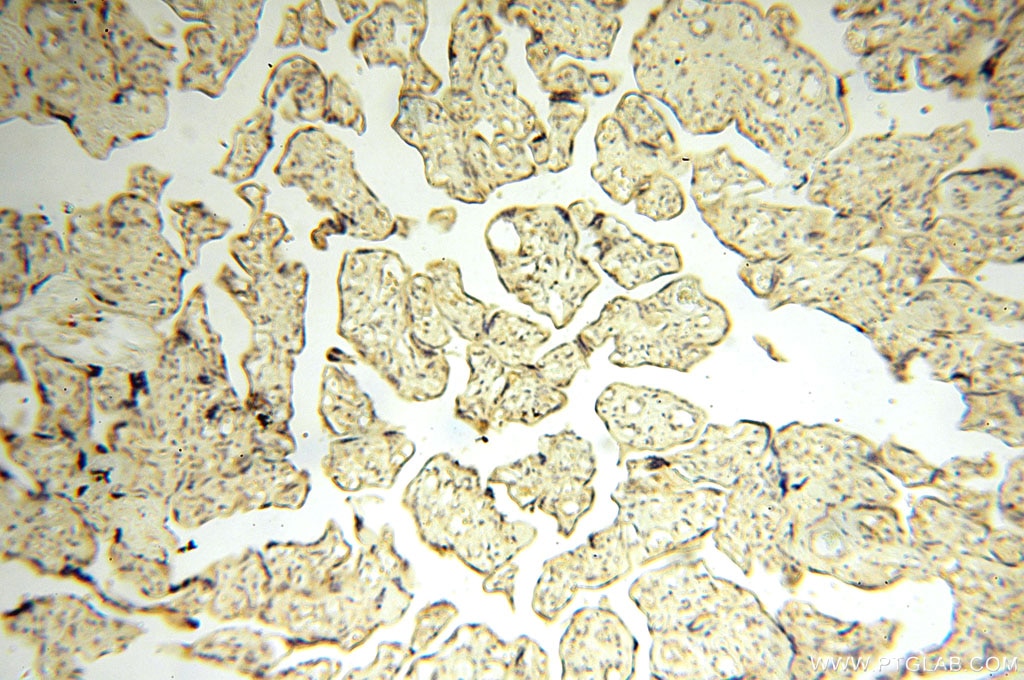
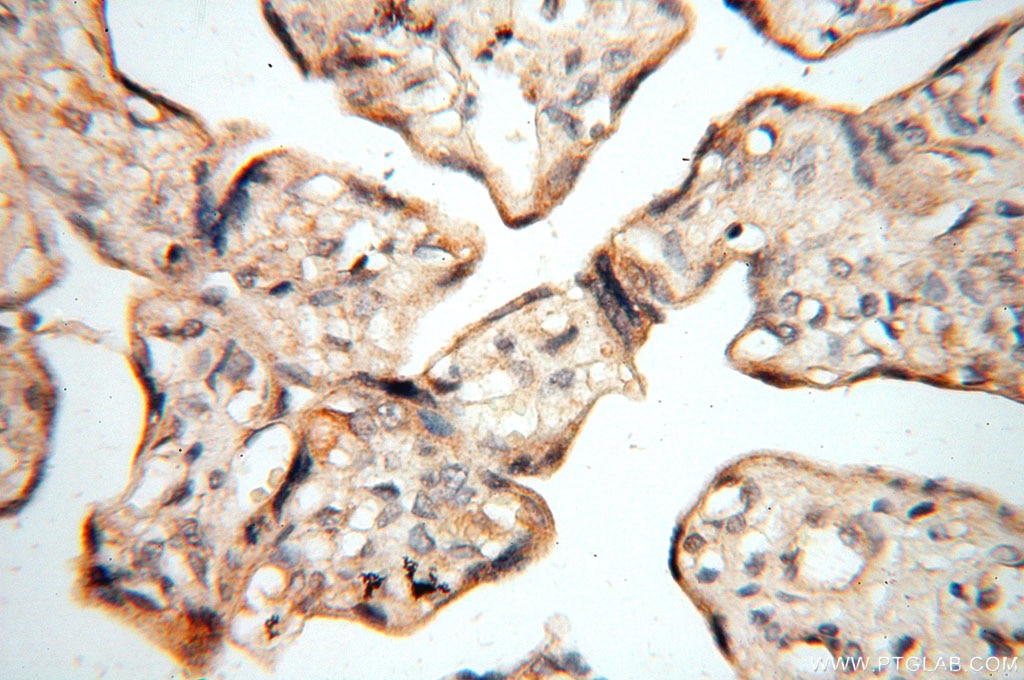
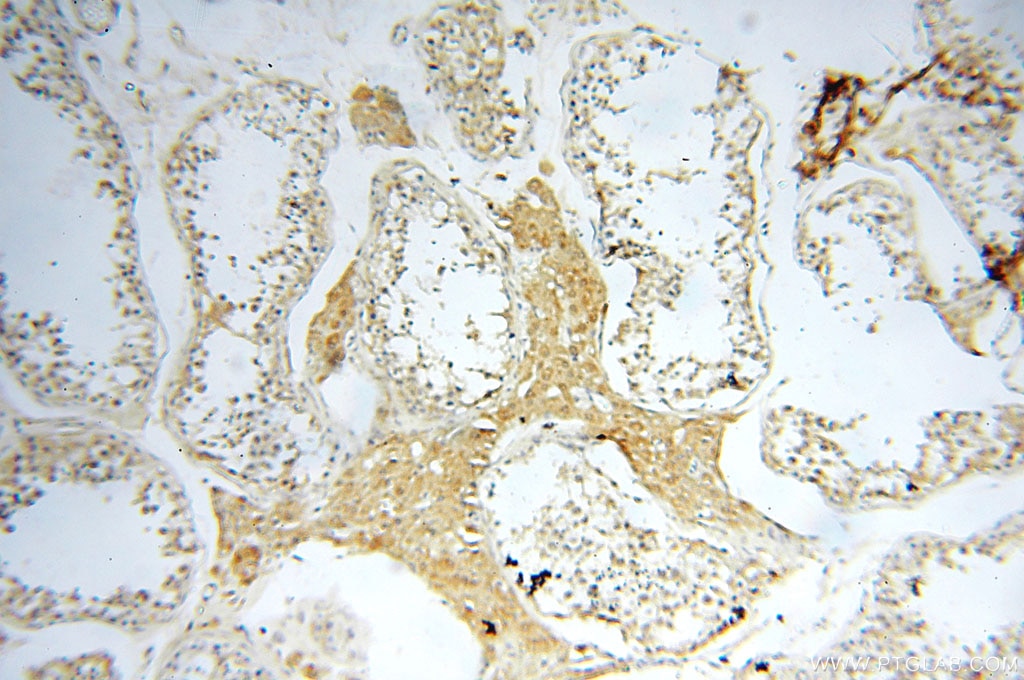
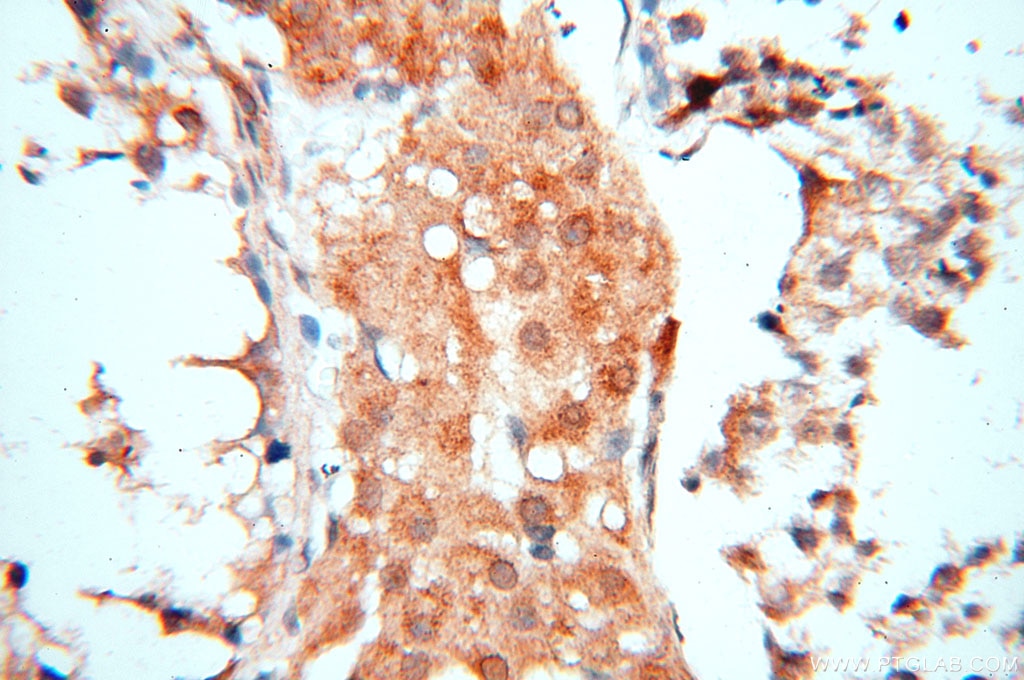
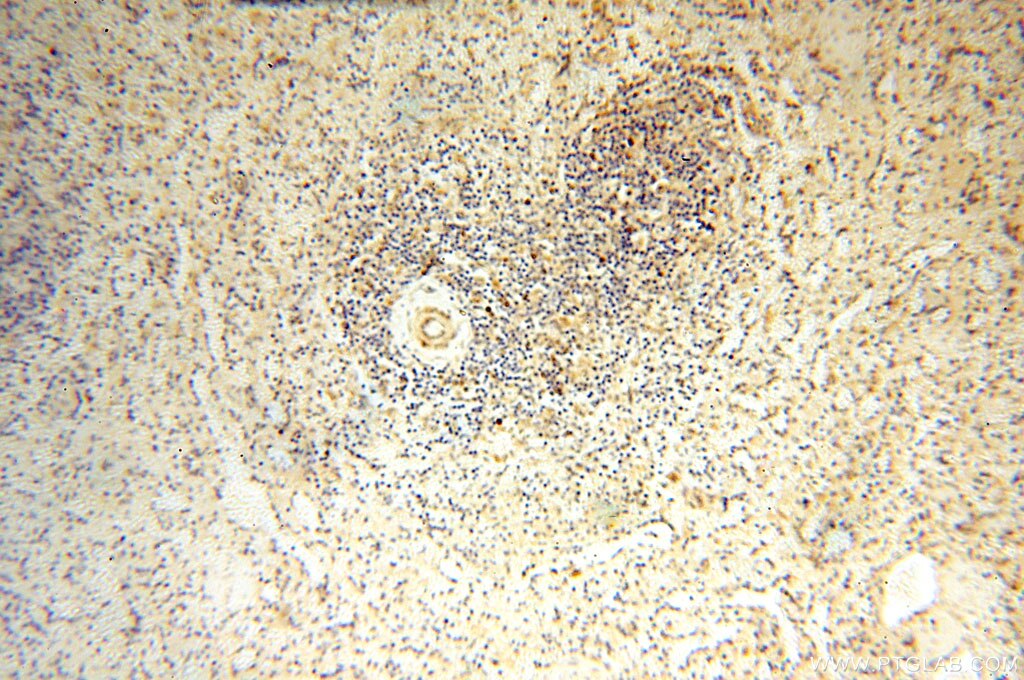
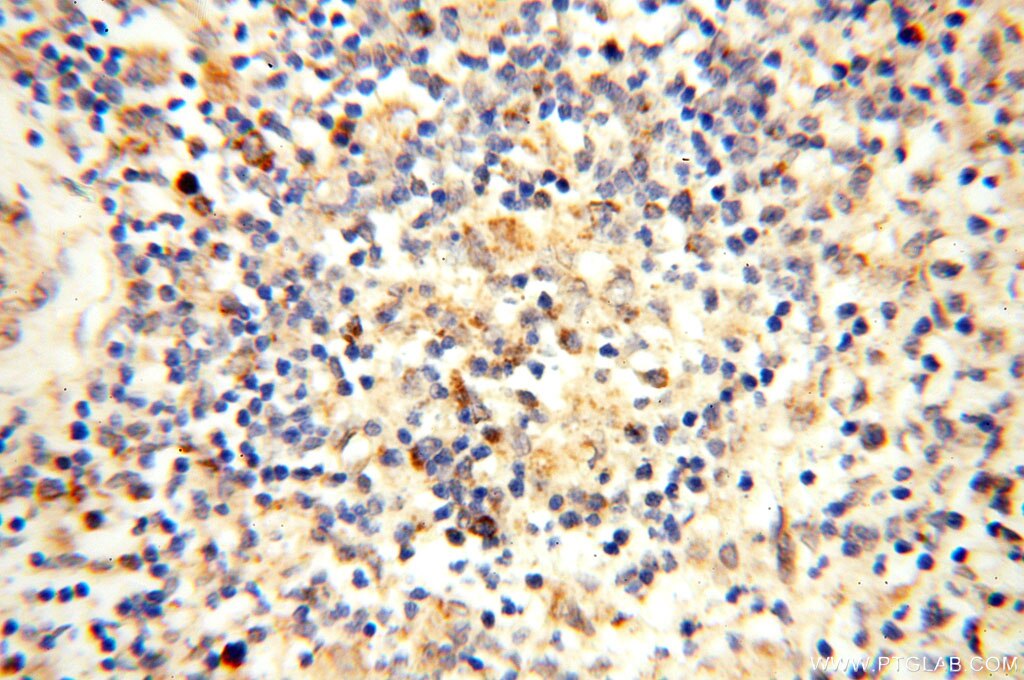
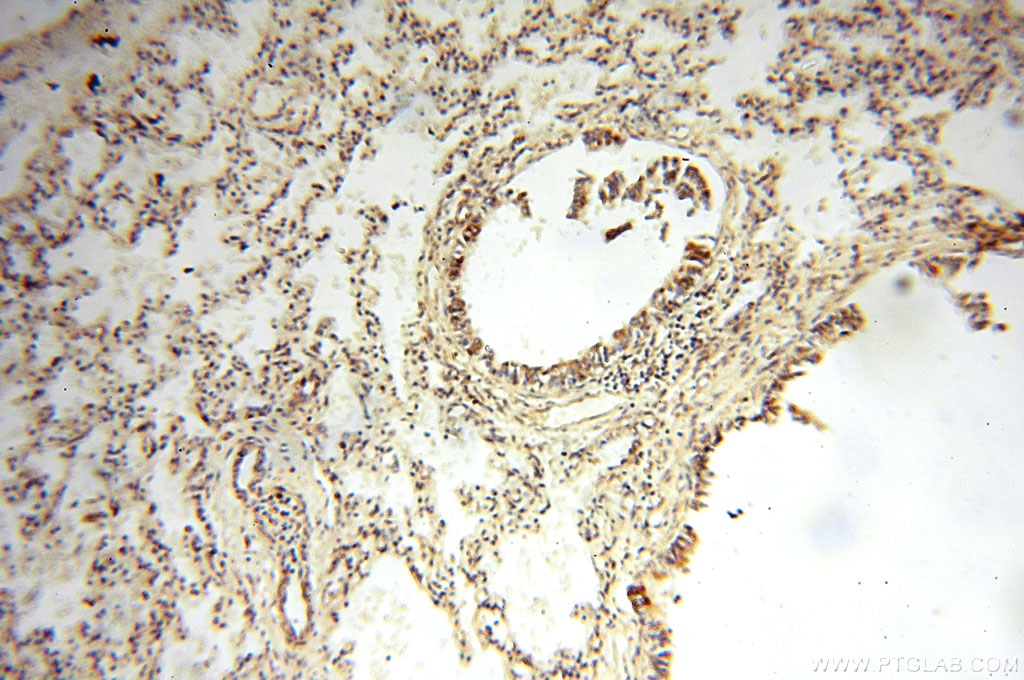
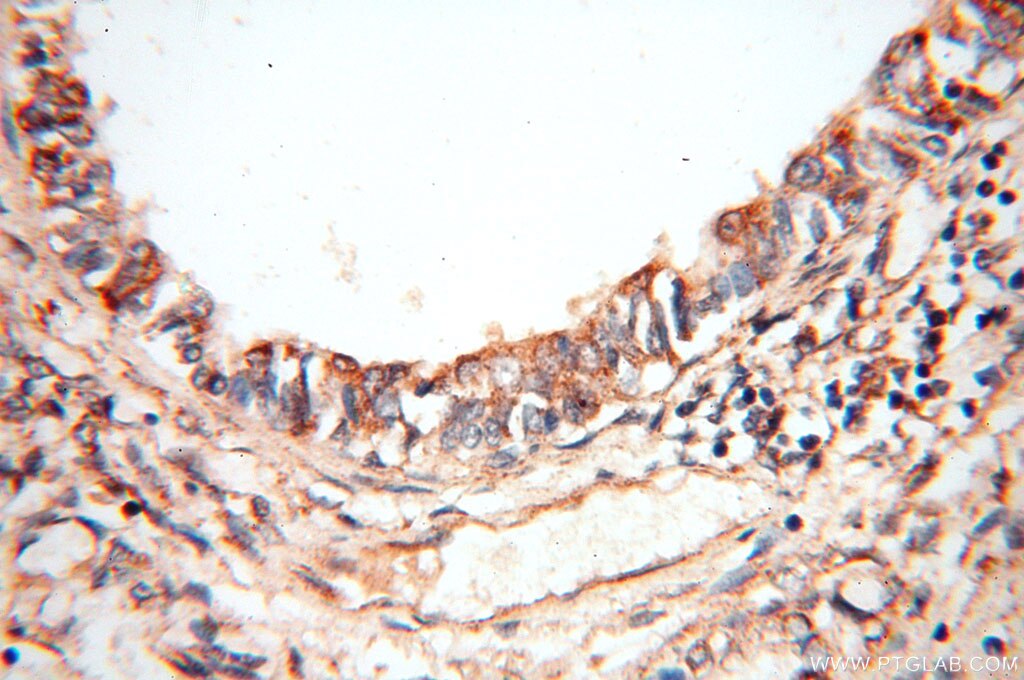
| Positive IHC detected in | mouse colon tissue, human kidney tissue, human lung tissue, human placenta tissue, human spleen tissue, human testis tissue Note: suggested antigen retrieval with TE buffer pH 9.0; (*) Alternatively, antigen retrieval may be performed with citrate buffer pH 6.0 |
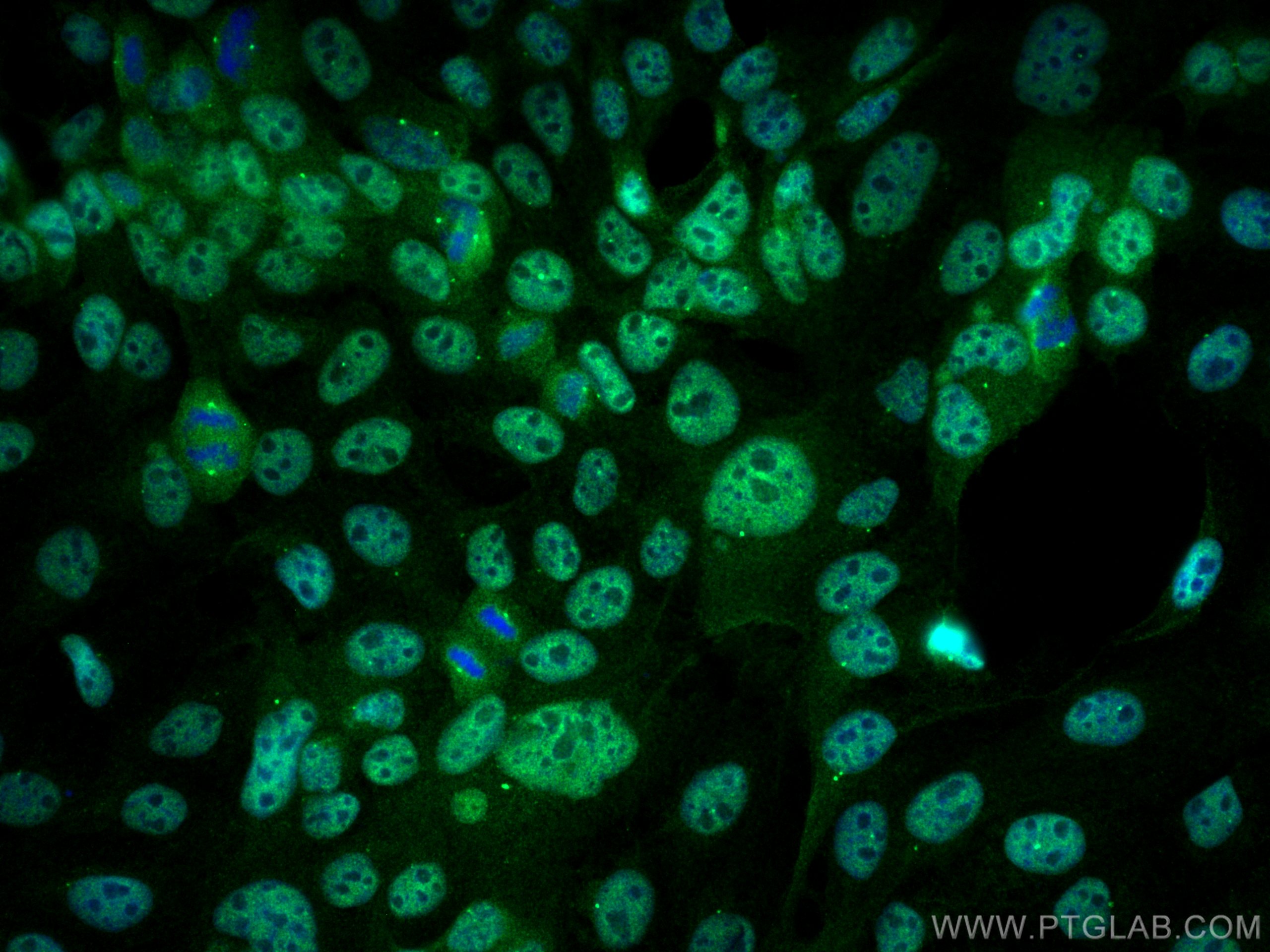
| Positive IF/ICC detected in | A431 cells |
Recommended dilution
| Application | Dilution |
|---|---|
| Western Blot (WB) | WB : 1:500-1:2000 |
| Immunoprecipitation (IP) | IP : 0.5-4.0 ug for 1.0-3.0 mg of total protein lysate |
| Immunohistochemistry (IHC) | IHC : 1:50-1:500 |
| Immunofluorescence (IF)/ICC | IF/ICC : 1:50-1:500 |
| It is recommended that this reagent should be titrated in each testing system to obtain optimal results. | |
| Sample-dependent, Check data in validation data gallery. | |
Product Information
12781-1-AP targets CBLB in WB, IHC, IF/ICC, IP, CoIP, ELISA applications and shows reactivity with human, mouse, rat samples.
| Tested Reactivity | human, mouse, rat |
| Cited Reactivity | human, mouse, rat |
| Host / Isotype | Rabbit / IgG |
| Class | Polyclonal |
| Type | Antibody |
| Immunogen |
CatNo: Ag3491 Product name: Recombinant human CBLB protein Source: e coli.-derived, PGEX-4T Tag: GST Domain: 1-352 aa of BC032851 Sequence: MANSMNGRNPGGRGGNPRKGRILGIIDAIQDAVGPPKQAAADRRTVEKTWKLMDKVVRLCQNPKLQLKNSPPYILDILPDTYQHLRLILSKYDDNQKLAQLSENEYFKIYIDSLMKKSKRAIRLFKEGKERMYEEQSQDRRNLTKLSLIFSHMLAEIKAIFPNGQFQGDNFRITKADAAEFWRKFFGDKTIVPWKVFRQCLHEVHQISSGLEAMALKSTIDLTCNDYISVFEFDIFTRLFQPWGSILRNWNFLAVTHPGYMAFLTYDEVKARLQKYSTKPGSYIFRLSCTRLGQWAIGYVTGDGNILQTIPHNKPLFQALIDGSREGFYLYPDGRSYNPDLTGLCEPTPHDH Predict reactive species |
| Full Name | Cas-Br-M (murine) ecotropic retroviral transforming sequence b |
| Calculated Molecular Weight | 982 aa, 109 kDa |
| Observed Molecular Weight | 110-130 kDa |
| GenBank Accession Number | BC032851 |
| Gene Symbol | CBLB |
| Gene ID (NCBI) | 868 |
| RRID | AB_2275326 |
| Conjugate | Unconjugated |
| Form | Liquid |
| Purification Method | Antigen affinity purification |
| UNIPROT ID | Q13191 |
| Storage Buffer | PBS with 0.02% sodium azide and 50% glycerol, pH 7.3. |
| Storage Conditions | Store at -20°C. Stable for one year after shipment. Aliquoting is unnecessary for -20oC storage. 20ul sizes contain 0.1% BSA. |
Background Information
CBLB(E3 ubiquitin-protein ligase CBL-B) is also named RNF56 and plays a necessary role in preventing the inappropriate activation of NF-B in response to lipopolysaccharide and polymicrobial sepsis. CBLB can be phosphorylated on tyrosine and serine residues upon TCR or BCR activation, and various types of cell stimulation. It also has a crucial role in preventing chronic inflammation and autoimmunity. This protein has 3 isoforms produced by alternative splicing 109, 90, and 86 kDa, and observed molecular weight at 110-130 kDa.
Protocols
| Product Specific Protocols | |
|---|---|
| IF protocol for CBLB antibody 12781-1-AP | Download protocol |
| IHC protocol for CBLB antibody 12781-1-AP | Download protocol |
| IP protocol for CBLB antibody 12781-1-AP | Download protocol |
| WB protocol for CBLB antibody 12781-1-AP | Download protocol |
| Standard Protocols | |
|---|---|
| Click here to view our Standard Protocols |
Publications
What published studies show
The anti-Cbl-b antibody (Cat# 12781-1-AP) has accumulated 20 citations published in journals including Immunity, Nature Immunology, Journal of Experimental Medicine, Science Signaling, Frontiers in Immunology, European Journal of Pharmacology, Biomolecules, Journal of Thrombosis and Haemostasis, Journal of Molecular and Cellular Cardiology, and Journal of Immunology. Associated research fields encompass T cell signaling, ubiquitination, neurobiology, cardiovascular disease, diabetes, muscle atrophy, cancer, and inflammatory responses.
| Species | Application | Title |
|---|---|---|
Immunity TCR signaling promotes formation of an STS1-Cbl-b complex with pH-sensitive phosphatase activity that suppresses T cell function in acidic environments | ||
Nat Immunol Kupffer cell calibration of T cell responses via VSIG4-CD5 interaction promotes tumor evasion. | ||
Anal Chem Ionic Liquid-Based Extraction System for In-Depth Analysis of Membrane Protein Complexes. | ||
Front Immunol Targeting the Cbl-b-Notch1 axis as a novel immunotherapeutic strategy to boost CD8+ T-cell responses
| ||
Sci Signal Ubiquitination and functional modification of GluN2B subunit-containing NMDA receptors by Cbl-b in the spinal cord dorsal horn. |





















