

Tested Applications
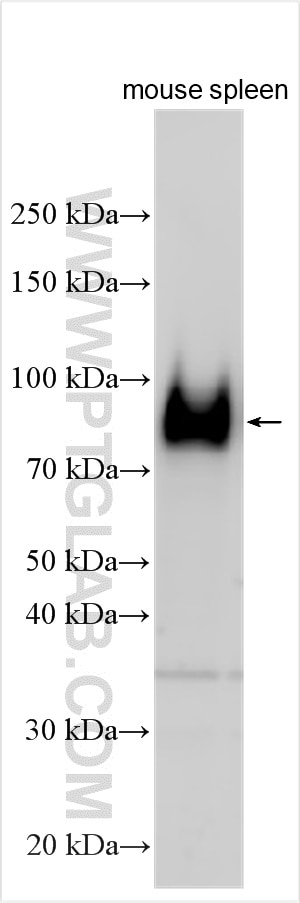
| Positive WB detected in | mouse spleen tissue |
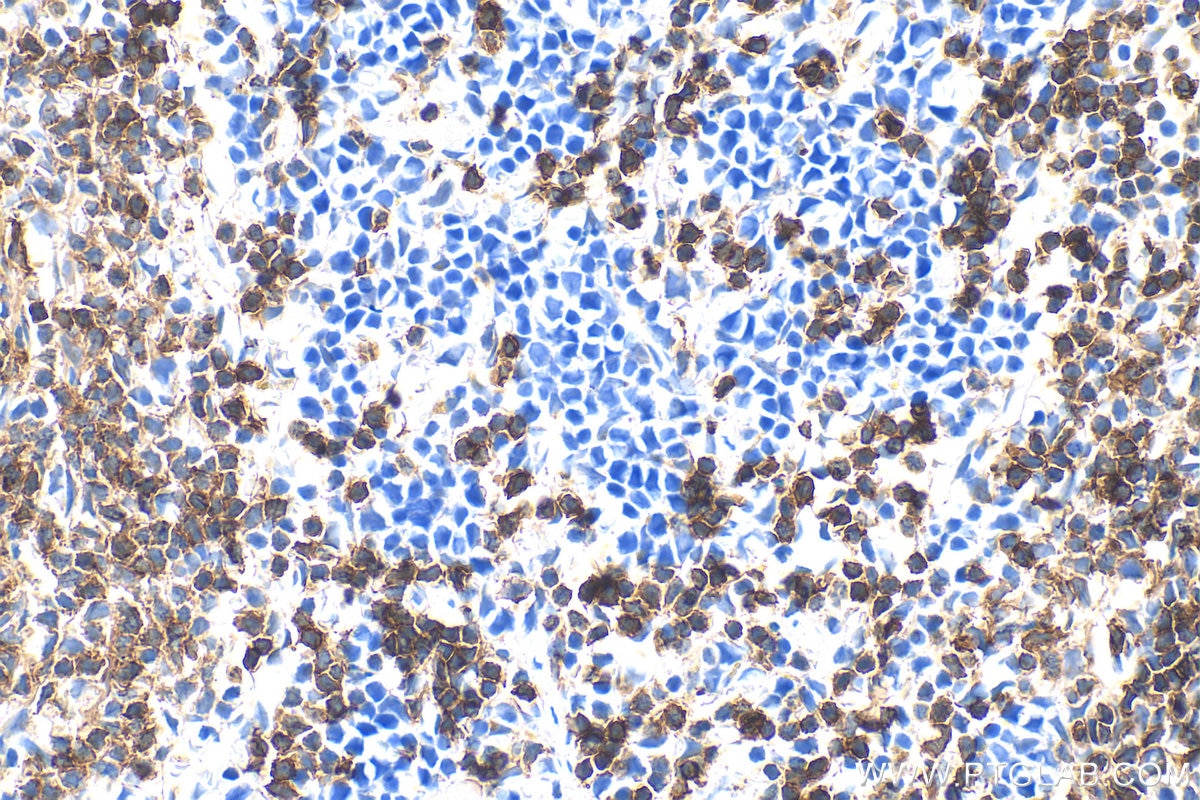
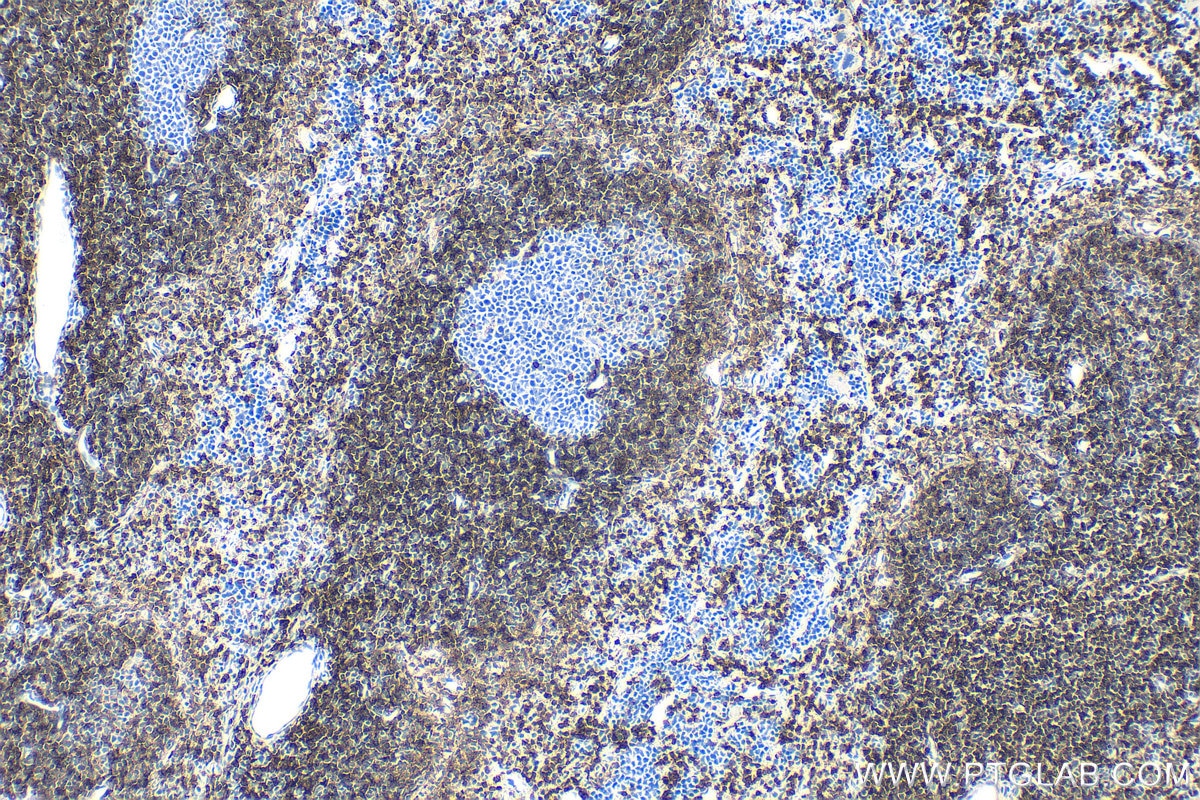
| Positive IHC detected in | mouse spleen tissue Note: suggested antigen retrieval with TE buffer pH 9.0; (*) Alternatively, antigen retrieval may be performed with citrate buffer pH 6.0 |
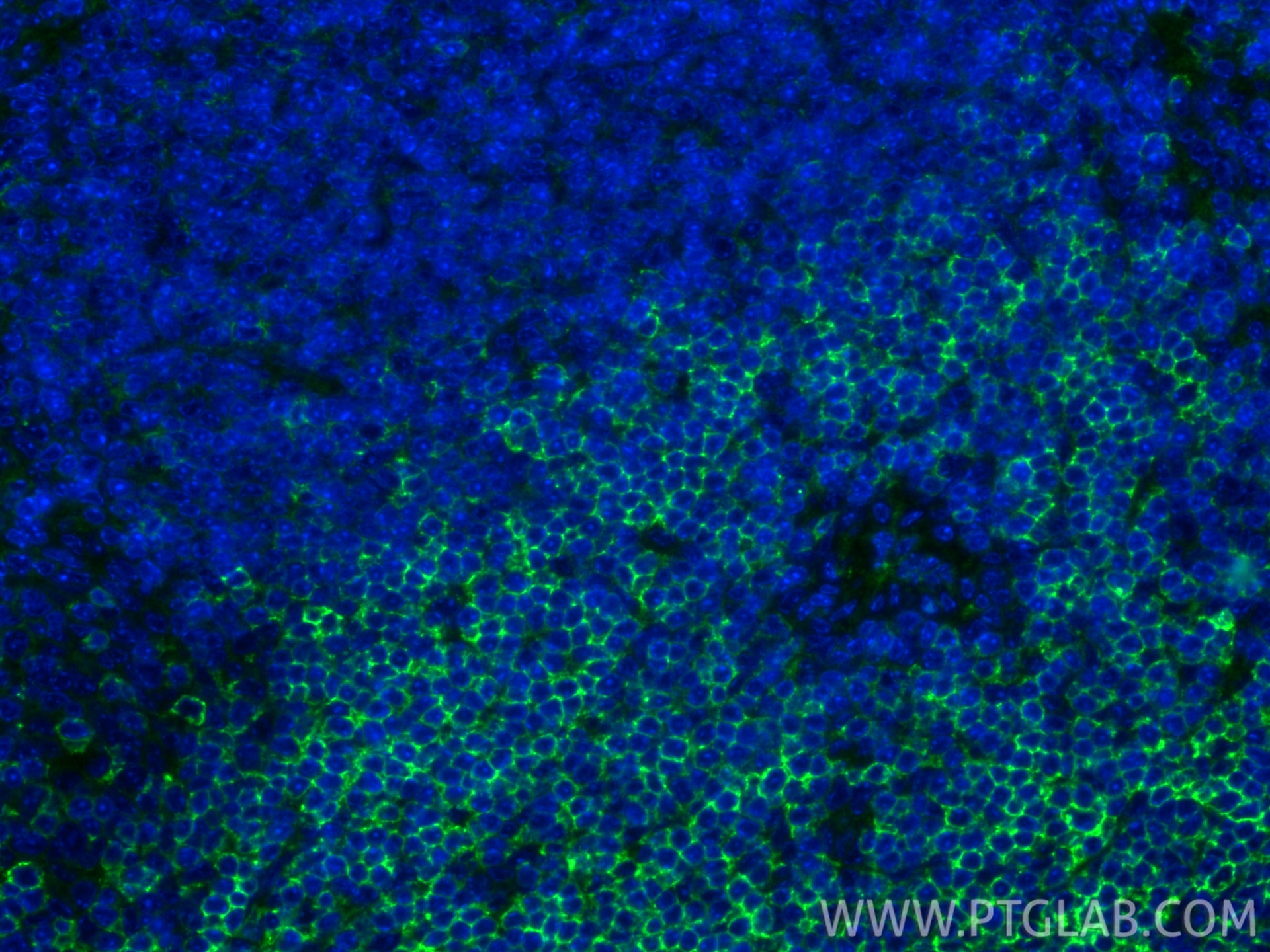
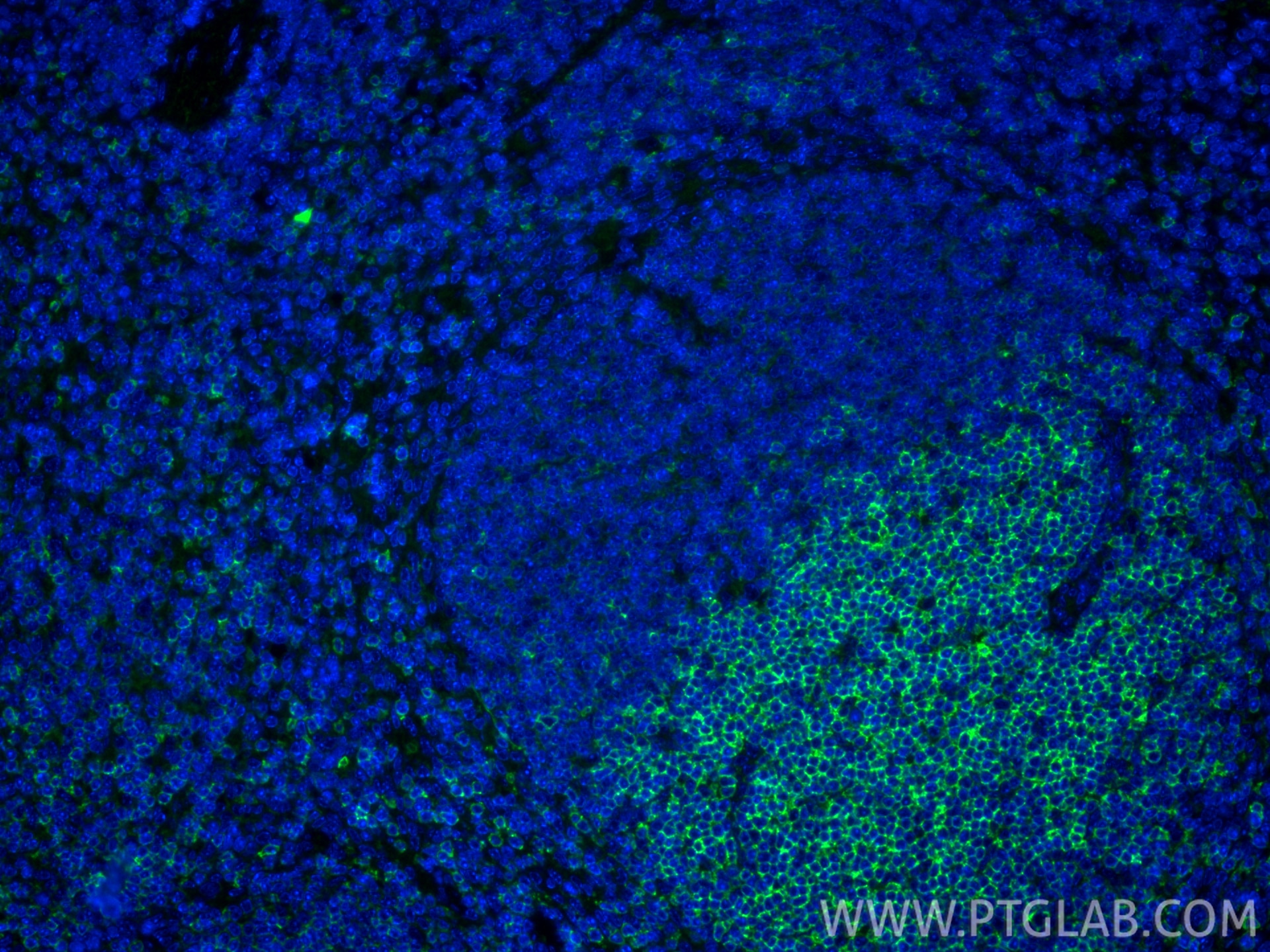
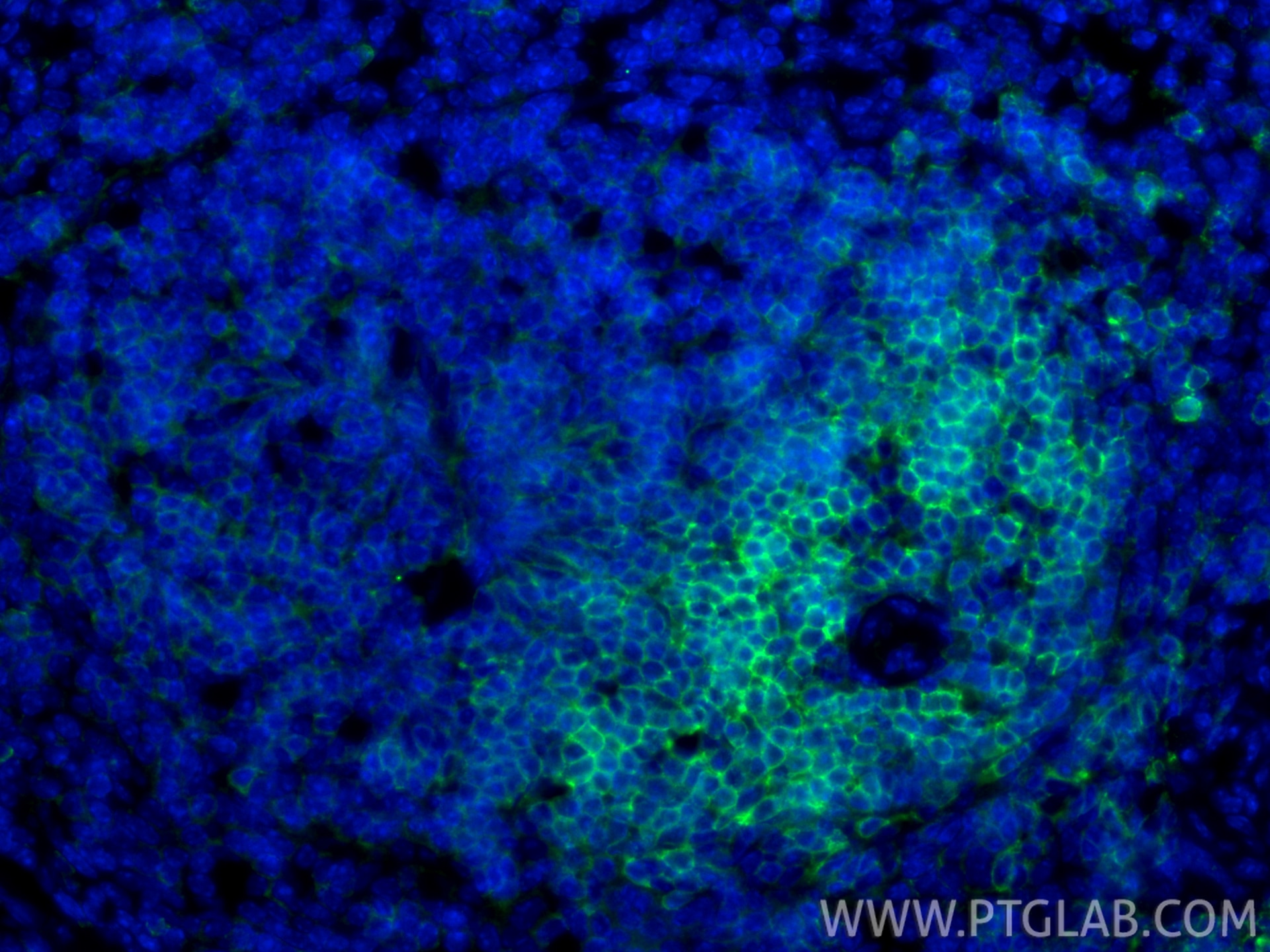
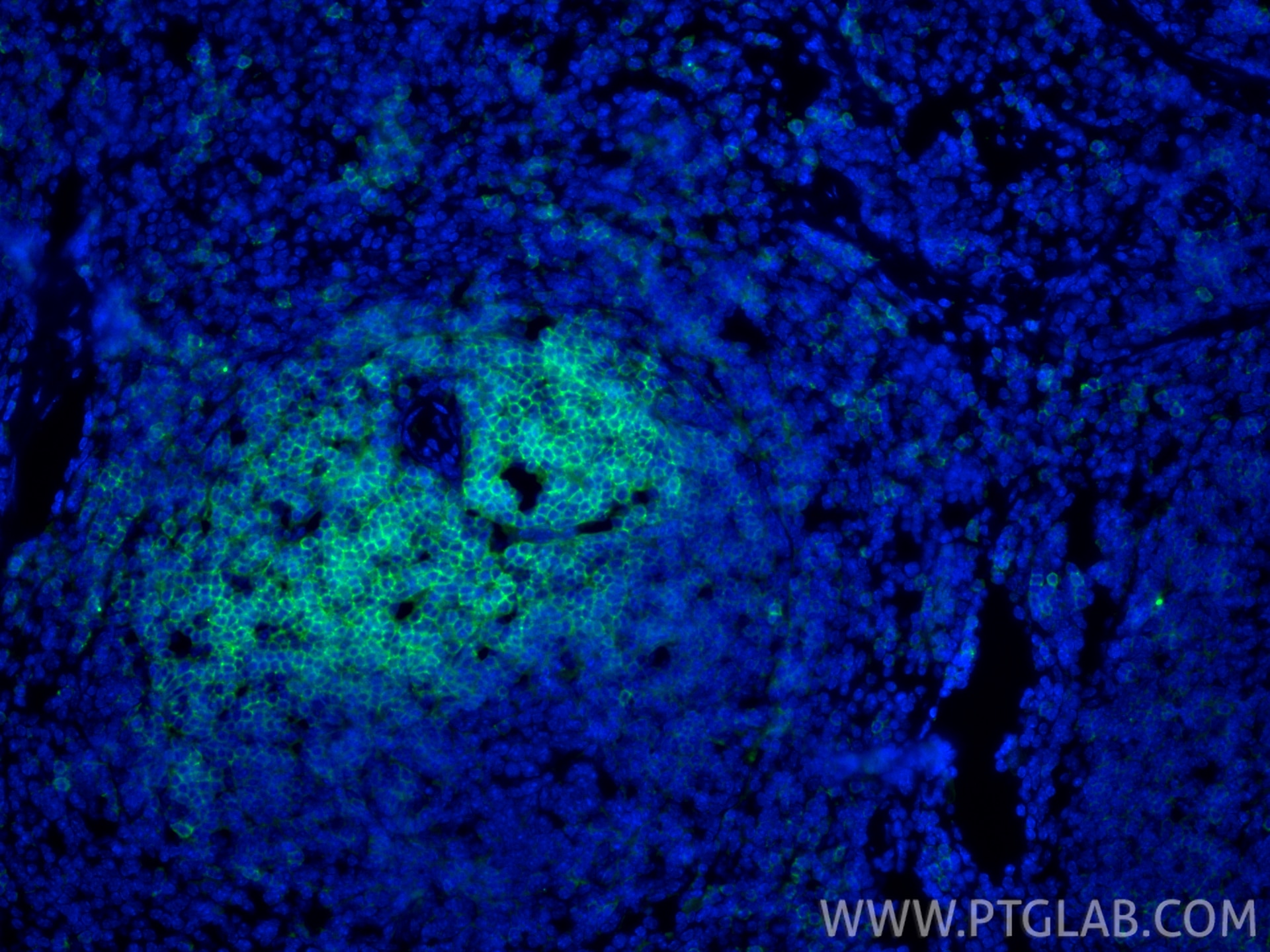
| Positive IF-P detected in | mouse spleen tissue |
| Positive IF-Fro detected in | mouse spleen tissue |
Recommended dilution
| Application | Dilution |
|---|---|
| Western Blot (WB) | WB : 1:500-1:1000 |
| Immunohistochemistry (IHC) | IHC : 1:50-1:500 |
| Immunofluorescence (IF)-P | IF-P : 1:50-1:500 |
| Immunofluorescence (IF)-FRO | IF-FRO : 1:50-1:500 |
| It is recommended that this reagent should be titrated in each testing system to obtain optimal results. | |
| Sample-dependent, Check data in validation data gallery. | |
Product Information
33173-1-AP targets CD62L in WB, IHC, IF-P, IF-Fro, ELISA applications and shows reactivity with mouse samples.
| Tested Reactivity | mouse |
| Cited Reactivity | mouse |
| Host / Isotype | Rabbit / IgG |
| Class | Polyclonal |
| Type | Antibody |
| Immunogen |
CatNo: Eg3845 Product name: Recombinant Mouse CD62L protein (rFc Tag) Source: mammalian cells-derived, pHZ-KIsec-C-rFc Tag: C-rFc Domain: 39-332 aa of NM_011346.2 Sequence: WTYHYSEKPMNWENARKFCKQNYTDLVAIQNKREIEYLENTLPKSPYYYWIGIRKIGKMWTWVGTNKTLTKEAENWGAGEPNNKKSKEDCVEIYIKRERDSGKWNDDACHKRKAALCYTASCQPGSCNGRGECVETINNHTCICDAGYYGPQCQYVVQCEPLEAPELGTMDCIHPLGNFSFQSKCAFNCSEGRELLGTAETQCGASGNWSSPEPICQVVQCEPLEAPELGTMDCIHPLGNFSFQSKCAFNCSEGRELLGTAETQCGASGNWSSPEPICQETNRSFSKIKEGDYN Predict reactive species |
| Full Name | selectin, lymphocyte |
| Calculated Molecular Weight | 42 kDa |
| Observed Molecular Weight | 80-90 kDa |
| GenBank Accession Number | NM_011346.2 |
| Gene Symbol | CD62L |
| Gene ID (NCBI) | 20343 |
| RRID | AB_3742880 |
| Conjugate | Unconjugated |
| Form | Liquid |
| Purification Method | Antigen affinity Purification |
| UNIPROT ID | P18337 |
| Storage Buffer | PBS with 0.02% sodium azide and 50% glycerol, pH 7.3. |
| Storage Conditions | Store at -20°C. Stable for one year after shipment. Aliquoting is unnecessary for -20oC storage. 20ul sizes contain 0.1% BSA. |
Background Information
CD62L, also known as L-selectin or SELL, is a member of the selectin family of adhesion molecules that also include CD62E (E-selectin) and CD62P (P-selectin) (PMID: 2663882, 2473156, 1382078). CD62L is a highly glycosylated protein expressed on the surface of most leukocytes, including lymphocytes, neutrophils, monocytes, eosinophils, hematopoietic progenitor cells, and immature thymocytes (PMID: 1694883, 1688580). It mediates the binding of lymphocytes to high endothelial venules (HEV) of peripheral lymph nodes through interactions with a constitutively expressed ligand, and is also involved in lymphocyte, neutrophil, and monocyte attachment to endothelium at sites of inflammation (PMID: 1382078).
Protocols
| Product Specific Protocols | |
|---|---|
| IF protocol for CD62L antibody 33173-1-AP | Download protocol |
| IHC protocol for CD62L antibody 33173-1-AP | Download protocol |
| WB protocol for CD62L antibody 33173-1-AP | Download protocol |
| Standard Protocols | |
|---|---|
| Click here to view our Standard Protocols |
Publications
What published studies show
The CD62L Polyclonal antibody (Cat# 33173-1-AP) has 1 total citation. It appears in ACS Nano (Impact Factor 17.3), published in 2026. The cited study investigates how charge-adaptive nanoparticles attenuate inflammation by targeting neutrophil extracellular traps (NETs) and disrupting NET-macrophage crosstalk in mouse models, using WB and IF applications. The research falls within the fields of nanomedicine, inflammatory biology, and immune cell interactions.
| Species | Application | Title |
|---|---|---|
ACS Nano Charge-Adaptive Nanoparticle Attenuates Inflammation via Targeting Neutrophil Extracellular Traps (NETs) and Breaking NETs-Macrophage Crosstalk. |








