
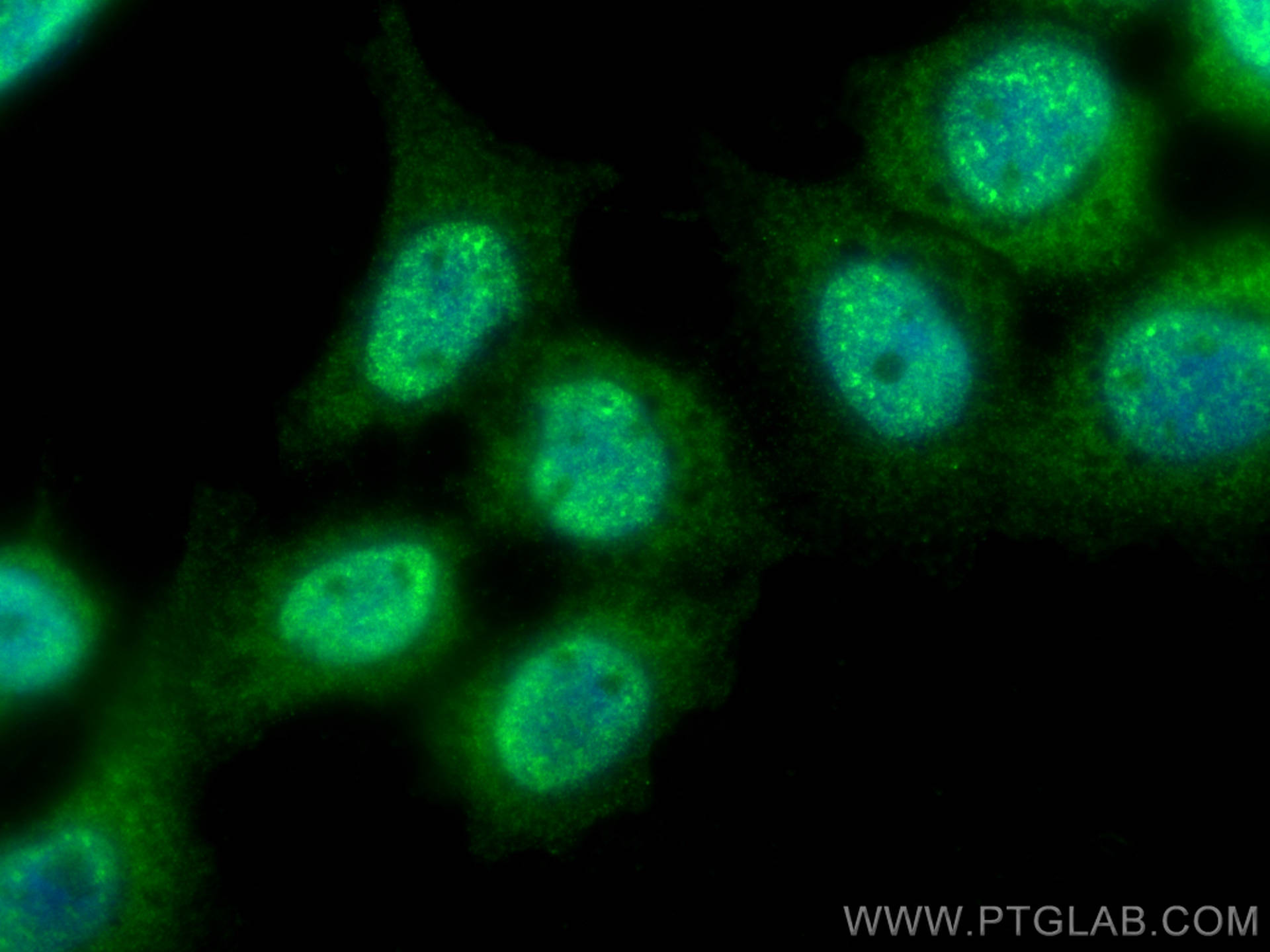

Tested Applications
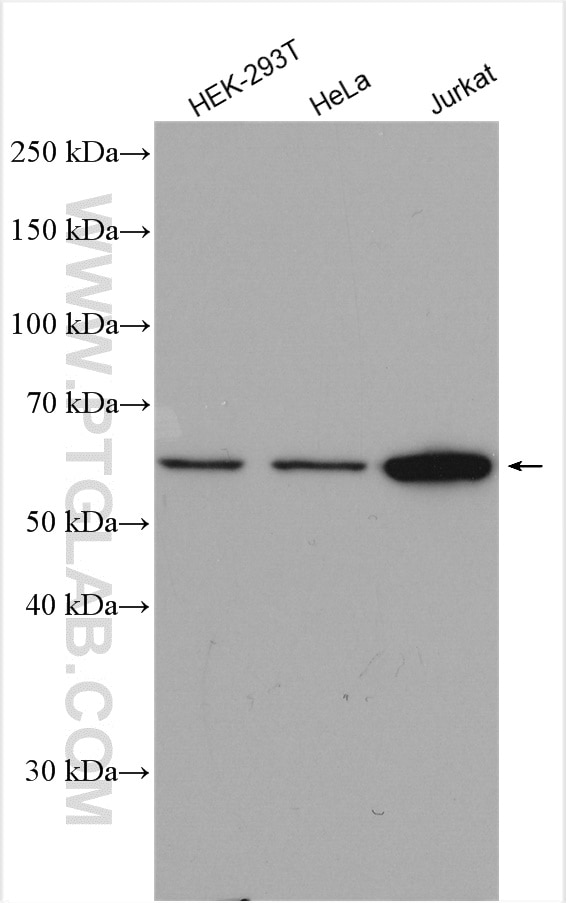
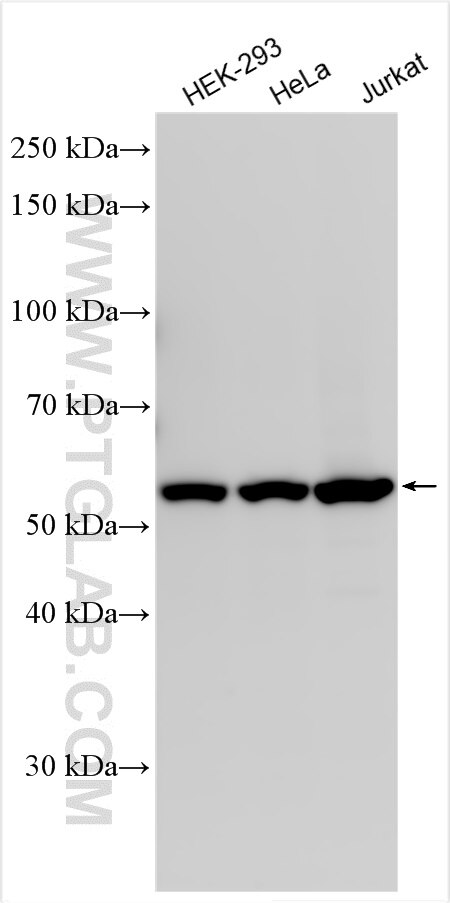
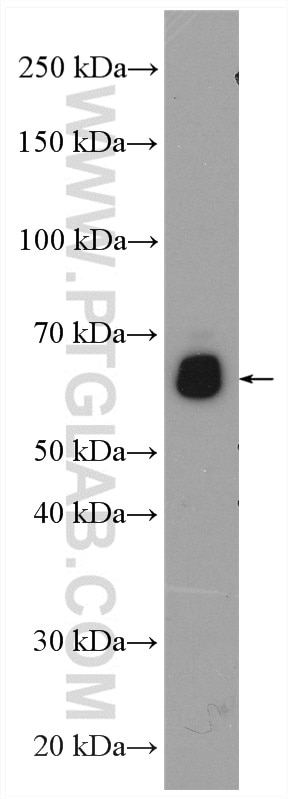
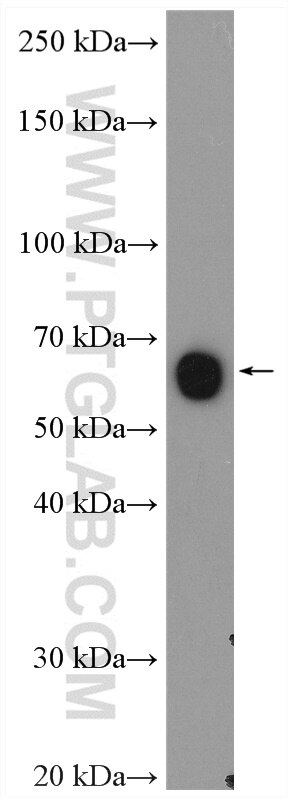
| Positive WB detected in | HEK-293 cells, HEK-293T cells, mouse spinal cord tissue, rat spinal cord tissue, HeLa cells, Jurkat cells |
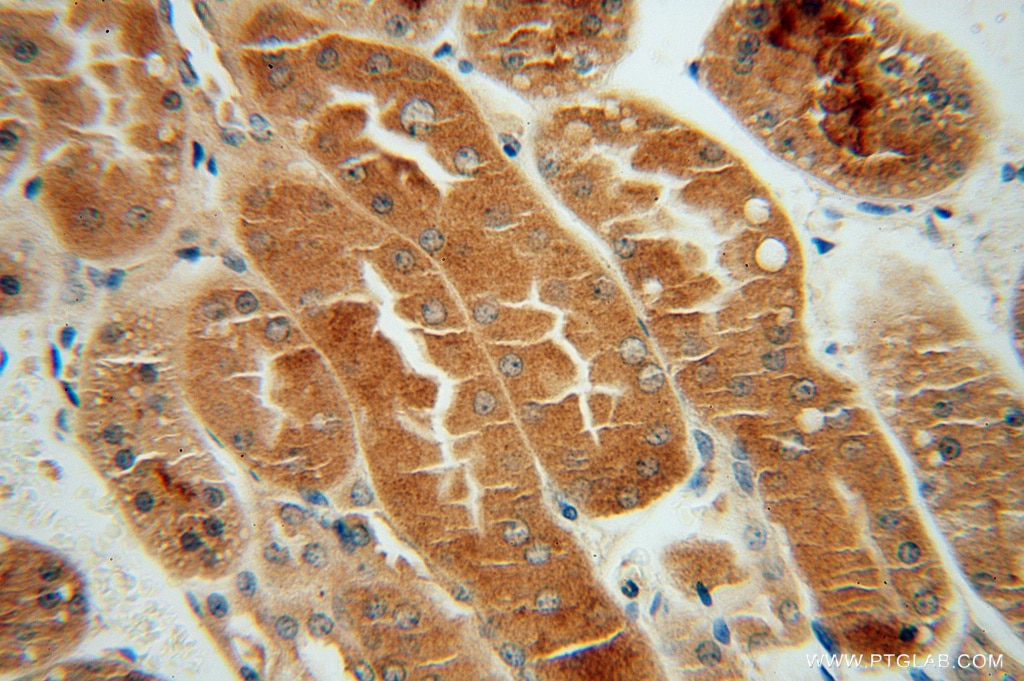
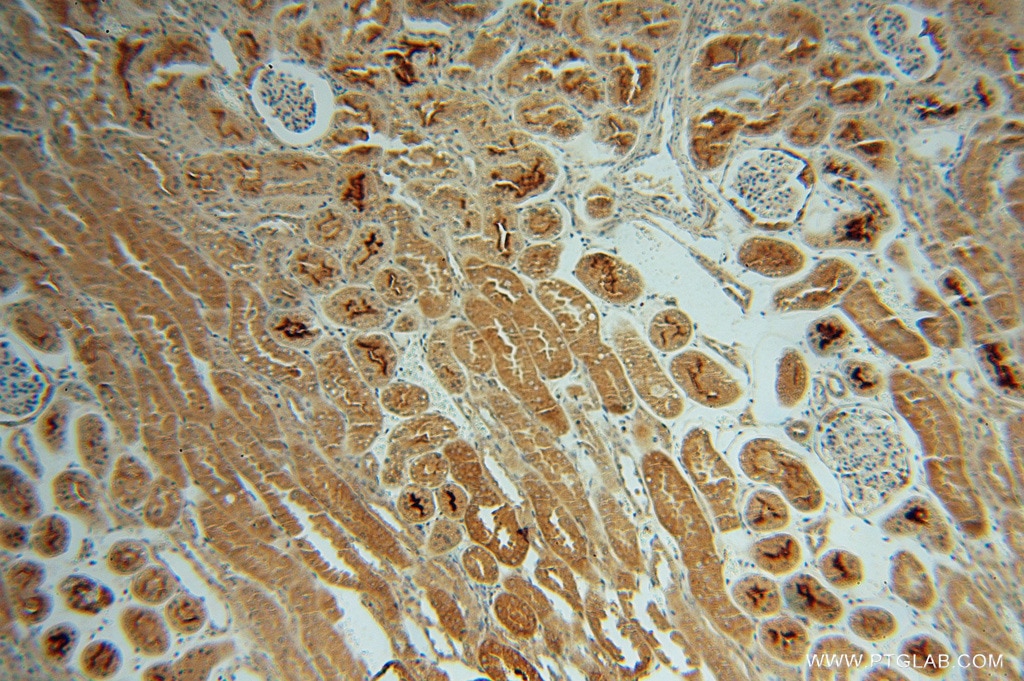
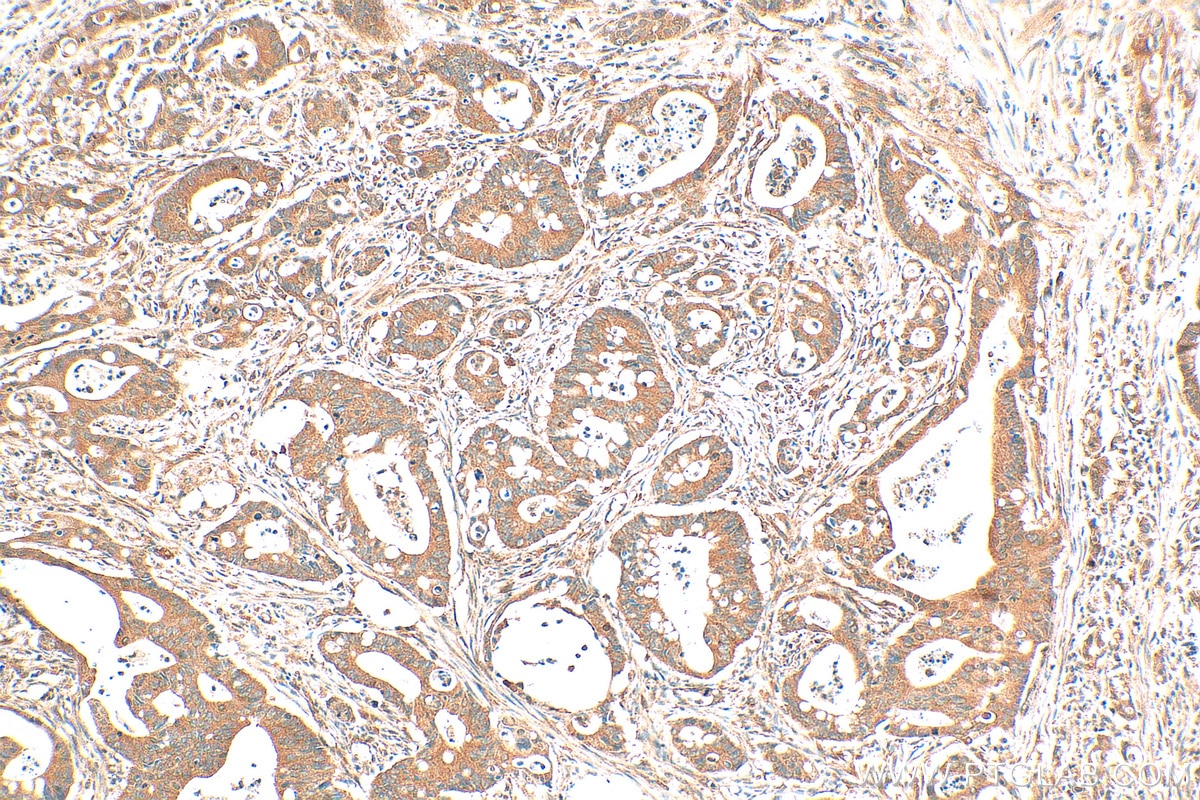
| Positive IHC detected in | human kidney tissue, human colon cancer tissue Note: suggested antigen retrieval with TE buffer pH 9.0; (*) Alternatively, antigen retrieval may be performed with citrate buffer pH 6.0 |
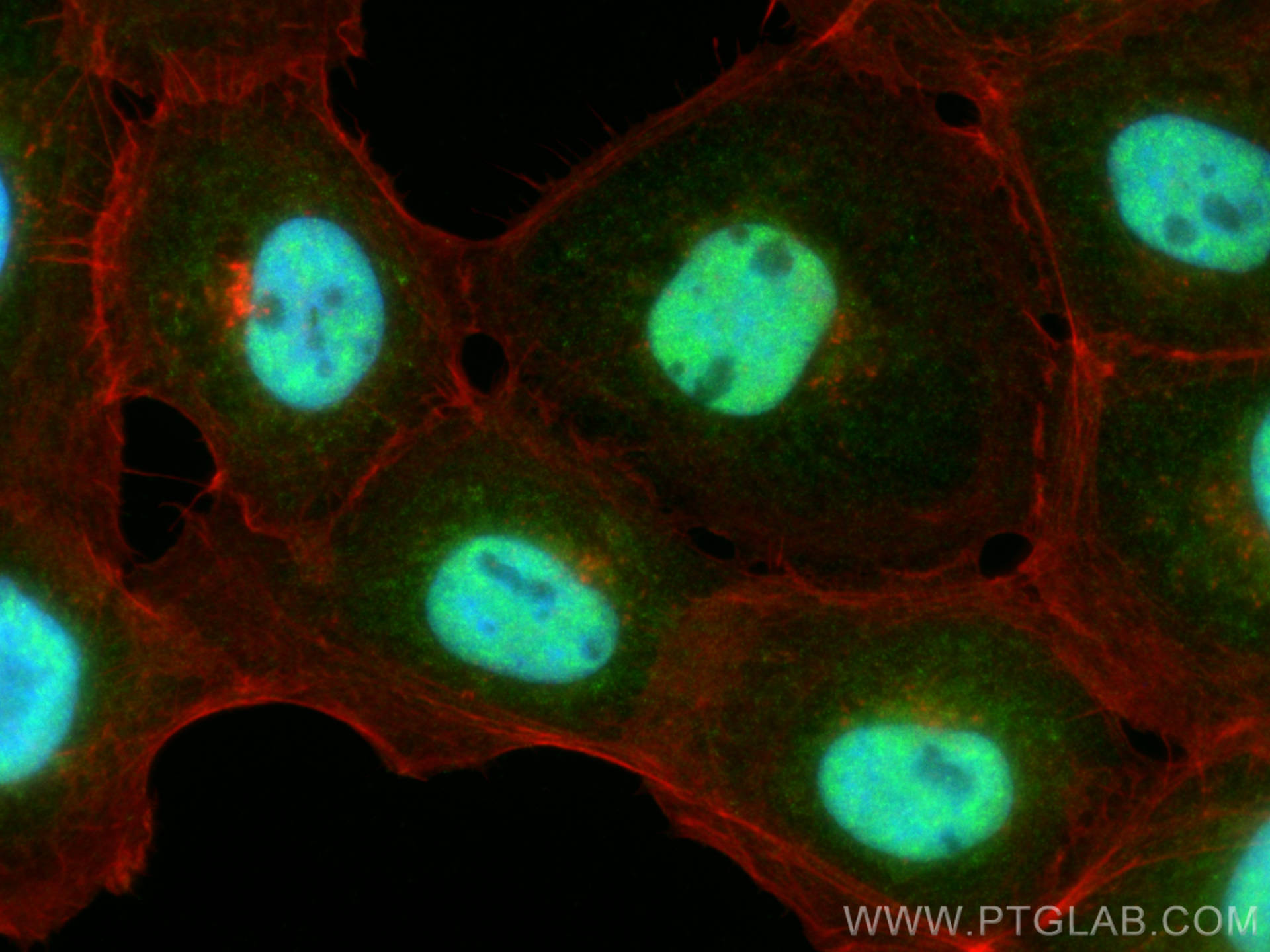
| Positive IF/ICC detected in | A431 cells |
Recommended dilution
| Application | Dilution |
|---|---|
| Western Blot (WB) | WB : 1:2000-1:16000 |
| Immunohistochemistry (IHC) | IHC : 1:50-1:500 |
| Immunofluorescence (IF)/ICC | IF/ICC : 1:200-1:800 |
| It is recommended that this reagent should be titrated in each testing system to obtain optimal results. | |
| Sample-dependent, Check data in validation data gallery. | |
Product Information
16424-1-AP targets CHMP7 in WB, IHC, IF/ICC, IP, CoIP, ELISA applications and shows reactivity with human, mouse, rat samples.
| Tested Reactivity | human, mouse, rat |
| Cited Reactivity | human, mouse, pig |
| Host / Isotype | Rabbit / IgG |
| Class | Polyclonal |
| Type | Antibody |
| Immunogen |
CatNo: Ag9625 Product name: Recombinant human CHMP7 protein Source: e coli.-derived, PGEX-4T Tag: GST Domain: 103-453 aa of BC019110 Sequence: ELQRESDFMASVDSSWISWGVGVFLLKPLKWTLSNMLGDNKVPAEEVLVAVELLKEKAEEVYRLYQNSPLSSHPVVALSELSTLCANSCPDERTFYLVLLQLQKEKRVTVLEQNGEKIVKFARGPRAKVSPVNDVDVGVYQLMQSEQLLSRKVESLSQEAERCKEEARRACRAGKKQLALRSLKAKQRTEKRIEALHAKLDTVQGILDRIYASQTDQMVFNAYQAGVGALKLSMKDVTVEKAESLVDQIQELCDTQDEVSQTLAGGVTNGLDFDSEELEKELDILLQDTTKEPLDLPDNPRNRHFTNSVPNPRISDAELEAELEKLSLSEGGLVPSSKSPKRQLEPTLKPL Predict reactive species |
| Full Name | CHMP family, member 7 |
| Calculated Molecular Weight | 453 aa, 51 kDa |
| Observed Molecular Weight | 51-55 kDa |
| GenBank Accession Number | BC019110 |
| Gene Symbol | CHMP7 |
| Gene ID (NCBI) | 91782 |
| RRID | AB_2079500 |
| Conjugate | Unconjugated |
| Form | Liquid |
| Purification Method | Antigen affinity purification |
| UNIPROT ID | Q8WUX9 |
| Storage Buffer | PBS with 0.02% sodium azide and 50% glycerol, pH 7.3. |
| Storage Conditions | Store at -20°C. Stable for one year after shipment. Aliquoting is unnecessary for -20oC storage. 20ul sizes contain 0.1% BSA. |
Protocols
| Product Specific Protocols | |
|---|---|
| IF protocol for CHMP7 antibody 16424-1-AP | Download protocol |
| IHC protocol for CHMP7 antibody 16424-1-AP | Download protocol |
| WB protocol for CHMP7 antibody 16424-1-AP | Download protocol |
| Standard Protocols | |
|---|---|
| Click here to view our Standard Protocols |
Publications
What published studies show
The CHMP7 antibody (Cat# 16424-1-AP) has 23 citations spanning journals including Science, Cell, Nature Cell Biology, Nature Communications, Neuron, Molecular Cell, Developmental Cell, Current Biology, eLife, Autophagy, PLoS Pathogens, Journal of Cell Biology, Frontiers in Immunology, Nucleus, Cells, Neurobiology of Disease, Frontiers in Cell and Developmental Biology, World Journal of Gastrointestinal Oncology, Nature Structural & Molecular Biology, and bioRxiv. Research fields cover nuclear envelope reformation and repair, ESCRT-III dynamics, genome stability, autophagy, ALS/neurodegeneration, cancer, and viral infection.
| Species | Application | Title |
|---|---|---|
Science A p62-dependent rheostat dictates micronuclei catastrophe and chromosome rearrangements | ||
Cell TEX264 drives selective autophagy of DNA lesions to promote DNA repair and cell survival | ||
Nat Cell Biol Unrestrained ESCRT-III drives micronuclear catastrophe and chromosome fragmentation.
| ||
Autophagy Classical swine fever virus hijacks ESCRT-III and VPS4A to promote phagophore closure for accelerating mitophagy. | ||
Nat Commun LRRC59 cooperates with nuclear transporters to restrain the nuclear envelope repair machinery and safeguard genome integrity. | ||
Neuron Inhibition of RNA splicing triggers CHMP7 nuclear entry, impacting TDP-43 function and leading to the onset of ALS cellular phenotypes |
Reviews
What customers say
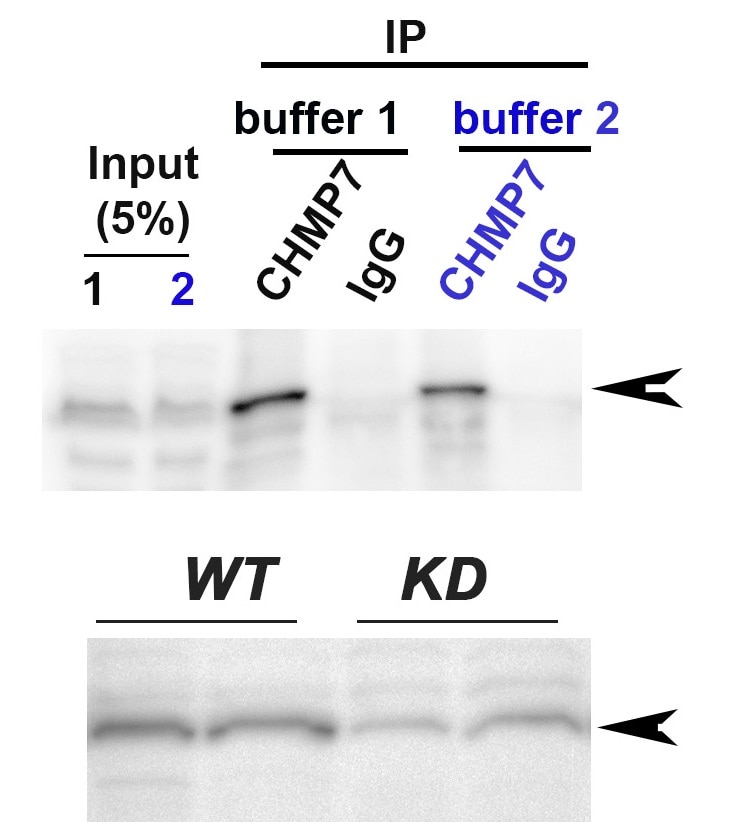
The single review for this product is highly positive (5/5). The reviewer used it for both immunoprecipitation and Western blot, reporting excellent performance for IP of endogenous protein from mouse tissue (2 µg antibody for less than 2 mg total protein) and successful WB results. The application was on mouse embryonic tissue at a 1:1000 dilution. Overall, the feedback highlights strong and reliable performance for both IP and WB applications.
The reviews below have been submitted by verified Proteintech customers who received an incentive for providing their feedback.
Viviana (Verified Customer) (06-01-2022) | Very good to IP endogenous protein from mouse tissue (2 ug for less than 2mg of total protein tested) and also for western blot.
 |










