

Product Information
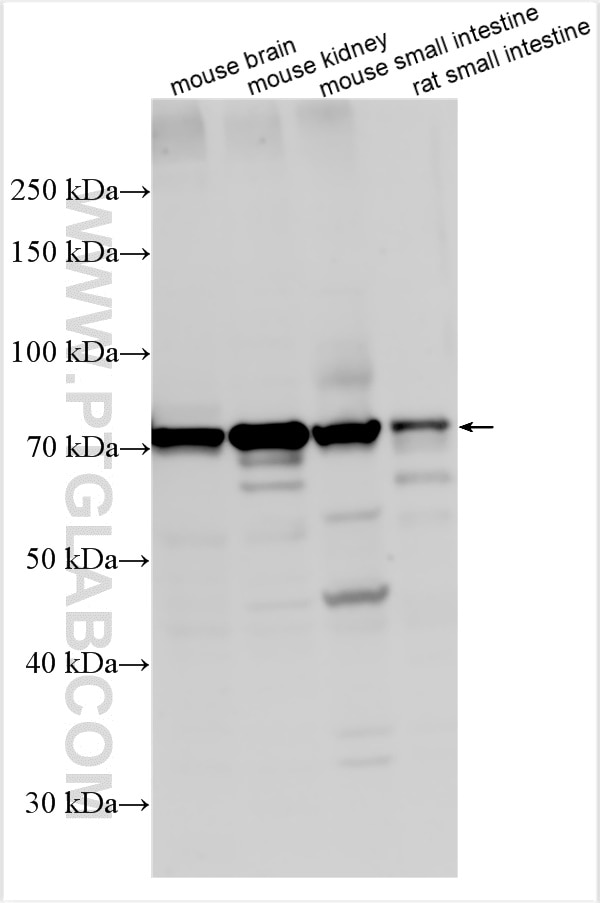
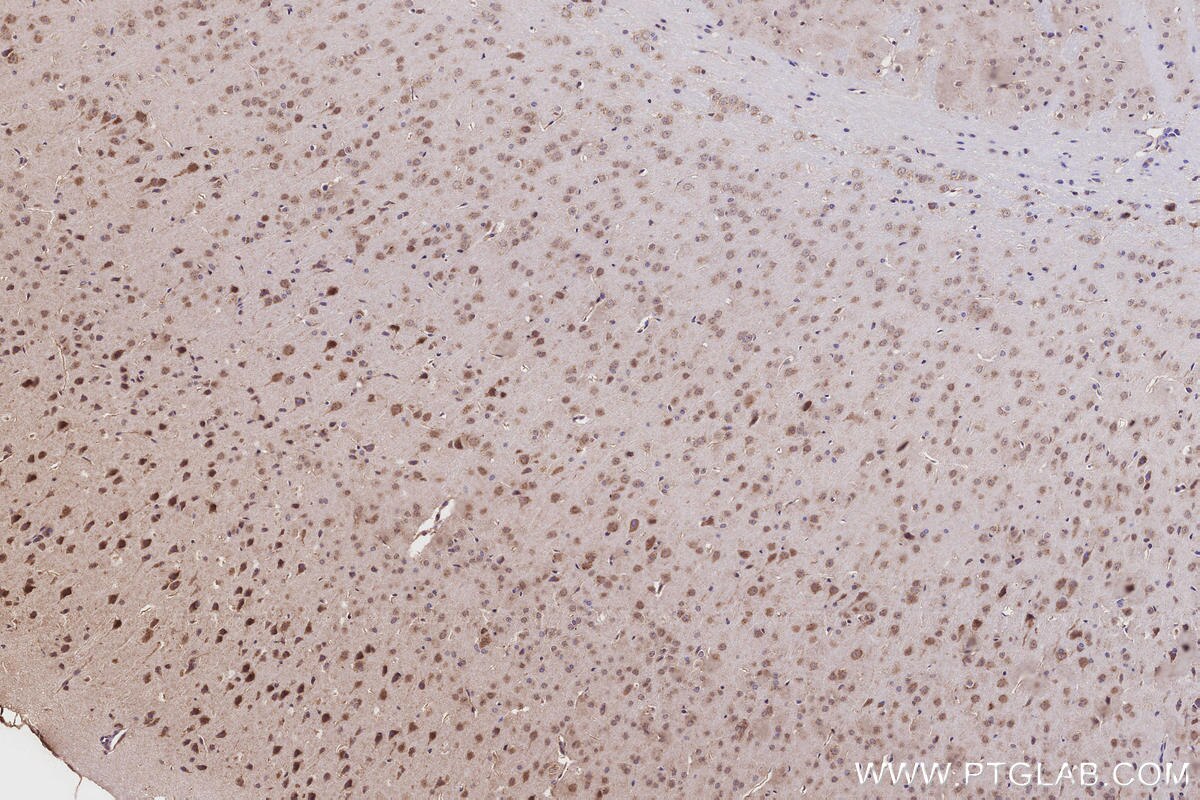
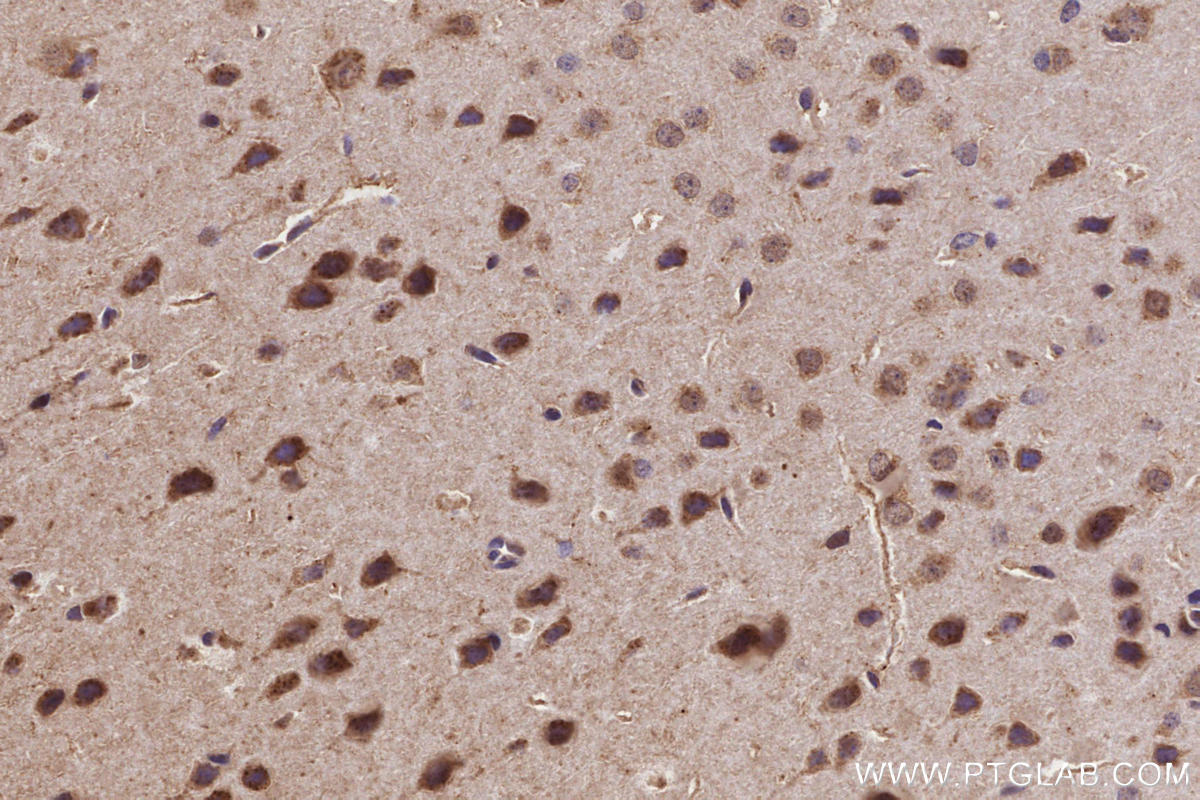
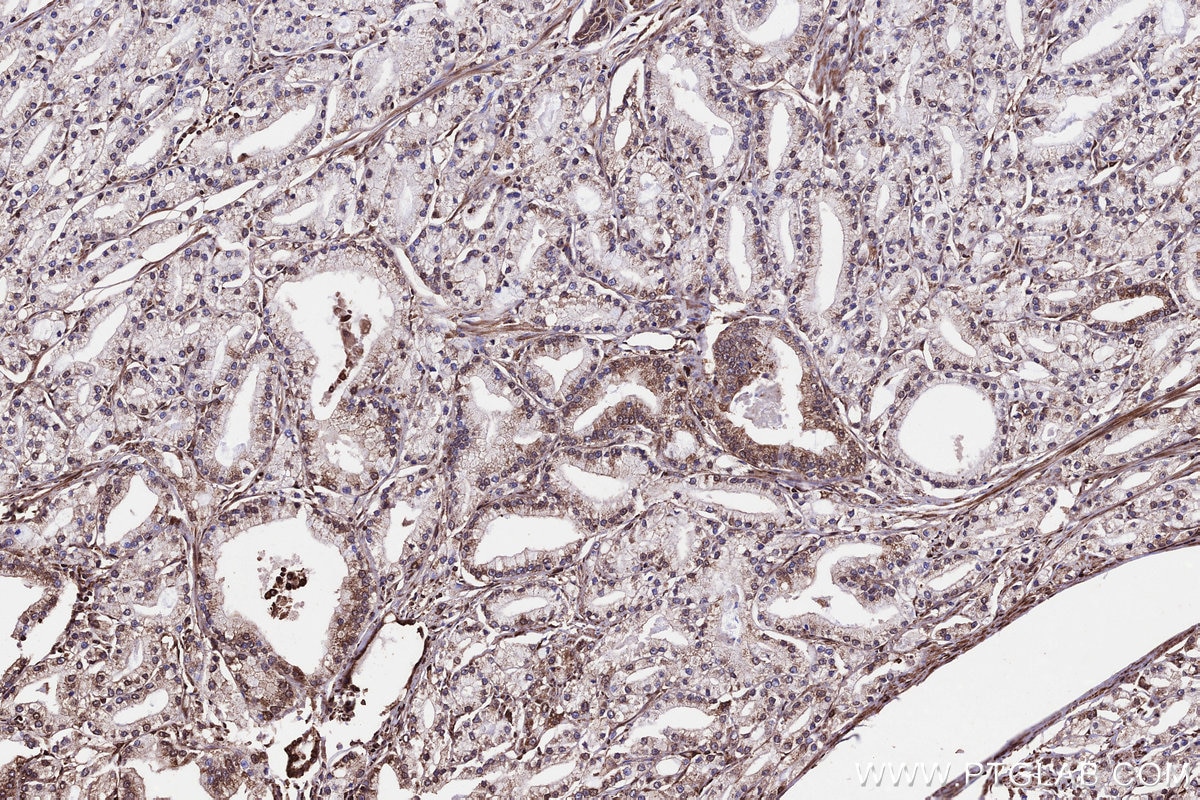
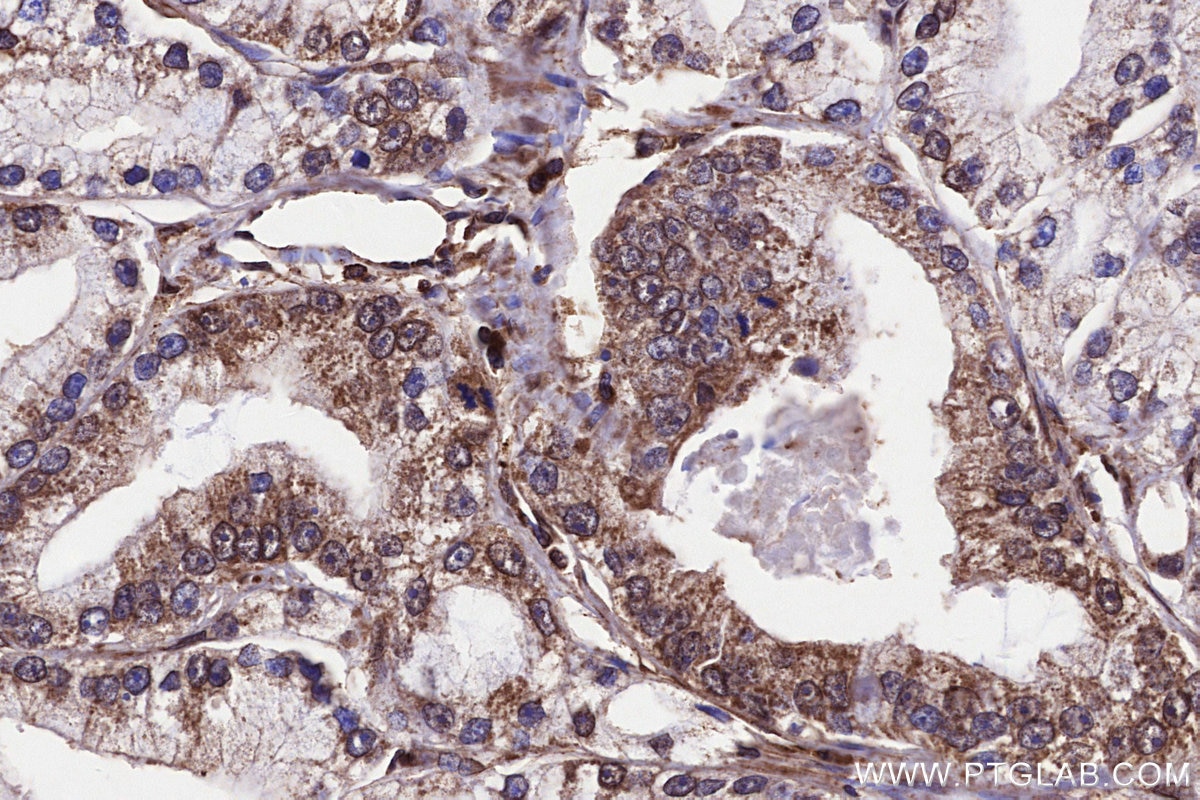
29230-1-PBS targets CLCN7 in WB, IHC, Indirect ELISA applications and shows reactivity with human, mouse, rat samples.
| Tested Reactivity | human, mouse, rat |
| Host / Isotype | Rabbit / IgG |
| Class | Polyclonal |
| Type | Antibody |
| Immunogen |
CatNo: Ag29882 Product name: Recombinant human CLCN7 protein Source: e coli.-derived, PET28a Tag: 6*His Domain: 1-126 aa of BC012737 Sequence: MANVSKKVSWSGRDRDDEEAAPLLRRTARPGGGTPLLNGAGPGAARQSPRSALFRVGHMSSVELDDELLDPDMDPPHPFPKEIPHNEKLLSLKYESLDYDNSENQLFLEEERRINHTAFRTVEIKR Predict reactive species |
| Full Name | chloride channel 7 |
| Calculated Molecular Weight | 805 aa, 89 kDa |
| Observed Molecular Weight | 70 kDa |
| GenBank Accession Number | BC012737 |
| Gene Symbol | CLCN7 |
| Gene ID (NCBI) | 1186 |
| RRID | AB_3669678 |
| Conjugate | Unconjugated |
| Form | Liquid |
| Purification Method | Antigen affinity purification |
| UNIPROT ID | P51798 |
| Storage Buffer | PBS only, pH 7.3. |
| Storage Conditions | Store at -80°C. |
Background Information
The intracellular CLC chloride channel family members ClC-3, ClC-4, and ClC-5 have been proposed as the primary endosomal chloride conductance providers. ClC-7 is expressed in late endosomes and lysosomes, but there is disagreement in the literature regarding its contribution to acidification. More recently, the cystic fibrosis (CF) transmembrane conductance regulator chloride channel (CFTR) was proposed as the specific counter-ion conductance necessary for lysosomal acidification in alveolar macrophages. (PMID: 20566682)






