

Product Information
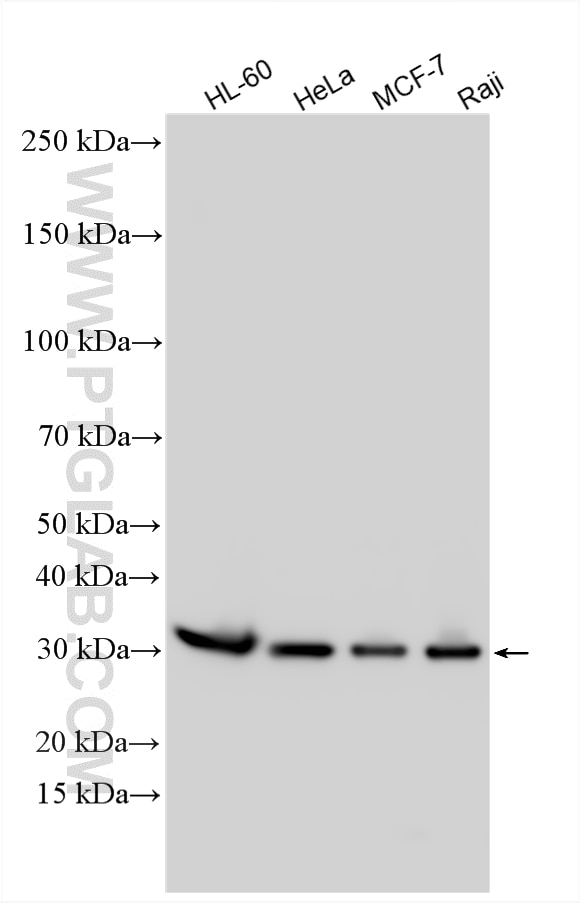
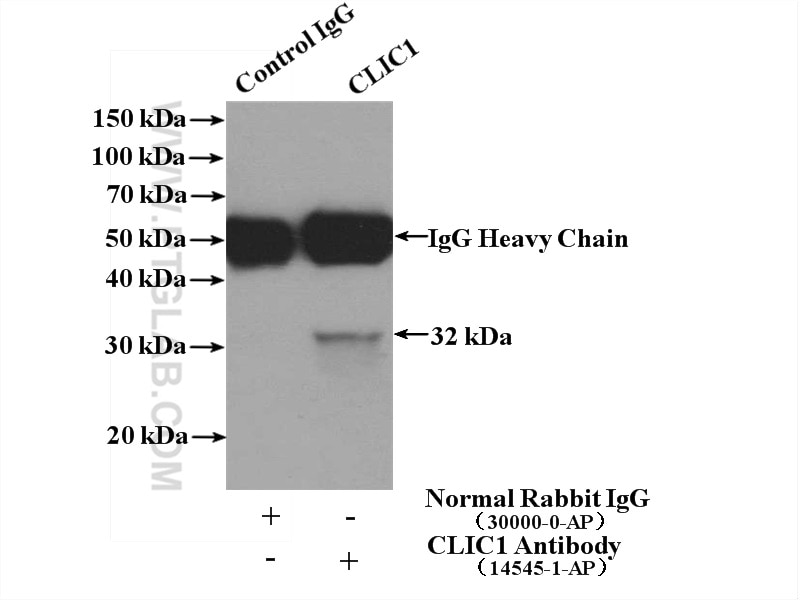
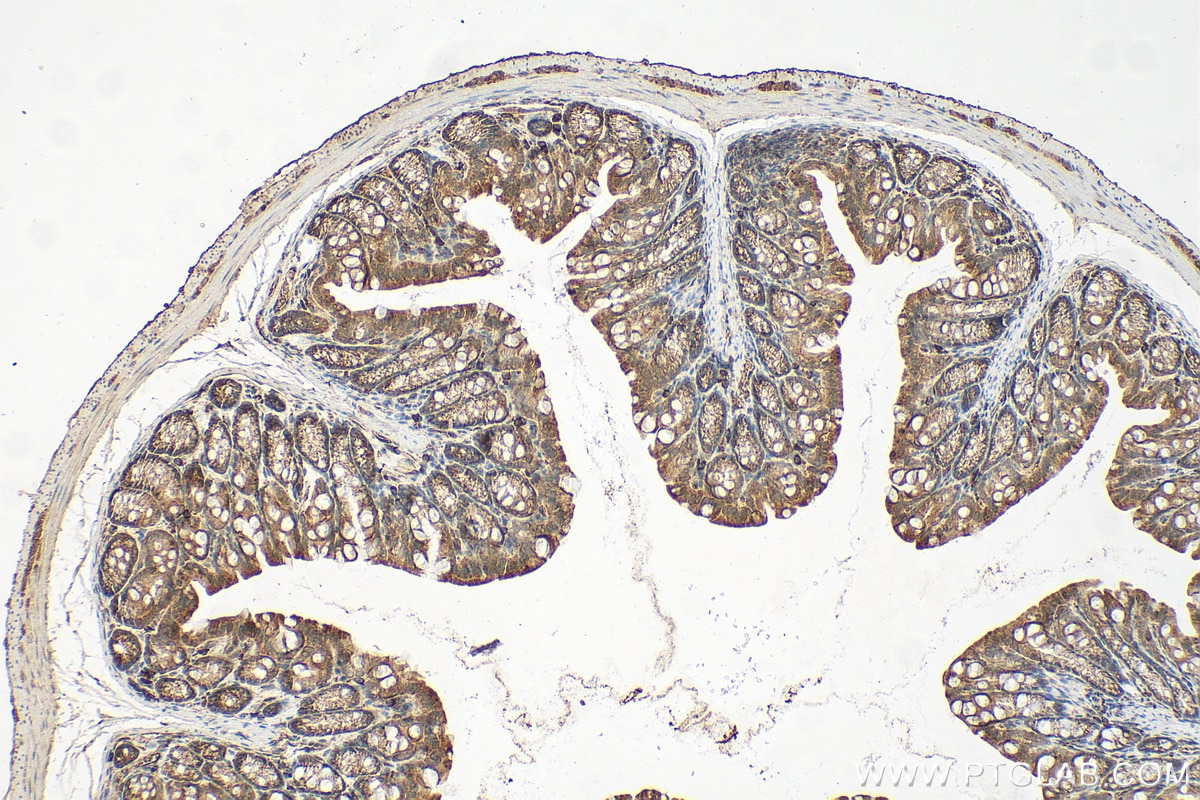
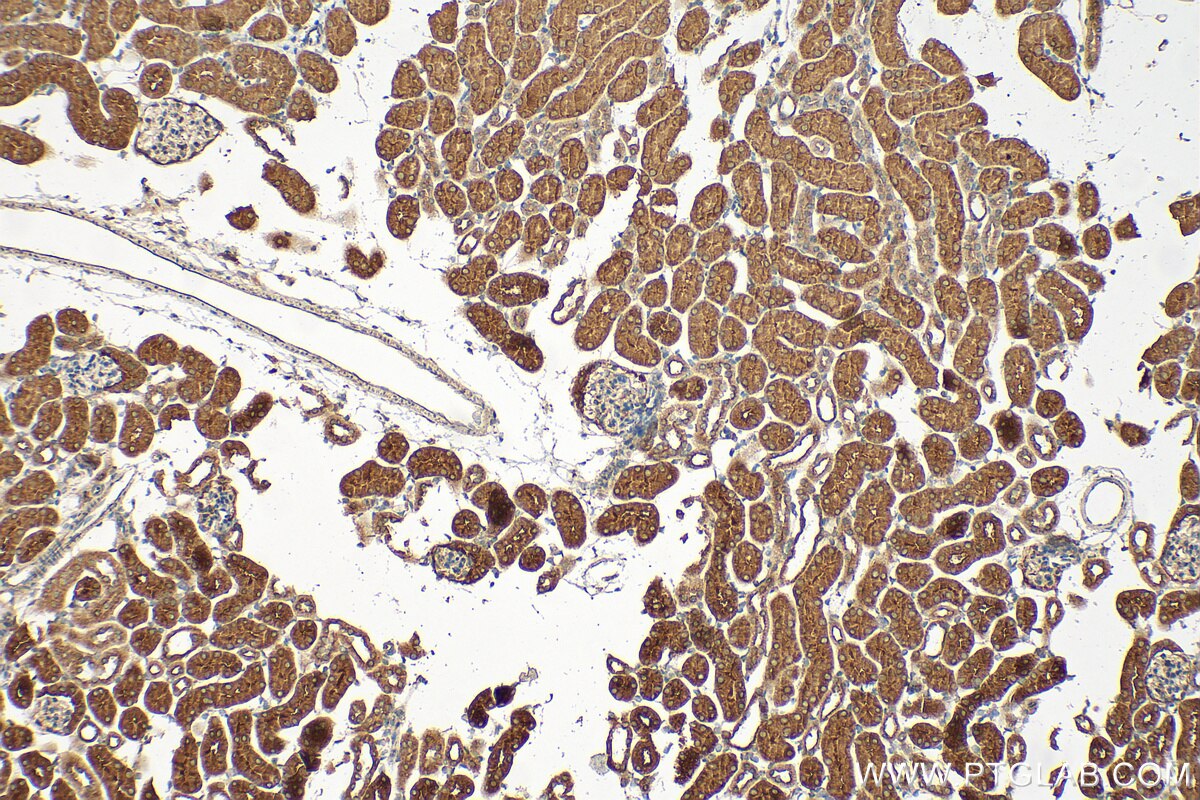
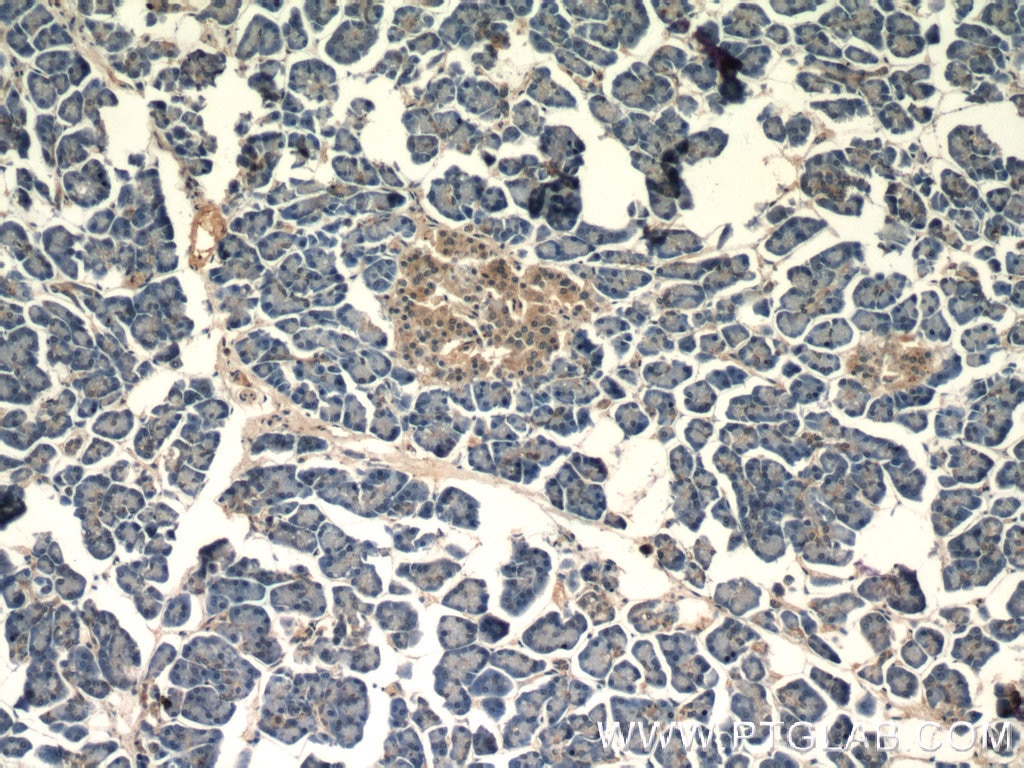
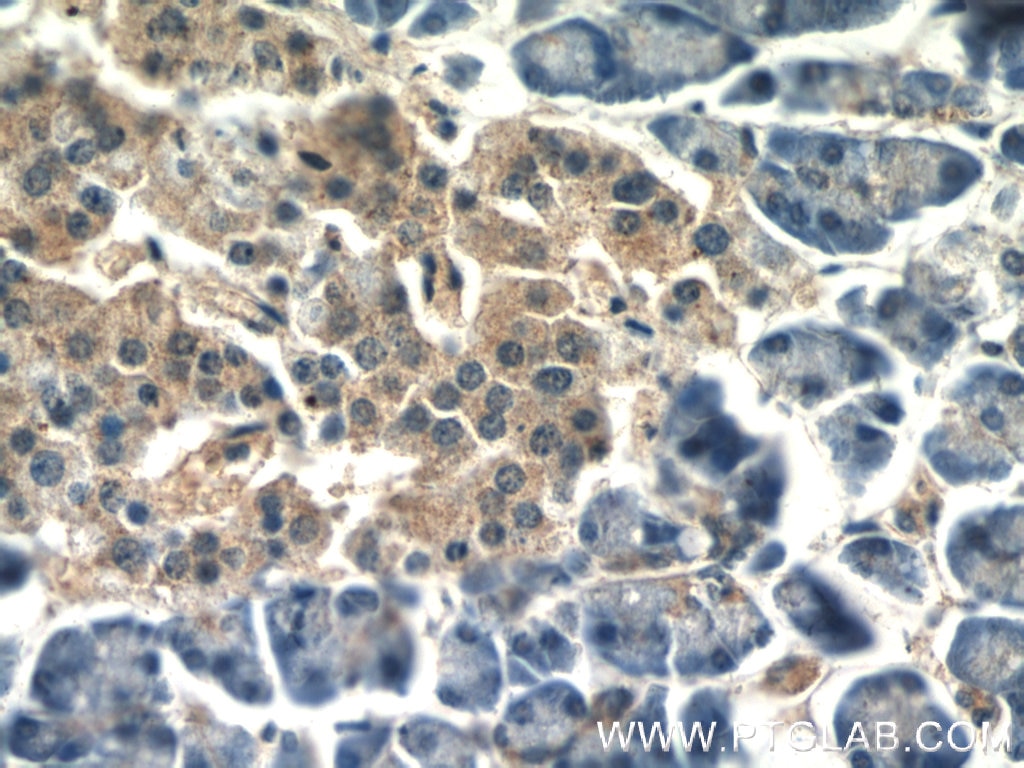
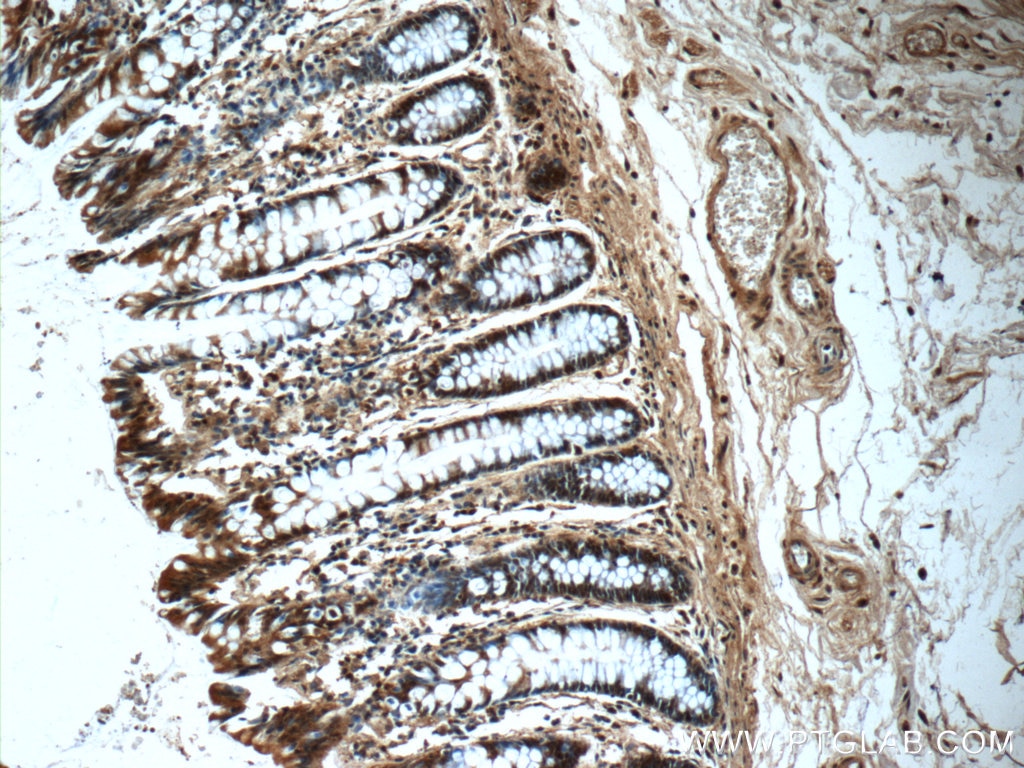
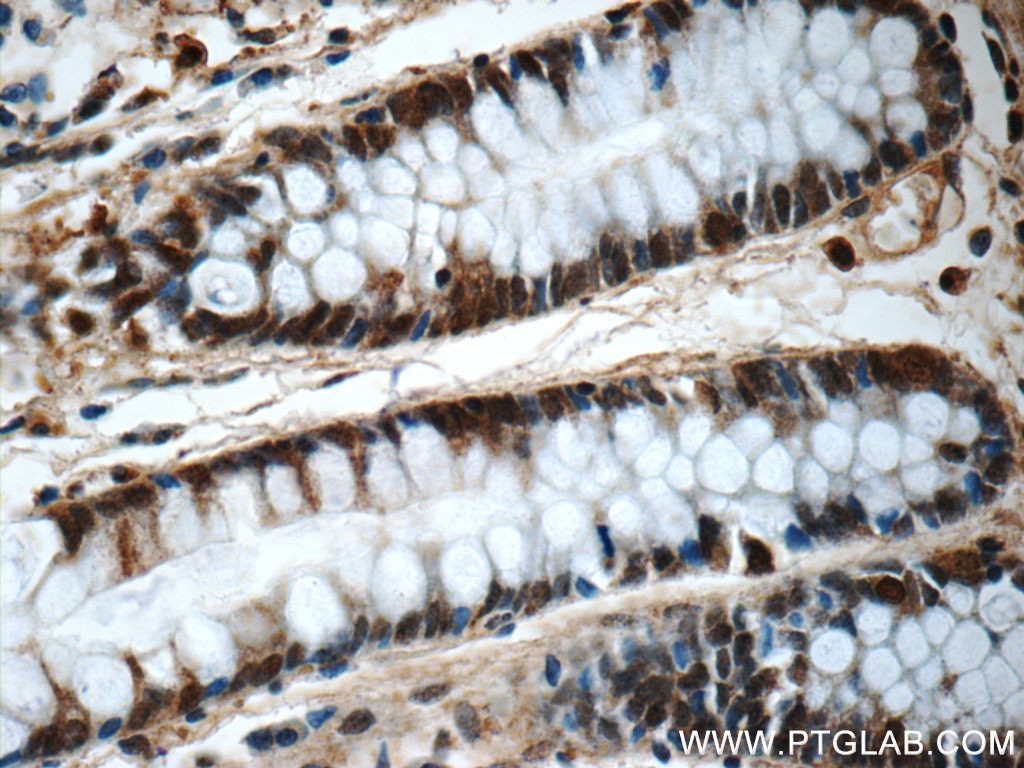
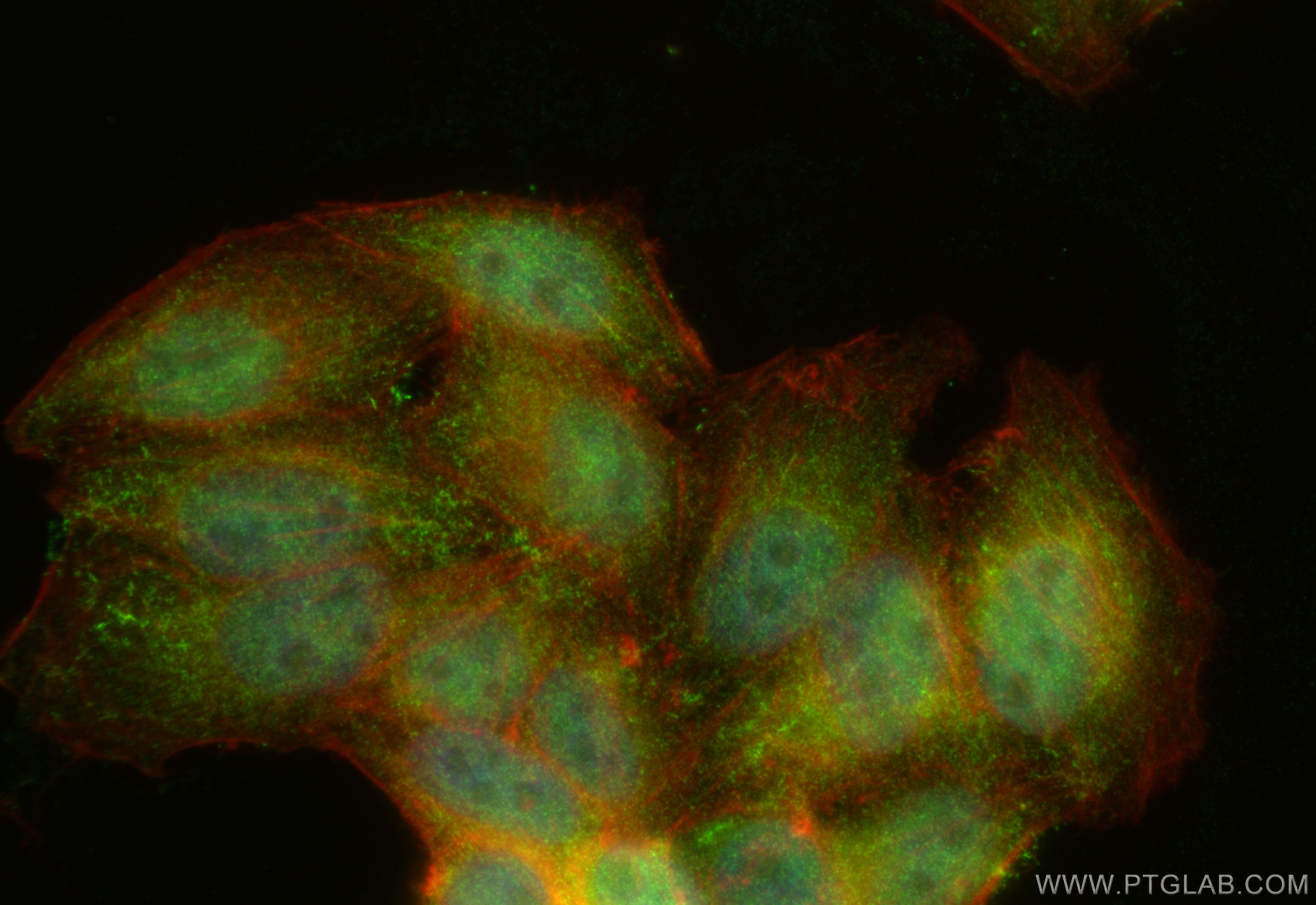
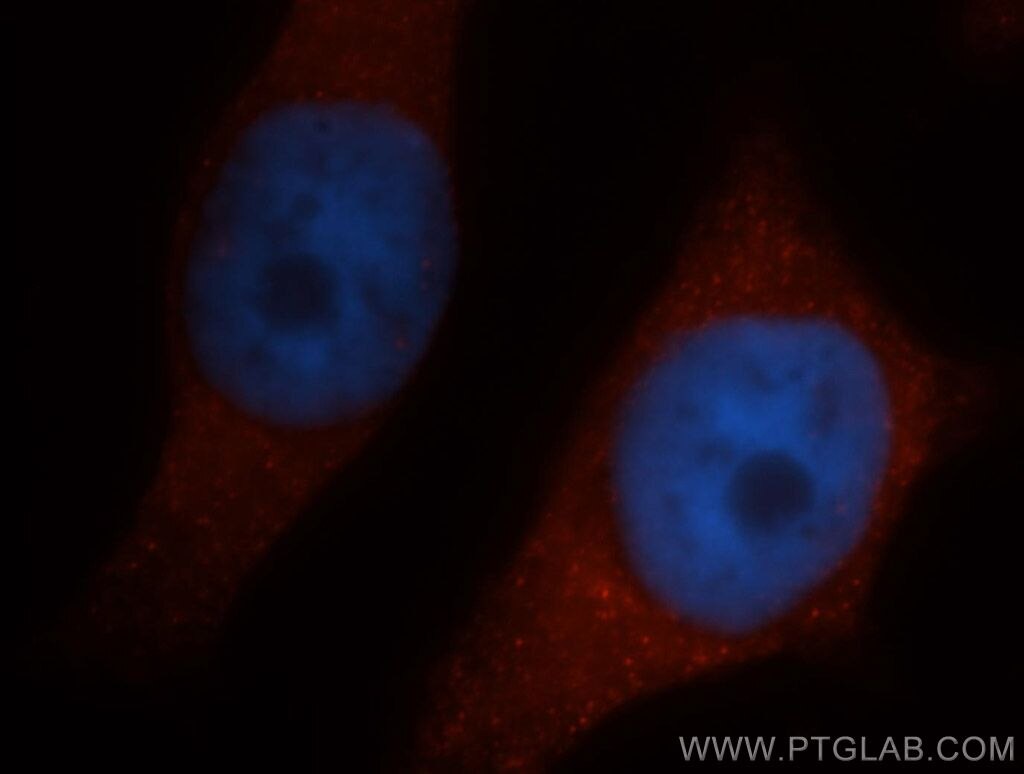
14545-1-PBS targets CLIC1 in WB, IHC, IF/ICC, IP, Indirect ELISA applications and shows reactivity with human, mouse, rat samples.
| Tested Reactivity | human, mouse, rat |
| Host / Isotype | Rabbit / IgG |
| Class | Polyclonal |
| Type | Antibody |
| Immunogen |
CatNo: Ag6049 Product name: Recombinant human CLIC1 protein Source: e coli.-derived, PGEX-4T Tag: GST Domain: 1-241 aa of BC064527 Sequence: MAEEQPQVELFVKAGSDGAKIGNCPFSQRLFMVLWLKGVTFNVTTVDTKRRTETVQKLCPGGQLPFLLYGTEVHTDTNKIEEFLEAVLCPPRYPKLAALNPESNTAGLDIFAKFSAYIKNSNPALNDNLEKGLLKALKVLDNYLTSPLPEEVDETSAEDEGVSQRKFLDGNELTLADCNLLPKLHIVQVVCKKYRGFTIPEAFRGVHRYLSNAYAREEFASTCPDDEEIELAYEQVAKALK Predict reactive species |
| Full Name | chloride intracellular channel 1 |
| Calculated Molecular Weight | 27 kDa |
| Observed Molecular Weight | 27-32 kDa |
| GenBank Accession Number | BC064527 |
| Gene Symbol | CLIC1 |
| Gene ID (NCBI) | 1192 |
| RRID | AB_2081809 |
| Conjugate | Unconjugated |
| Form | Liquid |
| Purification Method | Antigen affinity purification |
| UNIPROT ID | O00299 |
| Storage Buffer | PBS only, pH 7.3. |
| Storage Conditions | Store at -80°C. |
Background Information
Chloride intracellular channel protein 1 (CLIC1) is a member of the chloride intracellular channel protein family. It plays a crucial role in various cellular processes, including the regulation of chloride ion transport, cell viability, and mitochondrial function. CLIC1 is involved in the formation of membrane-inserted channels that facilitate chloride ion movement, which is essential for maintaining cellular homeostasis and function (PMID: 32116799). Additionally, CLIC1 has been implicated in cancer progression, where it influences cell proliferation, migration, and invasion (PMID: 38027011).











