
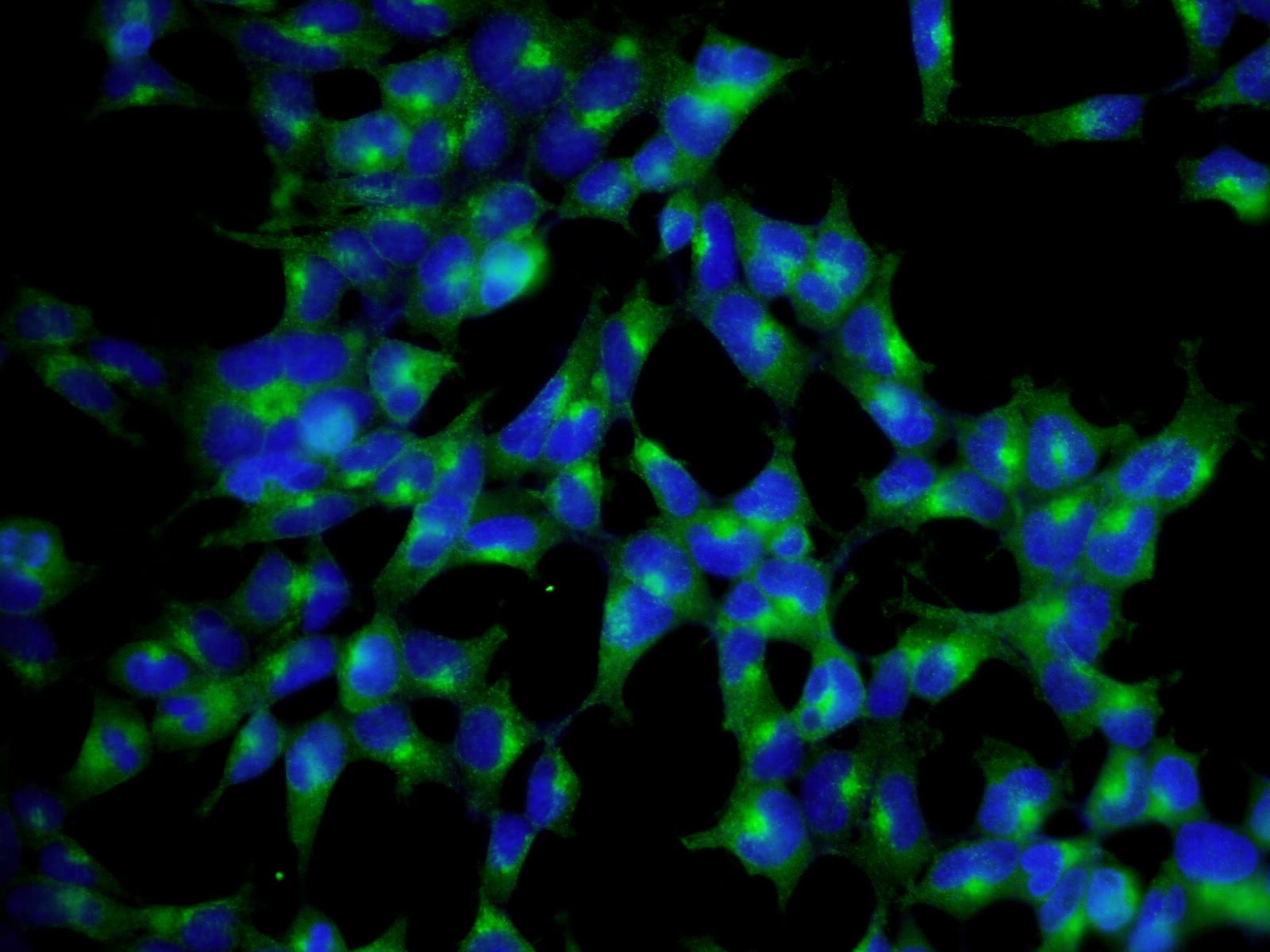

Tested Applications
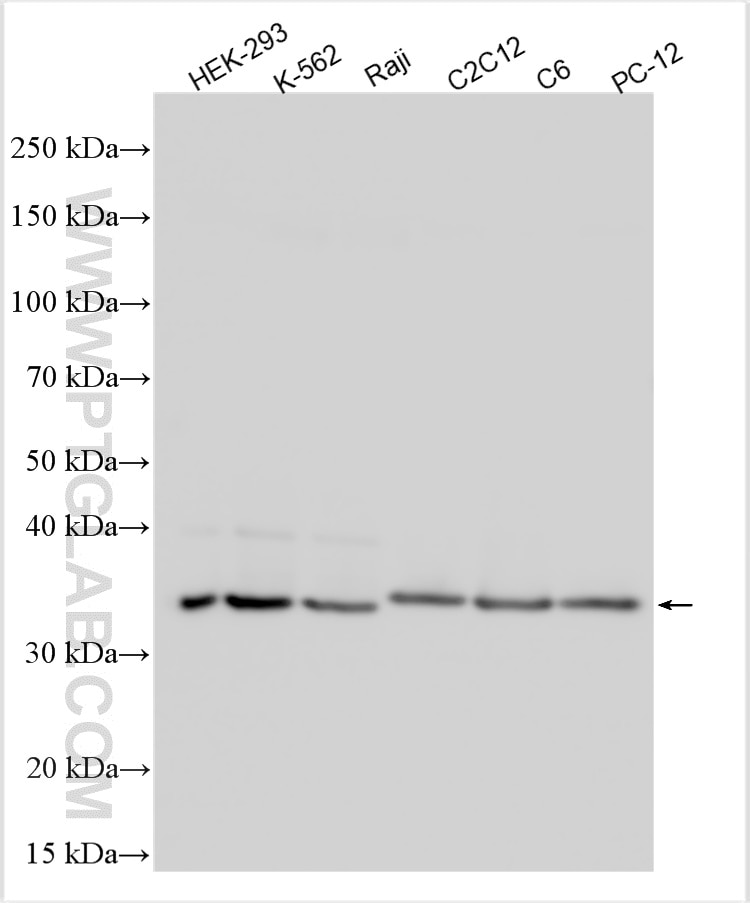
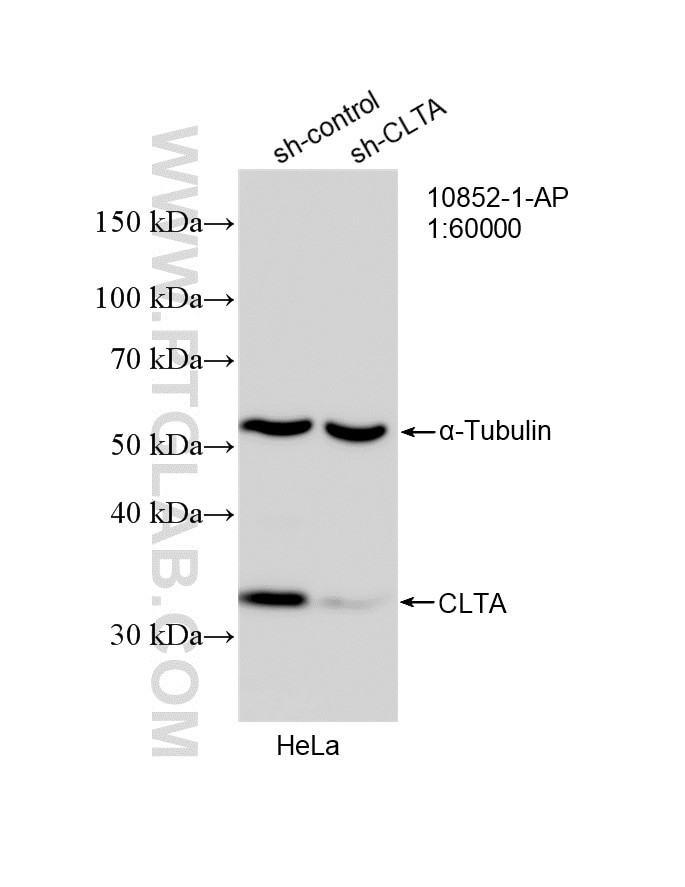
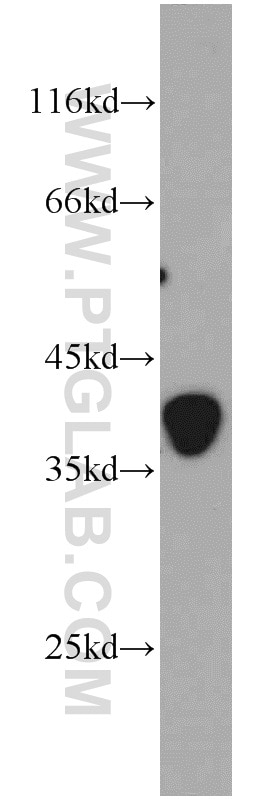
| Positive WB detected in | HEK-293 cells, mouse brain tissue, HeLa cells, K-562 cells, Raji cells, C2C12 cells, C6 cells, PC-12 cells |
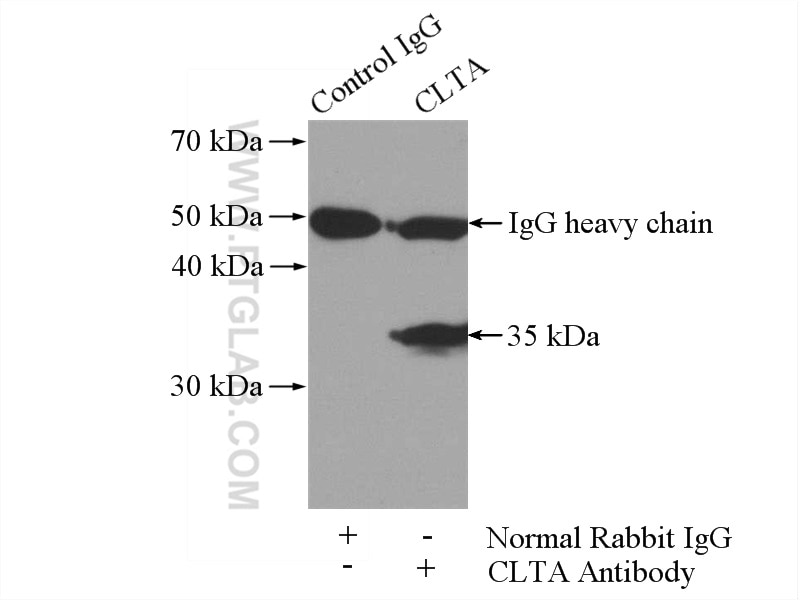
| Positive IP detected in | mouse brain tissue |
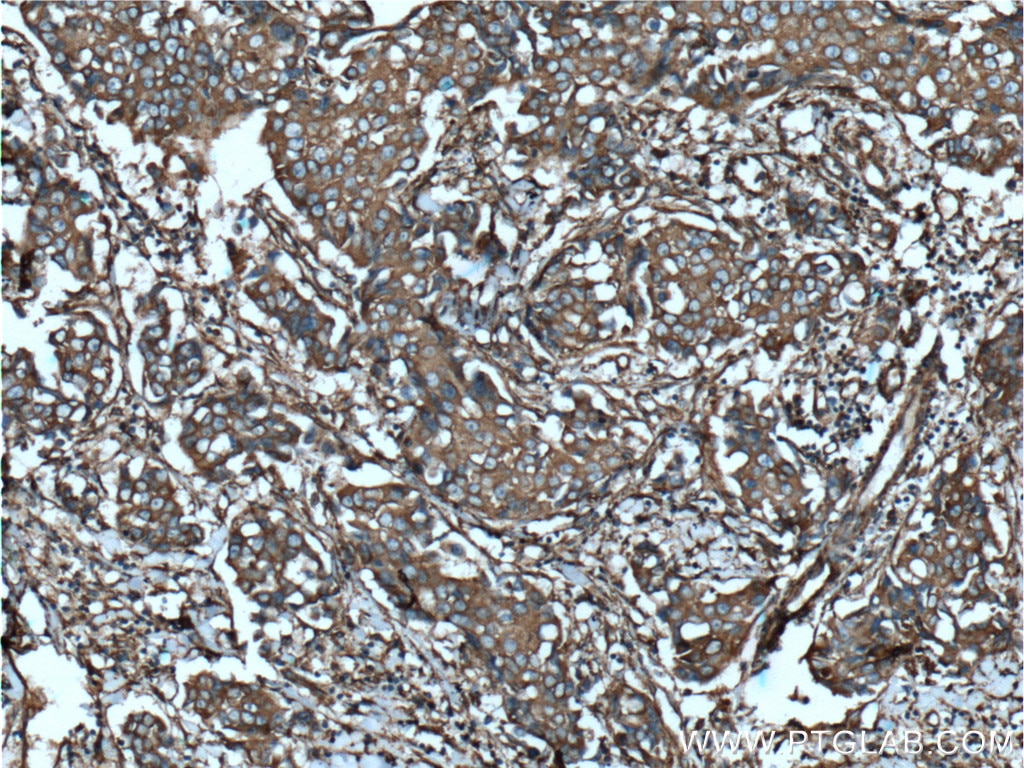
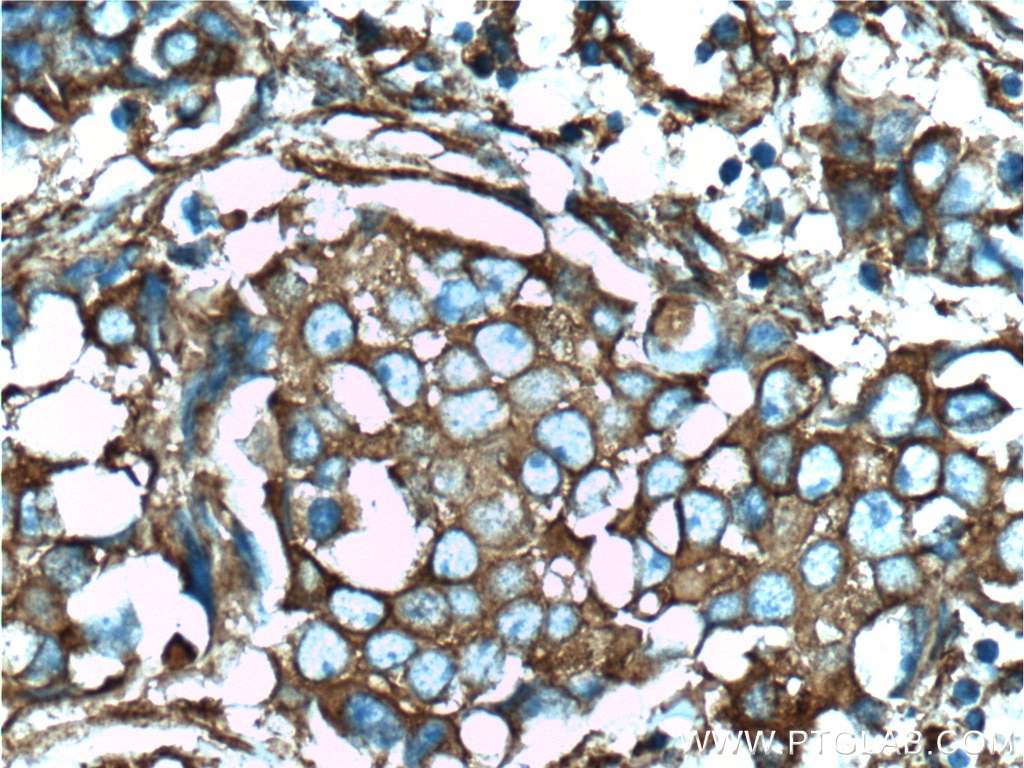
| Positive IHC detected in | human breast cancer tissue Note: suggested antigen retrieval with TE buffer pH 9.0; (*) Alternatively, antigen retrieval may be performed with citrate buffer pH 6.0 |
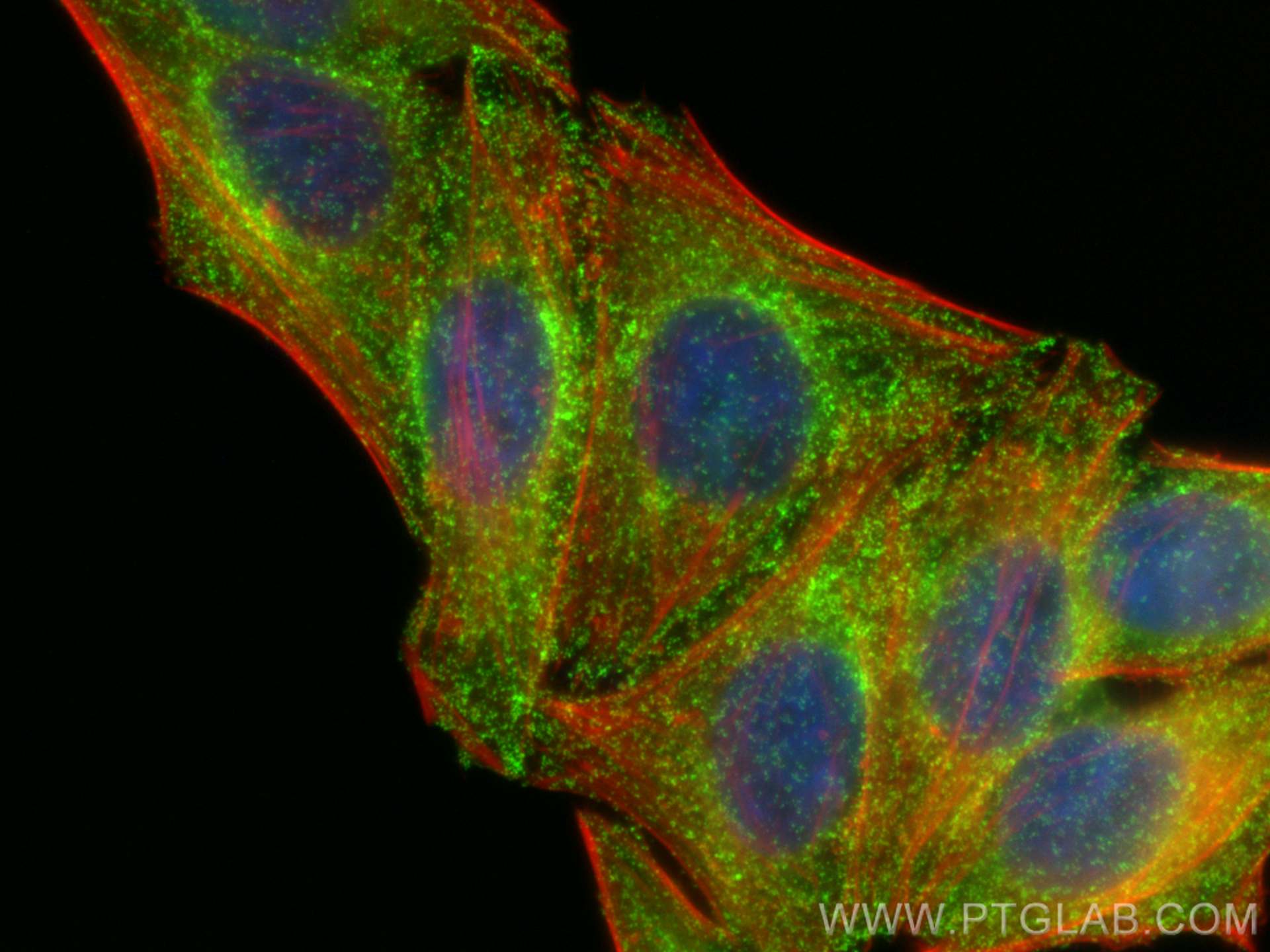
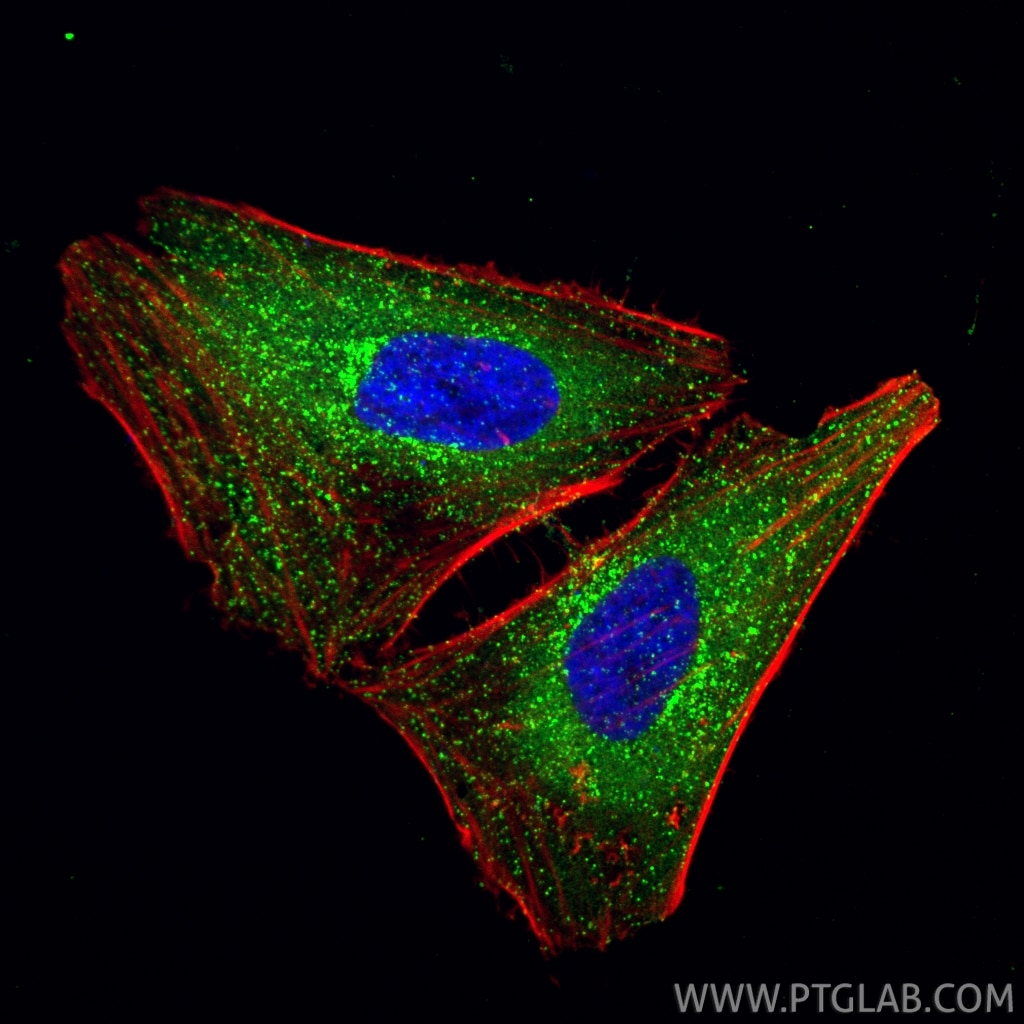
| Positive IF/ICC detected in | HeLa cells, HEK-293 cells, HepG2 cells |
Recommended dilution
| Application | Dilution |
|---|---|
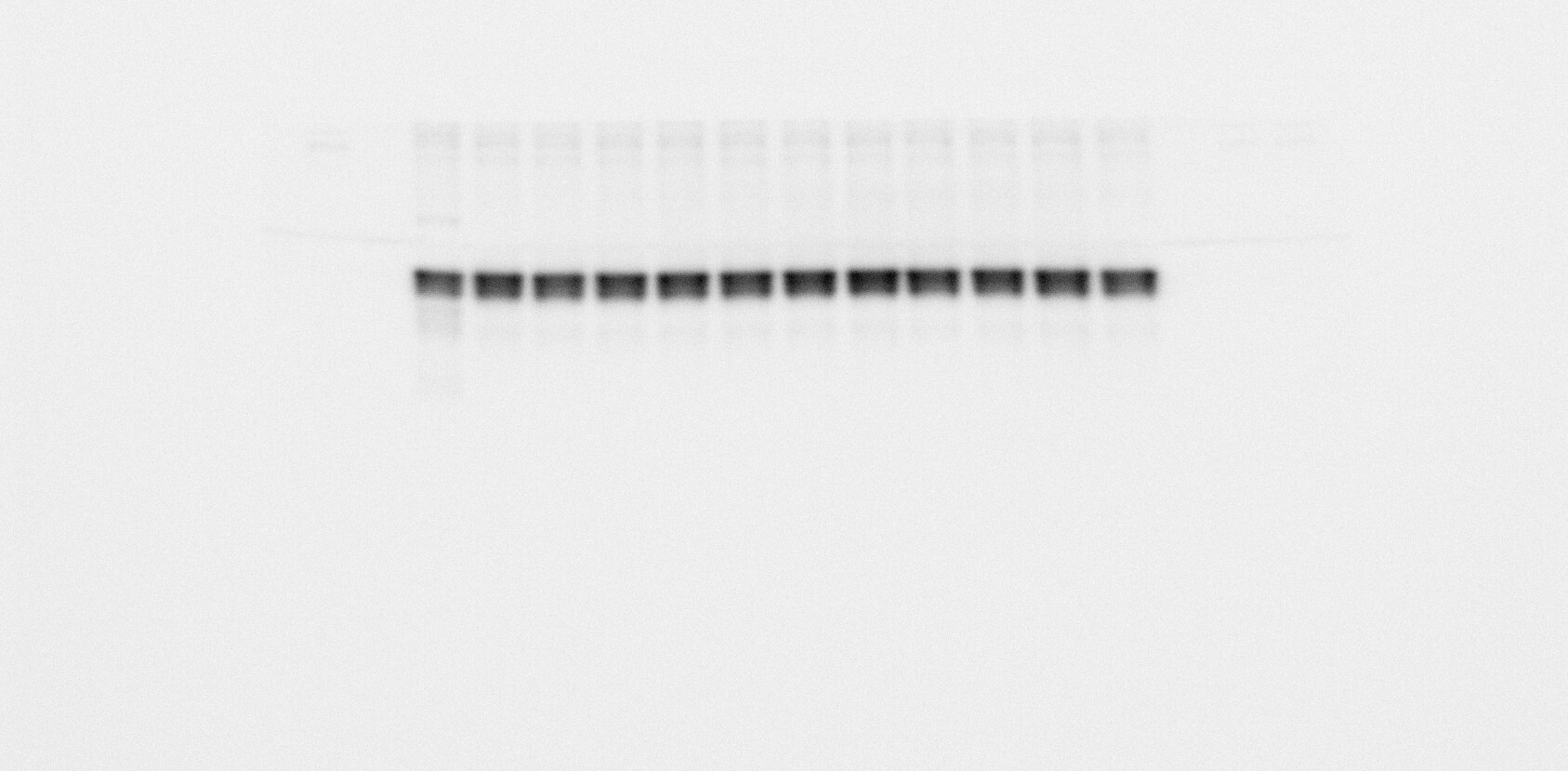
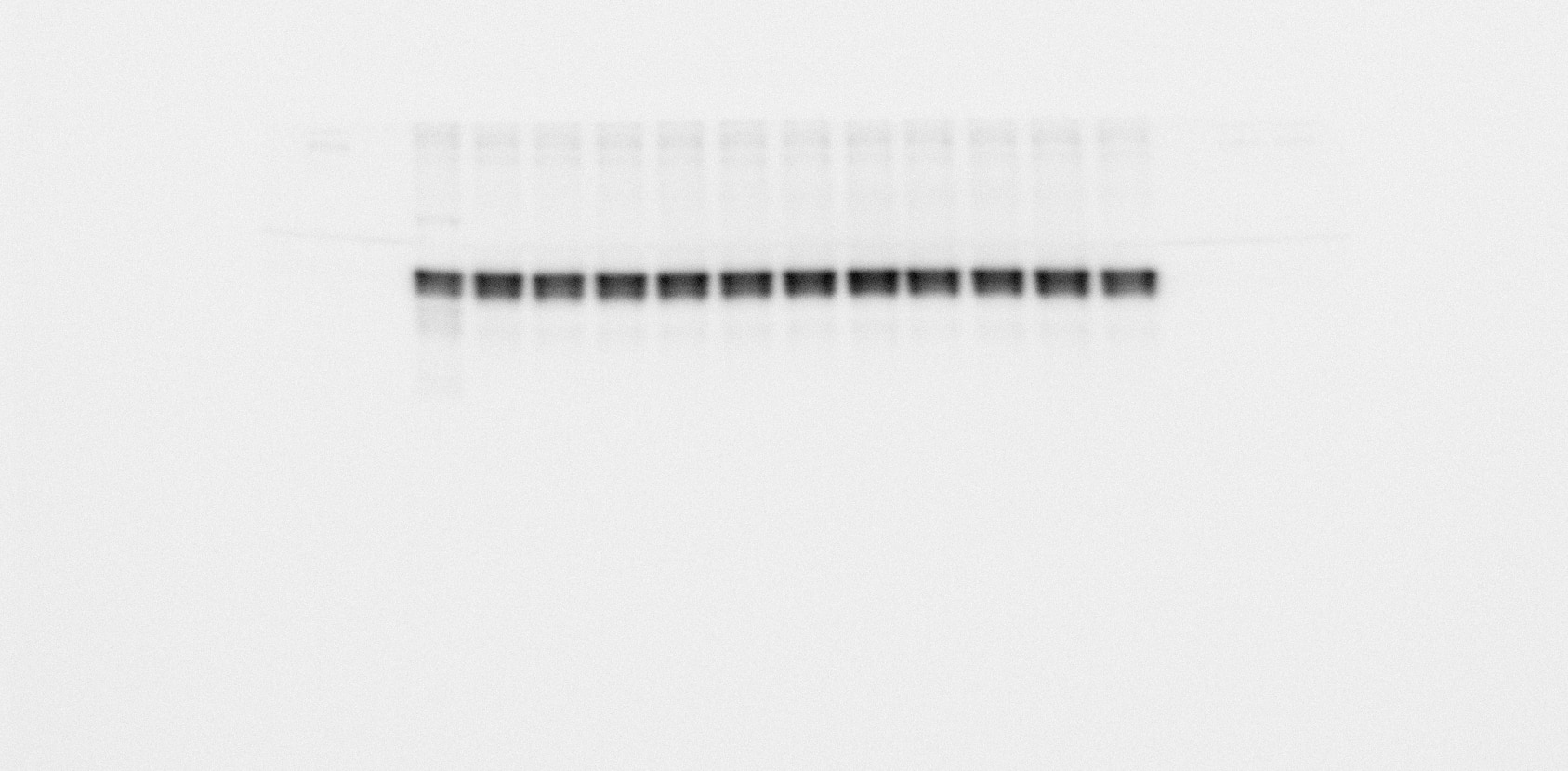
| Western Blot (WB) | WB : 1:5000-1:50000 |
| Immunoprecipitation (IP) | IP : 0.5-4.0 ug for 1.0-3.0 mg of total protein lysate |
| Immunohistochemistry (IHC) | IHC : 1:50-1:500 |
| Immunofluorescence (IF)/ICC | IF/ICC : 1:500-1:2000 |
| It is recommended that this reagent should be titrated in each testing system to obtain optimal results. | |
| Sample-dependent, Check data in validation data gallery. | |
Product Information
10852-1-AP targets CLTA in WB, IHC, IF/ICC, IP, ELISA applications and shows reactivity with human, mouse, rat samples.
| Tested Reactivity | human, mouse, rat |
| Cited Reactivity | human, mouse, rat, canine, monkey |
| Host / Isotype | Rabbit / IgG |
| Class | Polyclonal |
| Type | Antibody |
| Immunogen |
CatNo: Ag1299 Product name: Recombinant human CLTA protein Source: e coli.-derived, PGEX-4T Tag: GST Domain: 1-218 aa of BC019287 Sequence: MAELDPFGAPAGAPGGPALGNGVAGAGEEDPAAAFLAQQESEIAGIENDEAFAILDGGAPGPQPHGEPPGGPDAVDGVMNGEYYQESNGPTDSYAAISQVDRLQSEPESIRKWREEQMERLEALDANSRKQEAEWKEKAIKELEEWYARQDEQLQKTKANNRAAEEAFVNDIDESSPGTEWERVARLCDFNPKSSKQAKDVSRMRSVLISLKQAPLVH Predict reactive species |
| Full Name | clathrin, light chain (Lca) |
| Calculated Molecular Weight | 27 kDa |
| Observed Molecular Weight | 35-38 kDa |
| GenBank Accession Number | BC019287 |
| Gene Symbol | CLTA |
| Gene ID (NCBI) | 1211 |
| RRID | AB_2083025 |
| Conjugate | Unconjugated |
| Form | Liquid |
| Purification Method | Antigen affinity purification |
| UNIPROT ID | P09496 |
| Storage Buffer | PBS with 0.02% sodium azide and 50% glycerol, pH 7.3. |
| Storage Conditions | Store at -20°C. Stable for one year after shipment. Aliquoting is unnecessary for -20oC storage. 20ul sizes contain 0.1% BSA. |
Background Information
Clathrin is the major protein of the polyhedral coat of coated pits and vesicles which entrap specific macromolecules during receptor-mediated endocytosis. The clathrin molecule has a triskelion shape. Each clathrin triskelion is composed of three identical heavy chains (180 kDa) and three light chains of two types, LCA (CLTA) and LCB (CLTB) (30-40 kDa). The light chain subunits are thought to regulate the formation or disassembly of clathrin coats. (PMID: 2445759; 8374173; 3563513)
Protocols
| Product Specific Protocols | |
|---|---|
| IF protocol for CLTA antibody 10852-1-AP | Download protocol |
| IHC protocol for CLTA antibody 10852-1-AP | Download protocol |
| IP protocol for CLTA antibody 10852-1-AP | Download protocol |
| WB protocol for CLTA antibody 10852-1-AP | Download protocol |
| Standard Protocols | |
|---|---|
| Click here to view our Standard Protocols |
Publications
What published studies show
The Clathrin Light Chain A antibody (Cat# 10852-1-AP) has 29 citations across 26 journals, including Nature Communications, PNAS, Molecular Cell, Journal of Cell Biology, and mBio. Research fields span clathrin-mediated endocytosis, autophagy, vesicle trafficking, membrane biology, neuroscience, virology, and cancer biology. Applications include WB, IF, IHC, and IP across human, mouse, rat, monkey, and canine species.
| Species | Application | Title |
|---|---|---|
Bioact Mater Mesenchymal stromal/stem cell spheroid-derived extracellular vesicles advance the therapeutic efficacy of 3D-printed vascularized artificial liver lobules in liver failure treatment | ||
Nat Commun Imaging vesicle formation dynamics supports the flexible model of clathrin-mediated endocytosis. | ||
Nat Commun Membrane remodeling by FAM92A1 during brain development regulates neuronal morphology, synaptic function, and cognition | ||
Nat Commun Multimodal control of Cas13d activity through domain insertion at an allosteric hotspot. | ||
Nat Commun Efficient cellular transformation via protein delivery through the protrusion-derived extracellular vesicles. | ||
Mol Cell Global profiling of nascent chain interactors reveals TRIM25 as a co-translational E3 ubiquitin ligase. |
Reviews
What customers say
All five reviews are 5-star ratings. Users report consistent performance across multiple applications including Western blotting, immunohistochemistry, and immunofluorescence. The antibody was successfully used on human, mouse, and rat samples as well as cell lines (NSC-34, HeLa). Recommended dilutions range from 1:50 to 1:1000 depending on the application. Reviewers describe strong labeling and reliable results, with one user specifically noting cross-reactivity across mouse, human, and rat species for WB. Overall, customers express high satisfaction with this CLTA polyclonal antibody.
The reviews below have been submitted by verified Proteintech customers who received an incentive for providing their feedback.
Kuldeep (Verified Customer) (07-28-2025) | Used for western blotting. Ab worked well.
 |
Kuldeep (Verified Customer) (07-28-2025) | Used for western blotting. Ab worked well.
 |
Azita (Verified Customer) (06-17-2021) | Immunocytochemistry labelling of (4% PFA) fixed NSC-34 cells by CLTA Polyclonal antibody at dilution of 1:50 showed strong labelling.
|
K (Verified Customer) (06-10-2021) | this Ab works well for western blotting in mouse, human and rat cells
|
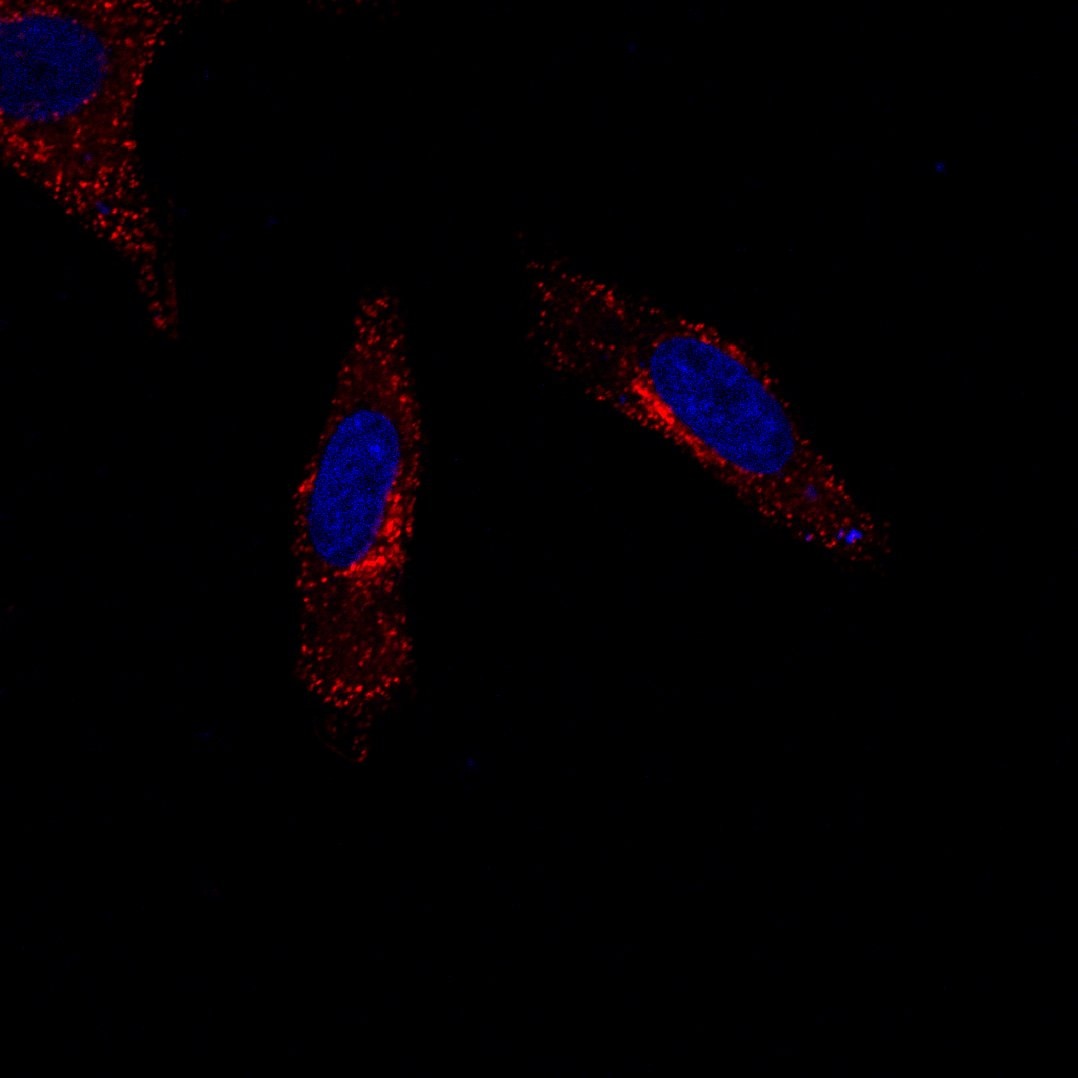
Cristian (Verified Customer) (04-17-2019) | Immunofluorescent analysis of (PFA 3%) fixed HeLa cells using 10852-1-AP (CLTA antibody) at dilution of 1:500 and Alexa Fluor 594-conjugated Affinipure Goat Anti-Rabbit IgG (H+L)
 |










