
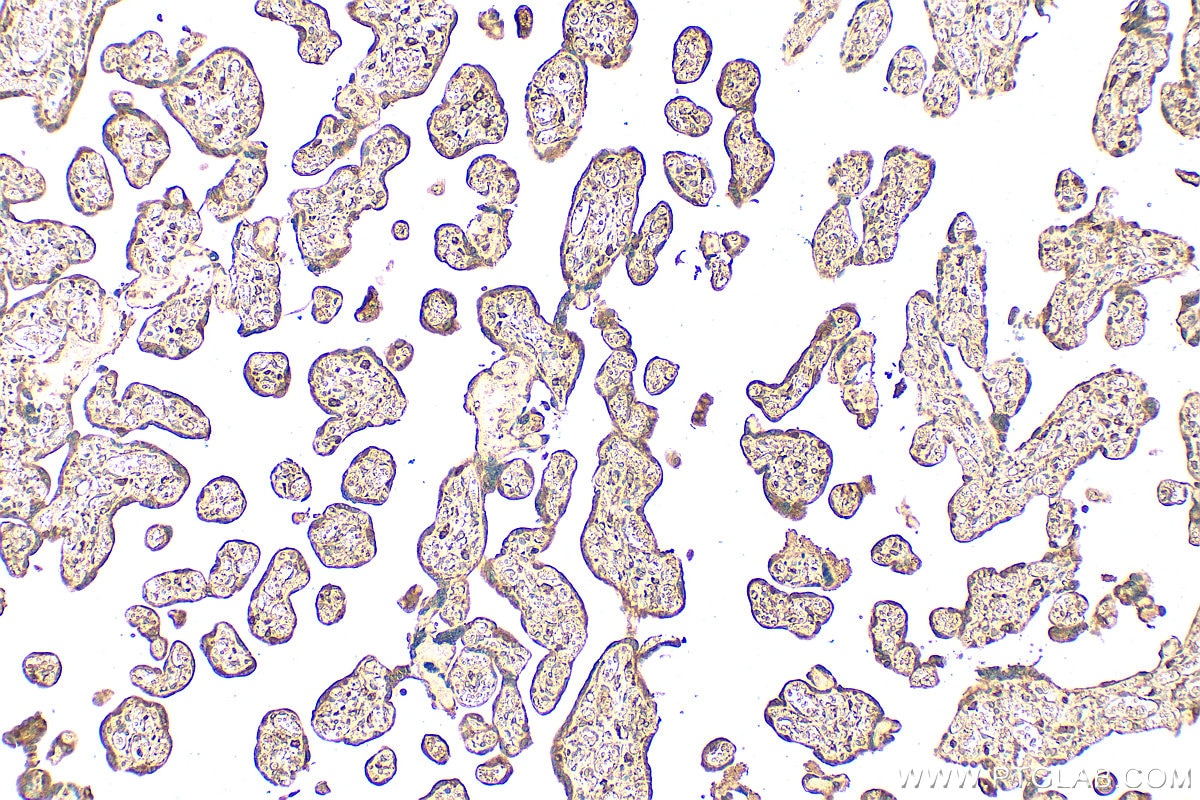
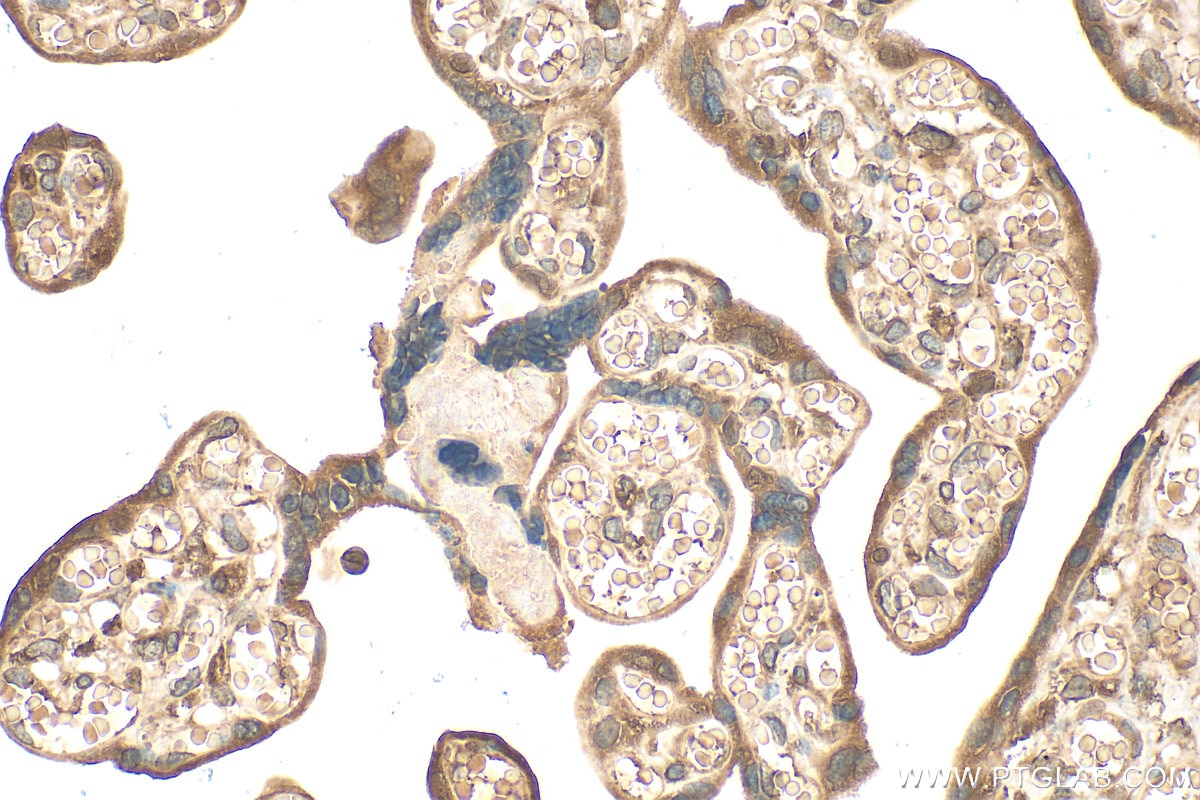
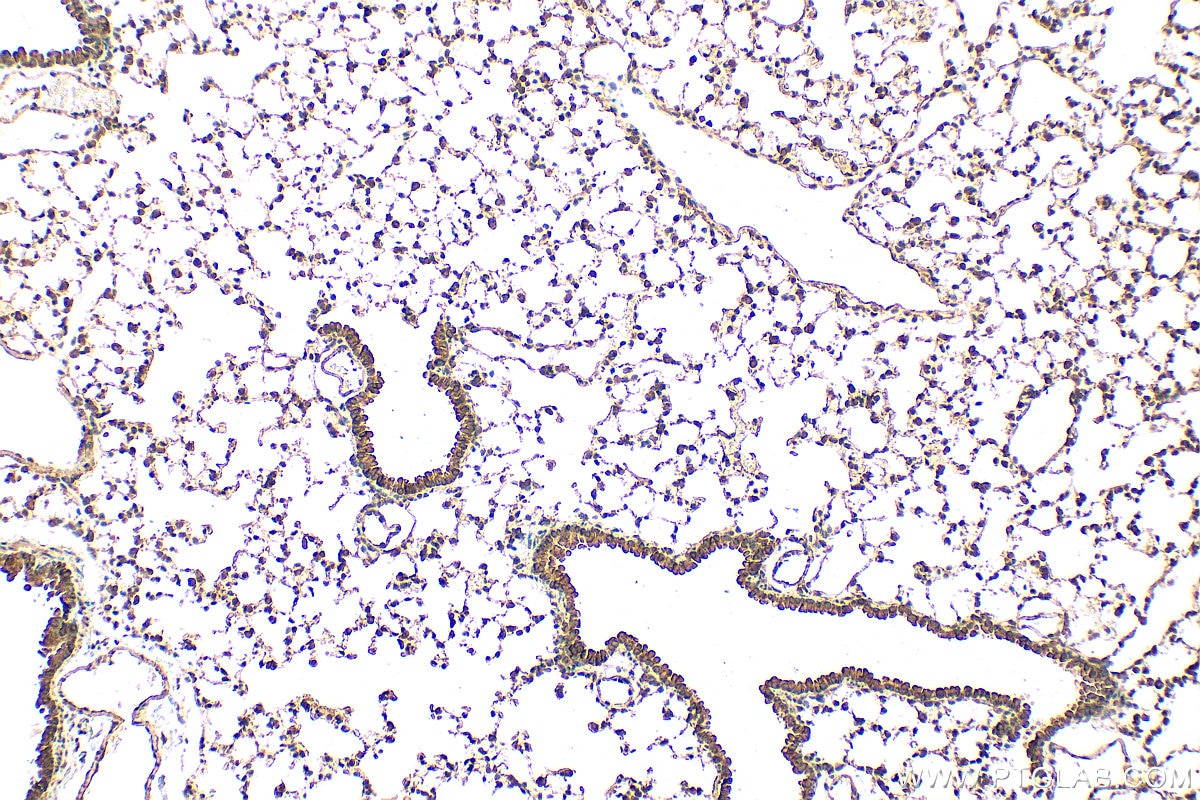
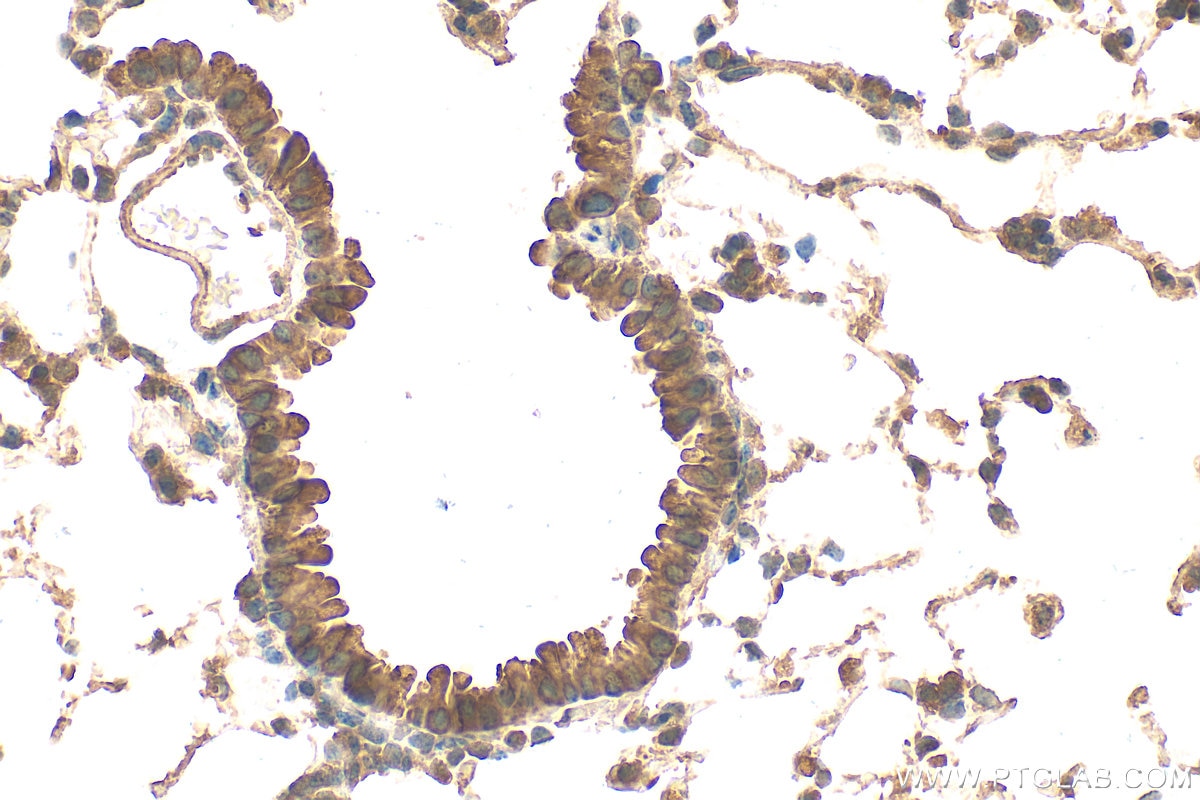

Tested Applications
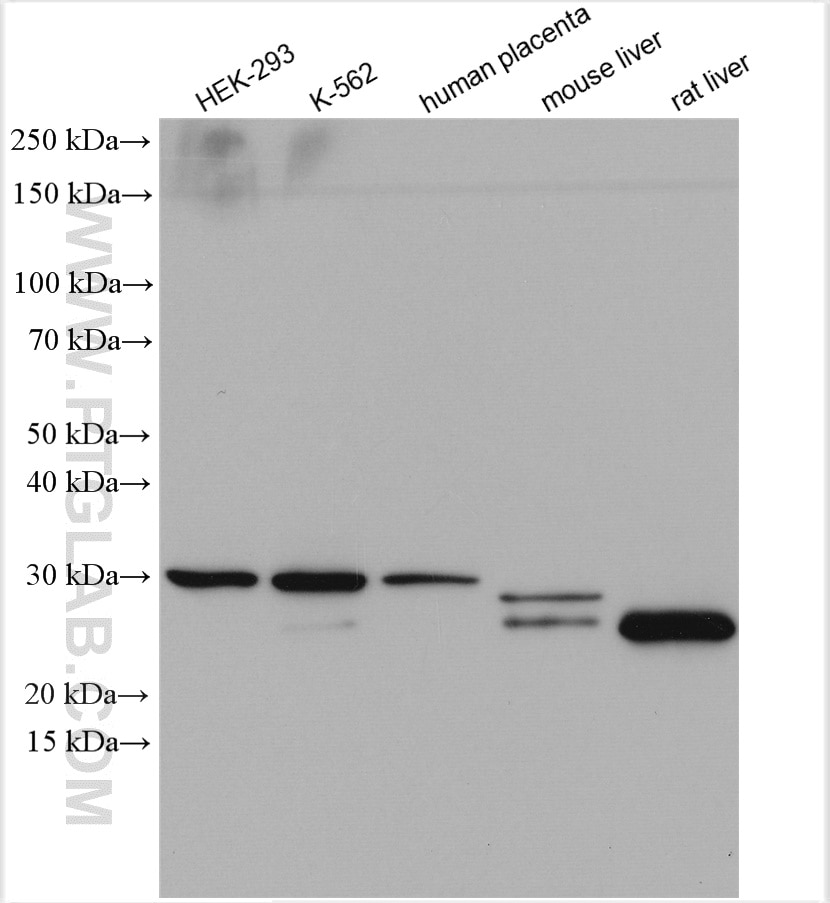
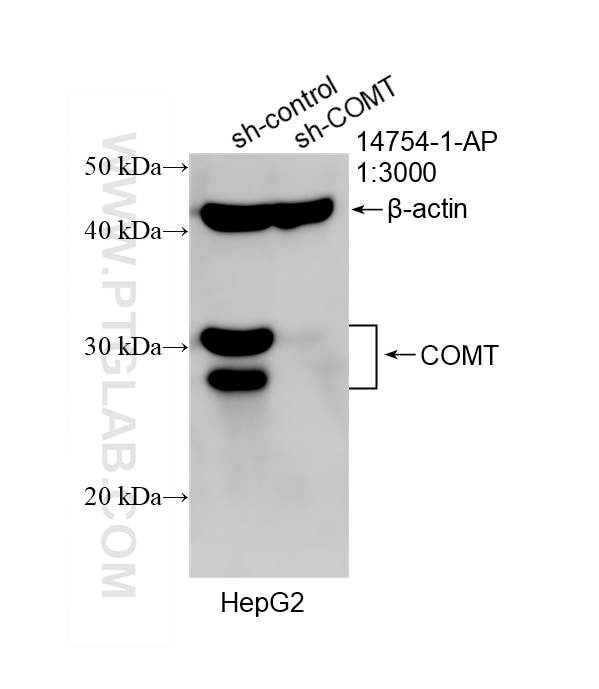
| Positive WB detected in | HEK-293 cells, HepG2 cells, K-562 cells, human placenta, mouse liver, rat liver |
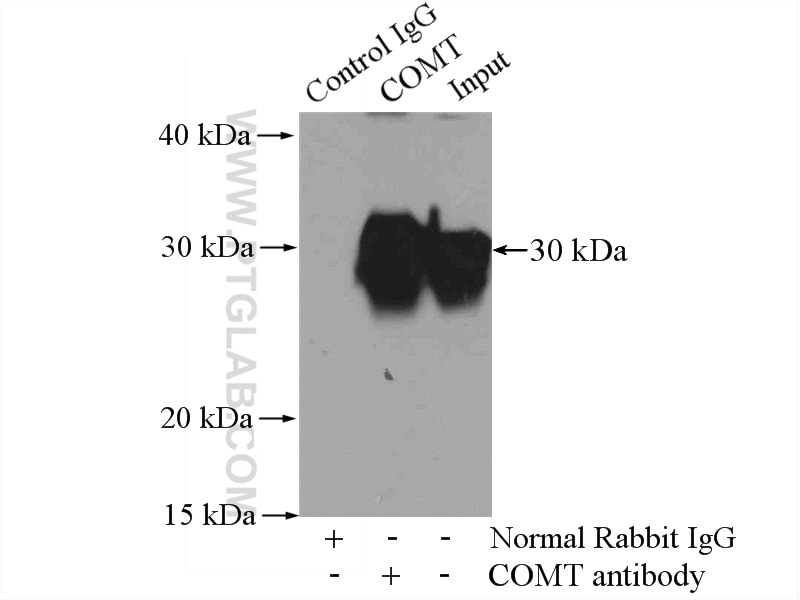
| Positive IP detected in | K-562 cells |
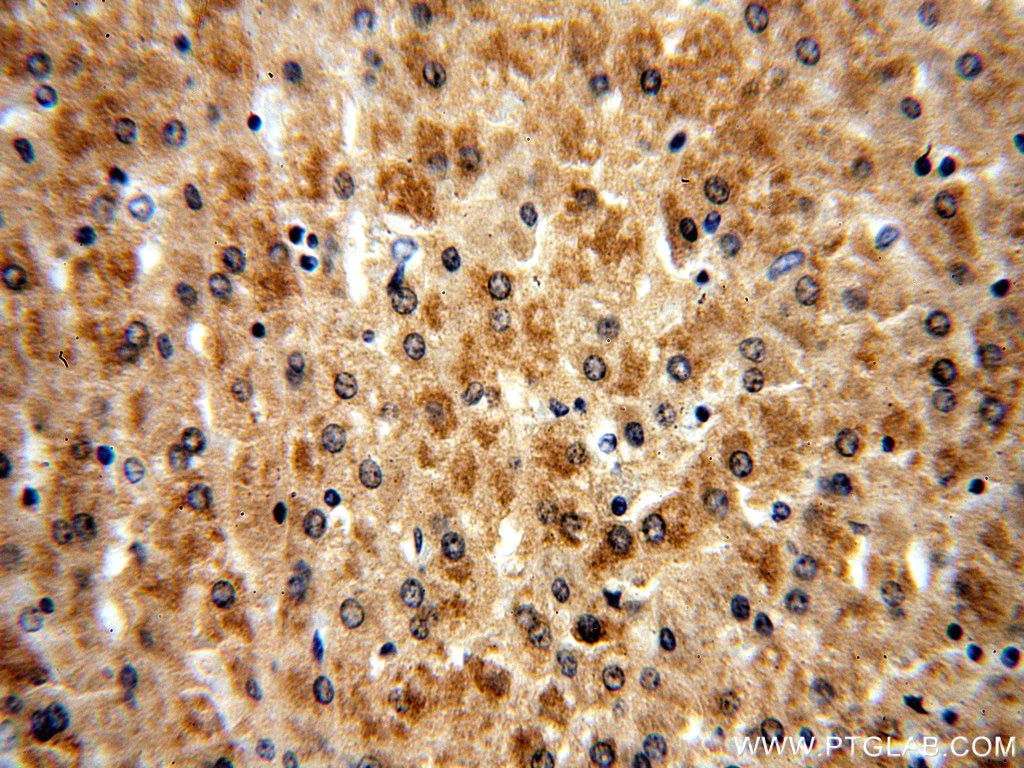
| Positive IHC detected in | human liver tissue, human placenta tissue, mouse lung tissue Note: suggested antigen retrieval with TE buffer pH 9.0; (*) Alternatively, antigen retrieval may be performed with citrate buffer pH 6.0 |
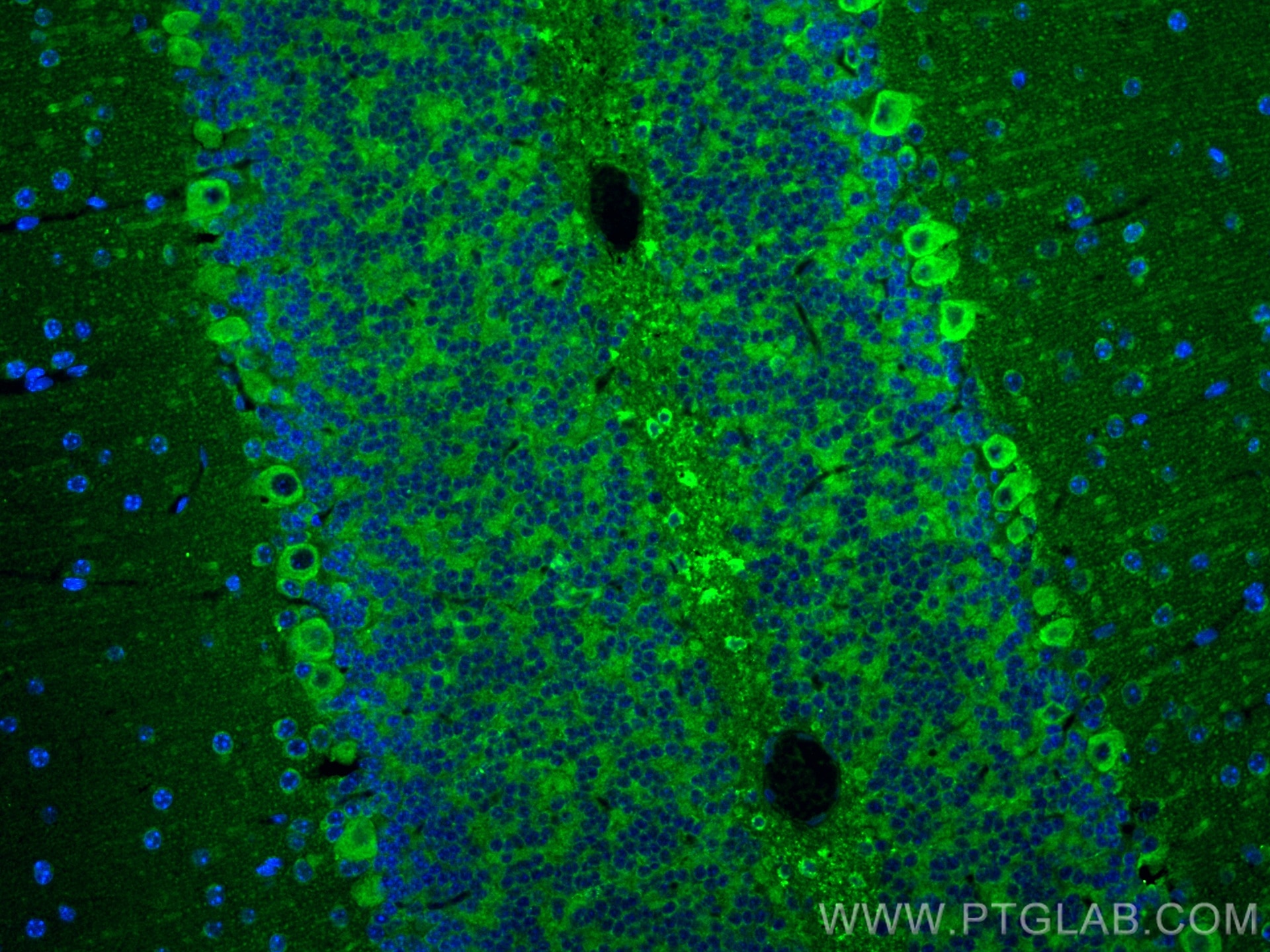
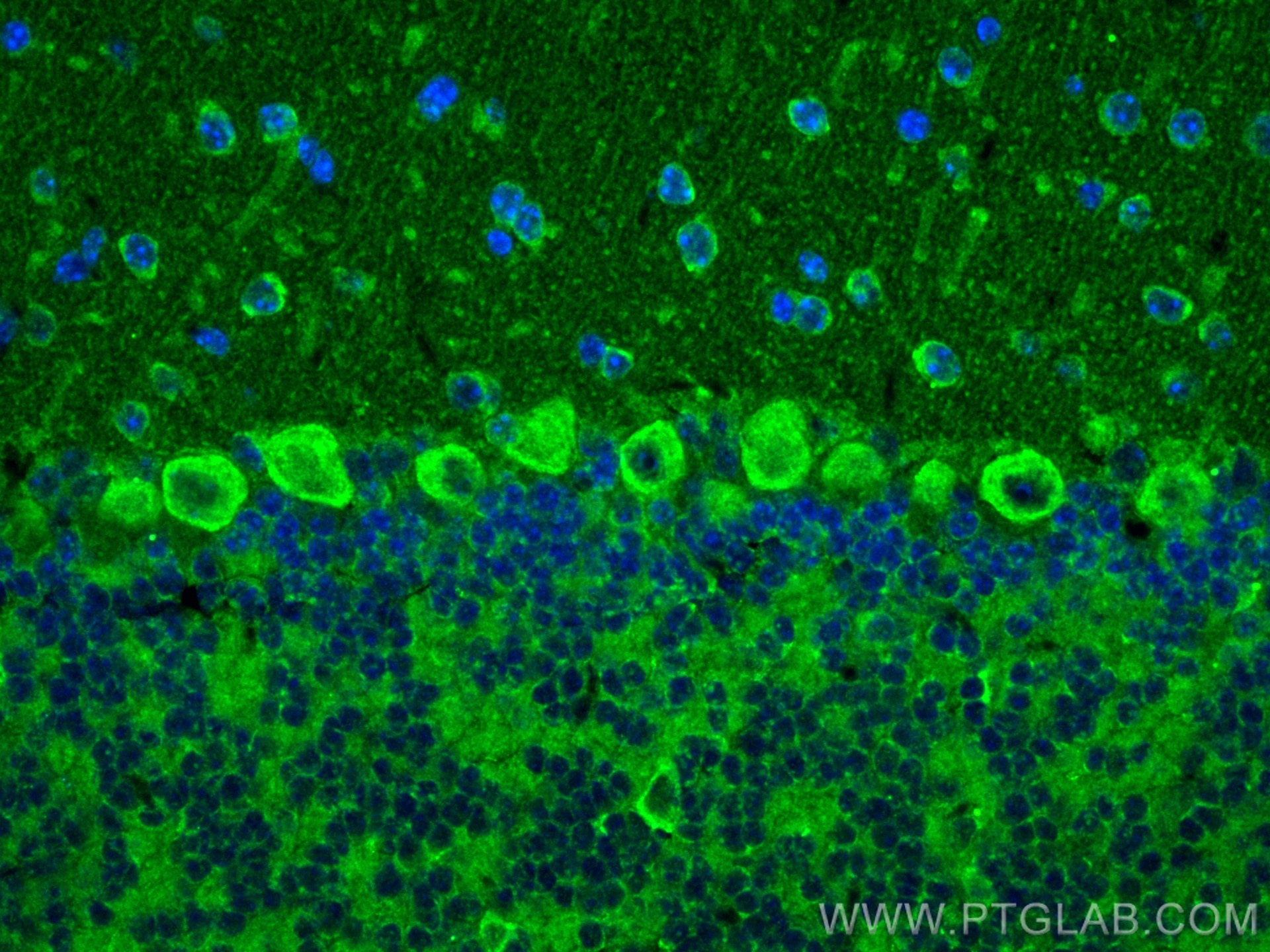
| Positive IF-P detected in | mouse cerebellum tissue |
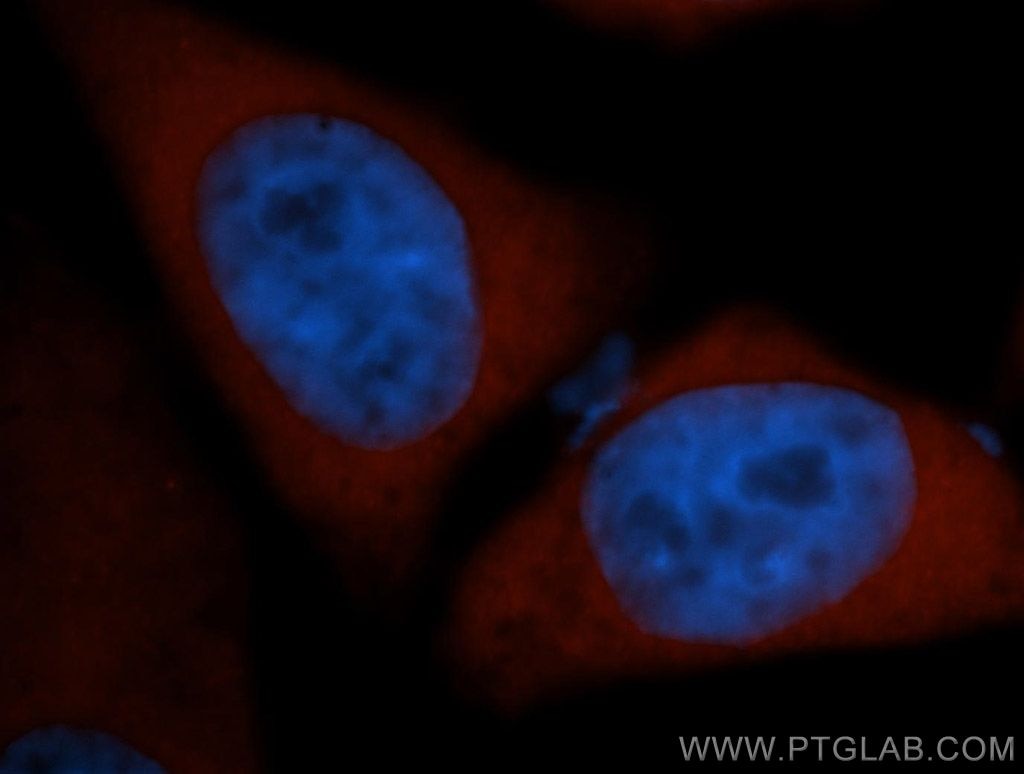
| Positive IF/ICC detected in | HepG2 cells |
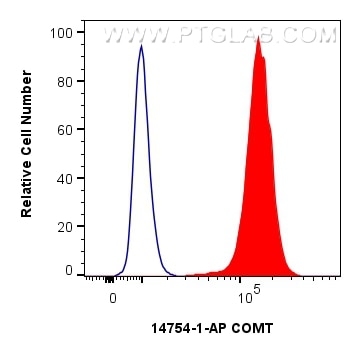
| Positive FC (Intra) detected in | PC-3 cells |
Recommended dilution
| Application | Dilution |
|---|---|
| Western Blot (WB) | WB : 1:1000-1:4000 |
| Immunoprecipitation (IP) | IP : 0.5-4.0 ug for 1.0-3.0 mg of total protein lysate |
| Immunohistochemistry (IHC) | IHC : 1:100-1:800 |
| Immunofluorescence (IF)-P | IF-P : 1:50-1:500 |
| Immunofluorescence (IF)/ICC | IF/ICC : 1:50-1:500 |
| Flow Cytometry (FC) (INTRA) | FC (INTRA) : 0.80 ug per 10^6 cells in a 100 µl suspension |
| It is recommended that this reagent should be titrated in each testing system to obtain optimal results. | |
| Sample-dependent, Check data in validation data gallery. | |
Product Information
14754-1-AP targets COMT in WB, IHC, IF/ICC, IF-P, FC (Intra), IP, ELISA applications and shows reactivity with human, mouse, rat samples.
| Tested Reactivity | human, mouse, rat |
| Cited Reactivity | human, mouse, rat, monkey |
| Host / Isotype | Rabbit / IgG |
| Class | Polyclonal |
| Type | Antibody |
| Immunogen |
CatNo: Ag6502 Product name: Recombinant human COMT protein Source: e coli.-derived, PGEX-4T Tag: GST Domain: 1-182 aa of BC000419 Sequence: MNVGDKKGKIVDAVIQEHQPSVLLELGAYCGYSAVRMARLLSPGARLITIEINPDCAAITQRMVDFAGMKDKVTLVVGASQDIIPQLKKKYDVDTLDMVFLDHWKDRYLPDTLLLEECGLLRKGTVLLADNVICPGAPDFLAHVRGSSCFECTHYQSFLEYREVVDGLEKAIYKGPGSEAGP Predict reactive species |
| Full Name | catechol-O-methyltransferase |
| Calculated Molecular Weight | 30 kDa |
| Observed Molecular Weight | 28-30 kDa |
| GenBank Accession Number | BC000419 |
| Gene Symbol | COMT |
| Gene ID (NCBI) | 1312 |
| RRID | AB_2083706 |
| Conjugate | Unconjugated |
| Form | Liquid |
| Purification Method | Antigen affinity purification |
| UNIPROT ID | P21964 |
| Storage Buffer | PBS with 0.02% sodium azide and 50% glycerol, pH 7.3. |
| Storage Conditions | Store at -20°C. Stable for one year after shipment. Aliquoting is unnecessary for -20oC storage. 20ul sizes contain 0.1% BSA. |
Background Information
Catechol O-methyltransferase (COMT) is an important enzyme that catalyzes O-methylation and inactivation of metabolically active catechol-containing bioactive molecules and drugs. The mammalian COMT enzyme exists in soluble form (24-26 kDa) and membrane-bound form (28-30 kDa), which are encoded by a single gene utilizing different promoters.
Protocols
| Product Specific Protocols | |
|---|---|
| FC protocol for COMT antibody 14754-1-AP | Download protocol |
| IF protocol for COMT antibody 14754-1-AP | Download protocol |
| IHC protocol for COMT antibody 14754-1-AP | Download protocol |
| IP protocol for COMT antibody 14754-1-AP | Download protocol |
| WB protocol for COMT antibody 14754-1-AP | Download protocol |
| Standard Protocols | |
|---|---|
| Click here to view our Standard Protocols |
Publications
What published studies show
The COMT Polyclonal antibody (Cat# 14754-1-AP) has 18 citations. These appear in journals including Cancer Research, Advanced Science, Translational Psychiatry, Aging, Frontiers in Endocrinology, Neurochemistry International, Scientific Reports, FASEB Journal, Endocrinology, Nutrition & Neuroscience, Journal of Proteomics, Biomedical Research International, Developmental Neuroscience, and Journal of International Medical Research. Research fields span oncology (glioma, colorectal, lung, prostate, leukemia), neuroscience (dopamine metabolism, pain, neurodegeneration), endocrinology, and metabolic disorders (hyperuricemia, liver fibrosis, kidney injury).
| Species | Application | Title |
|---|---|---|
Cancer Res Targeting Catechol-O-Methyltransferase Induces Mitochondrial Dysfunction and Enhances the Efficacy of Radiotherapy in Glioma | ||
Cancer Res A germline variant in the BET1L 3'-UTR confers colorectal cancer susceptibility by reducing miRNA binding and m6A modification | ||
Adv Sci (Weinh) Meisoindigo Acts as a Molecular Glue to Target PKMYT1 for Degradation in Chronic Myeloid Leukemia Therapy | ||
Transl Psychiatry A diet high in sugar and fat influences neurotransmitter metabolism and then affects brain function by altering the gut microbiota. | ||
Aging (Albany NY) A five-m6A regulatory gene signature is a prognostic biomarker in lung adenocarcinoma patients. | ||
Aging (Albany NY) Maternal high sugar and fat diet benefits offspring brain function via targeting on the gut-brain axis. |













