

Tested Applications
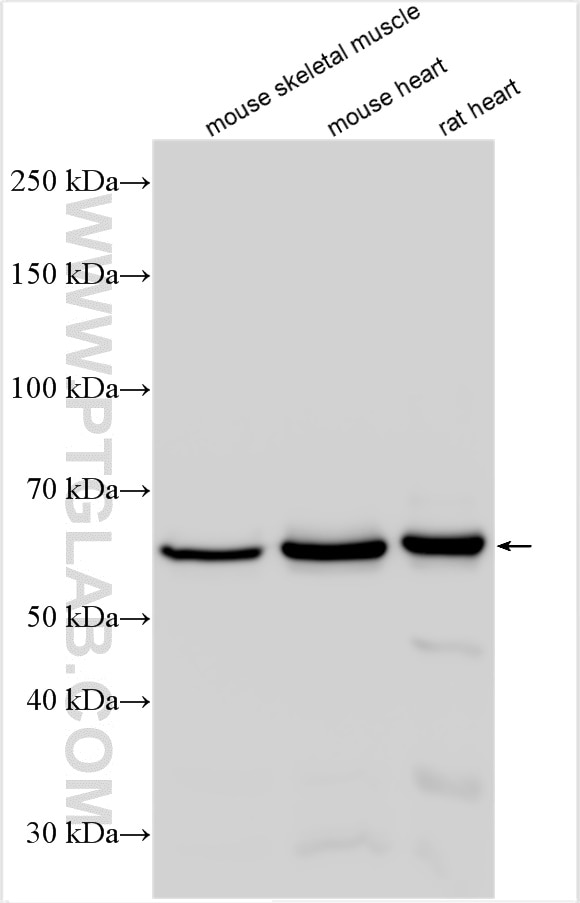
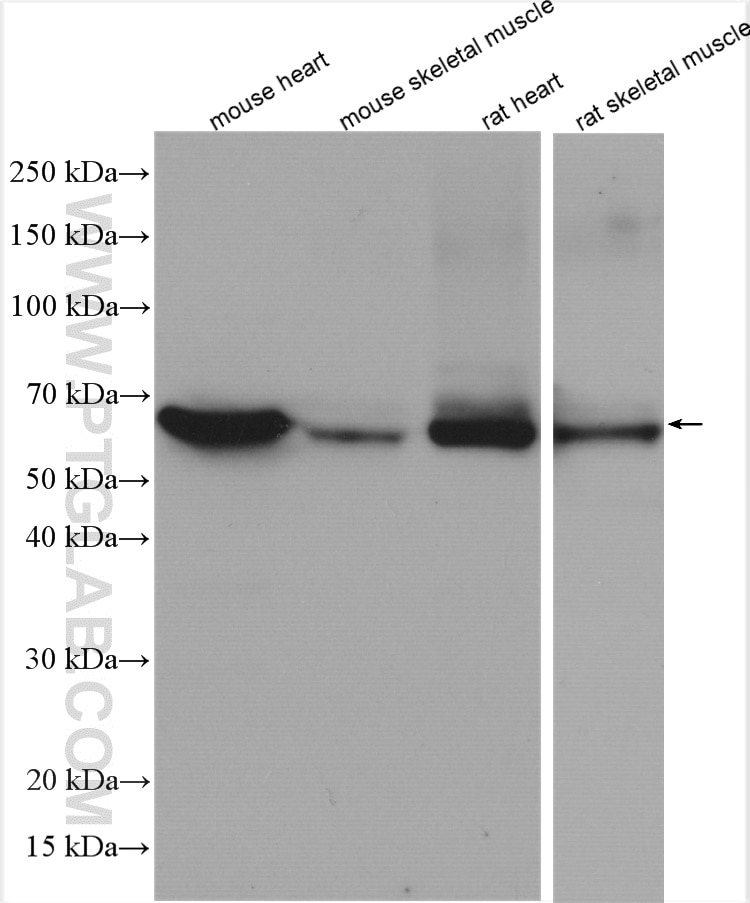
| Positive WB detected in | mouse skeletal muscle tissue, mouse heart tissue, rat skeletal muscle, rat heart tissue |
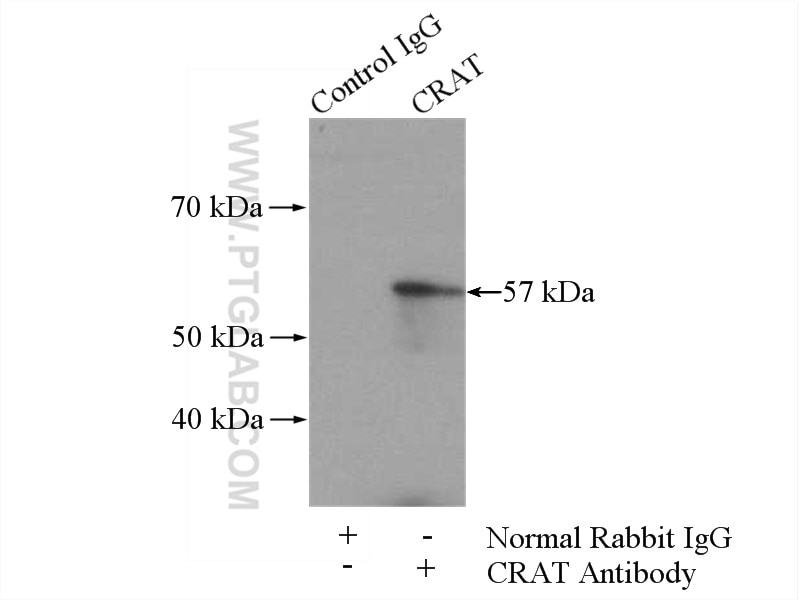
| Positive IP detected in | mouse skeletal muscle tissue |
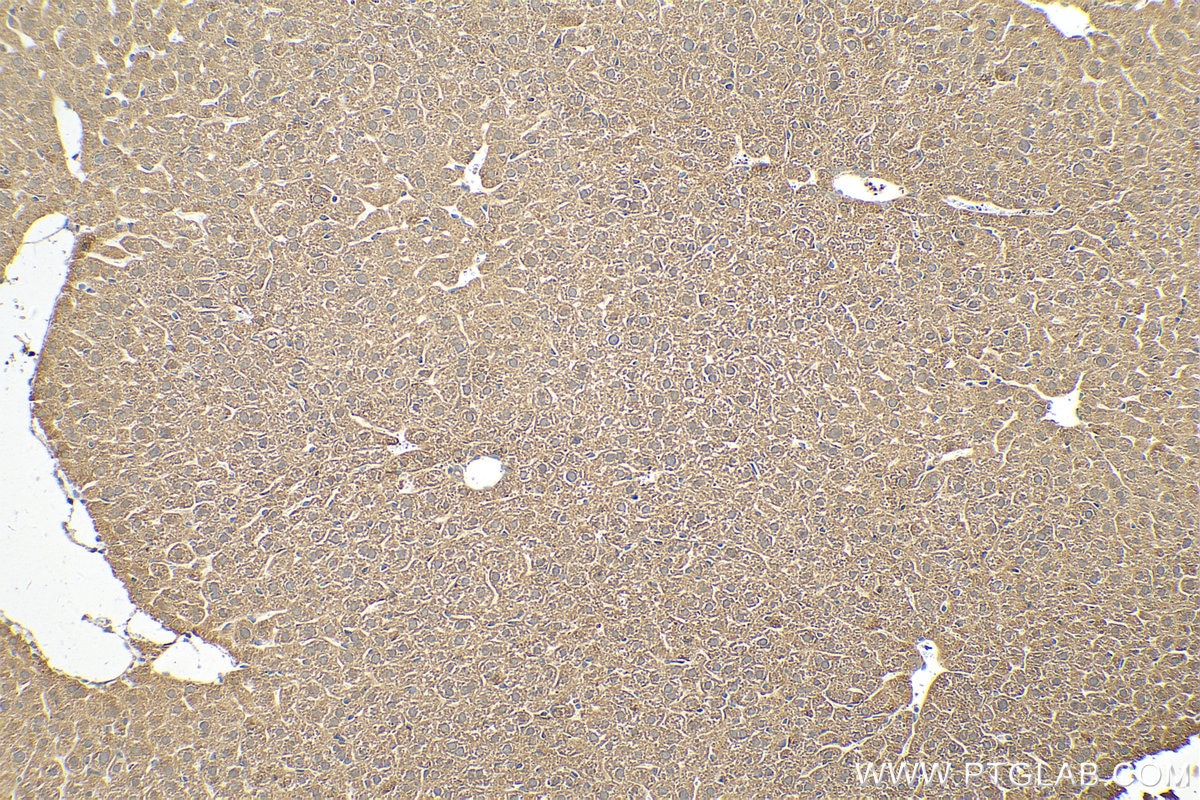
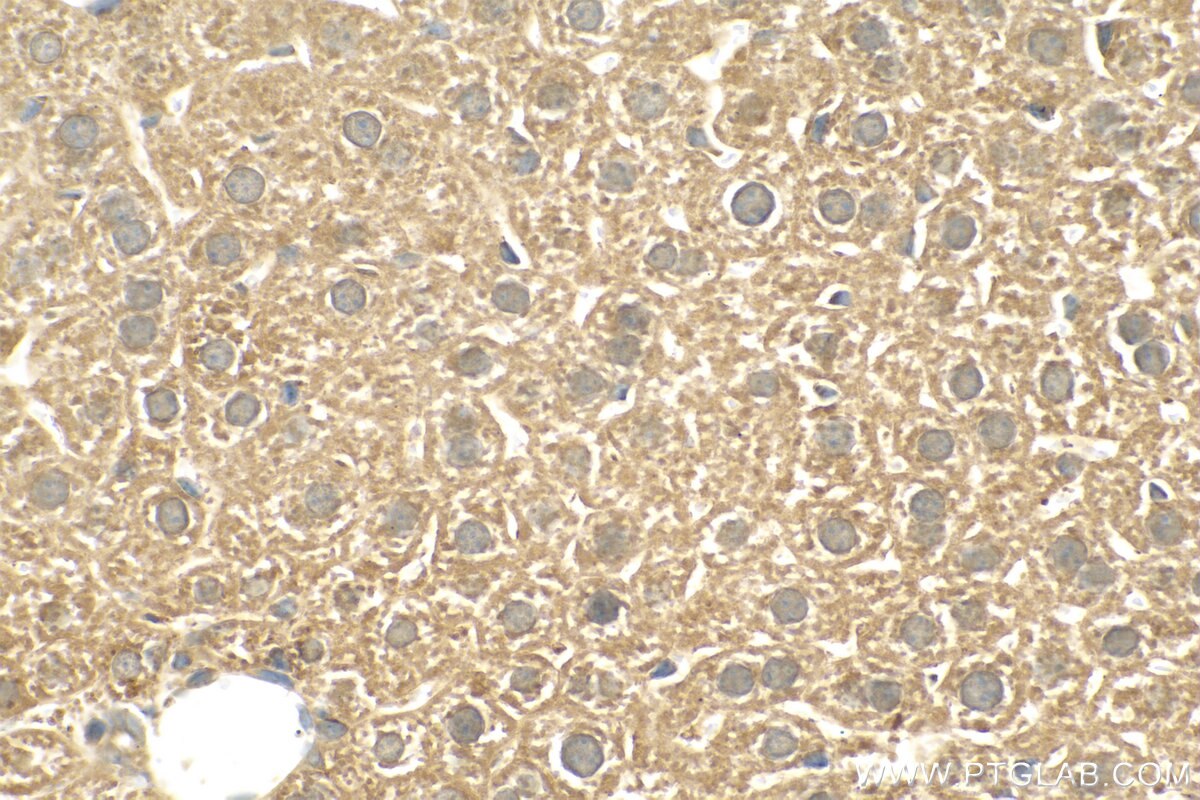
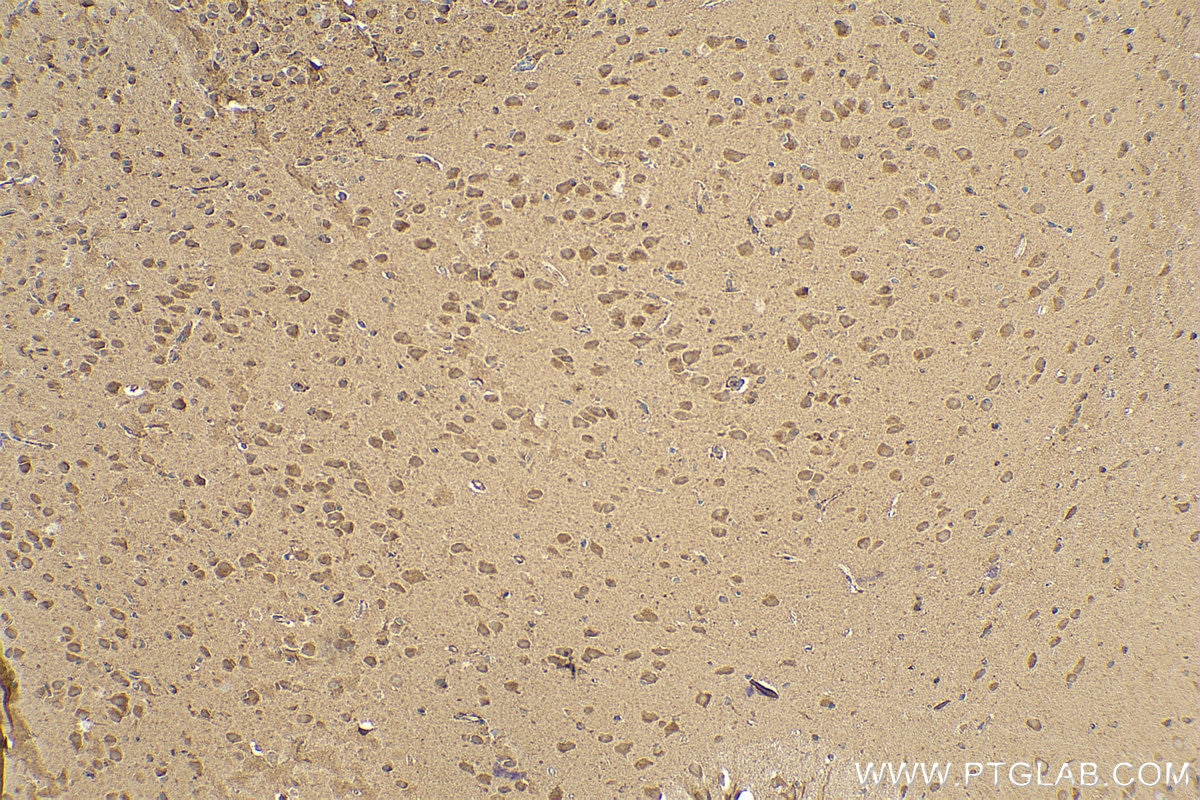
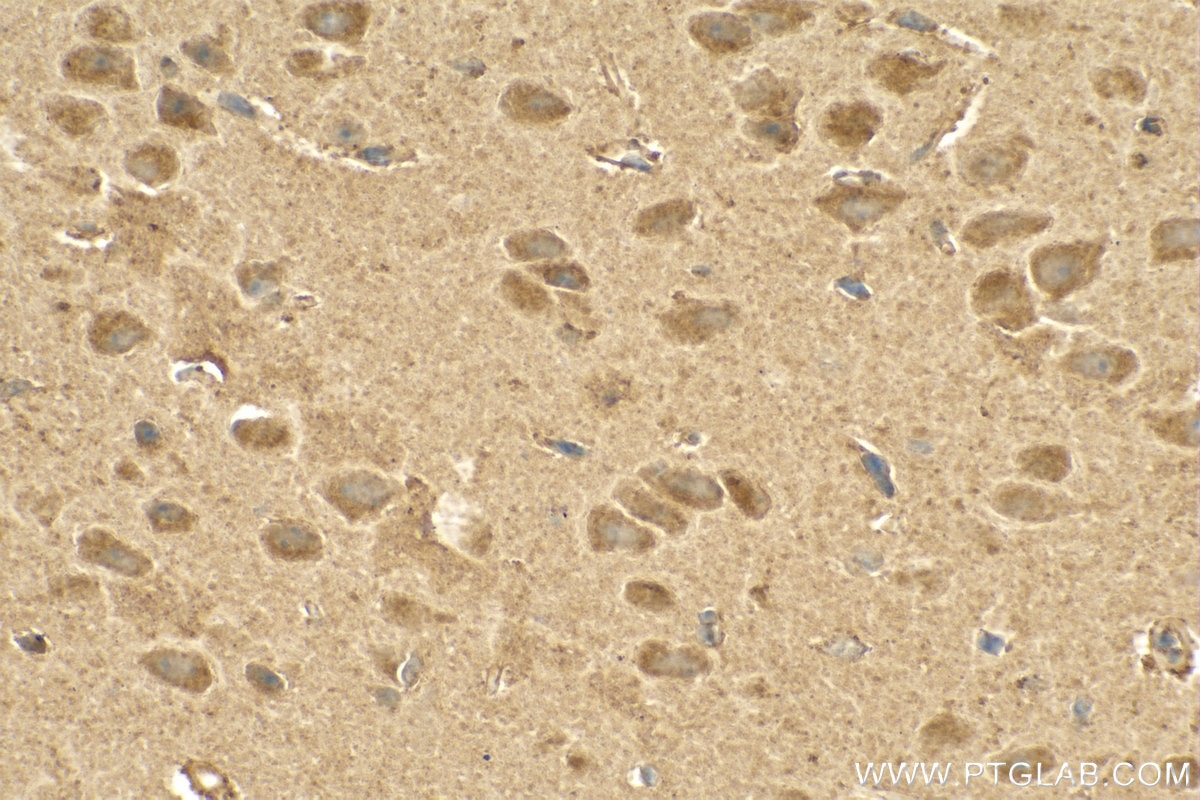
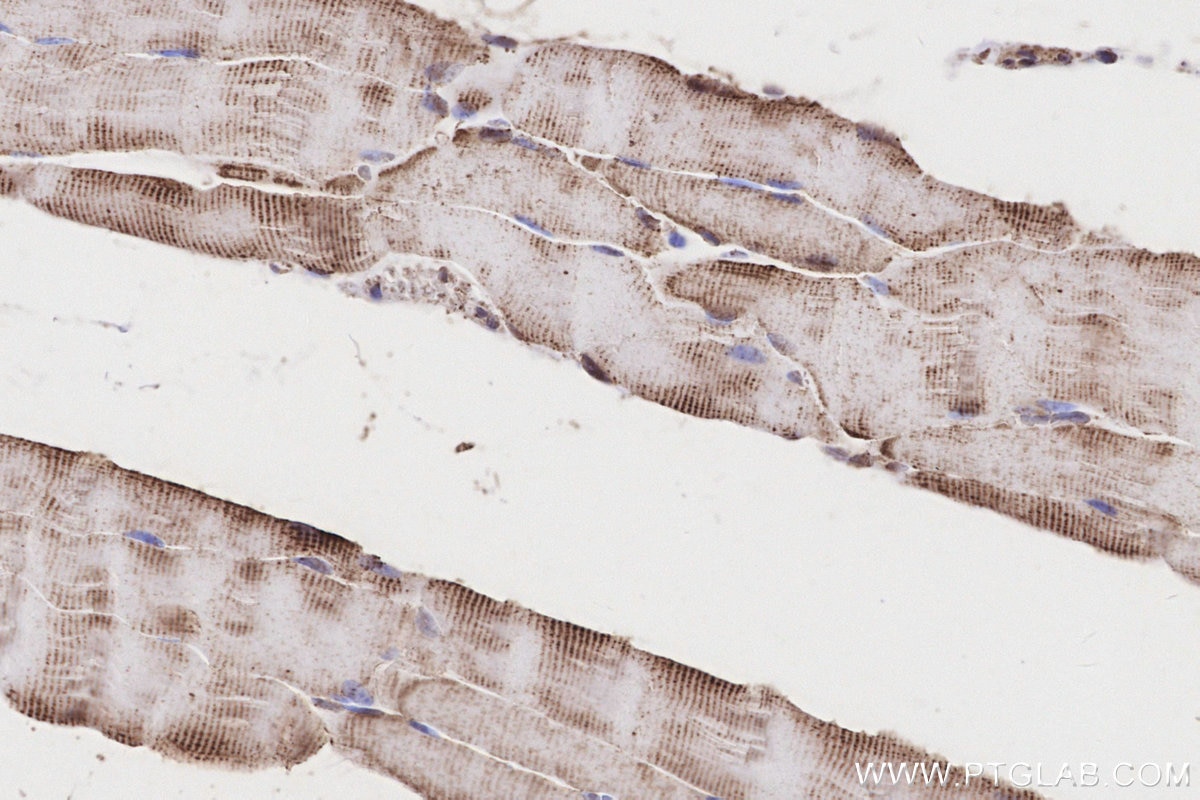
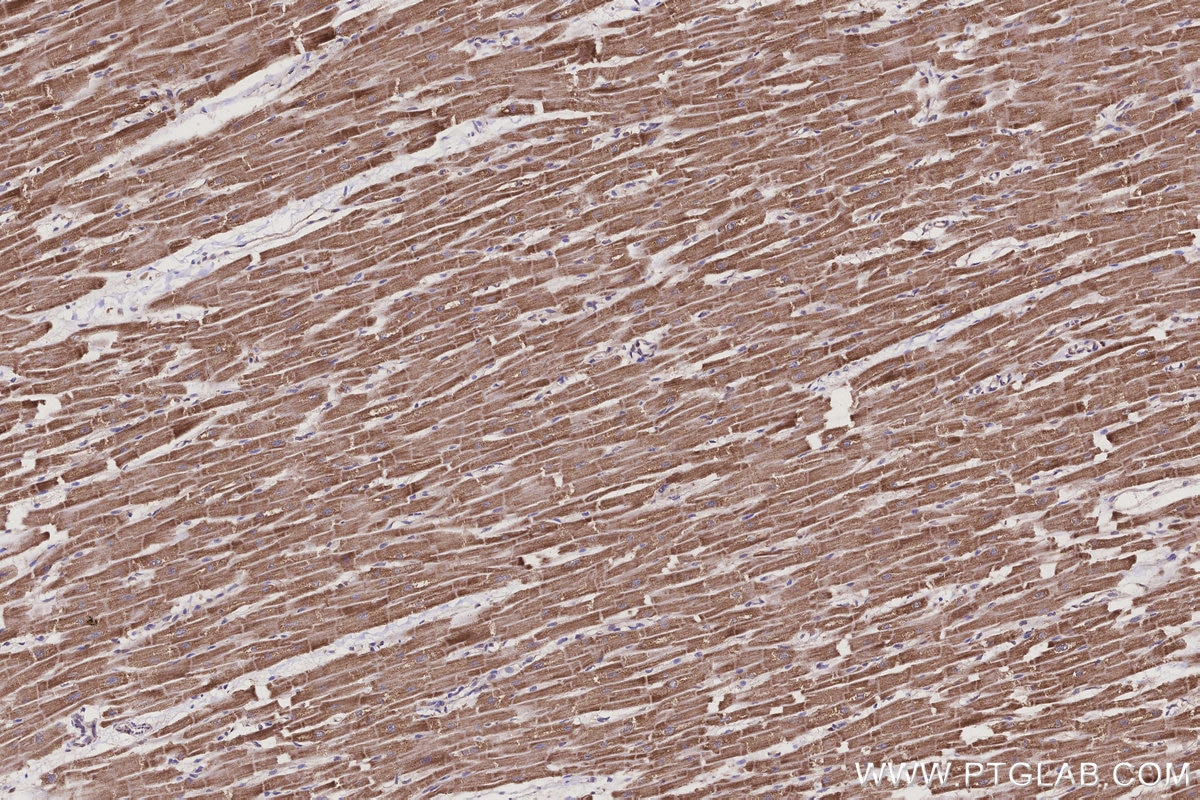
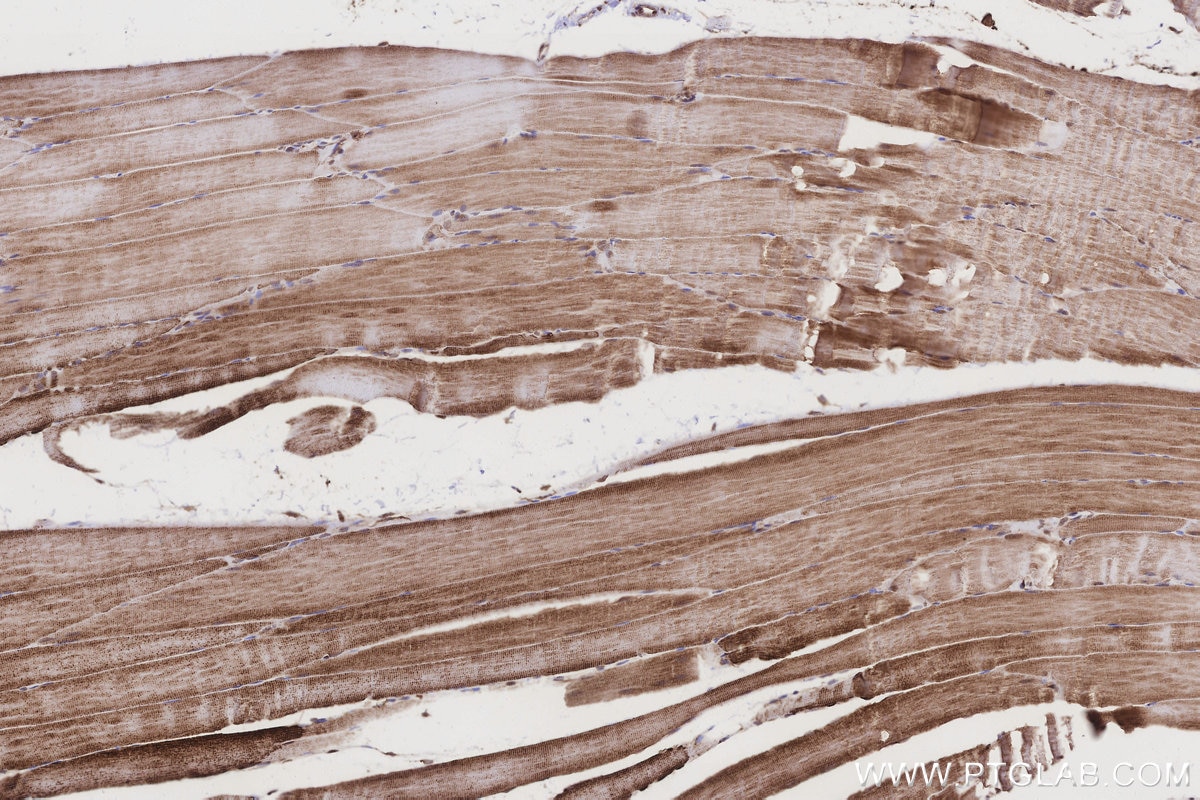
| Positive IHC detected in | mouse brain tissue, mouse liver tissue, rat skeletal muscle tissue, human heart tissue Note: suggested antigen retrieval with TE buffer pH 9.0; (*) Alternatively, antigen retrieval may be performed with citrate buffer pH 6.0 |
Recommended dilution
| Application | Dilution |
|---|---|
| Western Blot (WB) | WB : 1:800-1:8000 |
| Immunoprecipitation (IP) | IP : 0.5-4.0 ug for 1.0-3.0 mg of total protein lysate |
| Immunohistochemistry (IHC) | IHC : 1:250-1:1000 |
| It is recommended that this reagent should be titrated in each testing system to obtain optimal results. | |
| Sample-dependent, Check data in validation data gallery. | |
Product Information
15170-1-AP targets CRAT in WB, IHC, IP, CoIP, ELISA applications and shows reactivity with human, mouse, rat samples.
| Tested Reactivity | human, mouse, rat |
| Cited Reactivity | human, mouse, rat, pig, sheep, goat |
| Host / Isotype | Rabbit / IgG |
| Class | Polyclonal |
| Type | Antibody |
| Immunogen |
CatNo: Ag7422 Product name: Recombinant human CRAT protein Source: e coli.-derived, PGEX-4T Tag: GST Domain: 1-281 aa of BC000723 Sequence: MLAFAARTVVKPLGFLKPFSLMKASSRFKAHQDALPRLPVPPLQQSLDHYLKALQPIVSEEEWAHTKQLVDEFQASGGVGERLQKGLERRARKTENWLSEWWLKTAYLQYRQPVVIYSSPGVMLPKQDFVDLQGQLRFAAKLIEGVLDFKVMIDNETLPVEYLGGKPLCMNQYYQILSSCRVPGPKQDTVSNFSKTKKPPTHITVVHNYQFFELDVYHSDGTPLTADQIFVQLEKIWNSSLQTNKEPVGILTSNHRNSWAKAYNTLIKDKVNRDSVRSIQK Predict reactive species |
| Full Name | carnitine acetyltransferase |
| Calculated Molecular Weight | 71 kDa |
| Observed Molecular Weight | 62-68 kDa |
| GenBank Accession Number | BC000723 |
| Gene Symbol | CRAT |
| Gene ID (NCBI) | 1384 |
| RRID | AB_2229978 |
| Conjugate | Unconjugated |
| Form | Liquid |
| Purification Method | Antigen affinity purification |
| UNIPROT ID | P43155 |
| Storage Buffer | PBS with 0.02% sodium azide and 50% glycerol, pH 7.3. |
| Storage Conditions | Store at -20°C. Stable for one year after shipment. Aliquoting is unnecessary for -20oC storage. 20ul sizes contain 0.1% BSA. |
Background Information
CRAT, also named as CAT1, belongs to the carnitine/choline acetyltransferase family. It is specific for short chain fatty acids. CRAT seems to affect the flux through the pyruvate dehydrogenase complex. It may be involved as well in the transport of acetyl-CoA into mitochondria. Carnitine palmitoyltransferase (CPT) deficiencies are common disorders of mitochondrial fatty acid oxidation. The CPT system is made up of two separate proteins located in the outer (CPT1) and inner (CPT2) mitochondrial membranes. CRAT is an active forms for carnitine acetyltransferase. This antibody can bind the close sequences genes.
Protocols
| Product Specific Protocols | |
|---|---|
| IHC protocol for CRAT antibody 15170-1-AP | Download protocol |
| IP protocol for CRAT antibody 15170-1-AP | Download protocol |
| WB protocol for CRAT antibody 15170-1-AP | Download protocol |
| Standard Protocols | |
|---|---|
| Click here to view our Standard Protocols |
Publications
What published studies show
The CRAT Polyclonal antibody (Cat# 15170-1-AP) has 20 citations published in journals including Nature Metabolism, Nature Communications, Cell Metabolism, Cancer Research, Science Advances, Diabetes, and Molecular Metabolism. The research fields span mitochondrial metabolism, lipid metabolism, cardiovascular disease, insulin resistance, obesity, cancer (prostate, breast, cervical), diabetes, aging, and muscle physiology. Applications cited include WB, IHC, and CoIP across human, mouse, rat, pig, sheep, and goat species.
| Species | Application | Title |
|---|---|---|
Cell Metab Dissociation of Muscle Insulin Resistance from Alterations in Mitochondrial Substrate Preference. | ||
Nat Metab CRAT links cholesterol metabolism to innate immune responses in the heart
| ||
Cancer Res Organelle-Derived Acetyl-CoA Promotes Prostate Cancer Cell Survival, Migration, and Metastasis via Activation of Calmodulin Kinase II. | ||
Nat Commun Male obesity causes adipose mitochondrial dysfunction in F(1) mouse progeny via a let-7-DICER axis. | ||
Nat Commun Pyruvate metabolism enzyme Dlat induces mitochondria protein hyperacetylation to limit fatty acid oxidation in the HFpEF heart. | ||
Redox Biol TGF-β1 attenuates mitochondrial bioenergetics in pulmonary arterial endothelial cells via the disruption of carnitine homeostasis.
|











