

Tested Applications
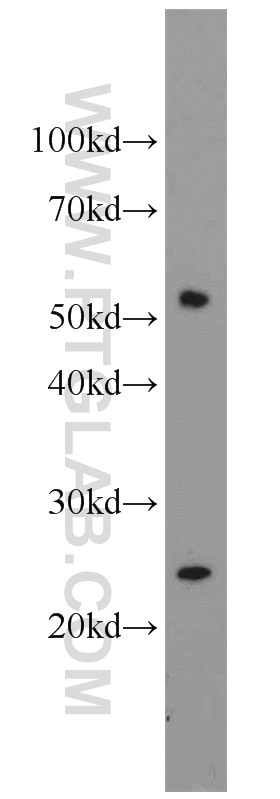
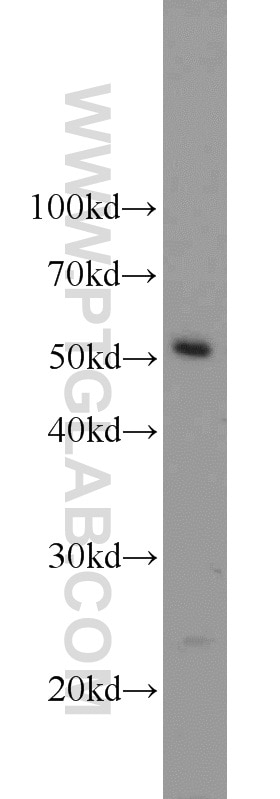
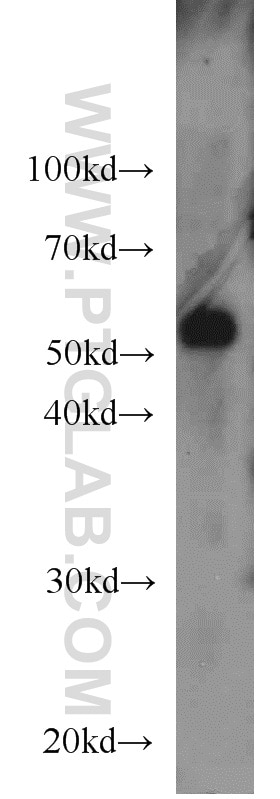
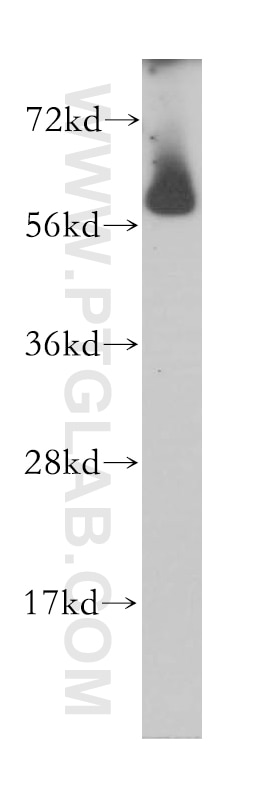
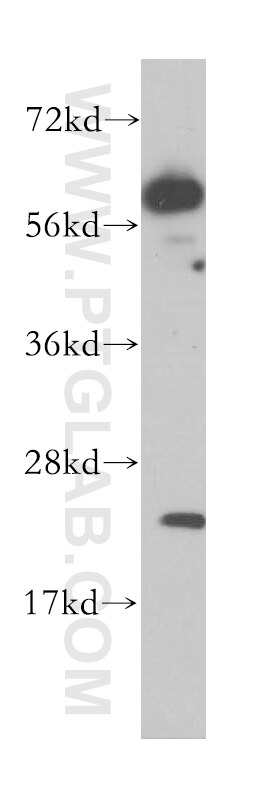
| Positive WB detected in | Jurkat cells, HepG2 cells, mouse brain tissue |
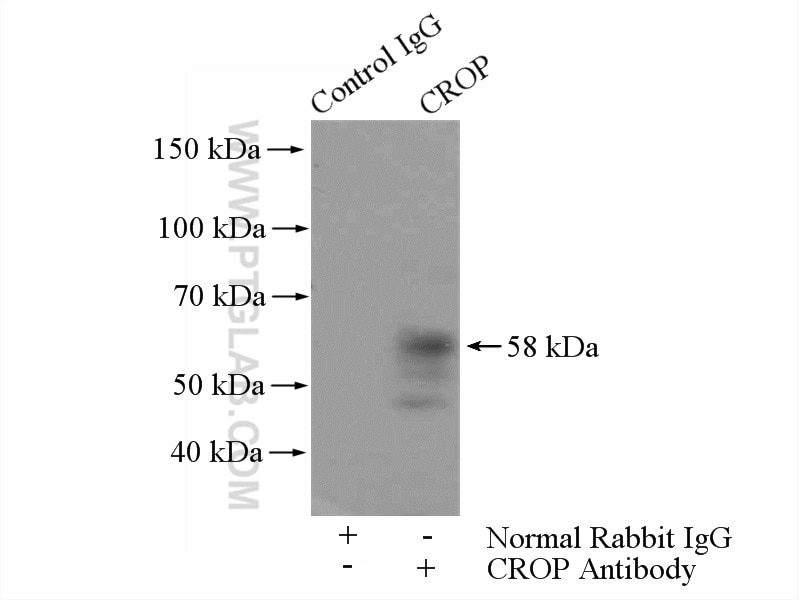
| Positive IP detected in | HepG2 cells |
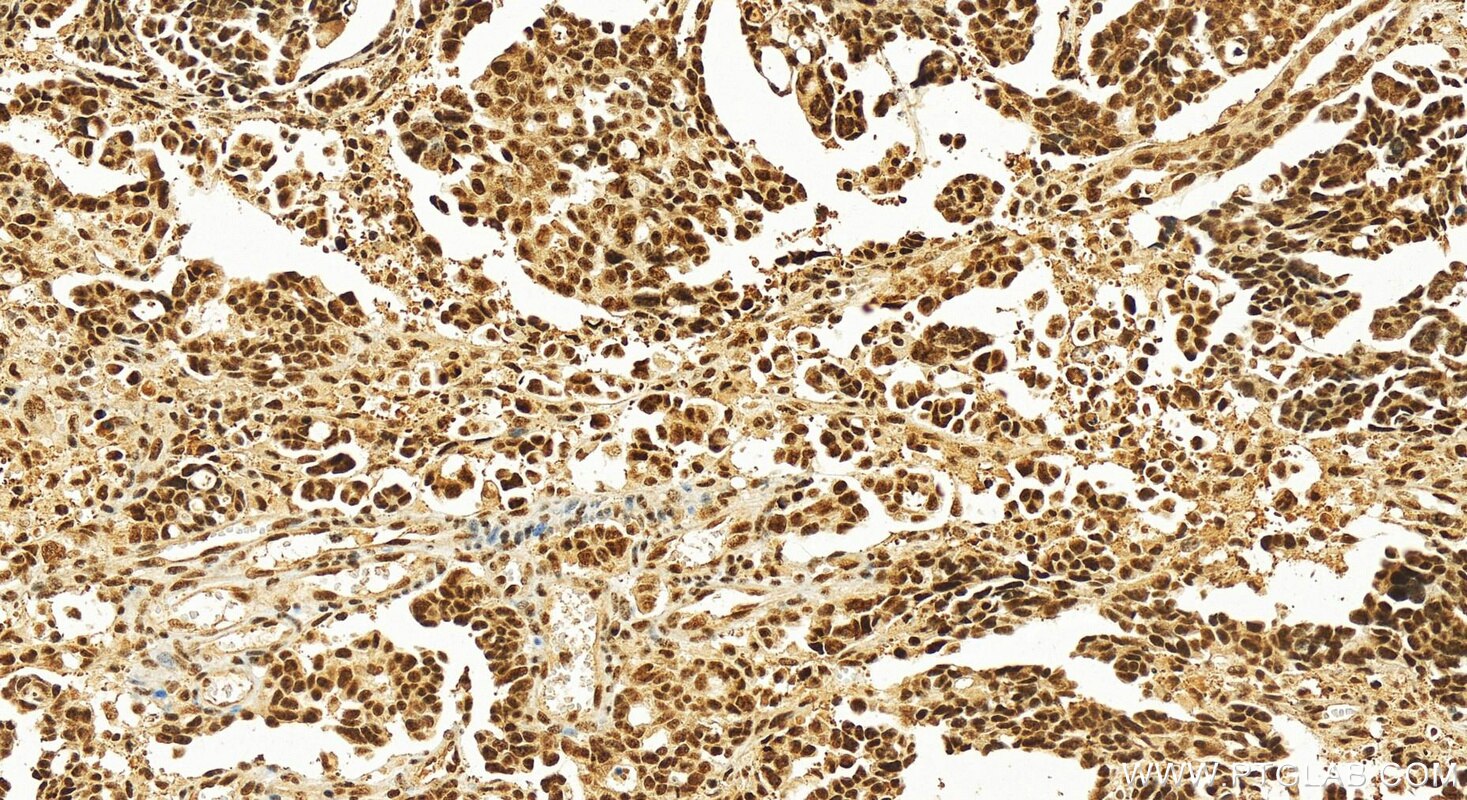
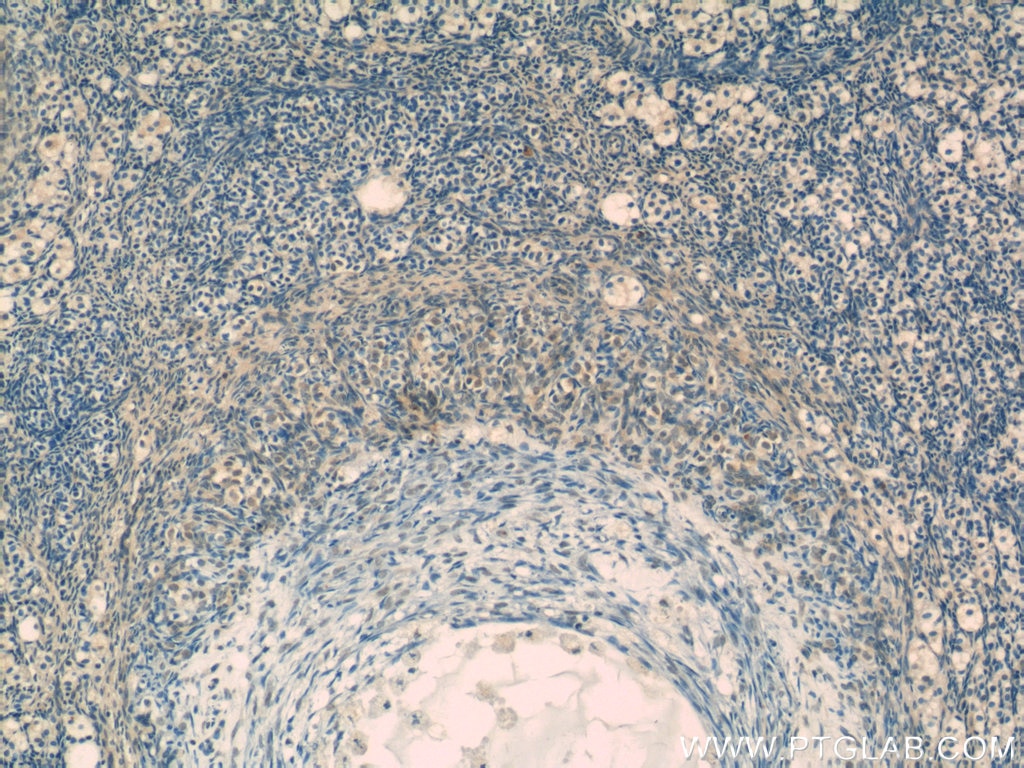
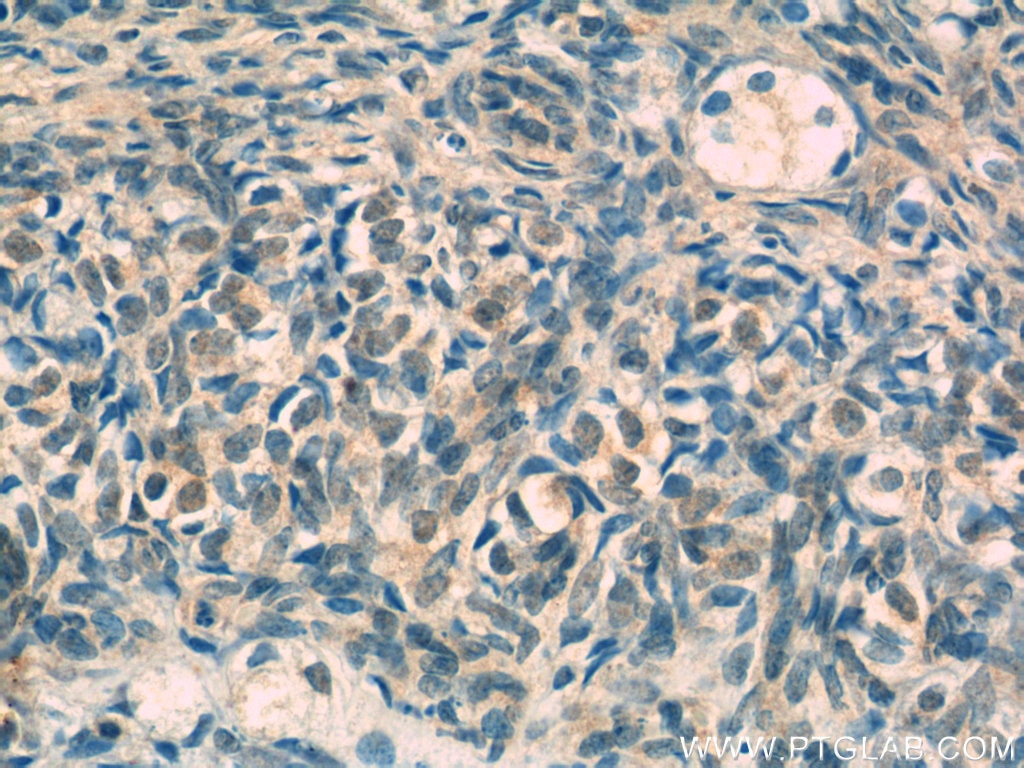
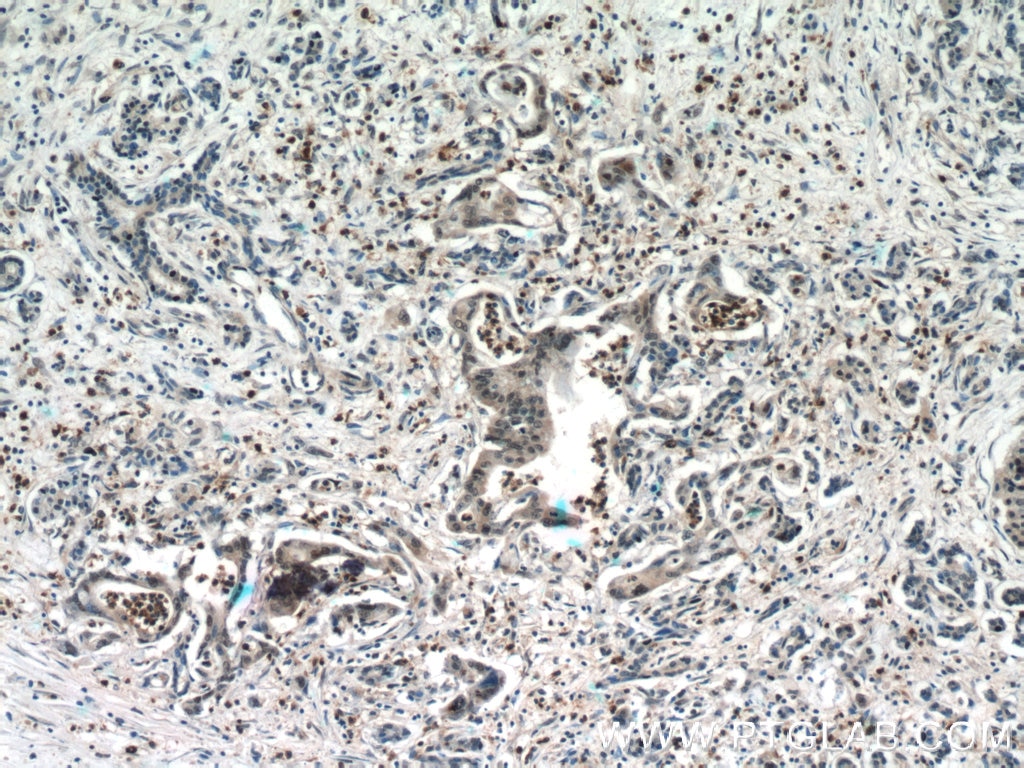
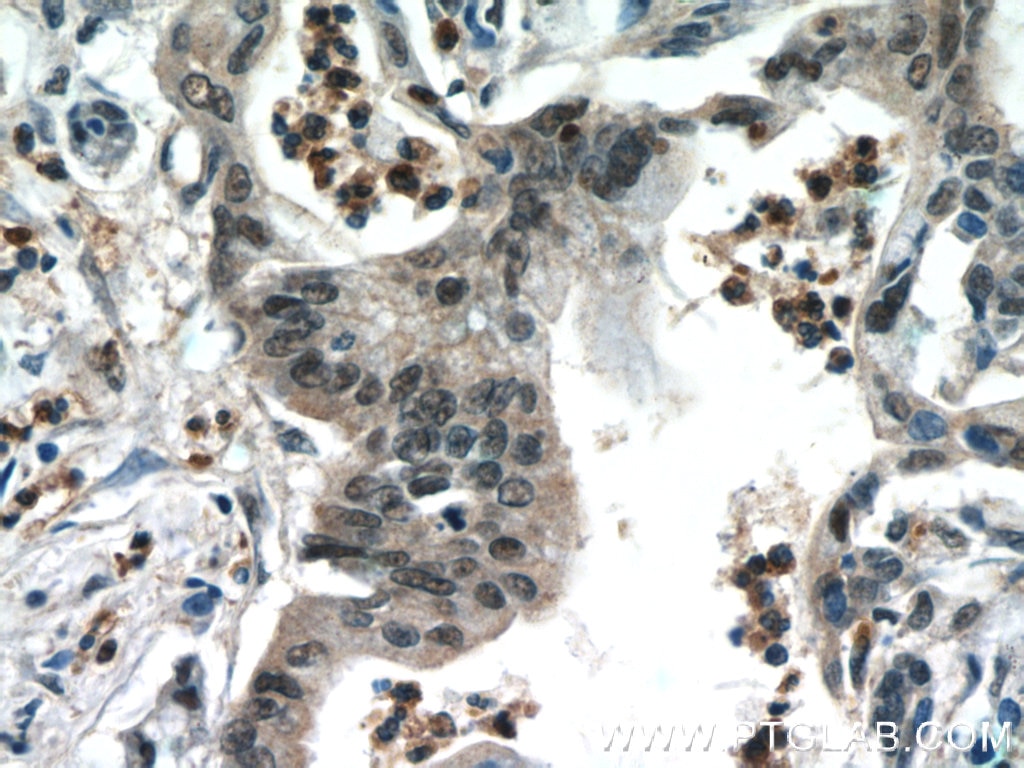
| Positive IHC detected in | human ovary cancer tissue, human ovary tissue, human pancreas cancer tissue Note: suggested antigen retrieval with TE buffer pH 9.0; (*) Alternatively, antigen retrieval may be performed with citrate buffer pH 6.0 |
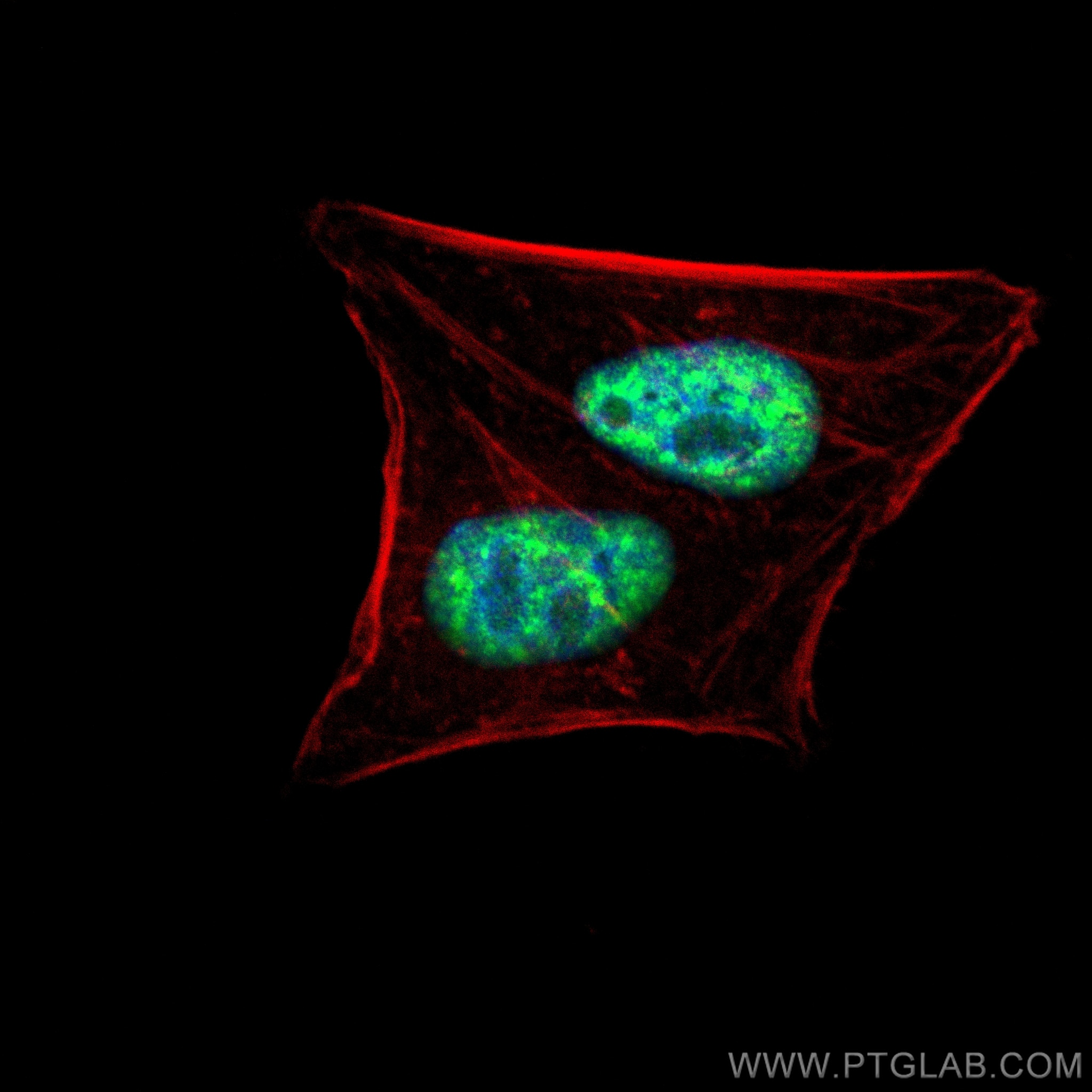
| Positive IF/ICC detected in | HepG2 cells |
Recommended dilution
| Application | Dilution |
|---|---|
| Western Blot (WB) | WB : 1:500-1:1000 |
| Immunoprecipitation (IP) | IP : 0.5-4.0 ug for 1.0-3.0 mg of total protein lysate |
| Immunohistochemistry (IHC) | IHC : 1:200-1:800 |
| Immunofluorescence (IF)/ICC | IF/ICC : 1:50-1:500 |
| It is recommended that this reagent should be titrated in each testing system to obtain optimal results. | |
| Sample-dependent, Check data in validation data gallery. | |
Product Information
14504-1-AP targets CROP in WB, IHC, IF/ICC, IP, ELISA applications and shows reactivity with human, mouse samples.
| Tested Reactivity | human, mouse |
| Cited Reactivity | human, mouse |
| Host / Isotype | Rabbit / IgG |
| Class | Polyclonal |
| Type | Antibody |
| Immunogen |
CatNo: Ag5961 Product name: Recombinant human CROP protein Source: e coli.-derived, PGEX-4T Tag: GST Domain: 1-79 aa of BC056409 Sequence: MISAAQLLDELMGRDRNLAPDEKRSNVRWDHESVCKYYLCGFCPAELFTNTRSDLDVFGRGDNISDVSKFLEDDKWMEE Predict reactive species |
| Full Name | cisplatin resistance-associated overexpressed protein |
| Calculated Molecular Weight | 51 kDa |
| Observed Molecular Weight | 55-58 kDa |
| GenBank Accession Number | BC056409 |
| Gene Symbol | CROP |
| Gene ID (NCBI) | 51747 |
| RRID | AB_2229967 |
| Conjugate | Unconjugated |
| Form | Liquid |
| Purification Method | Antigen affinity purification |
| UNIPROT ID | O95232 |
| Storage Buffer | PBS with 0.02% sodium azide and 50% glycerol, pH 7.3. |
| Storage Conditions | Store at -20°C. Stable for one year after shipment. Aliquoting is unnecessary for -20oC storage. 20ul sizes contain 0.1% BSA. |
Background Information
CROP, a putative SR protein, contain cystine/histidine motifs and leucine zipper-like repeats in the N-terminal half and consists mostly of charged and polar amino acids in the C-terminal half. CROP has a high expression in heart, brain, pancreas, thymus, and weak in lung, live and kidney. As the human homologue of yeast Luc7p, CROP is supported to be participated in 5'-splice site recognize and is essential for vegetative growth. This is a rabbit polyclonal antibody raised against part of N-terminus of CROP of human origin, and can recognize a ~58kDa band of CROP.
Protocols
| Product Specific Protocols | |
|---|---|
| IF protocol for CROP antibody 14504-1-AP | Download protocol |
| IHC protocol for CROP antibody 14504-1-AP | Download protocol |
| IP protocol for CROP antibody 14504-1-AP | Download protocol |
| WB protocol for CROP antibody 14504-1-AP | Download protocol |
| Standard Protocols | |
|---|---|
| Click here to view our Standard Protocols |
Publications
What published studies show
The CROP polyclonal antibody (Cat# 14504-1-AP) has 7 citations appearing in Cell Reports, Cell Insight, Inorganic Chemistry, RNA, Current Issues in Molecular Biology, Journal of Biological Chemistry, and PLoS Genetics. Associated research fields include splicing regulation, myeloid neoplasms, genomic instability, anticancer drug development, ovarian cancer, hepatocellular carcinoma biomarkers, mRNA degradation mechanisms, and ATR inhibitor resistance.
| Species | Application | Title |
|---|---|---|
Cell Rep Functional analyses of human LUC7-like proteins involved in splicing regulation and myeloid neoplasms.
| ||
Inorg Chem Studies of Anticancer Activities In Vitro and In Vivo for Butyltin(IV)-Iridium(III) Imidazole-Phenanthroline Complexes with Aggregation-Induced Emission Properties | ||
RNA The molecular chaperone TRAP1 promotes translation of Luc7I3 mRNA to enhance ovarian cancer cell proliferation.
| ||
Curr Issues Mol Biol Proteomics Identifies LUC7L3 as a Prognostic Biomarker for Hepatocellular Carcinoma | ||
J Biol Chem The NEDD4-binding protein N4BP1 degrades mRNA substrates through the coding sequence independent of nonsense-mediated decay |













