

Tested Applications
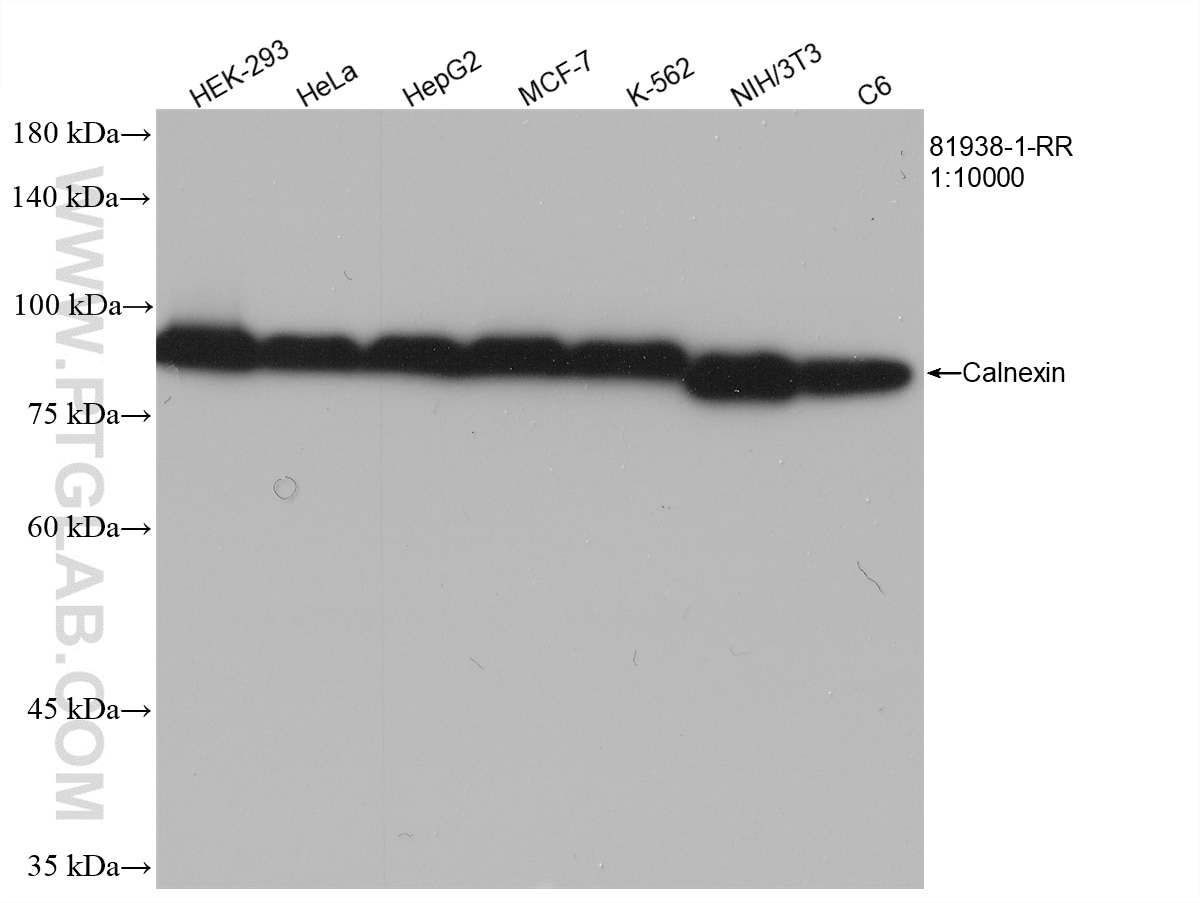
| Positive WB detected in | HEK-293 cells, HeLa cells, HepG2 cells, MCF-7 cells, K-562 cells, NIH/3T3 cells, C6 cells |
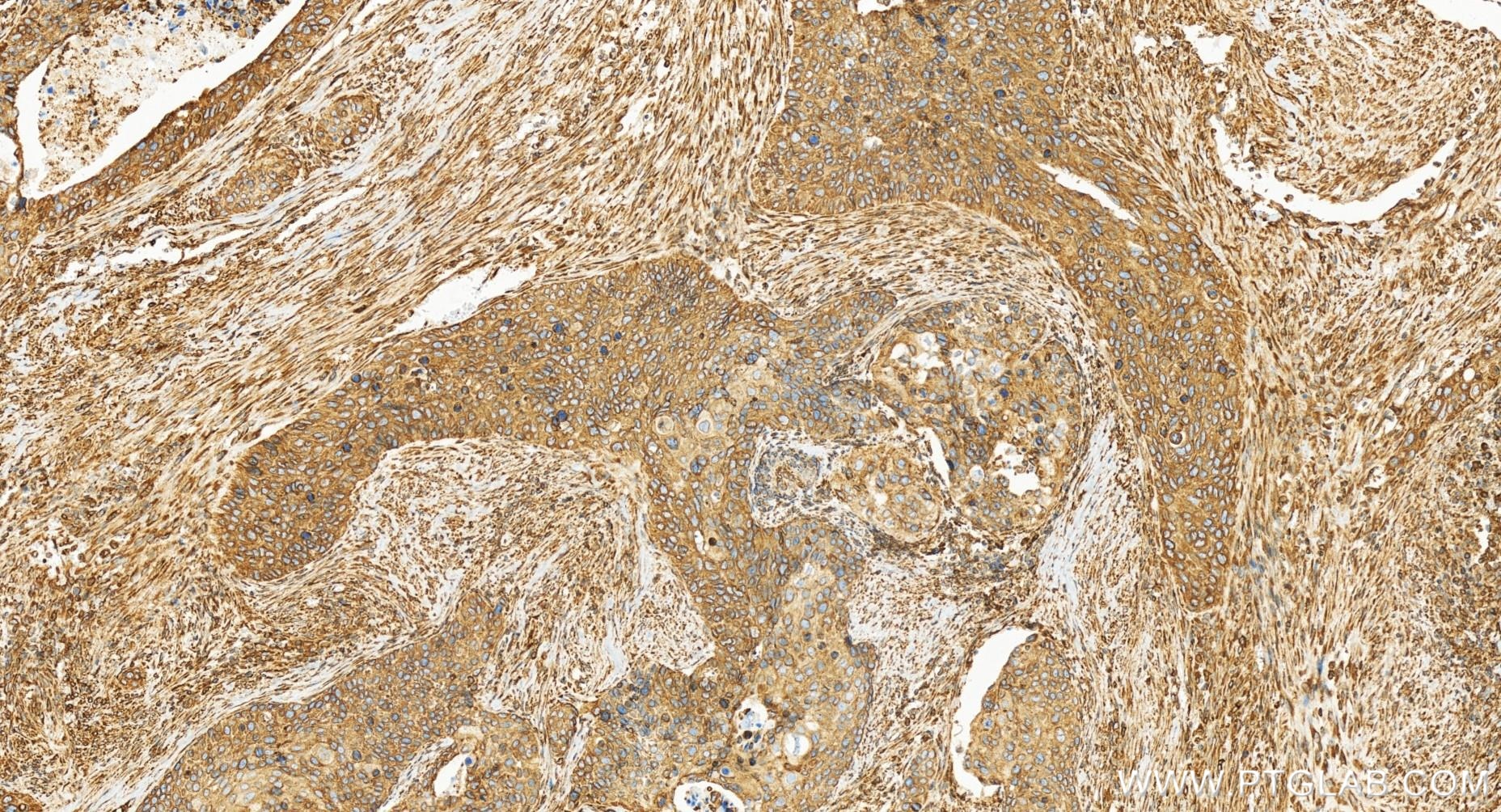
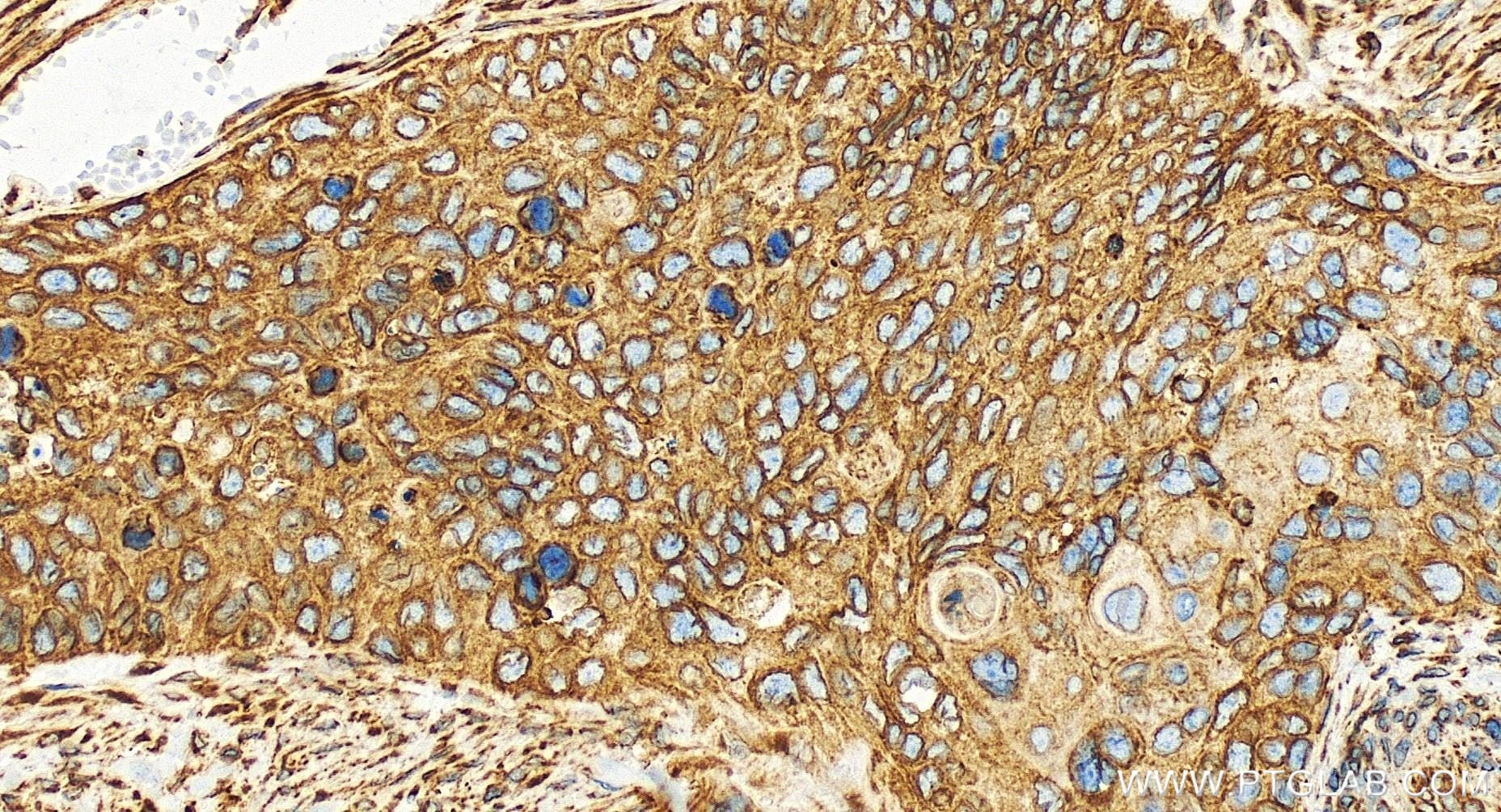
| Positive IHC detected in | human cervical cancer tissue Note: suggested antigen retrieval with TE buffer pH 9.0; (*) Alternatively, antigen retrieval may be performed with citrate buffer pH 6.0 |
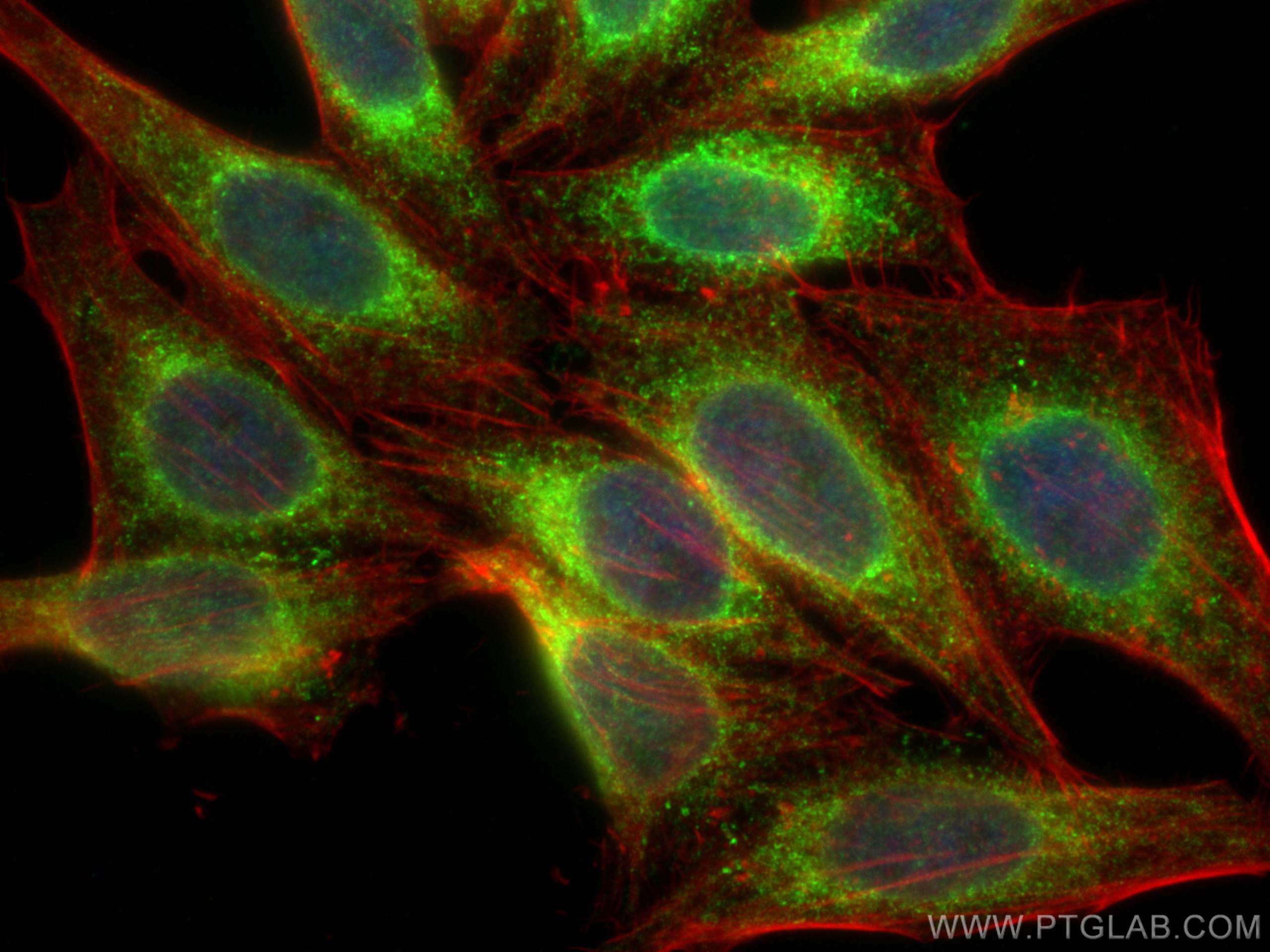
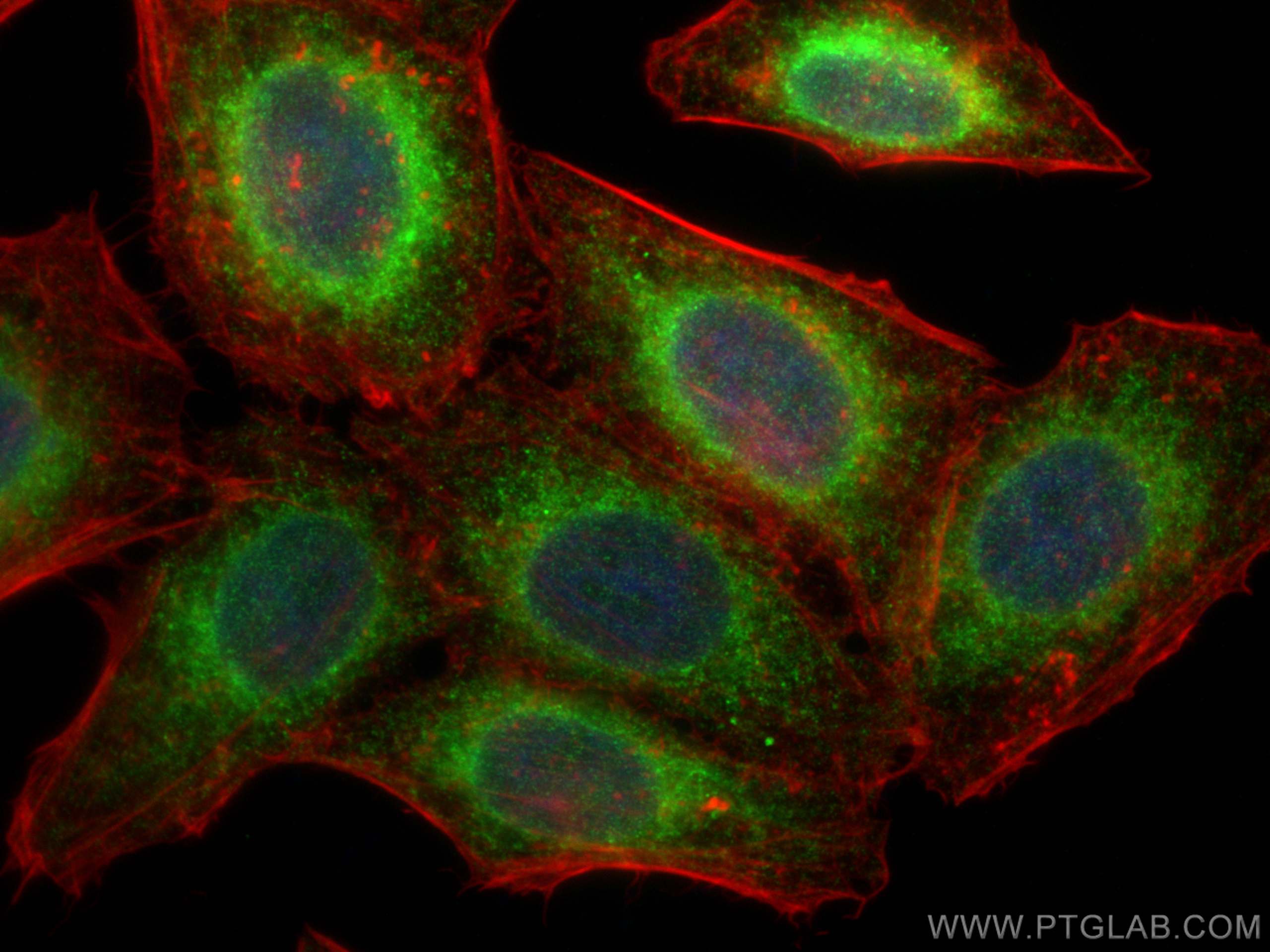
| Positive IF/ICC detected in | HepG2 cells |
Recommended dilution
| Application | Dilution |
|---|---|
| Western Blot (WB) | WB : 1:5000-1:50000 |
| Immunohistochemistry (IHC) | IHC : 1:200-1:800 |
| Immunofluorescence (IF)/ICC | IF/ICC : 1:500-1:2000 |
| It is recommended that this reagent should be titrated in each testing system to obtain optimal results. | |
| Sample-dependent, Check data in validation data gallery. | |
Product Information
81938-1-RR targets Calnexin in WB, IHC, IF/ICC, ELISA applications and shows reactivity with human, mouse, rat samples.
| Tested Reactivity | human, mouse, rat |
| Cited Reactivity | human, mouse, rat |
| Host / Isotype | Rabbit / IgG |
| Class | Recombinant |
| Type | Antibody |
| Immunogen |
CatNo: Ag0697 Product name: Recombinant human Calnexin protein Source: e coli.-derived, PGEX-4T Tag: GST Domain: 1-273 aa of BC003552 Sequence: MEGKWLLCMLLVLGTAIVEAHDGHDDDVIDIEDDLDDVIEEVEDSKPDTTAPPSSPKVTYKAPVPTGEVYFADSFDRGTLSGWILSKAKKDDTDDEIAKYDGKWEVEEMKESKLPGDKGLVLMSRAKHHAISAKLNKPFLFDTKPLIVQYEVNFQNGIECGGAYVKLLSKTPELNLDQFHDKTPYTIMFGPDKCGEDYKLHFIFRHKNPKTGIYEEKHAKRPDADLKTYFTDKKTHLYTLILNPDNSFEILVDQSVVNSGNLLNDMTPPVNPS Predict reactive species |
| Full Name | calnexin |
| Calculated Molecular Weight | 90 kDa |
| Observed Molecular Weight | 90 kDa |
| GenBank Accession Number | BC003552 |
| Gene Symbol | Calnexin |
| Gene ID (NCBI) | 821 |
| RRID | AB_2935593 |
| Conjugate | Unconjugated |
| Form | Liquid |
| Purification Method | Protein A purification |
| UNIPROT ID | P27824 |
| Storage Buffer | PBS with 0.02% sodium azide and 50% glycerol, pH 7.3. |
| Storage Conditions | Store at -20°C. Stable for one year after shipment. Aliquoting is unnecessary for -20oC storage. 20ul sizes contain 0.1% BSA. |
Background Information
Calnexin is a molecular chaperone that resides in the endoplasmic reticulum (ER) and participates in the folding and assembly of newly synthesized proteins. Calnexin is highly abundant in ER and is frequently used as an ER marker.
Protocols
| Product Specific Protocols | |
|---|---|
| WB protocol for Calnexin antibody 81938-1-RR | Download protocol |
| IF protocol for Calnexin antibody 81938-1-RR | Download protocol |
| IHC protocol for Calnexin antibody 81938-1-RR | Download protocol |
| Standard Protocols | |
|---|---|
| Click here to view our Standard Protocols |
Publications
What published studies show
The Calnexin Recombinant monoclonal antibody (3K18), catalog number 81938-1-RR, has 12 total citations spanning 11 journals including Nature Communications, Advanced Science, Cardiovascular Diabetology, Journal for ImmunoTherapy of Cancer, Stem Cell Research & Therapy, and Scientific Reports. Research fields covered include liver disease and lipid metabolism, diabetic vascular calcification, colitis and neutrophil extracellular traps, checkpoint inhibitor pneumonitis, osteogenesis and bone repair, Wnt/β-catenin signaling, cardiac fibrosis, thyroid and nasopharyngeal cancer, and neural organoid generation.
| Species | Application | Title |
|---|---|---|
Nat Commun Mic19 depletion impairs endoplasmic reticulum-mitochondrial contacts and mitochondrial lipid metabolism and triggers liver disease | ||
Cardiovasc Diabetol Endothelial cells derived extracellular vesicles promote diabetic arterial calcification via circ_0008362/miR-1251-5p/Runx2 axial | ||
Adv Sci (Weinh) IL-7R-Enriched Extracellular Vesicles From the Thymus Drive Colitis via Promoting Neutrophil Extracellular Trap Formation. | ||
J Immunother Cancer Novel circulating microRNA signature for early detection and prognostication of checkpoint inhibitor-related pneumonitis. | ||
Stem Cell Res Ther Exosomes derived from umbilical cord mesenchymal stem cells alleviate jaw bone marrow mesenchymal stem cells senescence and restore osteogenic differentiation potential. | ||
Stem Cell Rev Rep Extracellular Vesicles Derived from Resveratrol-Treated BMSCs Promote the Repair of Bone Defects in Osteoporotic Rats. |







