

Tested Applications
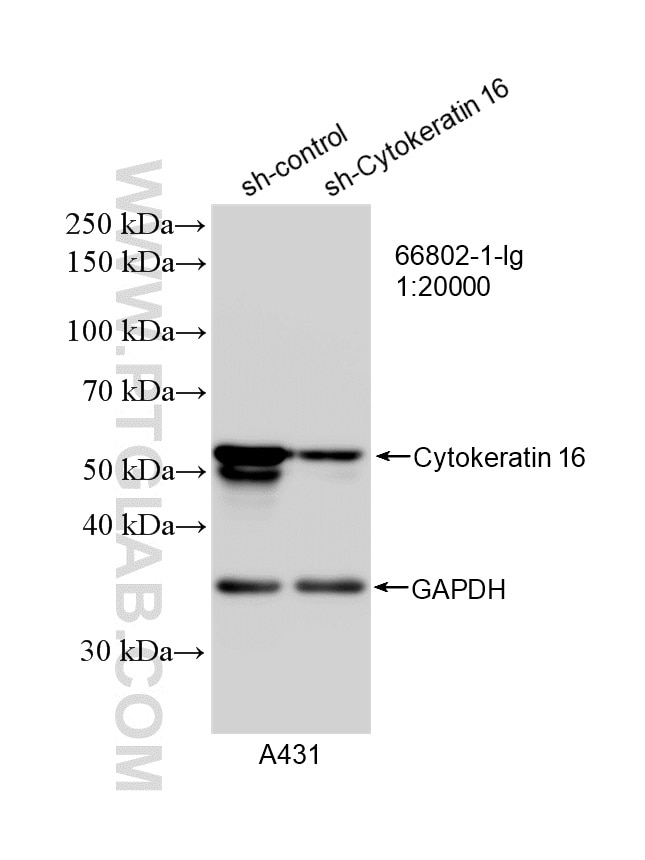
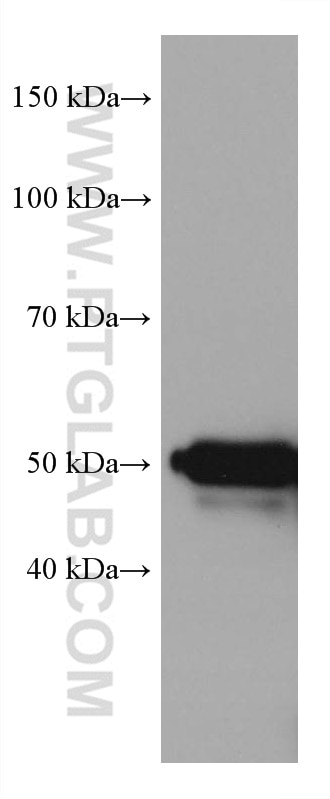
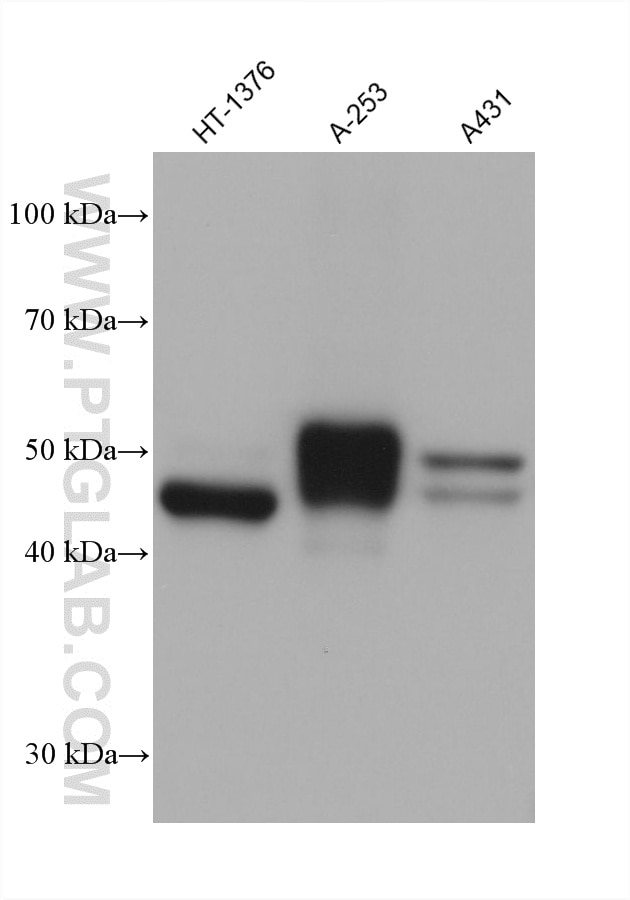
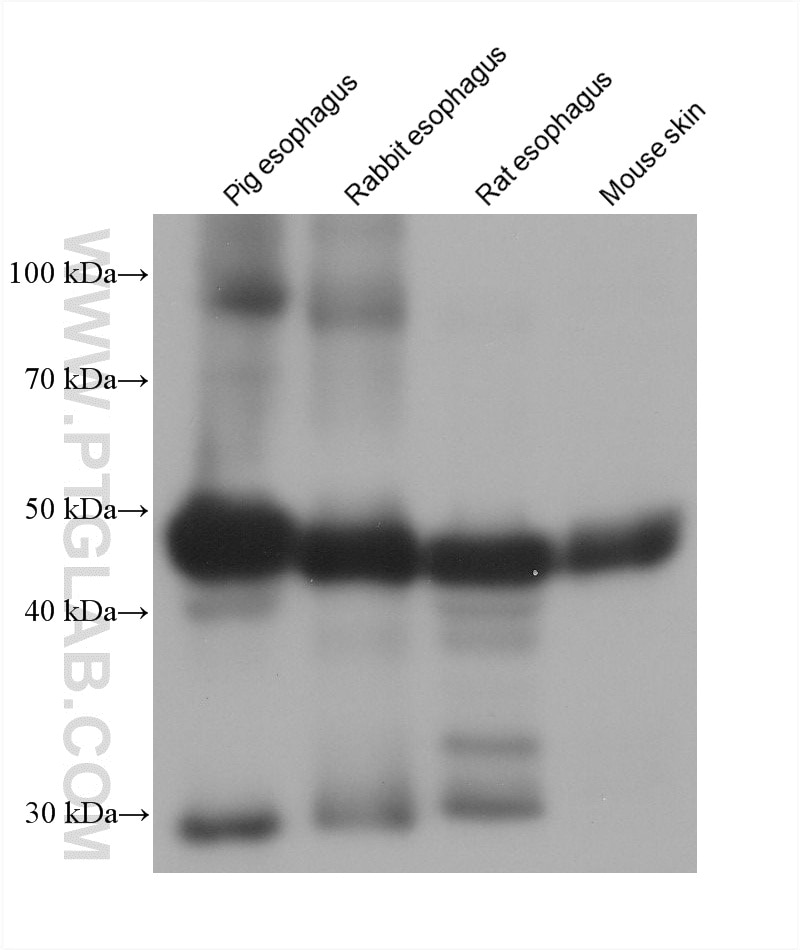
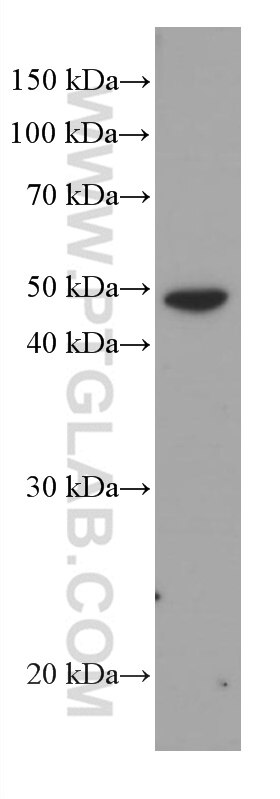
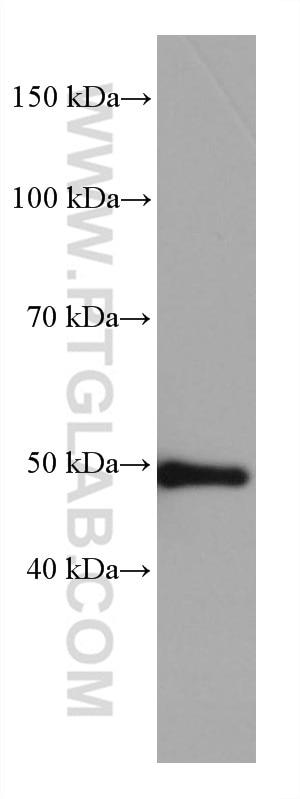
| Positive WB detected in | HT-1376 cells, A549 cells, A431 cells, human milk, pig esophagus tissue, A-253 cells, rabbit esophagus tissue, rat esophagus tissue, mouse skin tissue |
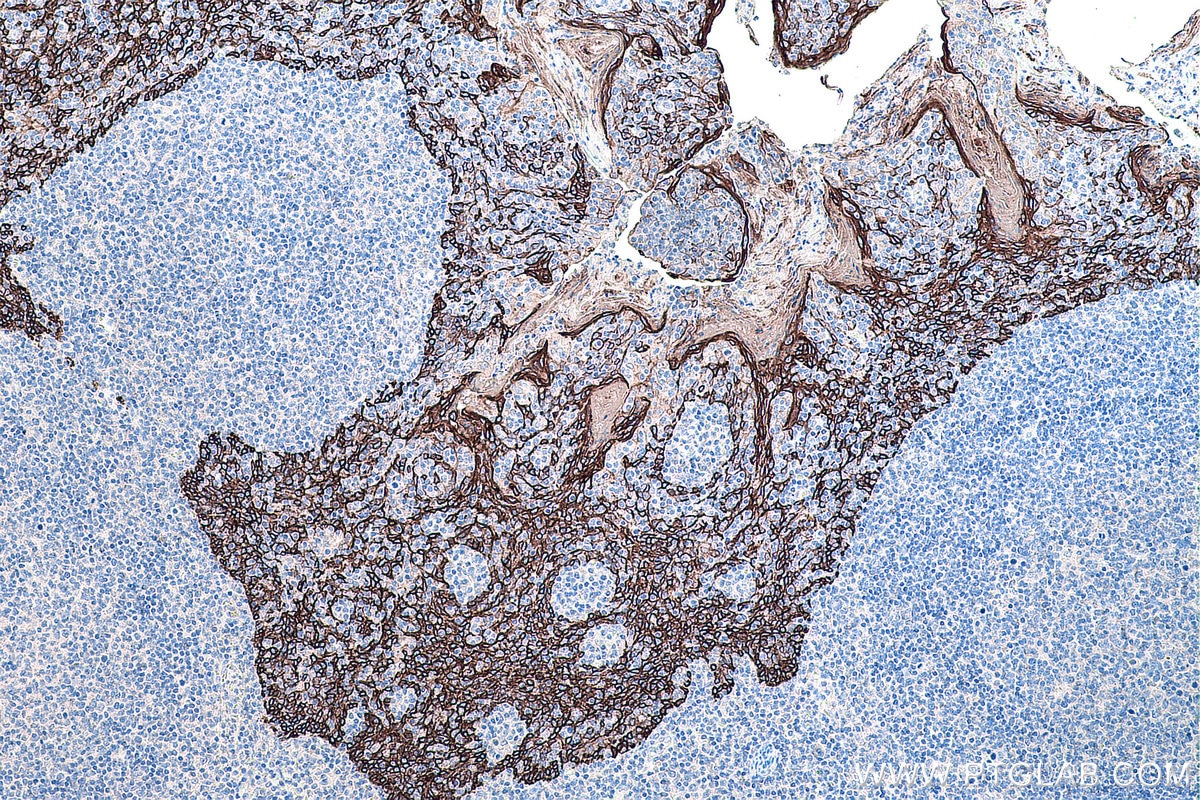
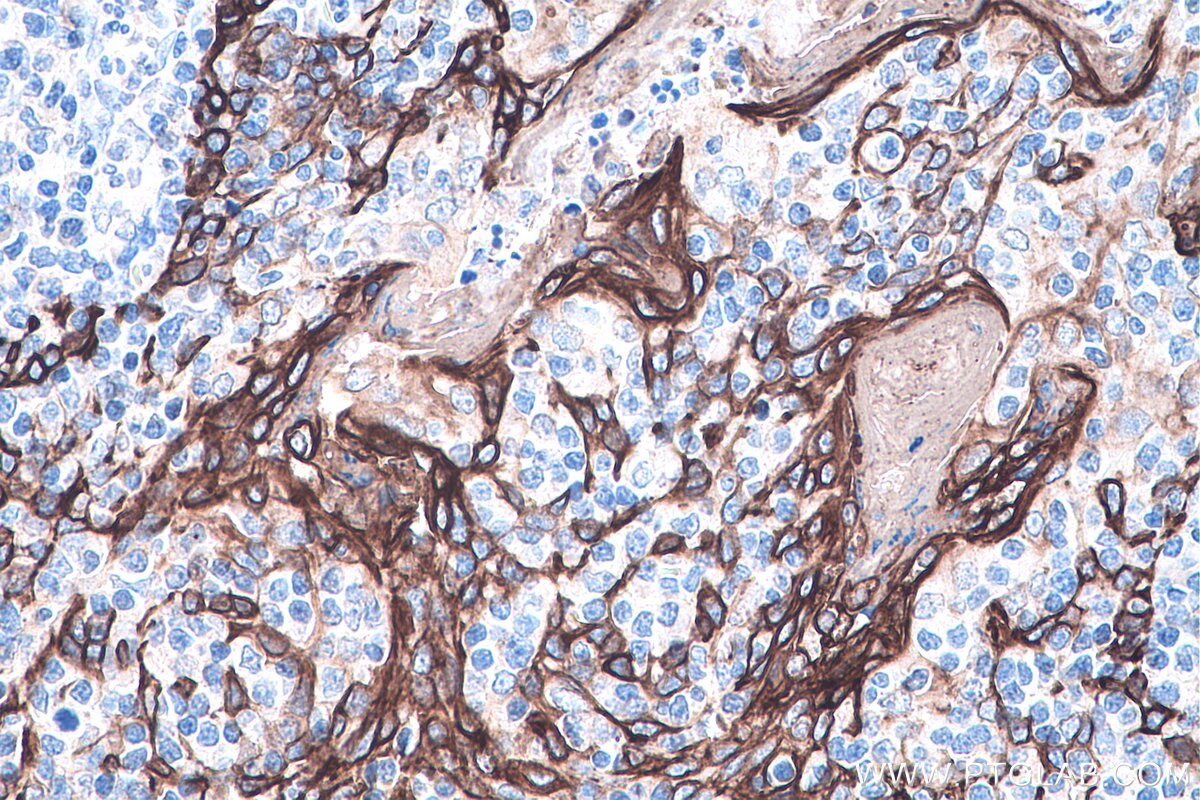
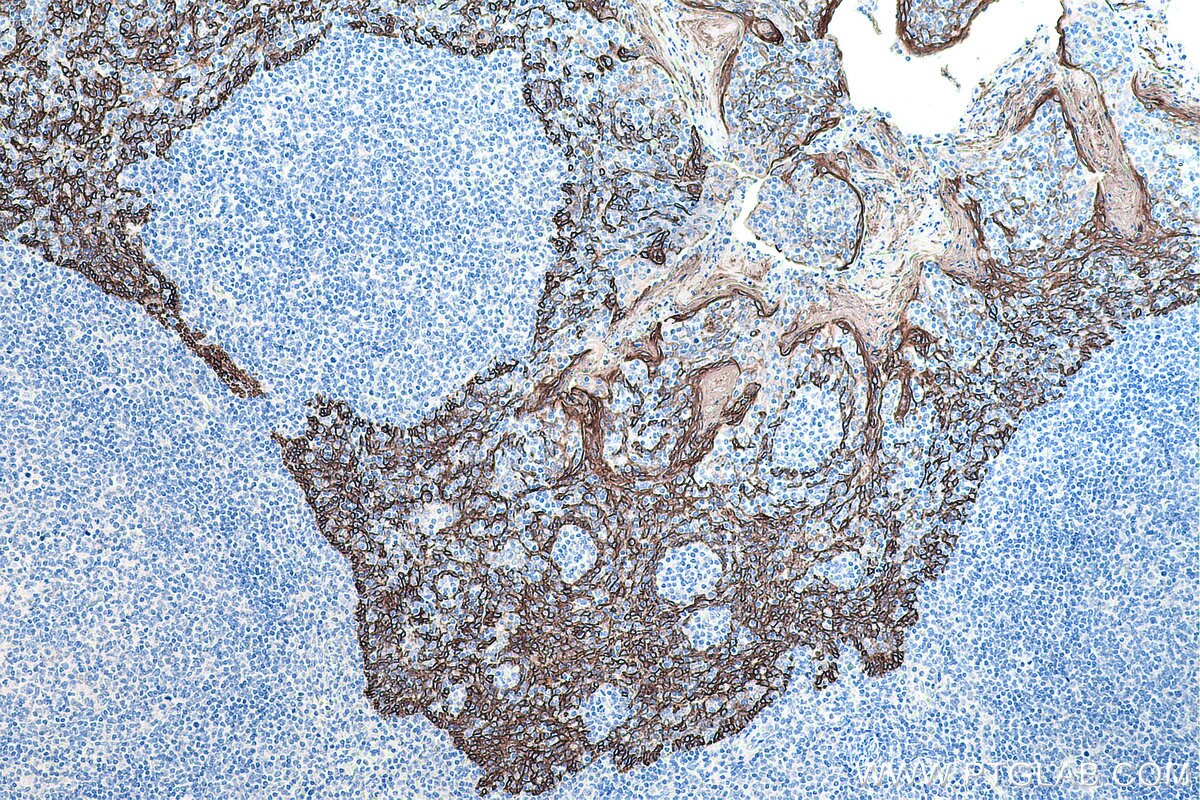
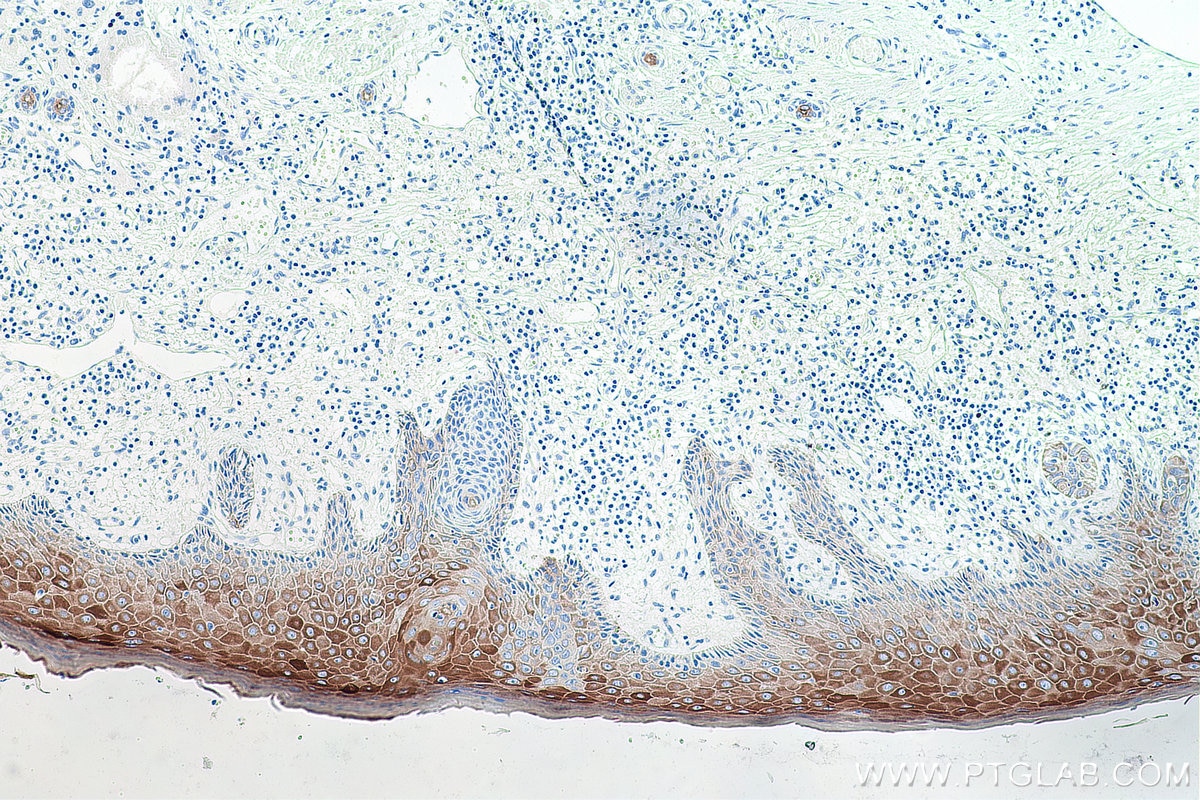
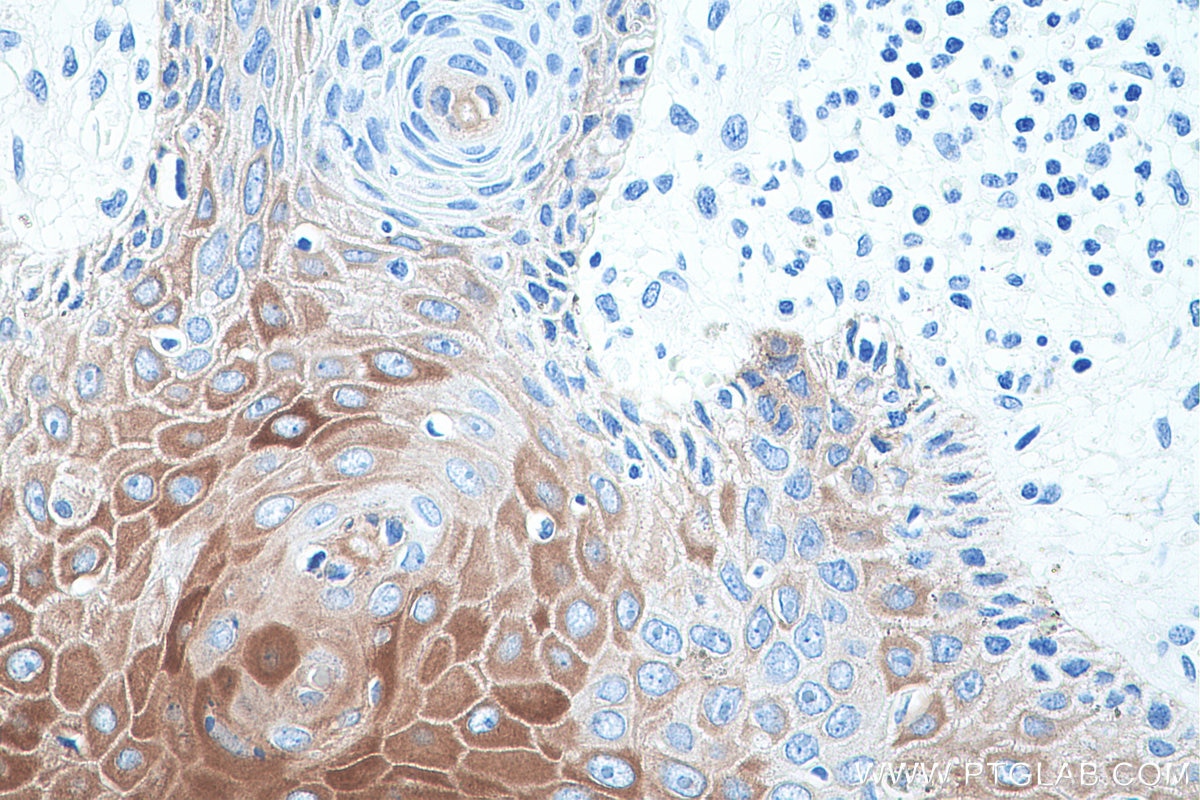
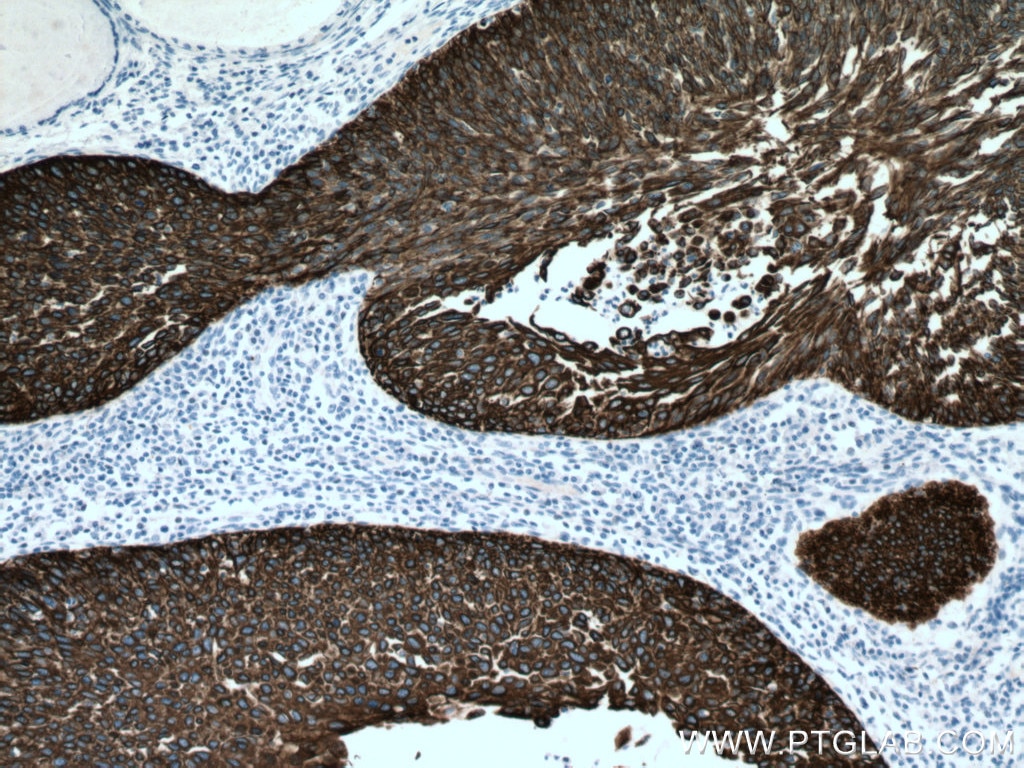
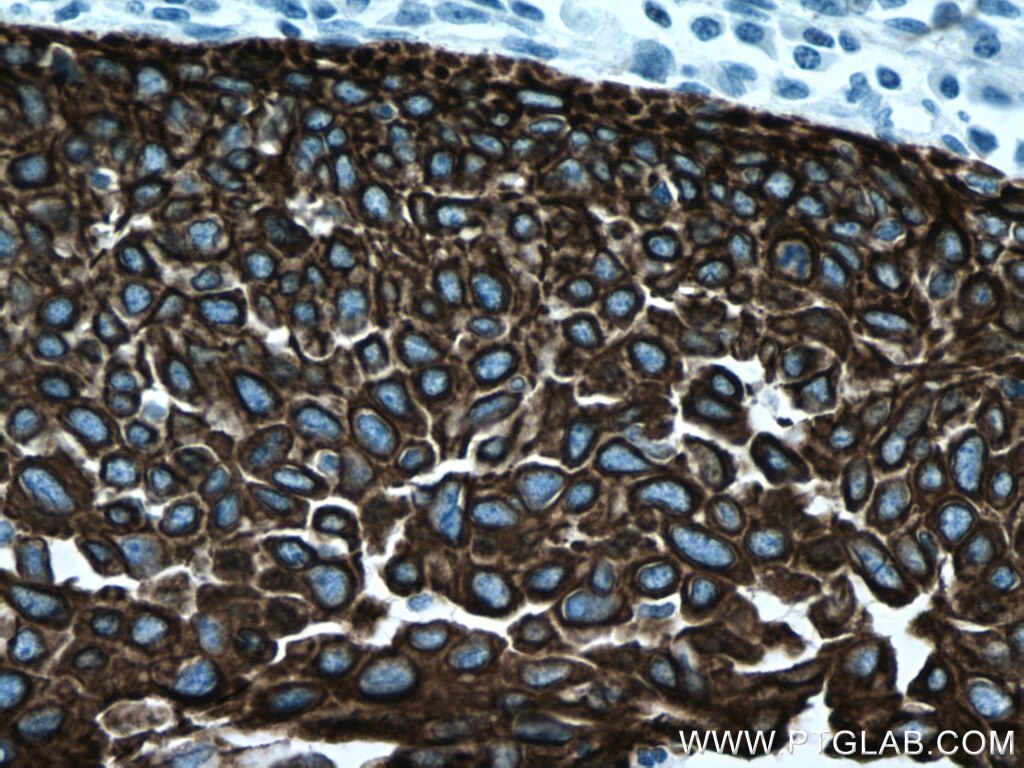
| Positive IHC detected in | human tonsillitis tissue, human cervical cancer tissue, human skin cancer tissue Note: suggested antigen retrieval with TE buffer pH 9.0; (*) Alternatively, antigen retrieval may be performed with citrate buffer pH 6.0 |
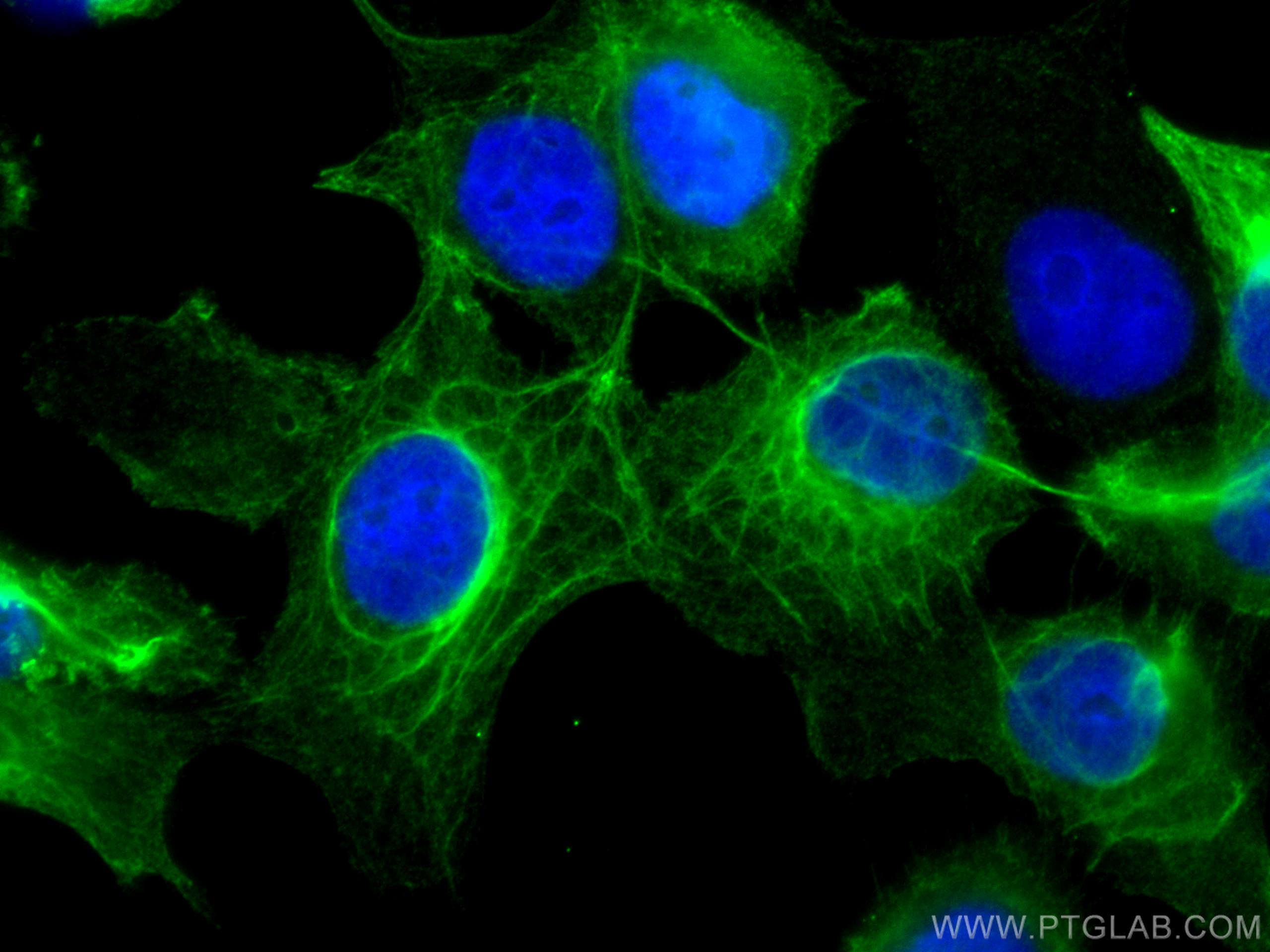
| Positive IF/ICC detected in | A431 cells |
Recommended dilution
| Application | Dilution |
|---|---|
| Western Blot (WB) | WB : 1:5000-1:50000 |
| Immunohistochemistry (IHC) | IHC : 1:2000-1:8000 |
| Immunofluorescence (IF)/ICC | IF/ICC : 1:200-1:800 |
| It is recommended that this reagent should be titrated in each testing system to obtain optimal results. | |
| Sample-dependent, Check data in validation data gallery. | |
Product Information
66802-1-Ig targets Cytokeratin 16 in WB, IHC, IF/ICC, ELISA applications and shows reactivity with human, mouse, rat, pig, rabbit samples.
| Tested Reactivity | human, mouse, rat, pig, rabbit |
| Cited Reactivity | human |
| Host / Isotype | Mouse / IgG1 |
| Class | Monoclonal |
| Type | Antibody |
| Immunogen |
CatNo: Ag11240 Product name: Recombinant human KRT16 protein Source: e coli.-derived, PET28a Tag: 6*His Domain: 121-473 aa of BC039169 Sequence: MQNLNDRLASYLDKVRALEEANADLEVKIRDWYQRQRPSEIKDYSPYFKTIEDLRNKIIAATIENAQPILQIDNARLAADDFRTKYEHELALRQTVEADVNGLRRVLDELTLARTDLEMQIEGLKEELAYLRKNHEEEMLALRGQTGGDVNVEMDAAPGVDLSRILNEMRDQYEQMAEKNRRDAETWFLSKTEELNKEVASNSELVQSSRSEVTELRRVLQGLEIELQSQLSMKASLENSLEETKGRYCMQLSQIQGLIGSVEEQLAQLRCEMEQQSQEYQILLDVKTRLEQEIATYRRLLEGEDAHLSSQQASGQSYSSREVFTSSSSSSSRQTRPILKEQSSSSFSQGQSS Predict reactive species |
| Full Name | keratin 16 |
| Calculated Molecular Weight | 473 aa, 51 kDa |
| Observed Molecular Weight | 51 kDa |
| GenBank Accession Number | BC039169 |
| Gene Symbol | Cytokeratin 16 |
| Gene ID (NCBI) | 3868 |
| RRID | AB_2882145 |
| Conjugate | Unconjugated |
| Form | Liquid |
| Purification Method | Protein G purification |
| UNIPROT ID | P08779 |
| Storage Buffer | PBS with 0.02% sodium azide and 50% glycerol, pH 7.3. |
| Storage Conditions | Store at -20°C. Stable for one year after shipment. Aliquoting is unnecessary for -20oC storage. 20ul sizes contain 0.1% BSA. |
Background Information
Keratins are a large family of proteins that form the intermediate filament cytoskeleton of epithelial cells, which are classified into two major sequence types. Type I keratins are a group of acidic intermediate filament proteins, including K9-K23, and the hair keratins Ha1-Ha8. Type II keratins are the basic or neutral courterparts to the acidic type I keratins, including K1-K8, and the hair keratins, Hb1-Hb6. Keratin 16 is a type I cytokeratin. It is paired with keratin 6 in a number of epithelial tissues, including nail bed, esophagus, tongue, and hair follicles.
Protocols
| Product Specific Protocols | |
|---|---|
| IF protocol for Cytokeratin 16 antibody 66802-1-Ig | Download protocol |
| IHC protocol for Cytokeratin 16 antibody 66802-1-Ig | Download protocol |
| WB protocol for Cytokeratin 16 antibody 66802-1-Ig | Download protocol |
| Standard Protocols | |
|---|---|
| Click here to view our Standard Protocols |
Publications
What published studies show
The Cytokeratin 16 Monoclonal antibody (2H4D8), catalog number 66802-1-Ig, has a total of 5 citations. These appear in Nature Communications, Cancers (Basel), Journal of Photochemistry and Photobiology B, Genomics, and Molecular Cell Probes. The associated research fields include esophageal squamous cell carcinoma, breast cancer metastasis, skin keratinocyte biology and UVA-induced fluorescence, cholangiocarcinoma prognostic biomarkers, and lupus erythematosus.
| Species | Application | Title |
|---|---|---|
Nat Commun Spatial transcriptomics analysis of esophageal squamous precancerous lesions and their progression to esophageal cancer | ||
Cancers (Basel) Emerging Insights into Keratin 16 Expression during Metastatic Progression of Breast Cancer.
| ||
J Photochem Photobiol B Acne-related UVA-induced facial fluorescence: An exploratory study from physiological properties to tissue structure information | ||
Genomics Identification of prognostic biomarkers for cholangiocarcinoma by combined analysis of molecular characteristics of clinical MVI subtypes and molecular subtypes
| ||
Mol Cell Probes Prednisone combined with dihydroartemisinin inhibits the excessive activation of skin keratinocytes in lupus erythematosus by targeting MAPK14. |















