
Product Information
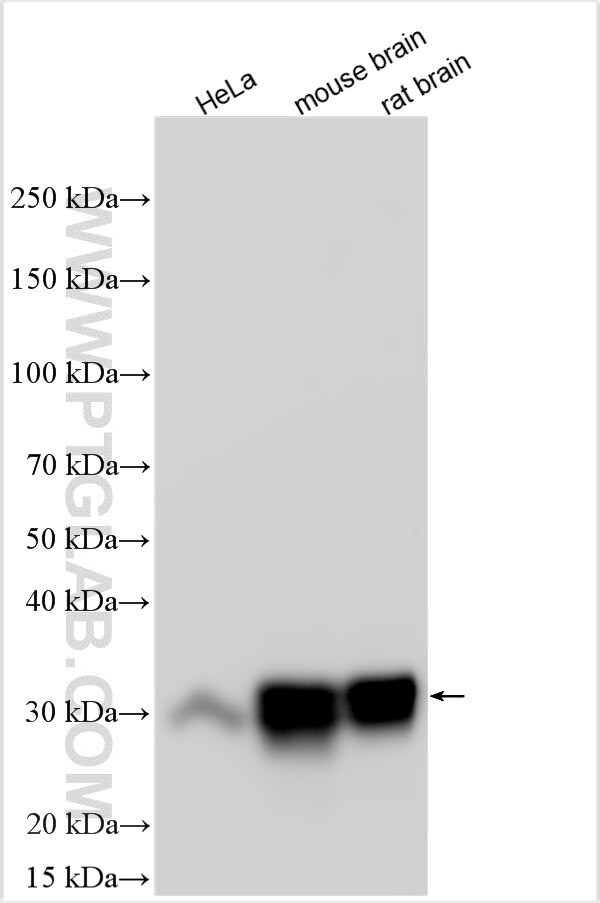
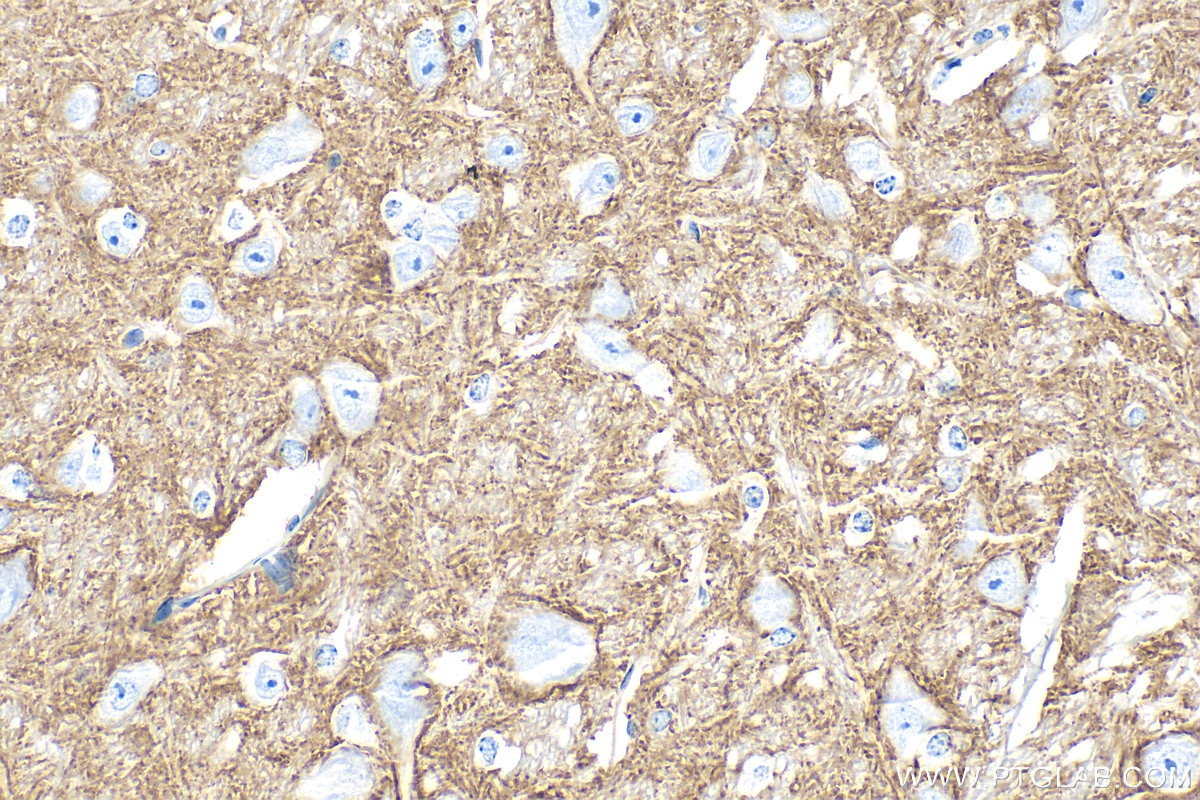
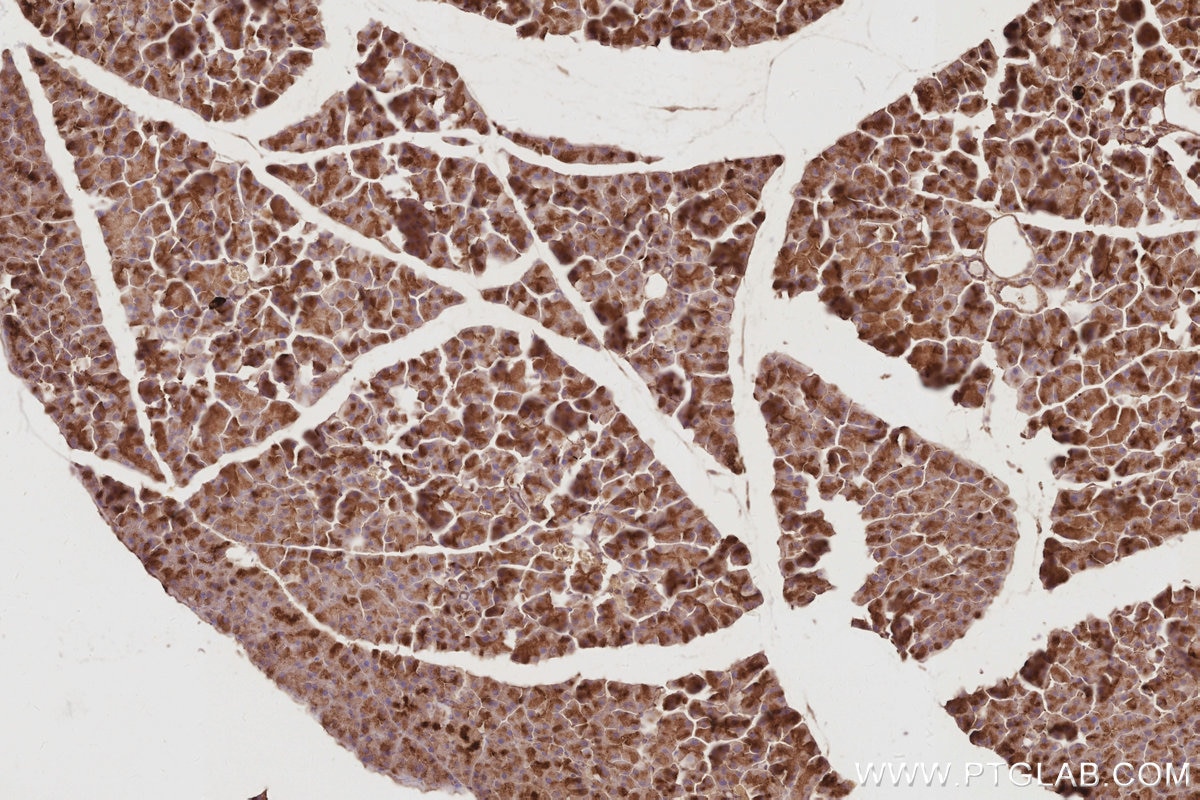
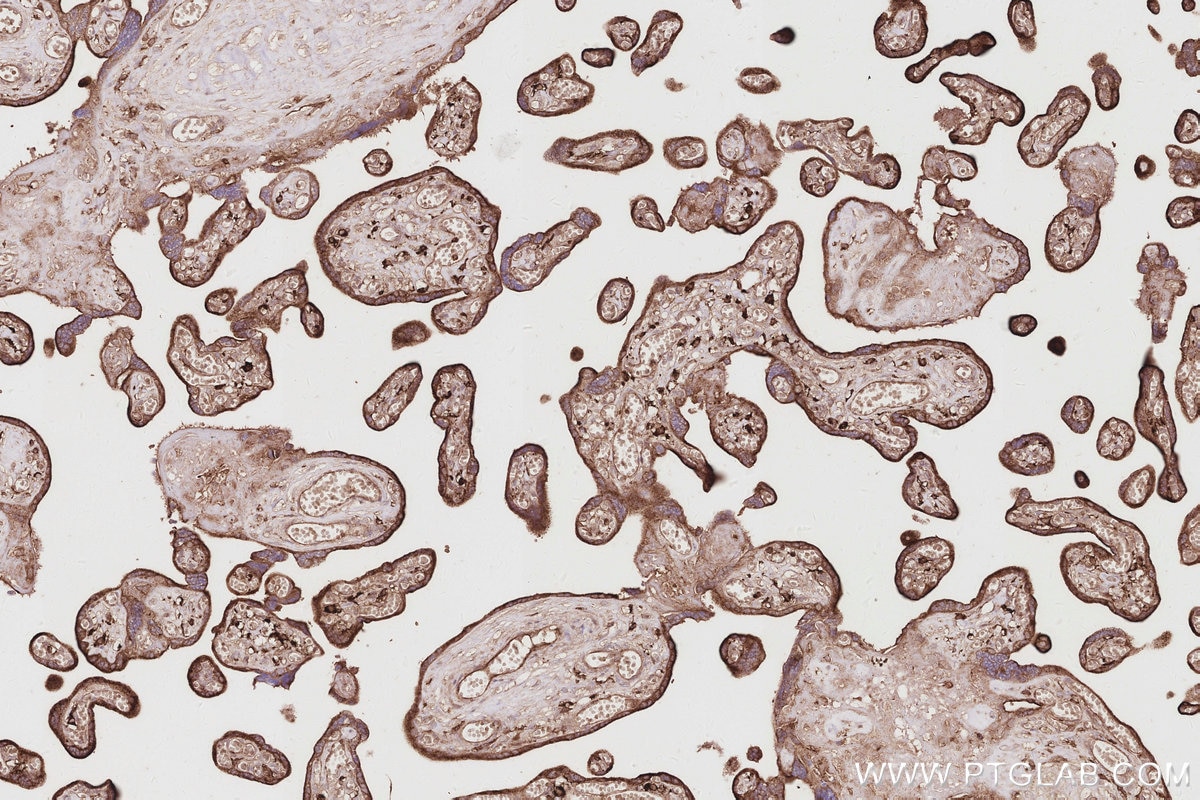
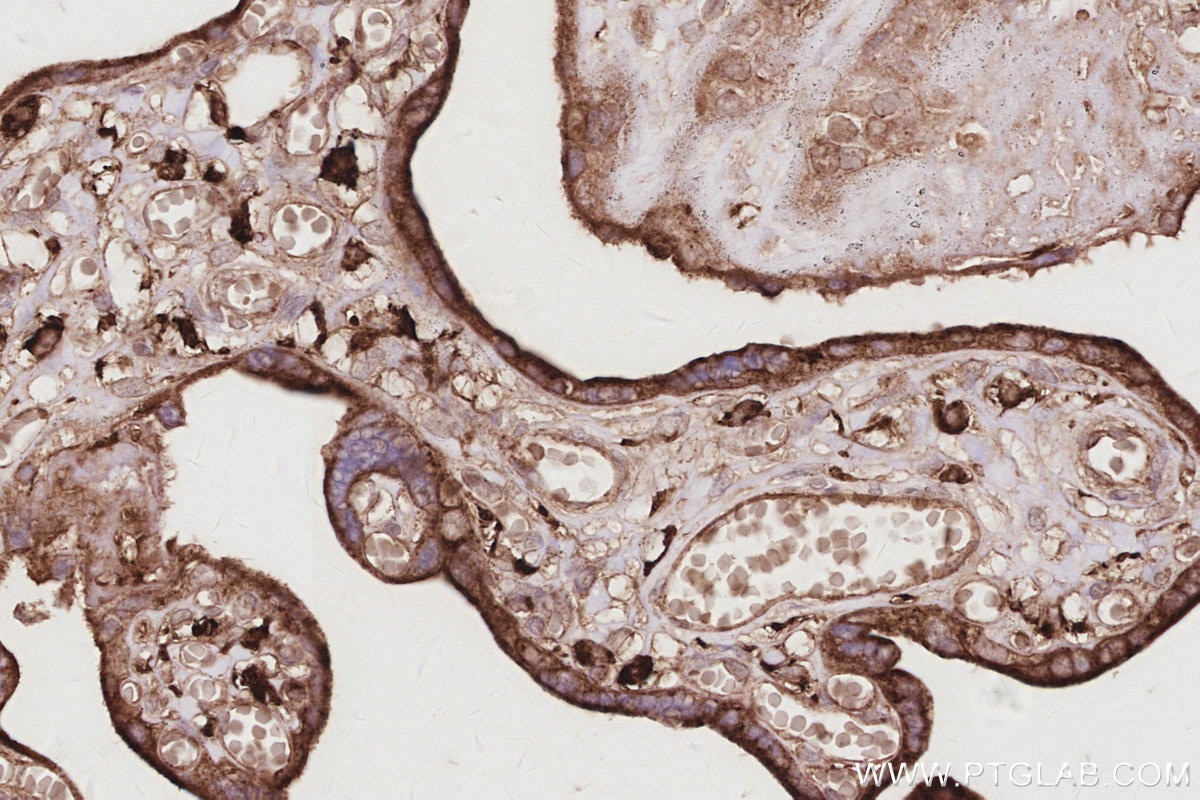
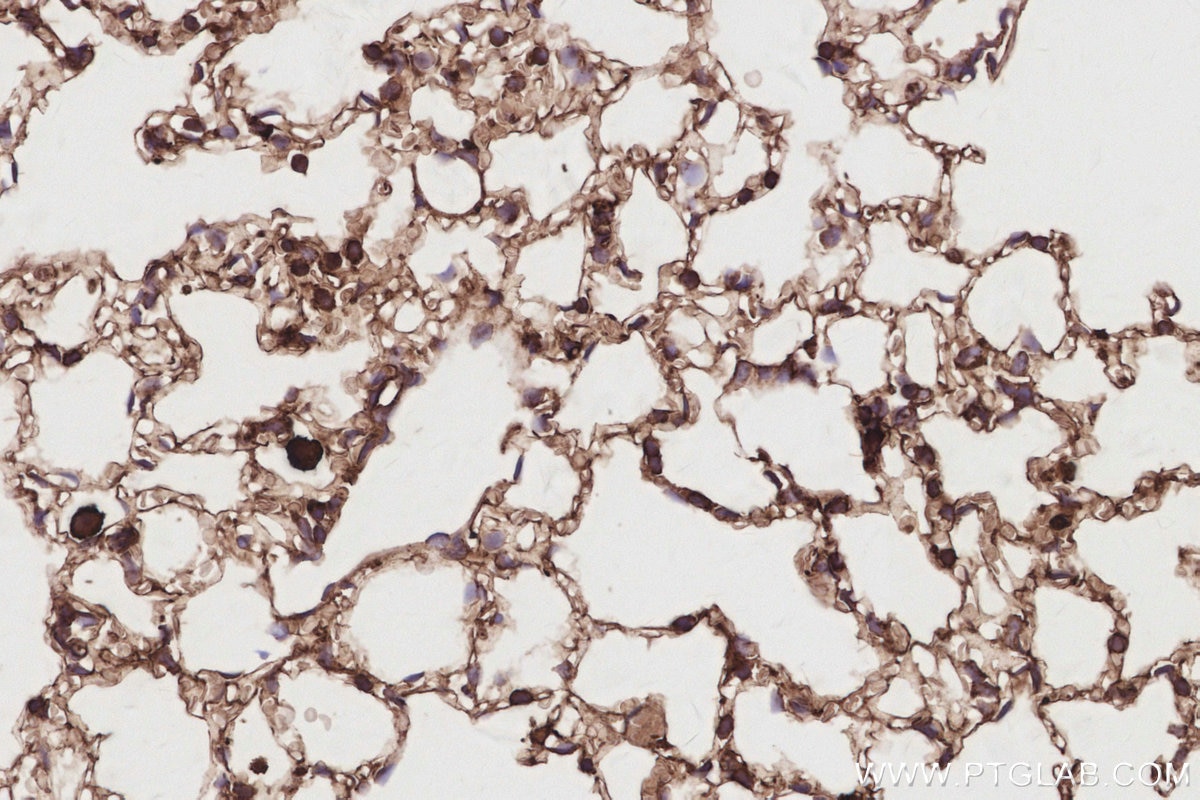
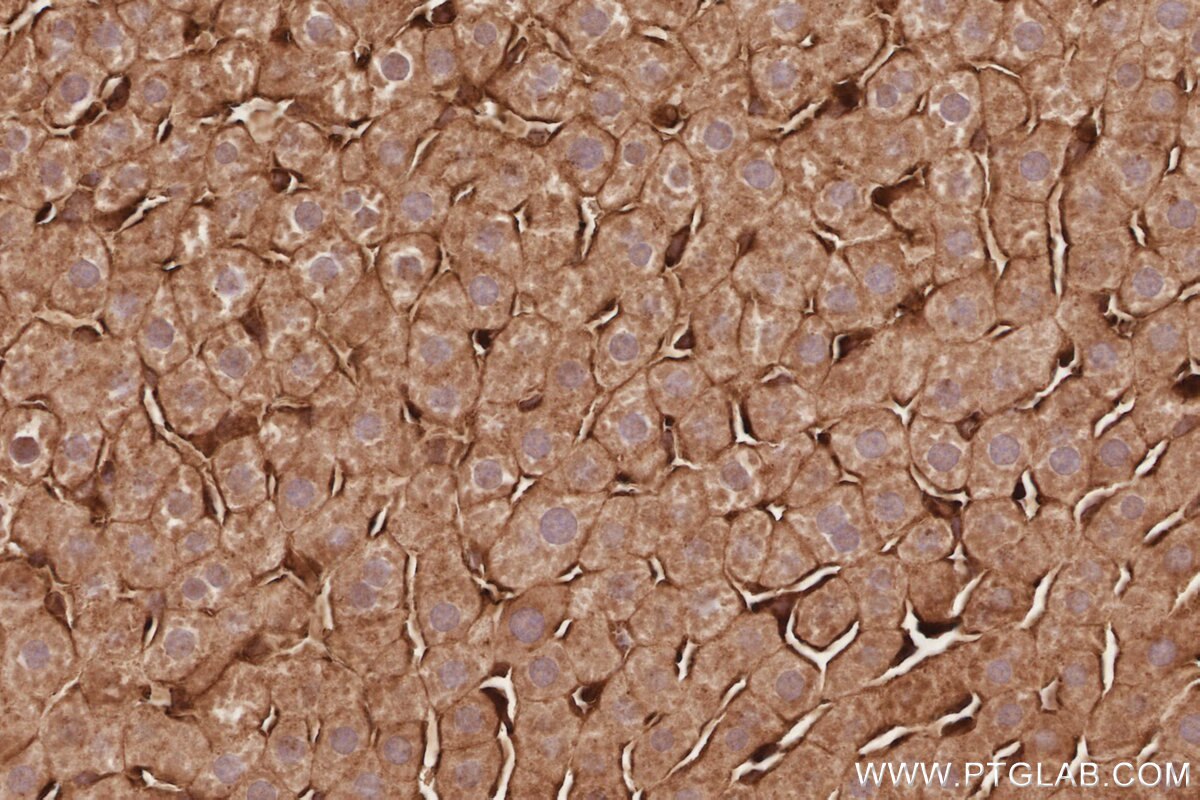
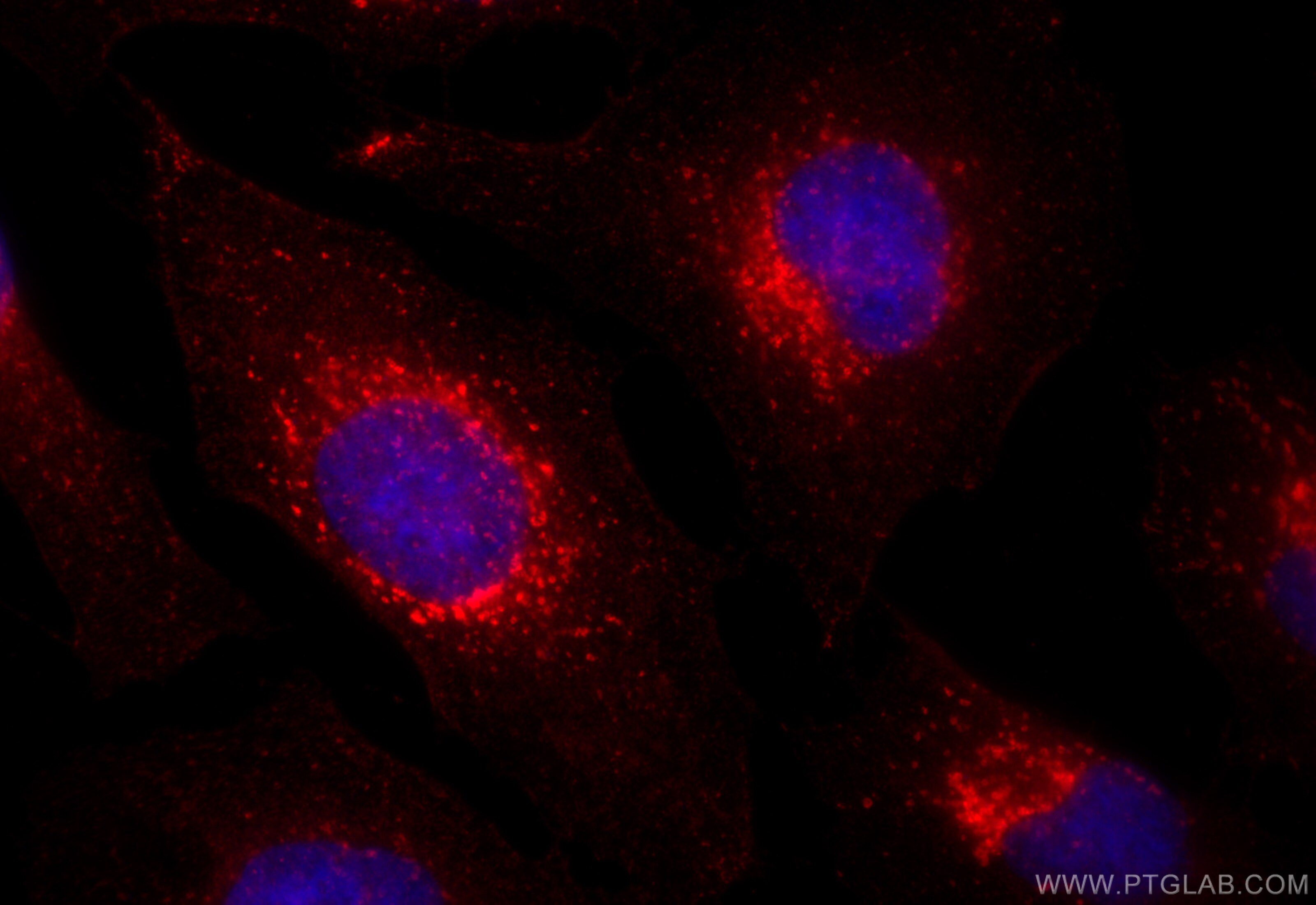
32204-1-PBS targets DNAJC5 in WB, IHC, IF/ICC, Indirect ELISA applications and shows reactivity with human, mouse, rat samples.
| Tested Reactivity | human, mouse, rat |
| Host / Isotype | Rabbit / IgG |
| Class | Polyclonal |
| Type | Antibody |
| Immunogen |
CatNo: Ag35443 Product name: Recombinant human DNAJC5 protein Source: e coli.-derived, PGEX-4T Tag: GST Domain: 110-198 aa of NM_025219.2 Sequence: FVFCGLLTCCYCCCCLCCCFNCCCGKCKPKAPEGEETEFYVSPEDLEAQLQSDEREATDTPIVIQPASATETTQLTADSHPSYHTDGFN Predict reactive species |
| Full Name | DnaJ (Hsp40) homolog, subfamily C, member 5 |
| Calculated Molecular Weight | 22kDa,198aa |
| Observed Molecular Weight | 30 kDa |
| GenBank Accession Number | NM_025219.2 |
| Gene Symbol | DNAJC5 |
| Gene ID (NCBI) | 80331 |
| RRID | AB_3670222 |
| Conjugate | Unconjugated |
| Form | Liquid |
| Purification Method | Antigen affinity Purification |
| UNIPROT ID | Q9H3Z4 |
| Storage Buffer | PBS only, pH 7.3. |
| Storage Conditions | Store at -80°C. |
Background Information
DNAJC5 (DnaJ homolog subfamily C member 5), also known as cysteine string protein α (CSPα), is a member of the HSP40 (DNAJ) family of proteins, as well as a co-chaperone of HSC70, and has been shown to control the extracellular release of many neurodegenerative disease proteins. DNAJC5 contains three structural domains - -a common N-terminal J structural domain conserved in DNAJ proteins, the cysteine string (CS) central structural domain, which is highly palmitoylated and anchors the protein to late endosomes, and an overall disordered C-terminal structural domain. Mutations in DNAJC5 have been strongly implicated in the development of human diseases such as neuronal waxy lipofuscinosis, cystic fibrosis, Huntington's disease and Parkinson's disease.









