

Tested Applications
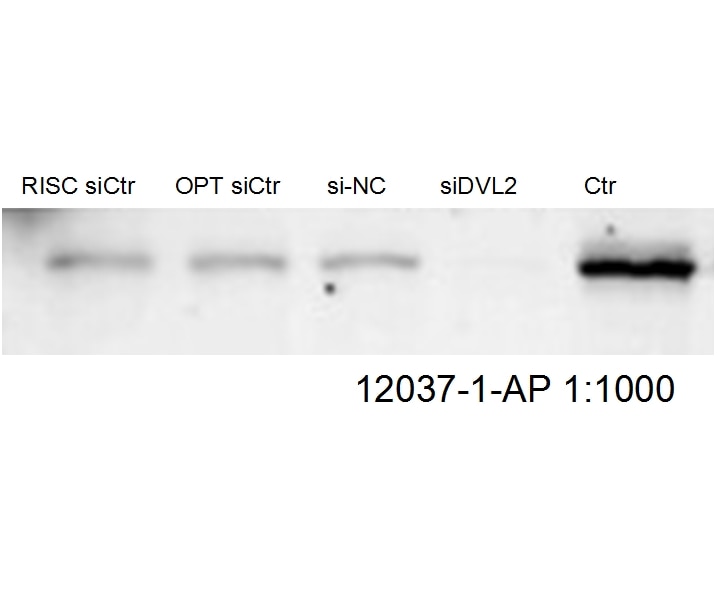
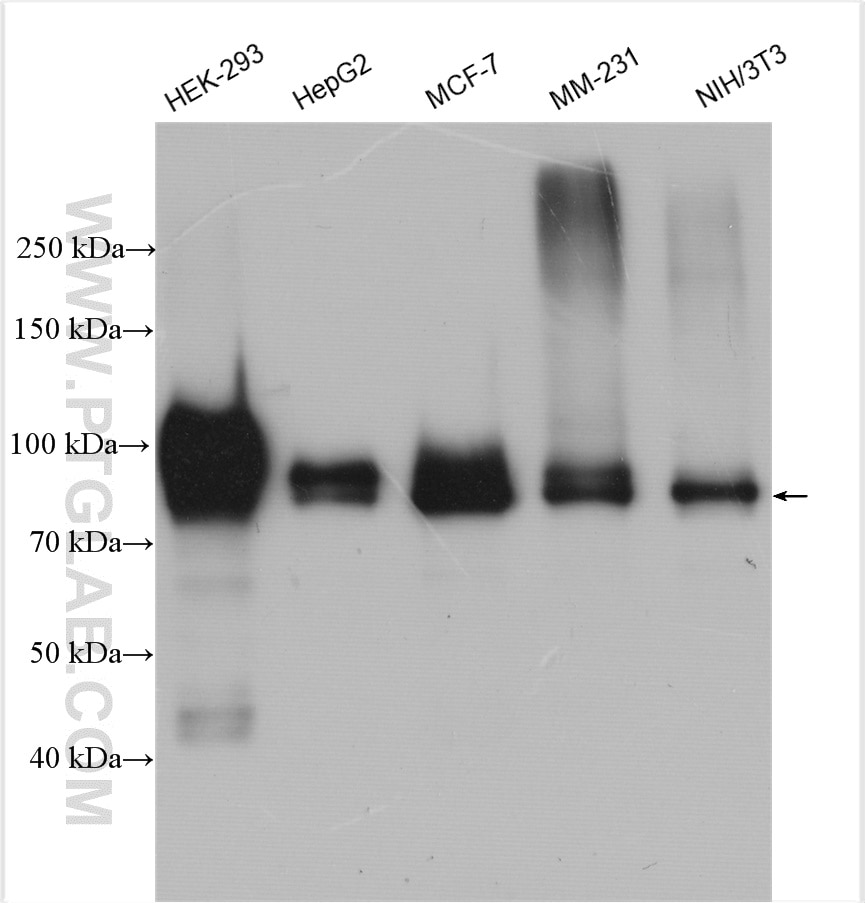
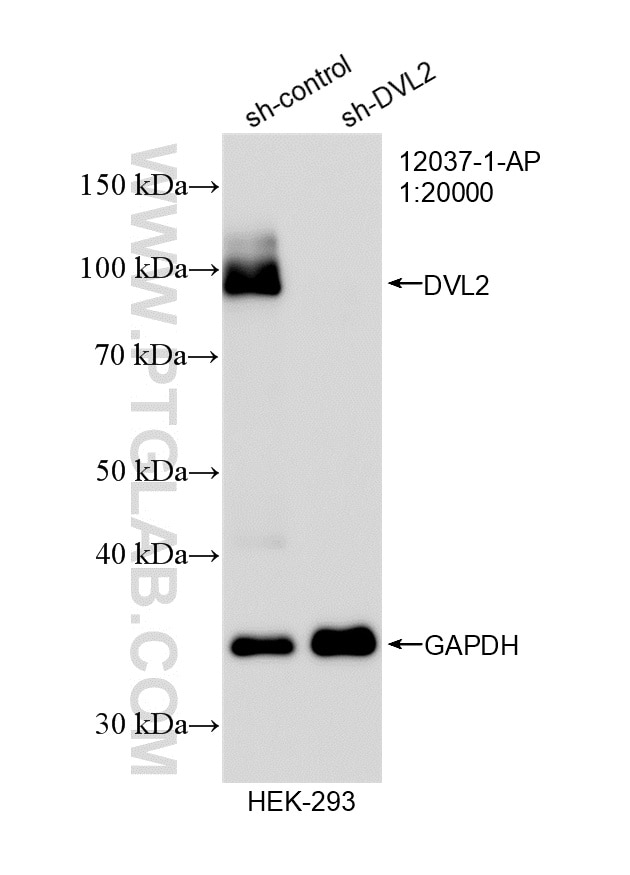
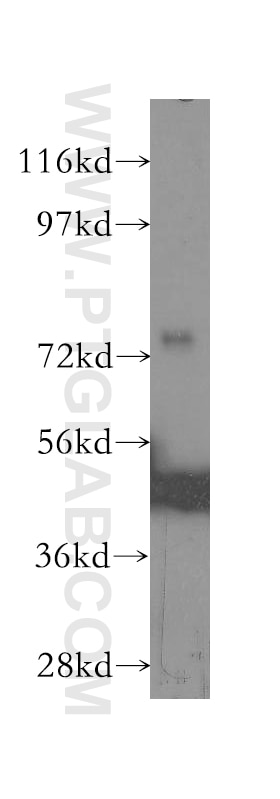
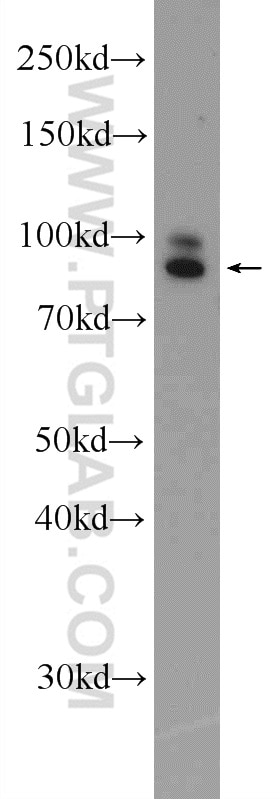
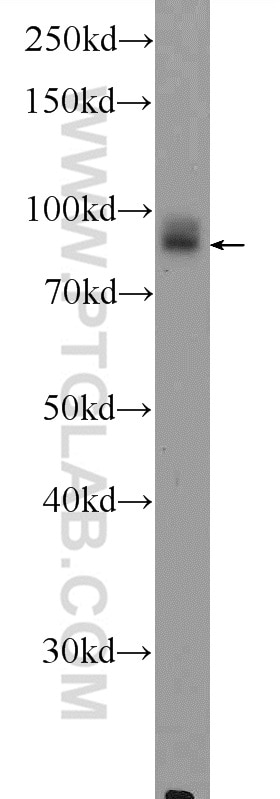
| Positive WB detected in | HEK-293 cells, HepG2 cells, MCF-7 cells, MDA-MB-453s cells, mouse thymus tissue, MDA-MB-231 cells, NIH/3T3 cells |
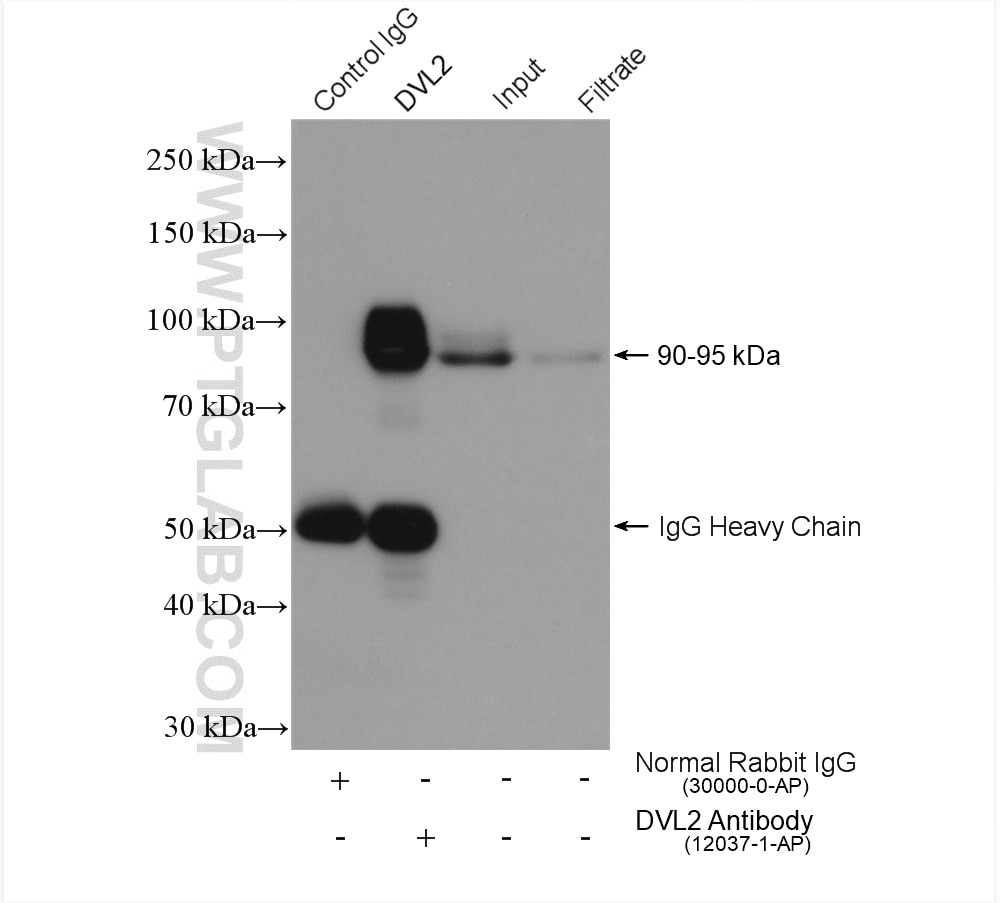
| Positive IP detected in | MCF-7 cells |
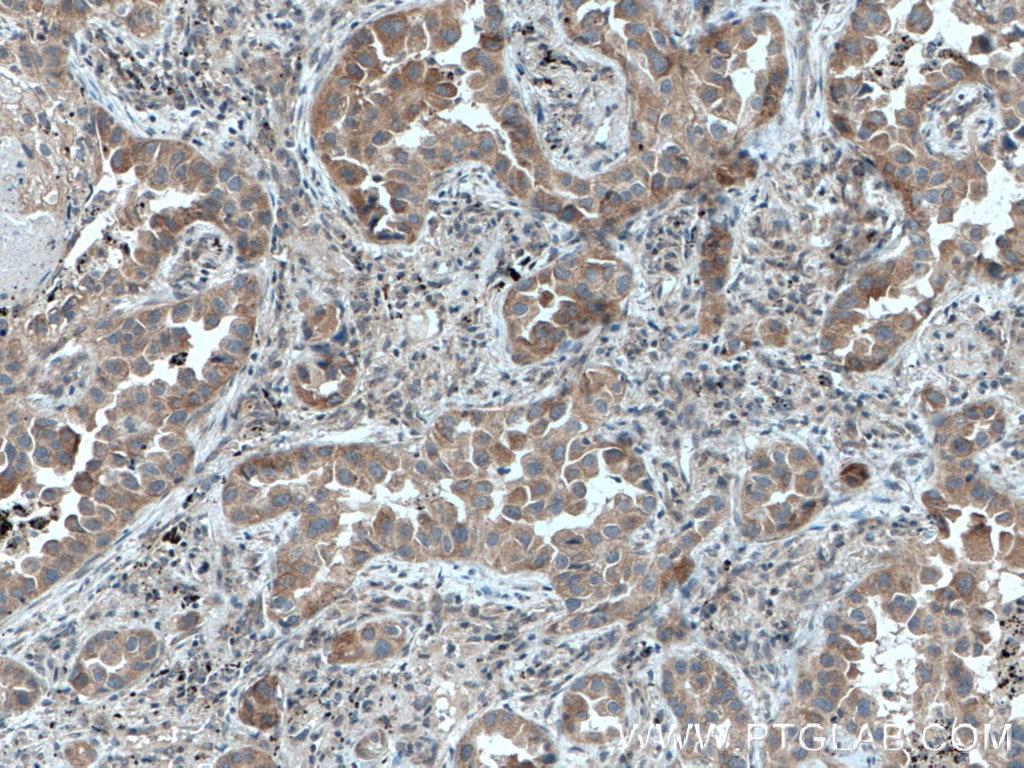
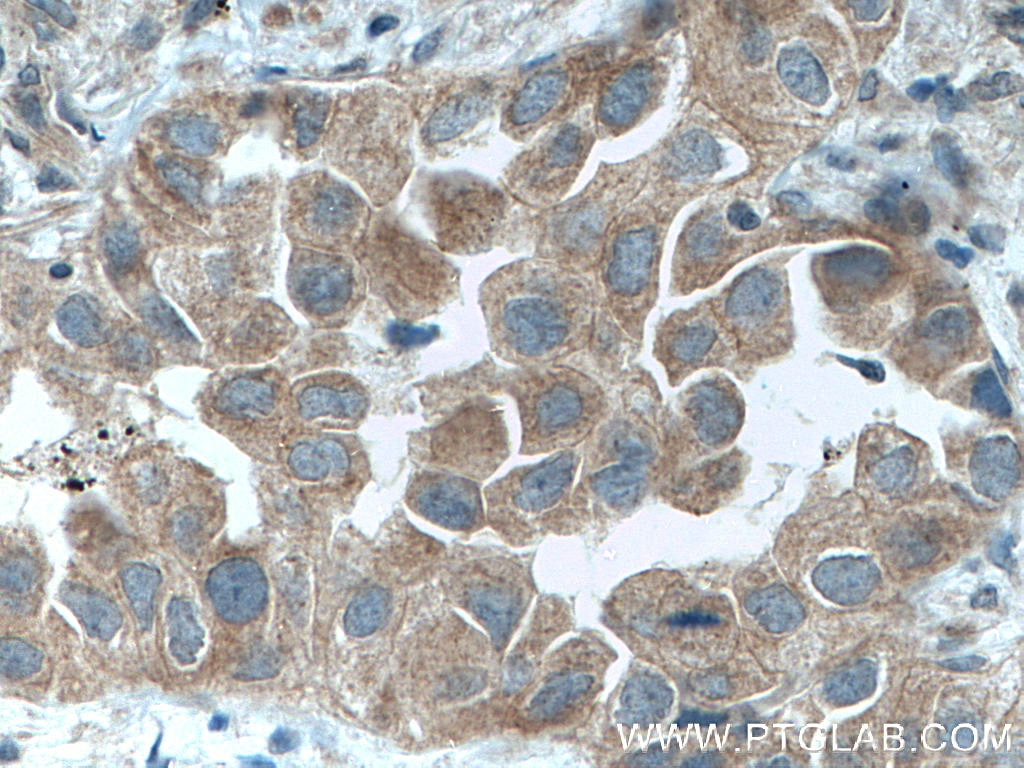
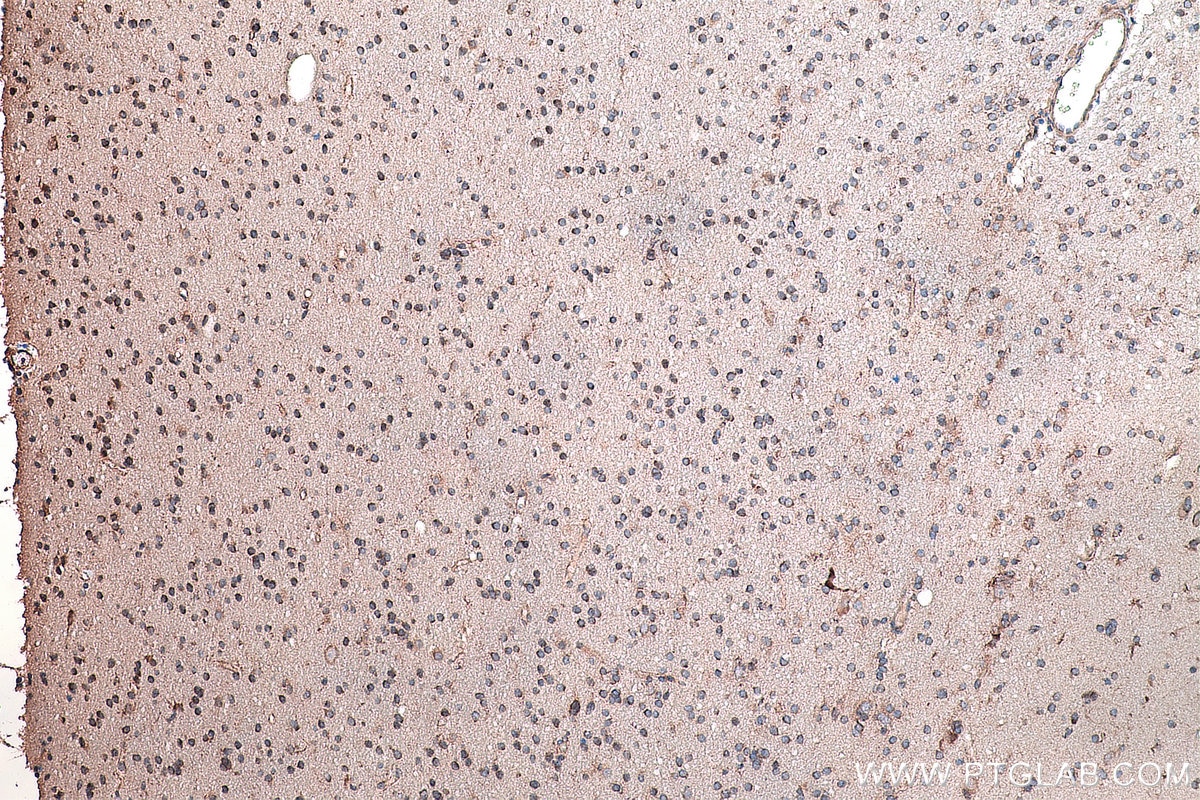
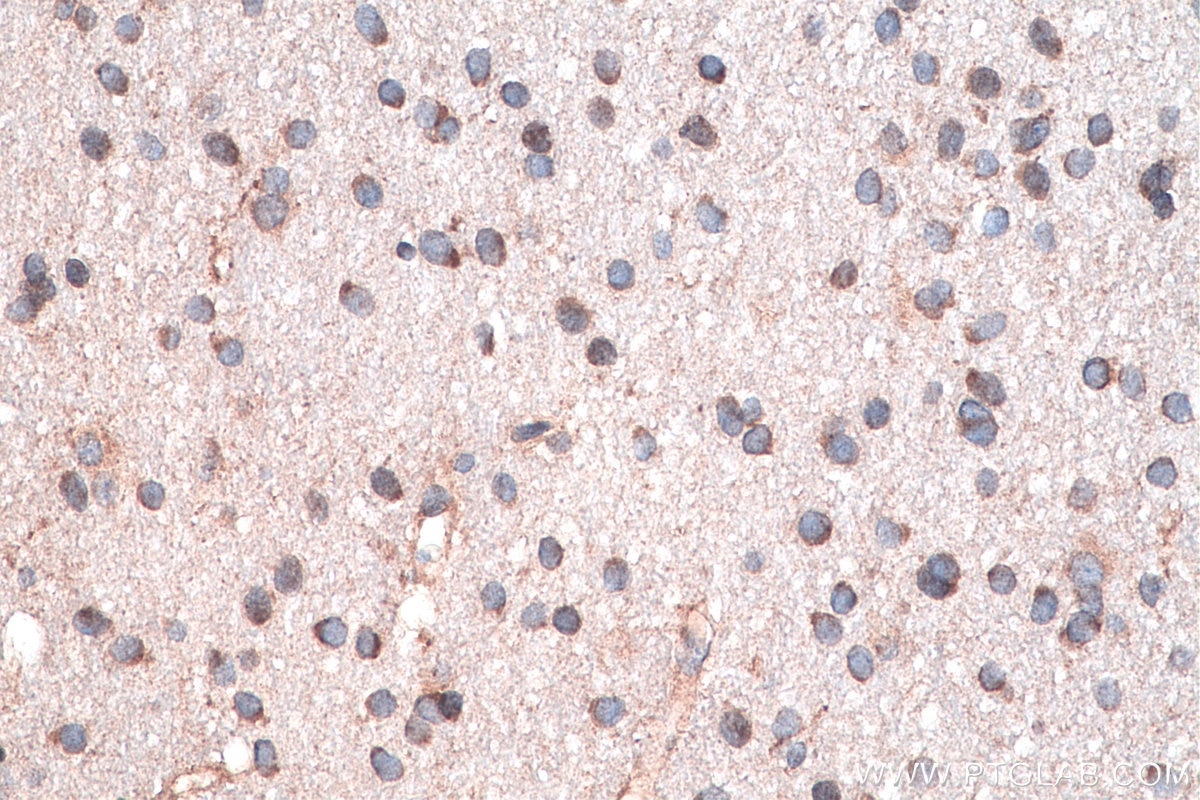
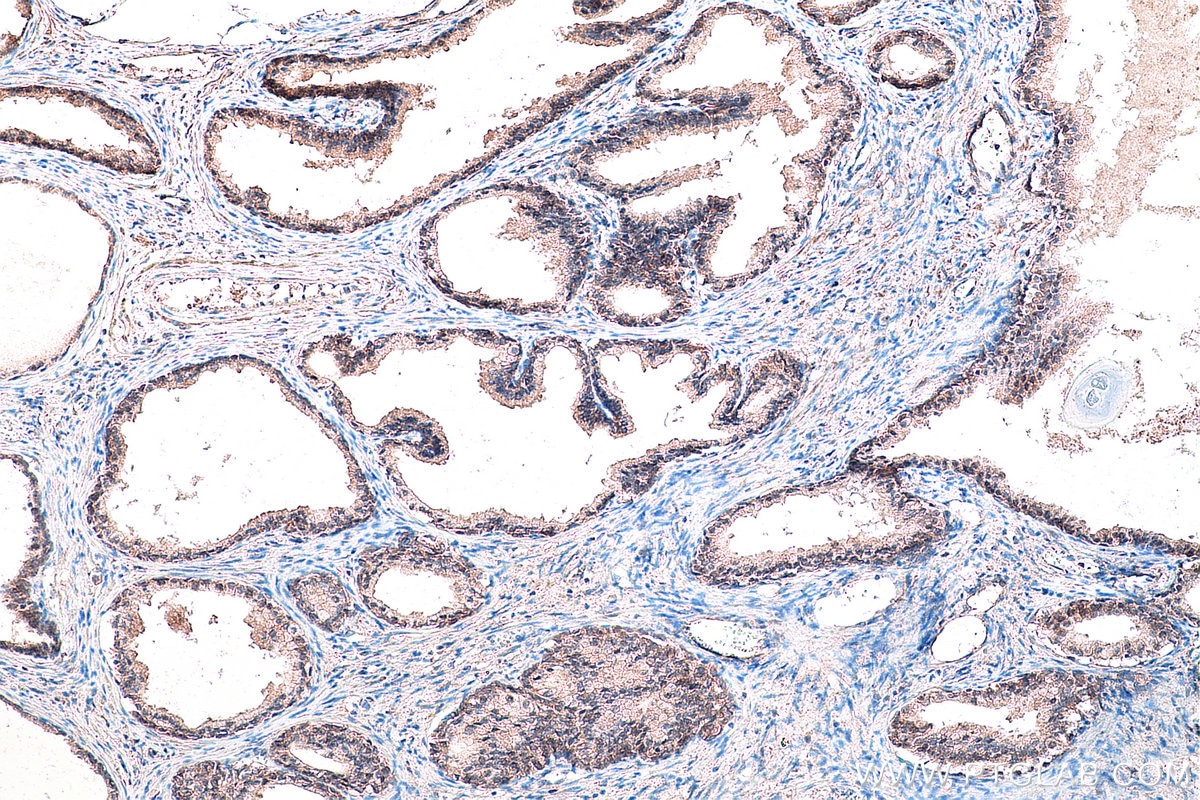
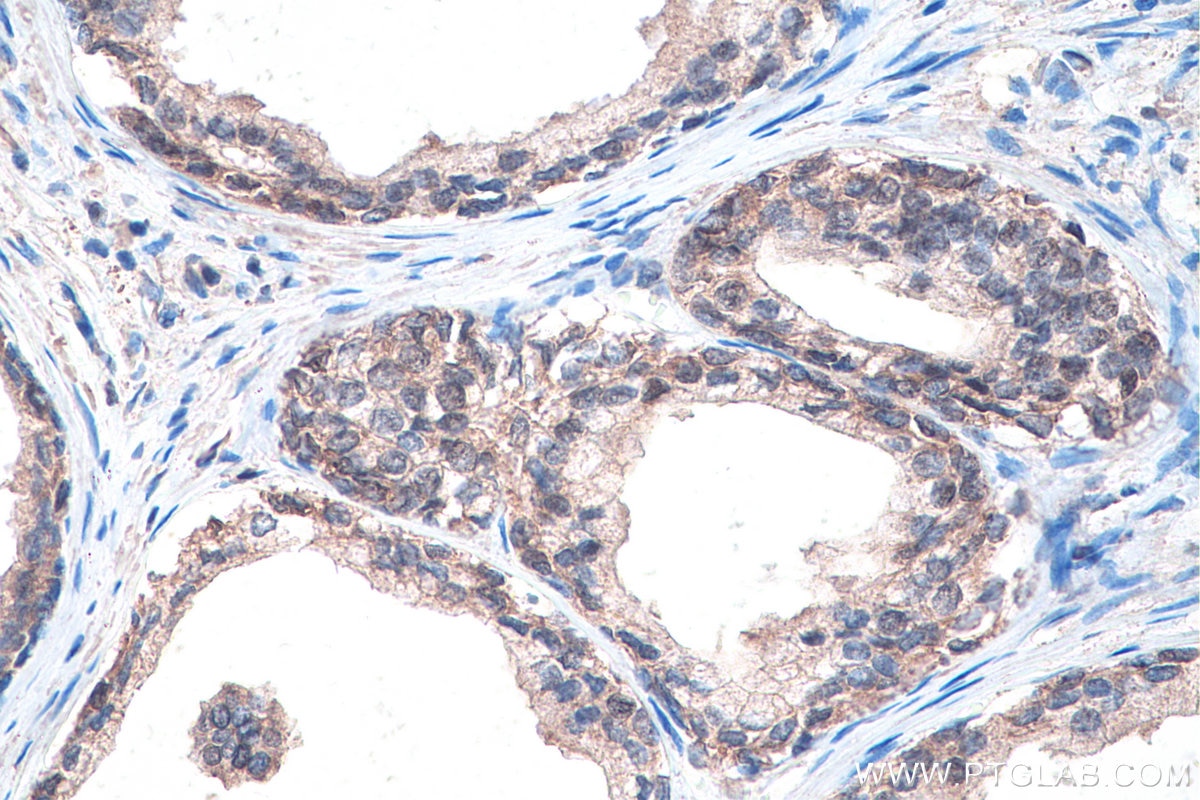
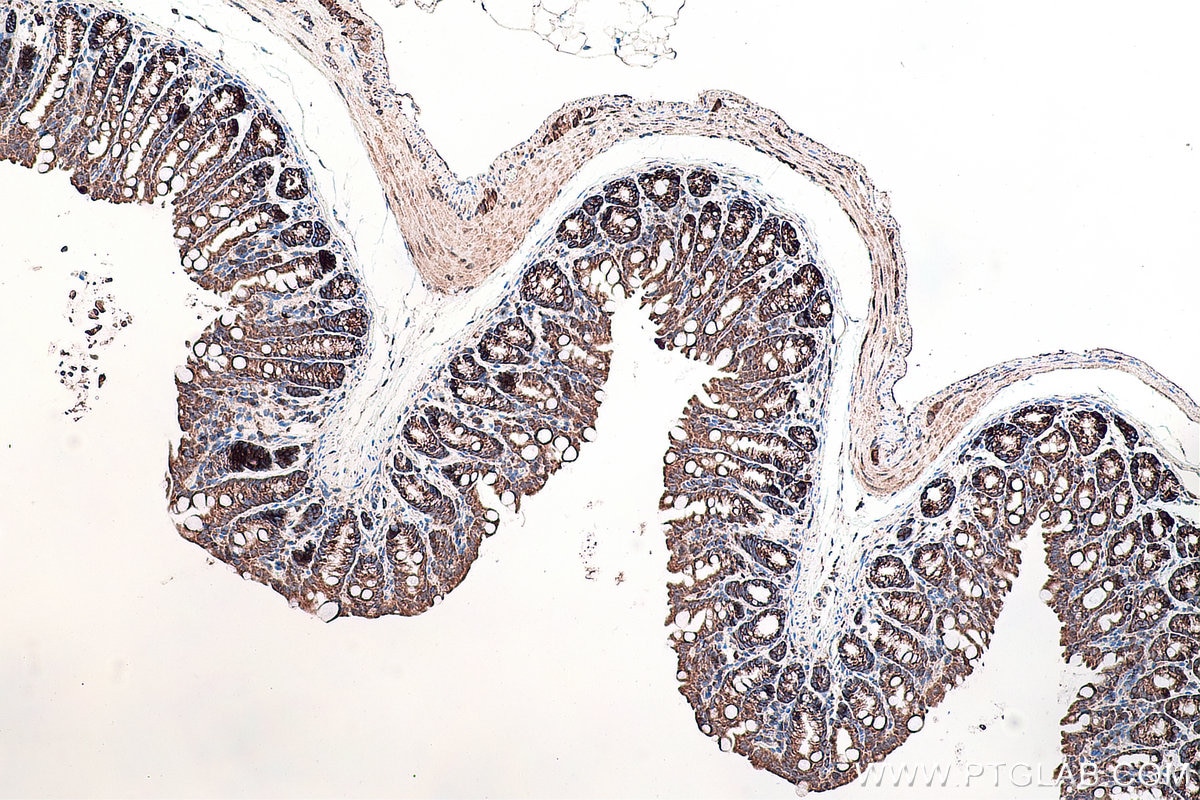
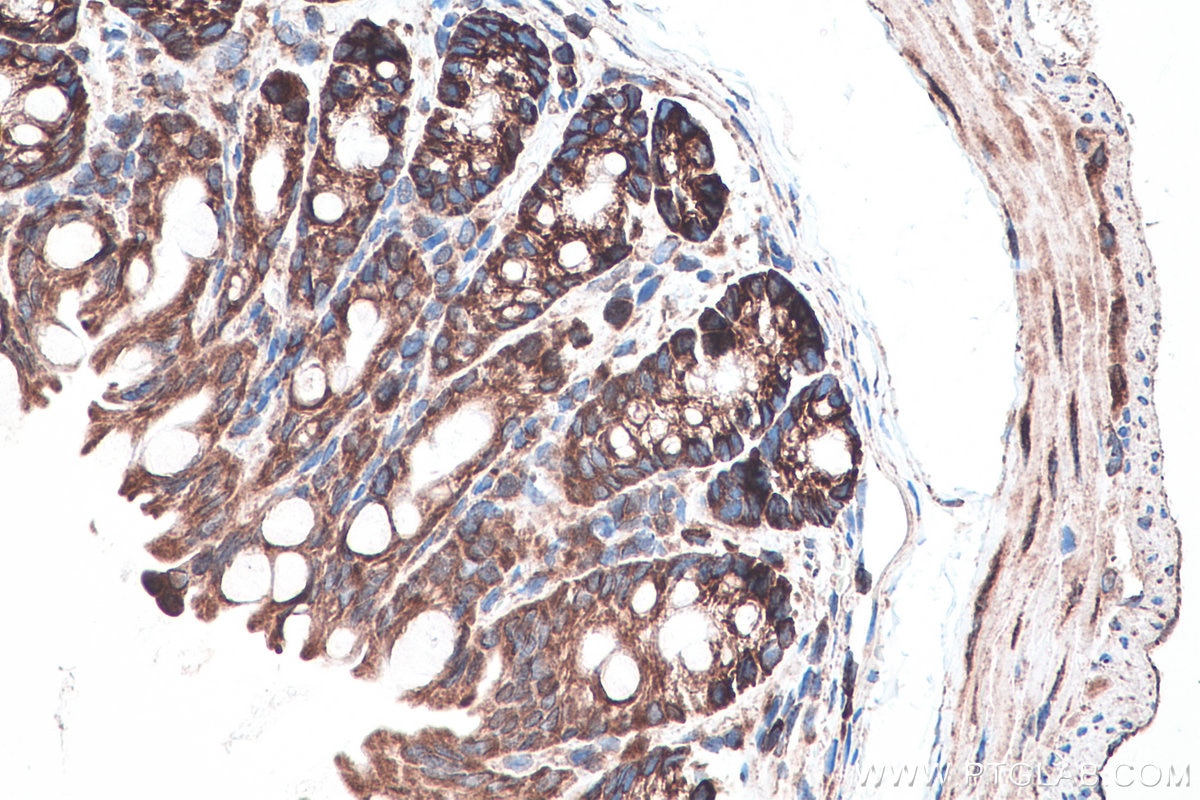
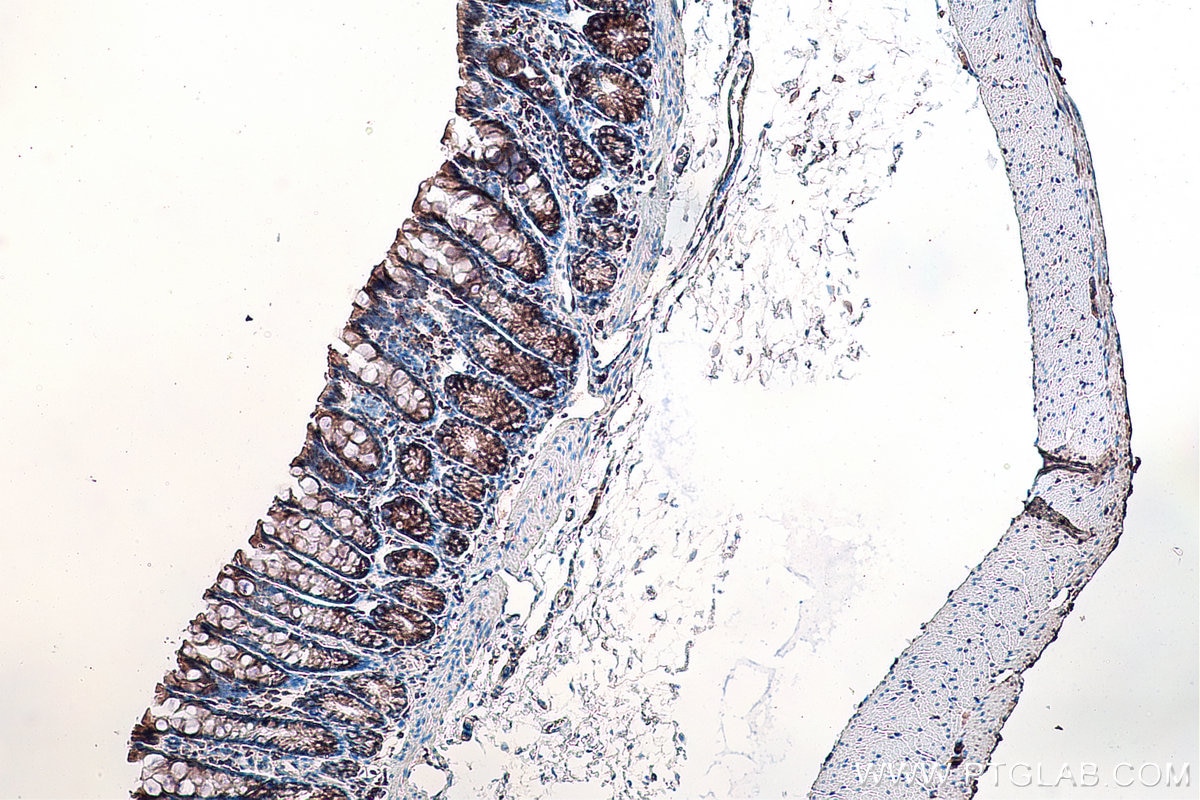
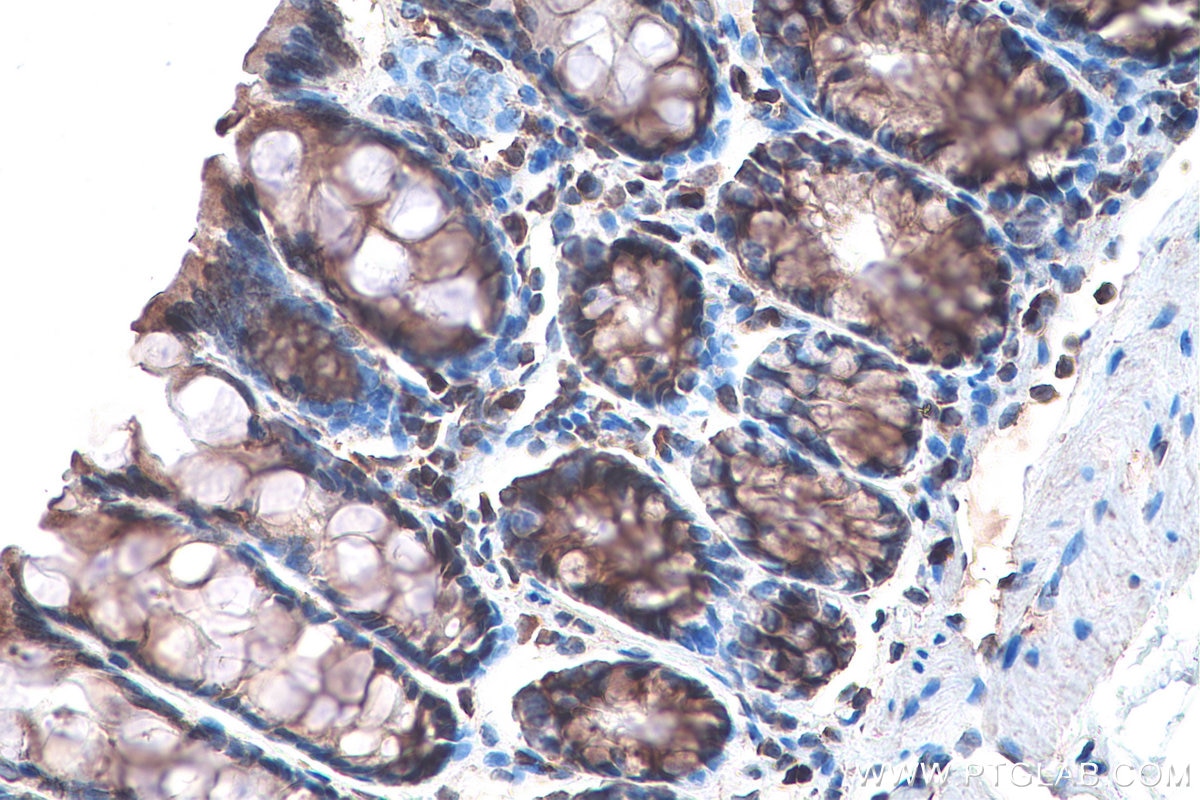
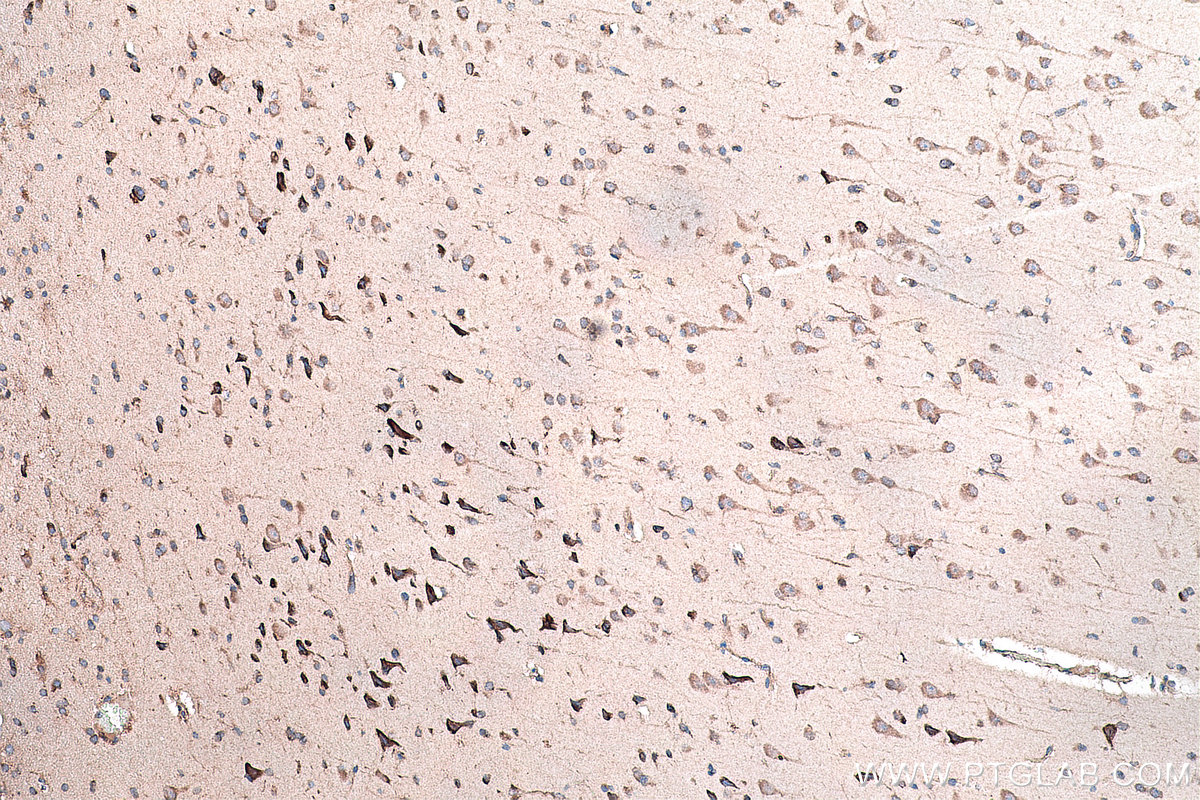
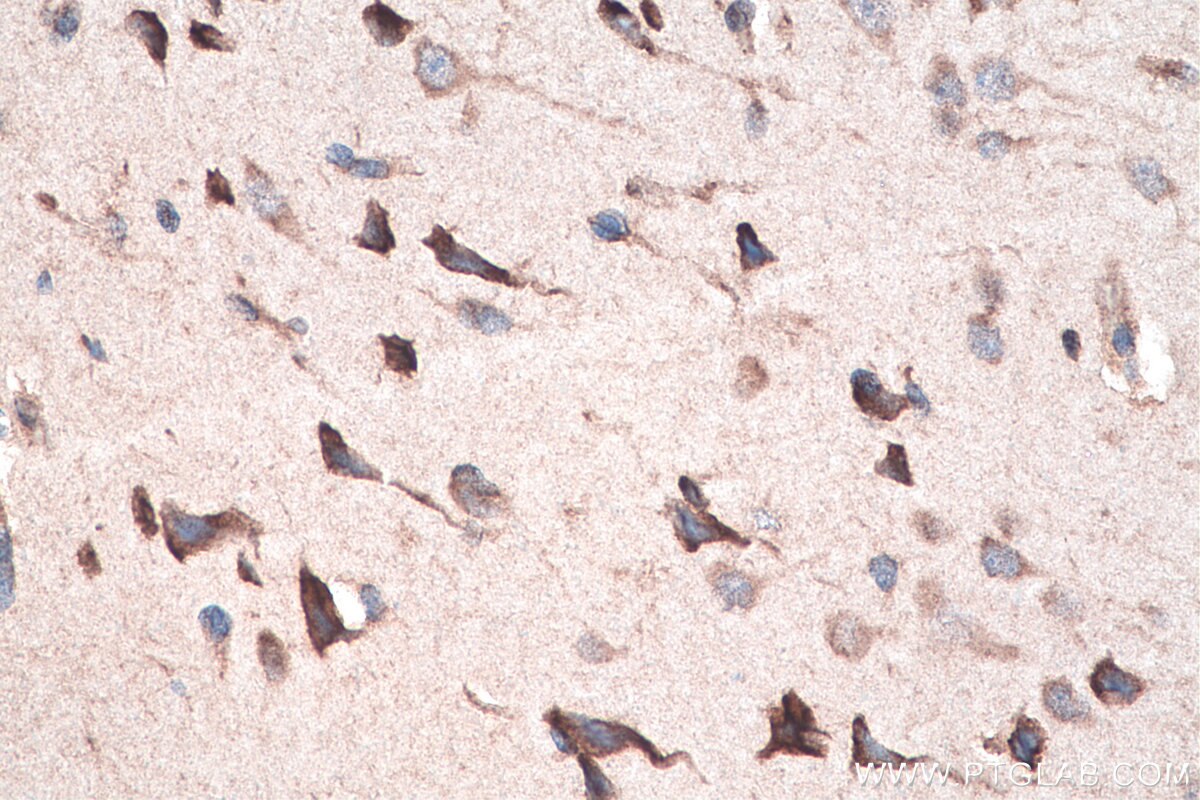
| Positive IHC detected in | human lung cancer tissue, human gliomas tissue, human prostate cancer tissue, mouse colon tissue, rat colon tissue Note: suggested antigen retrieval with TE buffer pH 9.0; (*) Alternatively, antigen retrieval may be performed with citrate buffer pH 6.0 |
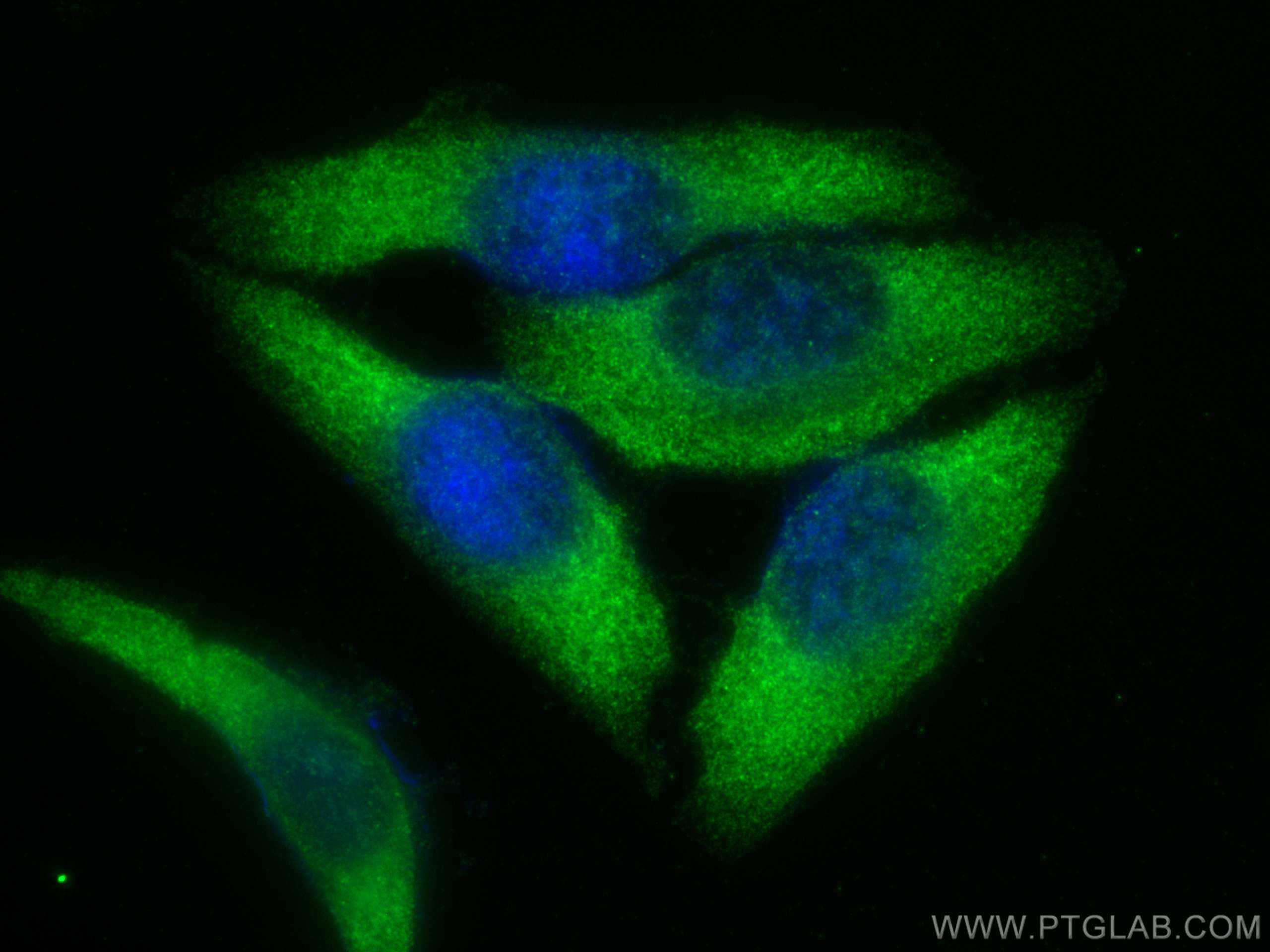
| Positive IF/ICC detected in | HepG2 cells |
Recommended dilution
| Application | Dilution |
|---|---|
| Western Blot (WB) | WB : 1:2000-1:16000 |
| Immunoprecipitation (IP) | IP : 0.5-4.0 ug for 1.0-3.0 mg of total protein lysate |
| Immunohistochemistry (IHC) | IHC : 1:50-1:500 |
| Immunofluorescence (IF)/ICC | IF/ICC : 1:200-1:800 |
| It is recommended that this reagent should be titrated in each testing system to obtain optimal results. | |
| Sample-dependent, Check data in validation data gallery. | |
Product Information
12037-1-AP targets DVL2 in WB, IHC, IF/ICC, IP, CoIP, ELISA applications and shows reactivity with human, mouse, rat samples.
| Tested Reactivity | human, mouse, rat |
| Cited Reactivity | human, mouse, rat, pig, chicken, xenopus |
| Host / Isotype | Rabbit / IgG |
| Class | Polyclonal |
| Type | Antibody |
| Immunogen |
CatNo: Ag2666 Product name: Recombinant human DVL2 protein Source: e coli.-derived, PGEX-4T Tag: GST Domain: 1-340 aa of BC014844 Sequence: MAGSSTGGGGVGETKVIYHLDEEETPYLVKIPVPAERITLGDFKSVLQRPAGAKYFFKSMDQDFGVVKEEISDDNARLPCFNGRVVSWLVSSDNPQPEMAPPVHEPRAELAPPAPPLPPLPPERTSGIGDSRPPSFHPNVSSSHENLEPETETESVVSLRRERPRRRDSSEHGAGGHRTGGPSRLERHLAGYESSSTLMTSELESTSLGDSDEEDTMSRFSSSTEQSSASRLLKRHRRRRKQRPPRLERTSSFSSVTDSTMSLNIITVTLNMEKYNFLGISIVGQSNERGDGGIYIGSIMKGGAVAADGRIEPGDMLLQVNDMNFENMSNDDAVRVLRDI Predict reactive species |
| Full Name | dishevelled, dsh homolog 2 (Drosophila) |
| Calculated Molecular Weight | 736 aa, 79 kDa |
| Observed Molecular Weight | 90-95 kDa |
| GenBank Accession Number | BC014844 |
| Gene Symbol | DVL2 |
| Gene ID (NCBI) | 1856 |
| RRID | AB_2093330 |
| Conjugate | Unconjugated |
| Form | Liquid |
| Purification Method | Antigen affinity purification |
| UNIPROT ID | O14641 |
| Storage Buffer | PBS with 0.02% sodium azide and 50% glycerol, pH 7.3. |
| Storage Conditions | Store at -20°C. Stable for one year after shipment. Aliquoting is unnecessary for -20oC storage. 20ul sizes contain 0.1% BSA. |
Background Information
DVL2 is member of the dishevelled (dsh) protein family. DVL2 encodes a 90-kD protein that undergoes posttranslational phosphorylation to form a 95-kD cytoplasmic protein in a variety of cell lines and species. DVL2 participates in Wnt signaling by binding to the cytoplasmic C-terminus of frizzled family members and transducing the Wnt signal to down-stream effectors. It promotes internalization and degradation of frizzled proteins upon Wnt signaling. It plays a role both in canonical and non-canonical Wnt signaling. It also Plays a role in the signal transduction pathways mediated by multiple Wnt genes.
Protocols
| Product Specific Protocols | |
|---|---|
| IF protocol for DVL2 antibody 12037-1-AP | Download protocol |
| IHC protocol for DVL2 antibody 12037-1-AP | Download protocol |
| IP protocol for DVL2 antibody 12037-1-AP | Download protocol |
| WB protocol for DVL2 antibody 12037-1-AP | Download protocol |
| Standard Protocols | |
|---|---|
| Click here to view our Standard Protocols |
Publications
What published studies show
The DVL2 Polyclonal antibody (Cat# 12037-1-AP) has 38 citations. These appear in journals including Molecular Cancer, Journal of Nanobiotechnology, Cell Death & Disease, Phytomedicine, Cell Death Discovery, Acta Pharmacologica Sinica, International Journal of Molecular Medicine, Biomedical Pharmacotherapy, Food & Function, Journal of Cell Biology, Molecular Neurobiology, mBio, Development, FASEB Journal, Gastroenterology Reports, Nature Communications, and others. Research fields span Wnt/β-catenin and planar cell polarity signaling, oncology (colorectal, liver, lung, pancreatic, bladder cancers), neurology (Alzheimer's, stroke), developmental biology, immunology, and metabolic disease.
| Species | Application | Title |
|---|---|---|
Mol Cancer A multidimensional recommendation framework for identifying biological targets to aid the diagnosis and treatment of liver metastasis in patients with colorectal cancer | ||
J Nanobiotechnology Maternal fiber-rich diet promotes early-life intestinal development in offspring through milk-derived extracellular vesicles carrying miR-146a-5p | ||
Cell Death Dis YAP triggers the Wnt/β-catenin signalling pathway and promotes enterocyte self-renewal, regeneration and tumorigenesis after DSS-induced injury. | ||
Phytomedicine SiNiSan alleviates liver injury by promoting hepatic stem cell differentiation via Wnt/β-catenin signaling pathway. | ||
Acta Pharmacol Sin CYP2A6 suppresses hepatocellular carcinoma via inhibiting SRC/Wnt/β-Catenin pathway | ||
Cell Death Discov MYH9 is crucial for stem cell-like properties in non-small cell lung cancer by activating mTOR signaling. |





















