
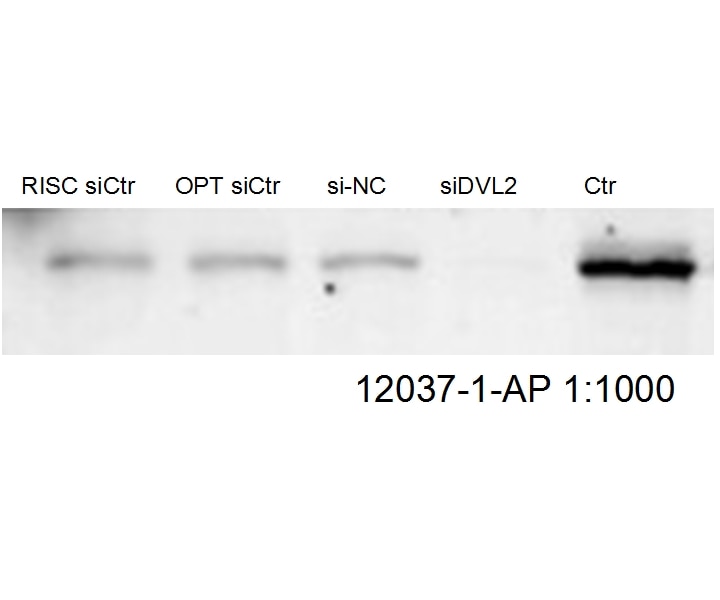
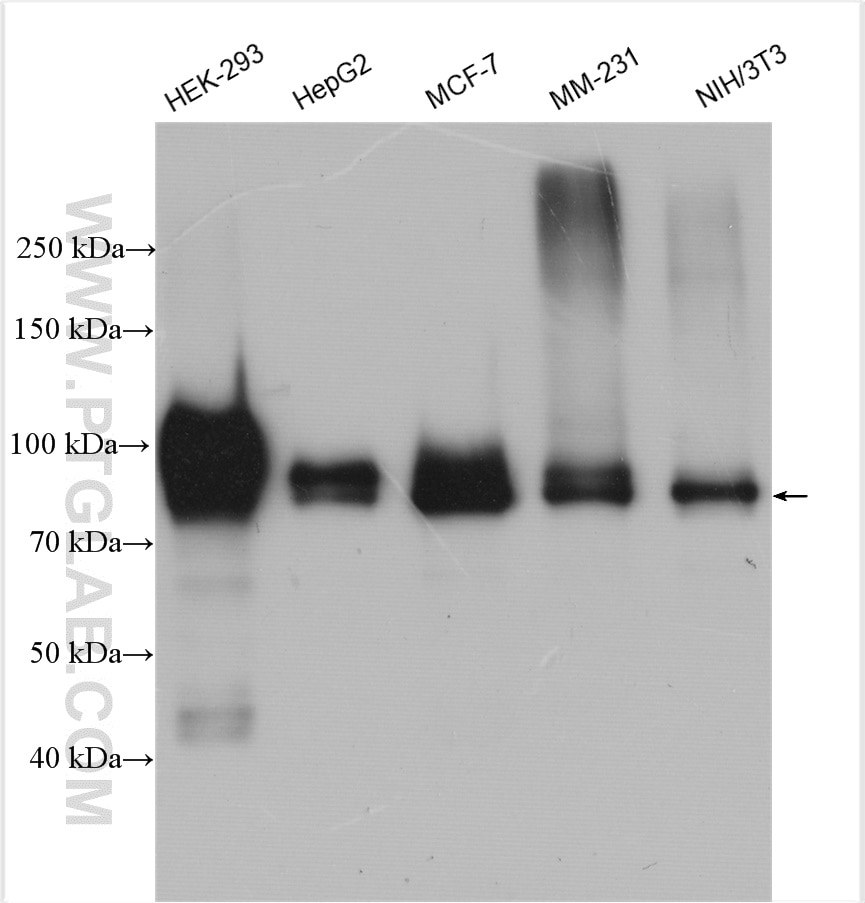
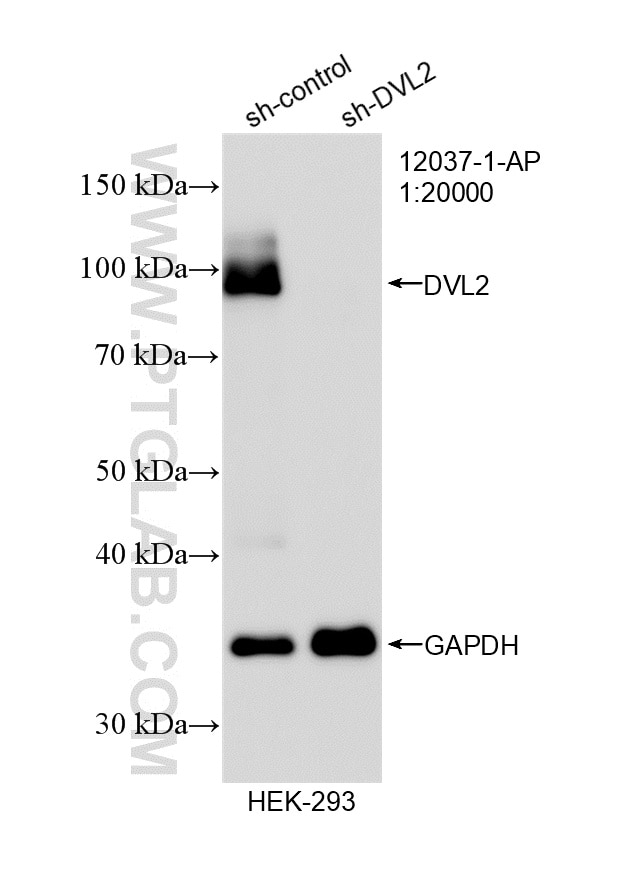
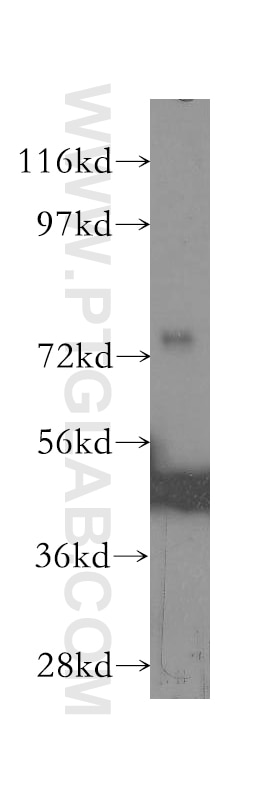

Tested Applications
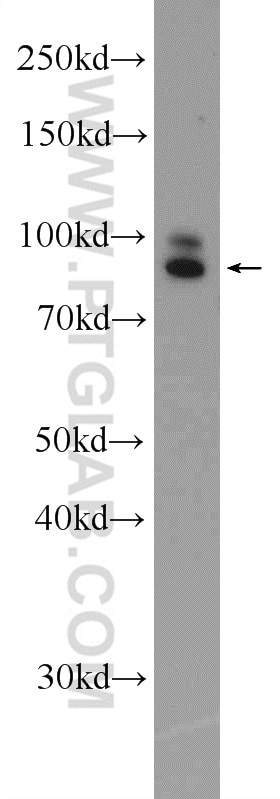
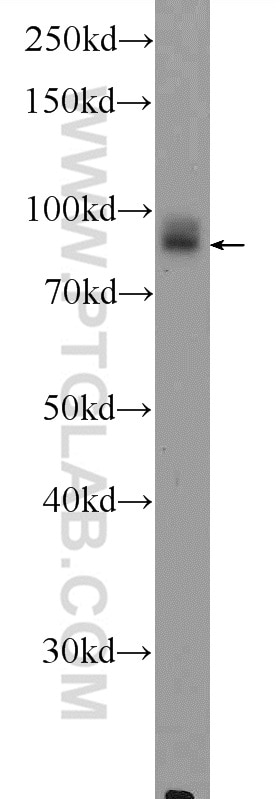
| Positive WB detected in | HEK-293 cells, HepG2 cells, MCF-7 cells, MDA-MB-453s cells, mouse thymus tissue, MDA-MB-231 cells, NIH/3T3 cells |
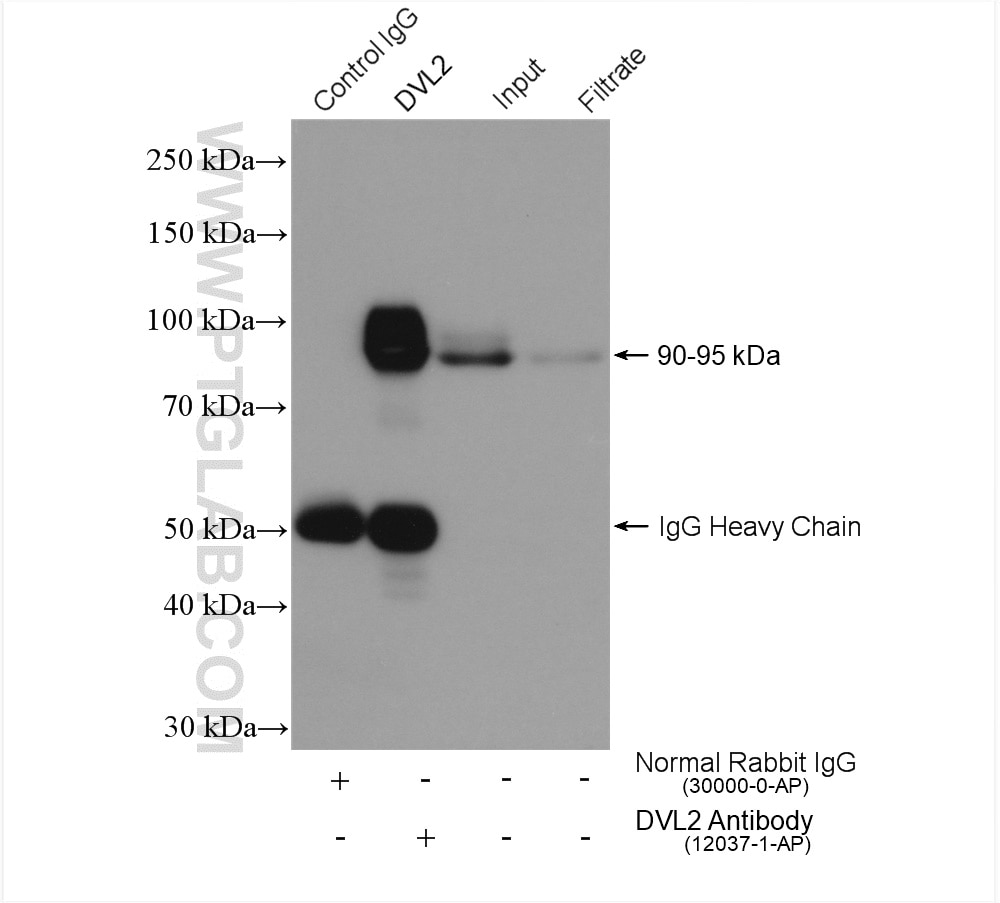
| Positive IP detected in | MCF-7 cells |
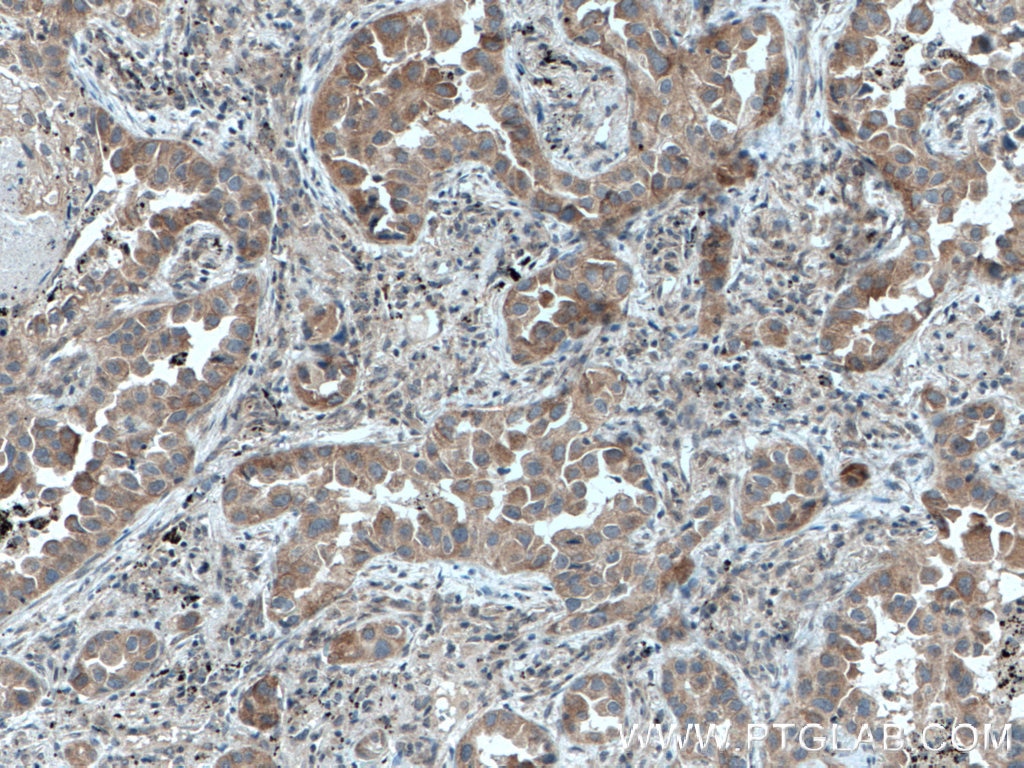
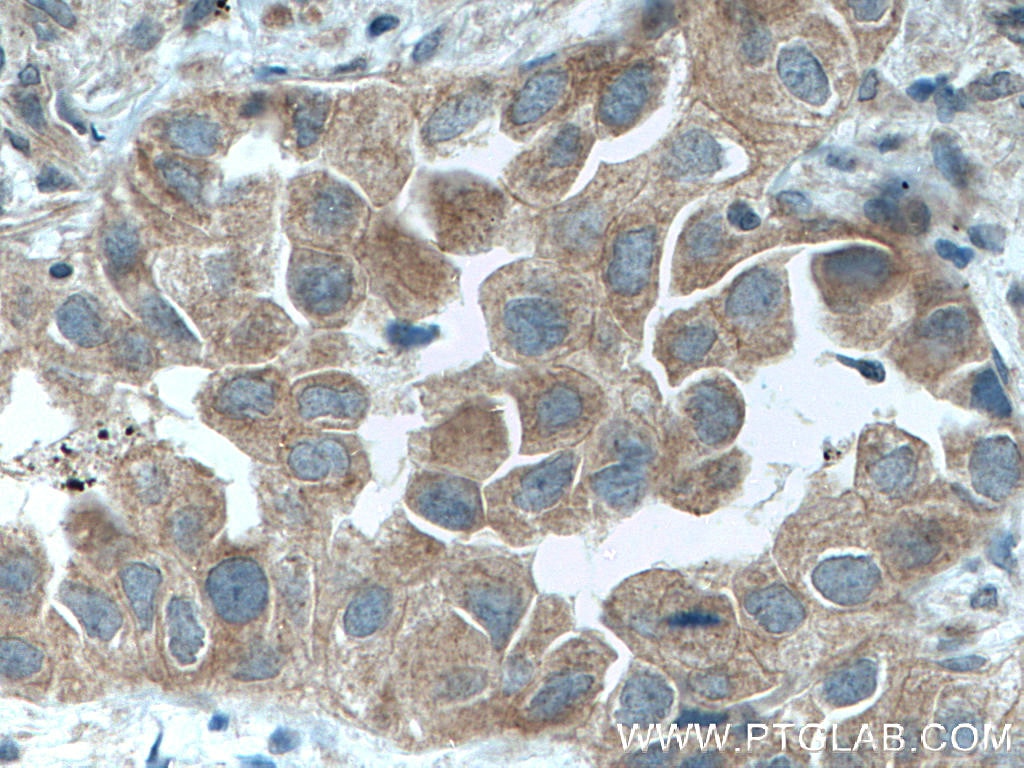
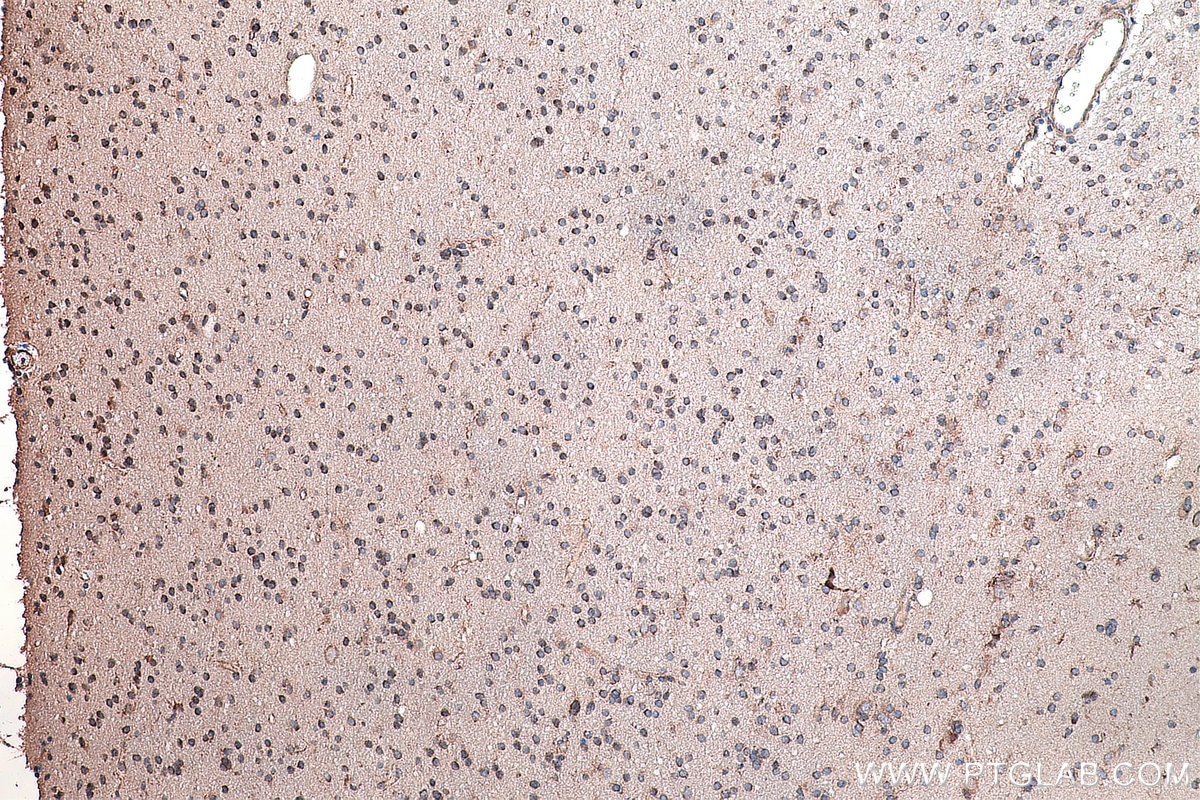
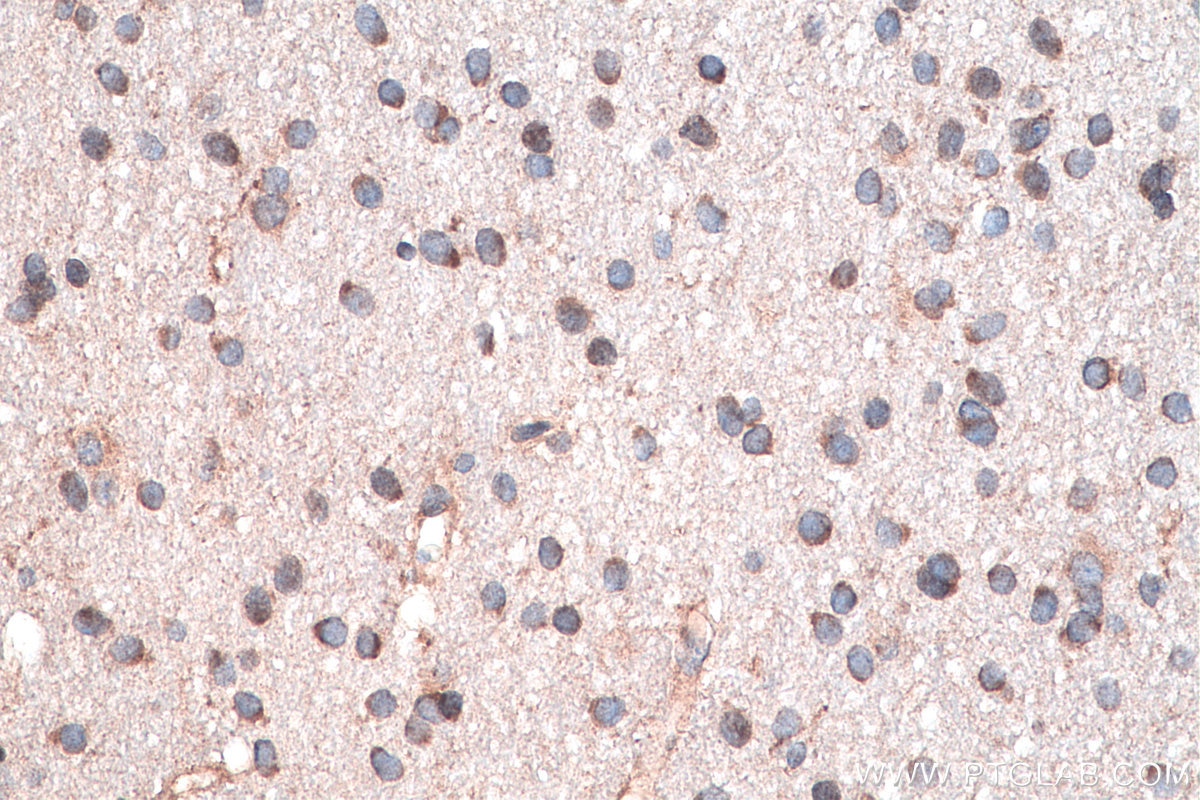
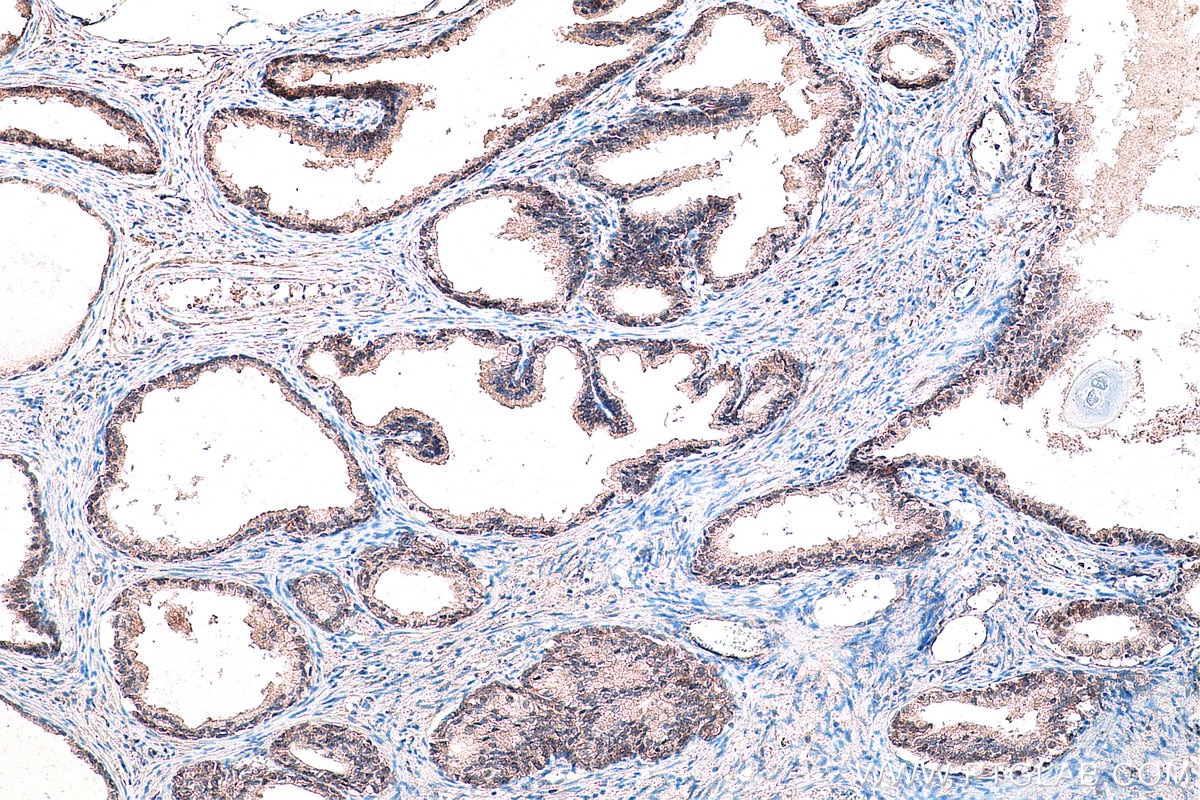
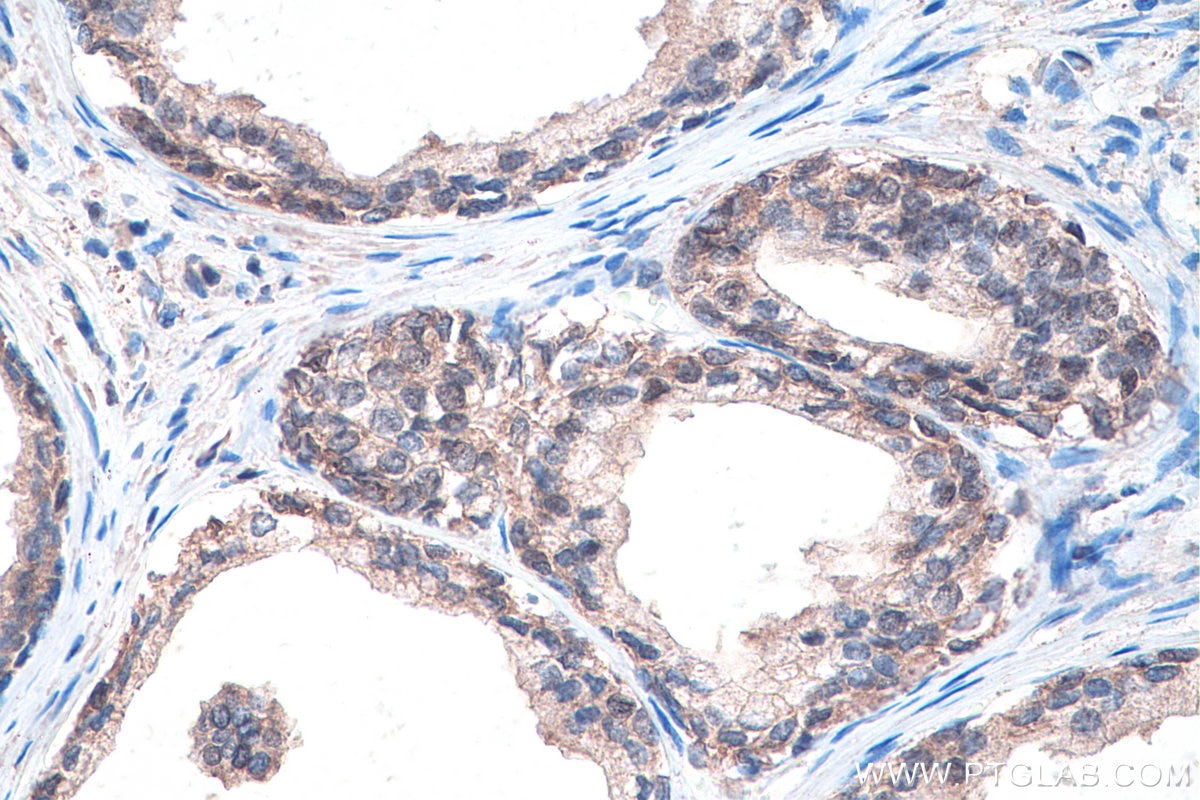
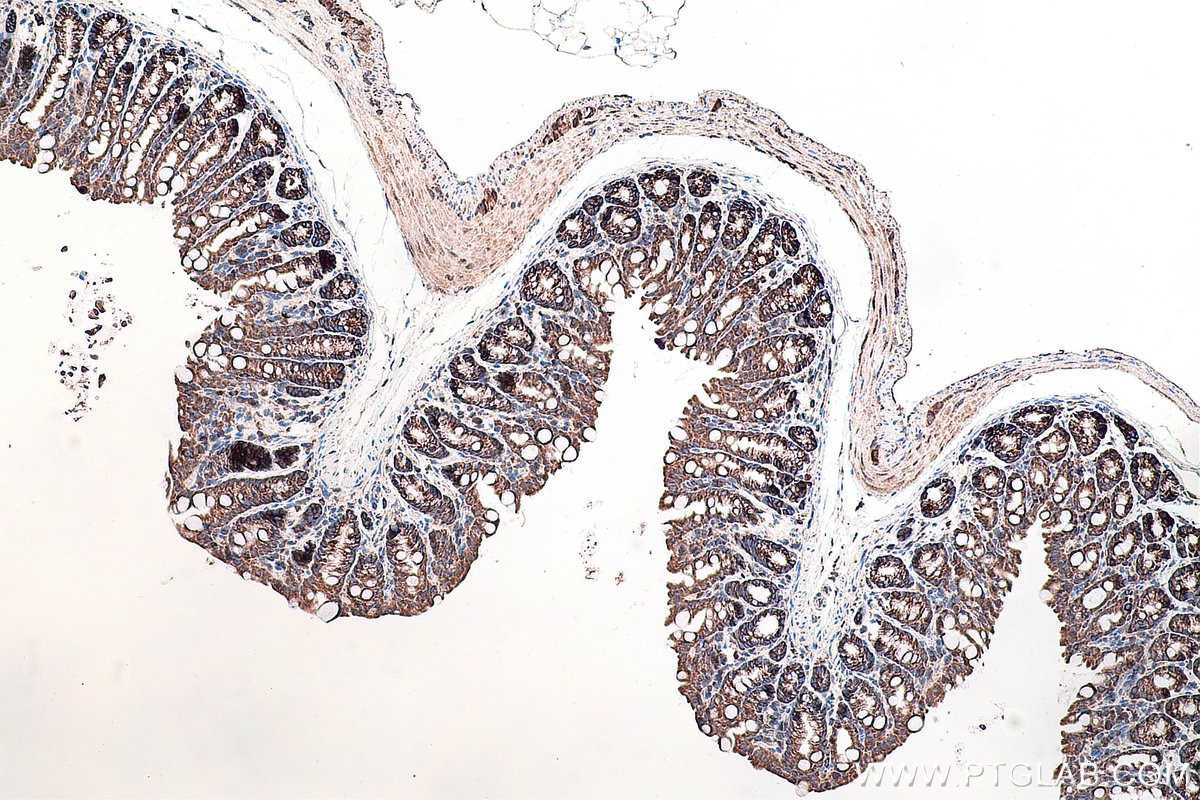
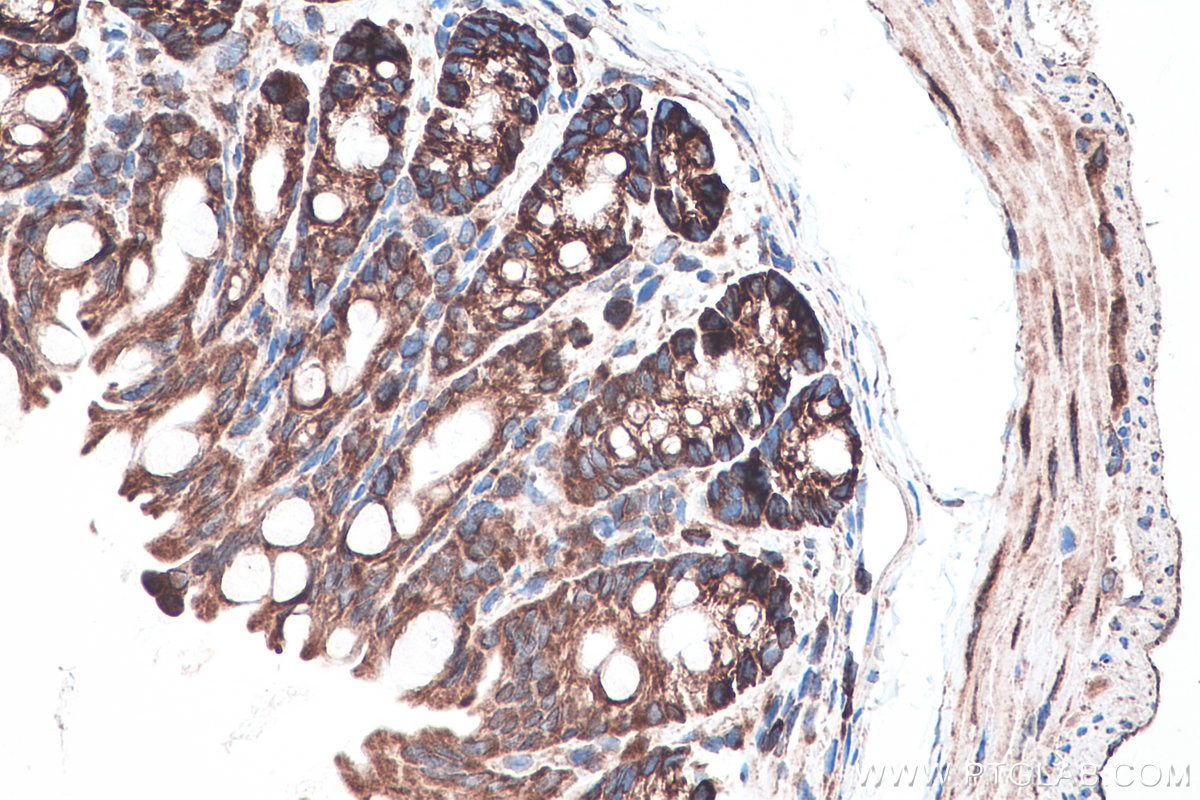
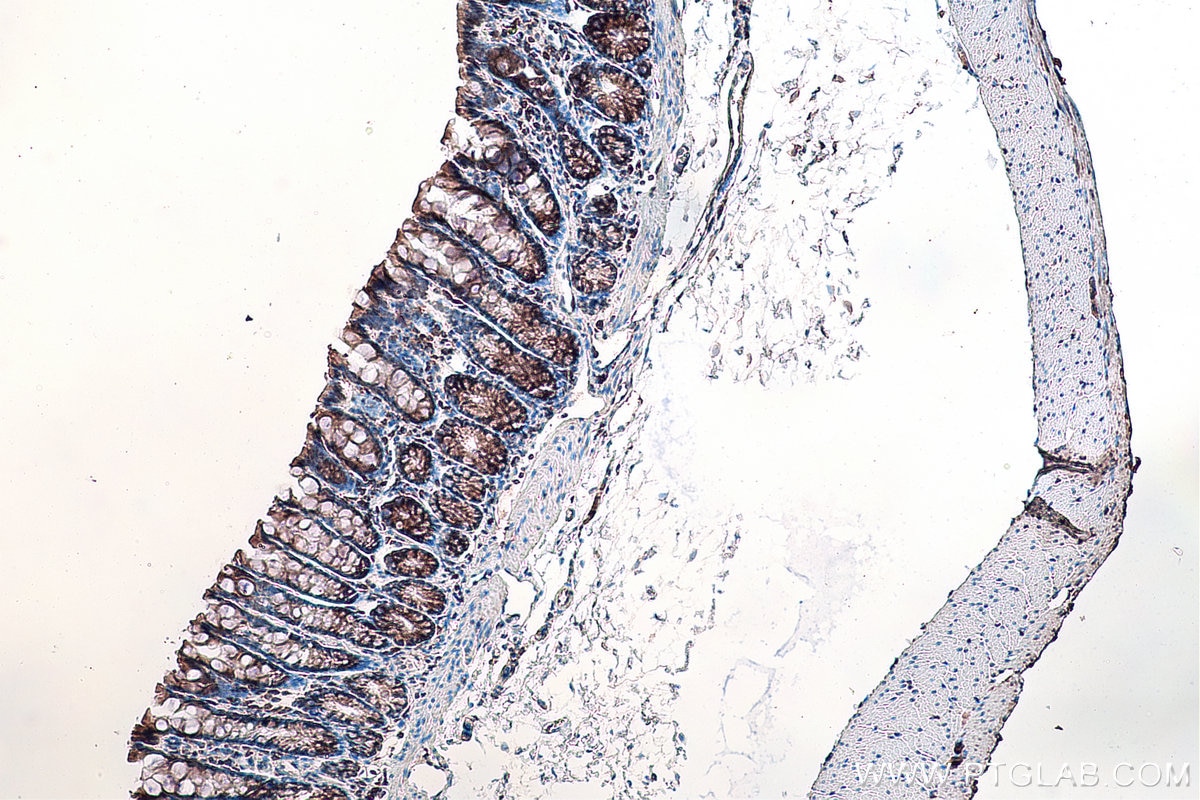
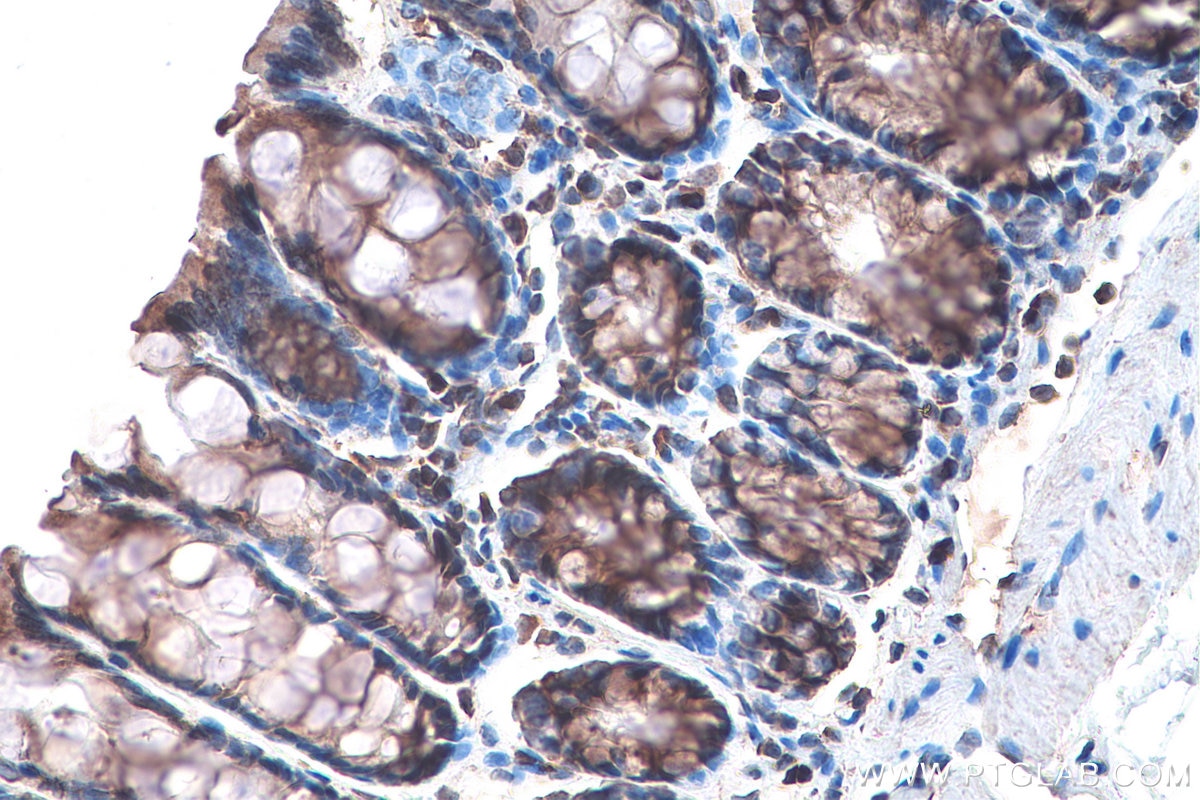
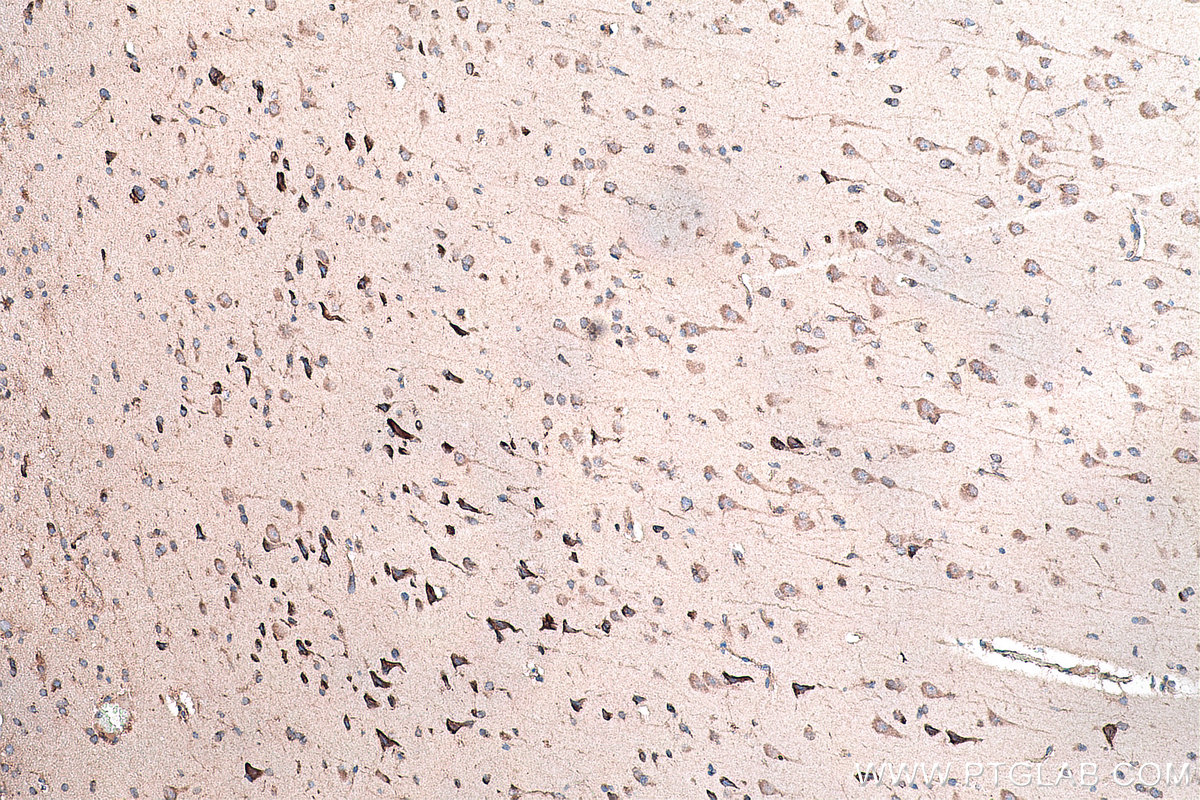
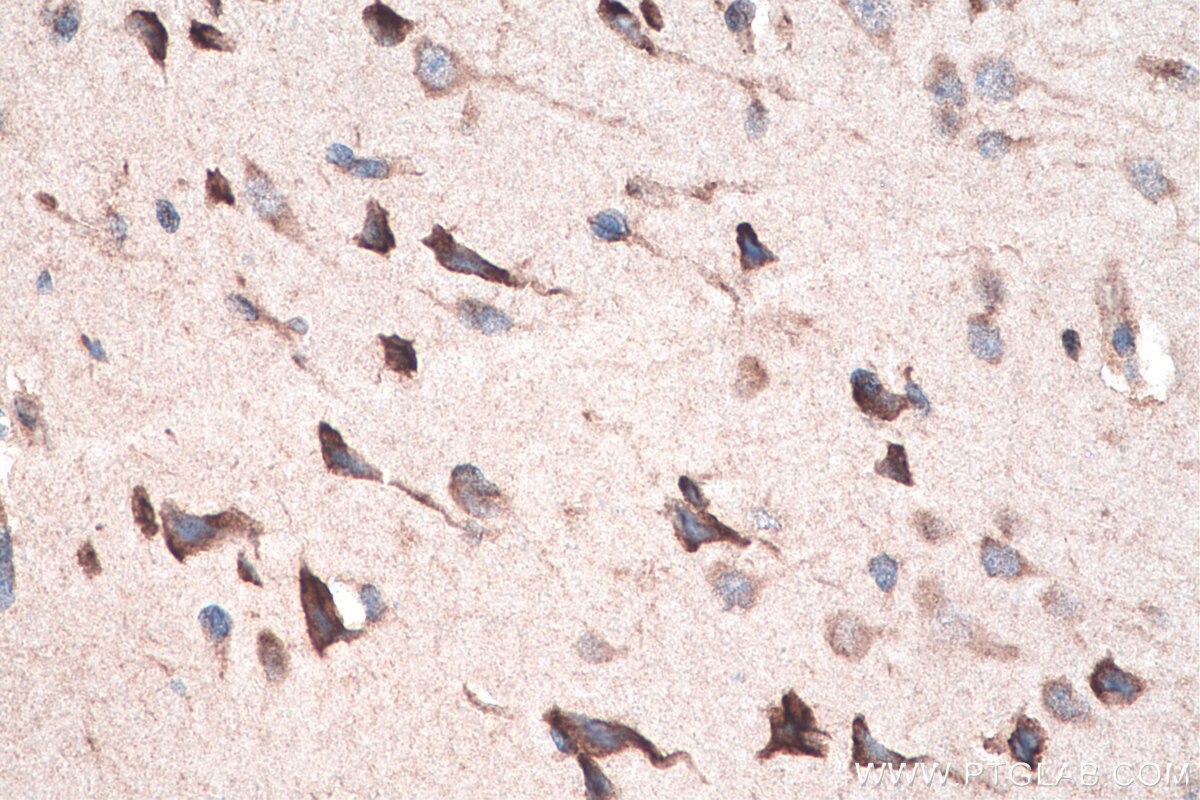
| Positive IHC detected in | human lung cancer tissue, human gliomas tissue, human prostate cancer tissue, mouse colon tissue, rat colon tissue Note: suggested antigen retrieval with TE buffer pH 9.0; (*) Alternatively, antigen retrieval may be performed with citrate buffer pH 6.0 |
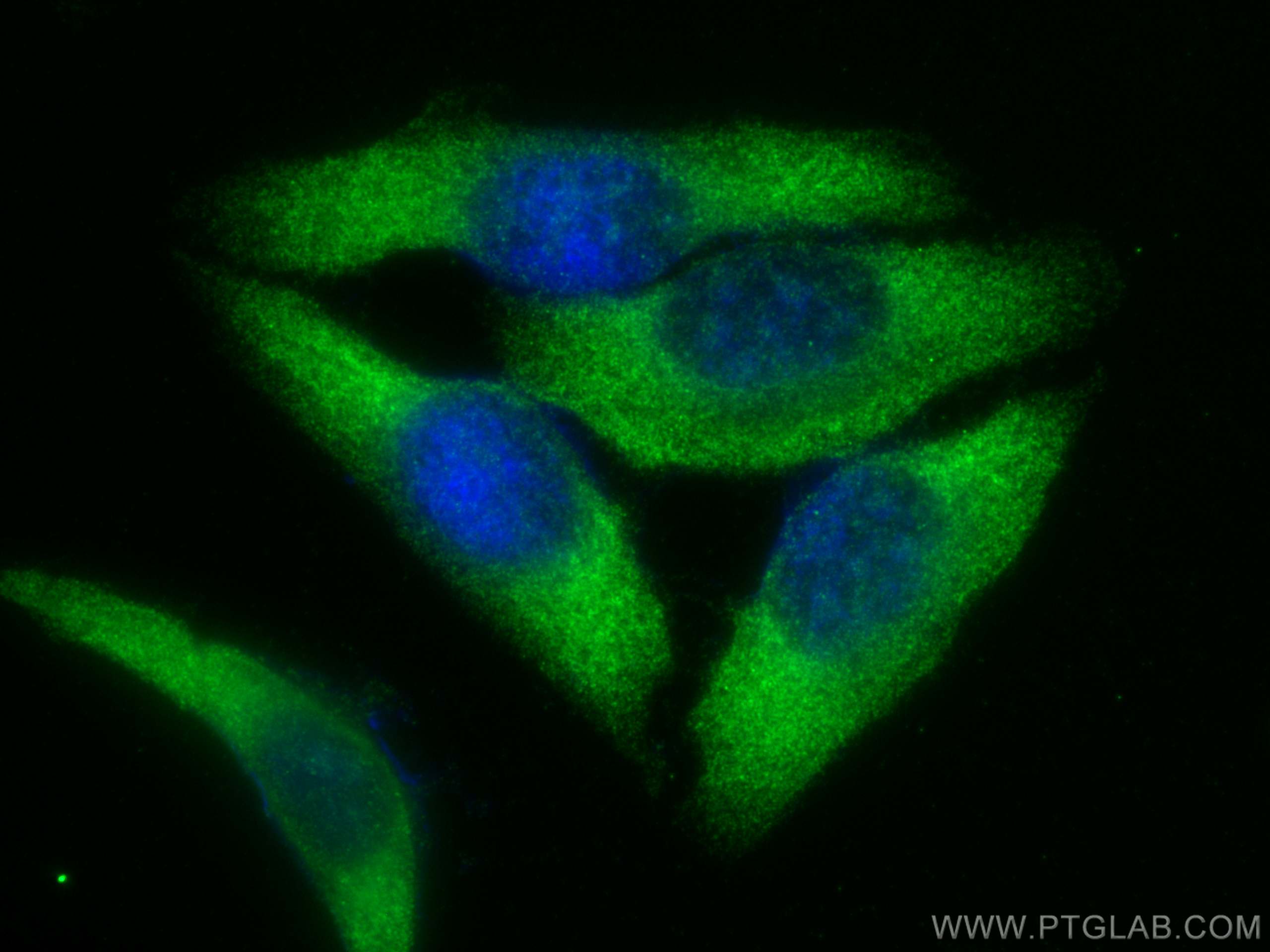
| Positive IF/ICC detected in | HepG2 cells |
Recommended dilution
| Application | Dilution |
|---|---|
| Western Blot (WB) | WB : 1:2000-1:16000 |
| Immunoprecipitation (IP) | IP : 0.5-4.0 ug for 1.0-3.0 mg of total protein lysate |
| Immunohistochemistry (IHC) | IHC : 1:50-1:500 |
| Immunofluorescence (IF)/ICC | IF/ICC : 1:200-1:800 |
| It is recommended that this reagent should be titrated in each testing system to obtain optimal results. | |
| Sample-dependent, Check data in validation data gallery. | |
Product Information
12037-1-AP targets DVL2 in WB, IHC, IF/ICC, IP, CoIP, ELISA applications and shows reactivity with human, mouse, rat samples.
| Tested Reactivity | human, mouse, rat |
| Cited Reactivity | human, mouse, rat, pig, chicken, xenopus |
| Host / Isotype | Rabbit / IgG |
| Class | Polyclonal |
| Type | Antibody |
| Immunogen |
CatNo: Ag2666 Product name: Recombinant human DVL2 protein Source: e coli.-derived, PGEX-4T Tag: GST Domain: 1-340 aa of BC014844 Sequence: MAGSSTGGGGVGETKVIYHLDEEETPYLVKIPVPAERITLGDFKSVLQRPAGAKYFFKSMDQDFGVVKEEISDDNARLPCFNGRVVSWLVSSDNPQPEMAPPVHEPRAELAPPAPPLPPLPPERTSGIGDSRPPSFHPNVSSSHENLEPETETESVVSLRRERPRRRDSSEHGAGGHRTGGPSRLERHLAGYESSSTLMTSELESTSLGDSDEEDTMSRFSSSTEQSSASRLLKRHRRRRKQRPPRLERTSSFSSVTDSTMSLNIITVTLNMEKYNFLGISIVGQSNERGDGGIYIGSIMKGGAVAADGRIEPGDMLLQVNDMNFENMSNDDAVRVLRDI Predict reactive species |
| Full Name | dishevelled, dsh homolog 2 (Drosophila) |
| Calculated Molecular Weight | 736 aa, 79 kDa |
| Observed Molecular Weight | 90-95 kDa |
| GenBank Accession Number | BC014844 |
| Gene Symbol | DVL2 |
| Gene ID (NCBI) | 1856 |
| RRID | AB_2093330 |
| Conjugate | Unconjugated |
| Form | Liquid |
| Purification Method | Antigen affinity purification |
| UNIPROT ID | O14641 |
| Storage Buffer | PBS with 0.02% sodium azide and 50% glycerol, pH 7.3. |
| Storage Conditions | Store at -20°C. Stable for one year after shipment. Aliquoting is unnecessary for -20oC storage. 20ul sizes contain 0.1% BSA. |
Background Information
DVL2 is member of the dishevelled (dsh) protein family. DVL2 encodes a 90-kD protein that undergoes posttranslational phosphorylation to form a 95-kD cytoplasmic protein in a variety of cell lines and species. DVL2 participates in Wnt signaling by binding to the cytoplasmic C-terminus of frizzled family members and transducing the Wnt signal to down-stream effectors. It promotes internalization and degradation of frizzled proteins upon Wnt signaling. It plays a role both in canonical and non-canonical Wnt signaling. It also Plays a role in the signal transduction pathways mediated by multiple Wnt genes.
Protocols
| Product Specific Protocols | |
|---|---|
| IF protocol for DVL2 antibody 12037-1-AP | Download protocol |
| IHC protocol for DVL2 antibody 12037-1-AP | Download protocol |
| IP protocol for DVL2 antibody 12037-1-AP | Download protocol |
| WB protocol for DVL2 antibody 12037-1-AP | Download protocol |
| Standard Protocols | |
|---|---|
| Click here to view our Standard Protocols |
Publications
What published studies show
The DVL2 antibody (Cat# 12037-1-AP) has 37 citations published in journals including Molecular Cancer, Cell Death & Disease, Cell Death Discovery, mBio, FASEB Journal, Development, Journal of Cell Biology, Science Reports, and others. Research fields span Wnt/β-catenin signaling, cancer biology (colorectal, lung, liver, bladder, pancreatic), neuroscience (Alzheimer's disease, stroke), developmental biology, inflammation, and planar cell polarity. Applications include WB, IF, IHC, IP, and CoIP across human, mouse, rat, pig, chicken, and Xenopus species.
| Species | Application | Title |
|---|---|---|
Mol Cancer A multidimensional recommendation framework for identifying biological targets to aid the diagnosis and treatment of liver metastasis in patients with colorectal cancer | ||
J Nanobiotechnology Maternal fiber-rich diet promotes early-life intestinal development in offspring through milk-derived extracellular vesicles carrying miR-146a-5p | ||
Cell Death Dis YAP triggers the Wnt/β-catenin signalling pathway and promotes enterocyte self-renewal, regeneration and tumorigenesis after DSS-induced injury. | ||
Phytomedicine SiNiSan alleviates liver injury by promoting hepatic stem cell differentiation via Wnt/β-catenin signaling pathway. | ||
Acta Pharmacol Sin CYP2A6 suppresses hepatocellular carcinoma via inhibiting SRC/Wnt/β-Catenin pathway | ||
Cell Death Discov MYH9 is crucial for stem cell-like properties in non-small cell lung cancer by activating mTOR signaling. |





















