
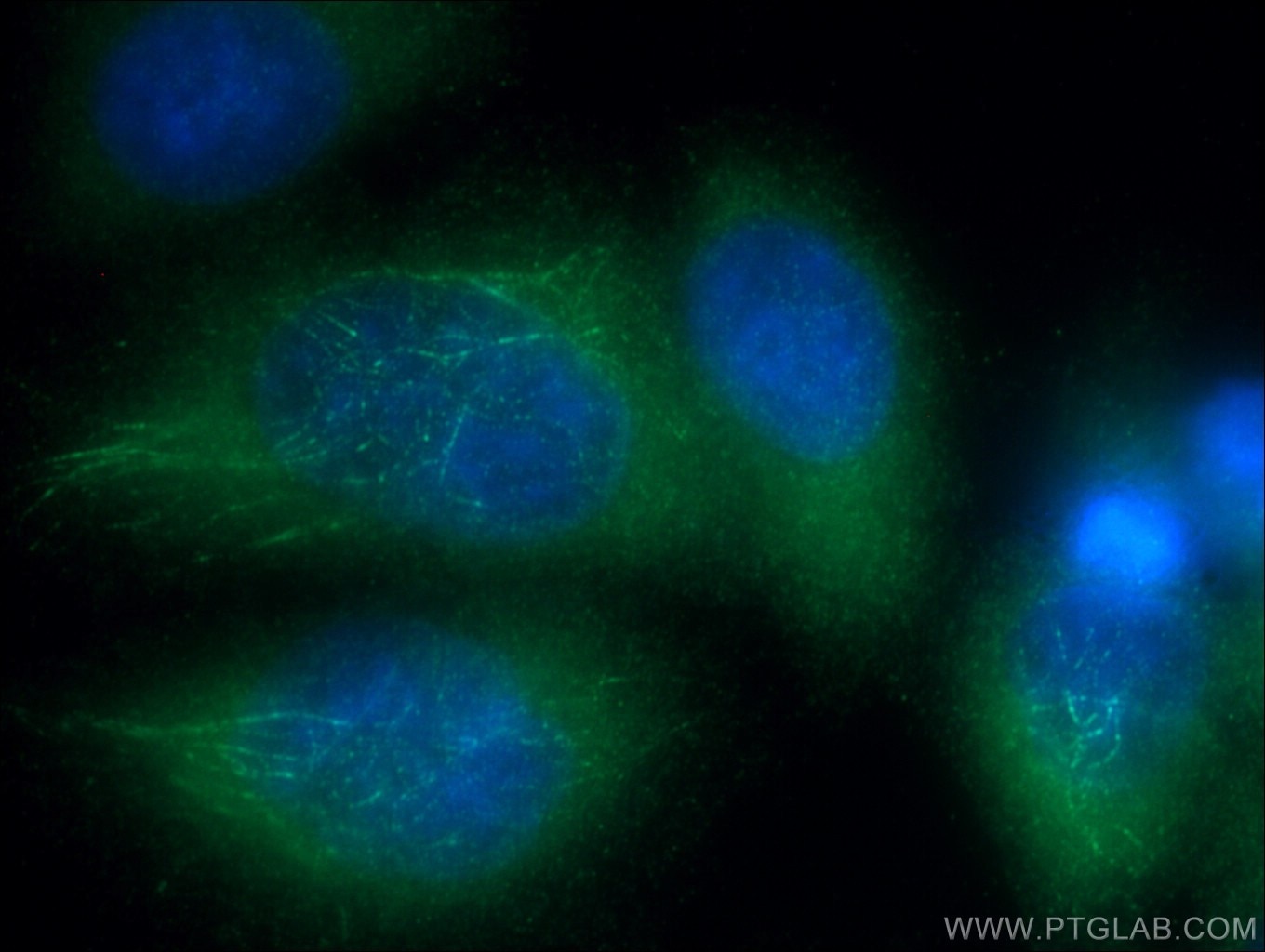

Tested Applications
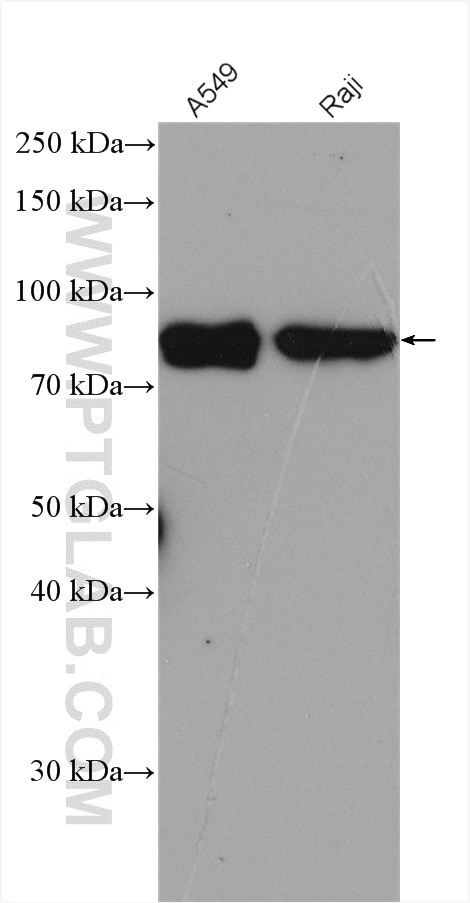
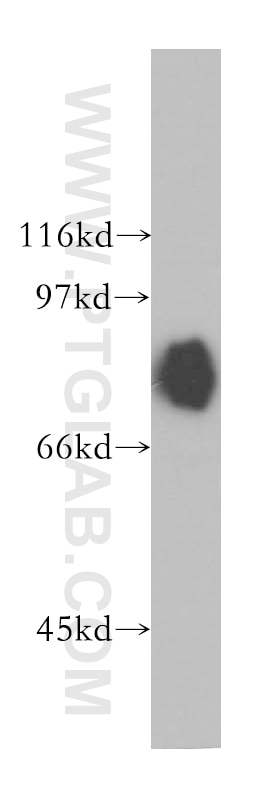
| Positive WB detected in | A549 cells, MCF-7 cells, Raji cells |
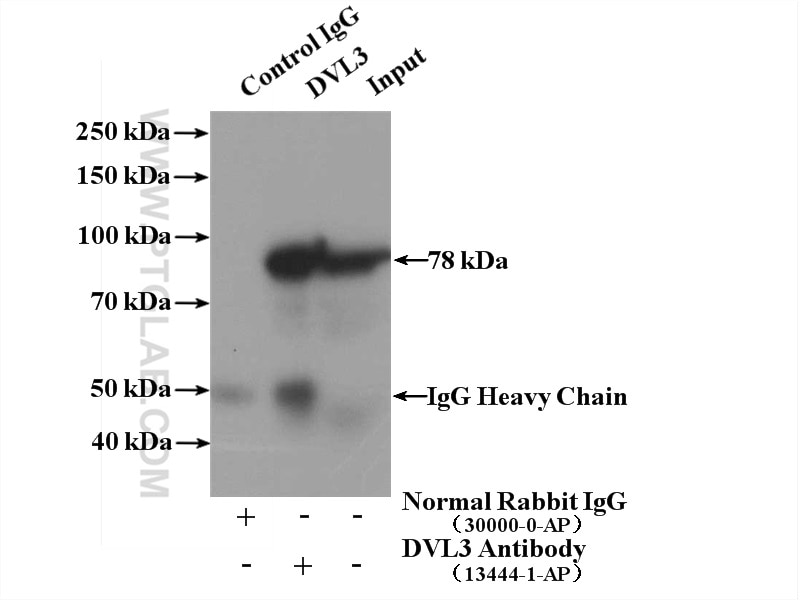
| Positive IP detected in | Raji cells |
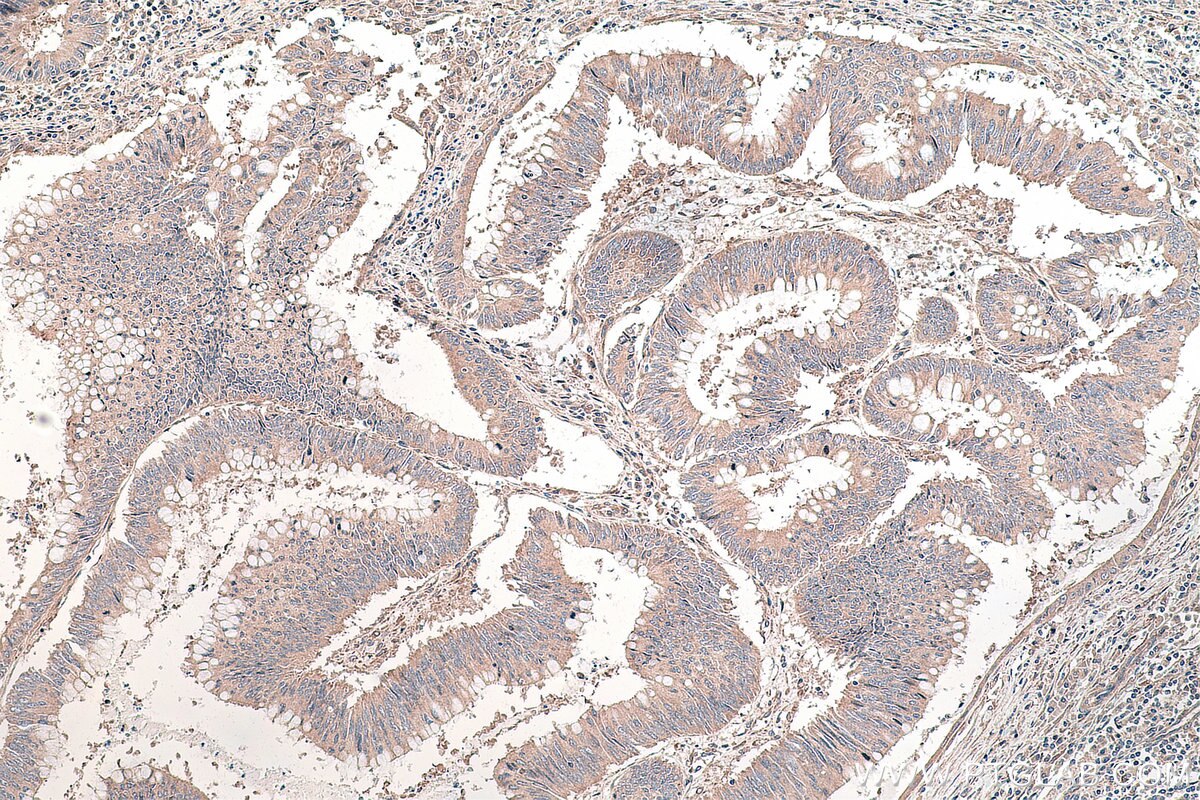
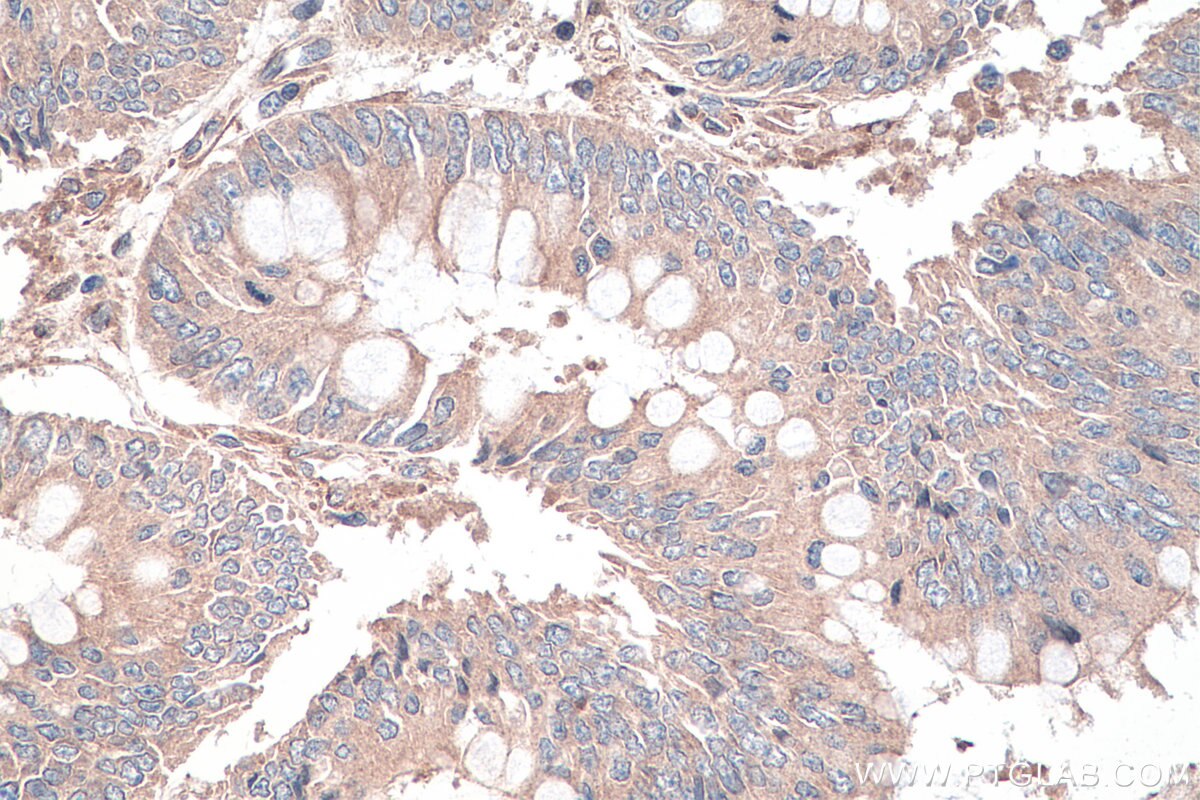
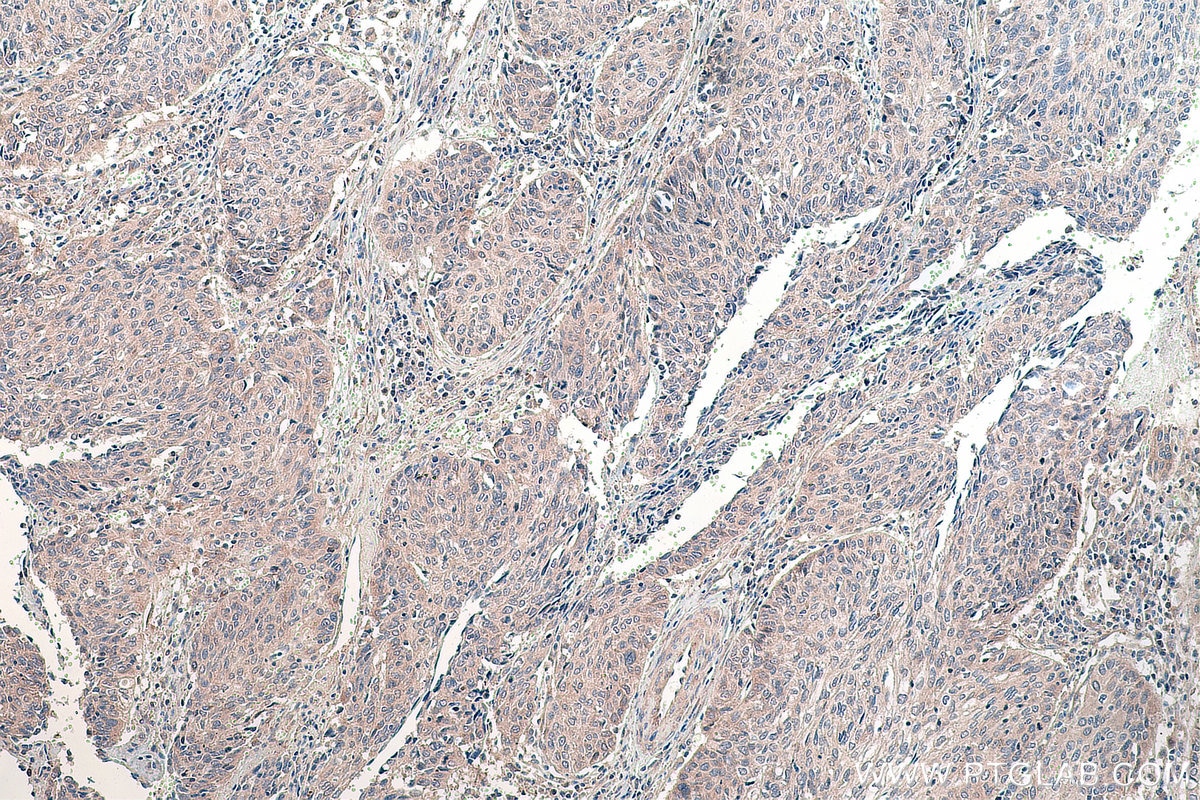
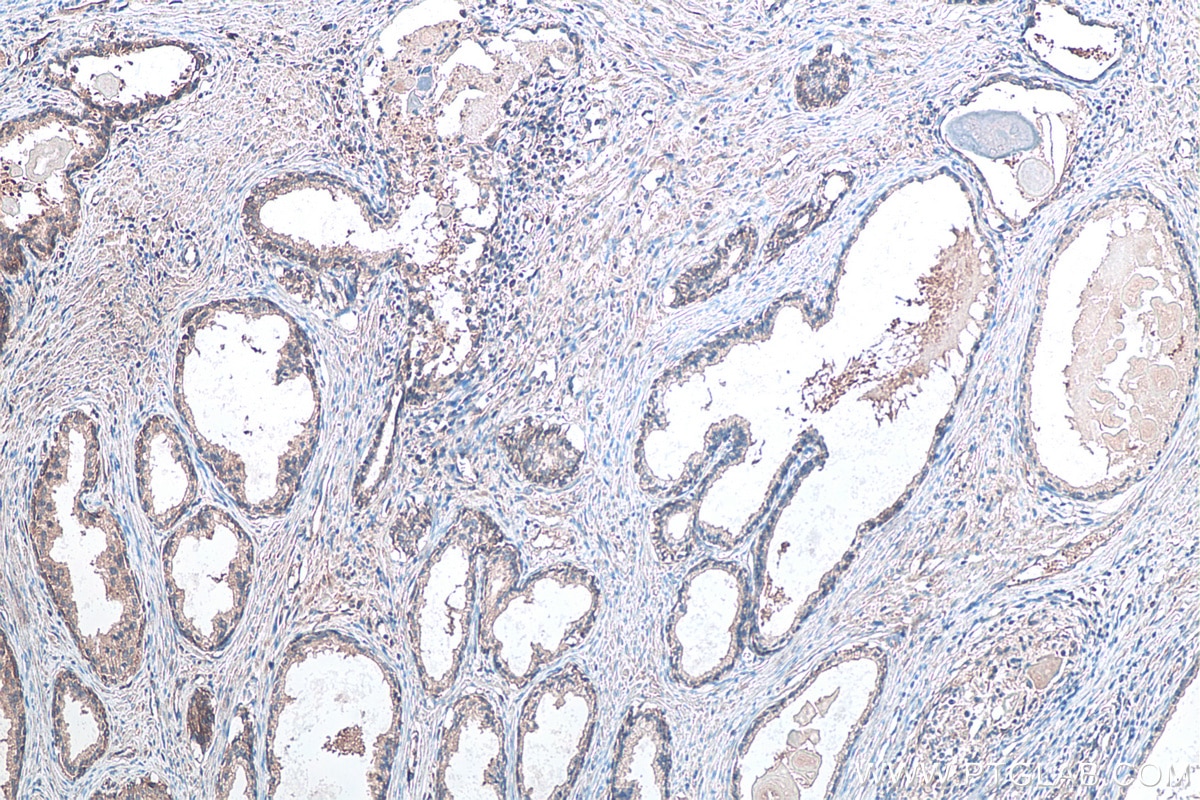
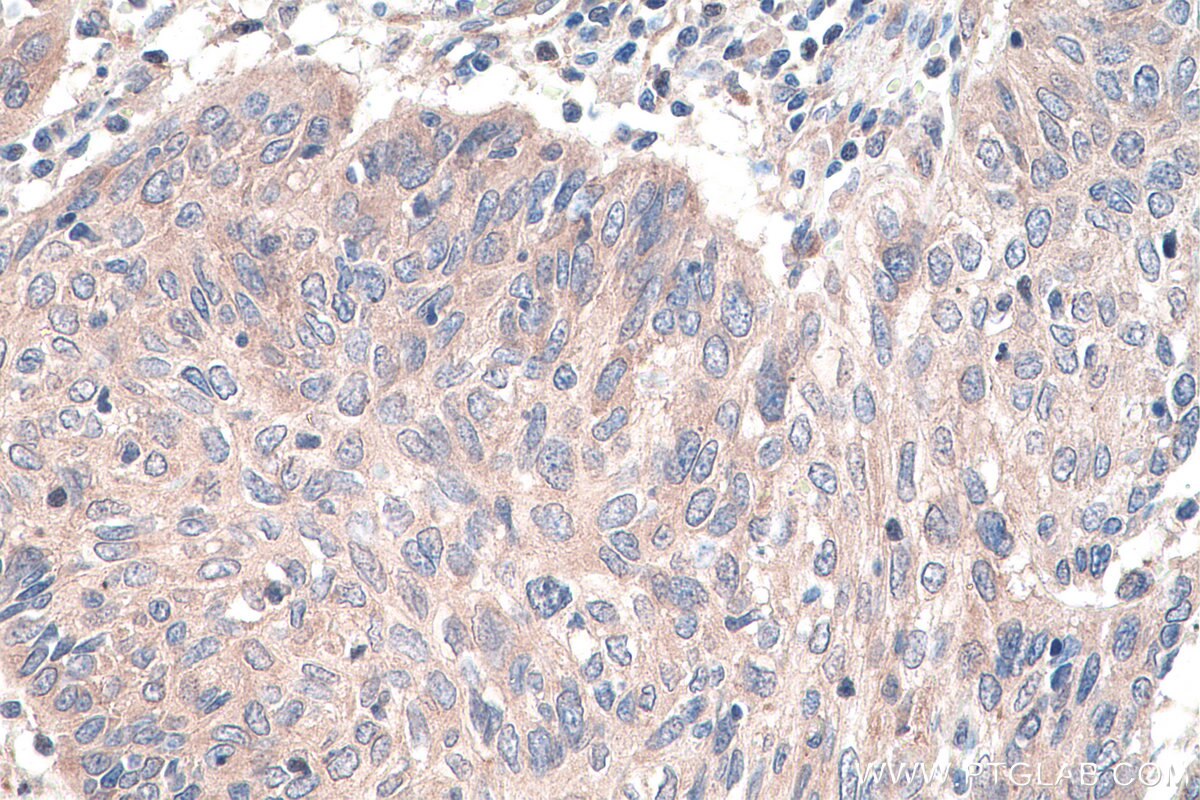
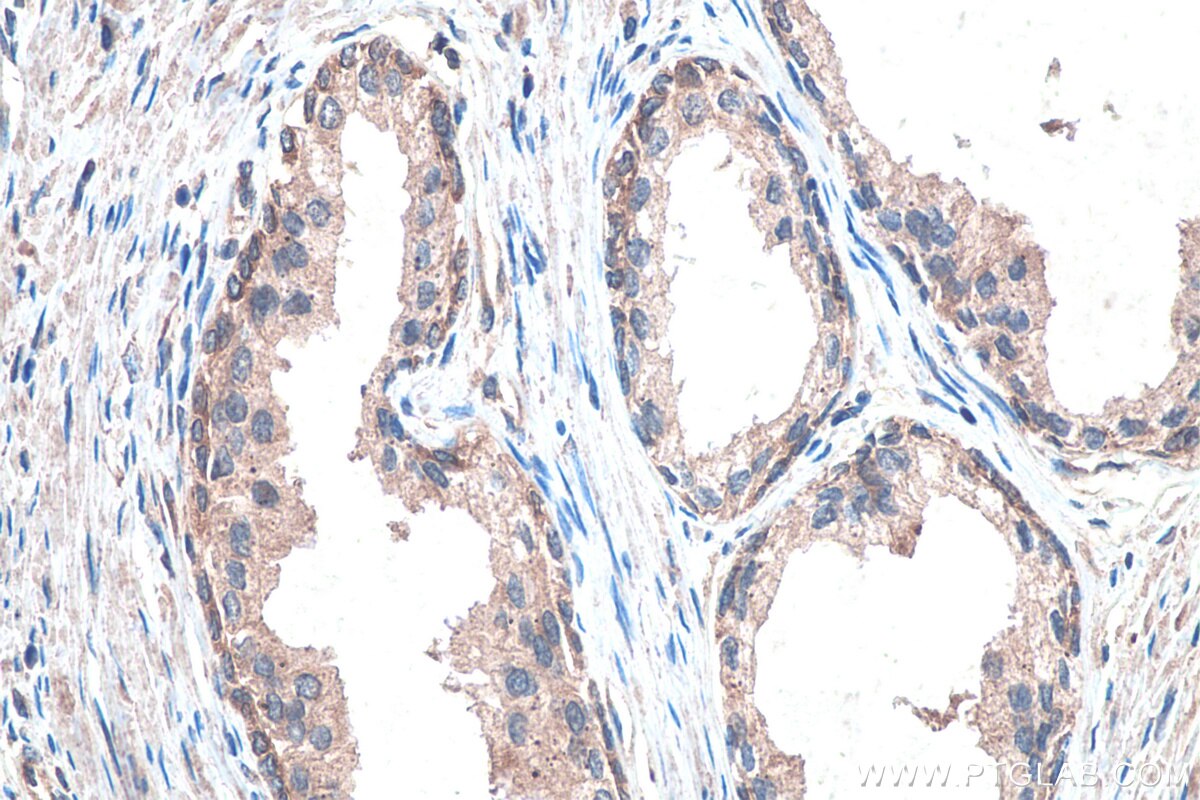
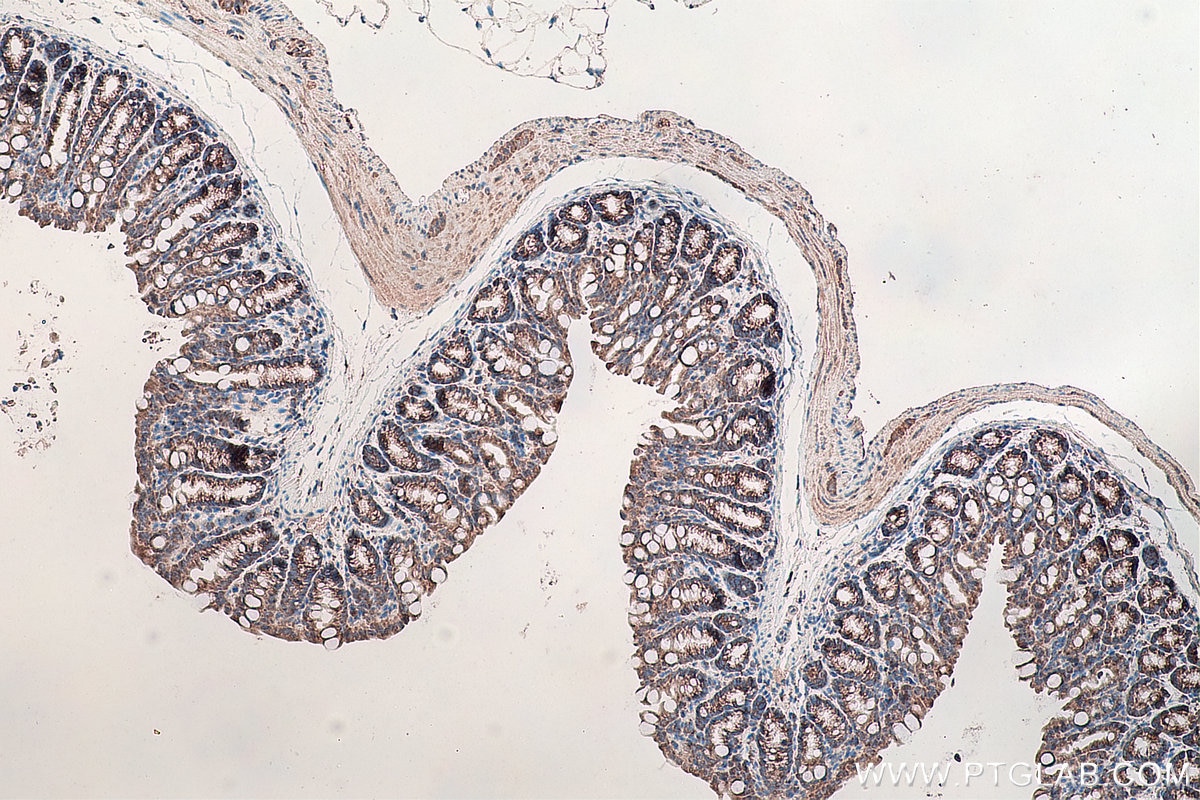
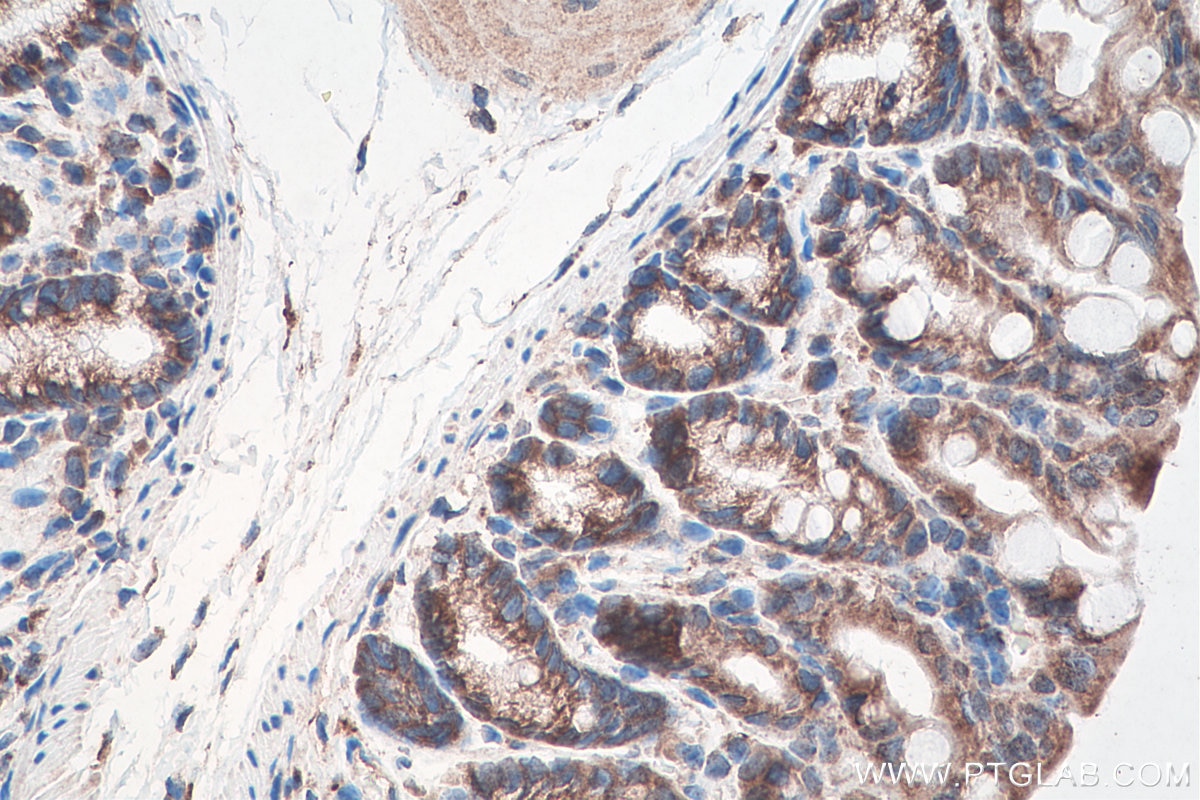
| Positive IHC detected in | human colon cancer tissue, human prostate cancer tissue, mouse colon tissue, human cervical cancer tissue Note: suggested antigen retrieval with TE buffer pH 9.0; (*) Alternatively, antigen retrieval may be performed with citrate buffer pH 6.0 |
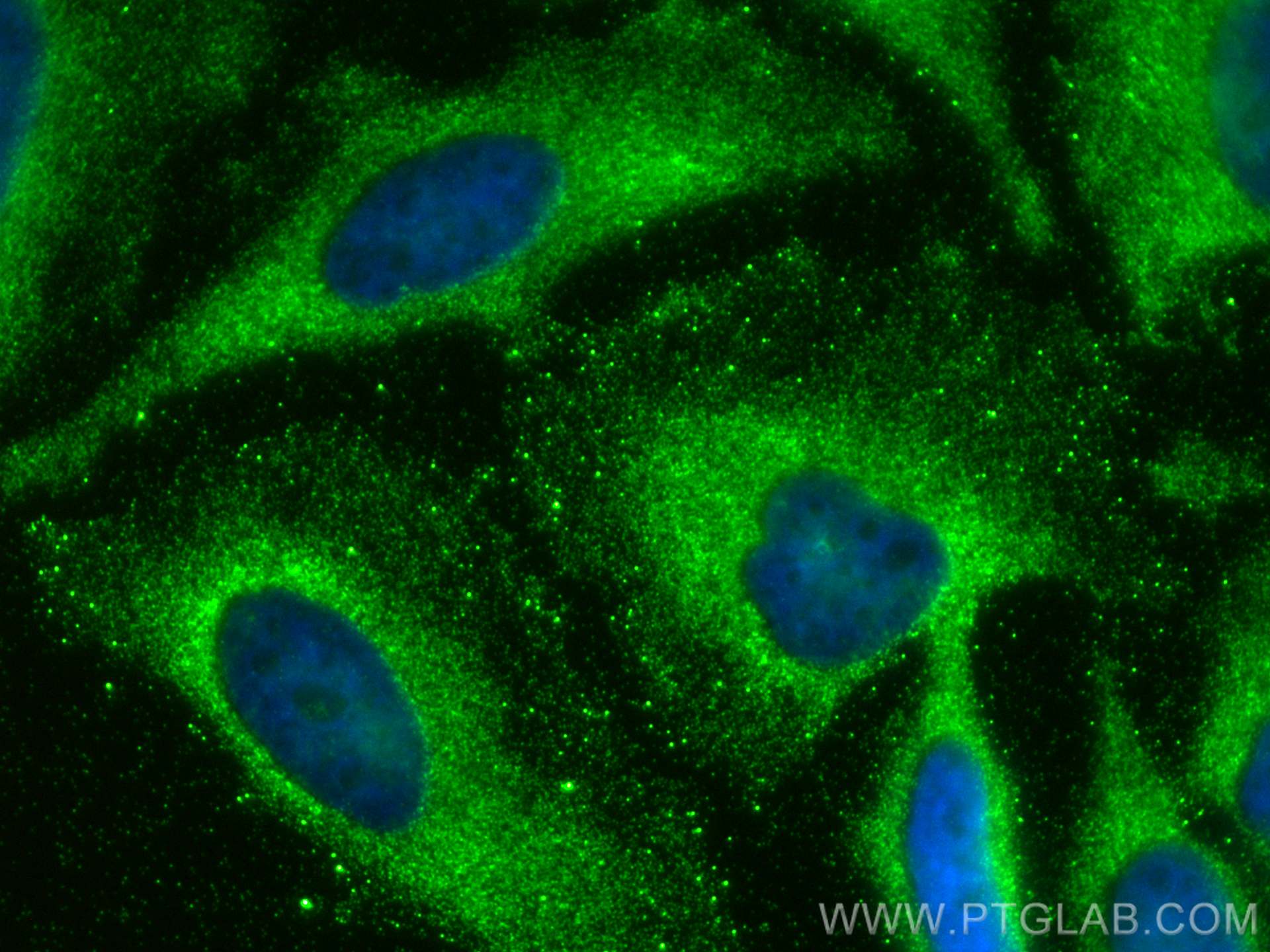
| Positive IF/ICC detected in | HeLa cells |
Recommended dilution
| Application | Dilution |
|---|---|
| Western Blot (WB) | WB : 1:2000-1:6000 |
| Immunoprecipitation (IP) | IP : 0.5-4.0 ug for 1.0-3.0 mg of total protein lysate |
| Immunohistochemistry (IHC) | IHC : 1:500-1:2000 |
| Immunofluorescence (IF)/ICC | IF/ICC : 1:50-1:500 |
| It is recommended that this reagent should be titrated in each testing system to obtain optimal results. | |
| Sample-dependent, Check data in validation data gallery. | |
Product Information
13444-1-AP targets DVL3 in WB, IHC, IF/ICC, IP, ELISA applications and shows reactivity with human, mouse samples.
| Tested Reactivity | human, mouse |
| Cited Reactivity | human, mouse, xenopus |
| Host / Isotype | Rabbit / IgG |
| Class | Polyclonal |
| Type | Antibody |
| Immunogen |
CatNo: Ag4272 Product name: Recombinant human DVL3 protein Source: e coli.-derived, PGEX-4T Tag: GST Domain: 1-319 aa of BC032459 Sequence: MGETKIIYHLDGQETPYLVKLPLPAERVTLADFKGVLQRPSYKFFFKSMDDDFGVVKEEISDDNAKLPCFNGRVVSWLVSAEGSHPDPAPFCADNPSELPPPMERTGGIGDSRPPSFHPHAGGGSQENLDNDTETDSLVSAQRERPRRRDGPEHATRLNGTAKGERRREPGGYDSSSTLMSSELETTSFFDSDEDDSTSRFSSSTEQSSASRLMRRHKRRRRKQKVSRIERSSSFSSITDSTMSLNIITVTLNMEKYNFLGISIVGQSNERGDGGIYIGSIMKGGAVAADGRIEPGDMLLQVNEINFENMSNDDAVRVL Predict reactive species |
| Full Name | dishevelled, dsh homolog 3 (Drosophila) |
| Calculated Molecular Weight | 716 aa, 78 kDa |
| Observed Molecular Weight | 78 kDa |
| GenBank Accession Number | BC032459 |
| Gene Symbol | DVL3 |
| Gene ID (NCBI) | 1857 |
| RRID | AB_2093451 |
| Conjugate | Unconjugated |
| Form | Liquid |
| Purification Method | Antigen affinity purification |
| UNIPROT ID | Q92997 |
| Storage Buffer | PBS with 0.02% sodium azide and 50% glycerol, pH 7.3. |
| Storage Conditions | Store at -20°C. Stable for one year after shipment. Aliquoting is unnecessary for -20oC storage. 20ul sizes contain 0.1% BSA. |
Protocols
| Product Specific Protocols | |
|---|---|
| IF protocol for DVL3 antibody 13444-1-AP | Download protocol |
| IHC protocol for DVL3 antibody 13444-1-AP | Download protocol |
| IP protocol for DVL3 antibody 13444-1-AP | Download protocol |
| WB protocol for DVL3 antibody 13444-1-AP | Download protocol |
| Standard Protocols | |
|---|---|
| Click here to view our Standard Protocols |
Publications
What published studies show
The DVL3 Polyclonal antibody (Cat# 13444-1-AP) has 17 citations across journals including Advanced Science, Cancer Letters, Oncogene, Journal of Cell Biology, International Journal of Biological Sciences, Journal of Translational Medicine, Molecules, Stem Cells, Molecular Carcinogenesis, eLife, Oncotarget, and bioRxiv. Research fields span Wnt/β-catenin signaling, cardiac remodeling, tumor metastasis and EMT, multiple myeloma, endometrial fibrosis, hepatocellular carcinoma, breast cancer, bladder cancer, ciliogenesis, planar cell polarity, and axon guidance.
| Species | Application | Title |
|---|---|---|
Adv Sci (Weinh) PNPO-Mediated Oxidation of DVL3 Promotes Multiple Myeloma Malignancy and Osteoclastogenesis by Activating the Wnt/β-Catenin Pathway | ||
Adv Sci (Weinh) ZER1 Restrains Pressure Overload-Induced Cardiac Remodeling by Targeting DVL2 for Gly/N-Degron-Dependent Degradation. | ||
Cancer Lett SOX2 promotes tumor metastasis by stimulating epithelial-to-mesenchymal transition via regulation of WNT/β-catenin signal network. | ||
Int J Biol Sci CYR61 Acts as an Intracellular Microtubule-Associated Protein and Coordinates Mitotic Progression via PLK1-FBW7 Pathway | ||
J Transl Med DKK1 loss promotes endometrial fibrosis via autophagy and exosome-mediated macrophage-to-myofibroblast transition | ||
Oncogene The Wnt/β-catenin/VASP positive feedback loop drives cell proliferation and migration in breast cancer. |














