

Tested Applications
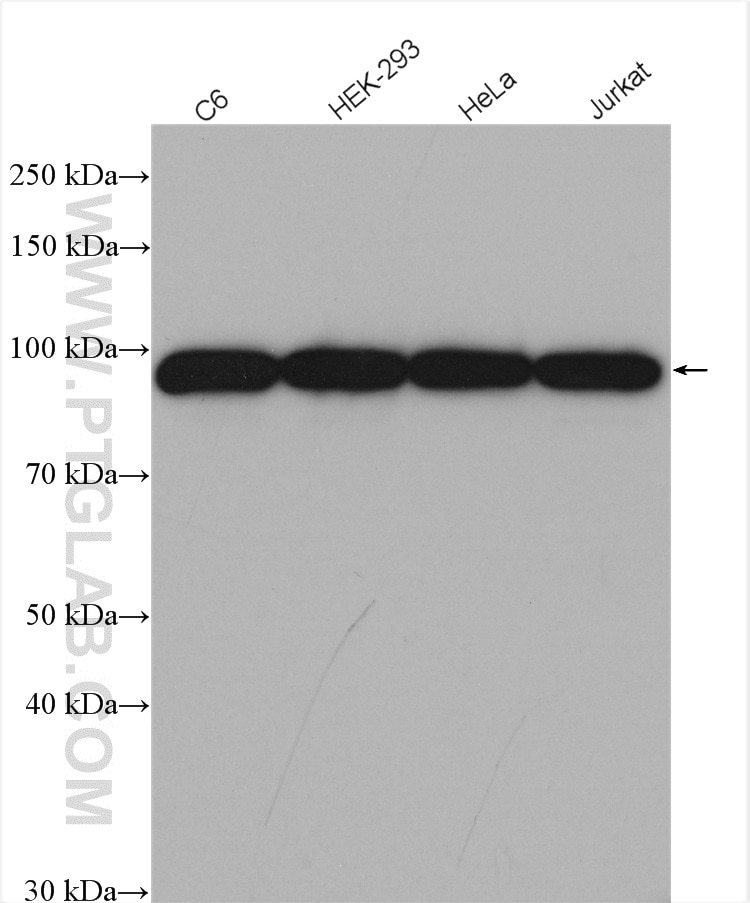
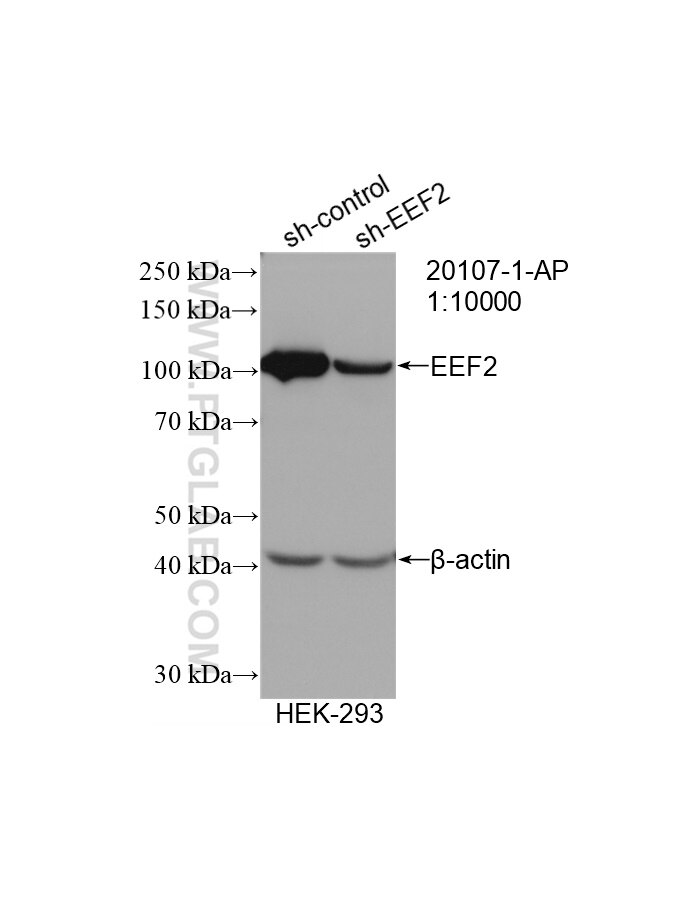
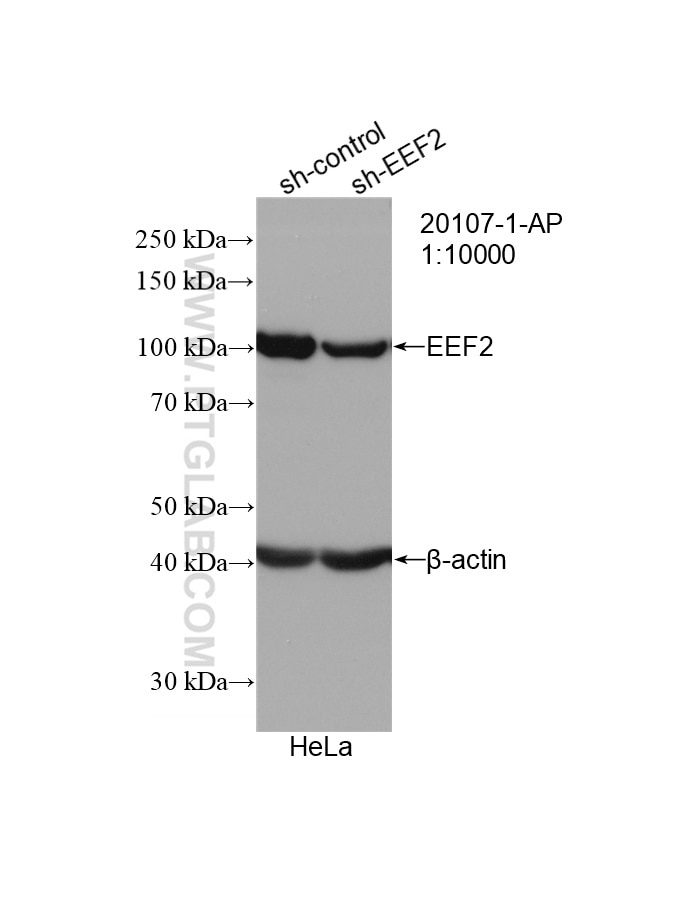
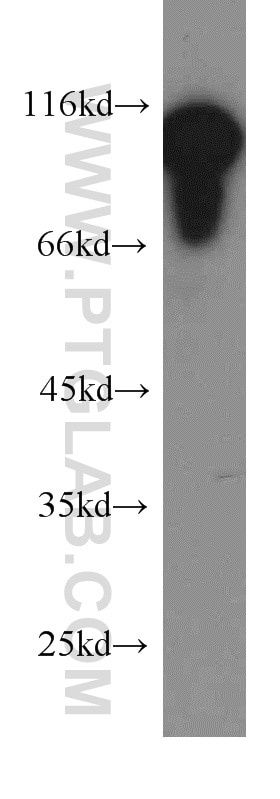
| Positive WB detected in | C6 cells, NIH/3T3 cells, HEK-293 cells, HeLa cells, Jurkat cells |
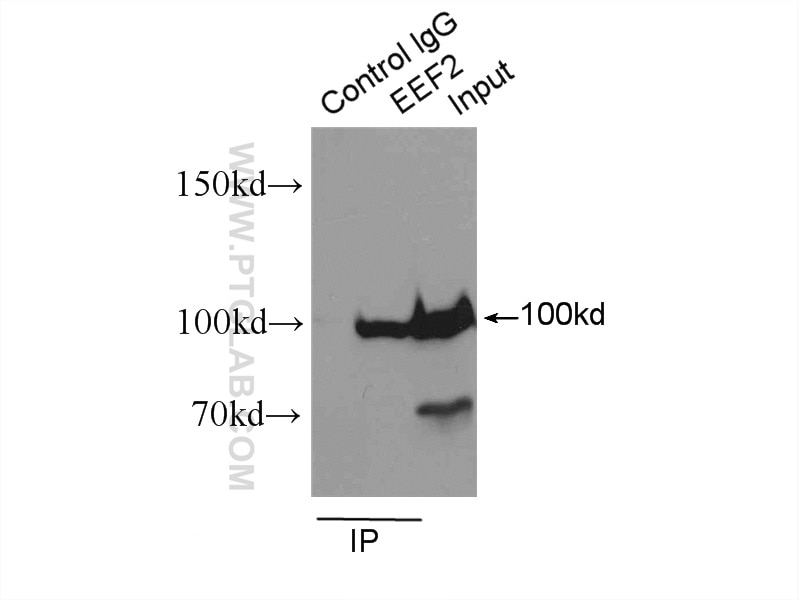
| Positive IP detected in | HeLa cells |
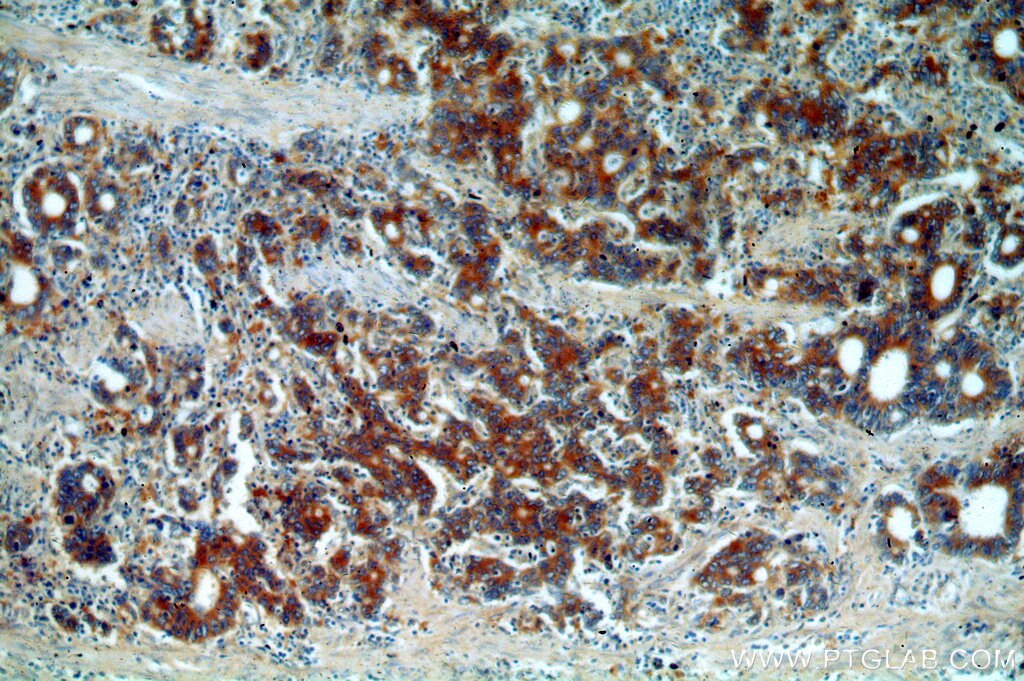
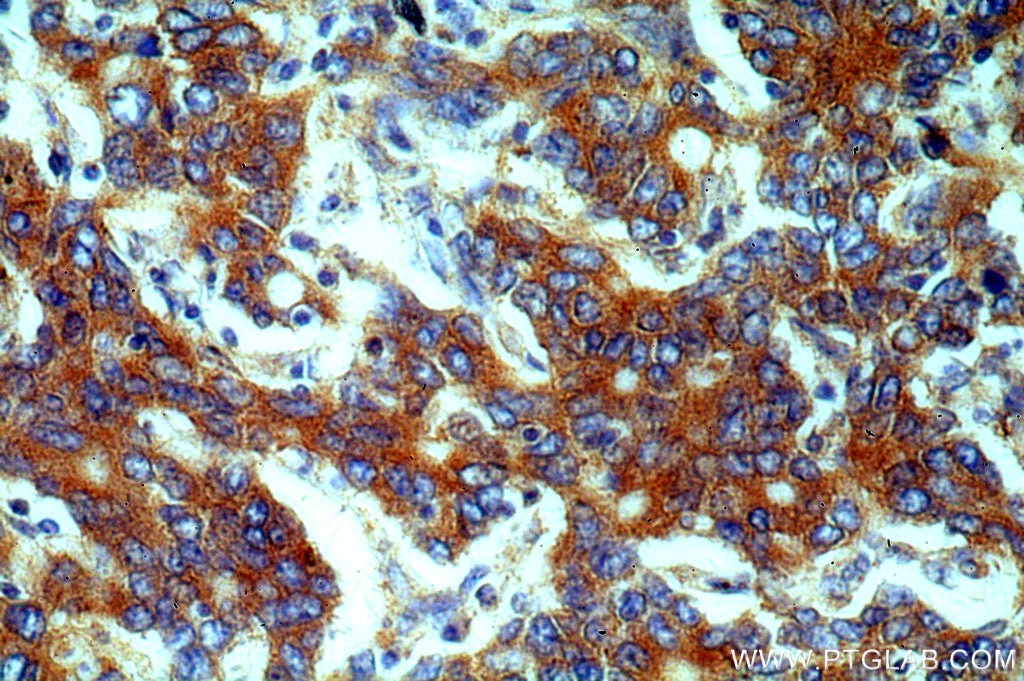
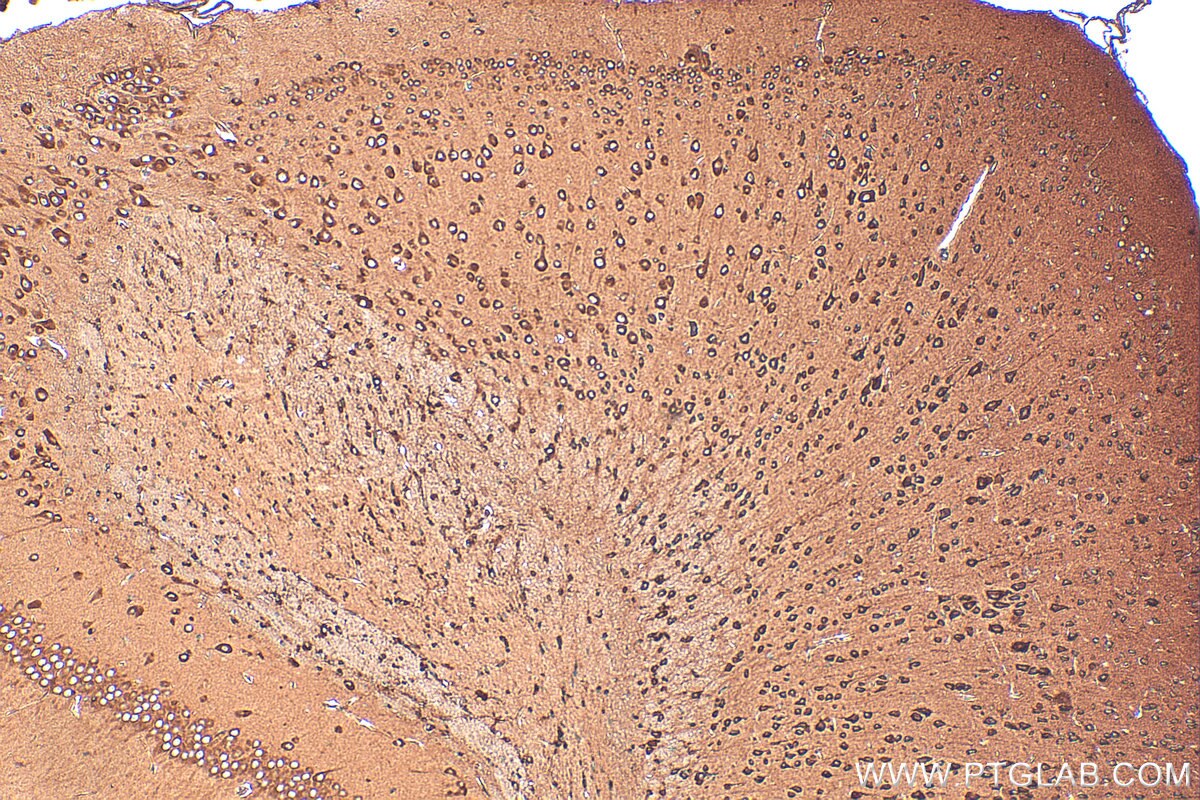
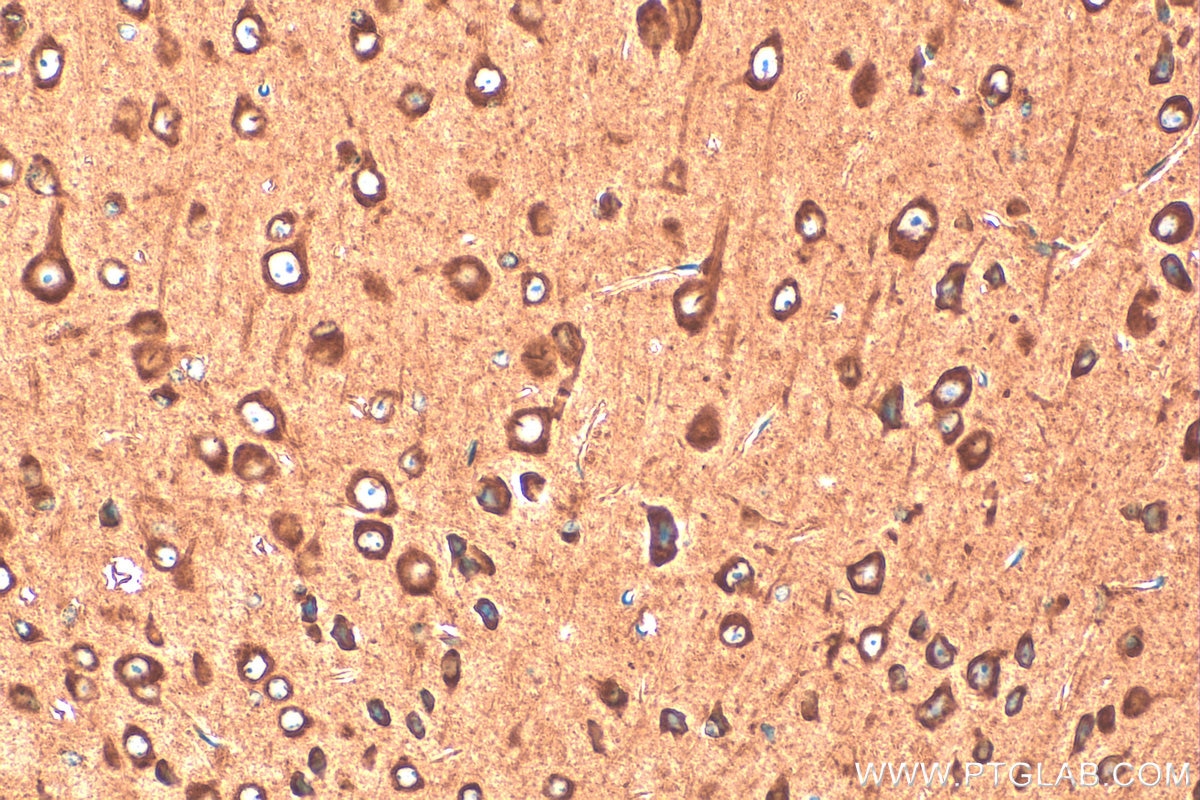
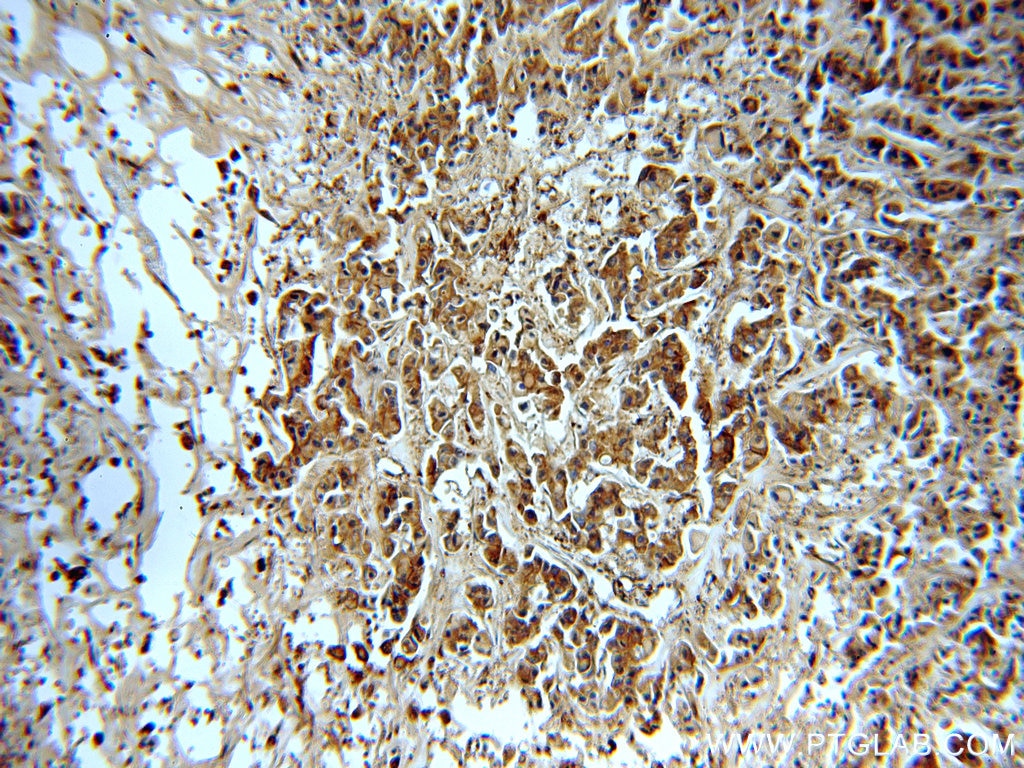
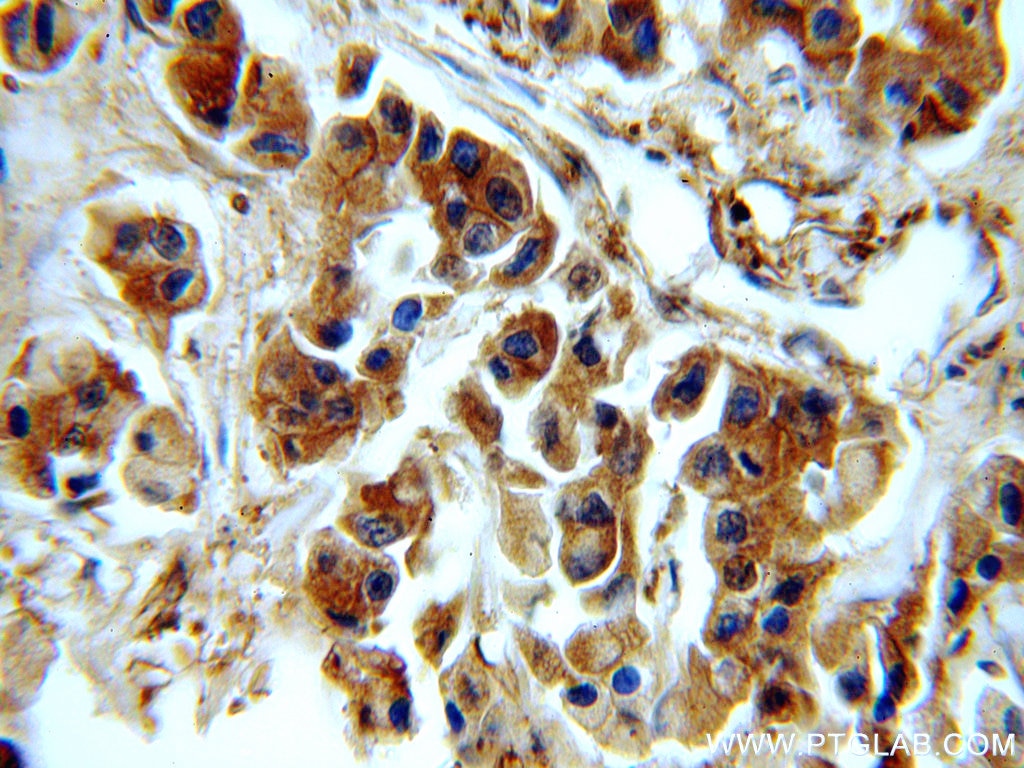
| Positive IHC detected in | mouse brain tissue, human breast cancer tissue, human stomach cancer tissue Note: suggested antigen retrieval with TE buffer pH 9.0; (*) Alternatively, antigen retrieval may be performed with citrate buffer pH 6.0 |
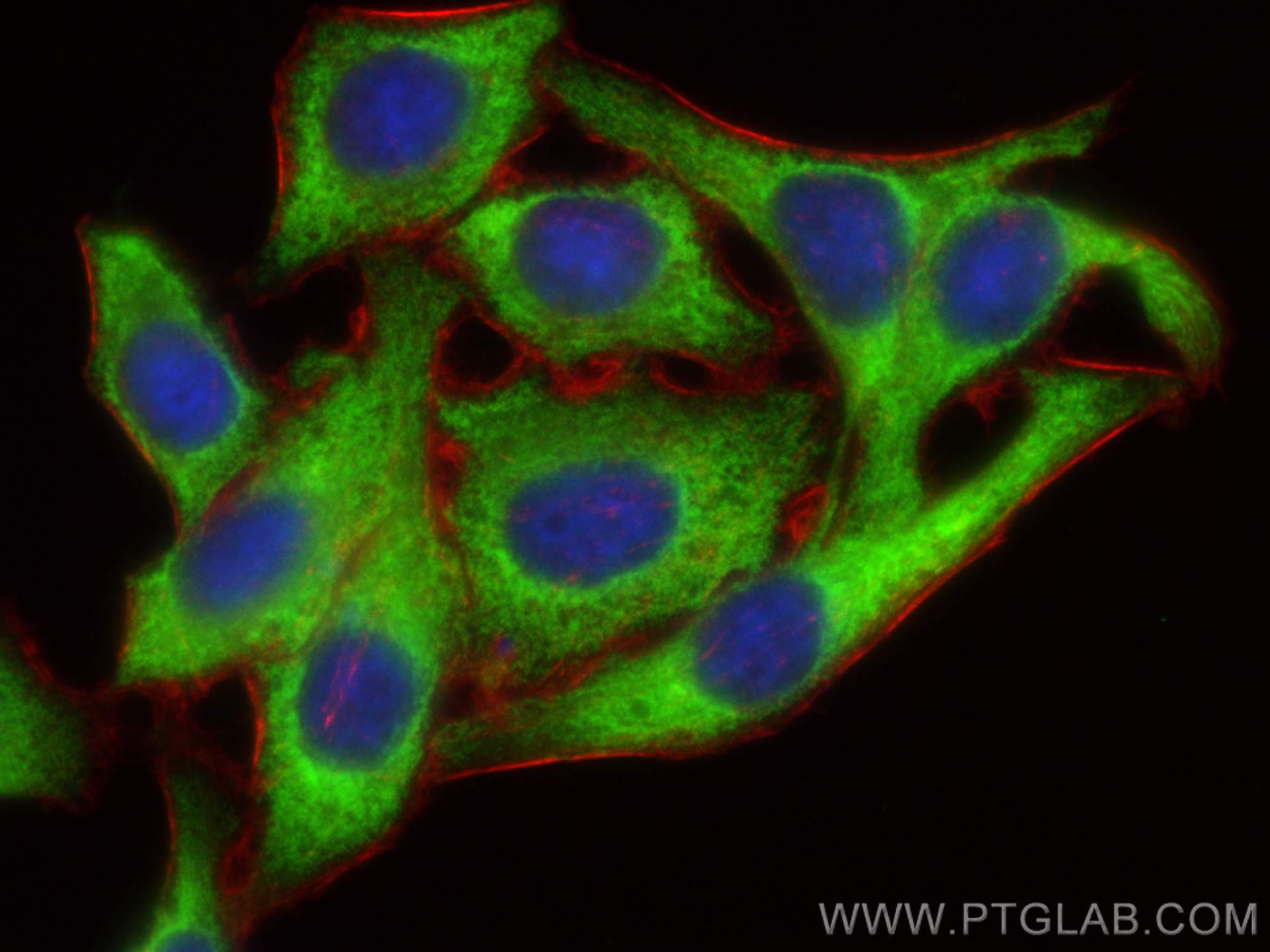
| Positive IF/ICC detected in | HepG2 cells |
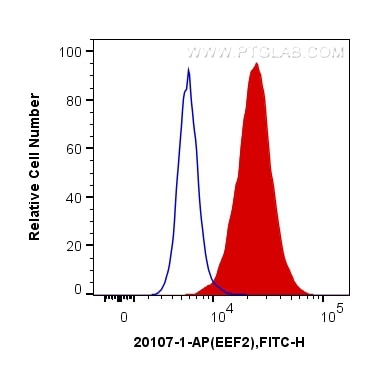
| Positive FC (Intra) detected in | HeLa cells |
Recommended dilution
| Application | Dilution |
|---|---|
| Western Blot (WB) | WB : 1:2000-1:16000 |
| Immunoprecipitation (IP) | IP : 0.5-4.0 ug for 1.0-3.0 mg of total protein lysate |
| Immunohistochemistry (IHC) | IHC : 1:500-1:2000 |
| Immunofluorescence (IF)/ICC | IF/ICC : 1:50-1:500 |
| Flow Cytometry (FC) (INTRA) | FC (INTRA) : 0.20 ug per 10^6 cells in a 100 µl suspension |
| It is recommended that this reagent should be titrated in each testing system to obtain optimal results. | |
| Sample-dependent, Check data in validation data gallery. | |
Product Information
20107-1-AP targets EEF2 in WB, IHC, IF/ICC, FC (Intra), IP, CoIP, RIP, ELISA applications and shows reactivity with human, mouse, rat samples.
| Tested Reactivity | human, mouse, rat |
| Cited Reactivity | human, mouse, zebrafish |
| Host / Isotype | Rabbit / IgG |
| Class | Polyclonal |
| Type | Antibody |
| Immunogen |
CatNo: Ag13826 Product name: Recombinant human EEF2 protein Source: e coli.-derived, PGEX-4T Tag: GST Domain: 509-858 aa of BC126259 Sequence: VEAKNPADLPKLVEGLKRLAKSDPMVQCIIEESGEHIIAGAGELHLEICLKDLEEDHACIPIKKSDPVVSYRETVSEESNVLCLSKSPNKHNRLYMKARPFPDGLAEDIDKGEVSARQELKQRARYLAEKYEWDVAEARKIWCFGPDGTGPNILTDITKGVQYLNEIKDSVVAGFQWATKEGALCEENMRGVRFDVHDVTLHADAIHRGGGQIIPTARRCLYASVLTAQPRLMEPIYLVEIQCPEQVVGGIYGVLNRKRGHVFEESQVAGTPMFVVKAYLPVNESFGFTADLRSNTGGQAFPQCVFDHWQILPGDPFDNSSRPSQVVAETRKRKGLKEGIPALDNFLDKL Predict reactive species |
| Full Name | eukaryotic translation elongation factor 2 |
| Calculated Molecular Weight | 858 aa, 95 kDa |
| Observed Molecular Weight | 95-100 kDa |
| GenBank Accession Number | BC126259 |
| Gene Symbol | EEF2 |
| Gene ID (NCBI) | 1938 |
| RRID | AB_10950401 |
| Conjugate | Unconjugated |
| Form | Liquid |
| Purification Method | Antigen affinity purification |
| UNIPROT ID | P13639 |
| Storage Buffer | PBS with 0.02% sodium azide and 50% glycerol, pH 7.3. |
| Storage Conditions | Store at -20°C. Stable for one year after shipment. Aliquoting is unnecessary for -20oC storage. 20ul sizes contain 0.1% BSA. |
Background Information
EEF2 (Eukaryotic Elongation Factor 2), also known as EF-2 and EF2, is a crucial protein involved in the process of protein synthesis in eukaryotic cells. It plays a pivotal role in the elongation phase of translation, where it facilitates the movement of the ribosome along the mRNA strand. This movement is essential for the addition of amino acids to the growing polypeptide chain.
Protocols
| Product Specific Protocols | |
|---|---|
| FC protocol for EEF2 antibody 20107-1-AP | Download protocol |
| IF protocol for EEF2 antibody 20107-1-AP | Download protocol |
| IHC protocol for EEF2 antibody 20107-1-AP | Download protocol |
| IP protocol for EEF2 antibody 20107-1-AP | Download protocol |
| WB protocol for EEF2 antibody 20107-1-AP | Download protocol |
| Standard Protocols | |
|---|---|
| Click here to view our Standard Protocols |
Publications
What published studies show
The EEF2 antibody (cat# 20107-1-AP) has 22 citations across 16 journals including Nature, Nature Communications, PNAS, EMBO Journal, Cell Reports, Nucleic Acids Research, Acta Pharm Sin B, and Journal of Biological Chemistry. Research fields span RNA m6A methylation, ribosome dormancy, epithelial-mesenchymal transition, cancer progression, organ fibrosis, vascular smooth muscle dysfunction, translation regulation, proteomics, and neurodevelopment. Applications include WB, IF, IHC, IP, RIP, and CoIP in human, mouse, and zebrafish samples.
| Species | Application | Title |
|---|---|---|
Nat Commun Multi-omics with dynamic network biomarker algorithm prefigures organ-specific metastasis of lung adenocarcinoma | ||
Nat Commun IGF2BP1 phosphorylation in the disordered linkers regulates ribonucleoprotein condensate formation and RNA metabolism | ||
Nat Commun RNA m6A methylation regulates the epithelial mesenchymal transition of cancer cells and translation of Snail. | ||
Nat Commun Diphthamide deficiency promotes association of eEF2 with p53 to induce p21 expression and neural crest defects | ||
Nucleic Acids Res Molecular interactome of HNRNPU reveals regulatory networks in neuronal differentiation and DNA methylation. |
Reviews
What customers say
One reviewer (Sonam M.) gave this antibody a 5-star rating for Western Blot on cancer cells at a 1:1000 dilution. They simply stated, "I recommend this Ab," indicating overall satisfaction with the product's performance.
The reviews below have been submitted by verified Proteintech customers who received an incentive for providing their feedback.
Sonam (Verified Customer) (02-23-2026) | I recommend this Ab.
|














