

Tested Applications
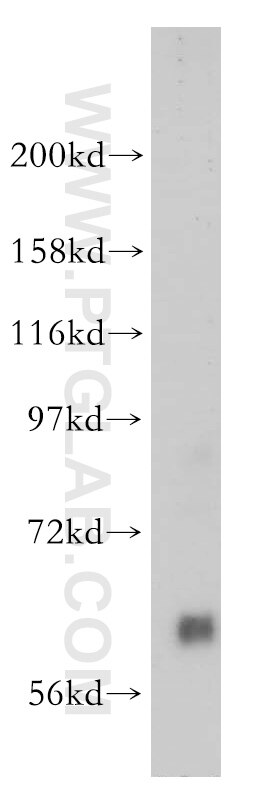
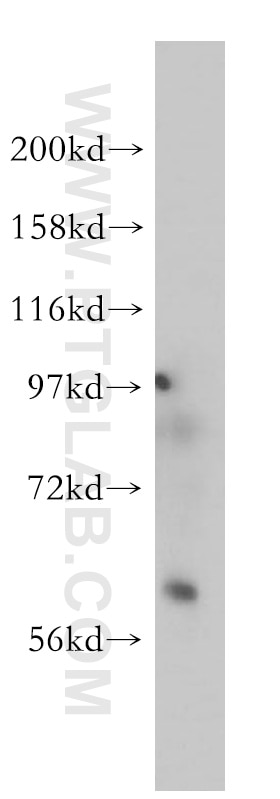
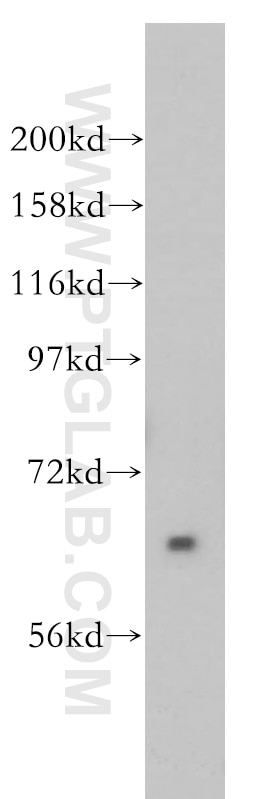
| Positive WB detected in | human placenta tissue, PC-3 cells, SH-SY5Y cells |
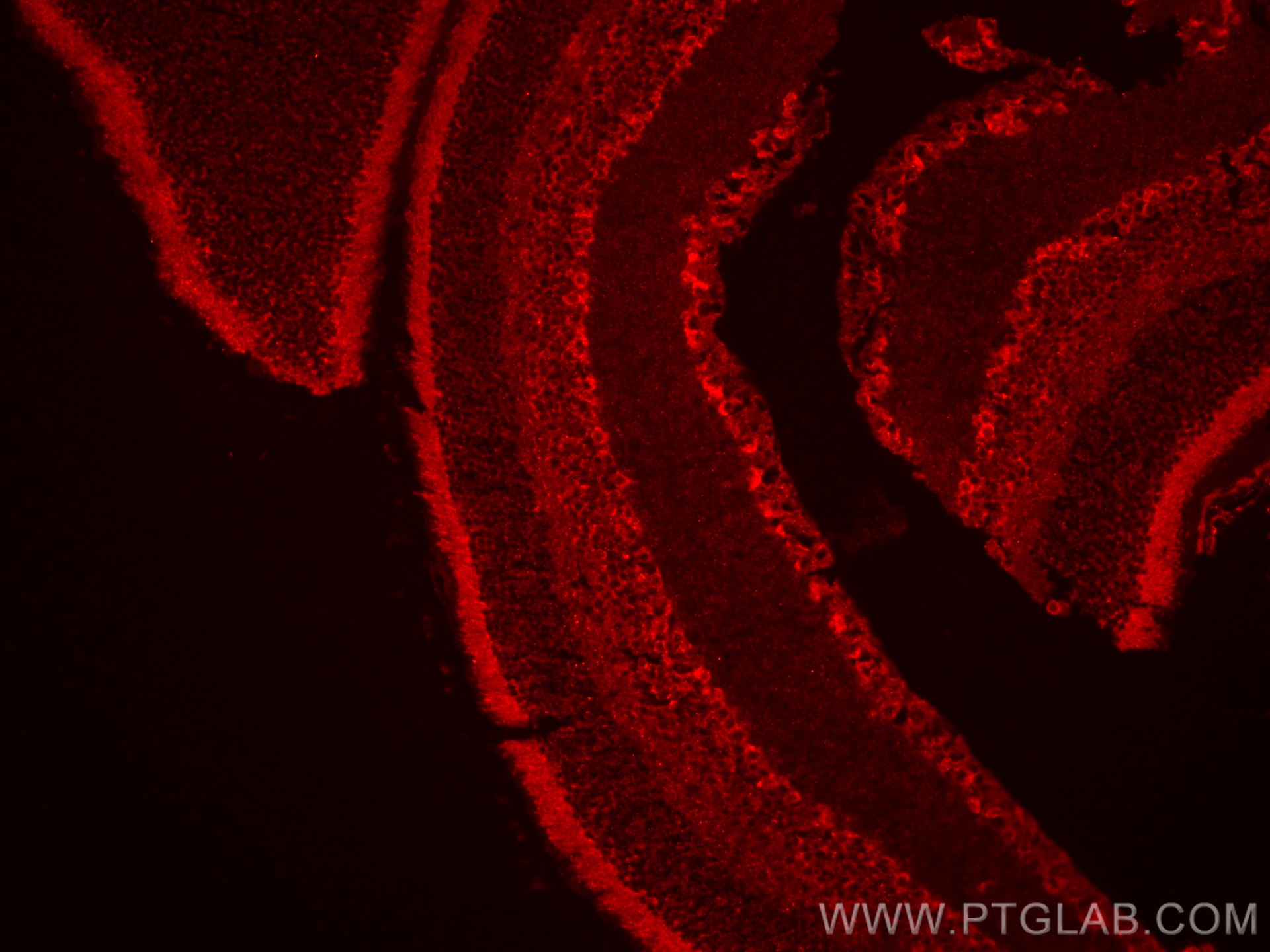
| Positive IF-P detected in | mouse eye tissue |
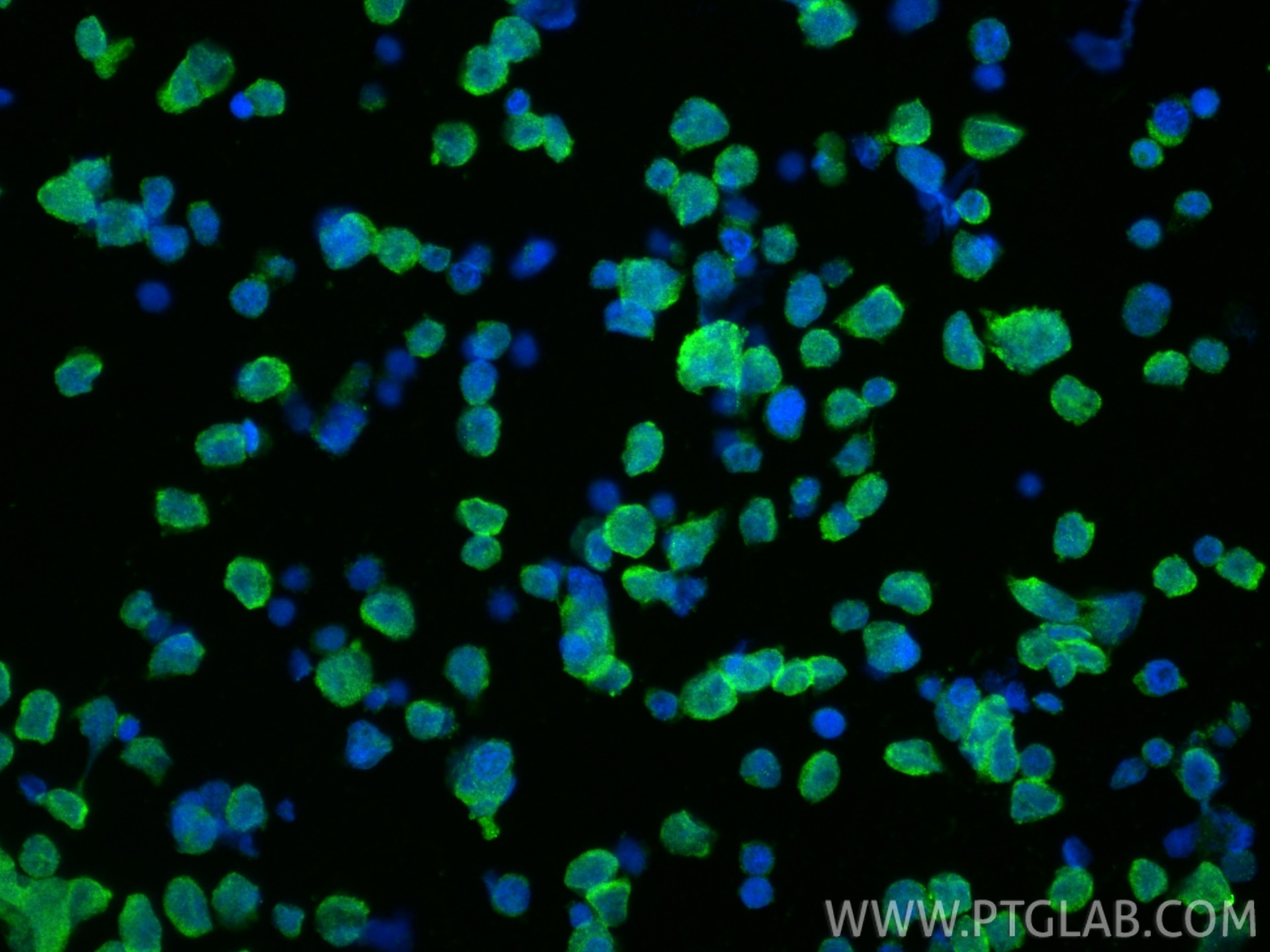
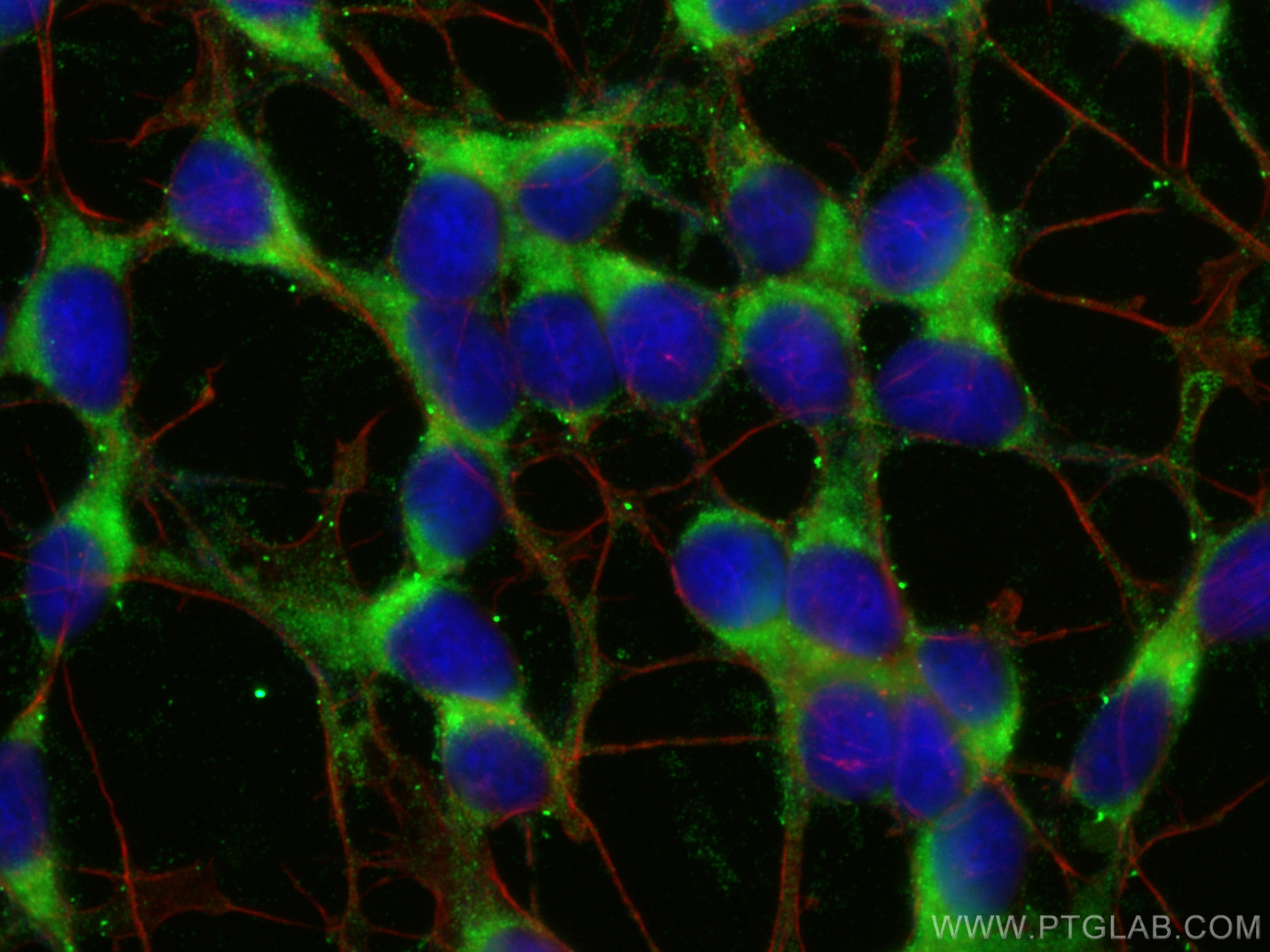
| Positive IF/ICC detected in | SH-SY5Y cells, Y79 cells |
Recommended dilution
| Application | Dilution |
|---|---|
| Western Blot (WB) | WB : 1:500-1:2000 |
| Immunofluorescence (IF)-P | IF-P : 1:50-1:500 |
| Immunofluorescence (IF)/ICC | IF/ICC : 1:200-1:800 |
| It is recommended that this reagent should be titrated in each testing system to obtain optimal results. | |
| Sample-dependent, Check data in validation data gallery. | |
Product Information
14578-1-AP targets Pikachurin in WB, IF/ICC, IF-P, CoIP, ELISA applications and shows reactivity with human, mouse, rat samples.
| Tested Reactivity | human, mouse, rat |
| Cited Reactivity | human, mouse |
| Host / Isotype | Rabbit / IgG |
| Class | Polyclonal |
| Type | Antibody |
| Immunogen |
CatNo: Ag5986 Product name: Recombinant human EGFLAM protein Source: e coli.-derived, PGEX-4T Tag: GST Domain: 1-152 aa of BC033177 Sequence: MRFKTTAKDGLLLWRGDSPMRPNSDFISLGLRDGALVFSYNLGSGVASIMVNGSFNDGRWHRVKAVRDGQSGKITVDDYGARTGKSPGMMRQLNINGALYVGGMKEIALHTNRQYMRGLVGCISHFTLSTDYHISLVEDSVDGKNINTCGAK Predict reactive species |
| Full Name | EGF-like, fibronectin type III and laminin G domains |
| Calculated Molecular Weight | 111 kDa |
| Observed Molecular Weight | 60 kDa |
| GenBank Accession Number | BC033177 |
| Gene Symbol | Pikachurin |
| Gene ID (NCBI) | 133584 |
| RRID | AB_2277653 |
| Conjugate | Unconjugated |
| Form | Liquid |
| Purification Method | Antigen affinity purification |
| UNIPROT ID | Q63HQ2 |
| Storage Buffer | PBS with 0.02% sodium azide and 50% glycerol, pH 7.3. |
| Storage Conditions | Store at -20°C. Stable for one year after shipment. Aliquoting is unnecessary for -20oC storage. 20ul sizes contain 0.1% BSA. |
Background Information
Pikachurin, also known as EGFLAM or FLJ39155, is an extracellular matrix-like retinal protein that has been found to localize in the synaptic cleft of the photoreceptor ribbon synapse (PMID: 18641643). Pikachurin is a dystroglycan-interacting protein and has an essential role in photoreceptor ribbon synapse formation. Pikachurin is a 1017-amino-acid protein with a calculated molecular weight of 111 kDa and high mRNA abundance in retina. This antibody detects a 60-kDa band, which has been reported and likely represents a fragment resulting from cleavage of Pikachurin (PMID: 23226524).
Protocols
| Product Specific Protocols | |
|---|---|
| IF protocol for Pikachurin antibody 14578-1-AP | Download protocol |
| WB protocol for Pikachurin antibody 14578-1-AP | Download protocol |
| Standard Protocols | |
|---|---|
| Click here to view our Standard Protocols |
Publications
What published studies show
The Pikachurin (EGFLAM) Polyclonal antibody (Cat# 14578-1-AP) has 4 total citations. These appear in International Immunopharmacology, Investigative Ophthalmology & Visual Science, iScience, and Stem Cells & Development. Research fields span glioblastoma oncology and prognostic biomarker studies, retinal gene therapy in mouse models, prion protein–mediated photoreceptor light responses, and photoreceptor transplantation/synaptic biology. Applications cited include WB, CoIP, and IF in human and mouse samples.
| Species | Application | Title |
|---|---|---|
Int Immunopharmacol EGFLAM exhibits oncogenic activity and shows promise as a prognostic biomarker and therapeutic target in glioblastoma | ||
Invest Ophthalmol Vis Sci Novel Grm6 Variant in a no b-wave (nob) Mouse Model: Phenotype Characterization and Gene Therapy | ||
iScience The prion protein is required for normal responses to light stimuli by photoreceptors and bipolar cells | ||
Stem Cells Dev Pikachurin Is Partially Involved in the Synaptic Connection Between Donor and Host Cells in Late-Stage rd1 Mice Following Conspecific Photoreceptor Transplantation. |
Reviews
What customers say
The antibody performs well on cryosections for IHC and IF, earning a 5-star rating. The reviewer used a 1:200 dilution on adult mouse retina and emphasized that antigen retrieval with Citrate Buffer (pH 6) is essential for optimal results. However, it does not work on paraffin-embedded tissues, so users should plan accordingly when choosing their tissue preparation method.
The reviews below have been submitted by verified Proteintech customers who received an incentive for providing their feedback.
Christoffer (Verified Customer) (07-01-2025) | This antibody works nicely on cryosections, antigen retrieval is a must (Citrate Buffer, pH 6). Does not work on paraffin-embedded tissues.
|







