

Tested Applications
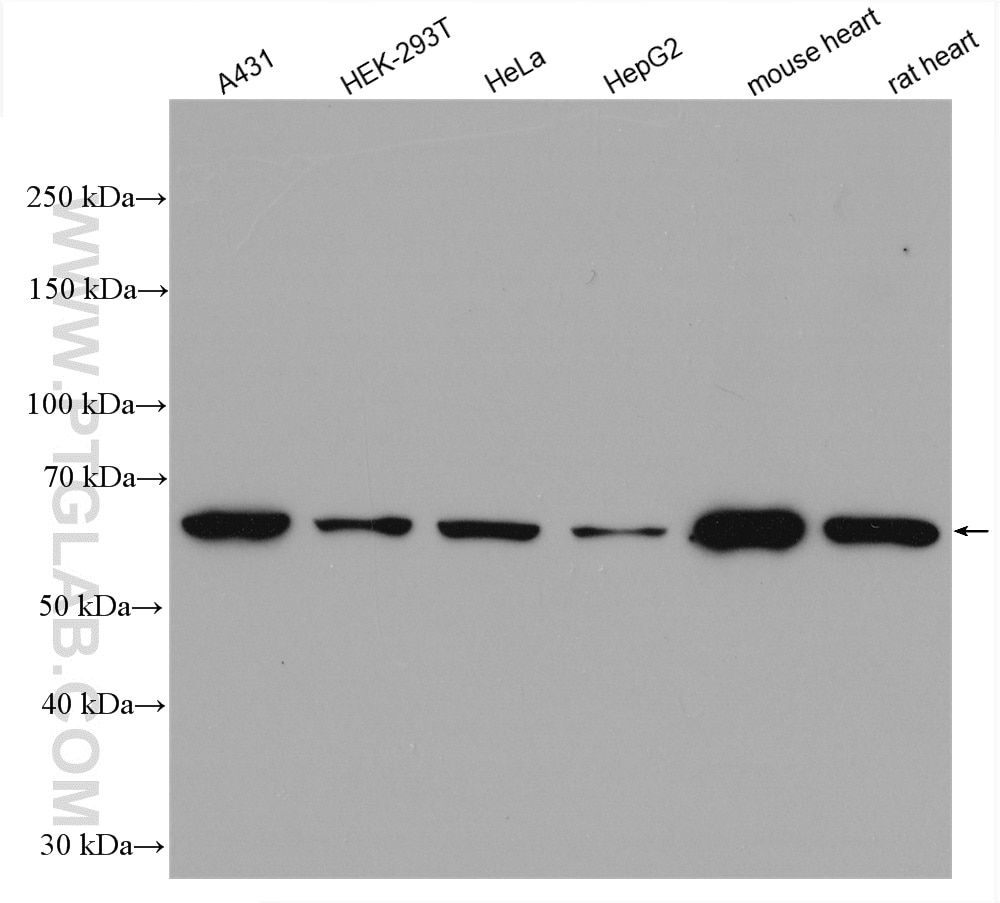
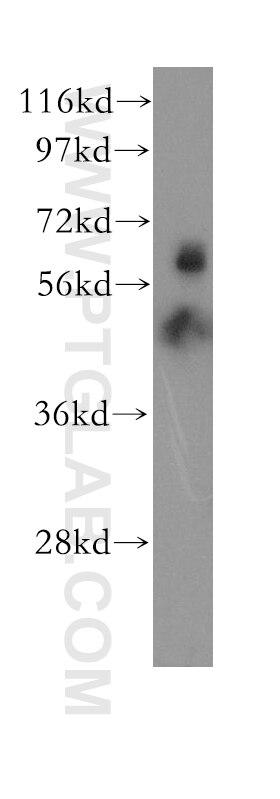
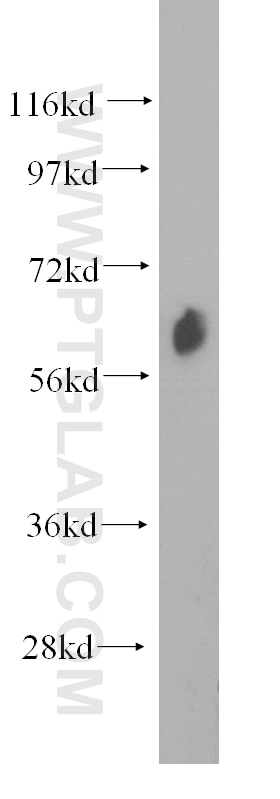
| Positive WB detected in | A431 cells, mouse testis tissue, HeLa cells, HEK-293T cells, HepG2 cells, mouse heart tissue, rat heart tissue |
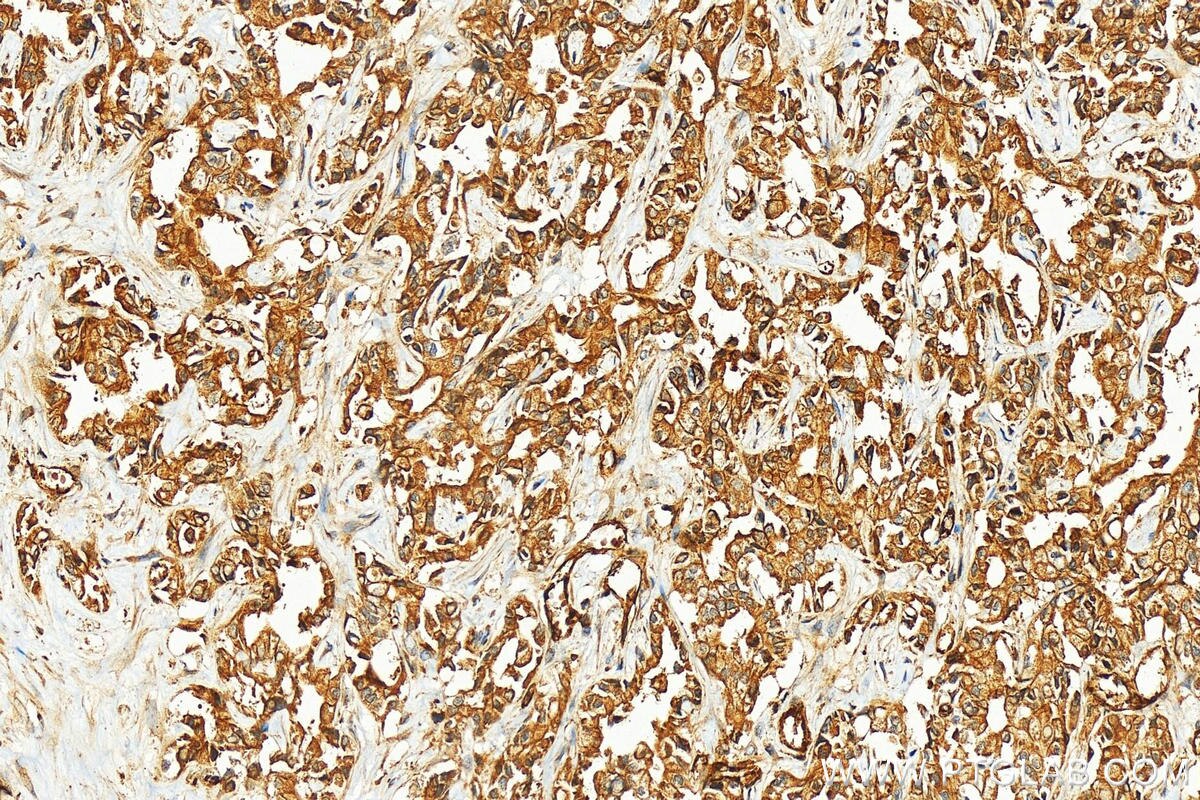
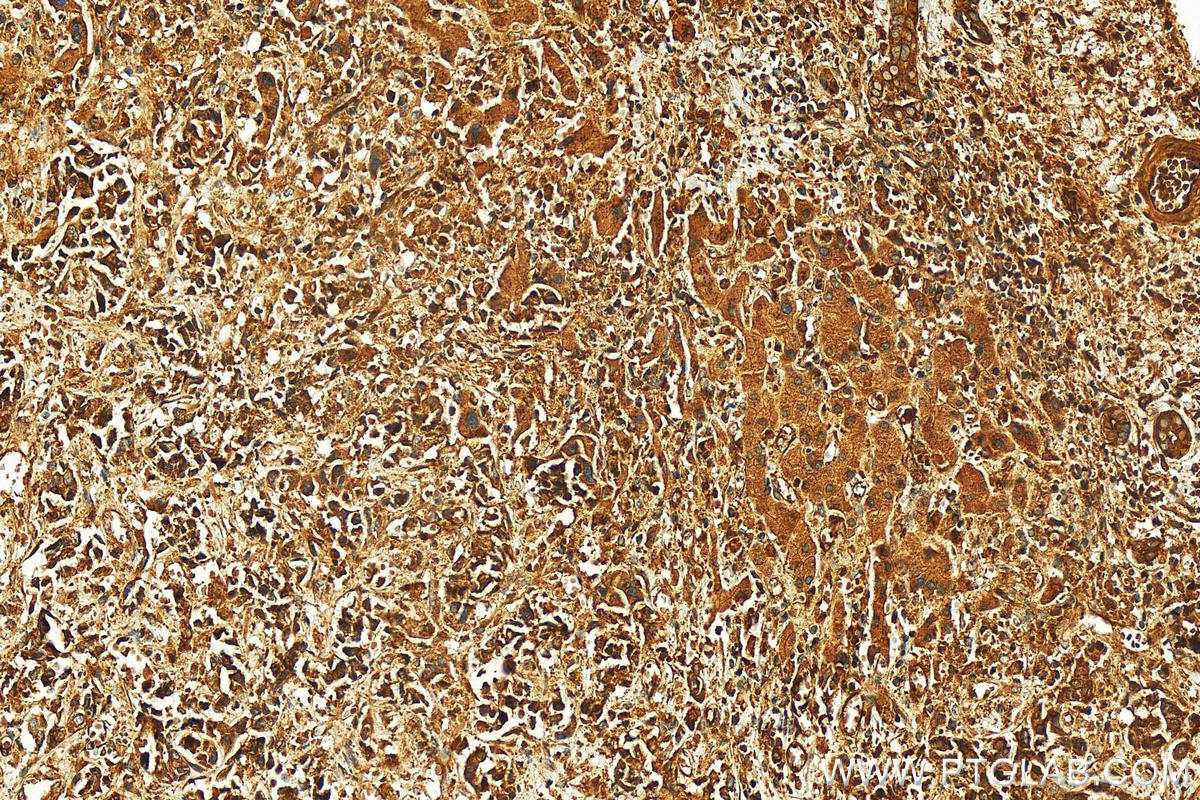
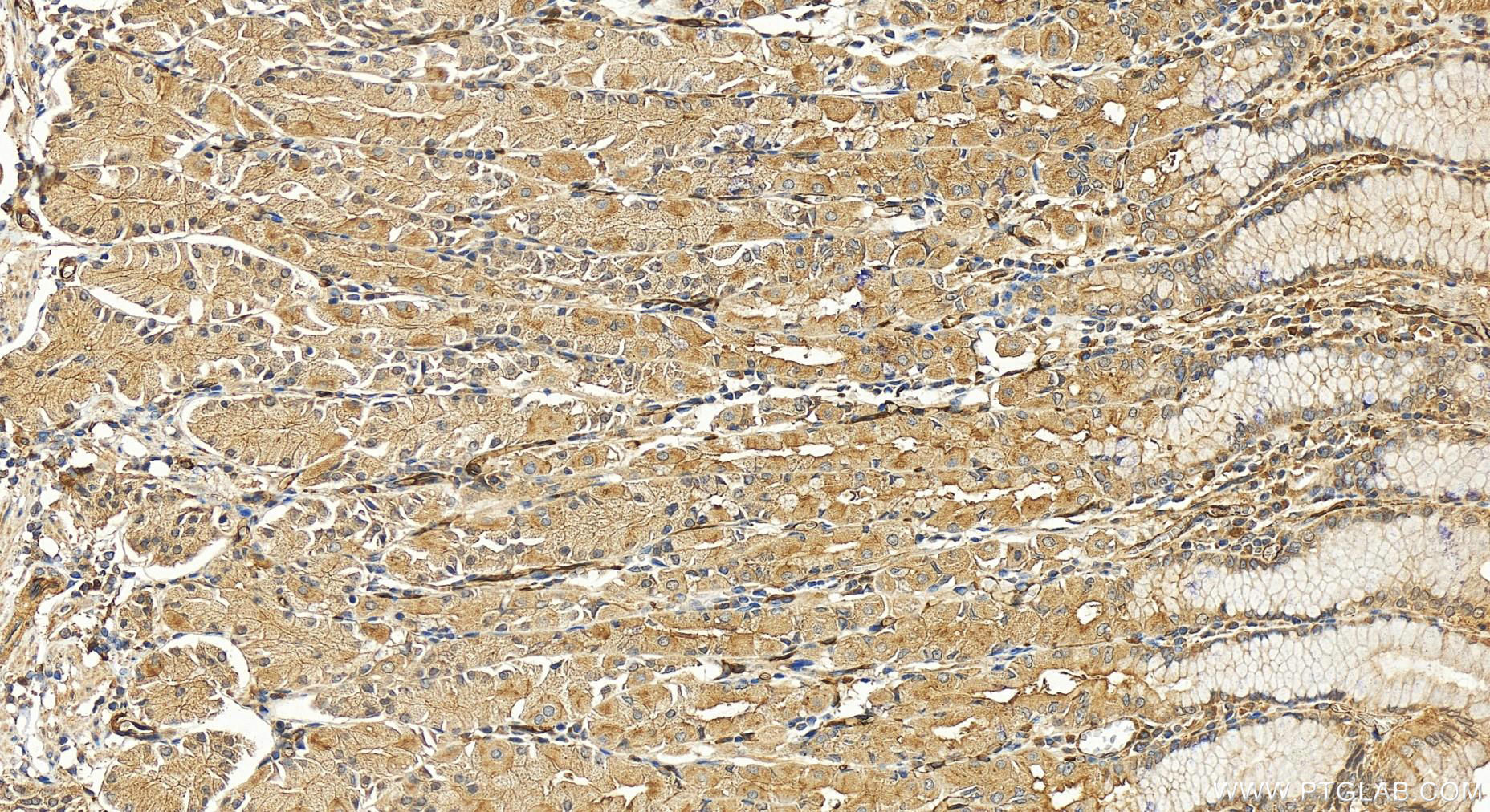
| Positive IHC detected in | human intrahepatic cholangiocarcinoma tissue, human stomach tissue Note: suggested antigen retrieval with TE buffer pH 9.0; (*) Alternatively, antigen retrieval may be performed with citrate buffer pH 6.0 |
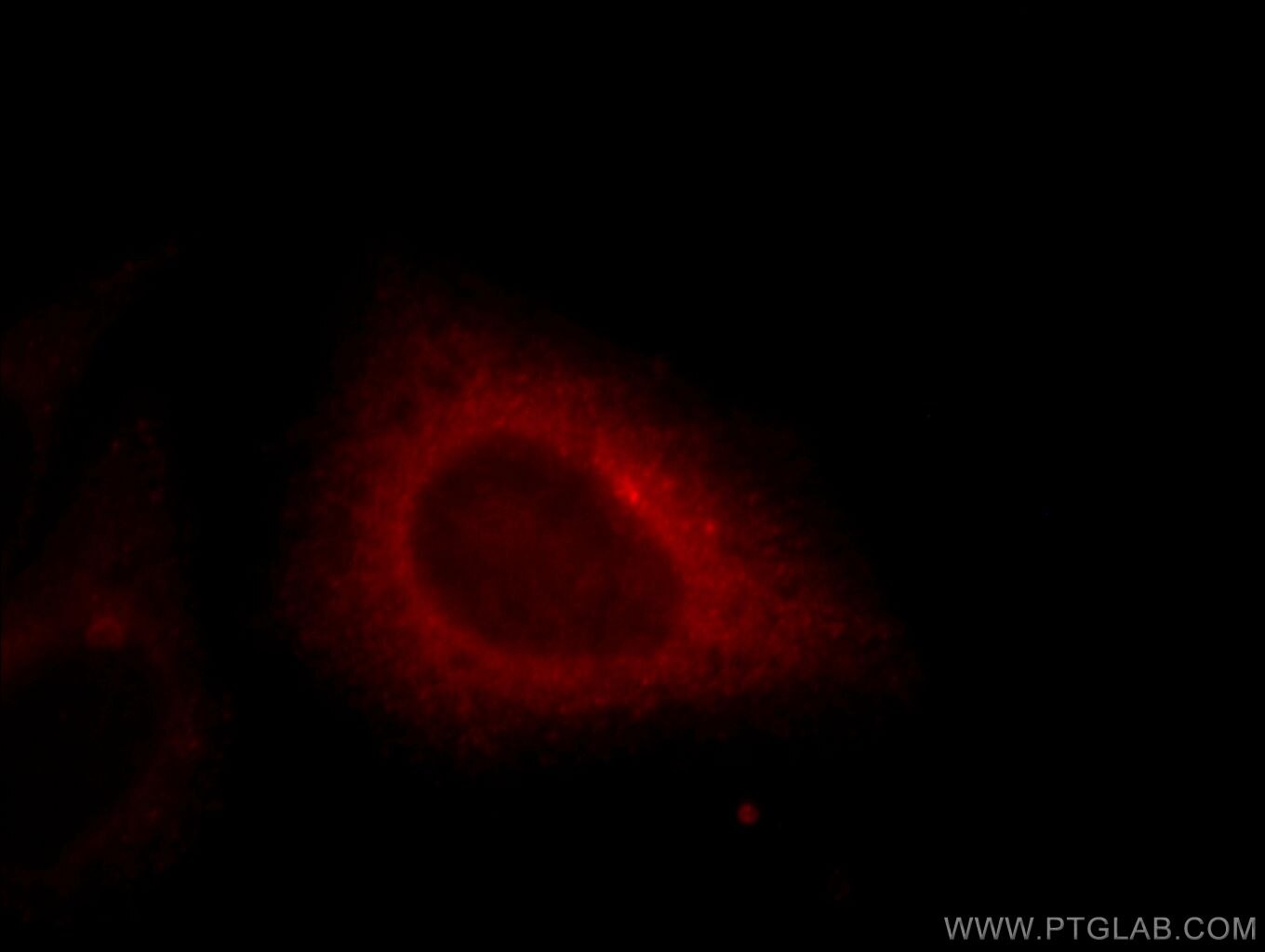
| Positive IF/ICC detected in | HepG2 cells |
Recommended dilution
| Application | Dilution |
|---|---|
| Western Blot (WB) | WB : 1:1000-1:8000 |
| Immunohistochemistry (IHC) | IHC : 1:50-1:500 |
| Immunofluorescence (IF)/ICC | IF/ICC : 1:10-1:100 |
| It is recommended that this reagent should be titrated in each testing system to obtain optimal results. | |
| Sample-dependent, Check data in validation data gallery. | |
Product Information
11382-2-AP targets EHD4 in WB, IHC, IF/ICC, ELISA applications and shows reactivity with human, mouse, rat samples.
| Tested Reactivity | human, mouse, rat |
| Cited Reactivity | human, mouse, rat |
| Host / Isotype | Rabbit / IgG |
| Class | Polyclonal |
| Type | Antibody |
| Immunogen |
CatNo: Ag1942 Product name: Recombinant human EHD4 protein Source: e coli.-derived, PGEX-4T Tag: GST Domain: 335-541 aa of BC006287 Sequence: ISRLPEIYIQLQREYQISAGDFPEVKAMQEQLENYDFTKFHSLKPKLIEAVDNMLSNKISPLMNLISQEETSTPTQLVQGGAFDGTTEGPFNQGYGEGAKEGADEEEWVVAKDKPVYDELFYTLSPINGKISGVNAKKEMVTSKLPNSVLGKIWKLADCDCDGMLDEEEFALAKHLIKIKLDGYELPSSLPPHLVPPSHRKSLPKAD Predict reactive species |
| Full Name | EH-domain containing 4 |
| Calculated Molecular Weight | 541 aa, 61 kDa |
| Observed Molecular Weight | 61 kDa |
| GenBank Accession Number | BC006287 |
| Gene Symbol | EHD4 |
| Gene ID (NCBI) | 30844 |
| RRID | AB_2277764 |
| Conjugate | Unconjugated |
| Form | Liquid |
| Purification Method | Antigen affinity purification |
| UNIPROT ID | Q9H223 |
| Storage Buffer | PBS with 0.02% sodium azide and 50% glycerol, pH 7.3. |
| Storage Conditions | Store at -20°C. Stable for one year after shipment. Aliquoting is unnecessary for -20oC storage. 20ul sizes contain 0.1% BSA. |
Background Information
H-domain containing 4, also known as EHD4, belongs to the EHD protein family. Northern blot analysis detected expression of 4 mRNA species of approximately 2.0, 2.7, 3.2, and 3.6 kb. All of the transcripts are highly expressed in pancreas, and the 2.7- and 3.6-kb transcripts are highly expressed in heart. Only weak expression is found in other tissues.
Protocols
| Product Specific Protocols | |
|---|---|
| IF protocol for EHD4 antibody 11382-2-AP | Download protocol |
| IHC protocol for EHD4 antibody 11382-2-AP | Download protocol |
| WB protocol for EHD4 antibody 11382-2-AP | Download protocol |
| Standard Protocols | |
|---|---|
| Click here to view our Standard Protocols |
Publications
What published studies show
The EHD4 Polyclonal antibody (Cat# 11382-2-AP) has 6 citations published in EBioMedicine, J Am Soc Nephrol, Curr Biol, Life Sci, Biomedicines, and Virol Sin. Research fields span reproductive biology (decidualization/Wnt signaling), renal physiology (diabetic glomerular filtration), membrane biology (caveolae), endocrinology (testosterone synthesis), oncology (liver cancer), and virology (Zika virus infection). Cited applications include WB, IHC, and IF across human, mouse, and rat species.
| Species | Application | Title |
|---|---|---|
EBioMedicine EHD1 impairs decidualization by regulating the Wnt4/β-catenin signaling pathway in recurrent implantation failure. | ||
J Am Soc Nephrol Reduced Glomerular Filtration in Diabetes is Attributable to Loss of Density and Increased Resistance of Glomerular Endothelial Cell Fenestrations. | ||
Curr Biol EHD Proteins Cooperate to Generate Caveolar Clusters and to Maintain Caveolae during Repeated Mechanical Stress. | ||
Life Sci EHD3 positively regulated by NR5A1 participates in testosterone synthesis via endocytosis. | ||
Biomedicines A Comprehensive Study Employing Computational Analysis and Mendelian Randomization Has Revealed the Impact of Key Genes on Liver Cancer | ||
Virol Sin EHD4 facilitates Zika virus infection by regulating extracellular vesicle-associated viral release and cell attachment. |
Reviews
What customers say
The product received a 5-star rating for Western blot applications. The reviewer reported successful use on HEK293T cells at a 1:1000 dilution, confirming reliable performance for detecting the target protein in this cell line.
The reviews below have been submitted by verified Proteintech customers who received an incentive for providing their feedback.
Kyosuke (Verified Customer) (06-12-2019) | I works well on HEK293T for Western blot.
|








