
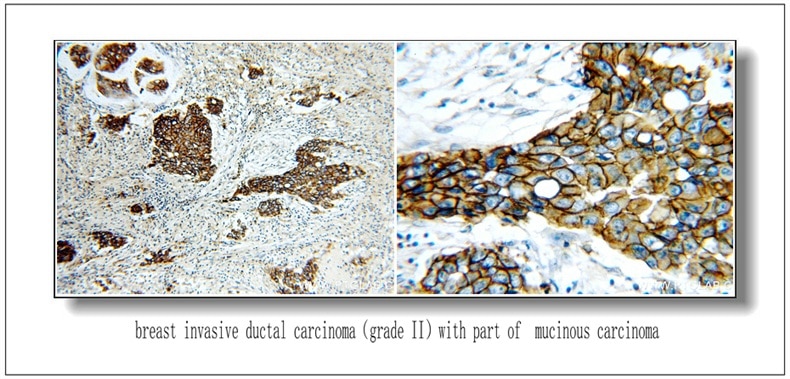
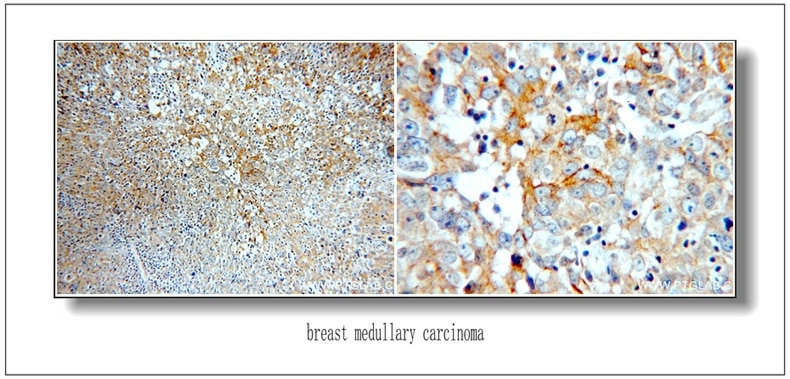
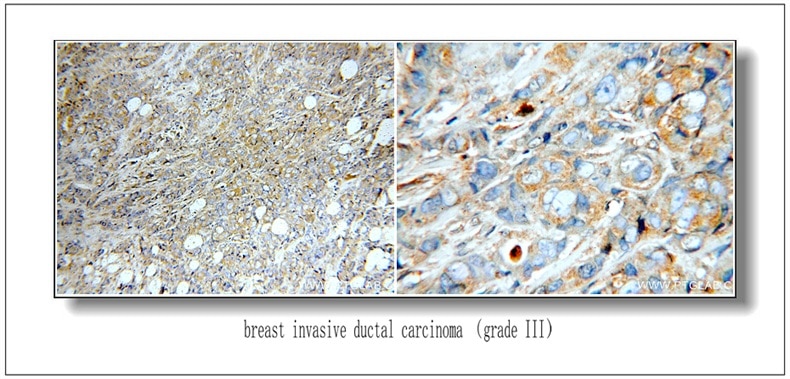
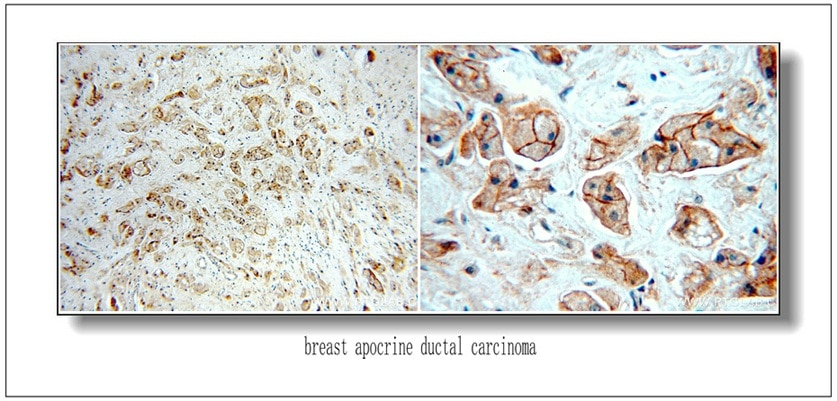
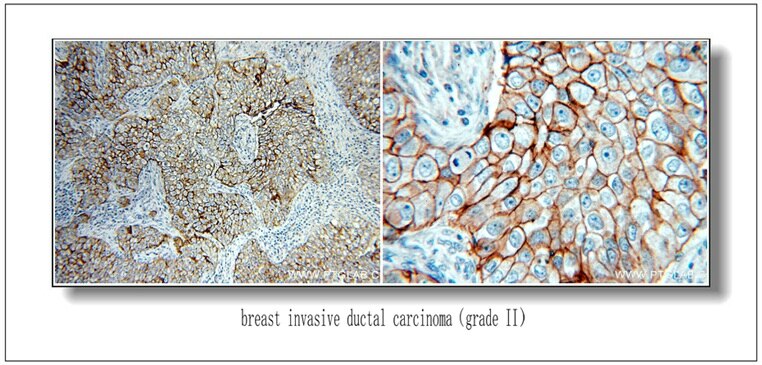
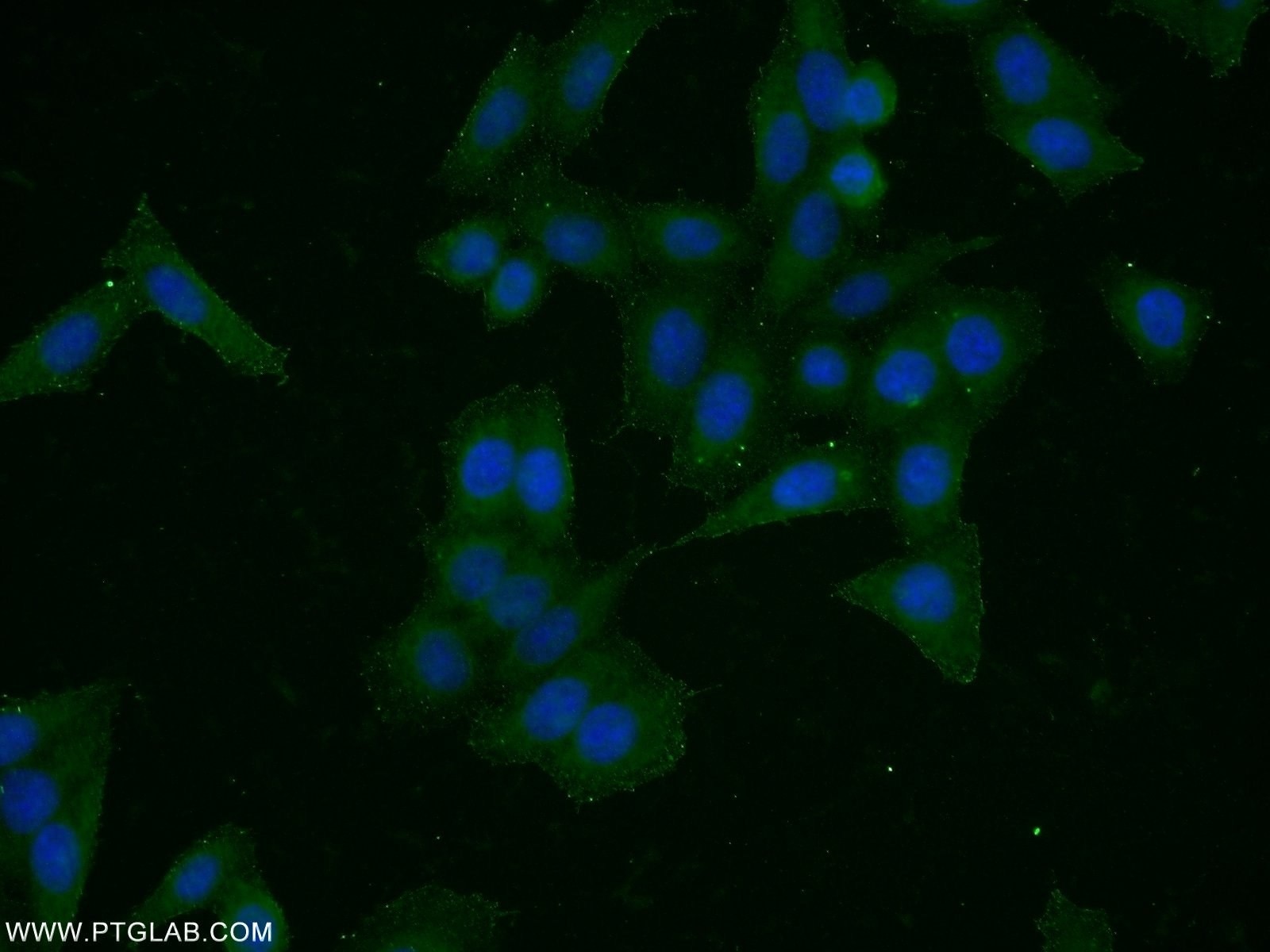

Tested Applications
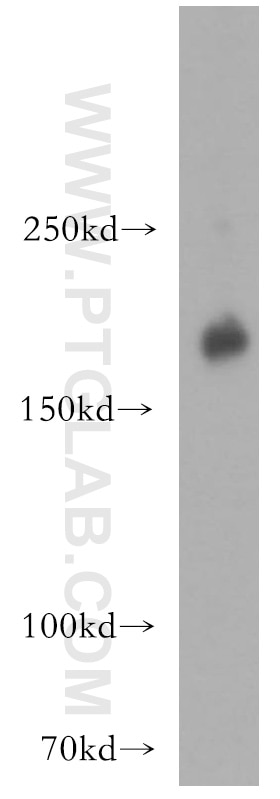
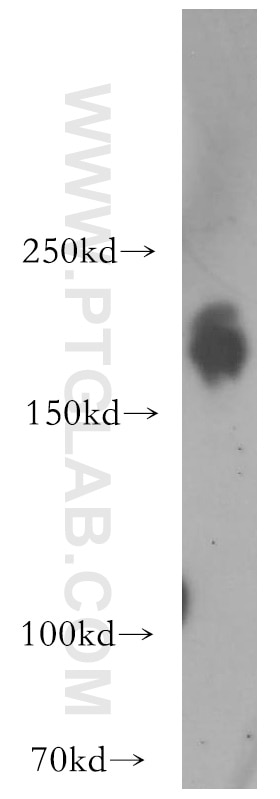
| Positive WB detected in | HeLa cells, MCF-7 cells |
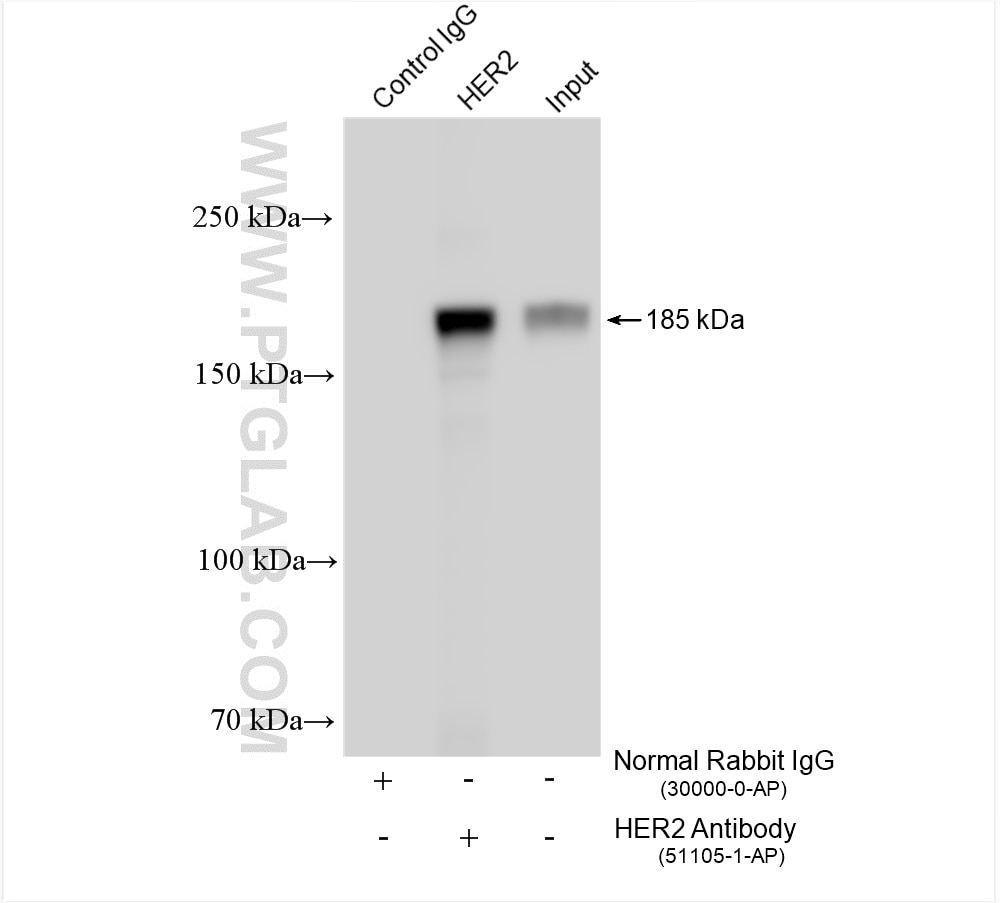
| Positive IP detected in | SK-BR-3 cells |
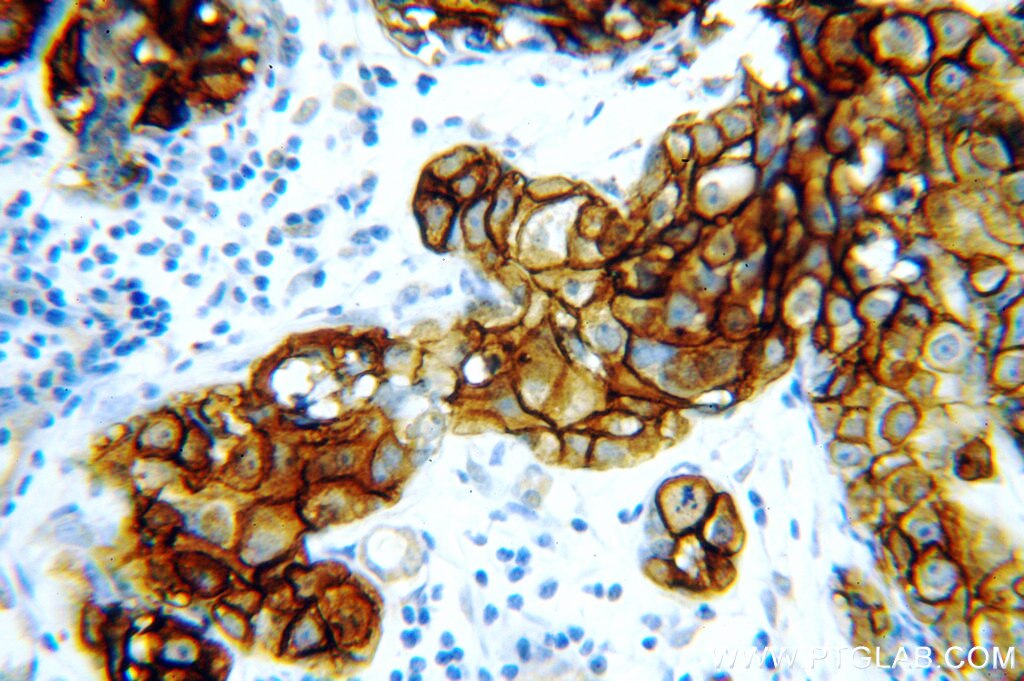
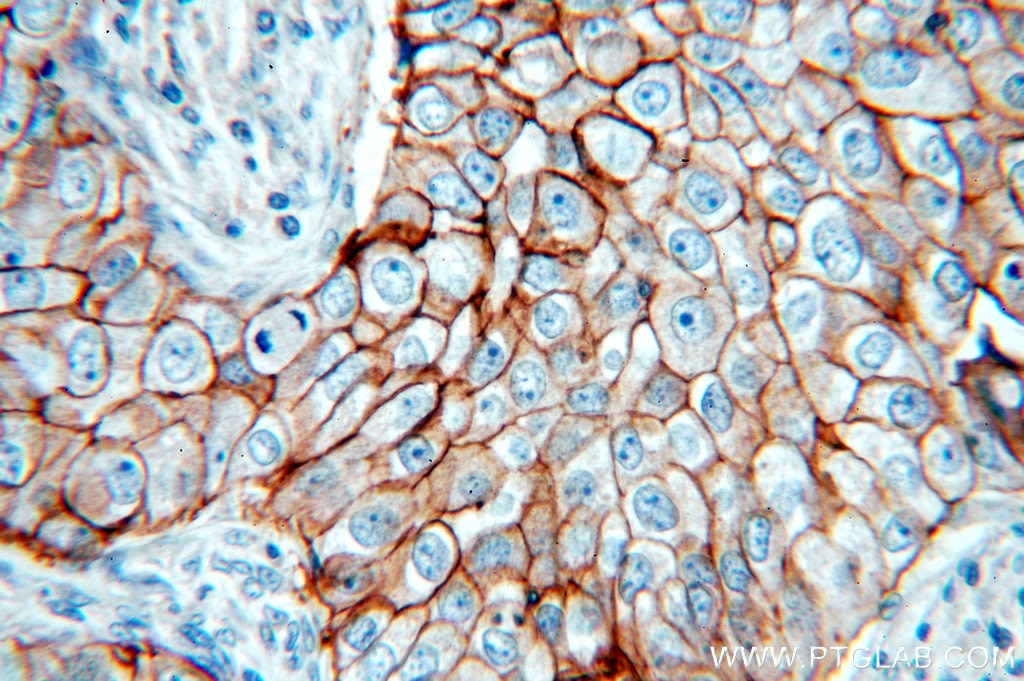
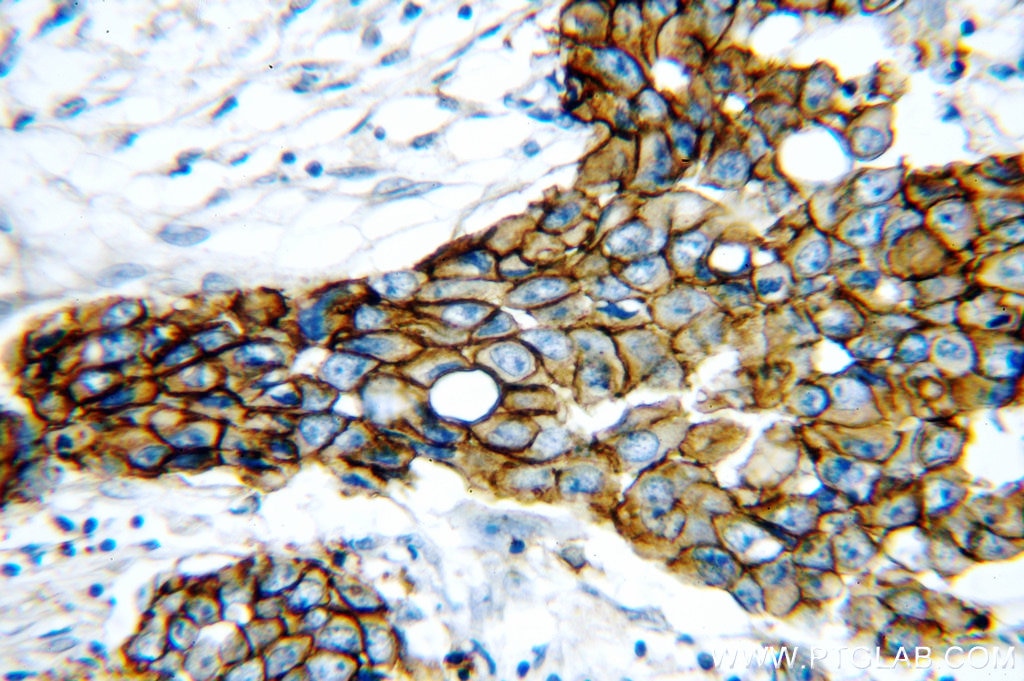
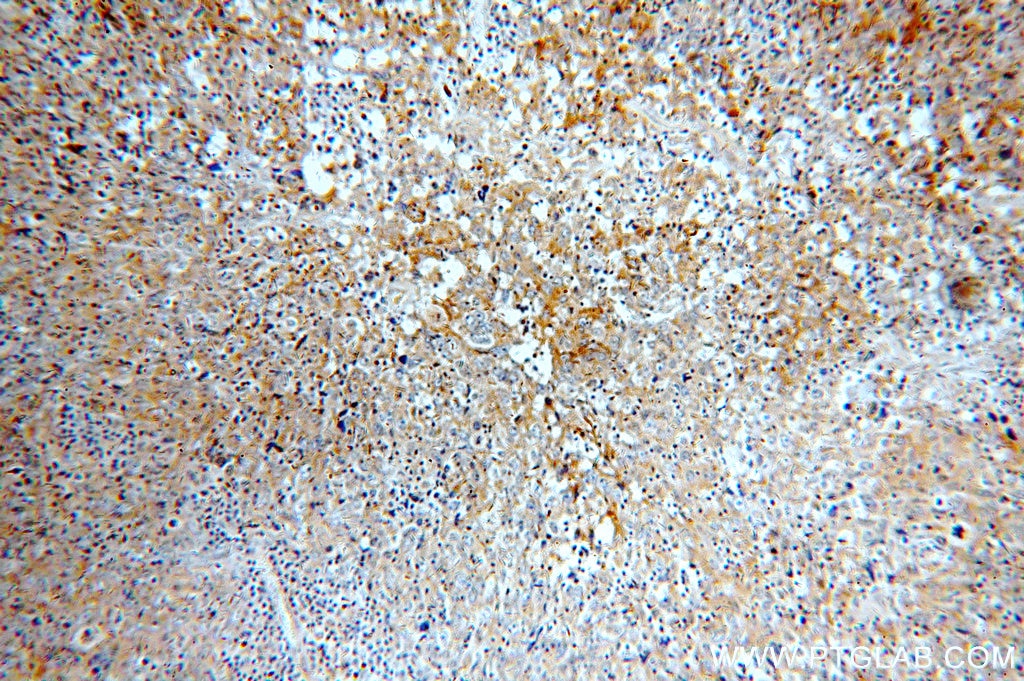
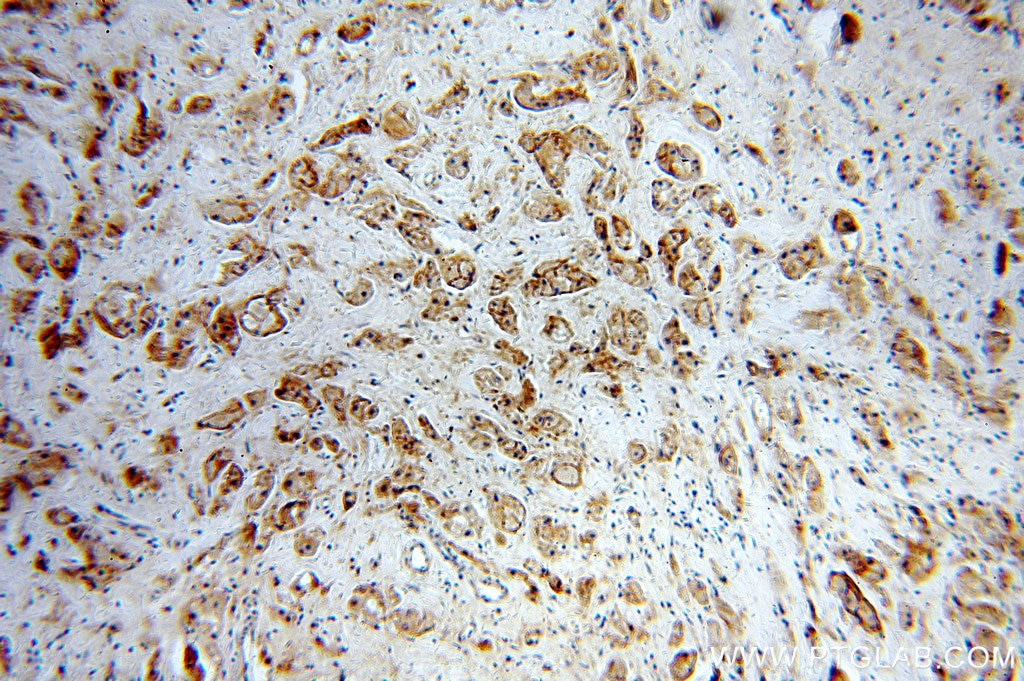
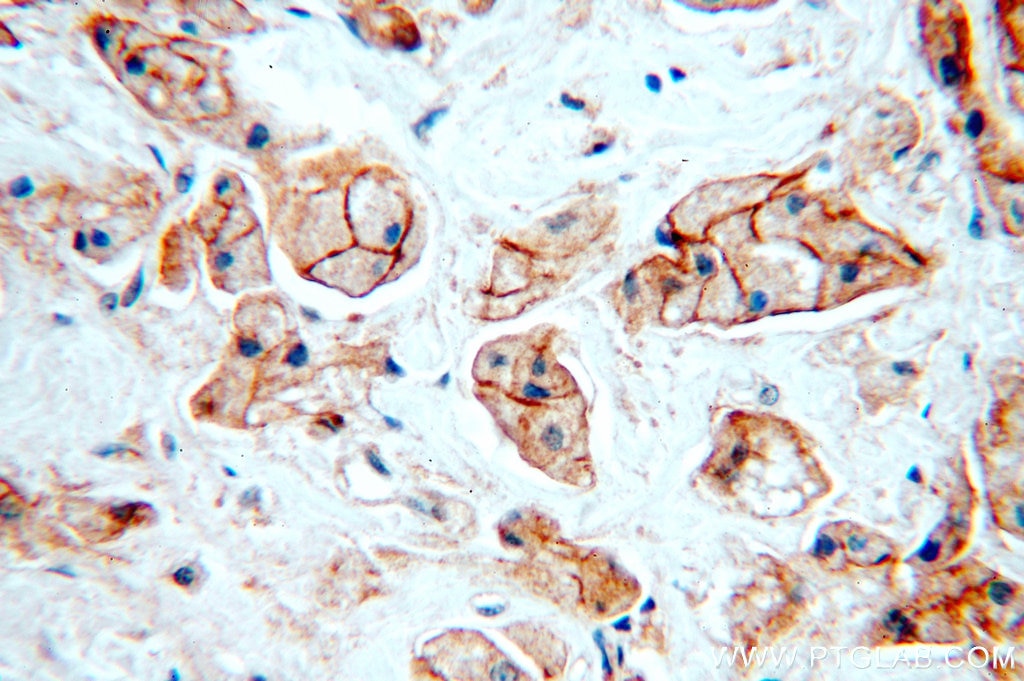
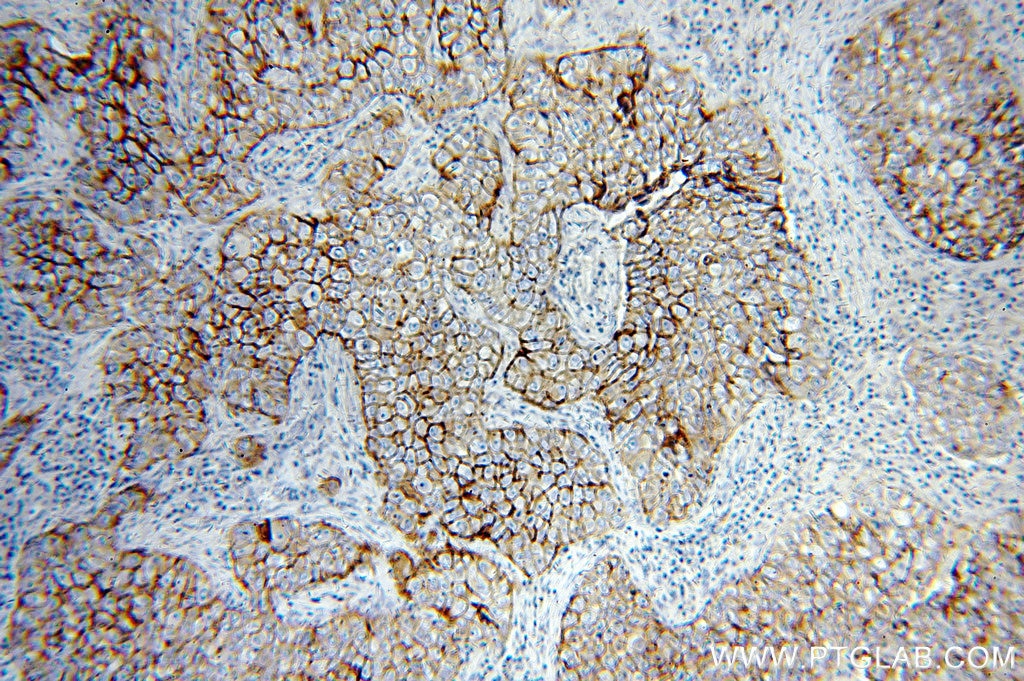
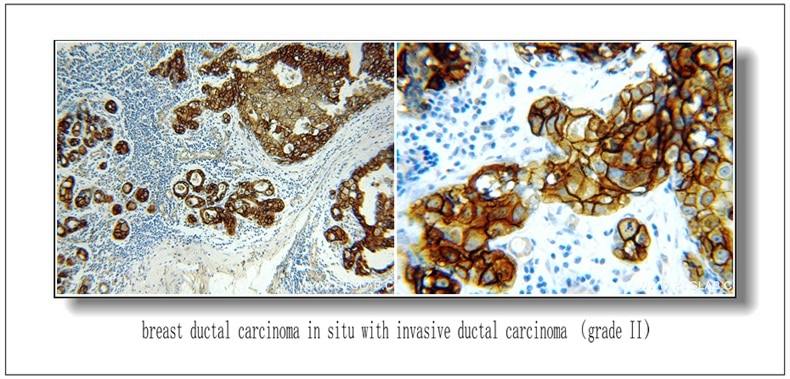
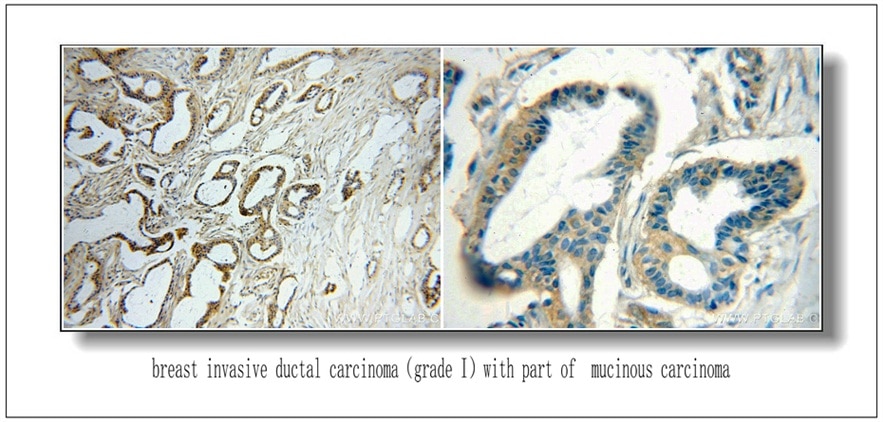
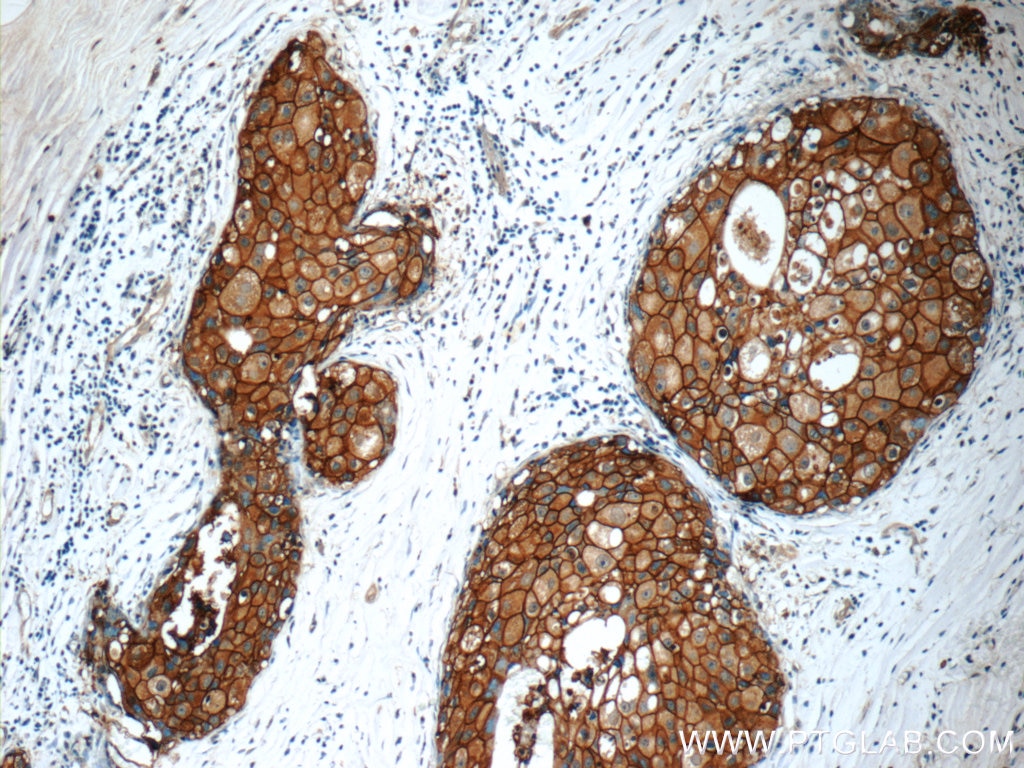
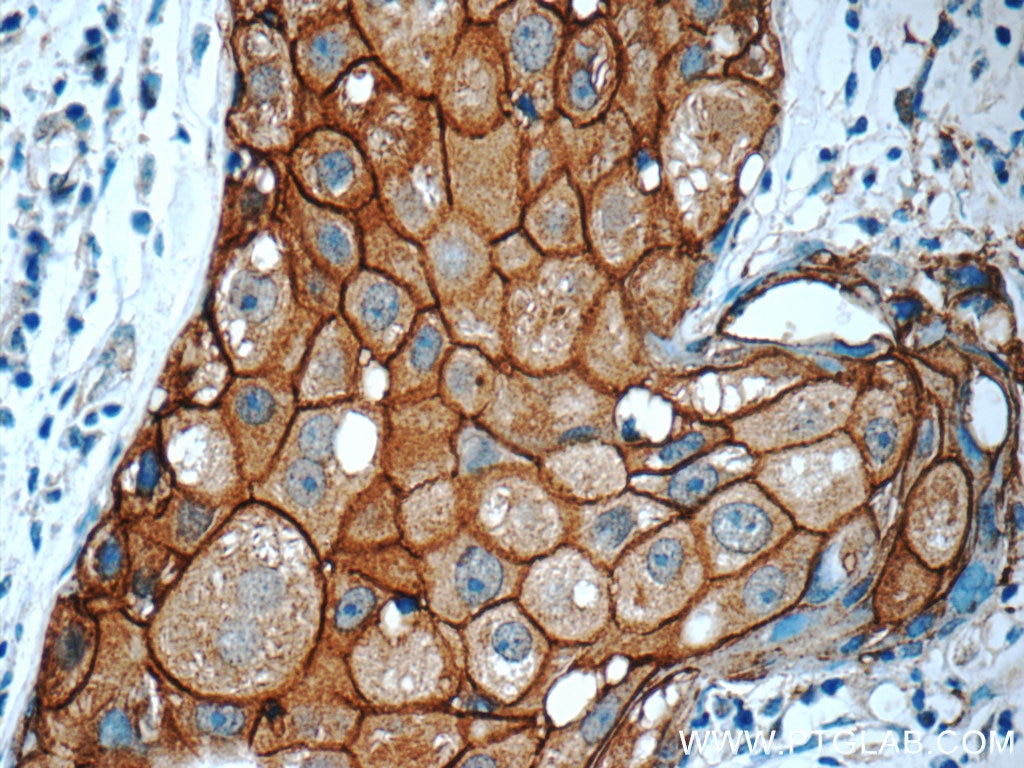
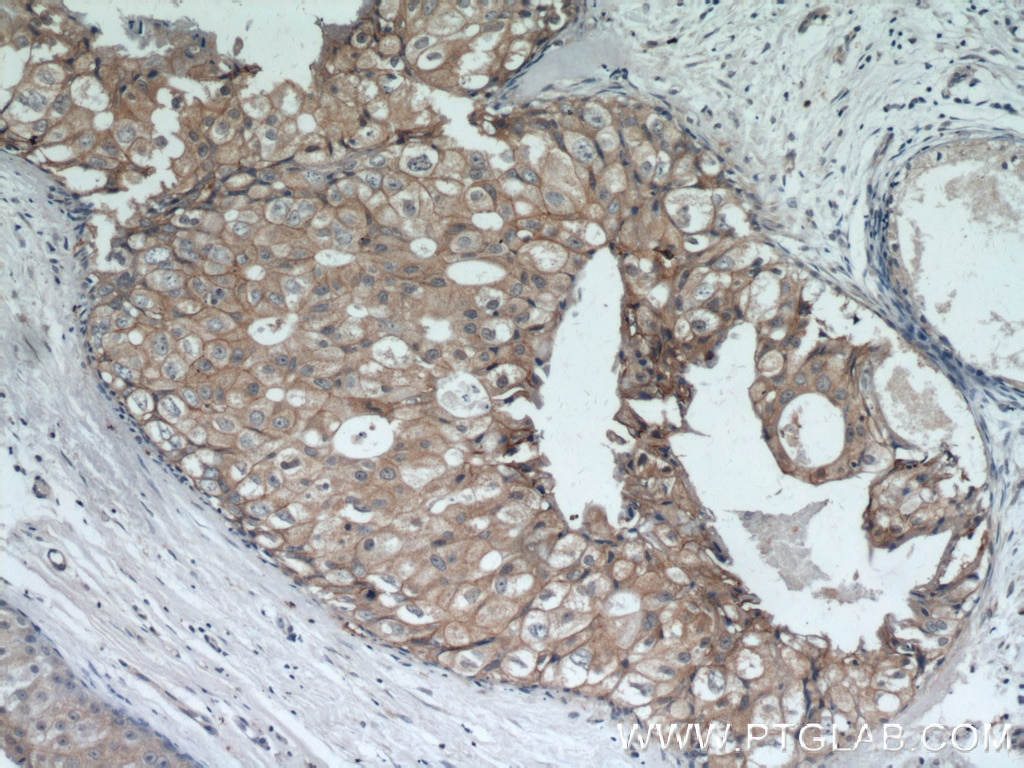
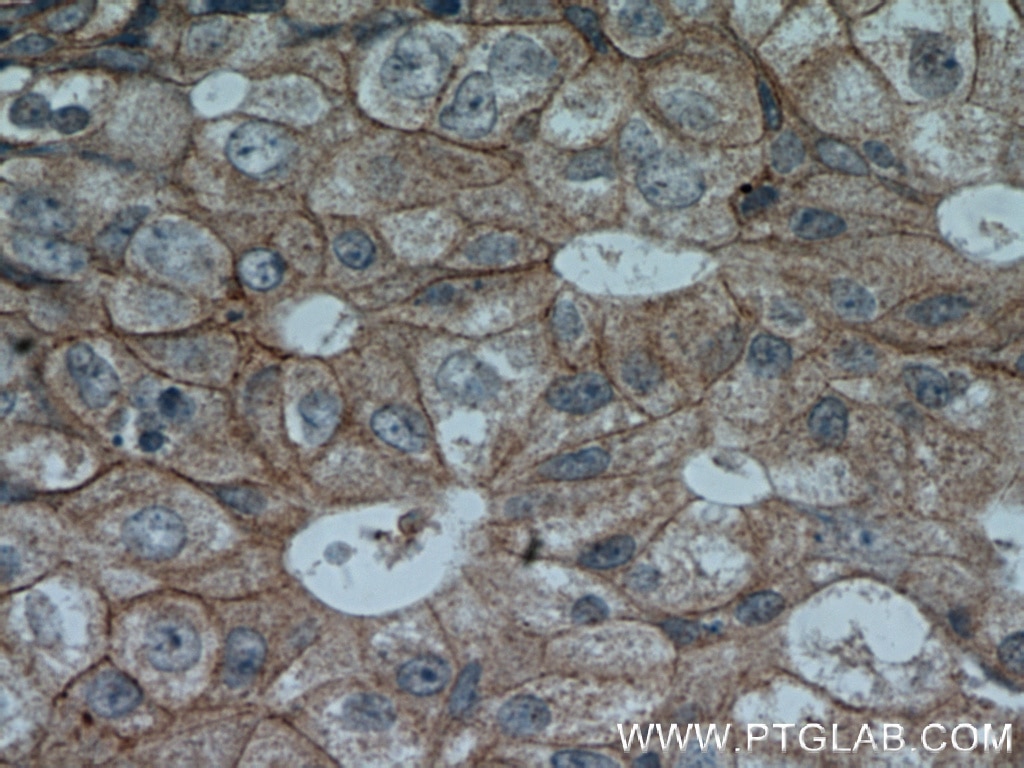
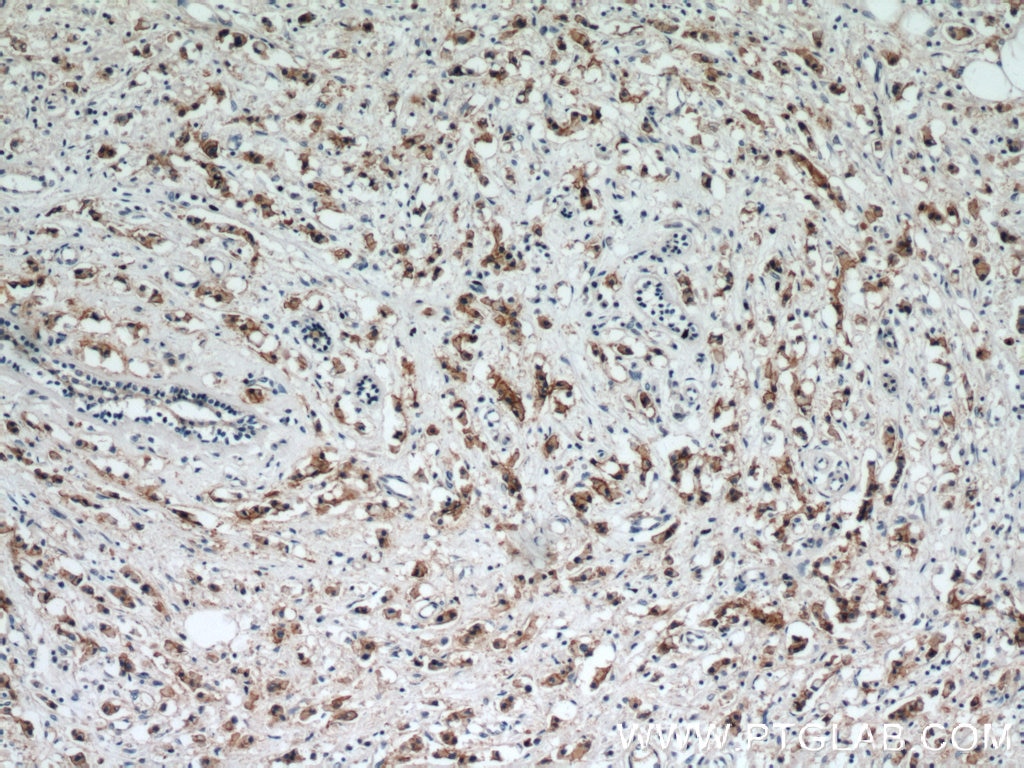
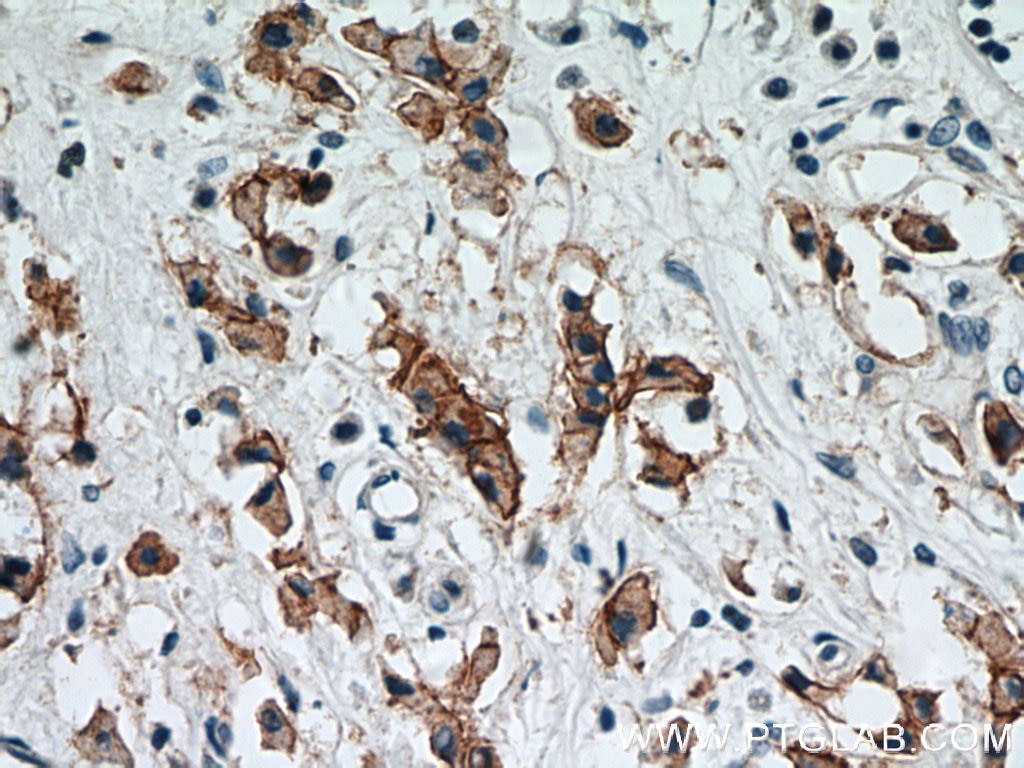
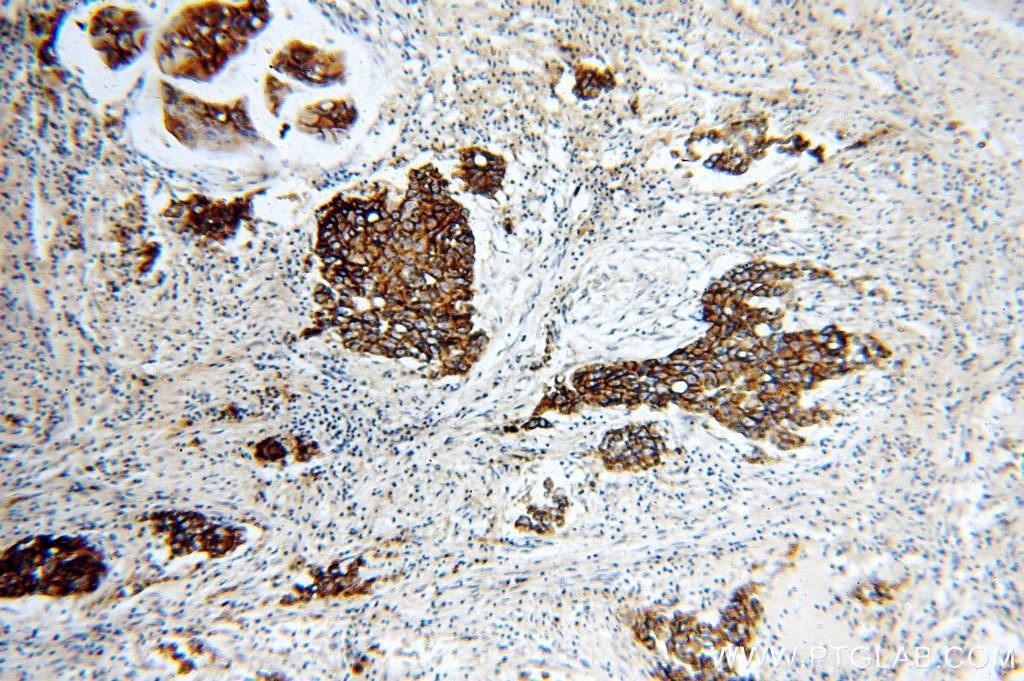
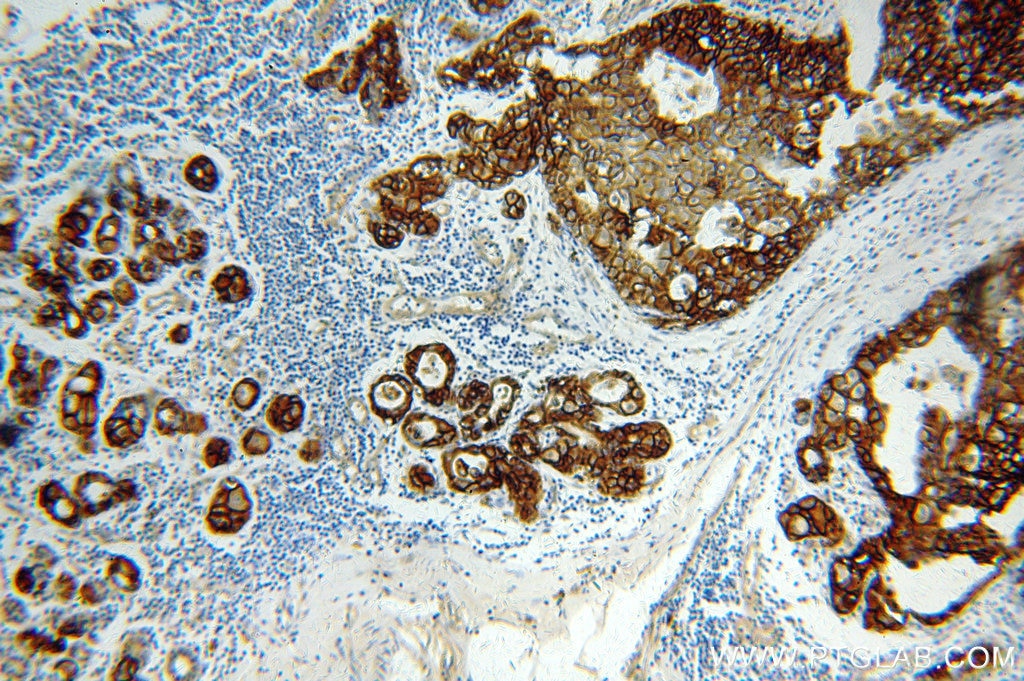
| Positive IHC detected in | human breast cancer tissue, Breast Cancer slides Note: suggested antigen retrieval with TE buffer pH 9.0; (*) Alternatively, antigen retrieval may be performed with citrate buffer pH 6.0 |
| Positive IF/ICC detected in | HeLa cells |
Recommended dilution
| Application | Dilution |
|---|---|
| Western Blot (WB) | WB : 1:500-1:2000 |
| Immunoprecipitation (IP) | IP : 0.5-4.0 ug for 1.0-3.0 mg of total protein lysate |
| Immunohistochemistry (IHC) | IHC : 1:20-1:200 |
| Immunofluorescence (IF)/ICC | IF/ICC : 1:20-1:200 |
| It is recommended that this reagent should be titrated in each testing system to obtain optimal results. | |
| Sample-dependent, Check data in validation data gallery. | |
Product Information
51105-1-AP targets HER2/ErbB2 in WB, IHC, IF/ICC, IP, ELISA applications and shows reactivity with human samples.
| Tested Reactivity | human |
| Cited Reactivity | human |
| Host / Isotype | Rabbit / IgG |
| Class | Polyclonal |
| Type | Antibody |
| Immunogen |
Peptide Predict reactive species |
| Full Name | v-erb-b2 erythroblastic leukemia viral oncogene homolog 2, neuro/glioblastoma derived oncogene homolog (avian) |
| Calculated Molecular Weight | 185 kDa |
| Observed Molecular Weight | 185 kDa |
| GenBank Accession Number | BC167147 |
| Gene Symbol | HER2/ErbB2 |
| Gene ID (NCBI) | 2064 |
| RRID | AB_2099262 |
| Conjugate | Unconjugated |
| Form | Liquid |
| Purification Method | Antigen affinity purification |
| UNIPROT ID | P04626 |
| Storage Buffer | PBS with 0.02% sodium azide and 50% glycerol, pH 7.3. |
| Storage Conditions | Store at -20°C. Stable for one year after shipment. Aliquoting is unnecessary for -20oC storage. 20ul sizes contain 0.1% BSA. |
Background Information
HER2, also known as ErbB2 and Neu, is a 185-kDa transmembrane glycoprotein that is a member of the EGF receptor family of receptor tyrosine kinases. It has no ligand binding domain of its own. However, it does bind tightly to other ligand-bound EGF receptor family members to form a heterodimer, stabilizing ligand binding and enhancing kinase-mediated activation of downstream signalling pathways, such as those involving mitogen-activated protein kinase and phosphatidylinositol-3 kinase. Amplification and/or overexpression of HER2 have been reported in numerous cancers, including breast and ovarian tumors. HER2 is a therapeutic target for the treatment of breast cancer and other carcinomas.
Protocols
| Product Specific Protocols | |
|---|---|
| IF protocol for HER2/ErbB2 antibody 51105-1-AP | Download protocol |
| IHC protocol for HER2/ErbB2 antibody 51105-1-AP | Download protocol |
| IP protocol for HER2/ErbB2 antibody 51105-1-AP | Download protocol |
| WB protocol for HER2/ErbB2 antibody 51105-1-AP | Download protocol |
| Standard Protocols | |
|---|---|
| Click here to view our Standard Protocols |
Publications
What published studies show
The HER2/ErbB2 Polyclonal antibody (Cat# 51105-1-AP) has 2 citations. One appears in J Immunother Cancer (IF 11.7), studying immunotherapy resistance in bladder cancer via an antibody-drug conjugate, using WB. The other is in Bioengineering (Basel) (IF 4.4), evaluating oncolytic virus treatment response in patient-derived breast and hypopharyngeal cancer organoids using IF. The associated research fields span cancer immunotherapy, antibody-drug conjugates, and organoid-based drug evaluation.
| Species | Application | Title |
|---|---|---|
J Immunother Cancer Overcoming immunotherapy resistance in bladder cancer with a novel antibody-drug conjugate RC48 | ||
Bioengineering (Basel) Treatment Response to Oncolytic Virus in Patient-Derived Breast Cancer and Hypopharyngeal Cancer Organoids: Evaluation via a Microfluidics Organ-on-a-Chip System |
Reviews
What customers say
The single review rates this antibody 3 out of 5 for Western Blot at a 1:1000 dilution in BT474 cells. The user observed two closely spaced bands between 250 and 150 kDa; while the lower band corresponded to the expected target, the upper band was overly dominant across several breast cancer cell lines, suggesting some non-specific or off-target reactivity. Overall, the antibody detected the correct band but with a prominent interfering band that may complicate interpretation.
The reviews below have been submitted by verified Proteintech customers who received an incentive for providing their feedback.
Wei (Verified Customer) (11-26-2018) | We found two bands between 250 and 150kDa and they are very close to each other. The lower band is the right band but the topper band is too dominant in different breast cancer cells we detected.
|



























