

Tested Applications
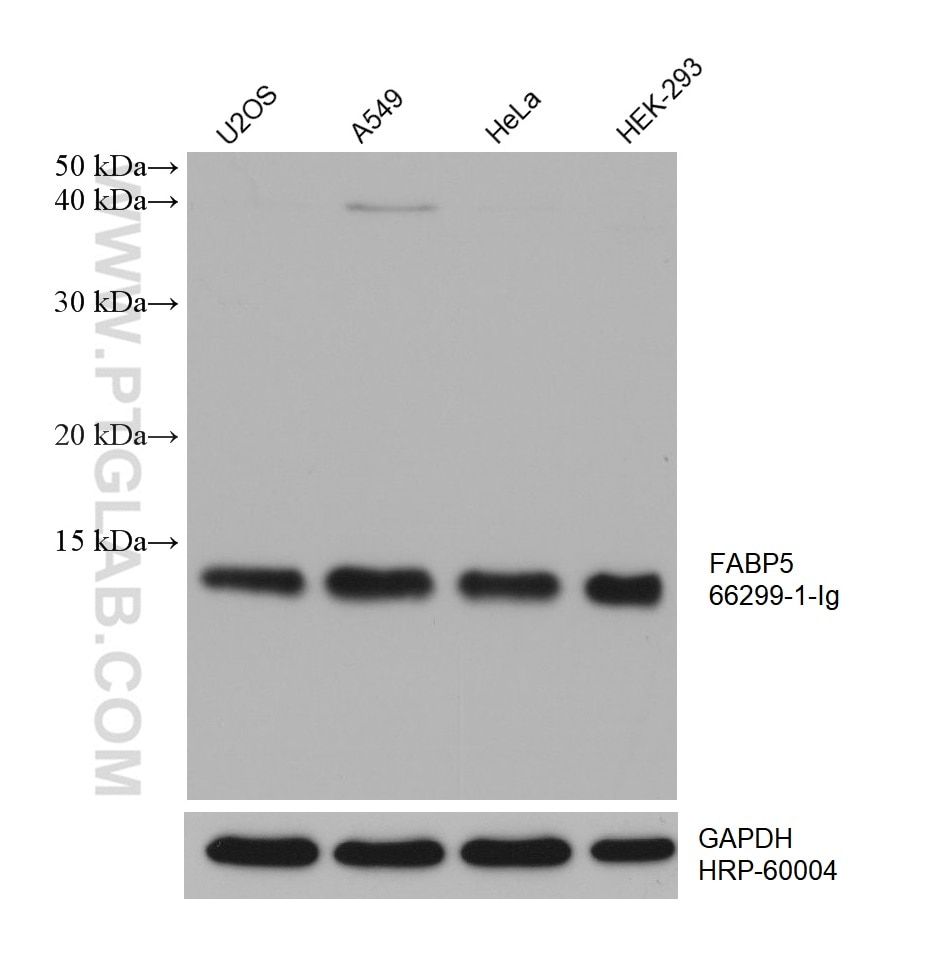
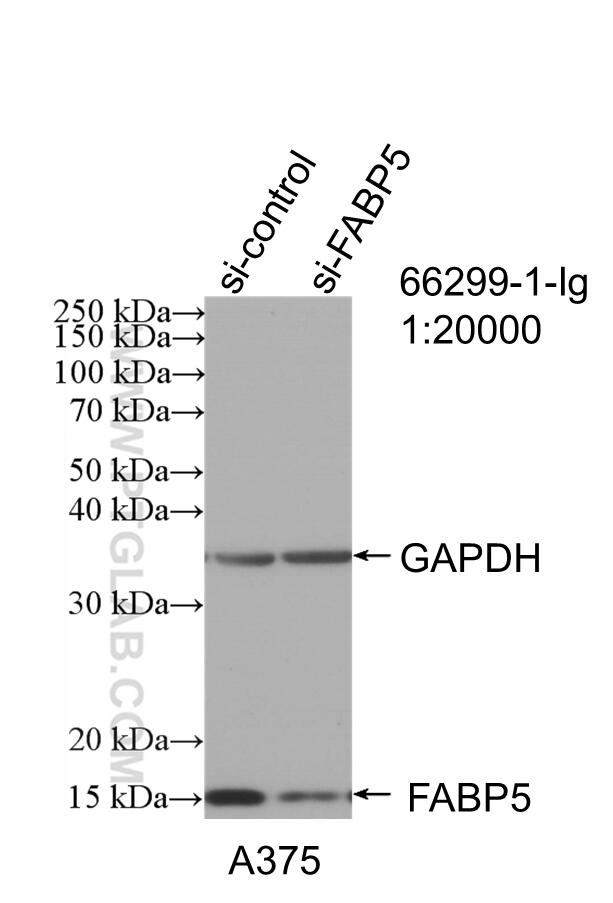
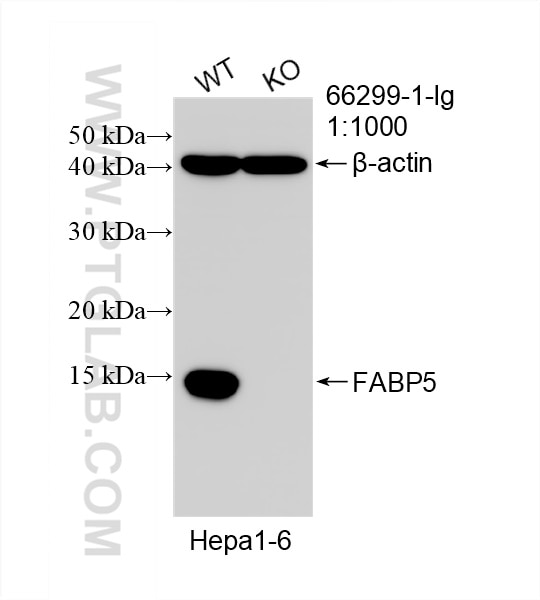
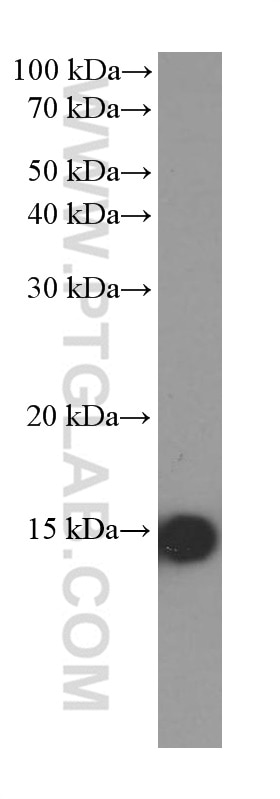
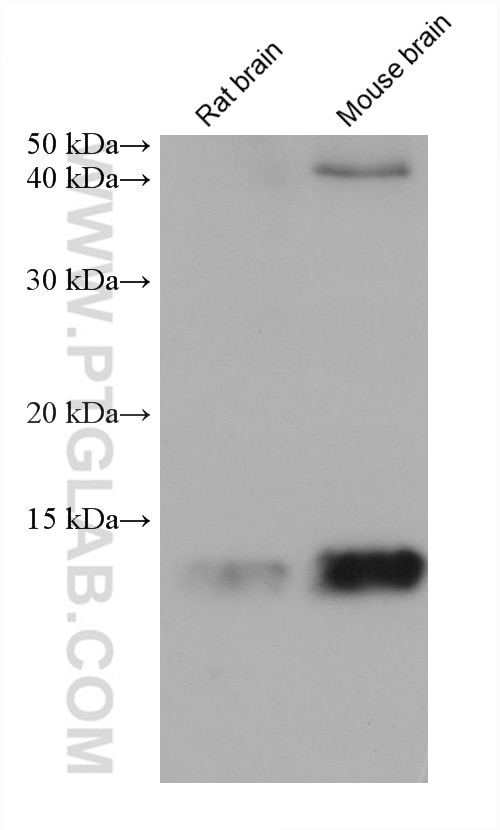
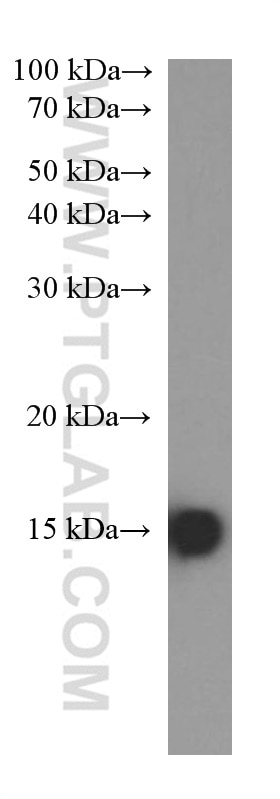
| Positive WB detected in | A375 cells, fetal human brain tissue, Hepa1-6 cells, rat brain tissue, U2OS cells, mouse brain tissue, A549 cells, HeLa cells, HEK-293 cells |
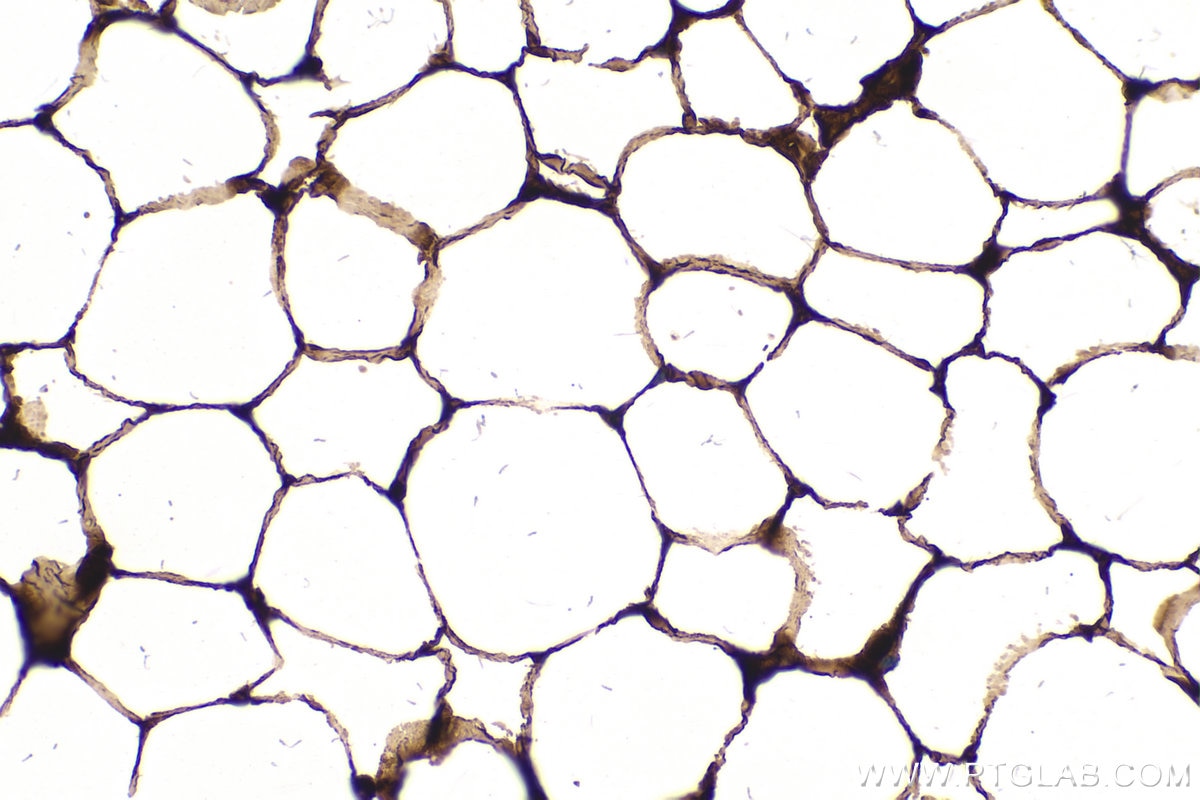
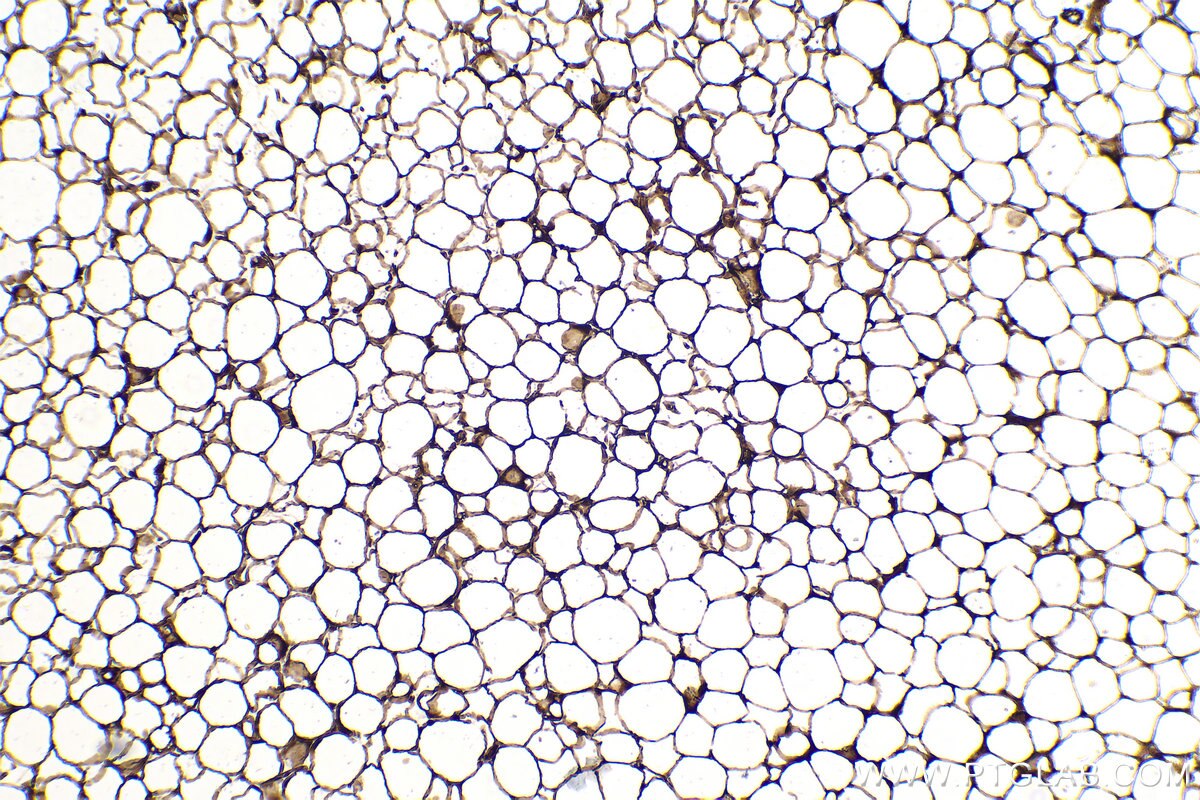
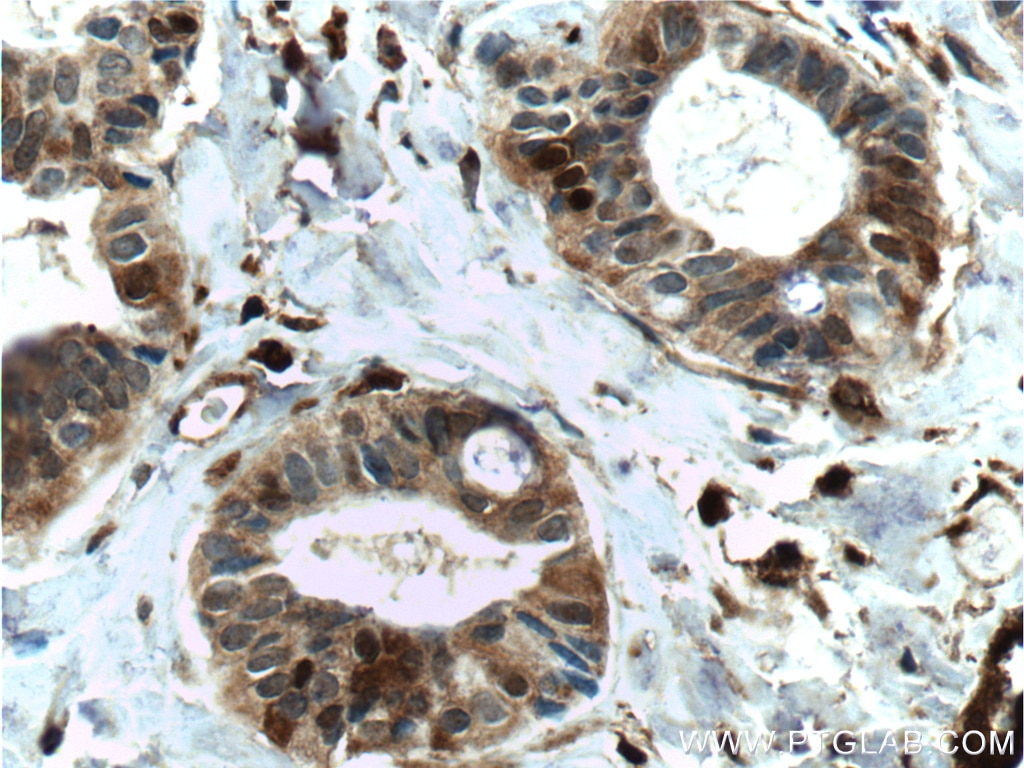
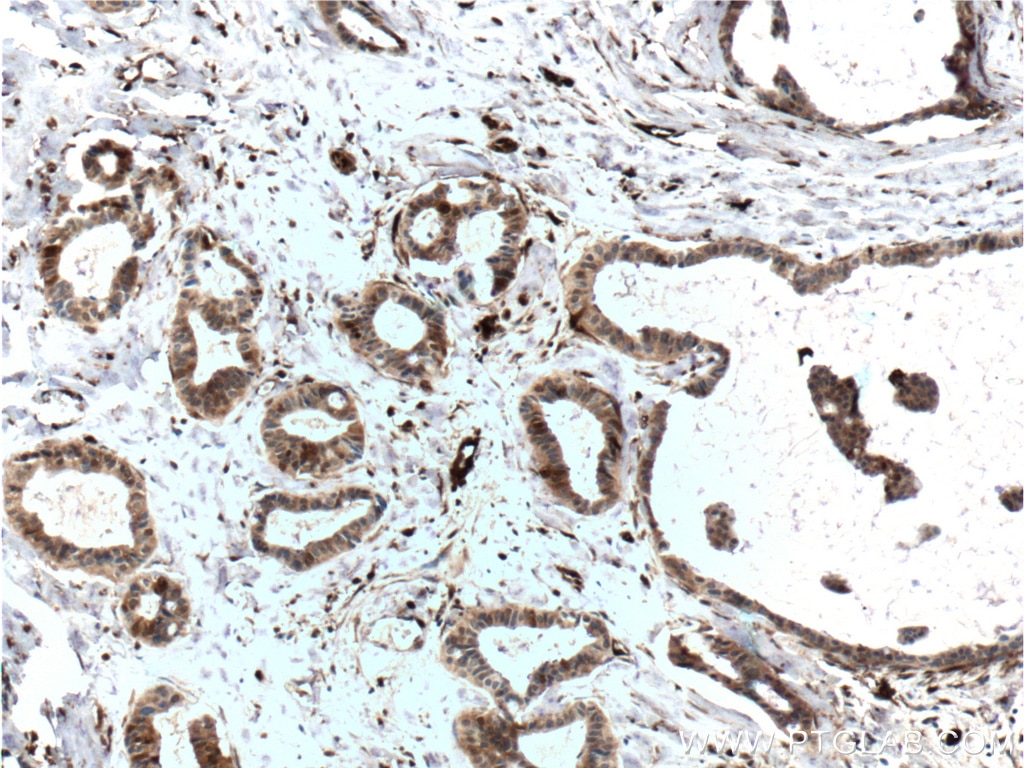
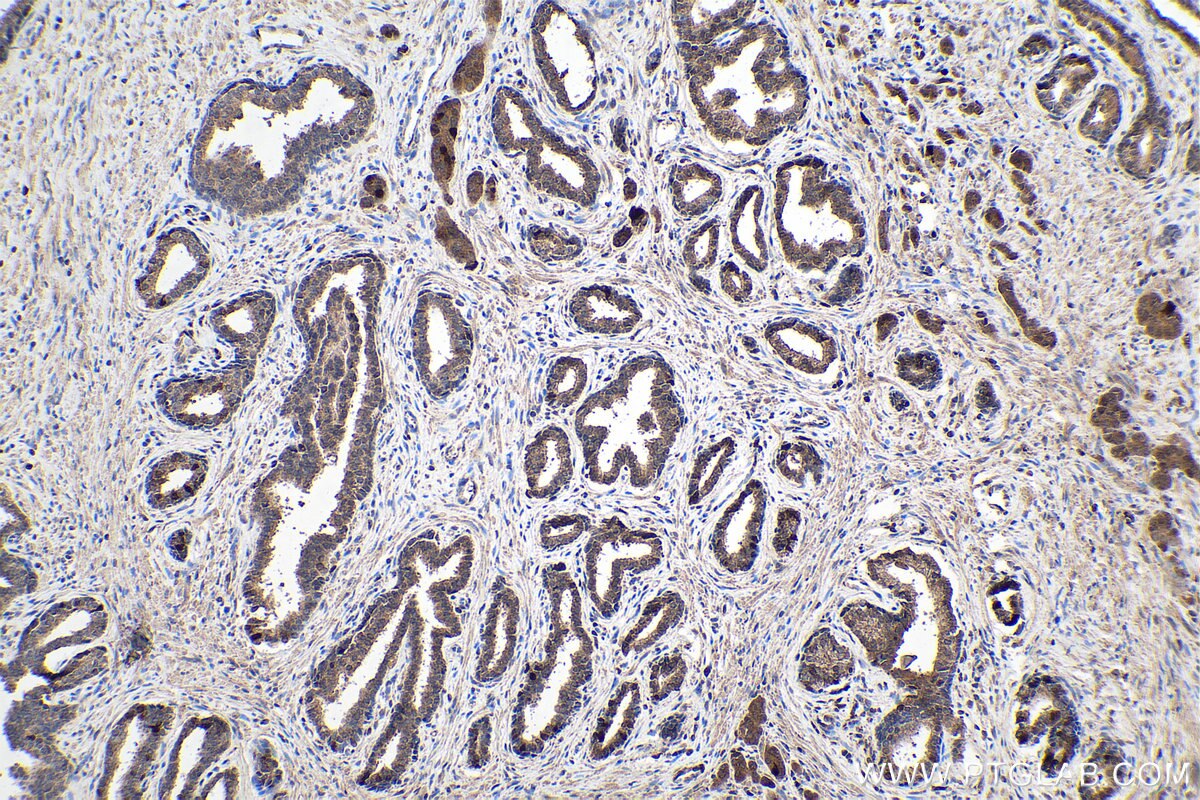
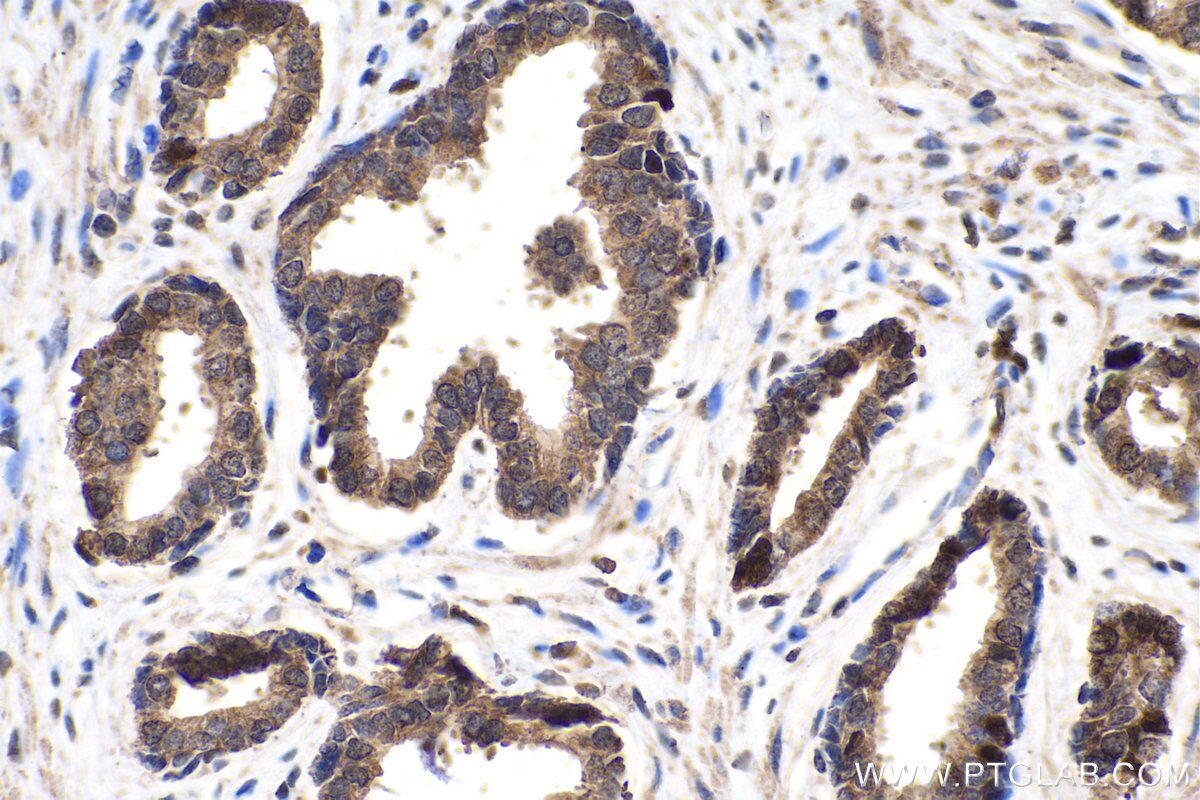
| Positive IHC detected in | human breast cancer tissue, human prostate cancer tissue, mouse brown adipose tissue Note: suggested antigen retrieval with TE buffer pH 9.0; (*) Alternatively, antigen retrieval may be performed with citrate buffer pH 6.0 |
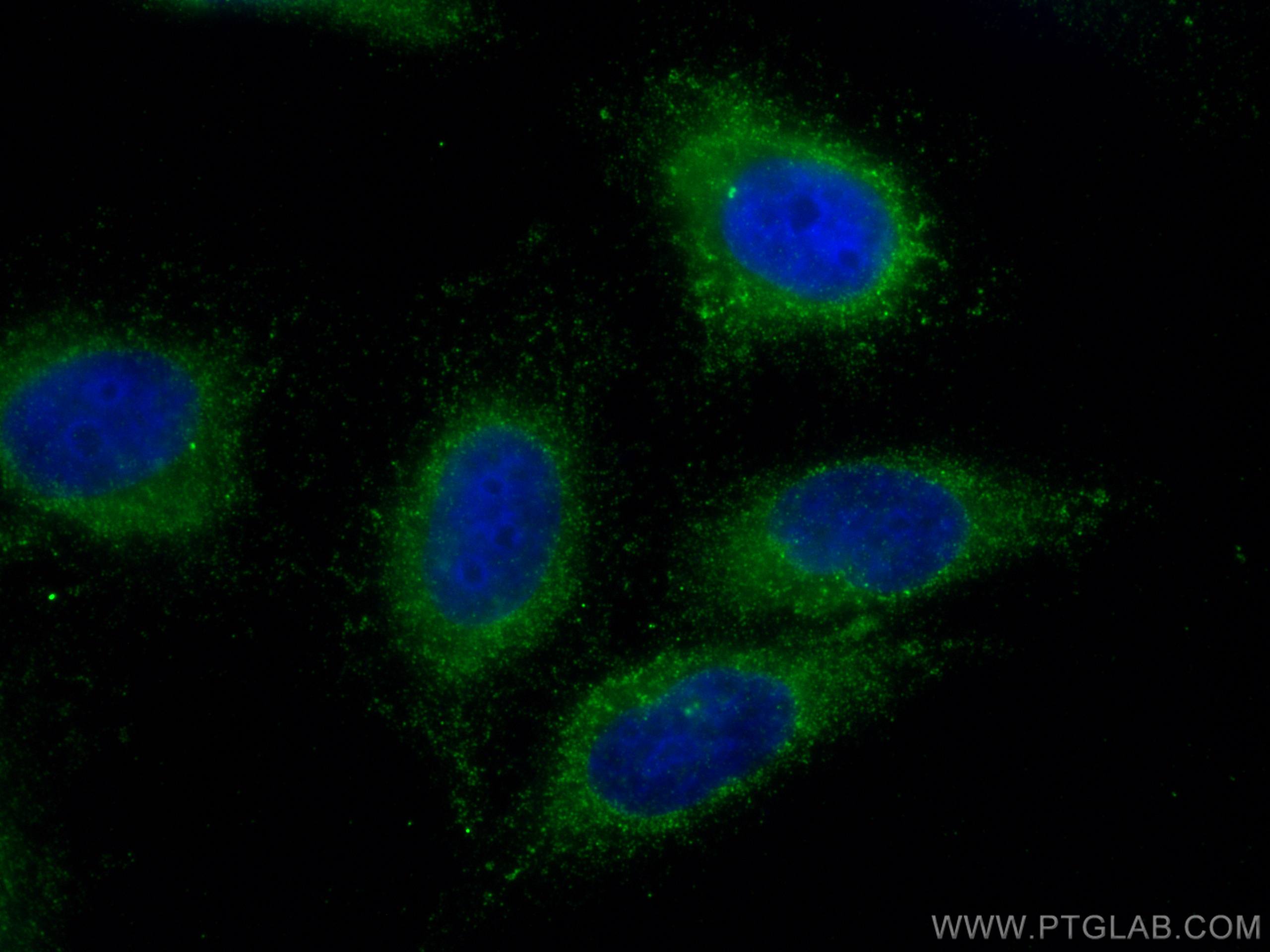
| Positive IF/ICC detected in | HepG2 cells |
Recommended dilution
| Application | Dilution |
|---|---|
| Western Blot (WB) | WB : 1:2000-1:16000 |
| Immunohistochemistry (IHC) | IHC : 1:200-1:4000 |
| Immunofluorescence (IF)/ICC | IF/ICC : 1:200-1:800 |
| It is recommended that this reagent should be titrated in each testing system to obtain optimal results. | |
| Sample-dependent, Check data in validation data gallery. | |
Product Information
66299-1-Ig targets FABP5 in WB, IHC, IF/ICC, ELISA applications and shows reactivity with human, mouse, rat samples.
| Tested Reactivity | human, mouse, rat |
| Cited Reactivity | human, mouse |
| Host / Isotype | Mouse / IgG1 |
| Class | Monoclonal |
| Type | Antibody |
| Immunogen |
CatNo: Ag3005 Product name: Recombinant human FABP5 protein Source: e coli.-derived, PGEX-4T Tag: GST Domain: 1-135 aa of BC019385 Sequence: MATVQQLEGRWRLVDSKGFDEYMKELGVGIALRKMGAMAKPDCIITCDGKNLTIKTESTLKTTQFSCTLGEKFEETTADGRKTQTVCNFTDGALVQHQEWDGKESTITRKLKDGKLVVECVMNNVTCTRIYEKVE Predict reactive species |
| Full Name | fatty acid binding protein 5 (psoriasis-associated) |
| Calculated Molecular Weight | 135 aa, 15 kDa |
| Observed Molecular Weight | 15 kDa |
| GenBank Accession Number | BC019385 |
| Gene Symbol | FABP5 |
| Gene ID (NCBI) | 2171 |
| RRID | AB_2881682 |
| Conjugate | Unconjugated |
| Form | Liquid |
| Purification Method | Protein G purification |
| UNIPROT ID | Q01469 |
| Storage Buffer | PBS with 0.02% sodium azide and 50% glycerol, pH 7.3. |
| Storage Conditions | Store at -20°C. Stable for one year after shipment. Aliquoting is unnecessary for -20oC storage. 20ul sizes contain 0.1% BSA. |
Background Information
FABP5, also named as PA-FABP and E-FABP, belongs to the calycin superfamily and Fatty-acid binding protein (FABP) family. It is high specificity for fatty acids. FABP5 is highest affinity for C18 chain length. It may be involved in keratinocyte differentiation. FABP5 is a fatty acid-binding protein and is expressed in epidermis and endothelial cells of the microvasculature of different organs. FABP5 has also been identified as a tumor-associated antigen, which is highly expressed in various cancers. FABP5 was detected in the sera of HNSCC patients with early stage cancer. Antibodies specific for FABP5 were significantly increased in a substantial amount in patients, suggesting that FABP5 may be a potential diagnostic biomarker for HNSCC. FABP5 may serve as a biomarker for HNSCC.(PMID:19602232)
Protocols
| Product Specific Protocols | |
|---|---|
| IF protocol for FABP5 antibody 66299-1-Ig | Download protocol |
| IHC protocol for FABP5 antibody 66299-1-Ig | Download protocol |
| WB protocol for FABP5 antibody 66299-1-Ig | Download protocol |
| Standard Protocols | |
|---|---|
| Click here to view our Standard Protocols |
Publications
What published studies show
The anti-FABP5 antibody (Cat# 66299-1-Ig) has 5 total citations. These appear in J Allergy Clin Immunol, Free Radic Biol Med, Carcinogenesis, Front Oncol, and Med Mol Morphol. The associated research fields include atopic dermatitis and skin microbiota, mitochondrial damage in recurrent spontaneous abortion, hepatocellular carcinoma progression, fatty acid metabolism in thyroid carcinoma, and cholangiocarcinoma energy metabolism.
| Species | Application | Title |
|---|---|---|
J Allergy Clin Immunol Melatonin treatment increases skin microbiota-derived propionic acid to alleviate atopic dermatitis | ||
Free Radic Biol Med Oxidative stress-induced decreased expression of FABP5 leads to mitochondrial damage and survival disorder of decidual stromal cells in women with recurrent spontaneous abortion | ||
Carcinogenesis Serum fatty acid-binding protein 5 is a significant factor in hepatocellular carcinoma progression independent of tissue expression level.
| ||
Med Mol Morphol Expression of fatty-acid-binding protein 5 in intrahepatic and extrahepatic cholangiocarcinoma: the possibility of different energy metabolisms in anatomical location. |














