


Tested Applications
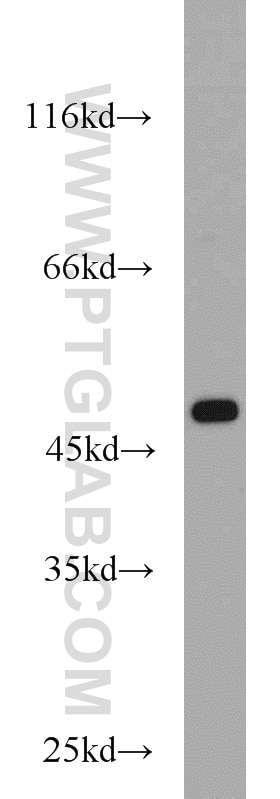
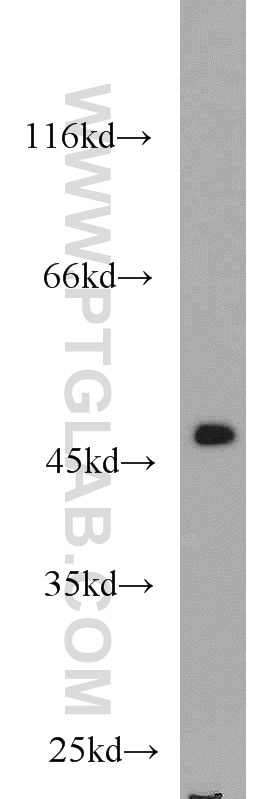
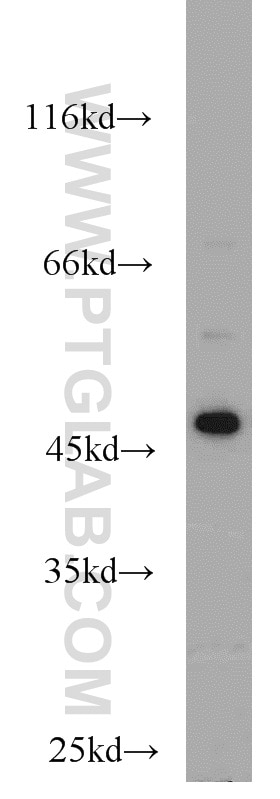
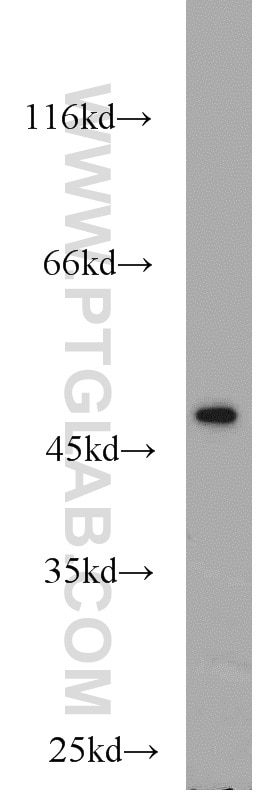
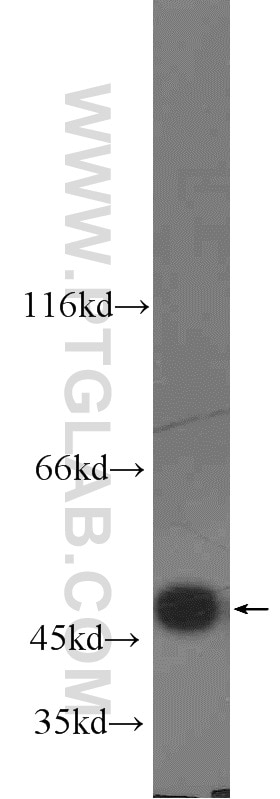
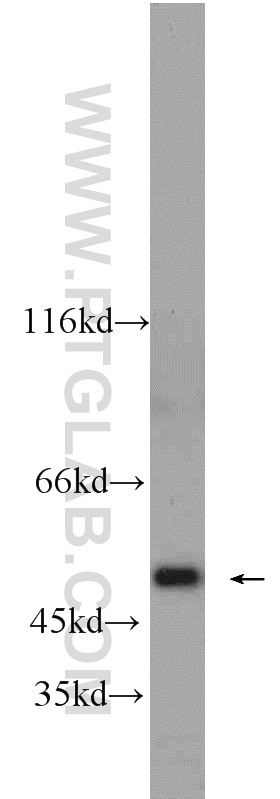
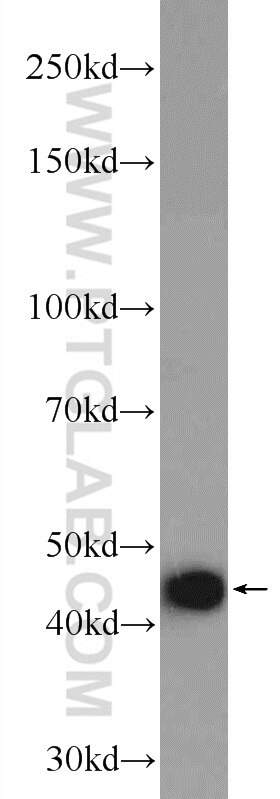
| Positive WB detected in | HeLa cells, A431 cells, HEK-293 cells, HepG2 cells, human liver tissue, L02 cells, mouse liver tissue |
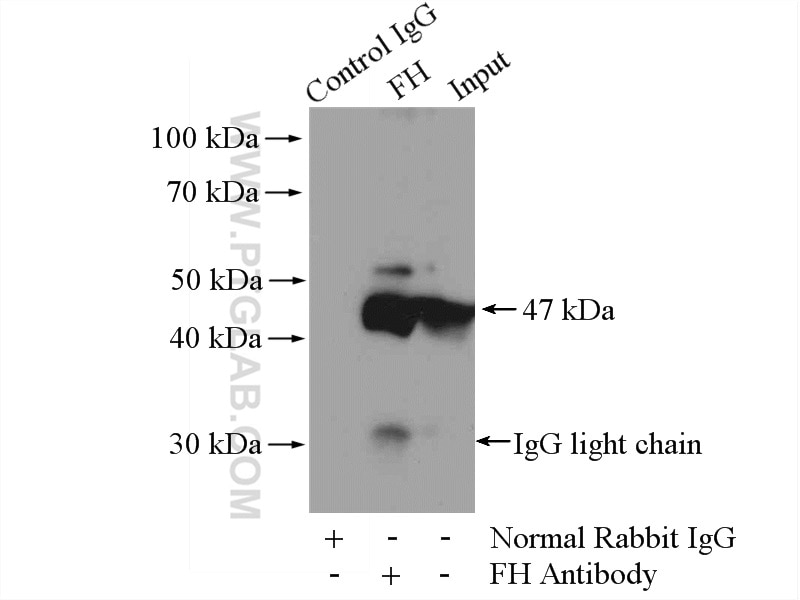
| Positive IP detected in | HepG2 cells |
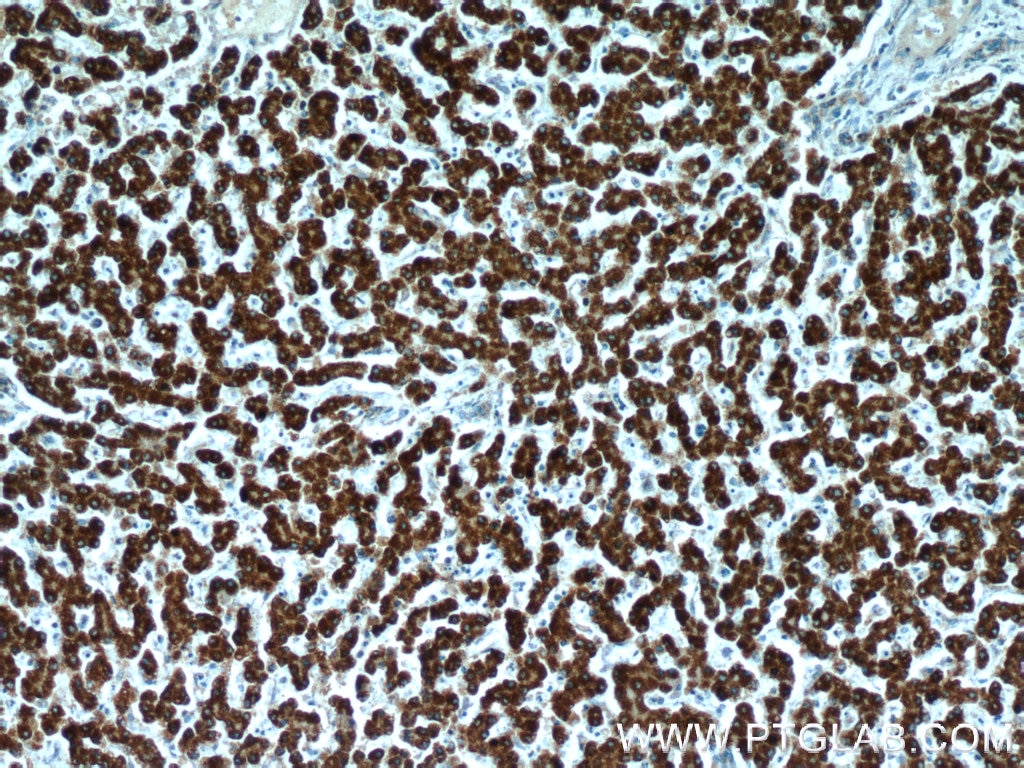
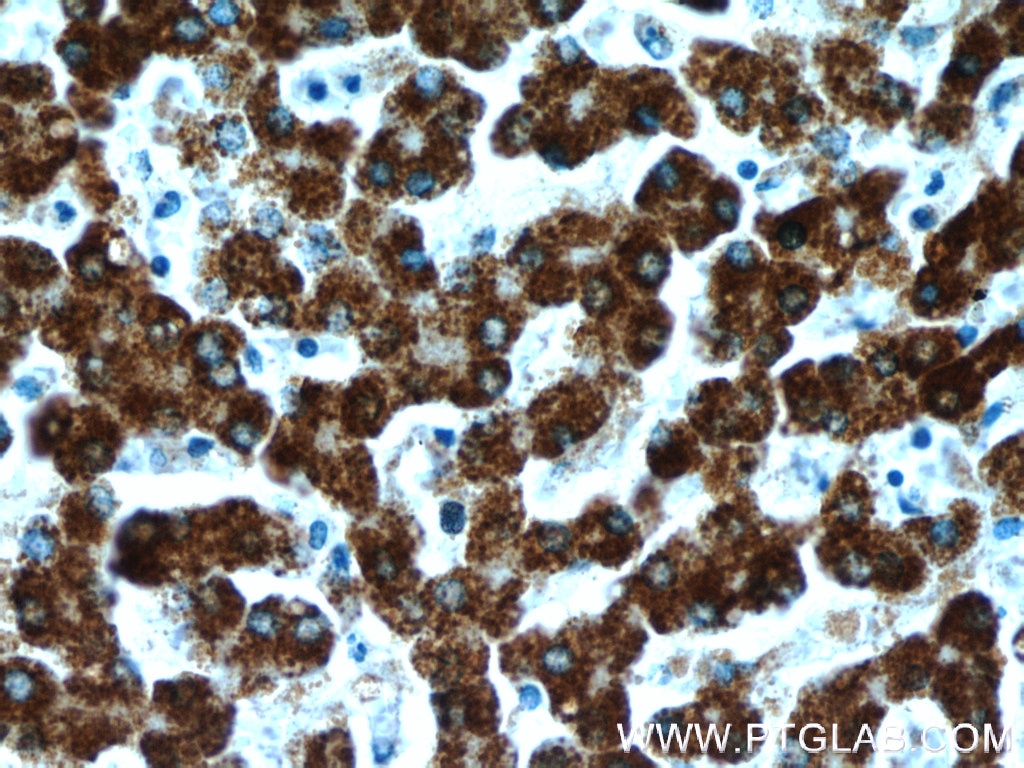
| Positive IHC detected in | human colon tissue, human liver tissue Note: suggested antigen retrieval with TE buffer pH 9.0; (*) Alternatively, antigen retrieval may be performed with citrate buffer pH 6.0 |
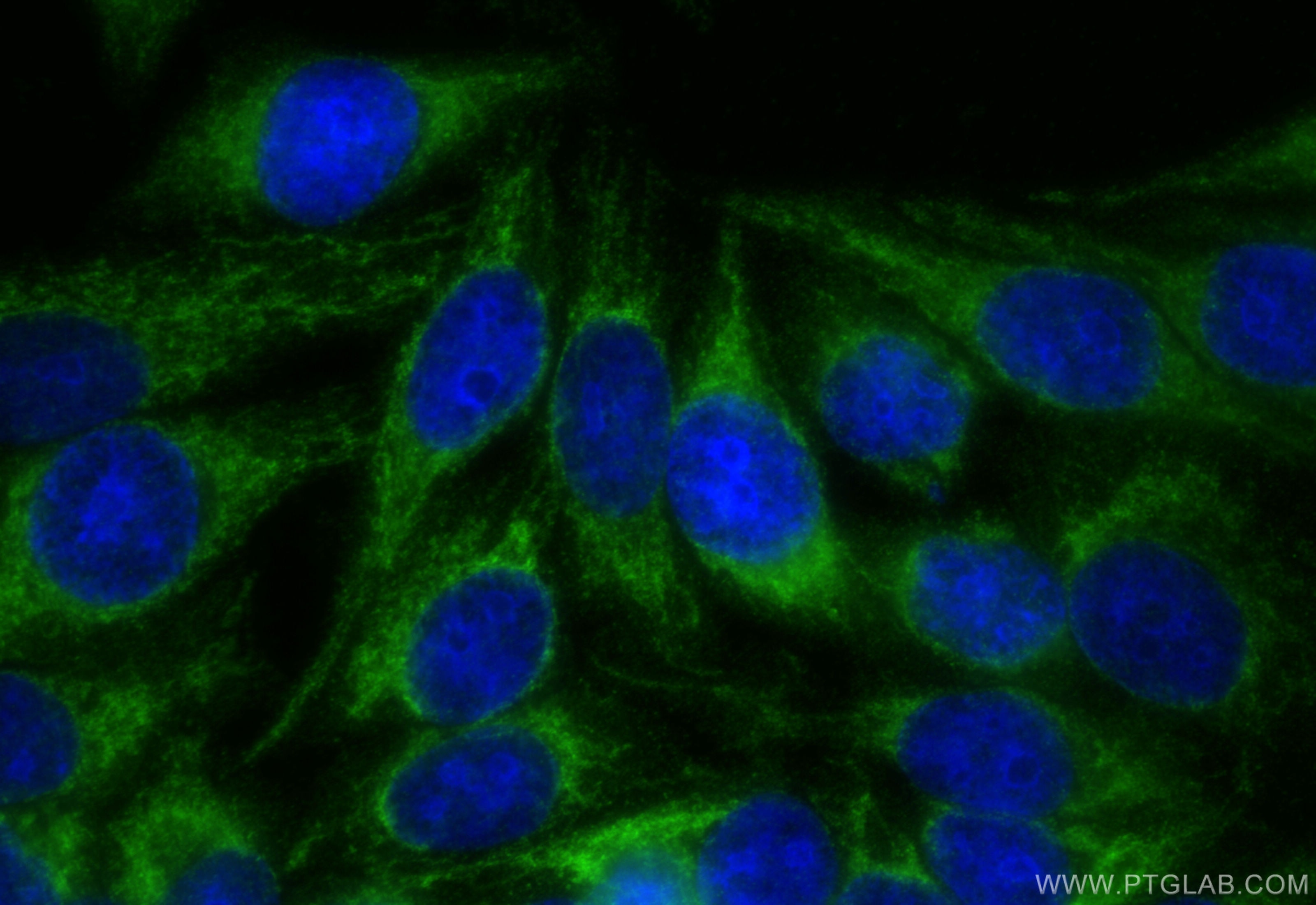
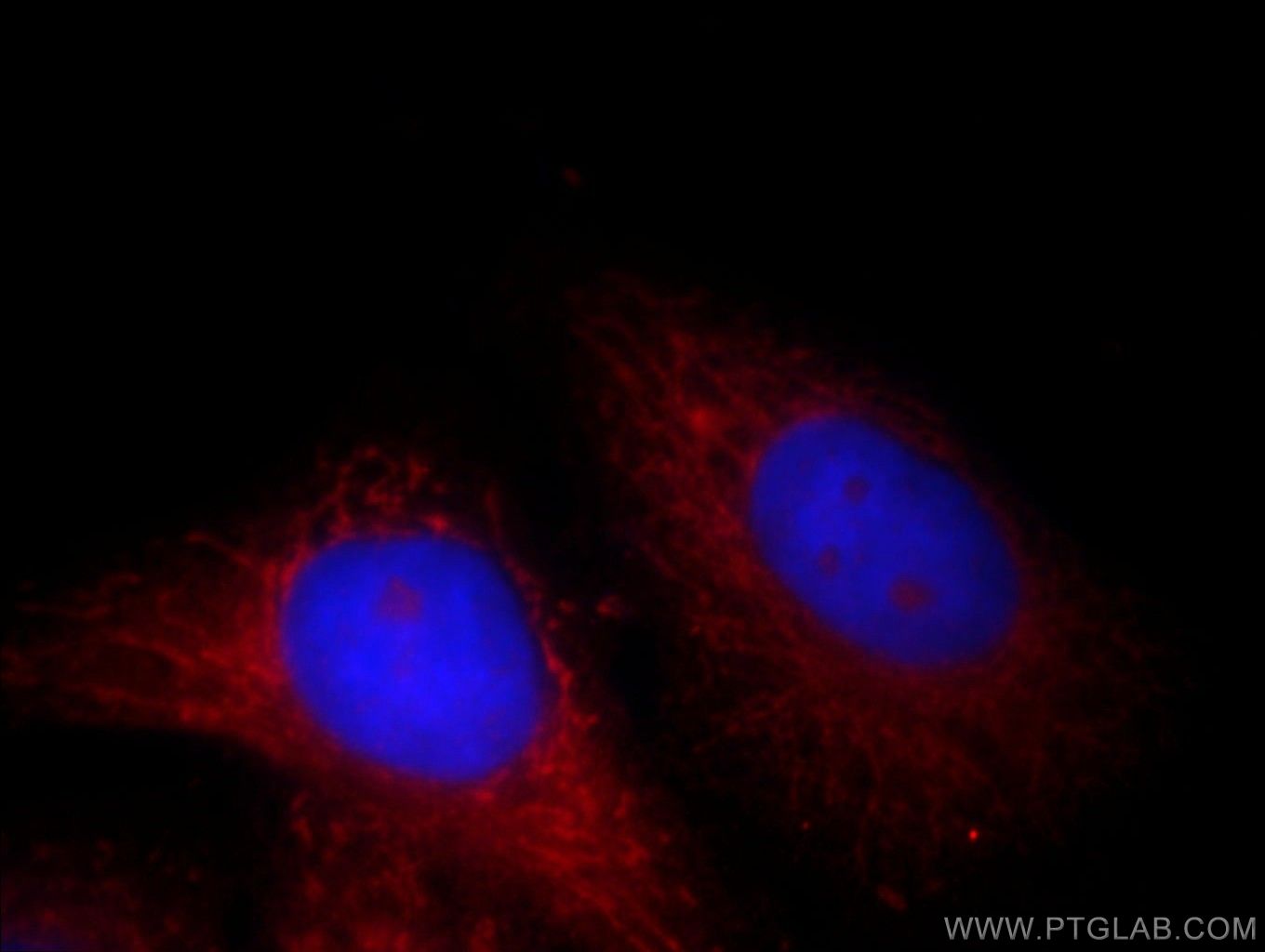
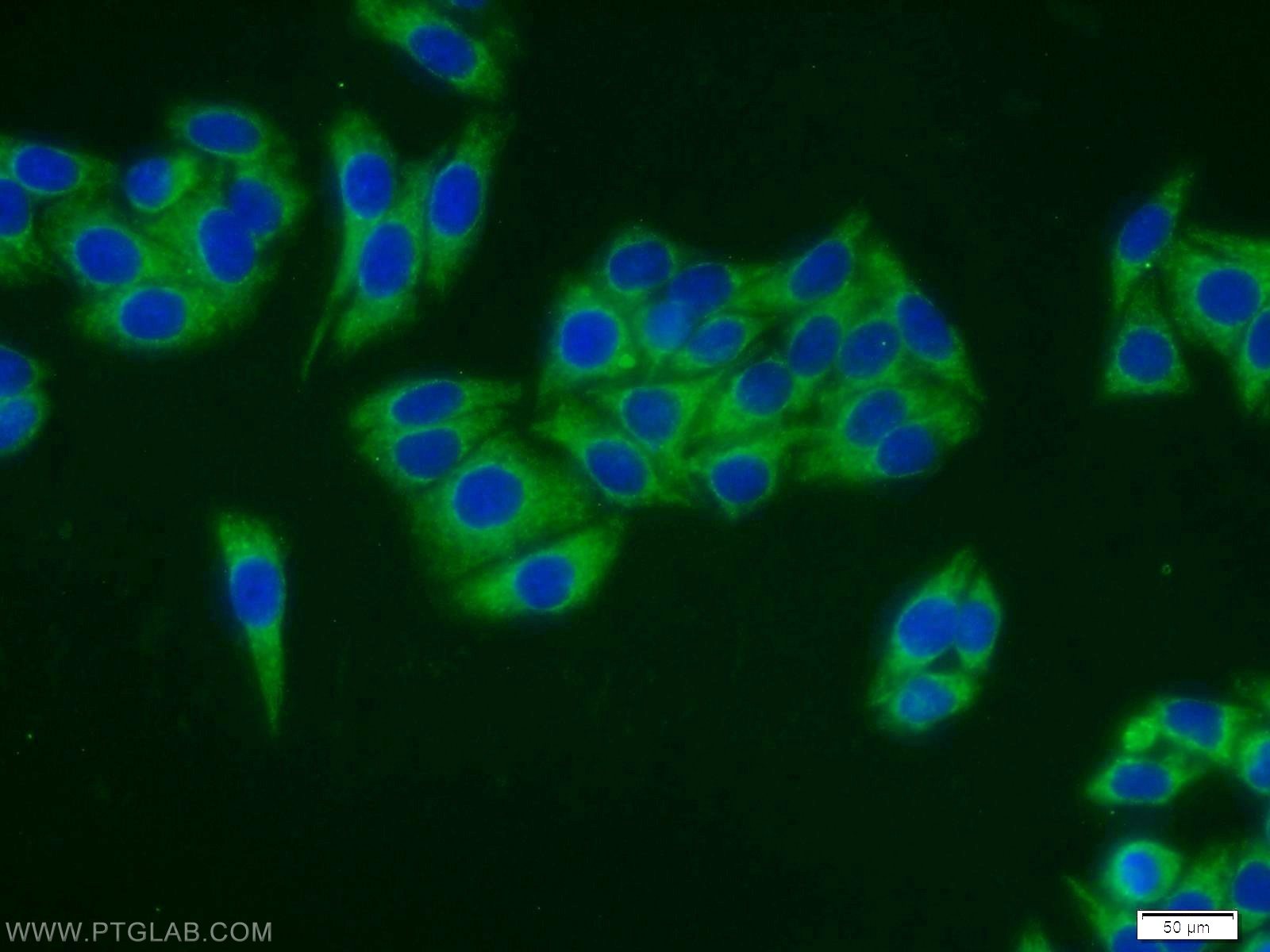
| Positive IF/ICC detected in | HepG2 cells |
Recommended dilution
| Application | Dilution |
|---|---|
| Western Blot (WB) | WB : 1:500-1:2000 |
| Immunoprecipitation (IP) | IP : 0.5-4.0 ug for 1.0-3.0 mg of total protein lysate |
| Immunohistochemistry (IHC) | IHC : 1:50-1:500 |
| Immunofluorescence (IF)/ICC | IF/ICC : 1:50-1:500 |
| It is recommended that this reagent should be titrated in each testing system to obtain optimal results. | |
| Sample-dependent, Check data in validation data gallery. | |
Product Information
10966-1-AP targets FH in WB, IHC, IF/ICC, IP, ELISA applications and shows reactivity with human, mouse samples.
| Tested Reactivity | human, mouse |
| Cited Reactivity | human, mouse |
| Host / Isotype | Rabbit / IgG |
| Class | Polyclonal |
| Type | Antibody |
| Immunogen |
CatNo: Ag1437 Product name: Recombinant human FH protein Source: e coli.-derived, PGEX-4T Tag: GST Domain: 1-510 aa of BC017444 Sequence: MYRALRLLARSRPLVRAPAAALASAPGLGGAAVPSFWPPNAARMASQNSFRIEYDTFGELKVPNDKYYGAQTVRSTMNFKIGGVTERMPTPVIKAFGILKRAAAEVNQDYGLDPKIANAIMKAADEVAEGKLNDHFPLVVWQTGSGTQTNMNVNEVISNRAIEMLGGELGSKIPVHPNDHVNKSQSSNDTFPTAMHIAAAIEVHEVLLPGLQKLHDALDAKSKEFAQIIKIGRTHTQDAVPLTLGQEFSGYVQQVKYAMTRIKAAMPRIYELAAGGTAVGTGLNTRIGFAEKVAAKVAALTGLPFVTAPNKFEALAAHDALVELSGAMNTTACSLMKIANDIRFLGSGPRSGLGELILPENEPGSSIMPGKVNPTQCEAMTMVAAQVMGNHVAVTVGGSNGHFELNVFKPMMIKNVLHSARLLGDASVSFTENCVVGIQANTERINKLMNESLMLVTALNPHIGYDKAAKIAKTAHKNGSTLKETAIELGYLTAEQFDEWVKPKDMLGPK Predict reactive species |
| Full Name | fumarate hydratase |
| Calculated Molecular Weight | 55 kDa |
| Observed Molecular Weight | 45-50 kDa |
| GenBank Accession Number | BC017444 |
| Gene Symbol | FH |
| Gene ID (NCBI) | 2271 |
| RRID | AB_568948 |
| Conjugate | Unconjugated |
| Form | Liquid |
| Purification Method | Antigen affinity purification |
| UNIPROT ID | P07954 |
| Storage Buffer | PBS with 0.02% sodium azide and 50% glycerol, pH 7.3. |
| Storage Conditions | Store at -20°C. Stable for one year after shipment. Aliquoting is unnecessary for -20oC storage. 20ul sizes contain 0.1% BSA. |
Background Information
FH(fumarate hydratase) belongs to the class-II fumarase/aspartase family. It is an enzymatic component of the tricarboxylic acid cycle, catalyzing the conversion of fumarate to malate. FH also acts a tumor suppressor functions of FH in sporadic kidney cancer(PMID:21695080). This protein has 2 isoforms produced by alternative initiation.
Protocols
| Product Specific Protocols | |
|---|---|
| IF protocol for FH antibody 10966-1-AP | Download protocol |
| IHC protocol for FH antibody 10966-1-AP | Download protocol |
| IP protocol for FH antibody 10966-1-AP | Download protocol |
| WB protocol for FH antibody 10966-1-AP | Download protocol |
| Standard Protocols | |
|---|---|
| Click here to view our Standard Protocols |
Publications
What published studies show
The FH Polyclonal antibody (Cat# 10966-1-AP) has 4 citations published in Pharmaceuticals (Basel), Oncotarget, J Ovarian Res, and Endocr Relat Cancer. The research fields span hepatocellular carcinoma and antitumor therapy, prostate cancer metabolic pathways, serous ovarian cancer proliferation, and uterine leiomyoma growth kinetics. Applications include WB, IHC, and IF in human and mouse samples.
| Species | Application | Title |
|---|---|---|
Pharmaceuticals (Basel) Identification of a Difluorinated Alkoxy Sulfonyl Chloride as a Novel Antitumor Agent for Hepatocellular Carcinoma through Activating Fumarate Hydratase Activity | ||
J Ovarian Res Mechanism by which SUGT1 downregulates FH to promote proliferation and migration in serous ovarian cancer | ||
Endocr Relat Cancer Cellular kinetics of MED12-mutant uterine leiomyoma growth and regression in vivo. |















