

Tested Applications
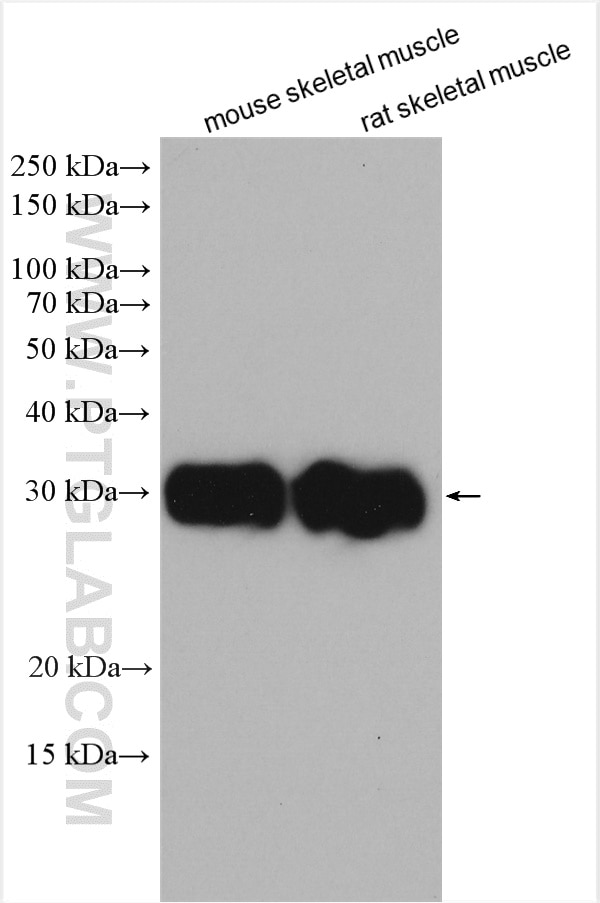
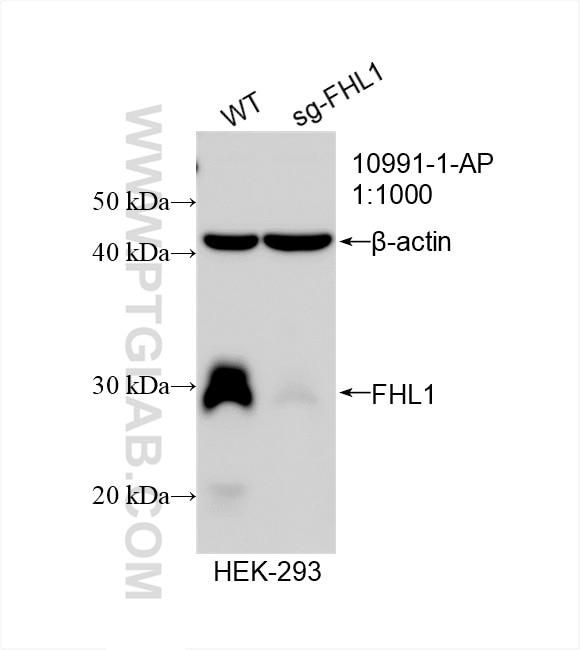
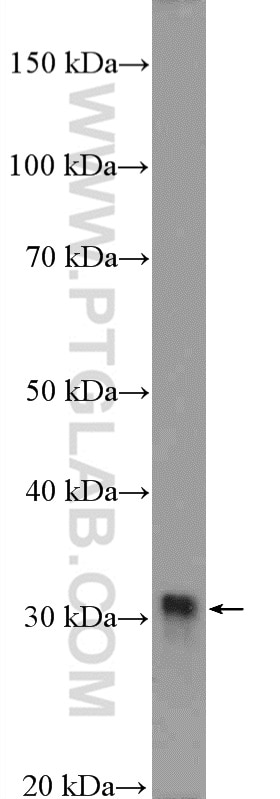
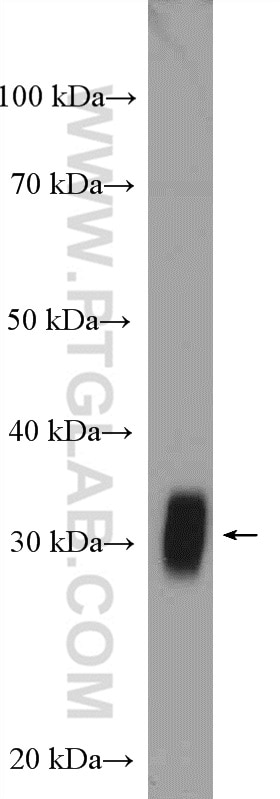
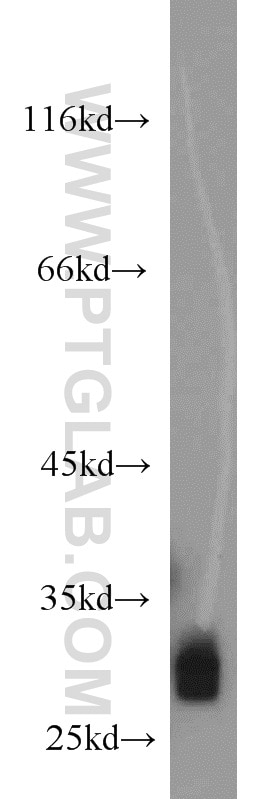
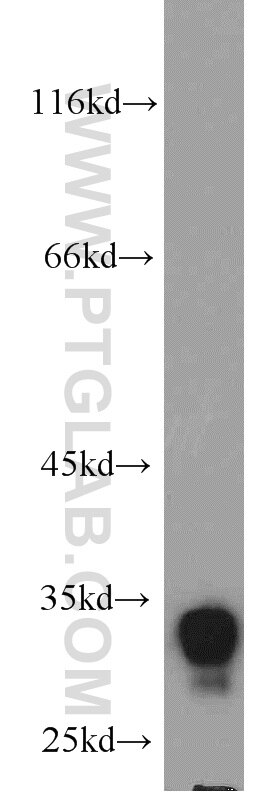
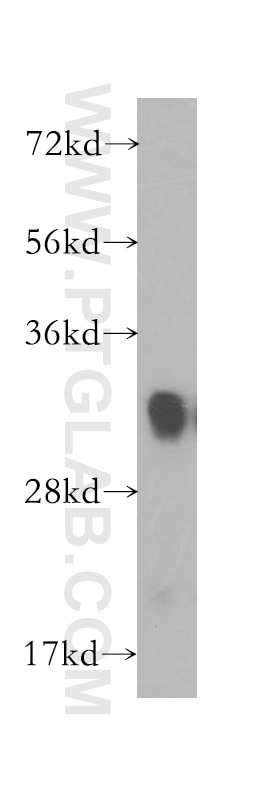
| Positive WB detected in | mouse skeletal muscle tissue, HEK-293 cells, human brain tissue, mouse colon tissue, rat skeletal muscle tissue |
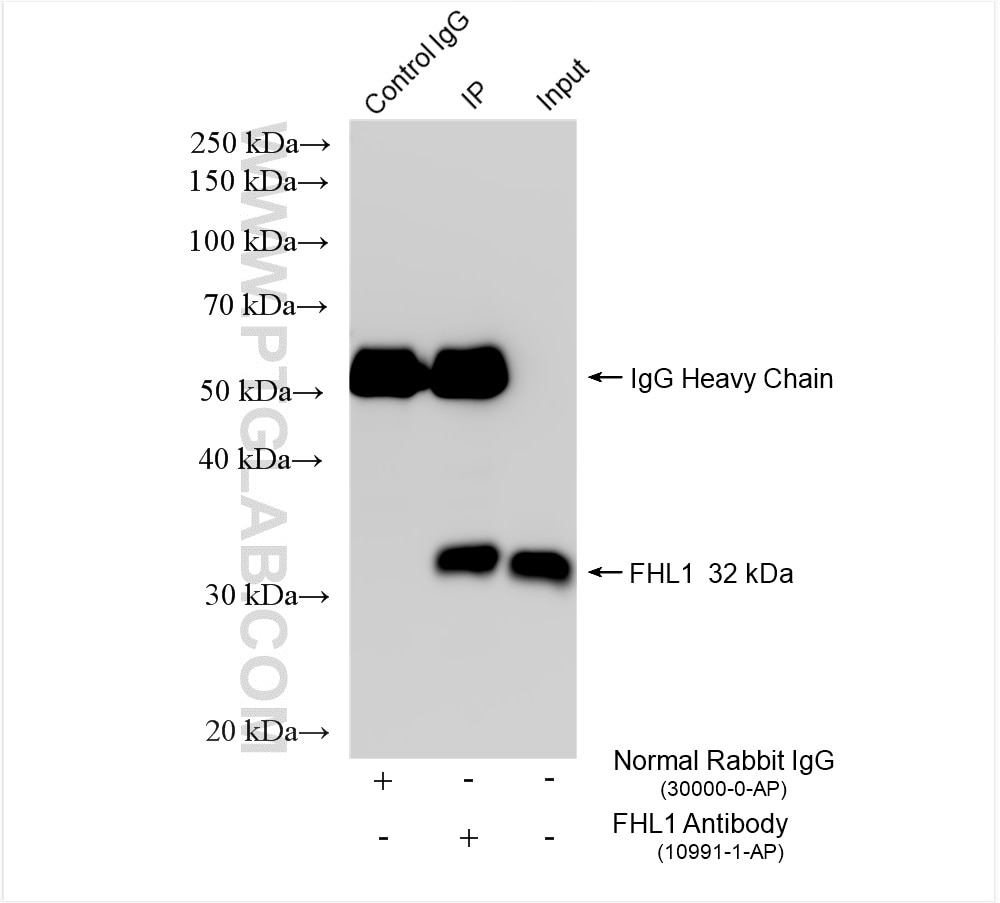
| Positive IP detected in | mouse skeletal muscle tissue |
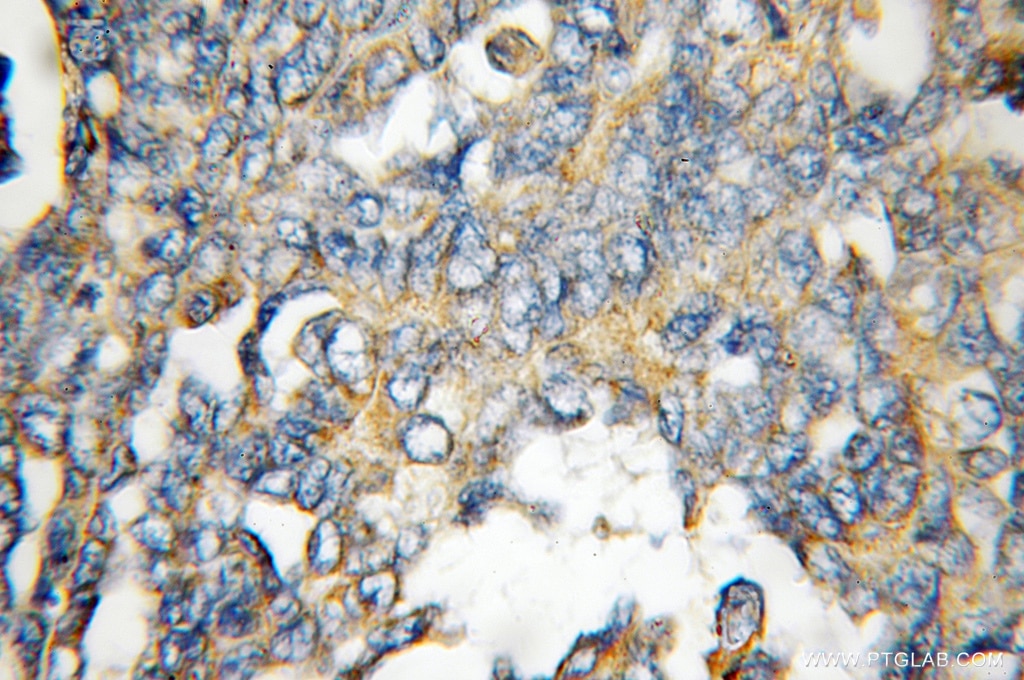
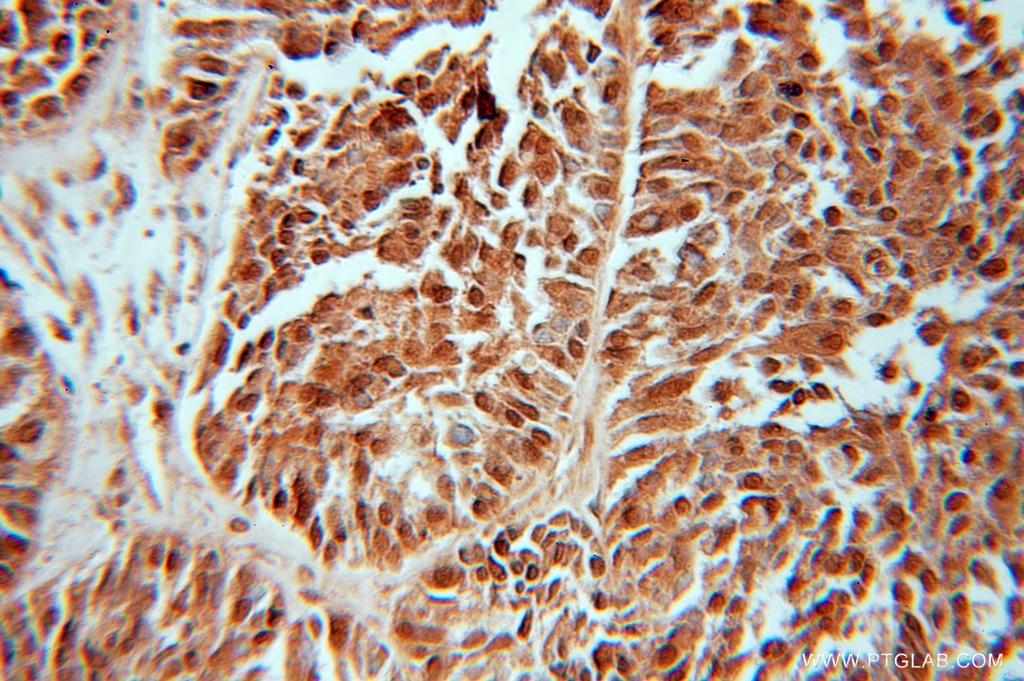
| Positive IHC detected in | human ovary tumor tissue Note: suggested antigen retrieval with TE buffer pH 9.0; (*) Alternatively, antigen retrieval may be performed with citrate buffer pH 6.0 |
Recommended dilution
| Application | Dilution |
|---|---|
| Western Blot (WB) | WB : 1:1000-1:8000 |
| Immunoprecipitation (IP) | IP : 0.5-4.0 ug for 1.0-3.0 mg of total protein lysate |
| Immunohistochemistry (IHC) | IHC : 1:20-1:200 |
| It is recommended that this reagent should be titrated in each testing system to obtain optimal results. | |
| Sample-dependent, Check data in validation data gallery. | |
Product Information
10991-1-AP targets FHL1 in WB, IHC, IF, IP, CoIP, ChIP, ELISA applications and shows reactivity with human, mouse, rat, zebrafish samples.
| Tested Reactivity | human, mouse, rat, zebrafish |
| Cited Reactivity | human, mouse, rat, zebrafish |
| Host / Isotype | Rabbit / IgG |
| Class | Polyclonal |
| Type | Antibody |
| Immunogen |
CatNo: Ag1448 Product name: Recombinant human FHL1 protein Source: e coli.-derived, PGEX-4T Tag: GST Domain: 1-280 aa of BC010998 Sequence: MAEKFDCHYCRDPLQGKKYVQKDGHHCCLKCFDKFCANTCVECRKPIGADSKEVHYKNRFWHDTCFRCAKCLHPLANETFVAKDNKILCNKCTTREDSPKCKGCFKAIVAGDQNVEYKGTVWHKDCFTCSNCKQVIGTGSFFPKGEDFYCVTCHETKFAKHCVKCNKAITSGGITYQDQPWHADCFVCVTCSKKLAGQRFTAVEDQYYCVDCYKNFVAKKCAGCKNPITGFGKGSSVVAYEGQSWHDYCFHCKKCSVNLANKRFVFHQEQVYCPDCAKKL Predict reactive species |
| Full Name | four and a half LIM domains 1 |
| Calculated Molecular Weight | 32 kDa |
| Observed Molecular Weight | 32 kDa |
| GenBank Accession Number | BC010998 |
| Gene Symbol | FHL1 |
| Gene ID (NCBI) | 2273 |
| RRID | AB_2104230 |
| Conjugate | Unconjugated |
| Form | Liquid |
| Purification Method | Antigen affinity purification |
| UNIPROT ID | Q13642 |
| Storage Buffer | PBS with 0.02% sodium azide and 50% glycerol, pH 7.3. |
| Storage Conditions | Store at -20°C. Stable for one year after shipment. Aliquoting is unnecessary for -20oC storage. 20ul sizes contain 0.1% BSA. |
Background Information
Four-and-a-half LIM domains 1 (FHL1), a member of the FHL protein family, which composed of FHL 1, 2, 3, 4 and ACT (activator of CREM), and characterized by an N-terminal half LIM domain followed by four complete LIM domains. FHL1 may contribute to sarcomere synthesis, assembly and biomechanical stress sensing. FHL1 is also a methylation-silenced tumor-suppressor gene on chromosome X in gastrointestinal cancers, which contributes to the formation of an epigenetic field for cancerization. FHL1(10991-1-AP) is highly expressed in skeletal muscle and to a lesser extent in heart, placenta, ovary, prostate, testis, small intestine, colon and spleen. This is a rabbit polyantibody raised against full length of human FHL1.
Protocols
| Product Specific Protocols | |
|---|---|
| IHC protocol for FHL1 antibody 10991-1-AP | Download protocol |
| IP protocol for FHL1 antibody 10991-1-AP | Download protocol |
| WB protocol for FHL1 antibody 10991-1-AP | Download protocol |
| Standard Protocols | |
|---|---|
| Click here to view our Standard Protocols |
Publications
What published studies show
The FHL1 antibody (Cat# 10991-1-AP) has 37 citations across journals including Nature, Nature Communications, JCI, Genes & Development, J Cell Biology, JBC, BMC Cancer, and PLoS One. Research fields span oncology (bladder, breast, lung, thyroid, pancreatic, and glioma cancers), cardiovascular disease (heart failure, cardiomyopathy), muscle disorders (myopathy), viral pathogenesis (chikungunya, alphaviruses), developmental biology (zebrafish), aging/healthspan, and atherosclerosis. Applications include WB, IHC, IF, CoIP, and ChIP.
| Species | Application | Title |
|---|---|---|
Nat Commun FHL1 promotes chikungunya and o'nyong-nyong virus infection and pathogenesis with implications for alphavirus vaccine design | ||
Nat Commun A signature motif in LIM proteins mediates binding to checkpoint proteins and increases tumour radiosensitivity.
| ||
J Clin Invest Human four-and-a-half LIM family members suppress tumor cell growth through a TGF-beta-like signaling pathway.
| ||
Phytomedicine Isovaleroylbinankadsurin A ameliorates atherosclerosis and restenosis by promoting LXRα signaling pathway and inhibiting TGF-β1 and FHL1 signaling pathways | ||
J Cachexia Sarcopenia Muscle MyoMed205 Counteracts Titin Hyperphosphorylation and the Expression of Contraction-Regulating Proteins in a Rat Model of HFpEF |











