
Product Information
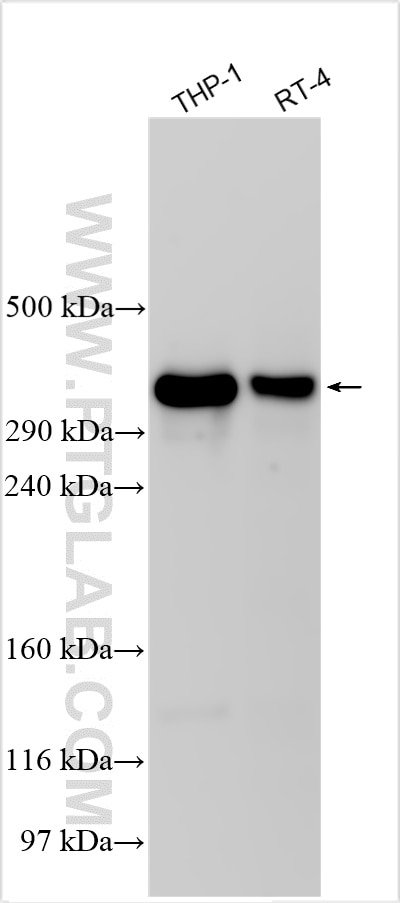
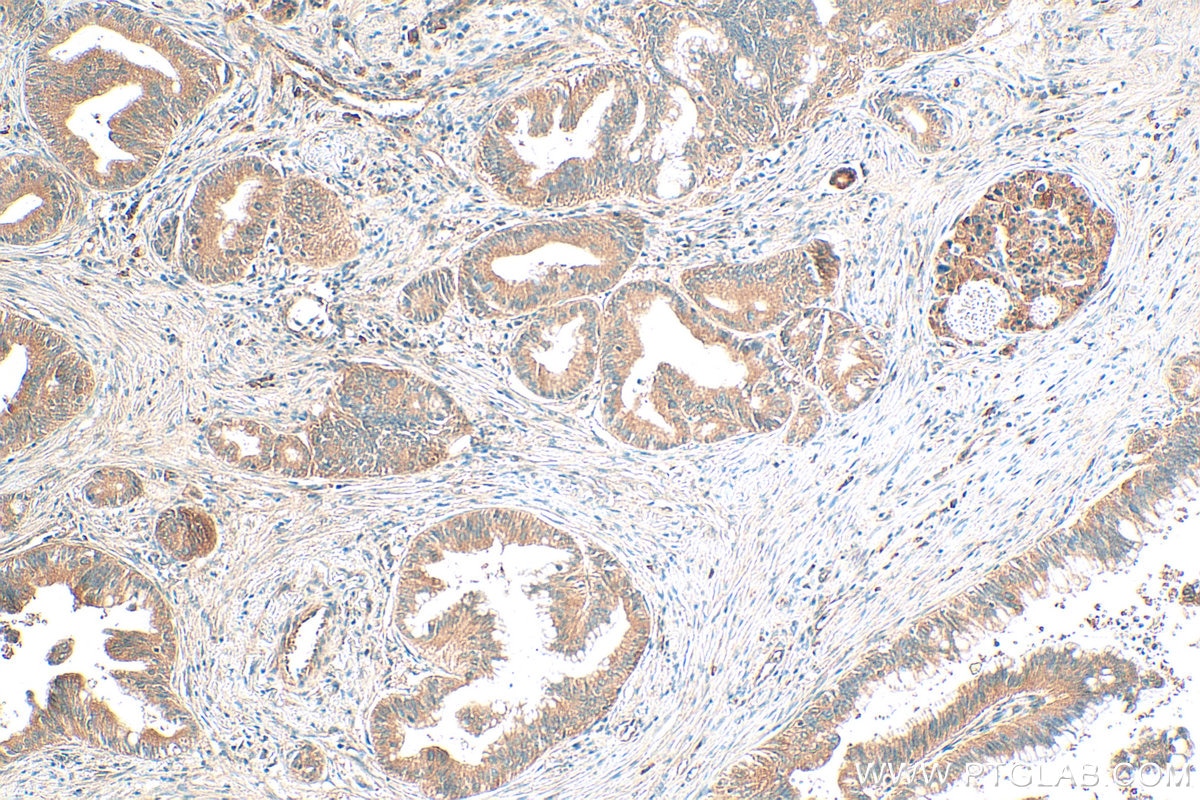
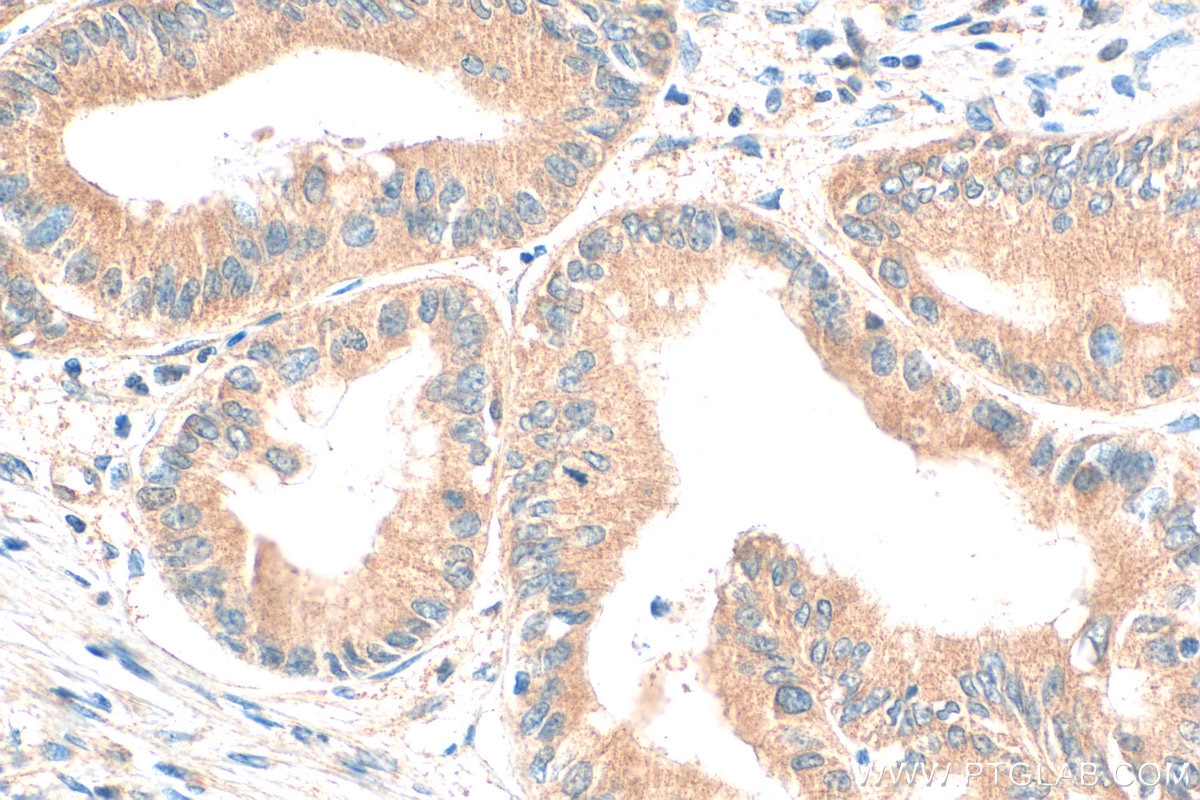
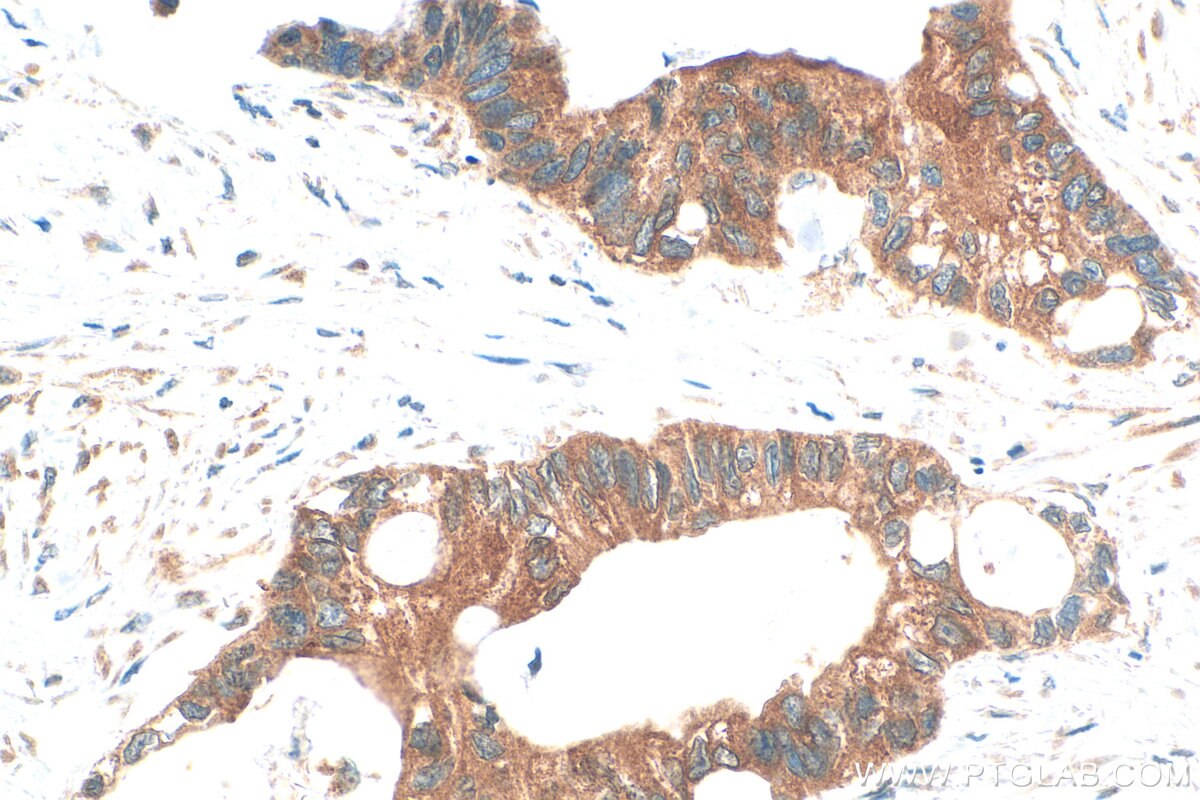
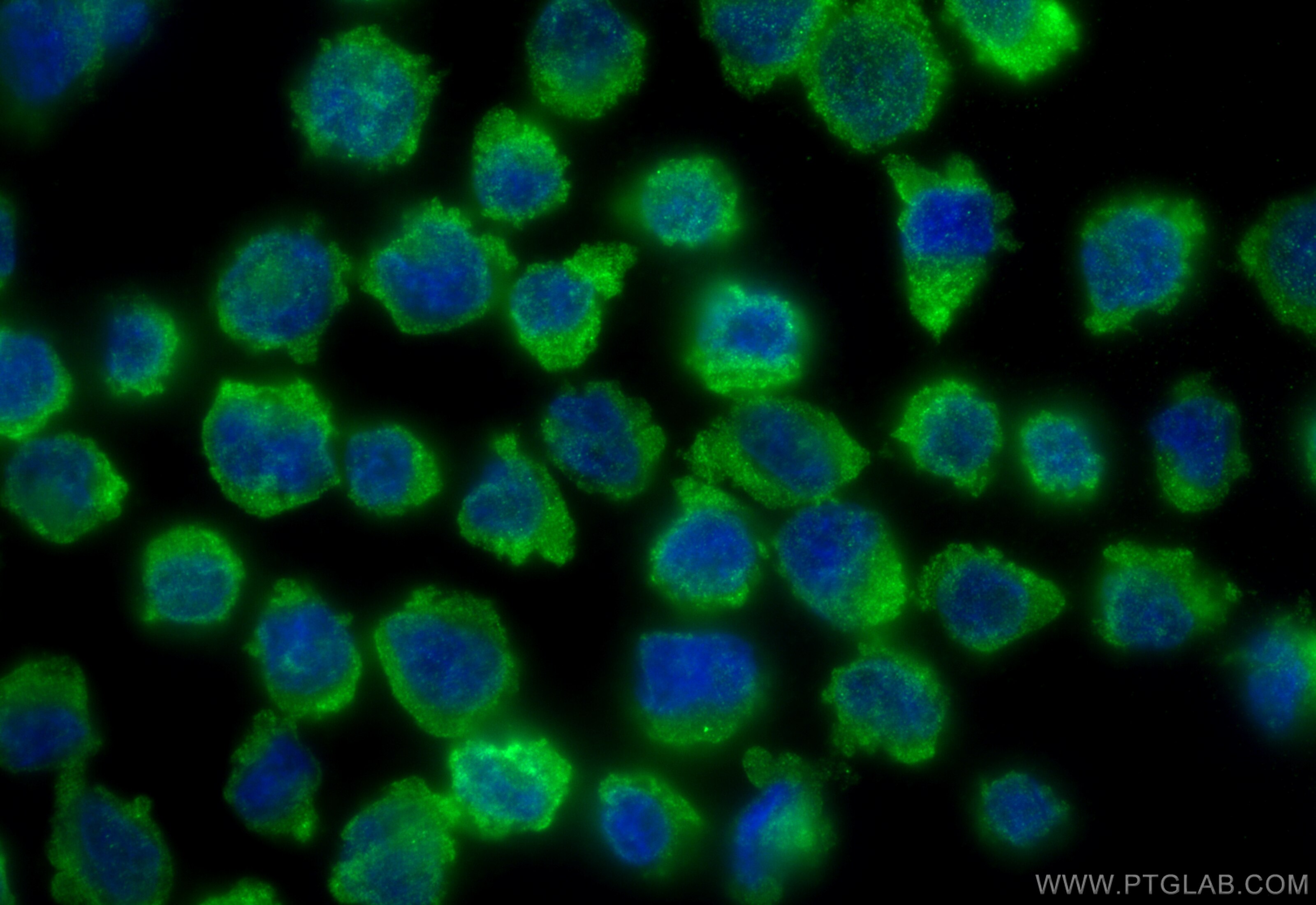
32075-1-PBS targets FRY in WB, IHC, IF/ICC, Indirect ELISA applications and shows reactivity with human samples.
| Tested Reactivity | human |
| Host / Isotype | Rabbit / IgG |
| Class | Polyclonal |
| Type | Antibody |
| Immunogen |
CatNo: Ag34959 Product name: Recombinant human FRY protein Source: e coli.-derived, PGEX-4T Tag: GST Domain: 2534-2680 aa of NM_023037 Sequence: LEHSDLIMTLSPSEETNPMELLTTACDSTPAEPHSFNTRMSSFDASLPDMNNLQISEGSKAEAVREEEDTTVHEDDLSSSINELPAAFECSDSFSLDMTEGEEKGNRALDQFTLASFGEGDRGVSPPPSPFFSAILAAFQPAACDDA Predict reactive species |
| Full Name | furry homolog (Drosophila) |
| Calculated Molecular Weight | 339 kDa |
| Observed Molecular Weight | 340 kDa |
| GenBank Accession Number | NM_023037 |
| Gene Symbol | FRY |
| Gene ID (NCBI) | 10129 |
| RRID | AB_3742522 |
| Conjugate | Unconjugated |
| Form | Liquid |
| Purification Method | Antigen affinity Purification |
| UNIPROT ID | Q5TBA9 |
| Storage Buffer | PBS only, pH 7.3. |
| Storage Conditions | Store at -80°C. |
Background Information
The FRY gene encodes a protein involved in cell cycle regulation and DNA damage response. It plays a crucial role in the G2/M checkpoint, ensuring cells complete DNA repair before entering mitosis by activating the ATR-CHK1 signaling pathway. FRY is expressed in various tissues, including brain, liver, and testis, with notable expression in Sertoli and spermatogonial cells. Aberrant FRY function is associated with multiple diseases, such as cancer and neurodegenerative disorders. In cancer cells, FRY expression can influence proliferation and survival. Understanding FRY's role in cell cycle control and genome stability is vital for elucidating disease mechanisms and developing targeted therapies.






