
Product Information
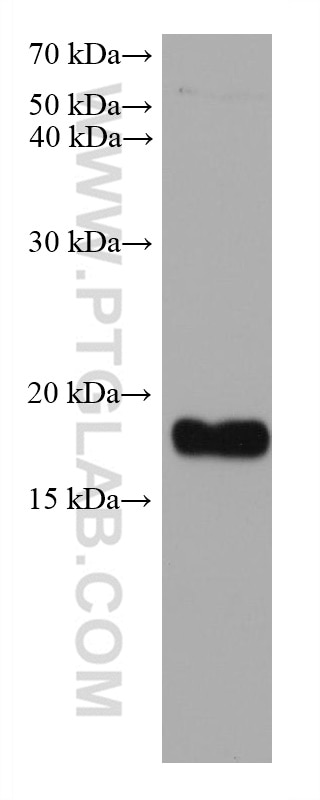
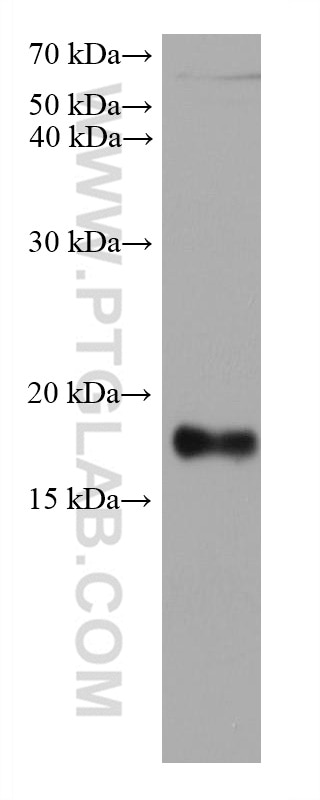
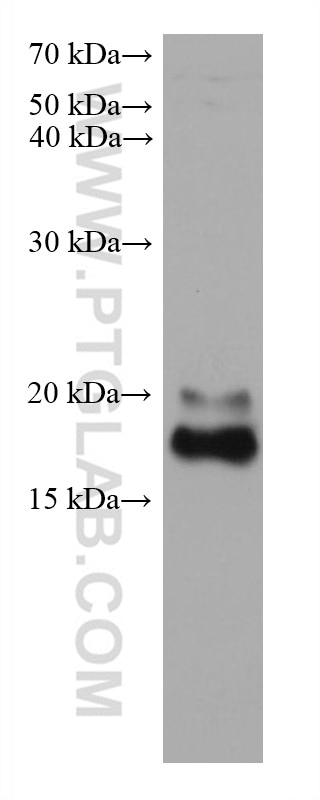
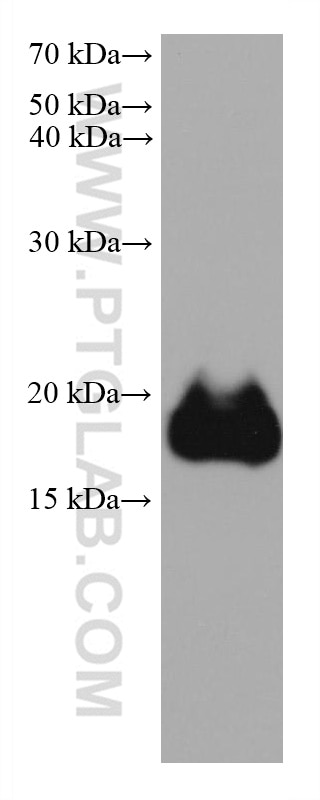
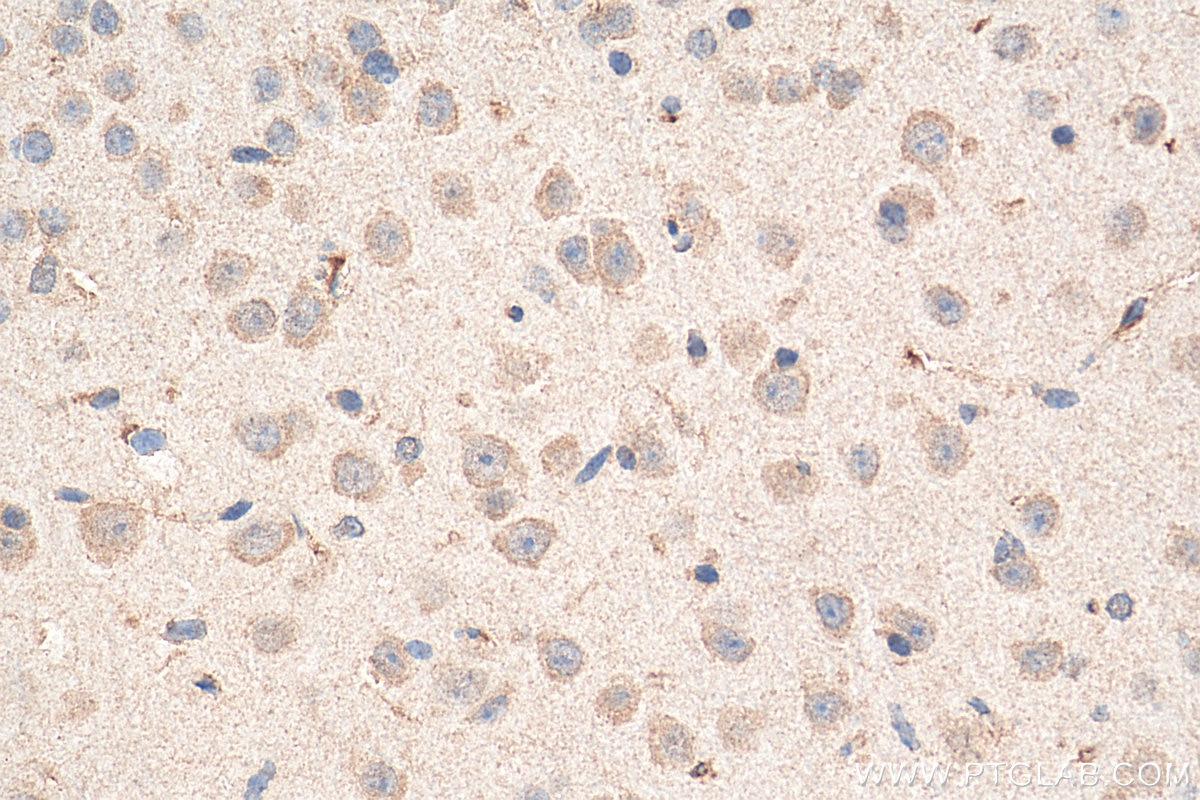
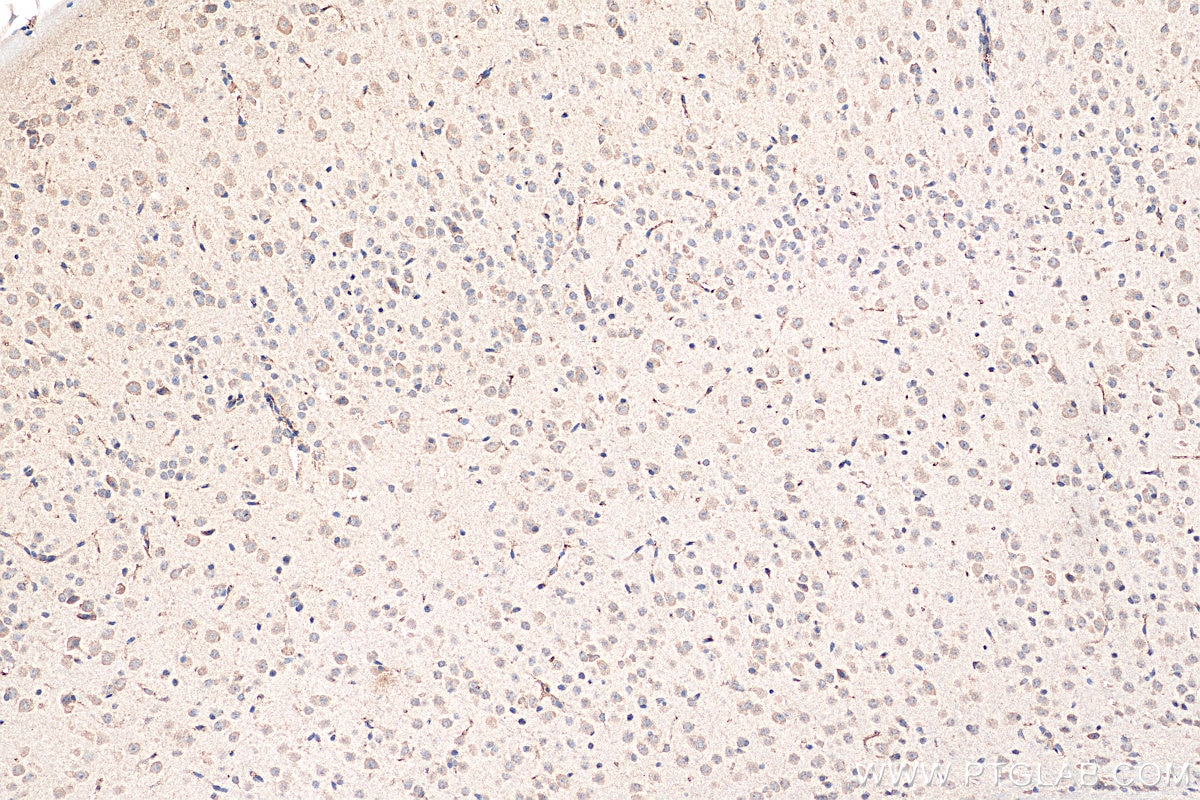
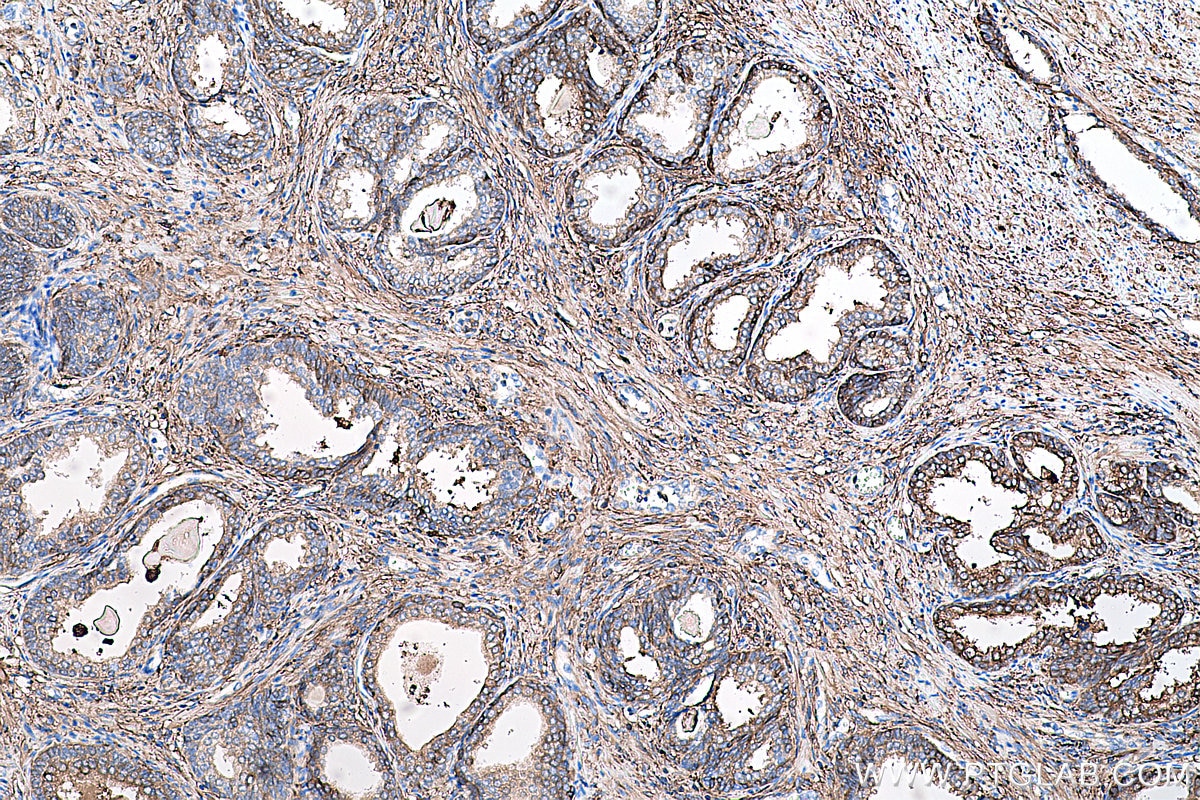
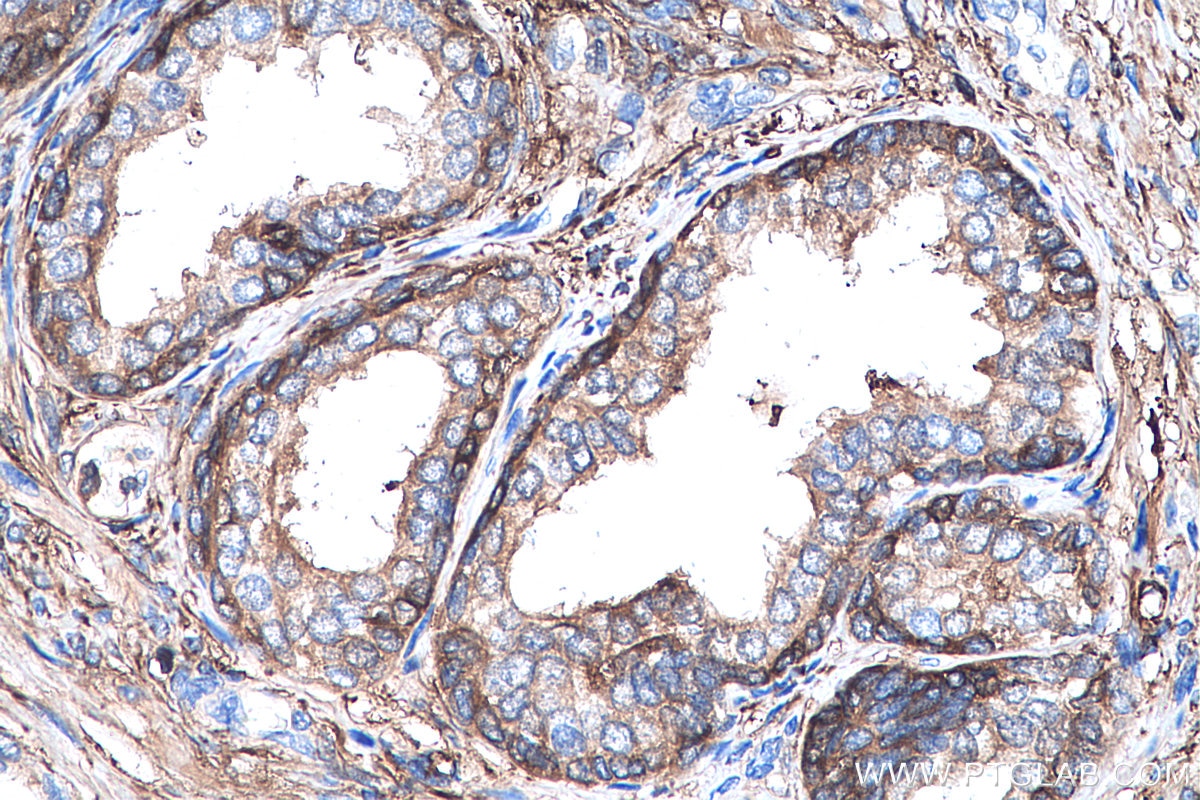
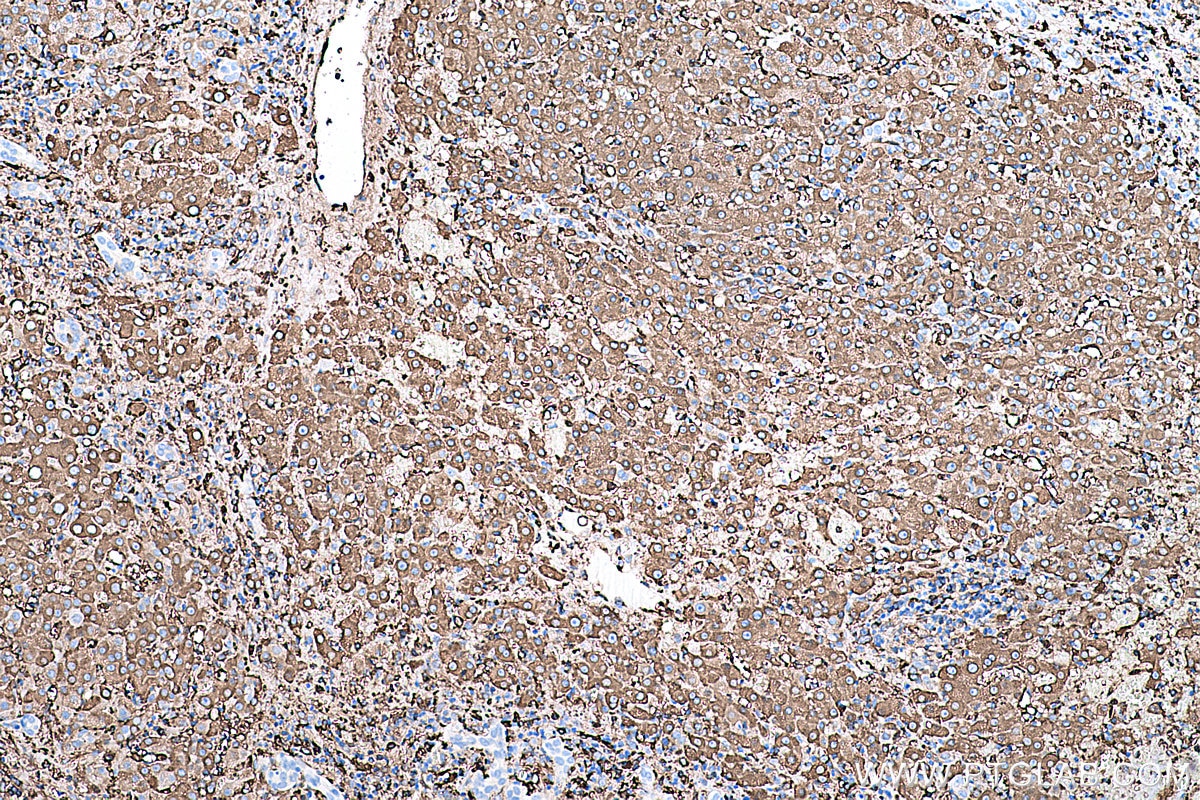
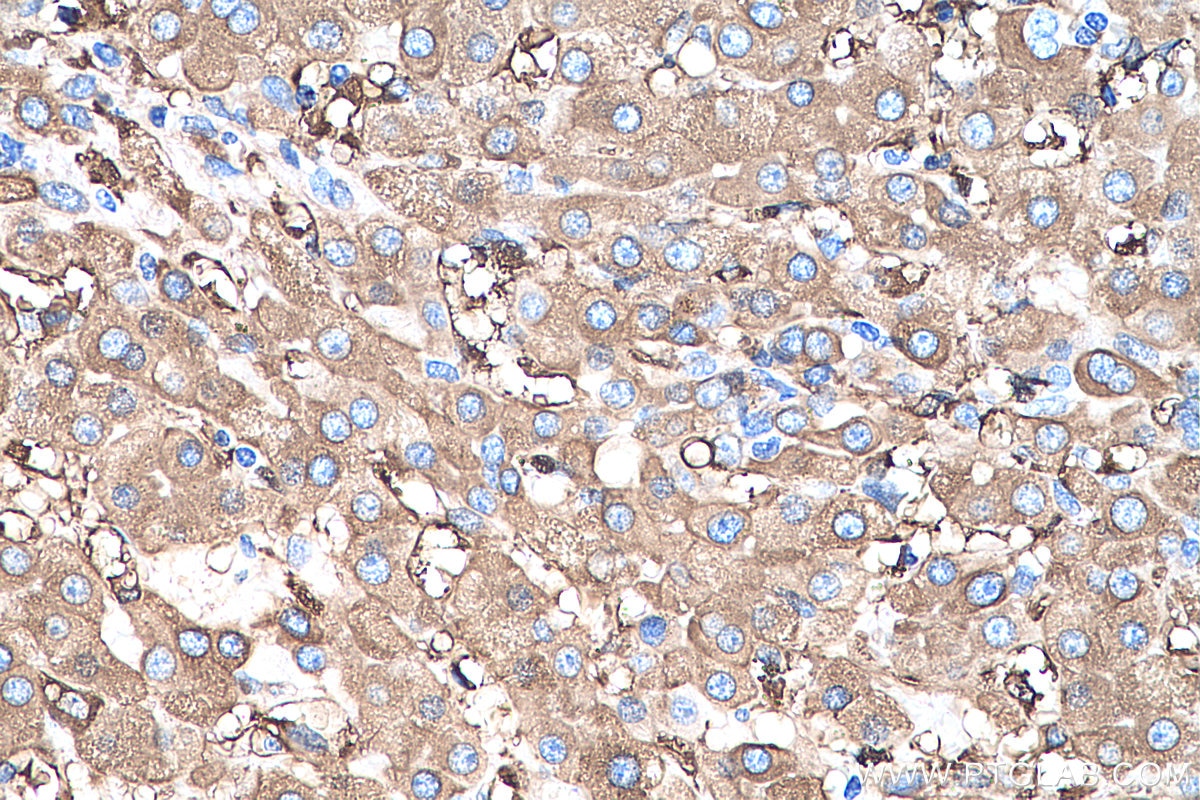
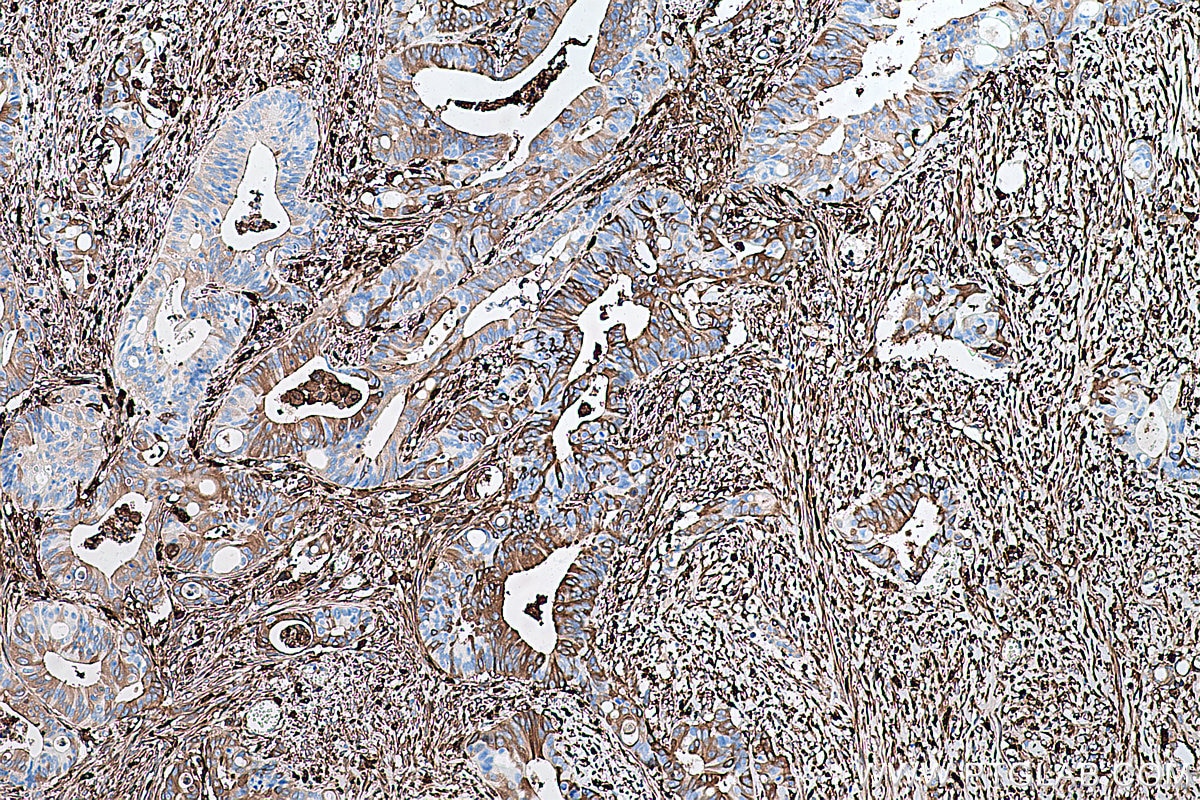
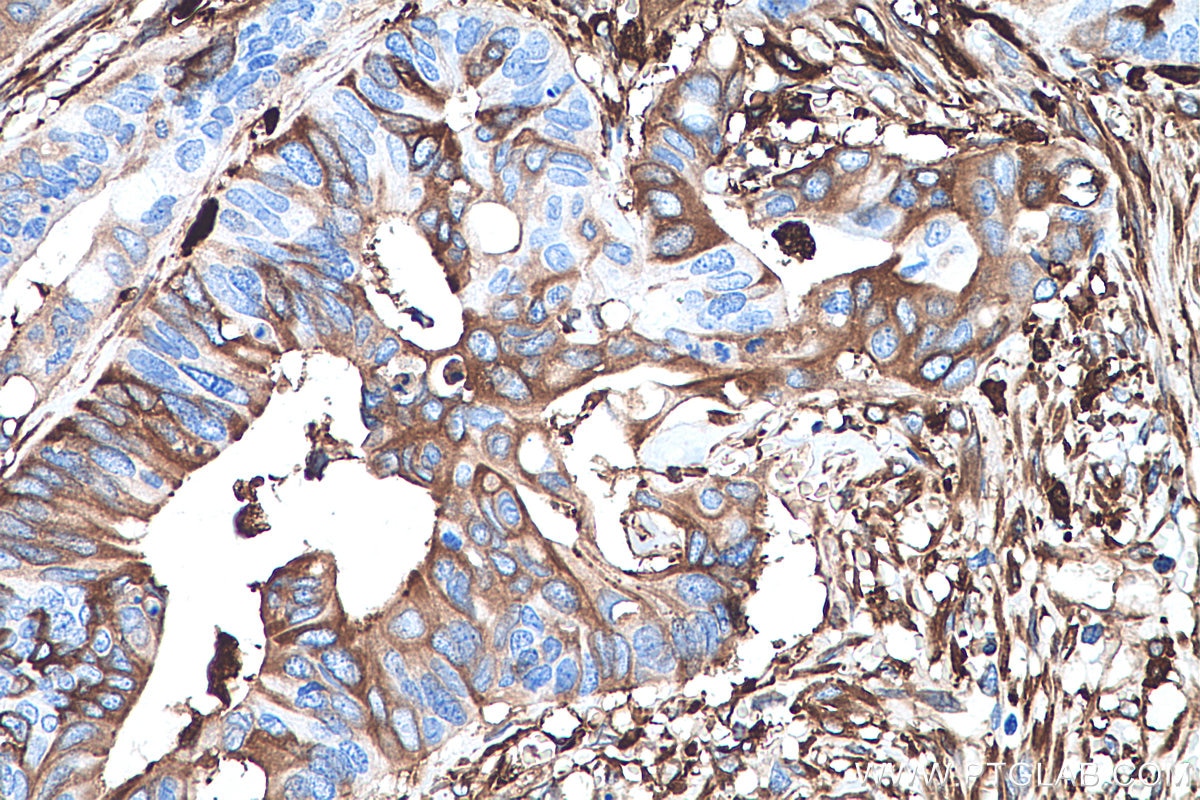
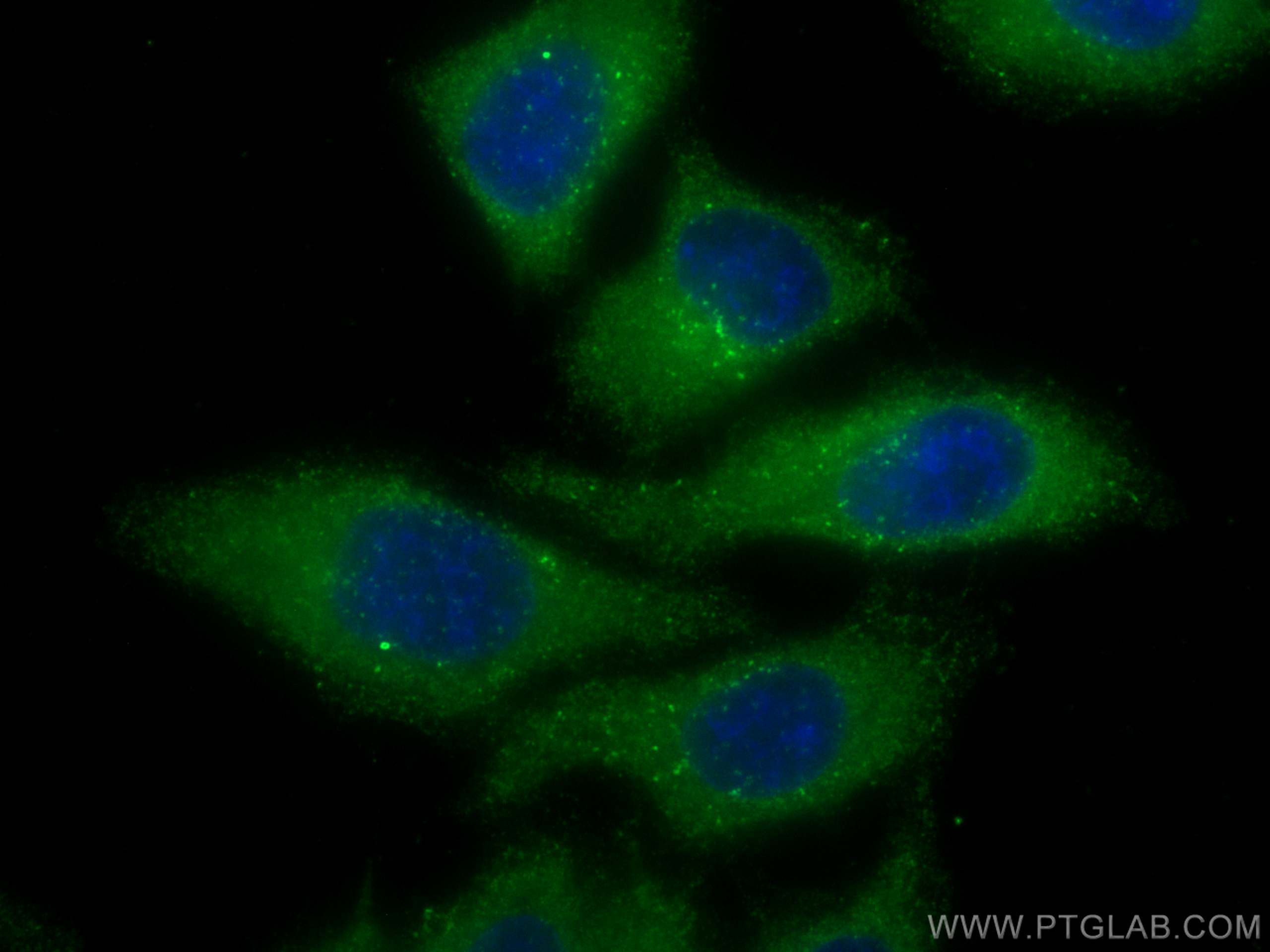
68068-1-PBS targets Ferritin light chain in WB, IHC, IF/ICC, ELISA applications and shows reactivity with Human, Mouse samples.
| Tested Reactivity | Human, Mouse |
| Host / Isotype | Mouse / IgG1 |
| Class | Monoclonal |
| Type | Antibody |
| Immunogen |
CatNo: Ag20637 Product name: Recombinant human FTL protein Source: e coli.-derived, PET28a Tag: 6*His Domain: 1-175 aa of BC008439 Sequence: MSSQIRQNYSTDVEAAVNSLVNLYLQASYTYLSLGFYFDRDDVALEGVSHFFRELAEEKREGYERLLKMQNQRGGRALFQDIKKPAEDEWGKTPDAMKAAMALEKKLNQALLDLHALGSARTDPHLCDFLETHFLDEEVKLIKKMGDHLTNLHRLGGPEAGLGEYLFERLTLKHD Predict reactive species |
| Full Name | ferritin, light polypeptide |
| Calculated Molecular Weight | 19 kDa |
| Observed Molecular Weight | 18 kDa |
| GenBank Accession Number | BC008439 |
| Gene Symbol | Ferritin light chain |
| Gene ID (NCBI) | 2512 |
| RRID | AB_2918809 |
| Conjugate | Unconjugated |
| Form | Liquid |
| Purification Method | Protein G purification |
| UNIPROT ID | P02792 |
| Storage Buffer | PBS only, pH 7.3. |
| Storage Conditions | Store at -80°C. |
Background Information
FTL belongs to the ferritin family. It stores iron in a soluble, non-toxic, readily available form. FTL is important for iron homeostasis. It plays a role in delivery of iron to cells. FTL mediates iron uptake in capsule cells of the developing kidney. Mutation of FTL will cause hereditary hyperferritinemia-cataract syndrome (HHCS) or neurodegeneration with brain iron accumulation type 3 (NBIA3). Ferritin light polypeptide (FTL) and ferritin heavy polypeptide (FTH1) were the main constituents the striatum and cerebellar cortex revealed.














