

Tested Applications
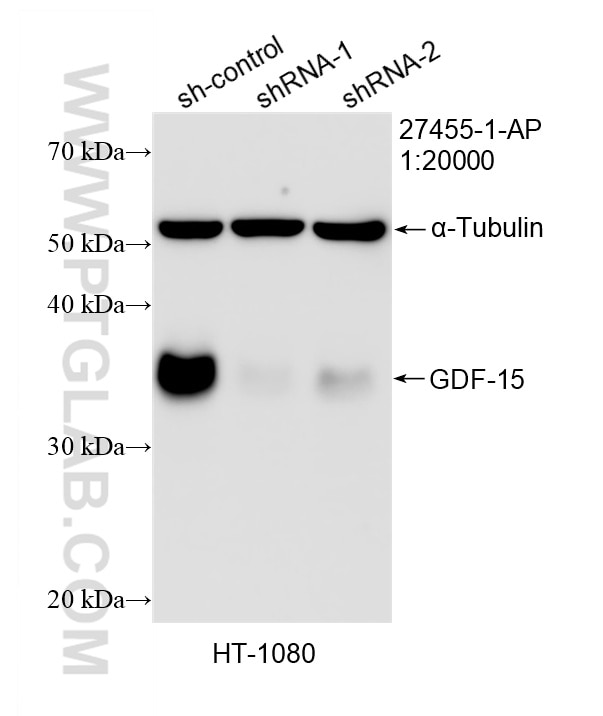
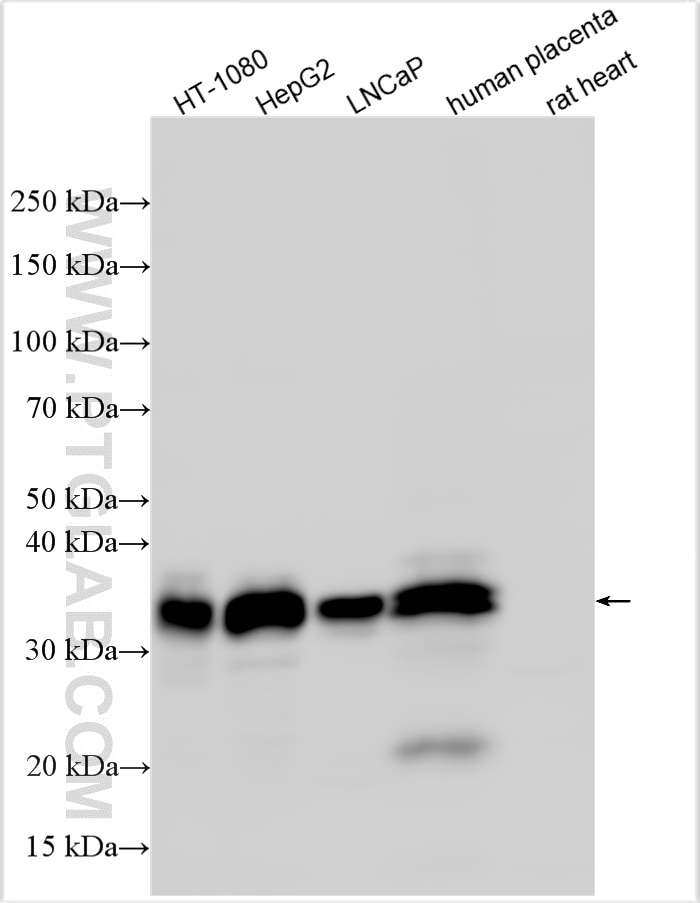
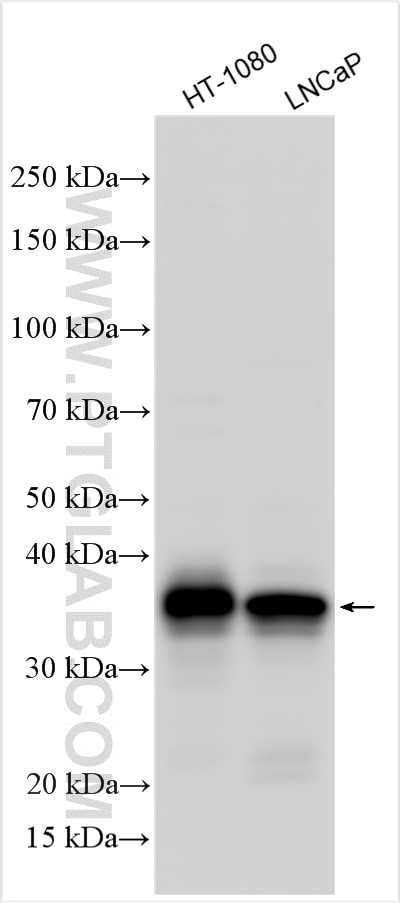
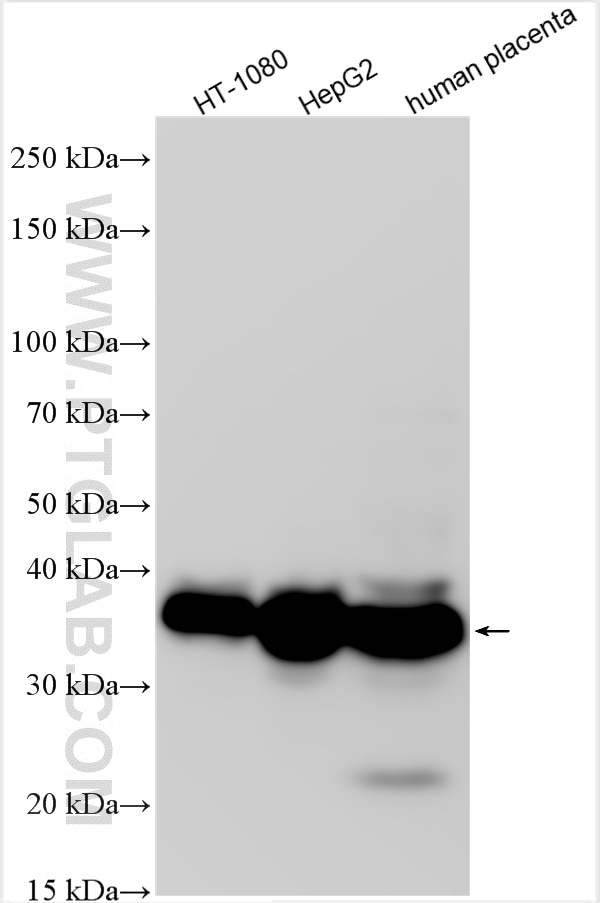
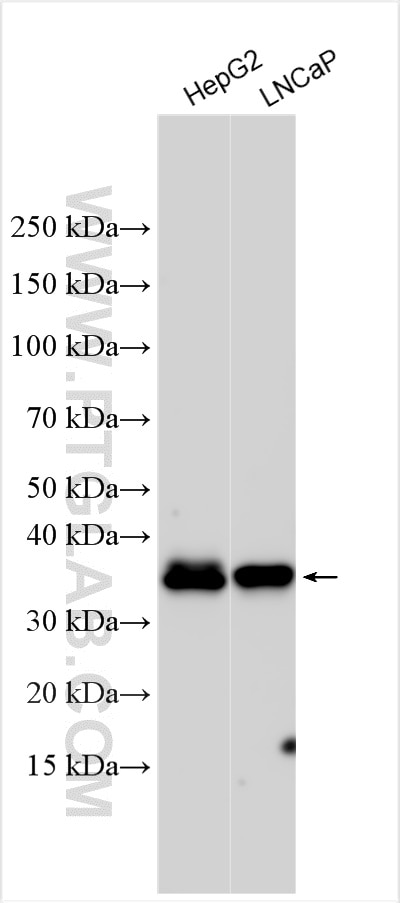
| Positive WB detected in | HT-1080 cells, HepG2 cells, LNCaP cells, human placenta tissue |
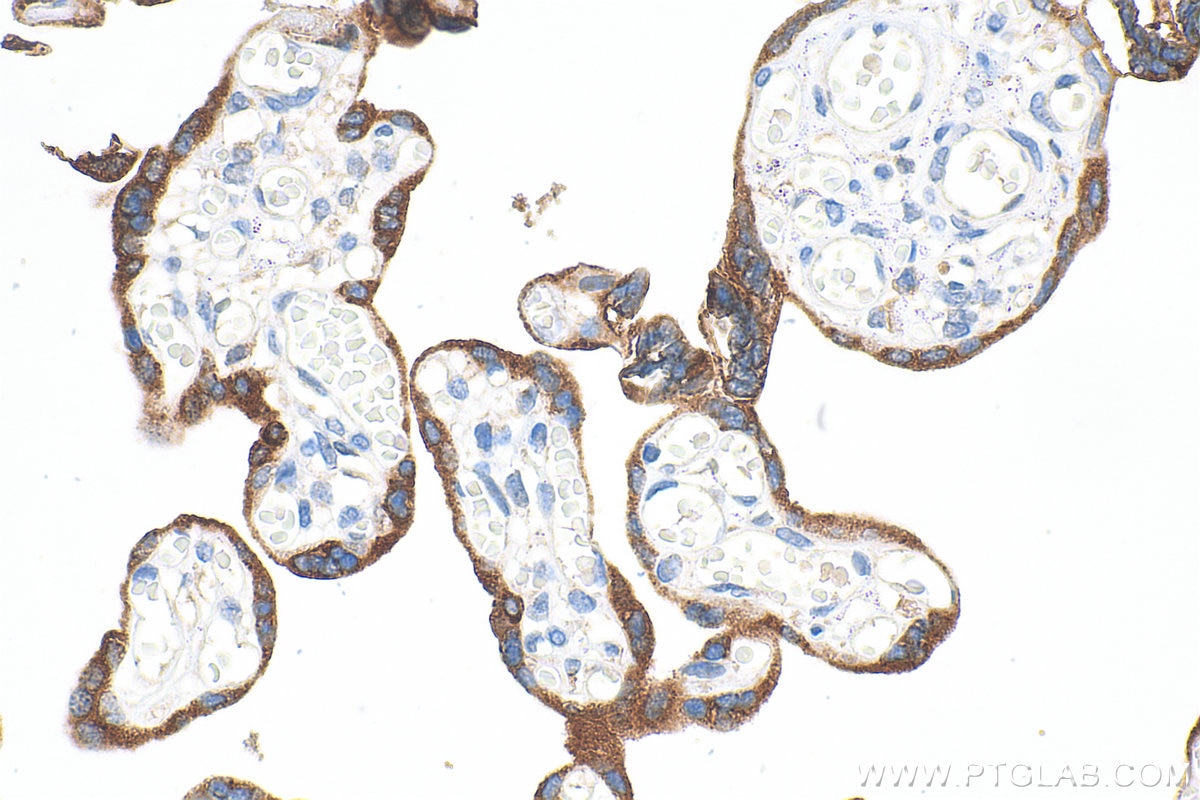
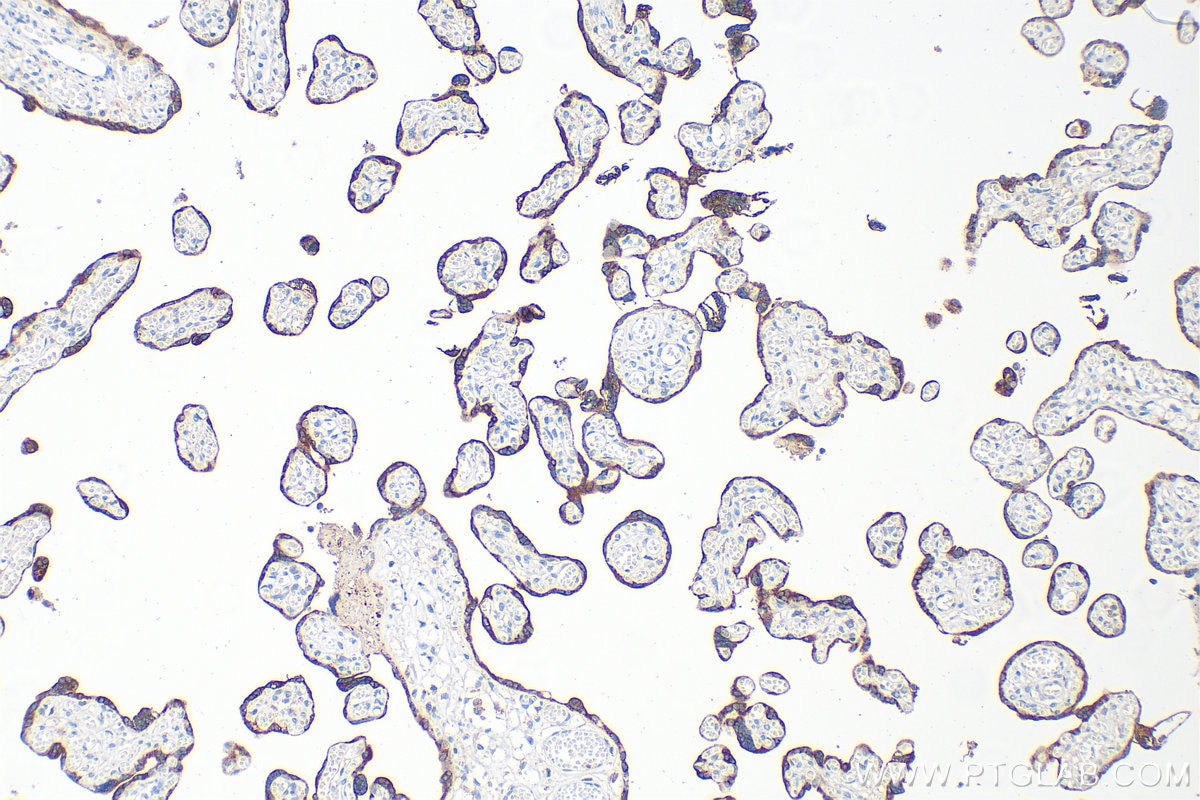
| Positive IHC detected in | human placenta tissue Note: suggested antigen retrieval with TE buffer pH 9.0; (*) Alternatively, antigen retrieval may be performed with citrate buffer pH 6.0 |
Recommended dilution
| Application | Dilution |
|---|---|
| Western Blot (WB) | WB : 1:5000-1:50000 |
| Immunohistochemistry (IHC) | IHC : 1:1000-1:4000 |
| It is recommended that this reagent should be titrated in each testing system to obtain optimal results. | |
| Sample-dependent, Check data in validation data gallery. | |
Product Information
27455-1-AP targets GDF-15 in WB, IHC, IF, CoIP, ELISA applications and shows reactivity with human samples.
| Tested Reactivity | human |
| Cited Reactivity | human |
| Host / Isotype | Rabbit / IgG |
| Class | Polyclonal |
| Type | Antibody |
| Immunogen |
CatNo: Ag26760 Product name: Recombinant human GDF15 protein Source: e coli.-derived, PGEX-4T Tag: GST Domain: 30-308 aa of BC008962 Sequence: LSLAEASRASFPGPSELHSEDSRFRELRKRYEDLLTRLRANQSWEDSNTDLVPAPAVRILTPEVRLGSGGHLHLRISRAALPEGLPEASRLHRALFRLSPTASRSWDVTRPLRRQLSLARPQAPALHLRLSPPPSQSDQLLAESSSARPQLELHLRPQAARGRRRARARNGDHCPLGPGRCCRLHTVRASLEDLGWADWVLSPREVQVTMCIGACPSQFRAANMHAQIKTSLHRLKPDTVPAPCCVPASYNPMVLIQKTDTGVSLQTYDDLLAKDCHCI Predict reactive species |
| Full Name | growth differentiation factor 15 |
| Calculated Molecular Weight | 34 kDa |
| Observed Molecular Weight | 34 kDa |
| GenBank Accession Number | BC008962 |
| Gene Symbol | GDF15 |
| Gene ID (NCBI) | 9518 |
| RRID | AB_2880875 |
| Conjugate | Unconjugated |
| Form | Liquid |
| Purification Method | Antigen affinity purification |
| UNIPROT ID | Q99988 |
| Storage Buffer | PBS with 0.02% sodium azide and 50% glycerol, pH 7.3. |
| Storage Conditions | Store at -20°C. Stable for one year after shipment. Aliquoting is unnecessary for -20oC storage. 20ul sizes contain 0.1% BSA. |
Background Information
Growth differentiation factor 15 (GDF15), also known as macrophage inhibitory cytokine-1 (MIC-1), is a protein of the transforming growth factor beta (TGFb) superfamily that regulates inflammatory and apoptotic pathways in injured tissues and during disease processes. GDF15 is a stress-induced cytokine and associated with hypoxia, inflammation and oxidative stress, it is also released from endothelial cells after stimulation with pro-inflammatory cytokines. GDF15 has been suggested as a target and biomarker for cardiovascular disease as it plays a cardioprotective role in the adult heart. GDF15 is highly expressed in the placenta. GDF15 is known to be involved in human embryo development and necessary for the maintenance of pregnancy. GDF15 is also produced by adipocytes in response to oxidative stress, a well-known factor associated with preeclampsia.
Protocols
| Product Specific Protocols | |
|---|---|
| IHC protocol for GDF-15 antibody 27455-1-AP | Download protocol |
| WB protocol for GDF-15 antibody 27455-1-AP | Download protocol |
| Standard Protocols | |
|---|---|
| Click here to view our Standard Protocols |
Publications
What published studies show
The GDF15 antibody (Cat# 27455-1-AP) has 62 citations across journals including Nature, Neuron, Nat Commun, EMBO Mol Med, Cell Death Discov, PNAS, Sci Rep, Int Immunopharmacol, and J Neuroinflammation. Research fields span oncology (prostate, colorectal, breast, pancreatic, melanoma, gastric cancer), neuroscience (stroke, Parkinson's disease, multiple sclerosis), immunology/inflammation (sepsis, lupus, macrophage polarization), cardiovascular disease, ferroptosis, EMT/metastasis, and aging/senescence.
| Species | Application | Title |
|---|---|---|
Nat Commun Dual functions of SPOP and ERG dictate androgen therapy responses in prostate cancer. | ||
Exp Mol Med BET inhibitors synergize with sunitinib in melanoma through GDF15 suppression
| ||
J Adv Res Growth differentiation factor 15 impairs periodontal ligament stem cell proteostasis via integrated stress response to drive diabetic periodontitis. | ||
Neuron Integrated omics reveals disease-associated radial glia-like cells with epigenetically dysregulated interferon response in multiple sclerosis. | ||
J Nanobiotechnology Dual-responsive nanoparticles targeting ACE-II senescence for therapeutic mitigation of acute lung injury |
Reviews
What customers say
The single review for this product is highly positive (5/5). Anna Kirk reported successful use in Western Blot on human tissue with a 1:5000 dilution (lot 00140709), noting that it "works nicely" for the application. Overall, the feedback confirms reliable performance for WB at the recommended dilution.
The reviews below have been submitted by verified Proteintech customers who received an incentive for providing their feedback.
Anna (Verified Customer) (08-01-2025) | Working nicely for Western Blot applications using a dilution of 1:5000.
|








