

Tested Applications
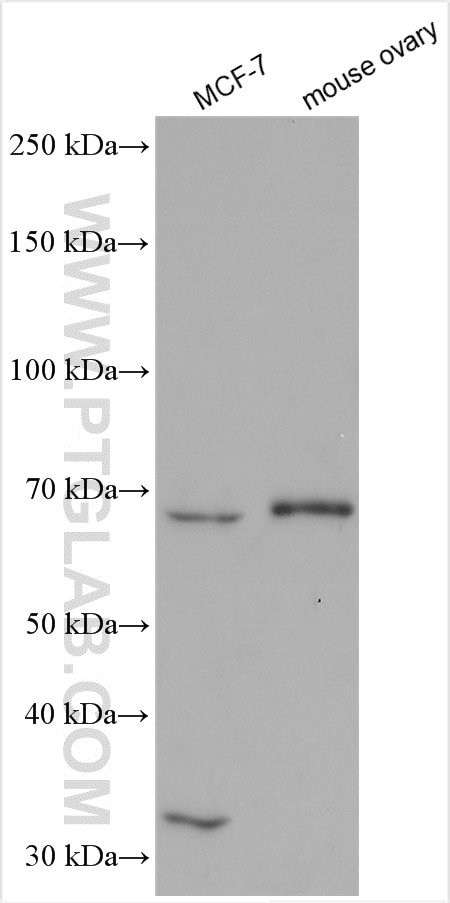
| Positive WB detected in | MCF-7 cells, mouse ovary tissue |
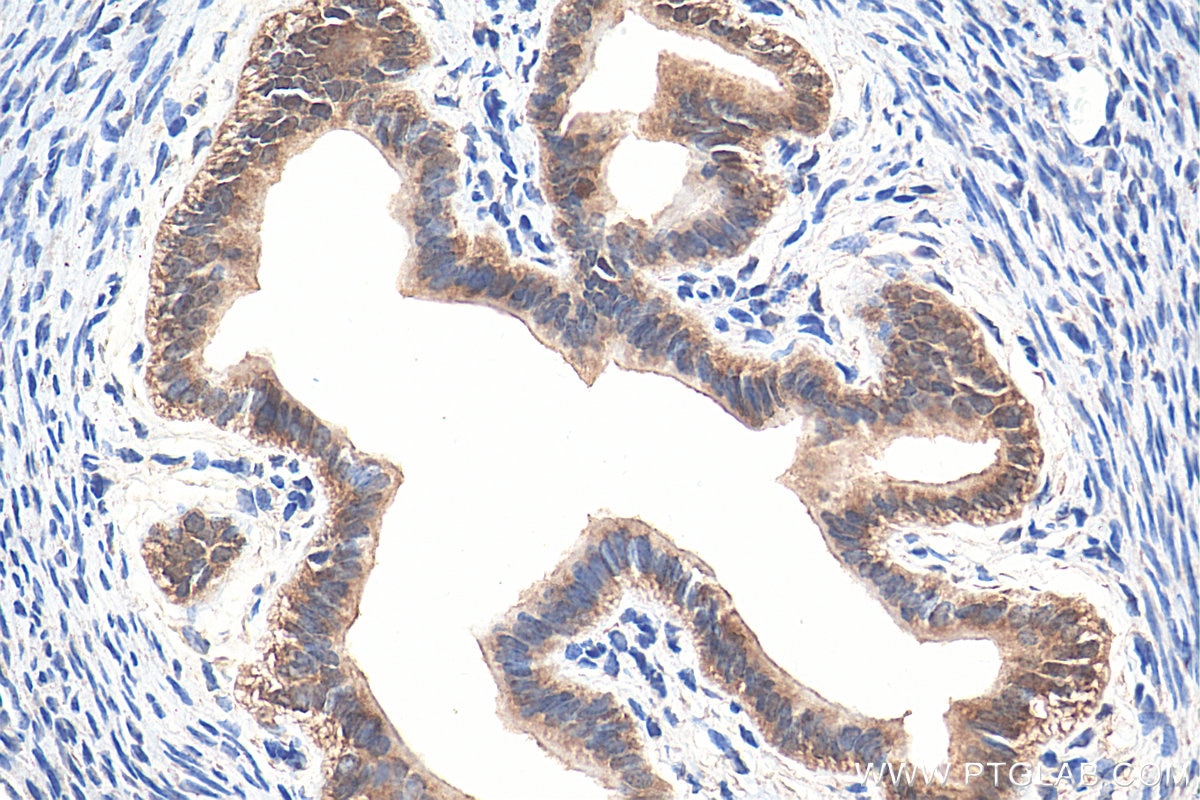
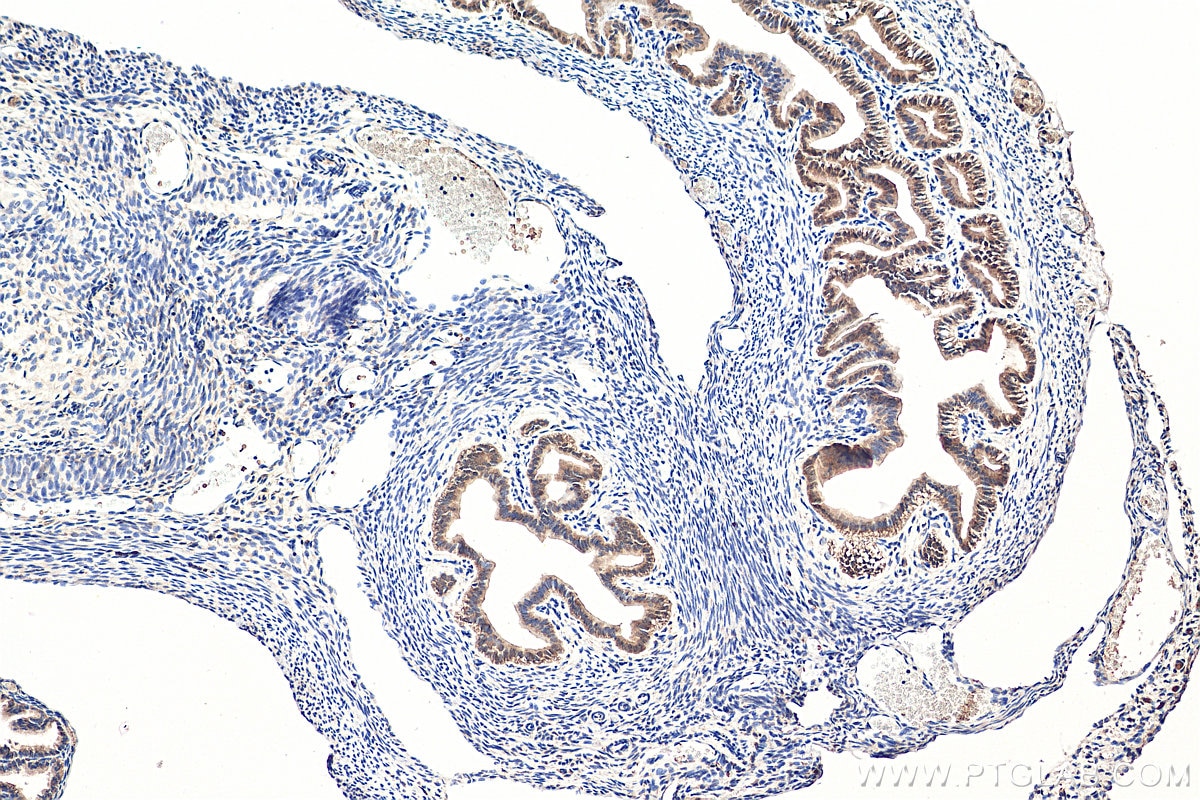
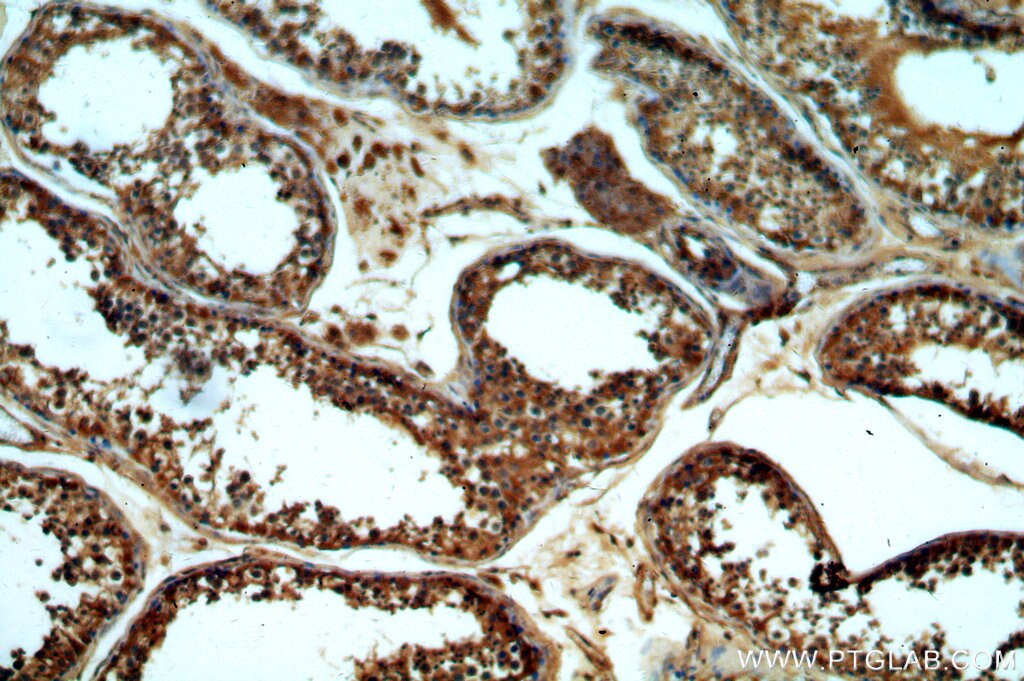
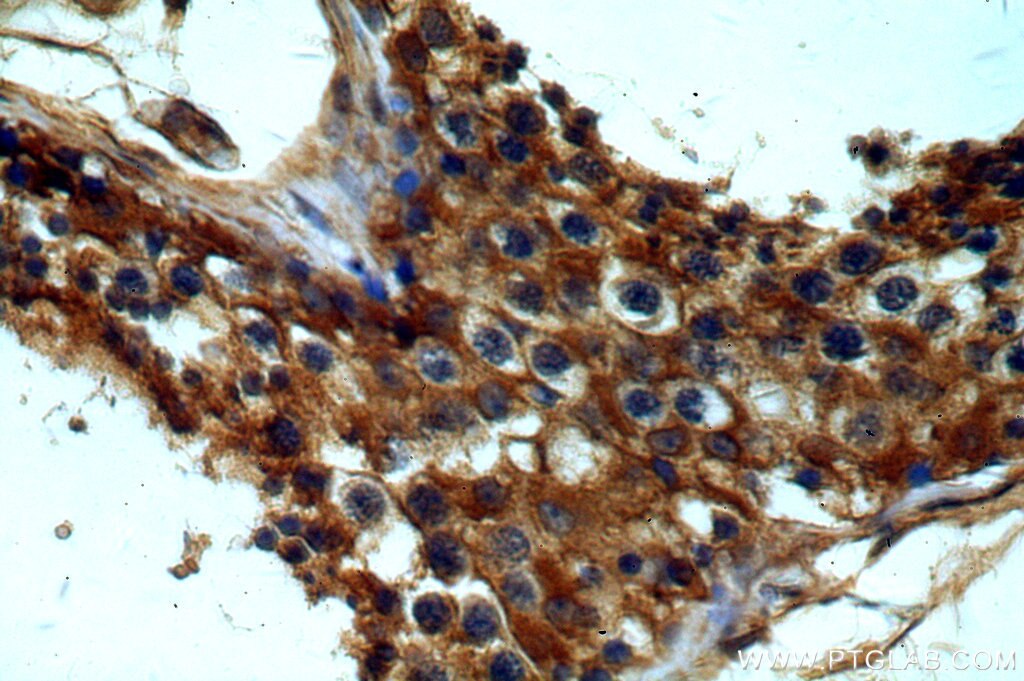
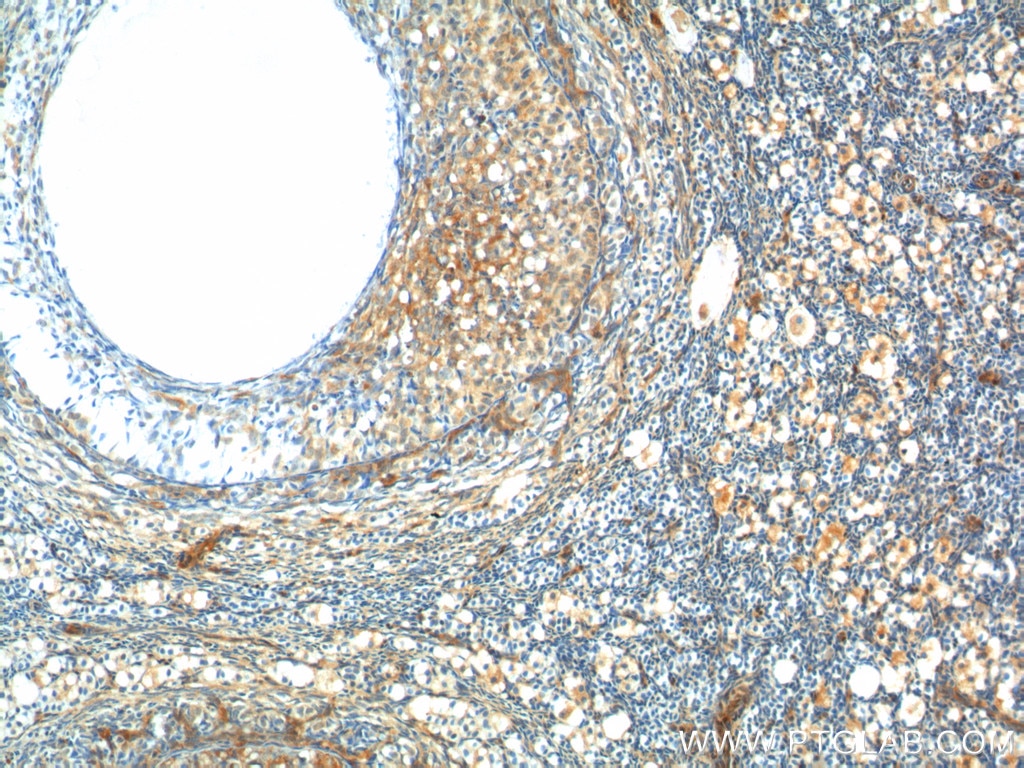
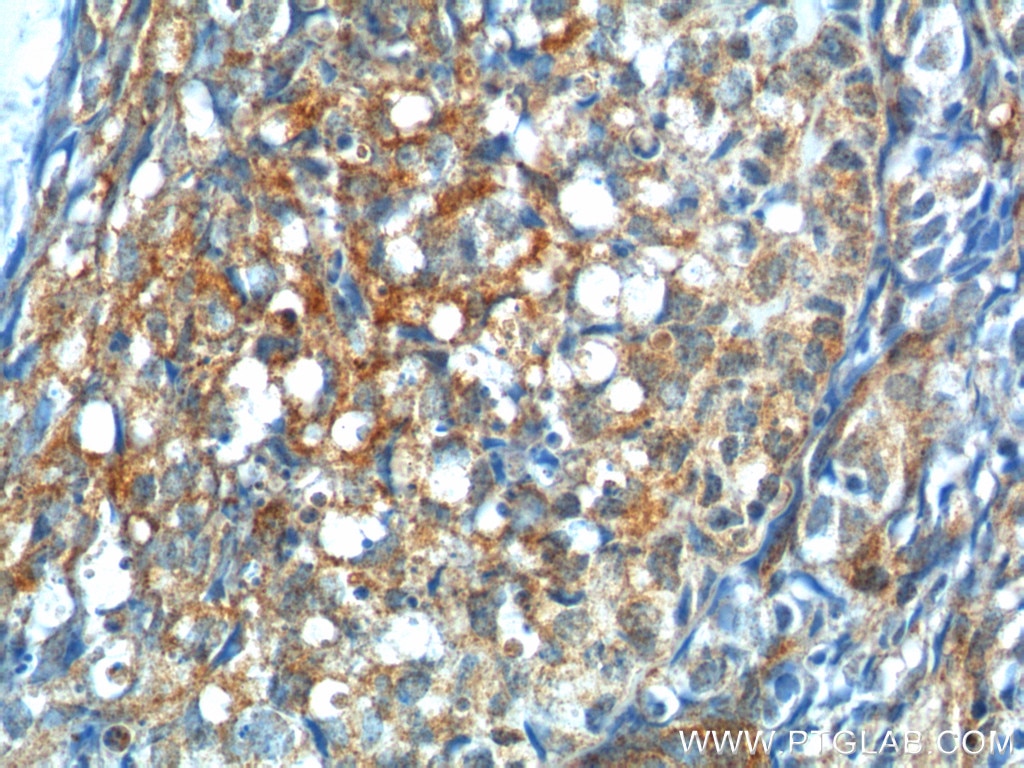
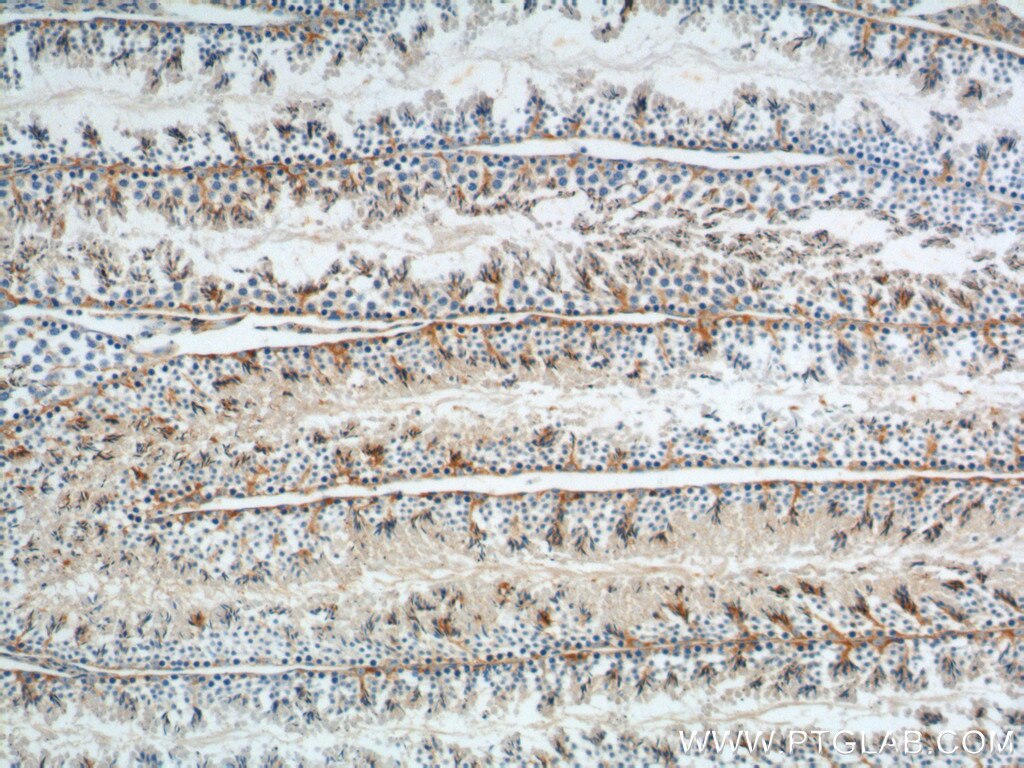
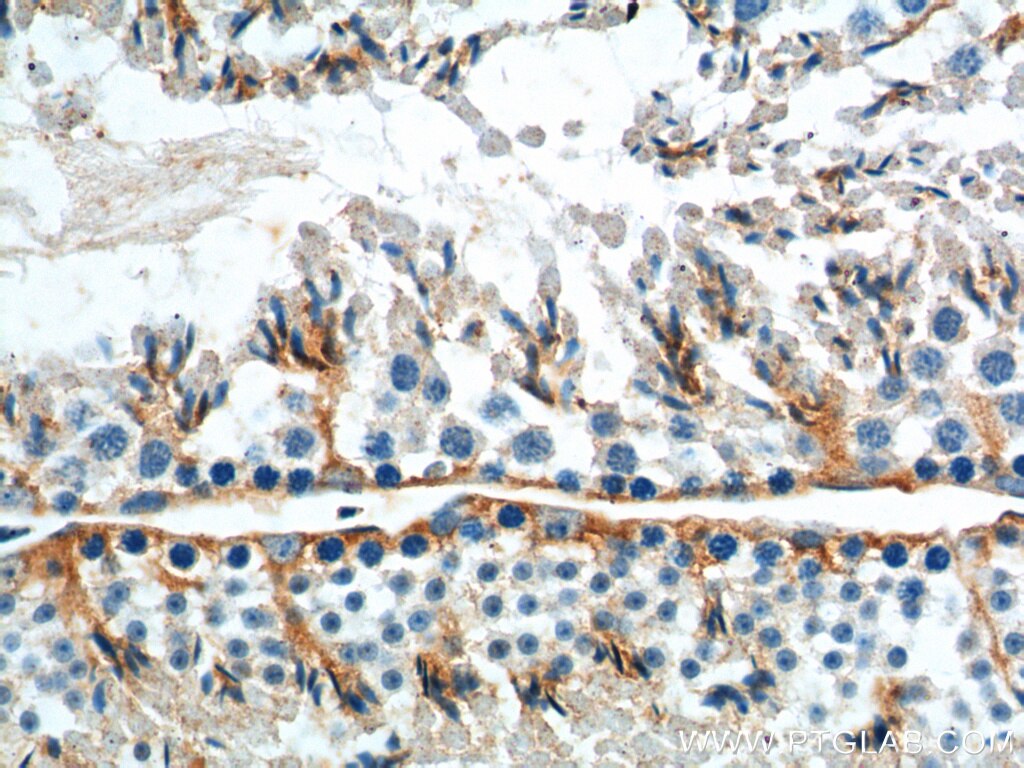
| Positive IHC detected in | mouse ovary tissue, human testis tissue, human ovary tissue, mouse testis tissue Note: suggested antigen retrieval with TE buffer pH 9.0; (*) Alternatively, antigen retrieval may be performed with citrate buffer pH 6.0 |
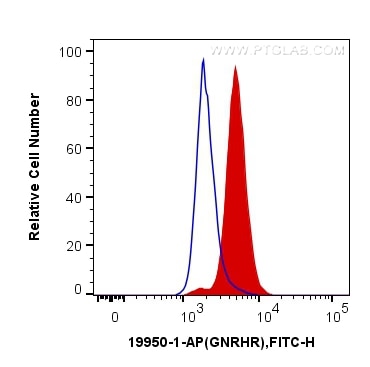
| Positive FC (Intra) detected in | MCF-7 cells |
Recommended dilution
| Application | Dilution |
|---|---|
| Western Blot (WB) | WB : 1:1000-1:6000 |
| Immunohistochemistry (IHC) | IHC : 1:500-1:2000 |
| Flow Cytometry (FC) (INTRA) | FC (INTRA) : 0.20 ug per 10^6 cells in a 100 µl suspension |
| It is recommended that this reagent should be titrated in each testing system to obtain optimal results. | |
| Sample-dependent, Check data in validation data gallery. | |
Product Information
19950-1-AP targets GNRHR in WB, IHC, IF, FC (Intra), ELISA applications and shows reactivity with human, mouse samples.
| Tested Reactivity | human, mouse |
| Cited Reactivity | human, mouse, rat, pig, rabbit, sheep |
| Host / Isotype | Rabbit / IgG |
| Class | Polyclonal |
| Type | Antibody |
| Immunogen |
Peptide Predict reactive species |
| Full Name | GnRH receptor |
| Calculated Molecular Weight | 38 kDa |
| Observed Molecular Weight | 60-70 kDa |
| GenBank Accession Number | NM_000406 |
| Gene Symbol | GNRHR |
| Gene ID (NCBI) | 2798 |
| RRID | AB_10644155 |
| Conjugate | Unconjugated |
| Form | Liquid |
| Purification Method | Antigen affinity purification |
| UNIPROT ID | P30968 |
| Storage Buffer | PBS with 0.02% sodium azide and 50% glycerol, pH 7.3. |
| Storage Conditions | Store at -20°C. Stable for one year after shipment. Aliquoting is unnecessary for -20oC storage. 20ul sizes contain 0.1% BSA. |
Background Information
GNRHR, also named GRHR, belongs to the G-protein coupled receptor 1 family. GNRHR is a receptor for GnRH that mediates the action of GnRH to stimulate the secretion of the gonadotropic hormones luteinizing hormone (LH) and follicle-stimulating hormone (FSH). It mediates its action by association with G-proteins that activate a phosphatidylinositol-calcium second messenger system. Isoform2 of GNRHR may act as an inhibitor of GnRH-R signaling. Defects in GNRHR are a cause of idiopathic hypogonadotropic hypogonadism (IHH). Defects in GNRHR are a cause of fertile eunuch syndrome. The antibody only recognizes the isoform1 of GNRHR. The predicted unmodified molecular weight of the human GNRHR is ~38 kDa, the larger band (50-65 kDa) is likely to represent a glycosylated form of GNRHR.
Protocols
| Product Specific Protocols | |
|---|---|
| FC protocol for GNRHR antibody 19950-1-AP | Download protocol |
| IHC protocol for GNRHR antibody 19950-1-AP | Download protocol |
| WB protocol for GNRHR antibody 19950-1-AP | Download protocol |
| Standard Protocols | |
|---|---|
| Click here to view our Standard Protocols |
Publications
What published studies show
The GNRHR Polyclonal antibody (Cat# 19950-1-AP) has 33 citations. These appear in journals including Cancer Research, Cell Reports, Endocrinology, International Journal of Molecular Sciences, Frontiers in Endocrinology, Scientific Reports, Cell Signaling, Bioconjugate Chemistry, and Journal of Peptide Science. Research fields span oncology (GnRH-targeted drug delivery and peptide conjugates for tumor therapy), reproductive endocrinology (puberty, ovulation, ovarian function), neuroendocrinology (hypothalamic-pituitary hormonal regulation), and pharmacology/toxicology.
| Species | Application | Title |
|---|---|---|
Cancer Res Peptide-Drug Conjugate GnRH-Sunitinib Targets Angiogenesis Selectively at the Site of Action to Inhibit Tumor Growth. | ||
Int J Nanomedicine Pseudoephedrine Nanoparticles Alleviate Adriamycin-Induced Reproductive Toxicity Through the GnRhR Signaling Pathway. | ||
Cell Rep Early precursor-derived pituitary gland tissue-resident macrophages play a pivotal role in modulating hormonal balance | ||
Pharmaceutics Enhanced In Vitro Antitumor Activity of GnRH-III-Daunorubicin Bioconjugates Influenced by Sequence Modification. | ||
Cells Evolving Acquired Vemurafenib Resistance in a BRAF V600E Mutant Melanoma PDTX Model to Reveal New Potential Targets | ||
Front Endocrinol (Lausanne) miR-29a/b1 Regulates the Luteinizing Hormone Secretion and Affects Mouse Ovulation. |
Reviews
What customers say
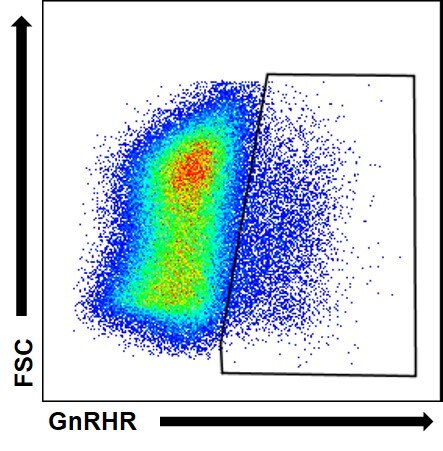
The single review for this antibody reports successful use in flow cytometry on primary pituitary cells at a 1:200 dilution. The reviewer gave it a 5-star rating and noted that positive staining was clear, though not bright enough for clean separation of cell populations even when paired with a very bright secondary (BV421). Overall, the feedback is positive, with the only minor caveat being staining intensity for resolving distinct populations.
The reviews below have been submitted by verified Proteintech customers who received an incentive for providing their feedback.
Dequina (Verified Customer) (12-11-2018) | This antibody has worked very well for flow cytometry in primary pituitary cells. The positive staining is clear although not bright enough for clean separation of populations even with a very bright secondary (BV421).
 |











