
Product Information
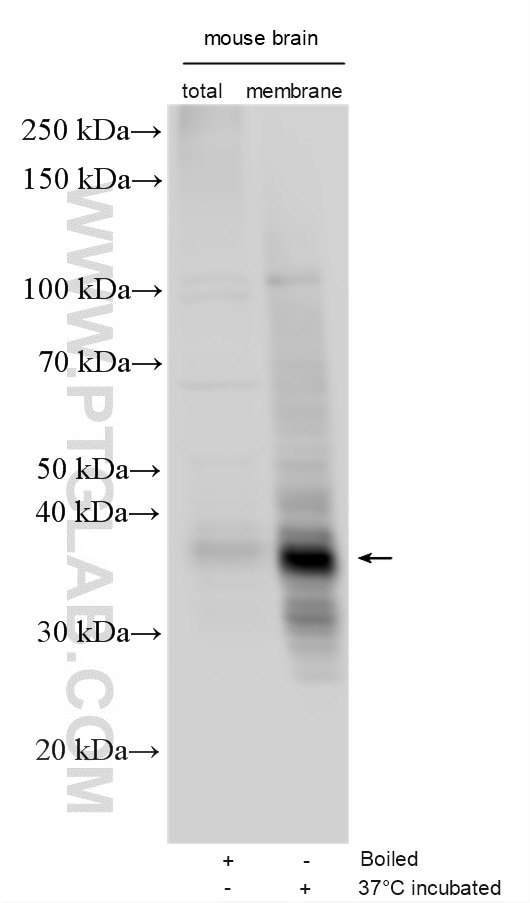
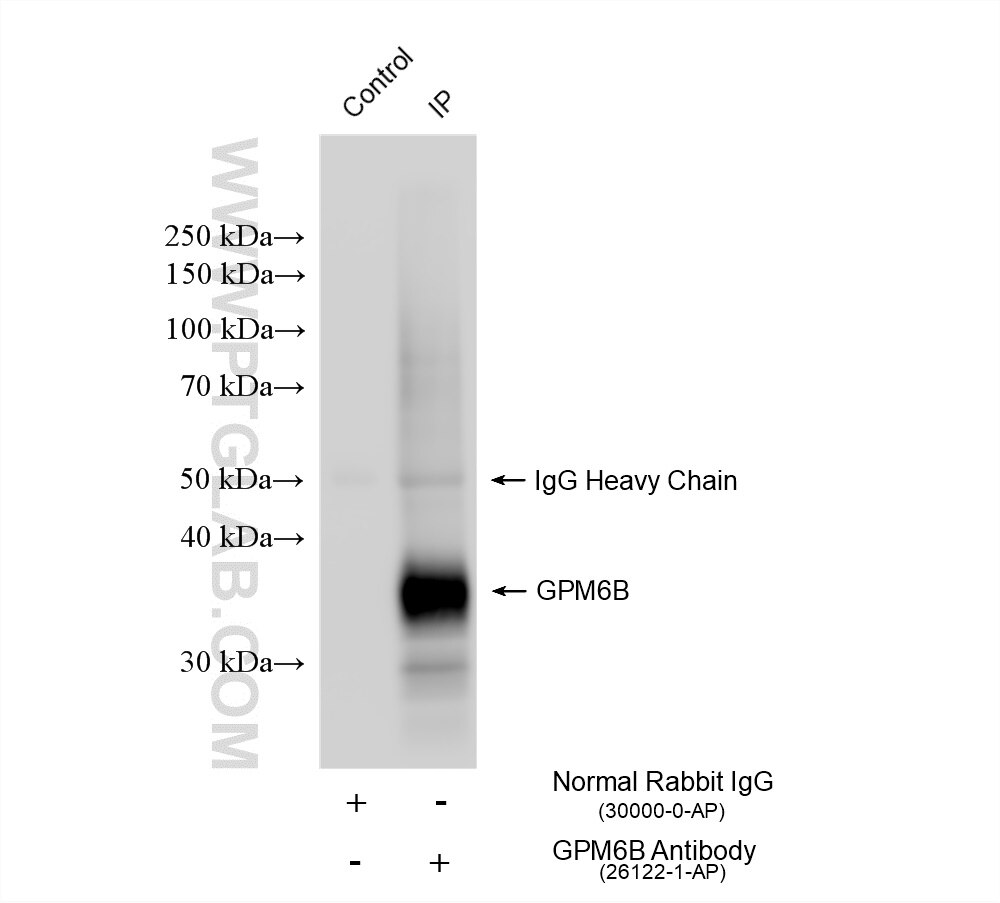
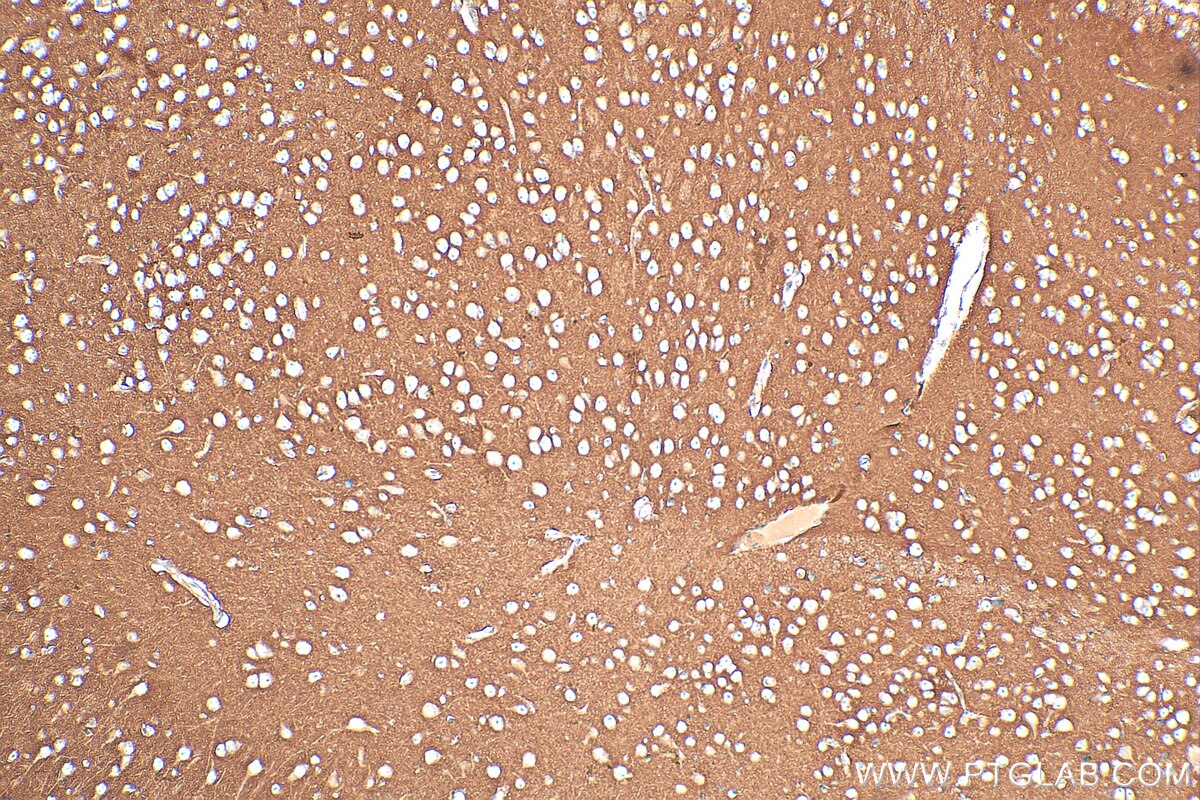
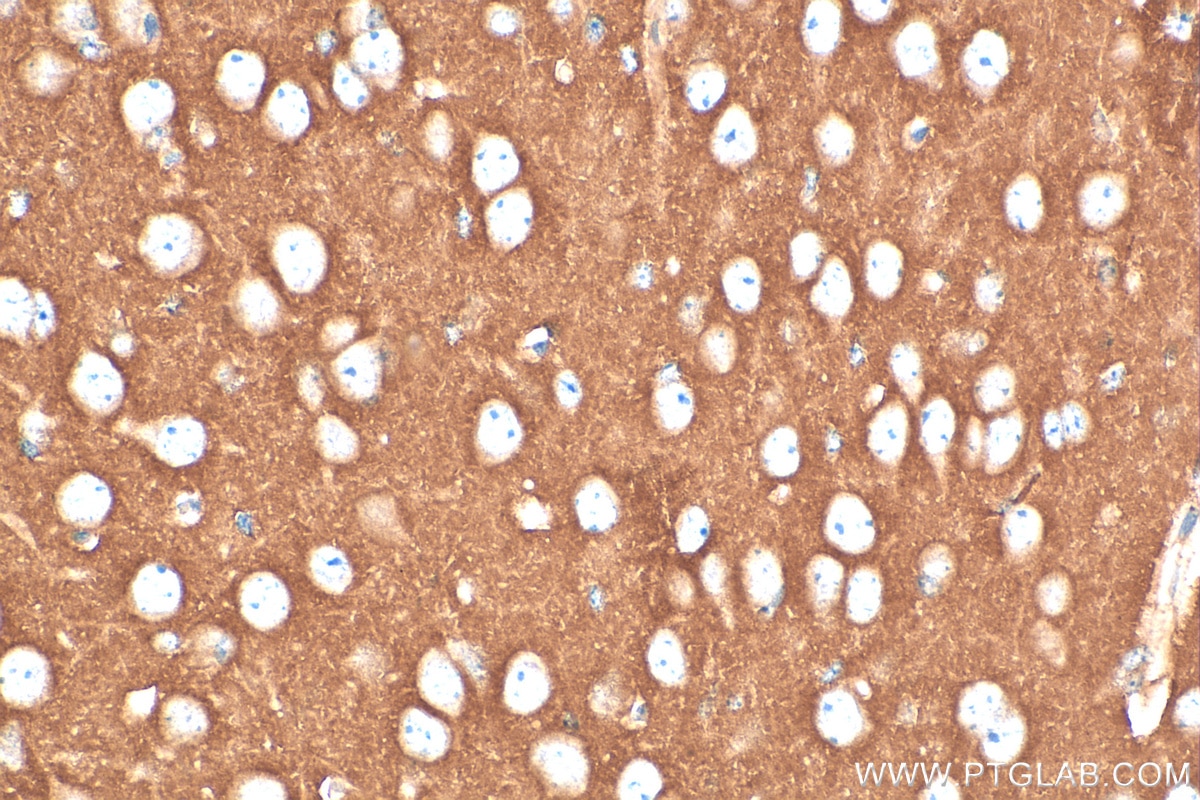
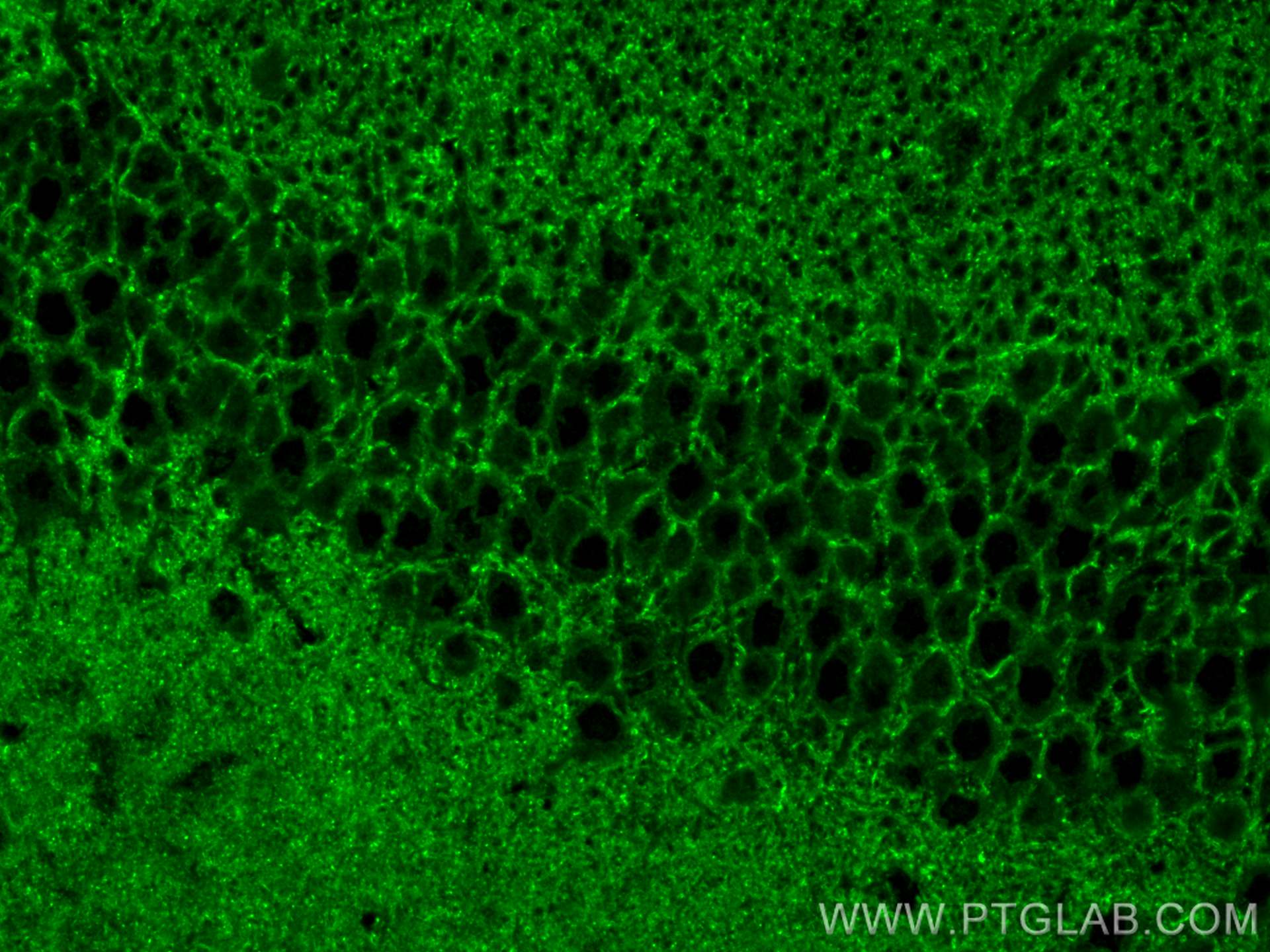
26122-1-PBS targets GPM6B in WB, IHC, IF-P, IP, Indirect ELISA applications and shows reactivity with human, mouse, rat samples.
| Tested Reactivity | human, mouse, rat |
| Host / Isotype | Rabbit / IgG |
| Class | Polyclonal |
| Type | Antibody |
| Immunogen |
CatNo: Ag23507 Product name: Recombinant human GPM6B protein Source: e coli.-derived, PGEX-4T Tag: GST Domain: 1-62 aa of BC047295 Sequence: MKPAMETAAEENTEQSQERKVNSRAEMEIGRYHWMYPGSKNHQYHPVPTLGDRASPLSSPGC Predict reactive species |
| Full Name | glycoprotein M6B |
| Observed Molecular Weight | 27-36 kDa |
| GenBank Accession Number | BC047295 |
| Gene Symbol | GPM6B |
| Gene ID (NCBI) | 2824 |
| Conjugate | Unconjugated |
| Form | Liquid |
| Purification Method | Antigen affinity purification |
| UNIPROT ID | Q13491 |
| Storage Buffer | PBS only, pH 7.3. |
| Storage Conditions | Store at -80°C. |
Background Information
GPM6B (Glycoprotein M6B) is a highly conserved, multi-pass transmembrane glycoprotein encoded by the GPM6B gene on human chromosome Xp22.2. As a member of the proteolipid protein family, it is predominantly expressed in the central nervous system (in neurons and oligodendrocytes) and is involved in key processes such as myelination, regulation of serotonin transporter (SERT) trafficking, and actin cytoskeleton maintenance. Beyond neural functions, GPM6B also promotes bone formation by regulating osteoblast mineralization and influences smooth muscle cell differentiation via the TGF‑beta‑Smad2/3 pathway. Subcellularly, it localizes to the plasma membrane and lipid rafts. Genetic variations in GPM6B have been associated with several disorders, including Pelizaeus‑Merzbacher disease, major depressive disorder, and osteoarthritis.






