

Tested Applications
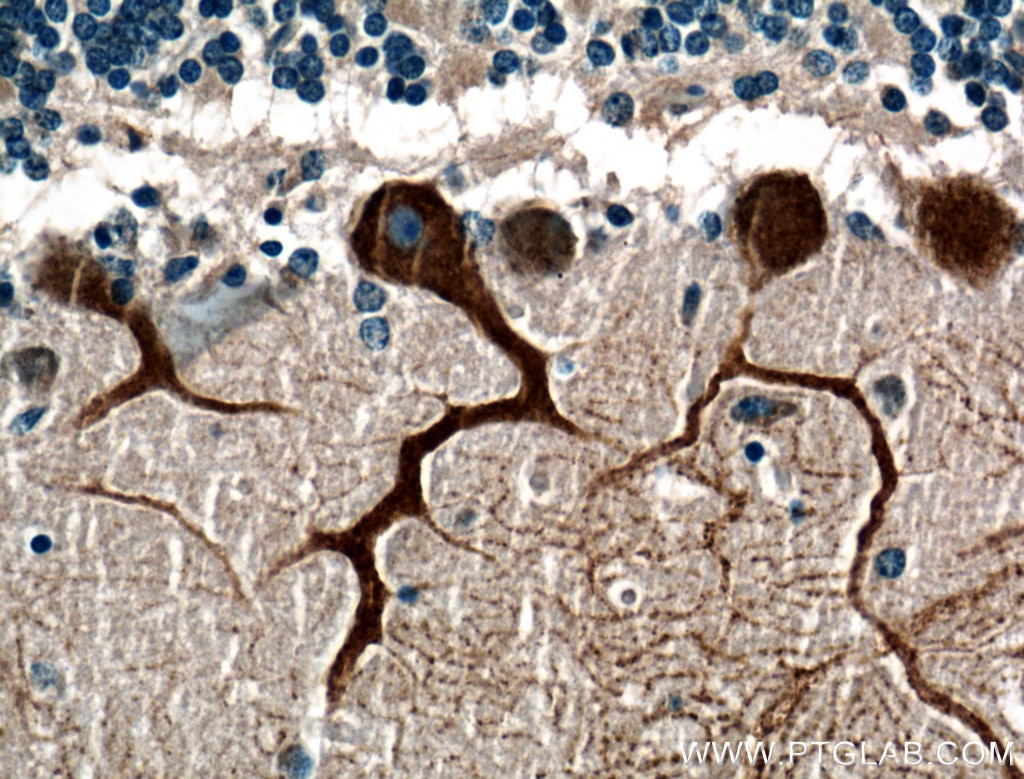
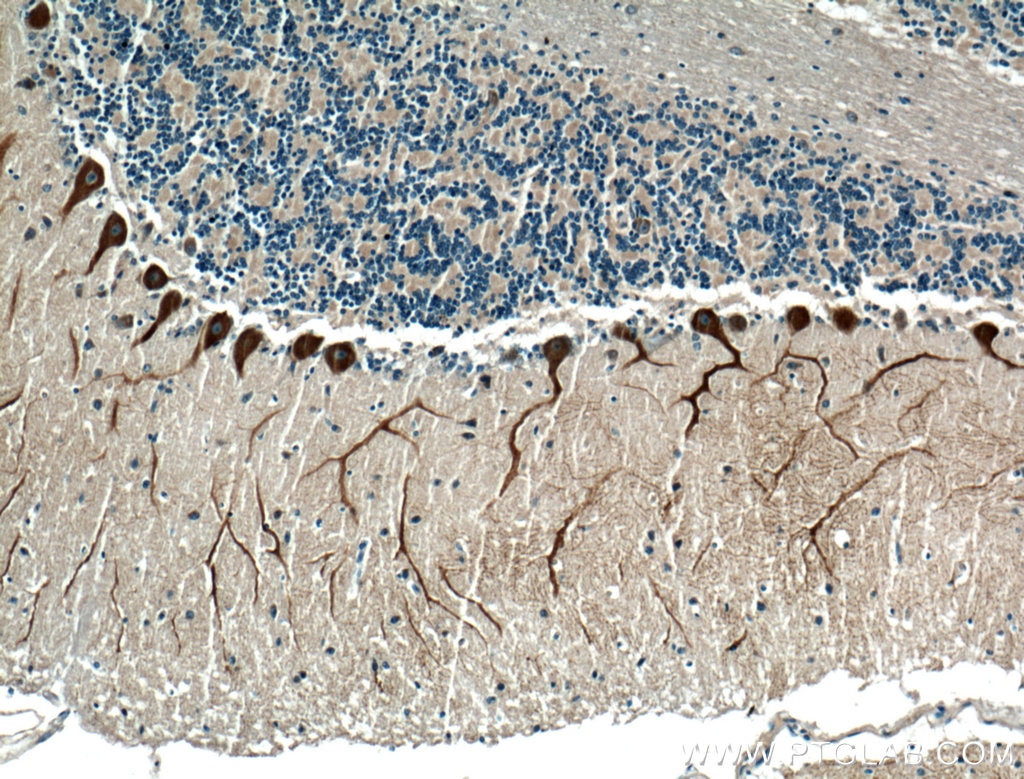
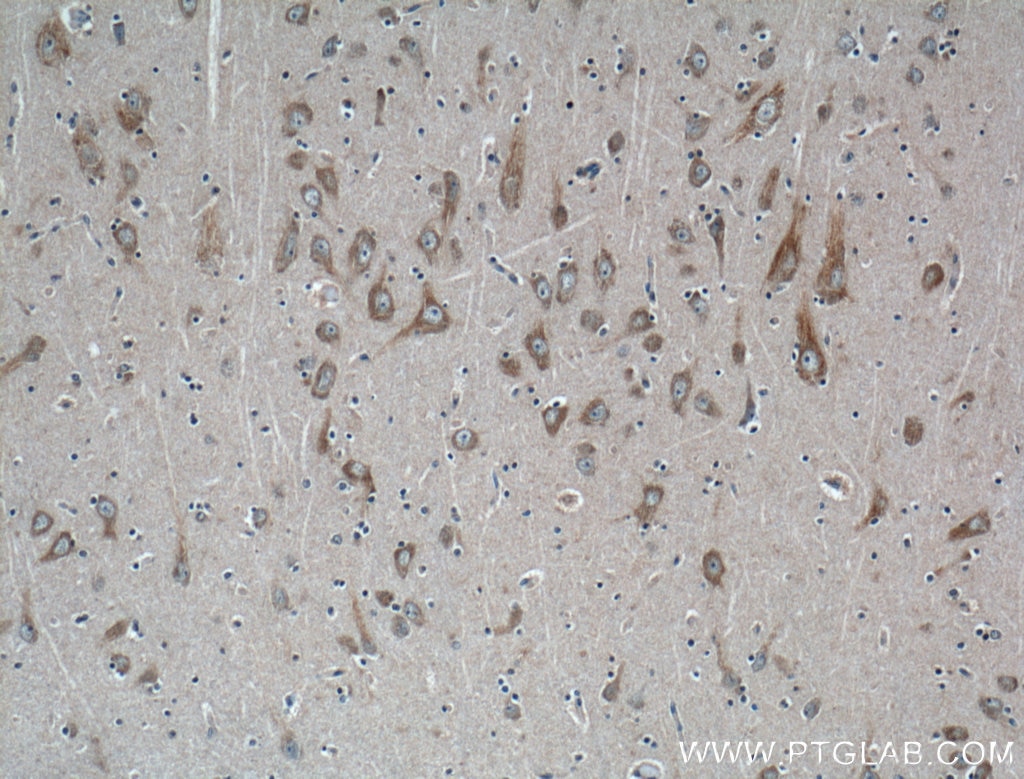
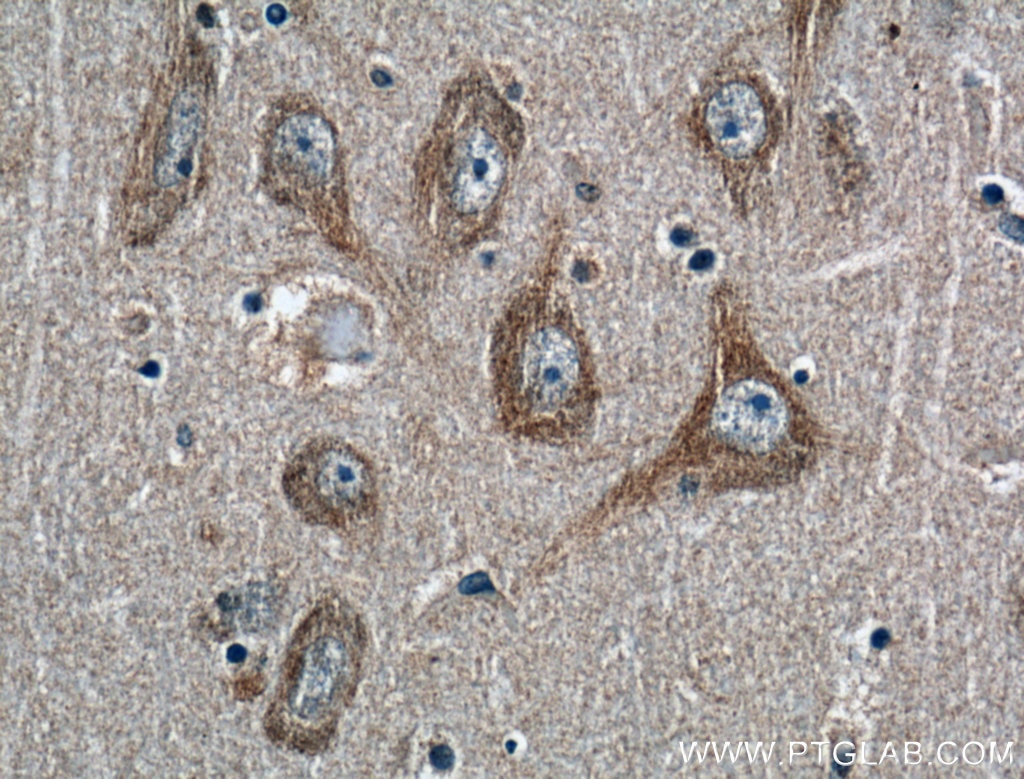
| Positive IHC detected in | human cerebellum tissue, human brain tissue Note: suggested antigen retrieval with TE buffer pH 9.0; (*) Alternatively, antigen retrieval may be performed with citrate buffer pH 6.0 |
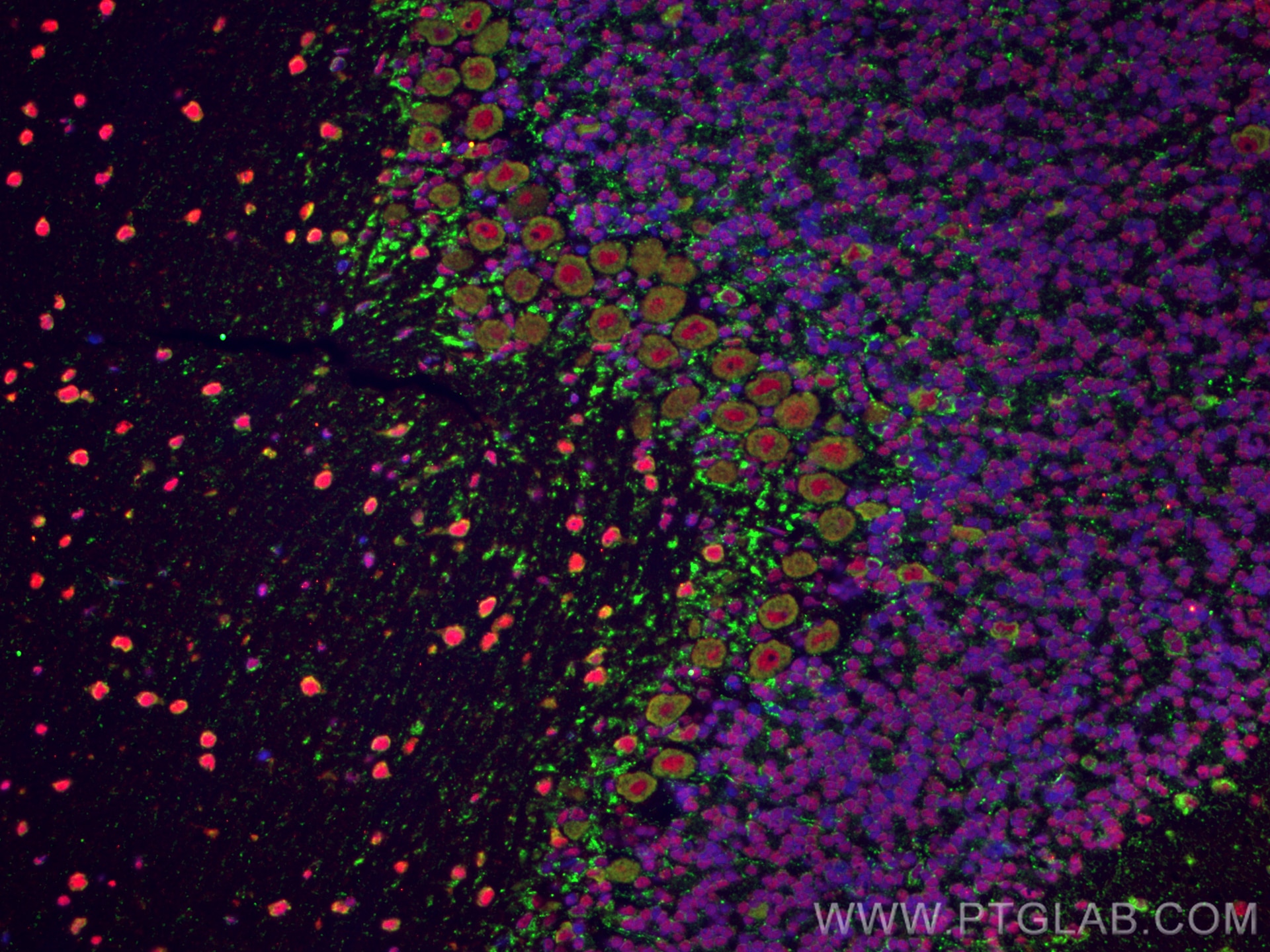
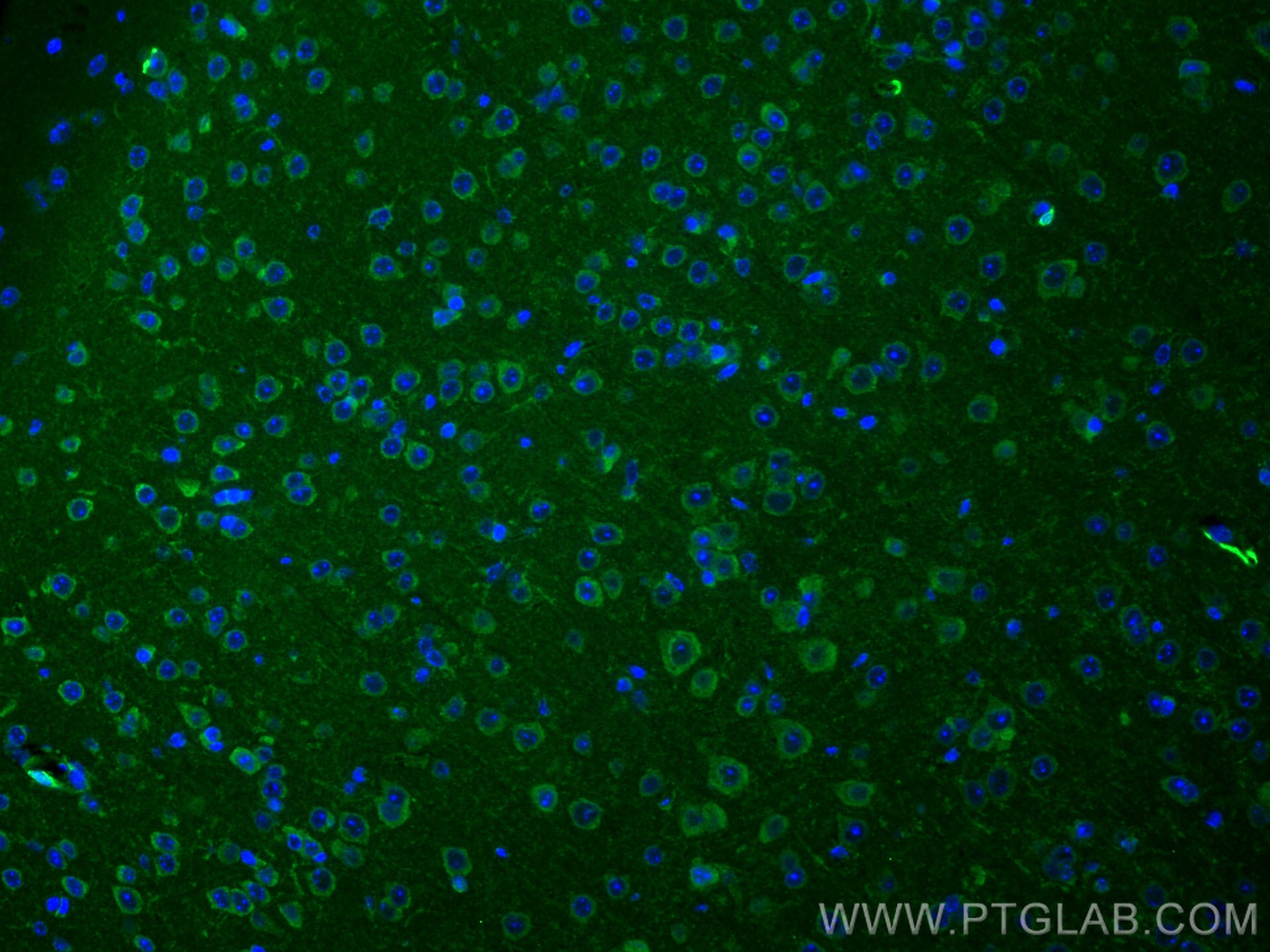
| Positive IF-P detected in | rat cerebellum tissue, mouse brain tissue |
Recommended dilution
| Application | Dilution |
|---|---|
| Immunohistochemistry (IHC) | IHC : 1:50-1:500 |
| Immunofluorescence (IF)-P | IF-P : 1:50-1:500 |
| It is recommended that this reagent should be titrated in each testing system to obtain optimal results. | |
| Sample-dependent, Check data in validation data gallery. | |
Product Information
27206-1-AP targets Huntingtin in IHC, IF/ICC, IF-P, IP, ELISA applications and shows reactivity with human, mouse, rat samples.
| Tested Reactivity | human, mouse, rat |
| Cited Reactivity | pig |
| Host / Isotype | Rabbit / IgG |
| Class | Polyclonal |
| Type | Antibody |
| Immunogen |
CatNo: Ag25922 Product name: Recombinant human Huntingtin protein Source: e coli.-derived, PET30a Tag: 6*His Domain: 2845-3000 aa of NM_002111 Sequence: LDVGPEFSASIIQMCGVMLSGSEESTPSIIYHCALRGLERLLLSEQLSRLDAESLVKLSVDRVNVHSPHRAMAALGLMLTCMYTGKEKVSPGRTSDPNPAAPDSESVIVAMERVSVLFDRIRKGFPCEARVVARILPQFLDDFFPPQDIMNKVIGE Predict reactive species |
| Full Name | huntingtin |
| Calculated Molecular Weight | 348 kDa |
| GenBank Accession Number | NM_002111 |
| Gene Symbol | Huntingtin |
| Gene ID (NCBI) | 3064 |
| RRID | AB_2880799 |
| Conjugate | Unconjugated |
| Form | Liquid |
| Purification Method | Antigen affinity purification |
| UNIPROT ID | P42858 |
| Storage Buffer | PBS with 0.02% sodium azide and 50% glycerol, pH 7.3. |
| Storage Conditions | Store at -20°C. Stable for one year after shipment. Aliquoting is unnecessary for -20oC storage. 20ul sizes contain 0.1% BSA. |
Background Information
HTT(huntingtin), also named HD and IT15, belongs to the huntingtin family. HTT may play a role in microtubule-mediated transport or vesicle function. Defects in HTT are the cause of Huntington's disease (HD) which is an autosomal dominant neurodegenerative disorder characterized by involuntary movements (chorea), general motor impairment, psychiatric disorders, and dementia.
Protocols
| Product Specific Protocols | |
|---|---|
| IF protocol for Huntingtin antibody 27206-1-AP | Download protocol |
| IHC protocol for Huntingtin antibody 27206-1-AP | Download protocol |
| Standard Protocols | |
|---|---|
| Click here to view our Standard Protocols |
Publications
What published studies show
Able is busy answering your previous question. Please try again later.
| Species | Application | Title |
|---|---|---|
Cell Rep Mutant huntingtin disrupts TET1 transcription and alters DNA methylation in a Huntington's disease knock-in pig model. |
Reviews
What customers say
The sole review for 27206-1-AP reported unsatisfactory results at a 1/5 rating. The reviewer tested the antibody in immunocytochemistry (ICC), where no specific signal was observed, so it could not specifically stain Huntingtin aggregates. Western blot detection produced a strong non-specific band. The reviewer expressed interest in the theoretical epitope and hoped the antibody would improve in these aspects.
The reviews below have been submitted by verified Proteintech customers who received an incentive for providing their feedback.
Florian (Verified Customer) (03-22-2024) | Primary antibody was tested for ICC, where no specific signal was observed. The antibody therefore was not able to specifically stain Huntingtin aggregates. We then also proceeded to detection of a WB, which resulted in a strong non-specific band. As the theoretical epitope of this antibody is of great interest for us, we would be very looking forward for improvements in this regard.
|







