
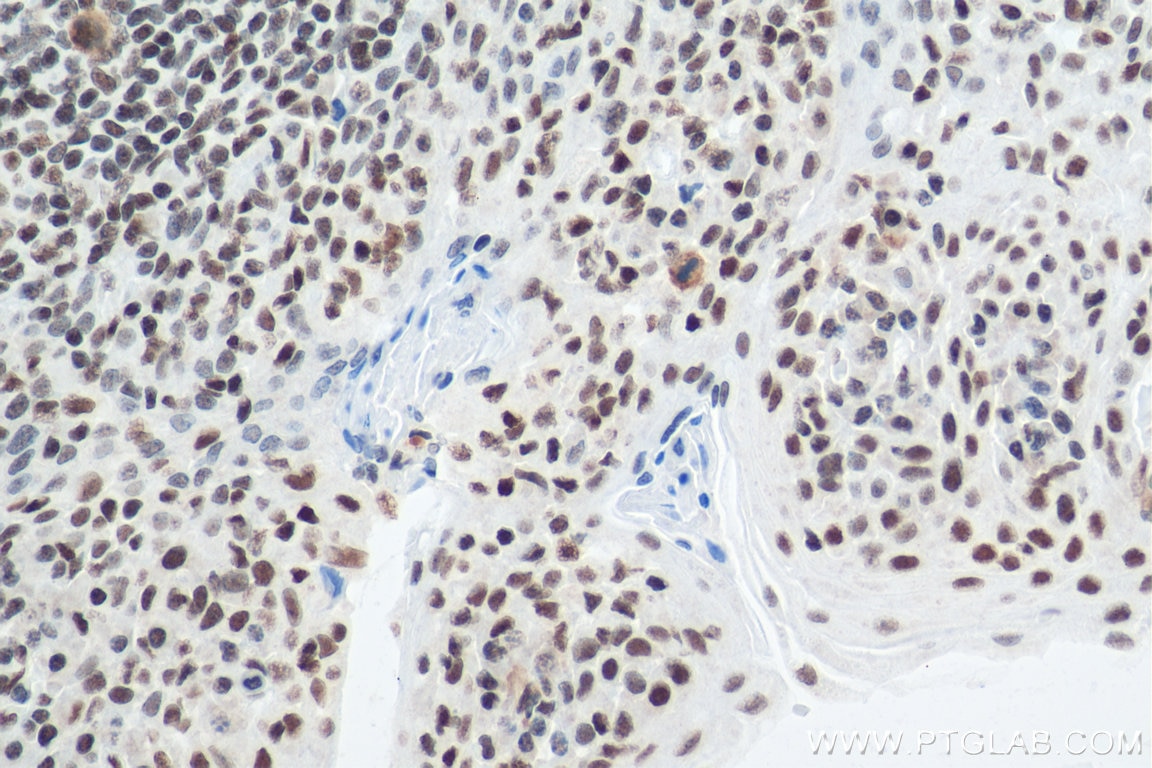
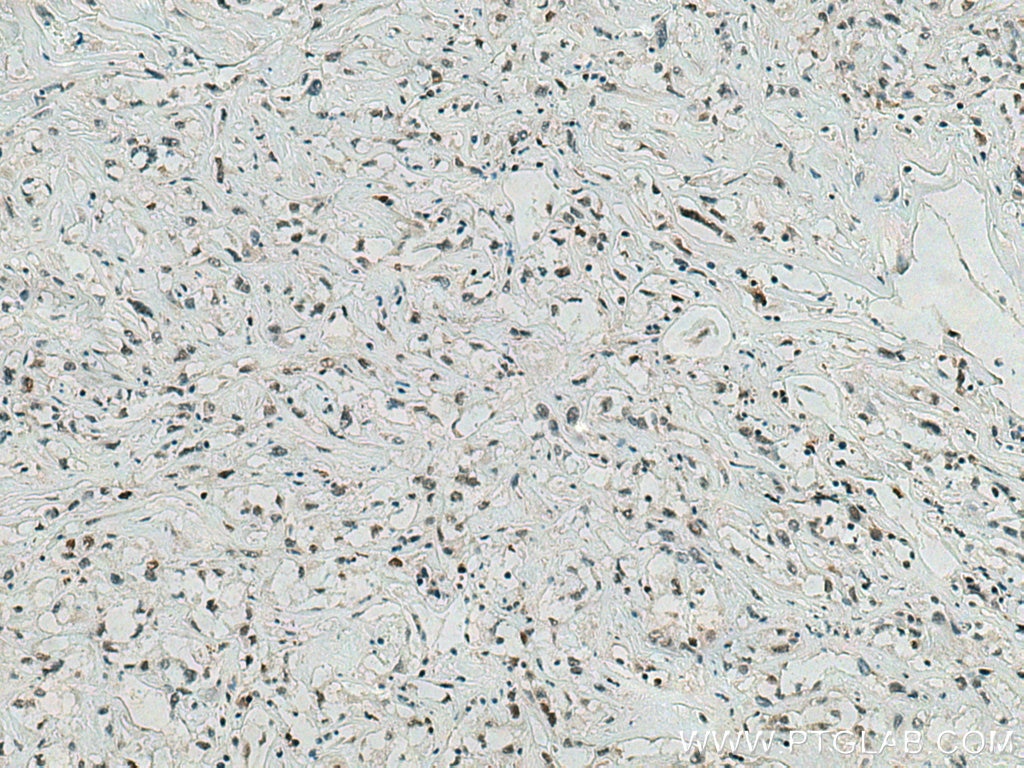
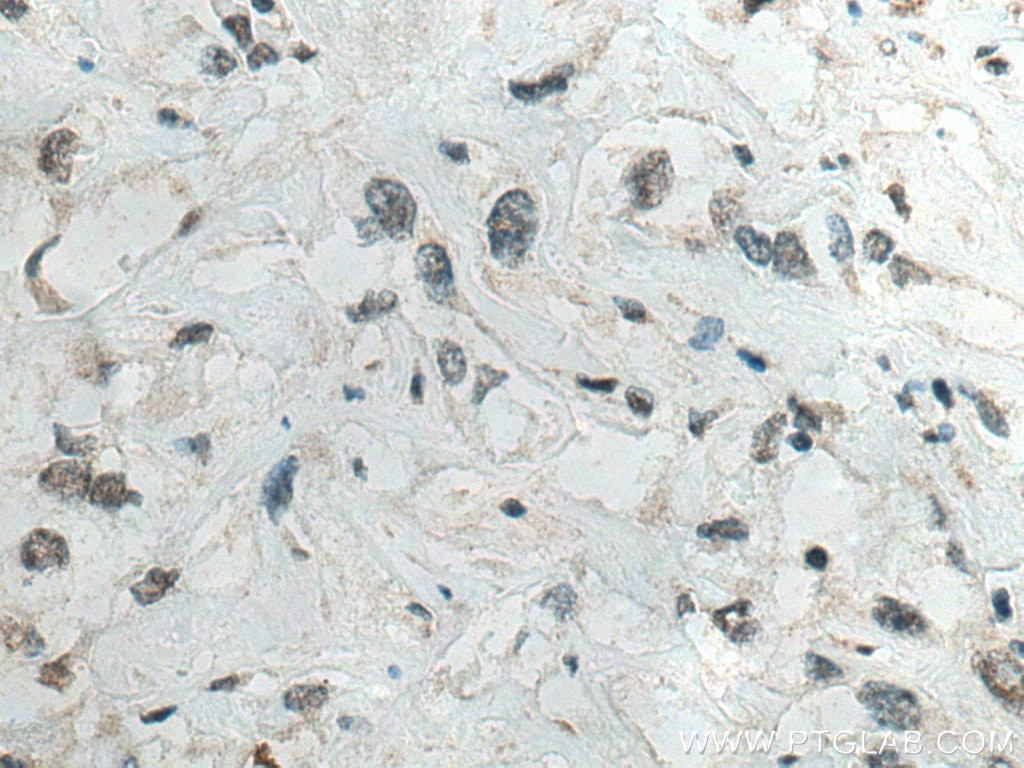
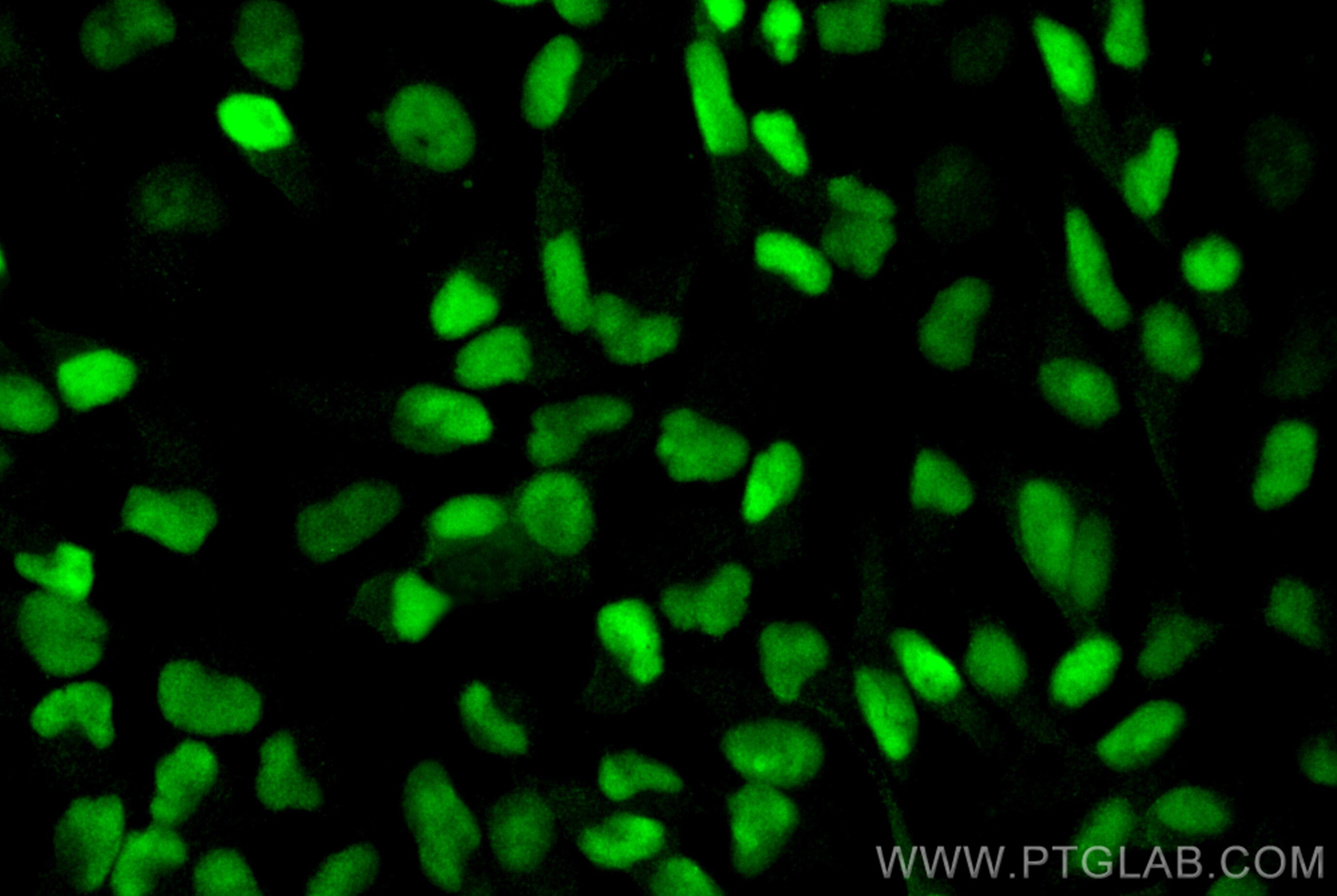

Tested Applications
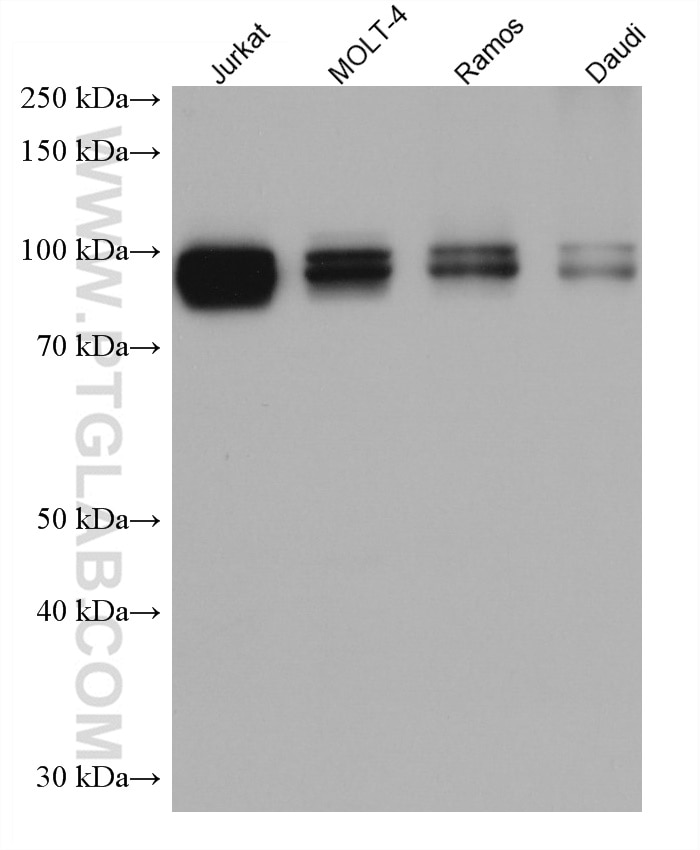
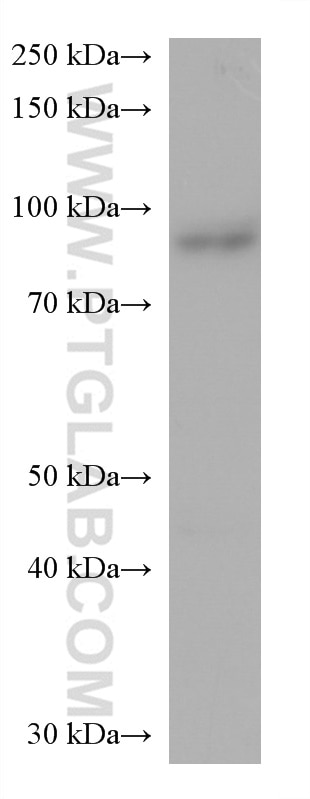
| Positive WB detected in | Jurkat cells, HeLa cells, MOLT-4 cells, Ramos cells, Daudi cells |
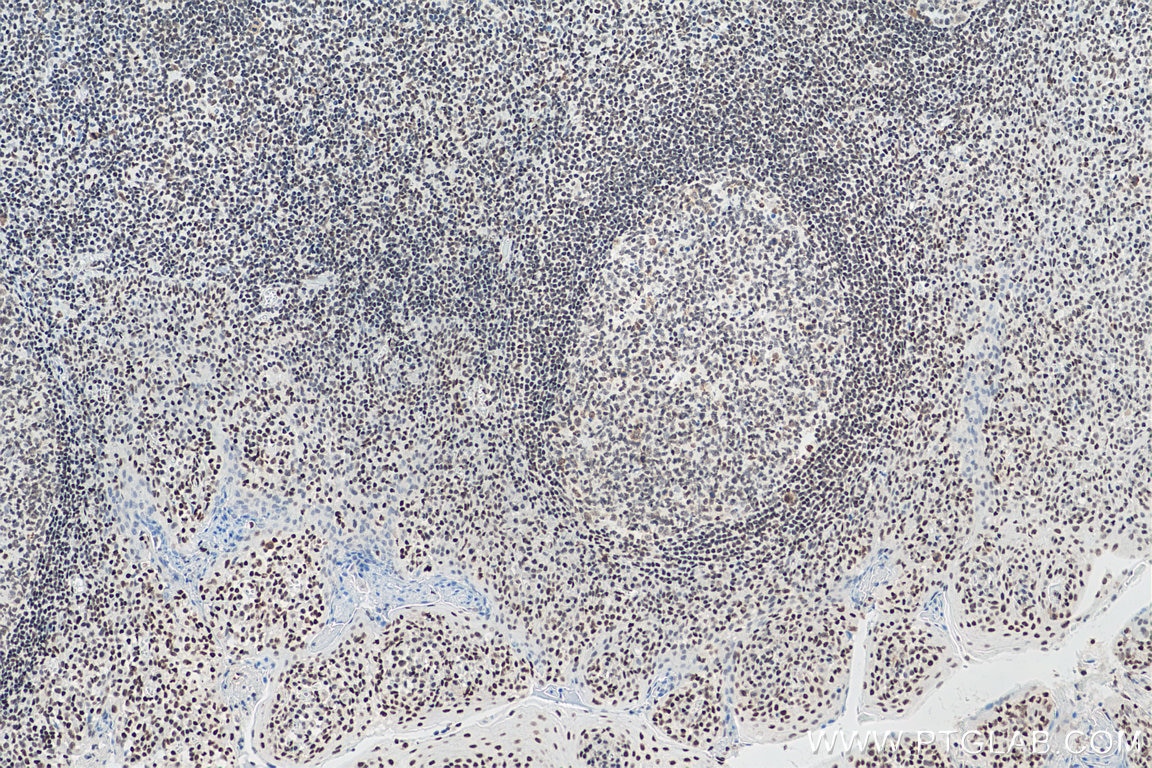
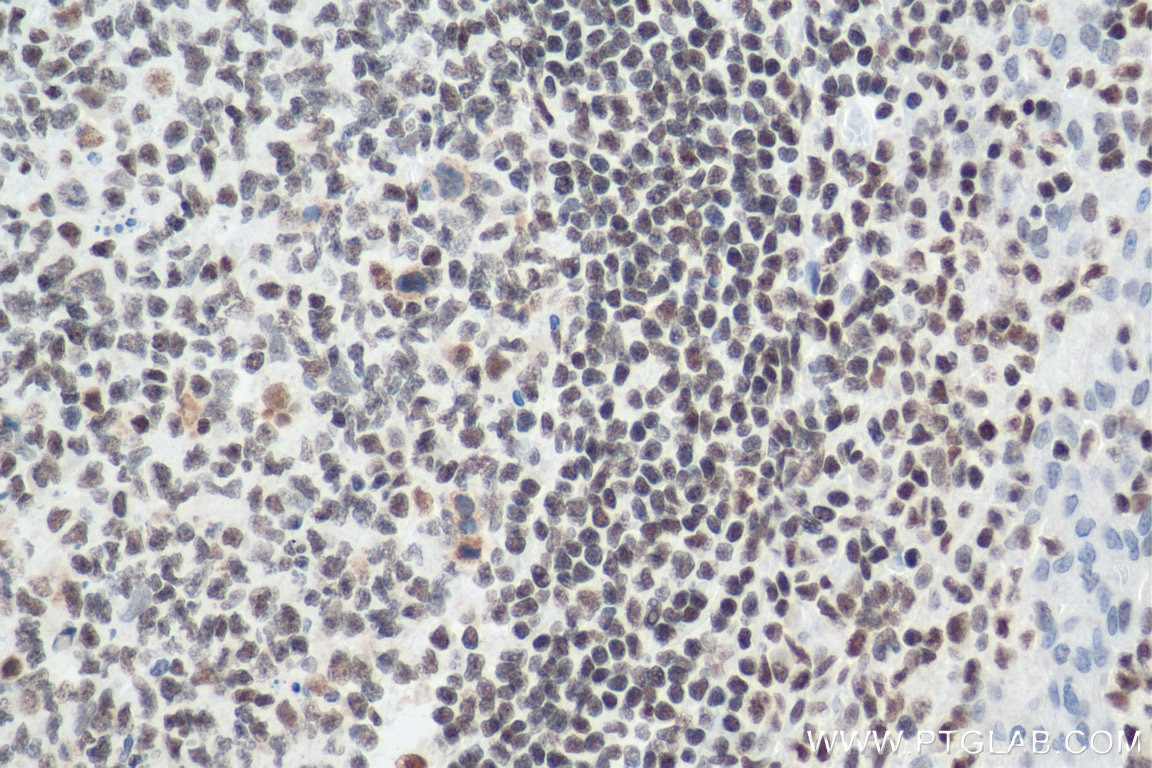
| Positive IHC detected in | human tonsillitis tissue, human renal cell carcinoma tissue Note: suggested antigen retrieval with TE buffer pH 9.0; (*) Alternatively, antigen retrieval may be performed with citrate buffer pH 6.0 |
| Positive IF/ICC detected in | HeLa cells |
Recommended dilution
| Application | Dilution |
|---|---|
| Western Blot (WB) | WB : 1:5000-1:50000 |
| Immunohistochemistry (IHC) | IHC : 1:1000-1:4000 |
| Immunofluorescence (IF)/ICC | IF/ICC : 1:200-1:800 |
| It is recommended that this reagent should be titrated in each testing system to obtain optimal results. | |
| Sample-dependent, Check data in validation data gallery. | |
Product Information
67790-1-Ig targets IFI16 in WB, IHC, IF/ICC, ELISA applications and shows reactivity with Human samples.
| Tested Reactivity | Human |
| Cited Reactivity | human, rat |
| Host / Isotype | Mouse / IgG1 |
| Class | Monoclonal |
| Type | Antibody |
| Immunogen |
CatNo: Ag30314 Product name: Recombinant human IFI16 protein Source: e coli.-derived, PET28a Tag: 6*His Domain: 580-729 aa of BC017059 Sequence: VCRNGFLEVYPFTLVADVNADRNMEIPKGLIRSASVTPKINQLCSQTKGSFVNGVFEVHKKNVRGEFTYYEIQDNTGKMEVVVHGRLTTINCEEGDKLKLTCFELAPKSGNTGELRSVIHSHIKVIKTRKNKKDILNPDSSMETSPDFFF Predict reactive species |
| Full Name | interferon, gamma-inducible protein 16 |
| Calculated Molecular Weight | 729 aa, 82 kDa |
| Observed Molecular Weight | 85-95 kDa |
| GenBank Accession Number | BC017059 |
| Gene Symbol | IFI16 |
| Gene ID (NCBI) | 3428 |
| RRID | AB_2918554 |
| Conjugate | Unconjugated |
| Form | Liquid |
| Purification Method | Protein G purification |
| UNIPROT ID | Q16666 |
| Storage Buffer | PBS with 0.02% sodium azide and 50% glycerol, pH 7.3. |
| Storage Conditions | Store at -20°C. Stable for one year after shipment. Aliquoting is unnecessary for -20oC storage. 20ul sizes contain 0.1% BSA. |
Background Information
IFI16 is a member of a family of interferon-inducible nuclear proteins involved in transcriptional regulation functions as a transcriptional repressor. IFI16 may be involved in TP53-mediated transcriptional activation by enhancing TP53 sequence-specific DNA binding and modulating TP53 phosphorylation status. It has been reported that IFI16 participates in the regulation of autophagy, TP53-mediated cell death and innate immune response. IFI16 has different isoforms and 67790-1-Ig antibody detects proteins around 85-95 kDa in SDS-PAGE similar to papers. (PMID: 9718316, 14990579, 11146555, 22046441)
Protocols
| Product Specific Protocols | |
|---|---|
| IF protocol for IFI16 antibody 67790-1-Ig | Download protocol |
| IHC protocol for IFI16 antibody 67790-1-Ig | Download protocol |
| WB protocol for IFI16 antibody 67790-1-Ig | Download protocol |
| Standard Protocols | |
|---|---|
| Click here to view our Standard Protocols |
Publications
What published studies show
The IFI16 Monoclonal antibody (1C10D7), catalog number 67790-1-Ig, has 5 total citations. These appear in Nature Communications, Journal of Translational Medicine, Mediators of Inflammation, Journal of Cellular and Molecular Medicine, and BMC Cancer. Research fields span glioblastoma and oncolytic virotherapy, clear cell renal cell carcinoma, neuronal pyroptosis in subarachnoid hemorrhage, cisplatin-induced apoptosis in cervical cancer, and lactate/lactylation networks in acute myeloid leukemia.
| Species | Application | Title |
|---|---|---|
Nat Commun Targeting leucine-rich repeat kinase 2 overcomes resistance to oncolytic herpes simplex virus-based therapies in glioblastoma. | ||
J Transl Med IFI16 promotes the progression of clear cell renal cell carcinoma through the IL6/PI3K/AKT axis | ||
Mediators Inflamm G Protein-Coupled Receptor 30 Attenuates Neuronal Pyroptosis Induced by Subarachnoid Hemorrhage | ||
J Cell Mol Med IFI16 Induced by p53 Activates the NF-κB Pathway to Counteract Cisplatin-Induced Apoptosis in Cervical Cancer Cells.
| ||
BMC Cancer Deciphering lactate/lactylation networks in AML: integrated scRNA-seq and transcriptomics reveal functions and prognostic model. |









