
Product Information
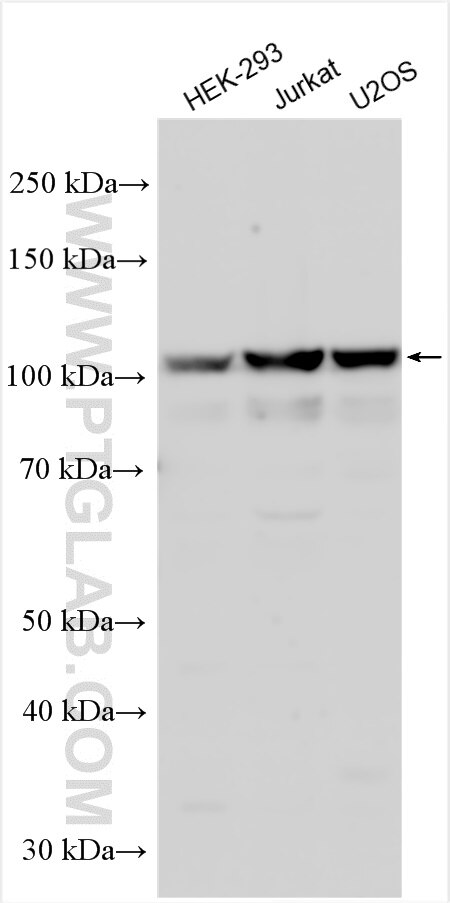
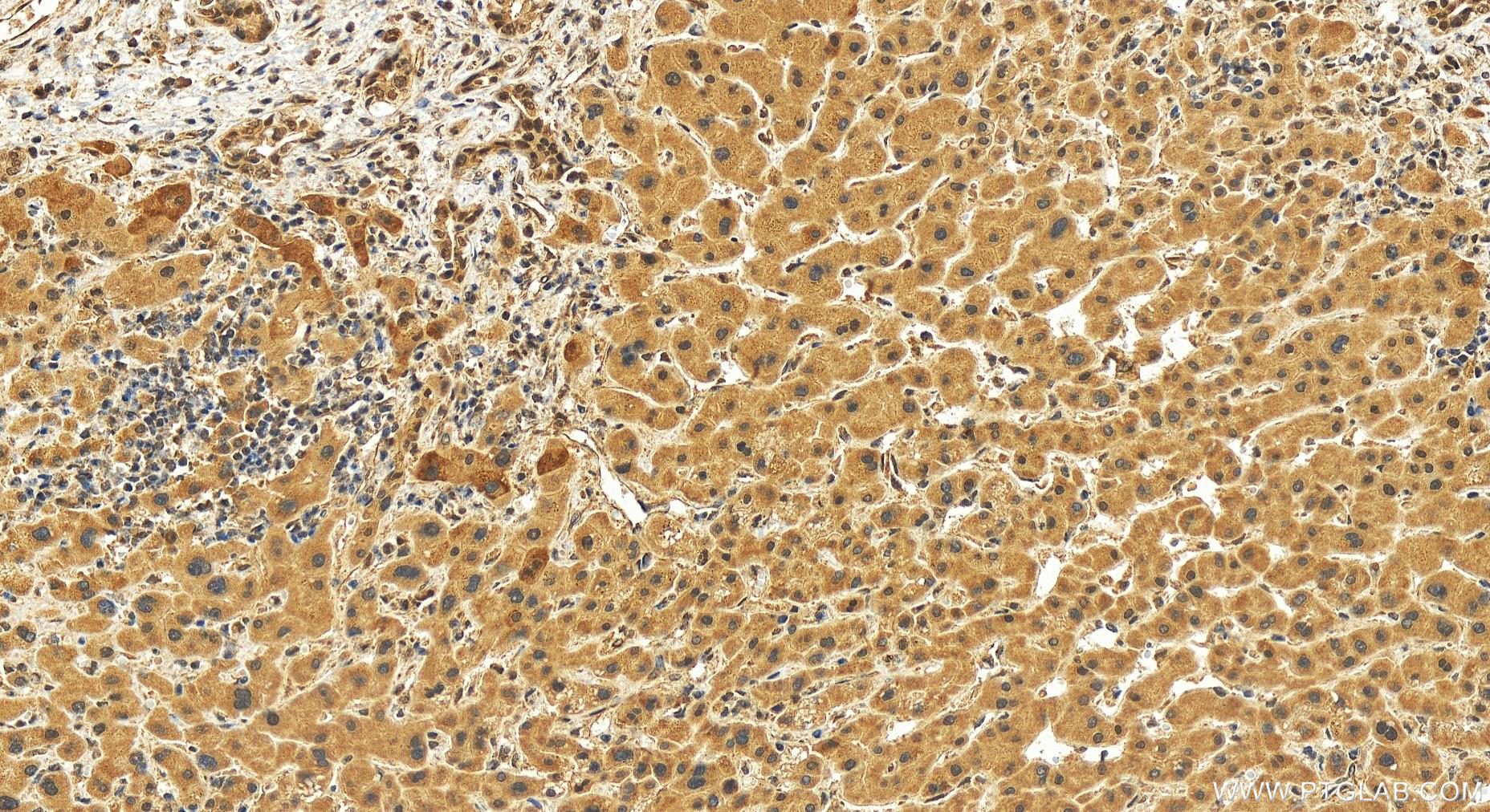
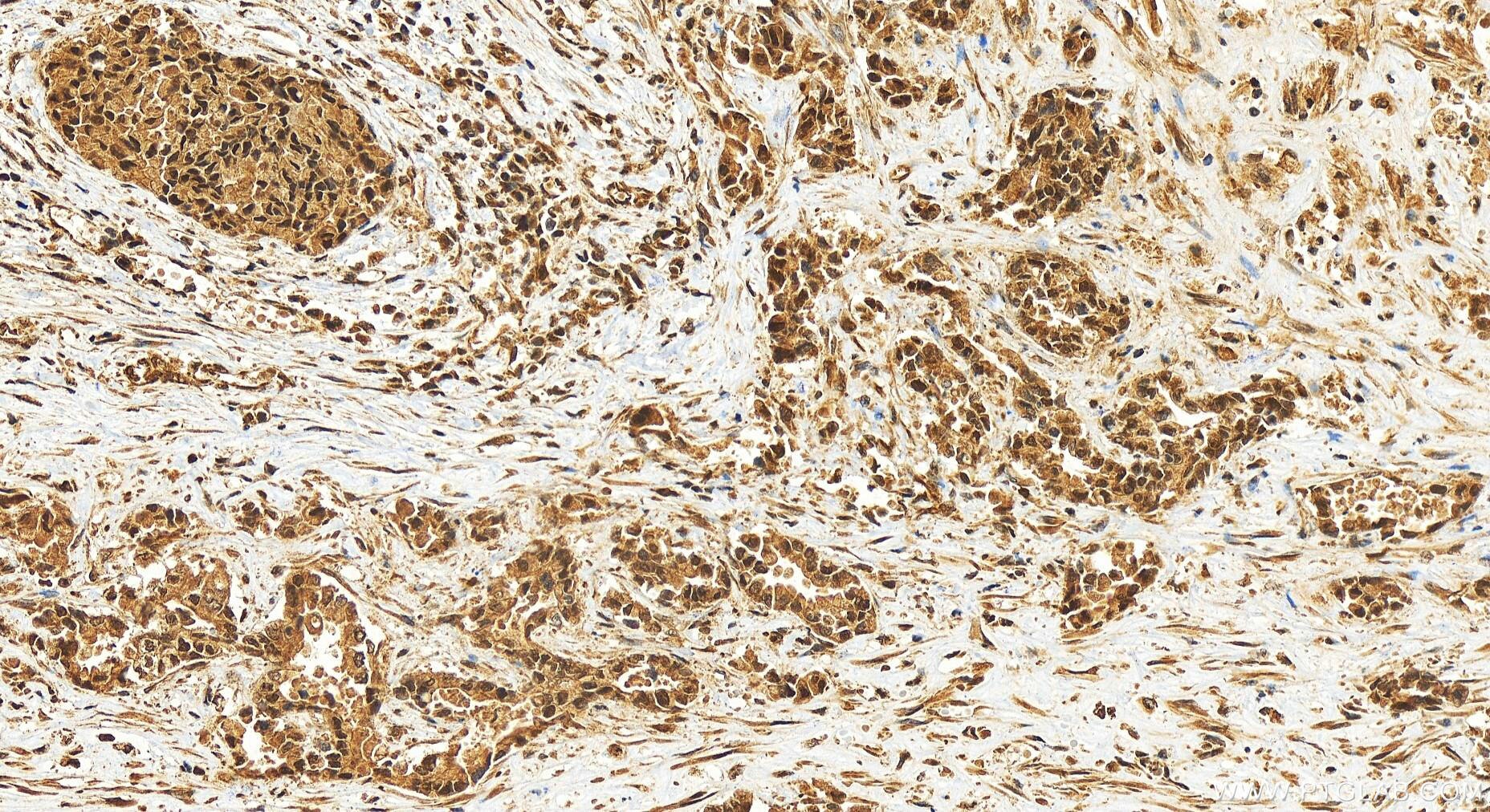
25533-1-PBS targets KANSL3 in WB, IHC, Indirect ELISA applications and shows reactivity with human samples.
| Tested Reactivity | human |
| Host / Isotype | Rabbit / IgG |
| Class | Polyclonal |
| Type | Antibody |
| Immunogen |
CatNo: Ag22117 Product name: Recombinant human KIAA1310 protein Source: e coli.-derived, PET30a Tag: 6*His Domain: 530-878 aa of BC063792 Sequence: LSSVSSSPTSSPKTKVTTVTSAQKSSQIGSSQLLKRHVQRTEAVLTHKQAQVPISSEPPEEGEKEDLRVQLKRHHPSSPLPGSKTSKRPKIKVSLISQGDTAGGPCAPSQGSAPEAAGGKPITMTLGQASAGAKELTGLLTTAKSSSSEGGVSASPVPSVVSSSTAPSALHTLQSRLVATSPGSSLPGATSASSLLQGLSFSLQDISSKTSGLPANPSPGPAPQATSVKLPTPMQSLGAITTGTSTIVRTIPVATTLSSLGATPGGKPTAIHQLLTNGGLAKLASSLPGLAQISNQASGLKVPTTITLTLRGQPSRITTLSPMGSGAAPSEESSSQVLPSSSQRLPPAP Predict reactive species |
| Full Name | KIAA1310 |
| Calculated Molecular Weight | 878 aa, 93 kDa |
| Observed Molecular Weight | 105 kDa |
| GenBank Accession Number | BC063792 |
| Gene Symbol | KANSL3 |
| Gene ID (NCBI) | 55683 |
| RRID | AB_3085802 |
| Conjugate | Unconjugated |
| Form | Liquid |
| Purification Method | Antigen affinity purification |
| UNIPROT ID | Q9P2N6 |
| Storage Buffer | PBS only, pH 7.3. |
| Storage Conditions | Store at -80°C. |
Background Information
KANSL3, or KAT8-associated nonspecific lethal complex subunit 3, is a component of the KANSL complex, which is an important chromatin modifier in higher animals. This complex plays a crucial role in regulating housekeeping genes and is highly conserved across species. KANSL3, along with other KANSL complex members, is essential for cell division and has been shown to interact robustly both in vitro and in vivo. KANSL3 has been found to have a dual role in cellular function. In interphase, KANSL3 is chromatin-bound and regulates the expression of housekeeping genes. During mitosis, KANSL3 relocates to the mitotic spindle and is important for cell division. It has been identified as a microtubule minus-end-binding protein, which is a novel function for a chromatin-binding complex. KANSL3's ability to bind directly to microtubule minus ends is significant, as very few proteins are known to perform this function.




