

Tested Applications
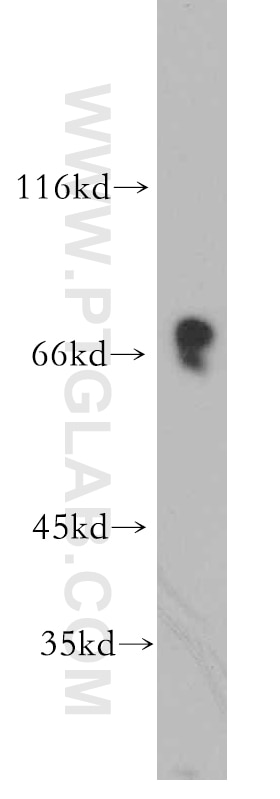
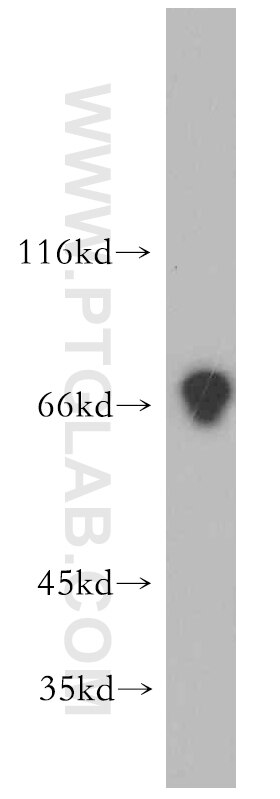
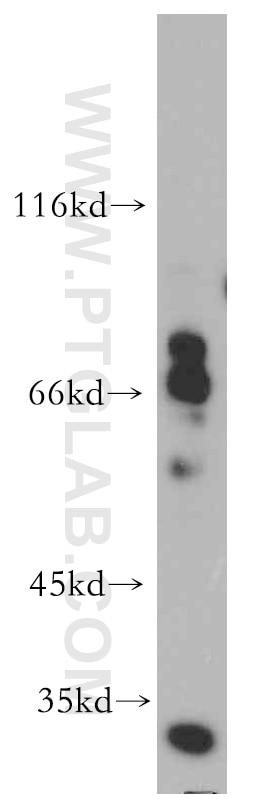
| Positive WB detected in | A549 cells, DU 145 cells, HeLa cells |
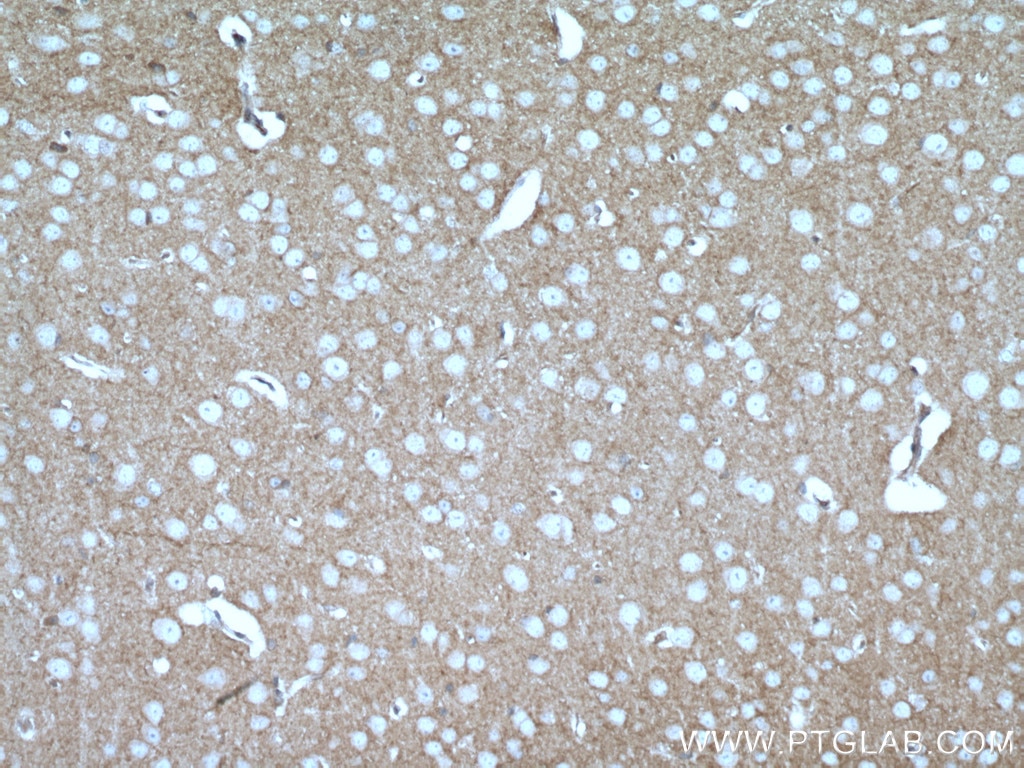
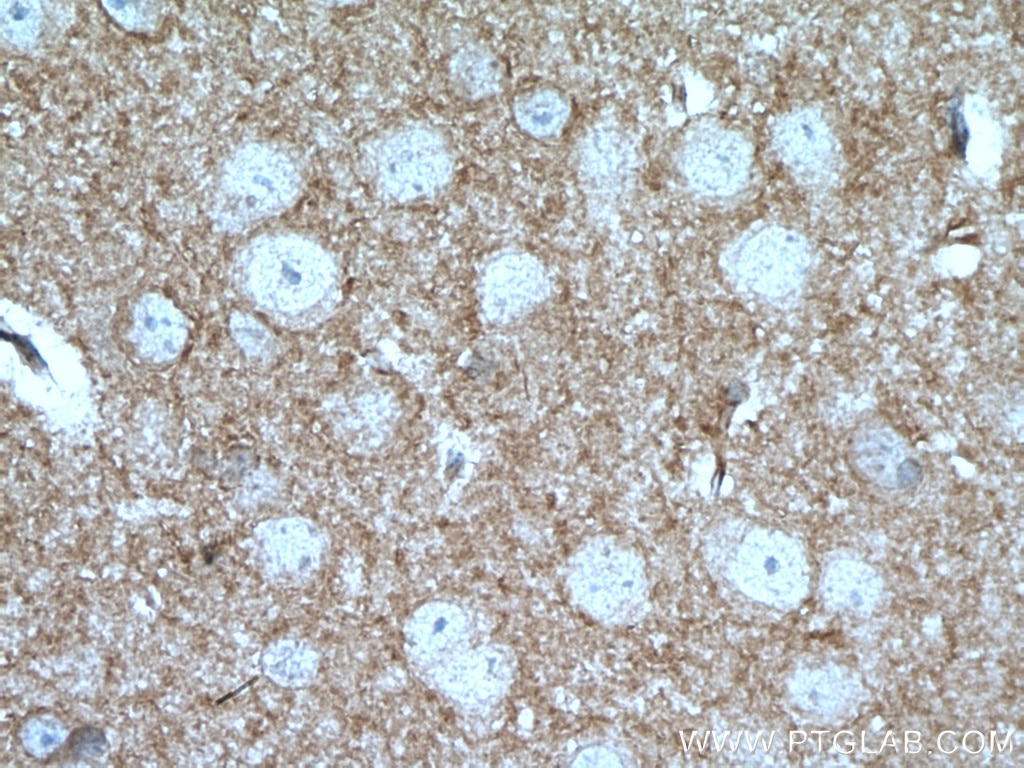
| Positive IHC detected in | mouse brain tissue Note: suggested antigen retrieval with TE buffer pH 9.0; (*) Alternatively, antigen retrieval may be performed with citrate buffer pH 6.0 |
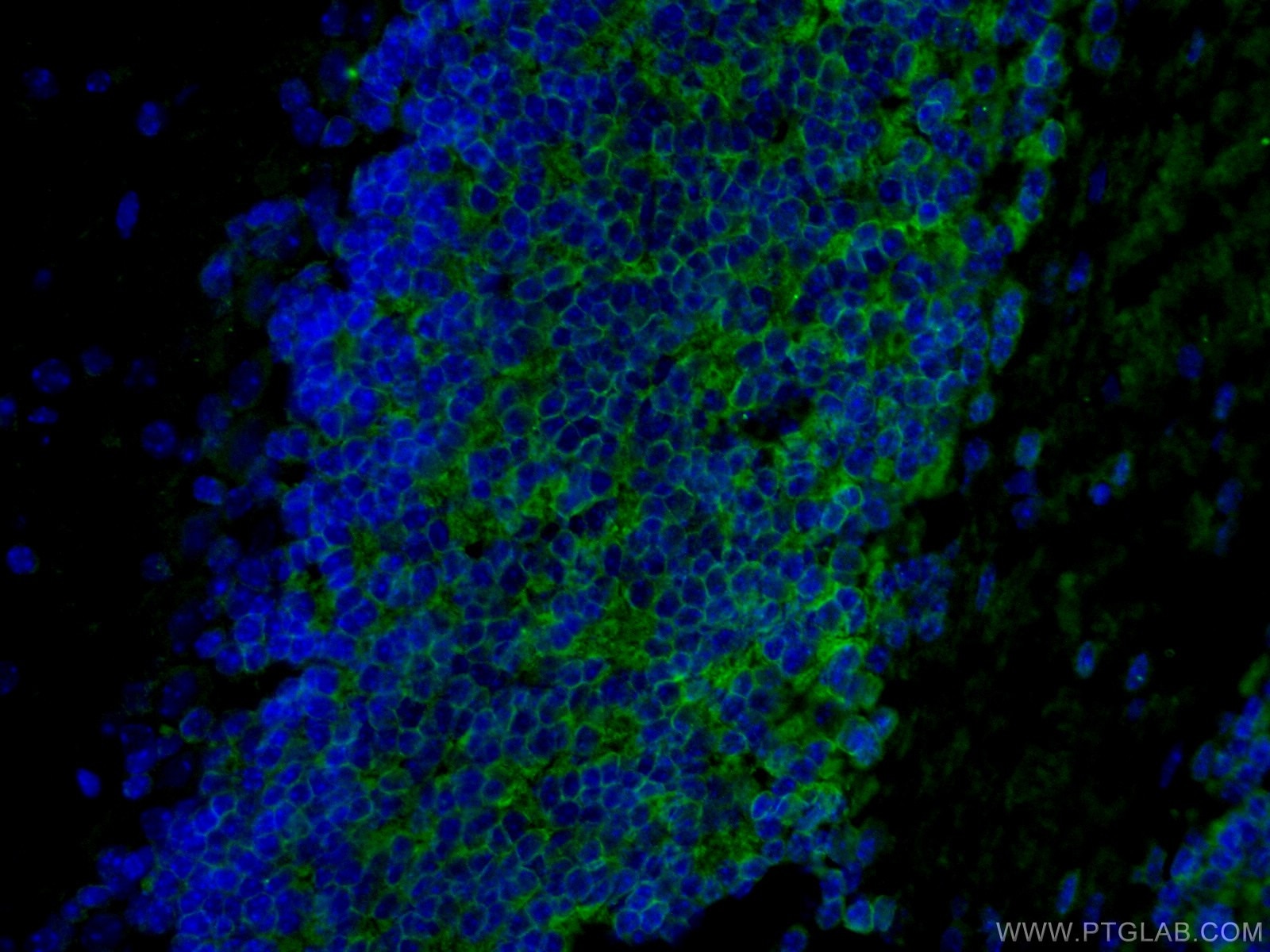
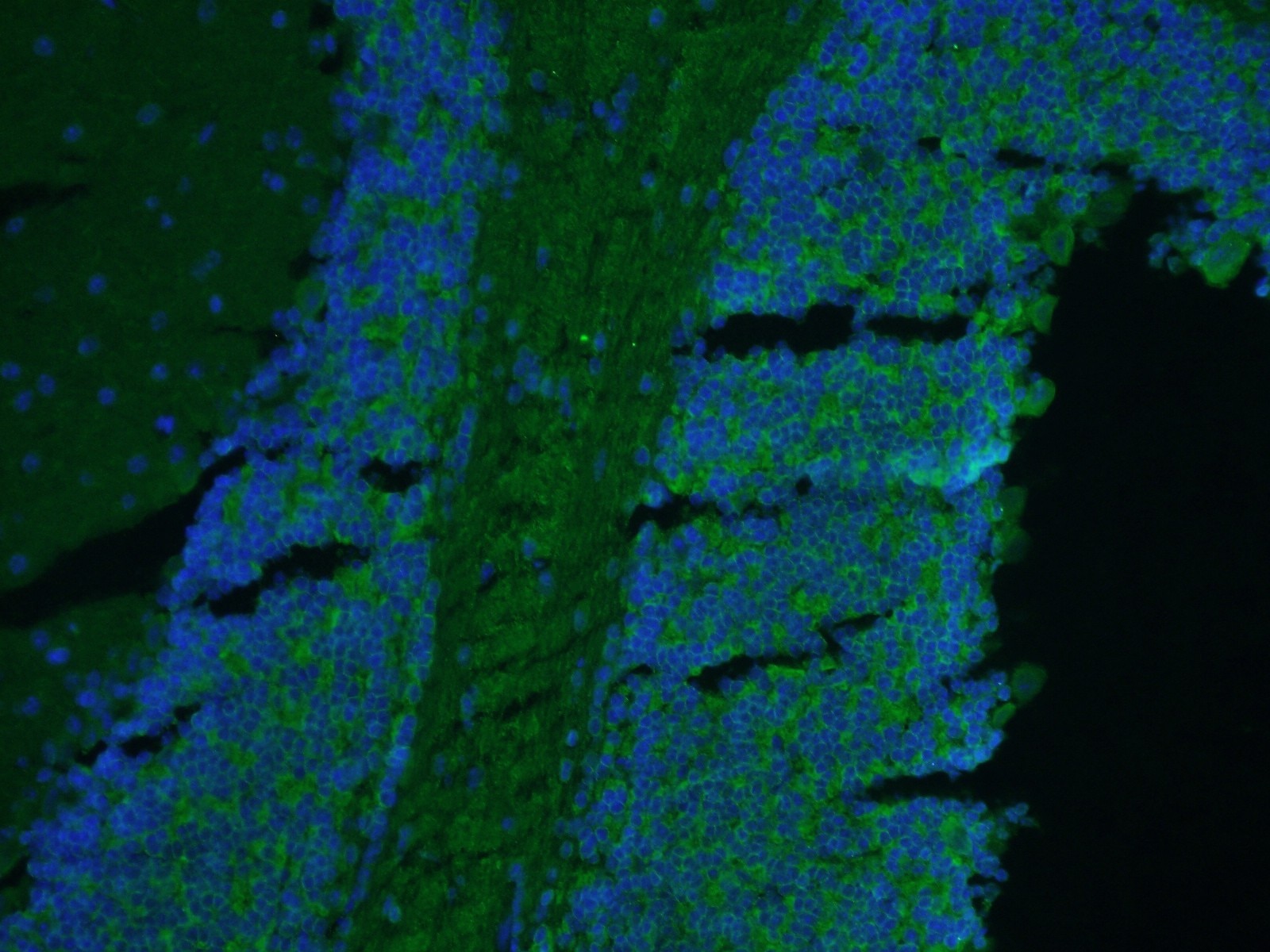
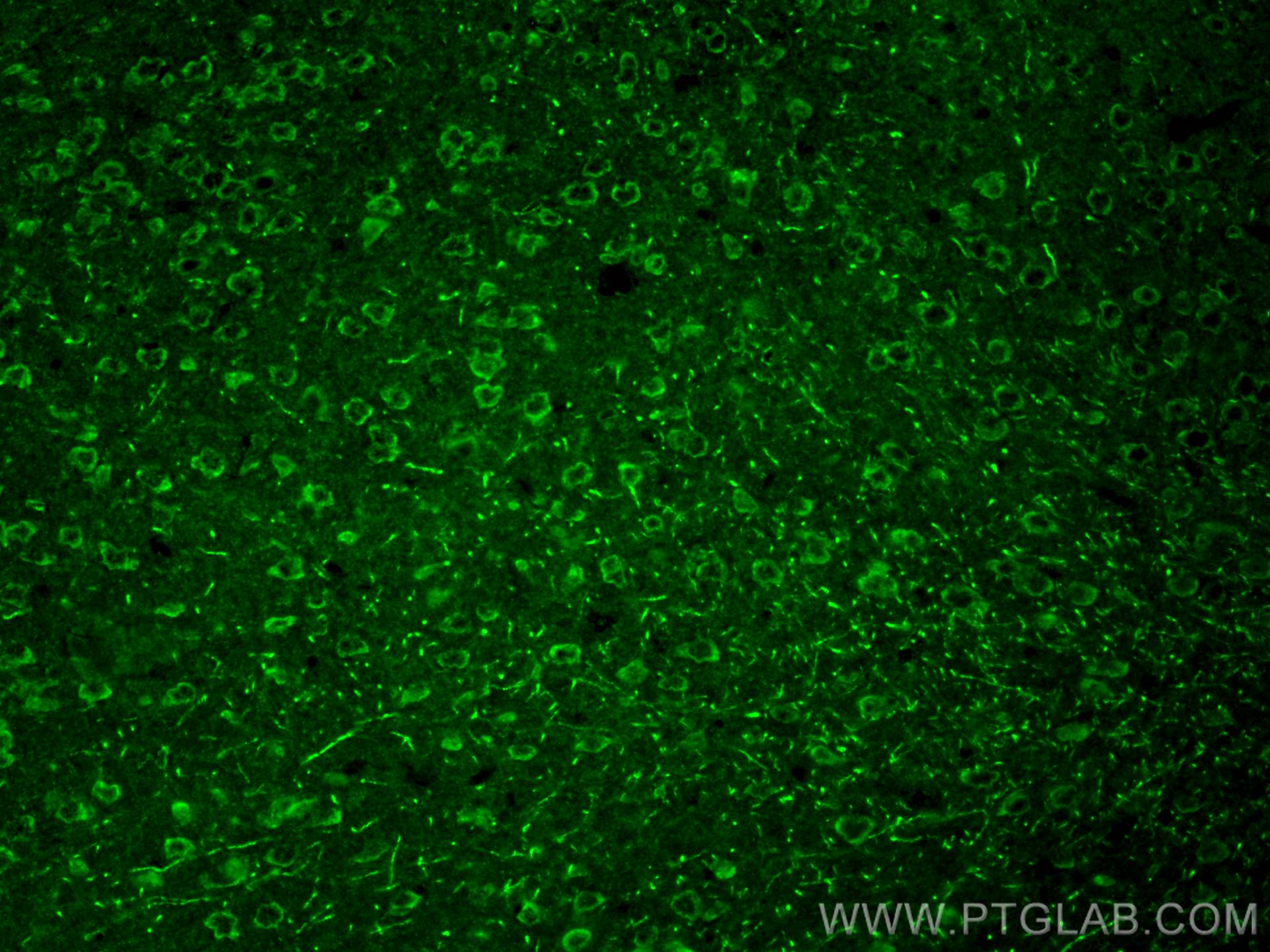
| Positive IF-P detected in | mouse brain tissue |
Recommended dilution
| Application | Dilution |
|---|---|
| Western Blot (WB) | WB : 1:500-1:2000 |
| Immunohistochemistry (IHC) | IHC : 1:50-1:500 |
| Immunofluorescence (IF)-P | IF-P : 1:50-1:500 |
| It is recommended that this reagent should be titrated in each testing system to obtain optimal results. | |
| Sample-dependent, Check data in validation data gallery. | |
Product Information
21298-1-AP targets Kv4.2 in WB, IHC, IF-P, ELISA applications and shows reactivity with human, mouse, rat samples.
| Tested Reactivity | human, mouse, rat |
| Cited Reactivity | human, mouse, rat |
| Host / Isotype | Rabbit / IgG |
| Class | Polyclonal |
| Type | Antibody |
| Immunogen |
CatNo: Ag15879 Product name: Recombinant human KCND2 protein Source: e coli.-derived, PGEX-4T Tag: GST Domain: 435-630 aa of BC110449 Sequence: AAKSGSANAYMQSKRNGLLSNQLQSSEDEQAFVSKSGSSFETQHHHLLHCLEKTTNHEFVDEQVFEESCMEVATVNRPSSHSPSLSSQQGVTSTCCSRRHKKTFRIPNANVSGSHQGSIQELSTIQIRCVERTPLSNSRSSLNAKMEECVKLNCEQPYVTTAIISIPTPPVTTPEGDDRPESPEYSGGNIVRVSAL Predict reactive species |
| Full Name | potassium voltage-gated channel, Shal-related subfamily, member 2 |
| Calculated Molecular Weight | 630 aa, 71 kDa |
| Observed Molecular Weight | 70-80 kDa |
| GenBank Accession Number | BC110449 |
| Gene Symbol | KCND2 |
| Gene ID (NCBI) | 3751 |
| RRID | AB_10733102 |
| Conjugate | Unconjugated |
| Form | Liquid |
| Purification Method | Antigen affinity purification |
| UNIPROT ID | Q9NZV8 |
| Storage Buffer | PBS with 0.02% sodium azide and 50% glycerol, pH 7.3. |
| Storage Conditions | Store at -20°C. Stable for one year after shipment. Aliquoting is unnecessary for -20oC storage. 20ul sizes contain 0.1% BSA. |
Background Information
Voltage-gated potassium or Kv channels, specifically those mediating low threshold, rapidly inactivating Ito and IA currents, are known to regulate cardiac and neuronal membrane excitability, respectively (PMID: 12829703). Voltage-gated potassium channel subunit Kv4.2, encoded by the KCND2 gene, belongs to the potassium channel family and D (Shal) subfamily. It is a pore-forming alpha subunit of voltage-gated rapidly inactivating A-type potassium channels. Kv4.2 is highly expressed in the brain (PMID: 10551270). It is a major constituent of A-type potassium currents and a key regulator of neuronal membrane excitability (PMID: 22539834).
Protocols
| Product Specific Protocols | |
|---|---|
| IF protocol for Kv4.2 antibody 21298-1-AP | Download protocol |
| IHC protocol for Kv4.2 antibody 21298-1-AP | Download protocol |
| WB protocol for Kv4.2 antibody 21298-1-AP | Download protocol |
| Standard Protocols | |
|---|---|
| Click here to view our Standard Protocols |
Publications
What published studies show
The Kv4.2 Polyclonal antibody (Cat# 21298-1-AP) has 14 citations spanning journals including Nature Communications, Neuron, JCI Insight, Life Sciences, Neurobiology of Disease, Molecular Neurobiology, Scientific Reports, eNeuro, Biochemical and Biophysical Research Communications, Journal of Molecular Neuroscience, Biomedical Pharmacotherapy, Acta Physiologica, Aging, and Research Square. Research fields covered include neuroscience (epilepsy, Down syndrome, hippocampal function, dendritic spines), cardiology (arrhythmia, atrial fibrillation, ischemia-reperfusion injury), and oncology (glioblastoma, triple-negative breast cancer), with applications primarily in WB, IF, and IHC.
| Species | Application | Title |
|---|---|---|
Nat Commun Synaptic and intrinsic membrane defects disrupt early neural network dynamics in Down syndrome. | ||
Neuron Potassium ion channel modulation at cancer-neural interface enhances neuronal excitability in epileptogenic glioblastoma multiforme | ||
Biomed Pharmacother Fraxinellone protects against cardiac injury and decreases ventricular fibrillation susceptibility during myocardial ischemia-reperfusion | ||
JCI Insight Indoxyl sulfate reduces Ito,f by activating ROS/MAPK and NF-κB signaling pathways. | ||
Life Sci Metformin alleviates hyperkalemia-induced arrhythmia and cardiac injury in mice through decreasing SK2 and intracellular Ca2 | ||
Neurobiol Dis MicroRNA inhibition upregulates hippocampal A-type potassium current and reduces seizure frequency in a mouse model of epilepsy. |









