

Tested Applications
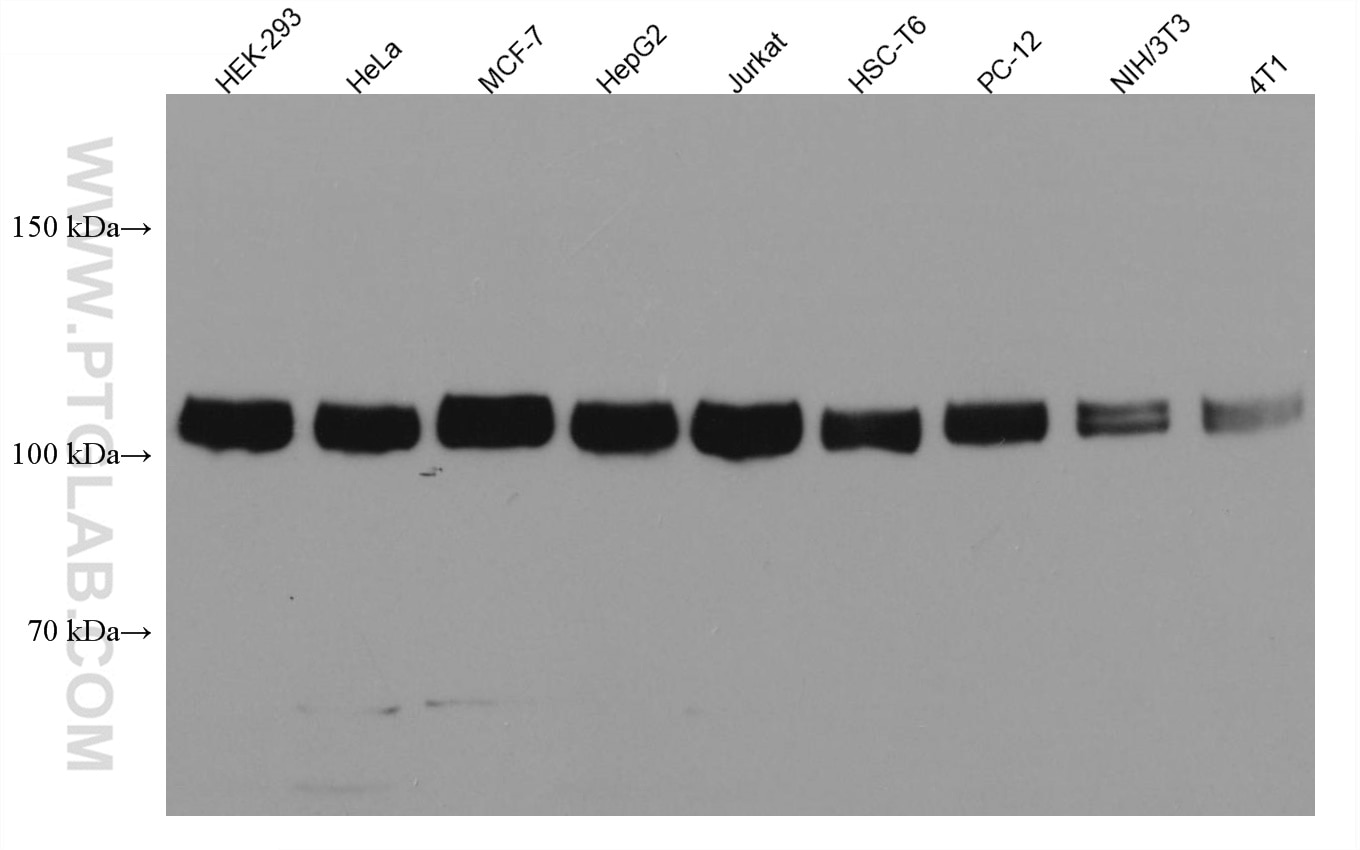
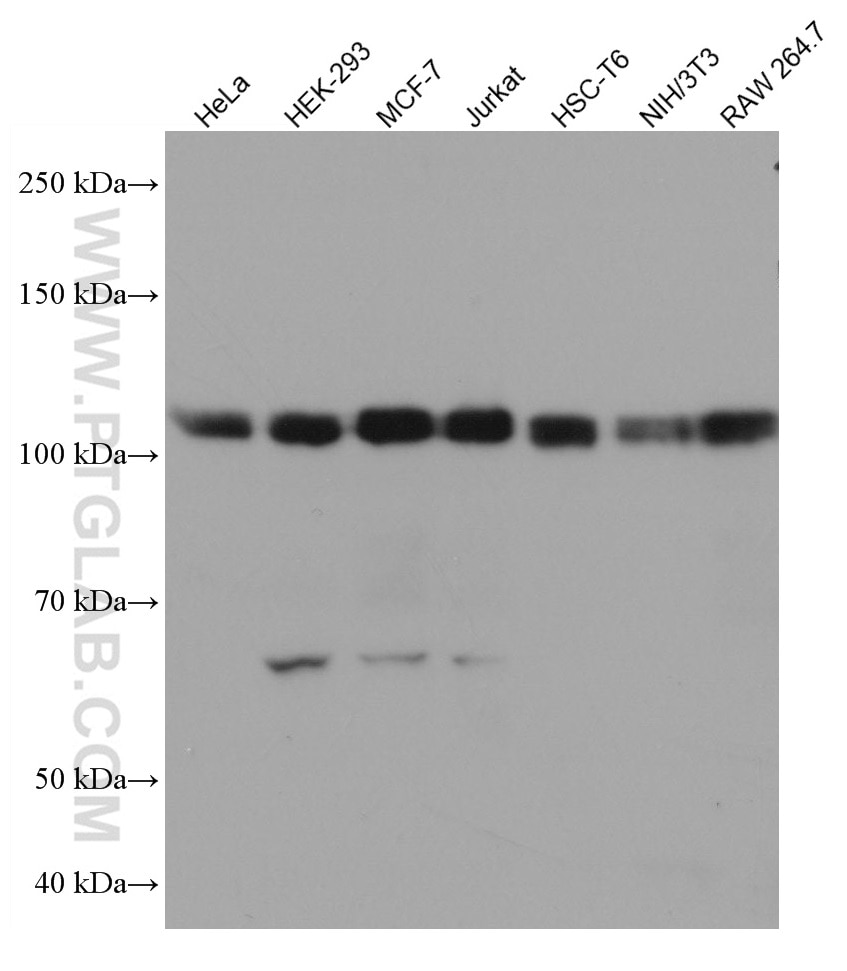
| Positive WB detected in | HEK-293 cells, HeLa cells, MCF-7 cells, Jurkat cells, HSC-T6 cells, NIH/3T3 cells, RAW 264.7 cells, HepG2 cells, PC-12 cells, 4T1 cells |
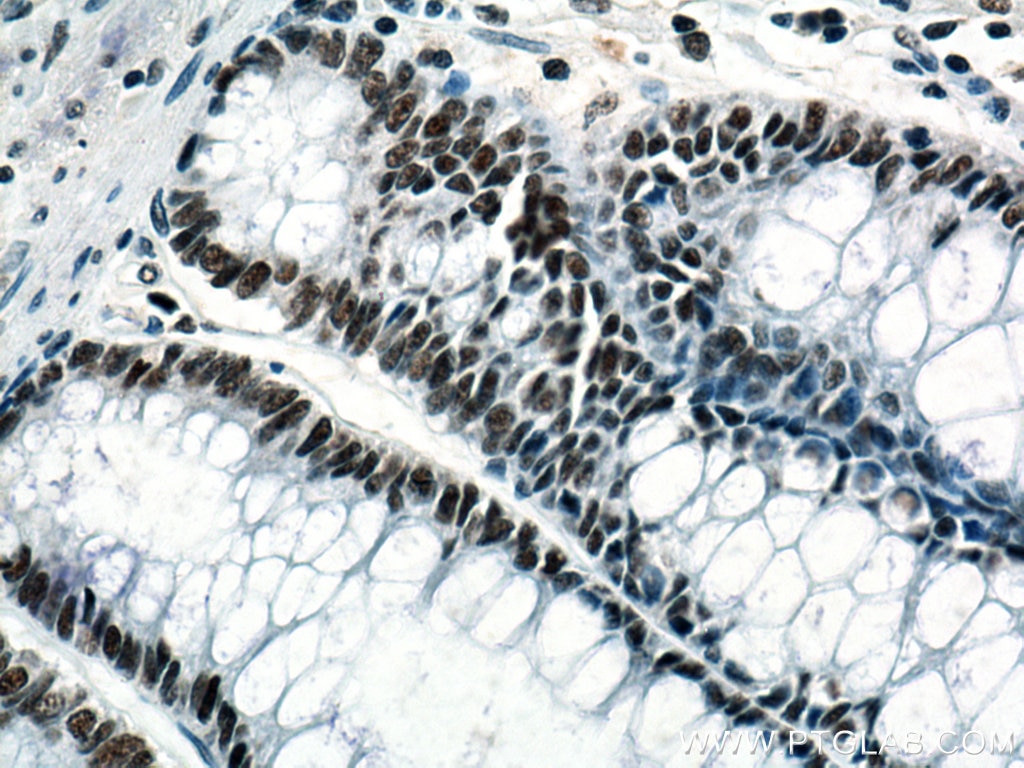
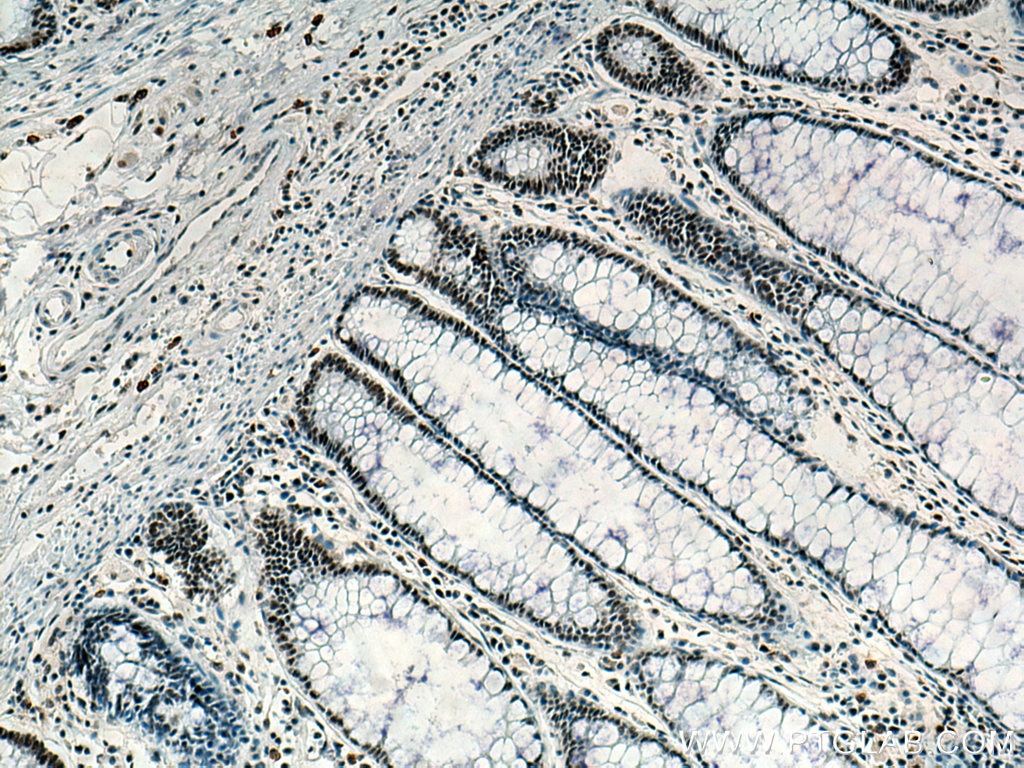
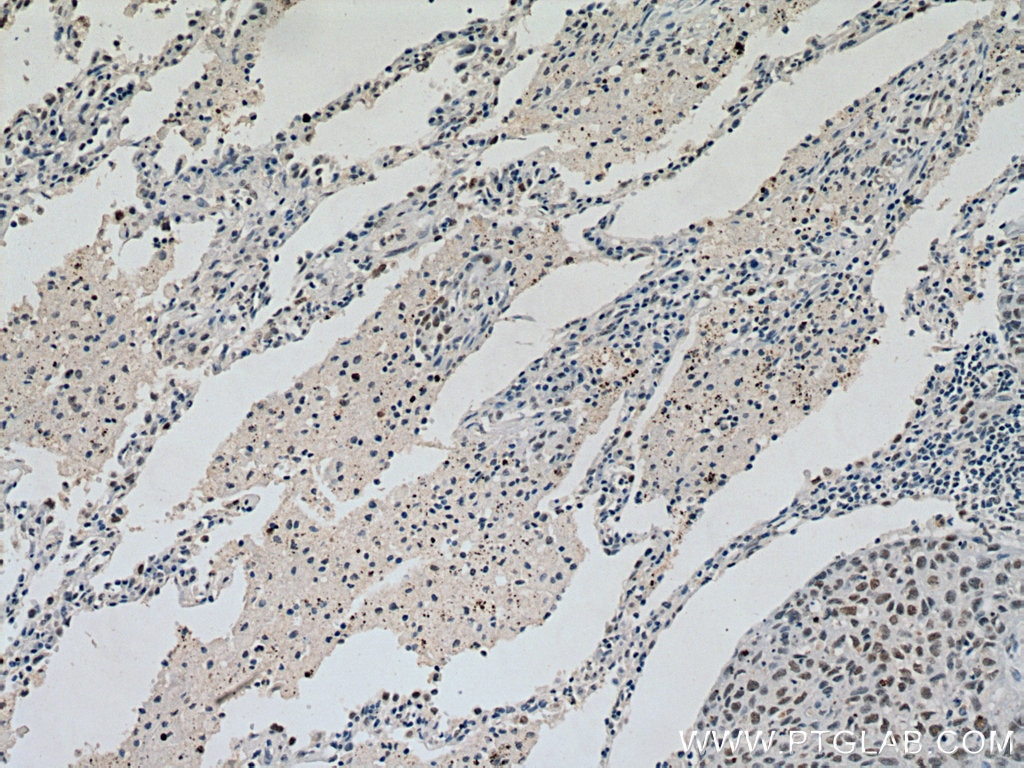
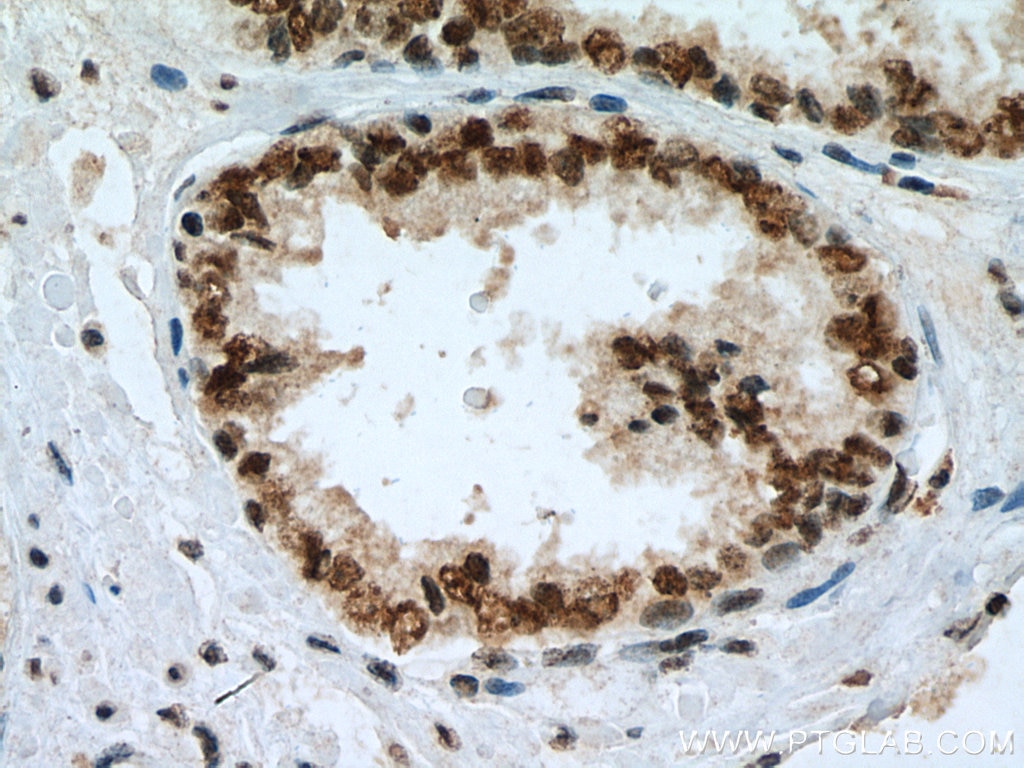
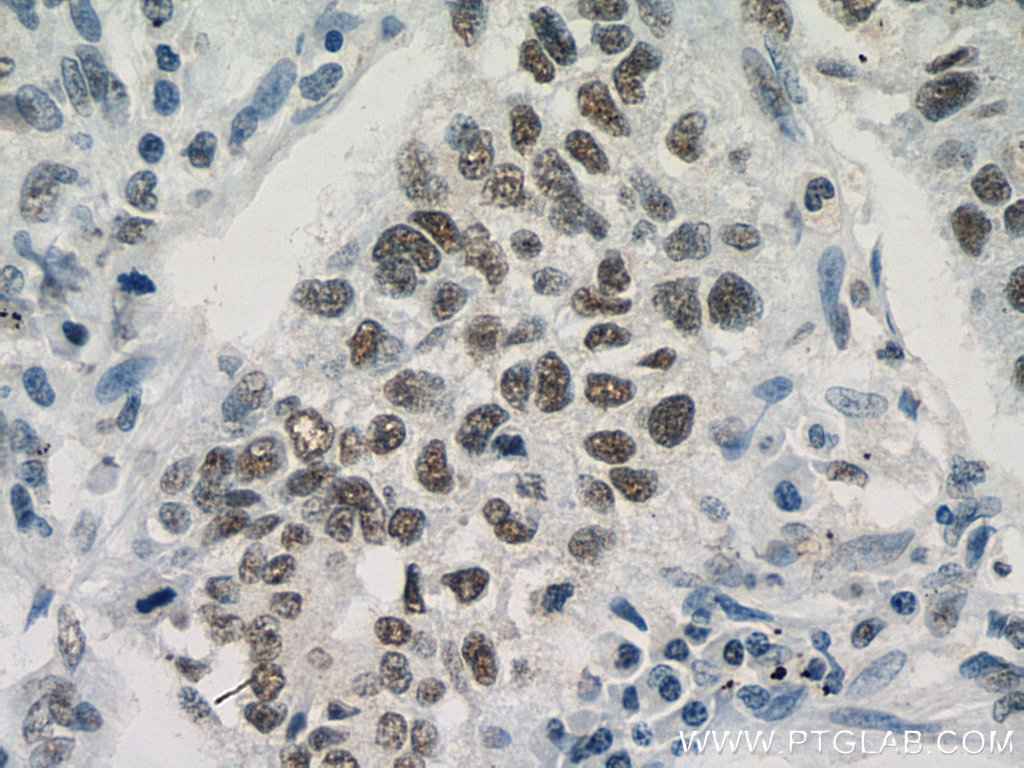
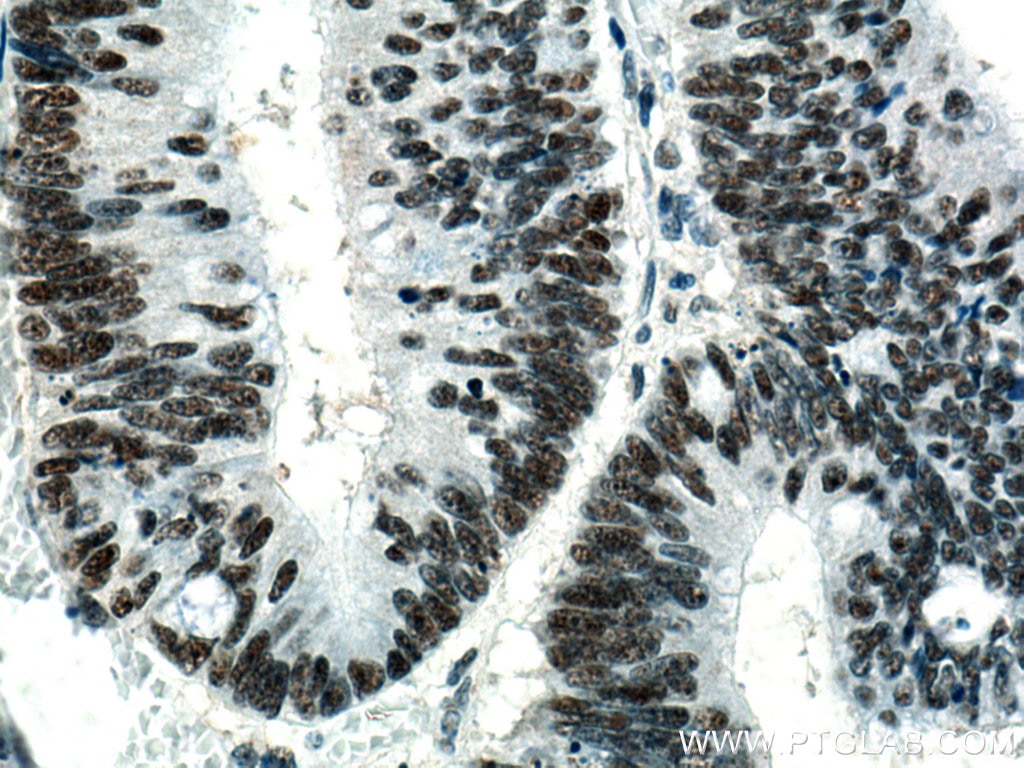
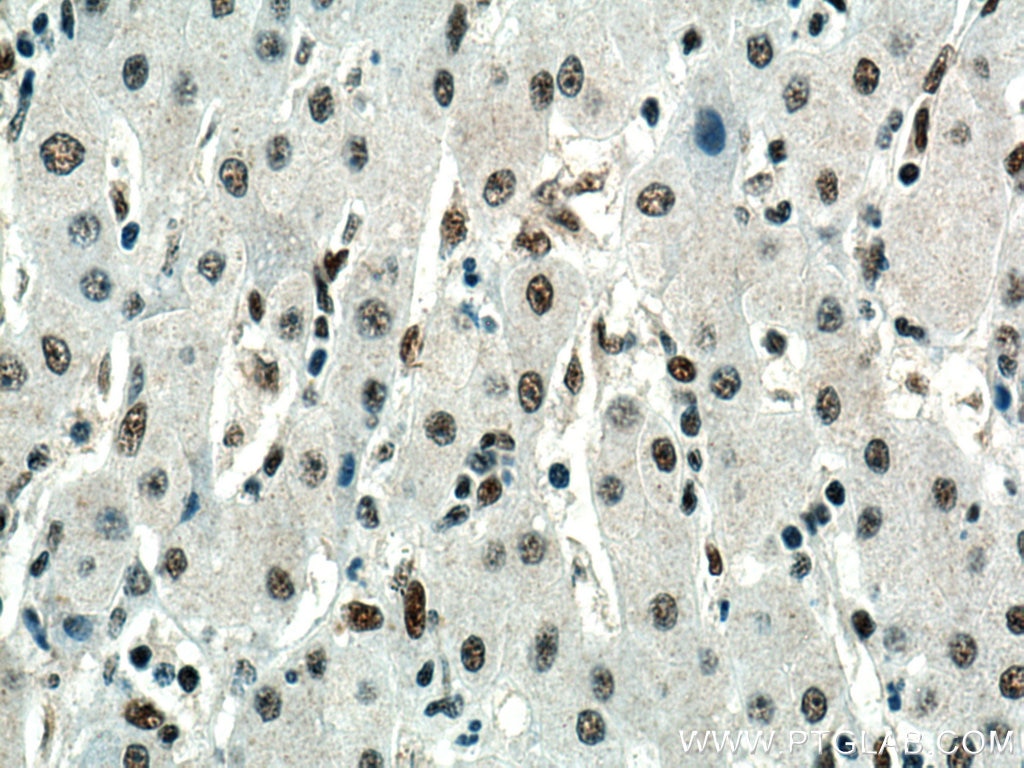
| Positive IHC detected in | human colon cancer tissue, human lung cancer tissue, human liver cancer tissue, human prostate cancer tissue Note: suggested antigen retrieval with TE buffer pH 9.0; (*) Alternatively, antigen retrieval may be performed with citrate buffer pH 6.0 |
Recommended dilution
| Application | Dilution |
|---|---|
| Western Blot (WB) | WB : 1:5000-1:50000 |
| Immunohistochemistry (IHC) | IHC : 1:500-1:2000 |
| It is recommended that this reagent should be titrated in each testing system to obtain optimal results. | |
| Sample-dependent, Check data in validation data gallery. | |
Product Information
67037-1-Ig targets KDM1 in WB, IHC, IF, ELISA applications and shows reactivity with human, mouse, rat samples.
| Tested Reactivity | human, mouse, rat |
| Cited Reactivity | human |
| Host / Isotype | Mouse / IgG1 |
| Class | Monoclonal |
| Type | Antibody |
| Immunogen |
CatNo: Ag14778 Product name: Recombinant human KDM1 protein Source: e coli.-derived, PET28a Tag: 6*His Domain: 524-876 aa of BC040194 Sequence: TQGKLEEKLQELEANPPSDVYLSSRDRQILDWHFANLEFANATPLSTLSLKHWDQDDDFEFTGSHLTVRNGYSCVPVALAEGLDIKLNTAVRQVRYTASGCEVIAVNTRSTSQTFIYKCDAVLCTLPLGVLKQQPPAVQFVPPLPEWKTSAVQRMGFGNLNKVVLCFDRVFWDPSVNLFGHVGSTTASRGELFLFWNLYKAPILLALVAGEAAGIMENISDDVIVGRCLAILKGIFGSSAVPQPKETVVSRWRADPWARGSYSYVAAGSSGNDYDLMAQPITPGPSIPGAPQPIPRLFFAGEHTIRNYPATVHGALLSGLREAGRIADQFLGAMYTLPRQATPGVPAQQSPSM Predict reactive species |
| Full Name | lysine (K)-specific demethylase 1 |
| Calculated Molecular Weight | 876 aa, 95 kDa |
| Observed Molecular Weight | 110 kDa |
| GenBank Accession Number | BC040194 |
| Gene Symbol | KDM1 |
| Gene ID (NCBI) | 23028 |
| RRID | AB_2882351 |
| Conjugate | Unconjugated |
| Form | Liquid |
| Purification Method | Protein G purification |
| UNIPROT ID | O60341 |
| Storage Buffer | PBS with 0.02% sodium azide and 50% glycerol, pH 7.3. |
| Storage Conditions | Store at -20°C. Stable for one year after shipment. Aliquoting is unnecessary for -20oC storage. 20ul sizes contain 0.1% BSA. |
Background Information
Lysine specific demethylase 1 (LSD1/BHC110/KIAA0601/p110b/AOF2/KDM1) is an amine oxidase that catalyzes histone demethylation via a flavin adenine dinucleotide (FAD)-dependent oxidative reaction(PMID:19703393). This protein belongs to the flavin monoamine oxidase family. Its structure and function is conserved from yeast to human and it is typically associated to CoREST, a corepressor protein, and histone deacetylases HDAC1 and HDAC2. Human LSD1 consists of 852 amino acids and comprises an N-terminal SWIRM domain, involved in protein interactions, and a C-terminal amine oxidase domain, which contains an insertion that forms the CoREST interacting site (the so-called tower domain )(PMID:20164337). It has 2 isoforms produced by alternative splicing with the calculated molecular mass of 93-95 kDa and apparent molecular mass of 110 kDa.
Protocols
| Product Specific Protocols | |
|---|---|
| IHC protocol for KDM1 antibody 67037-1-Ig | Download protocol |
| WB protocol for KDM1 antibody 67037-1-Ig | Download protocol |
| Standard Protocols | |
|---|---|
| Click here to view our Standard Protocols |
Publications
What published studies show
The antibody is anti-KDM1A (catalog #67037-1-Ig), with a total of 3 citations. These appear in Life Sciences, Journal of Virology, and bioRxiv. The research fields span cardiovascular biology (atherosclerosis progression via the SREBF1/LXR axis) and virology/epigenetics (HNRNPA2B1 as an epigenetic repressor of Epstein-Barr virus reactivation). Applications cited include Western blot and immunofluorescence in human samples.
| Species | Application | Title |
|---|---|---|
Life Sci MicroRNA-325 facilitates atherosclerosis progression by mediating the SREBF1/LXR axis via KDM1A. | ||
J Virol Proteomic screening identifies HNRNPA2B1 as an epigenetic repressor of Epstein-Barr virus reactivation. | ||
bioRxiv Proteomic Screening Identifies HNRNPA2B1 as an Epigenetic Repressor of Epstein-Barr Virus Reactivation. |
Reviews
What customers say
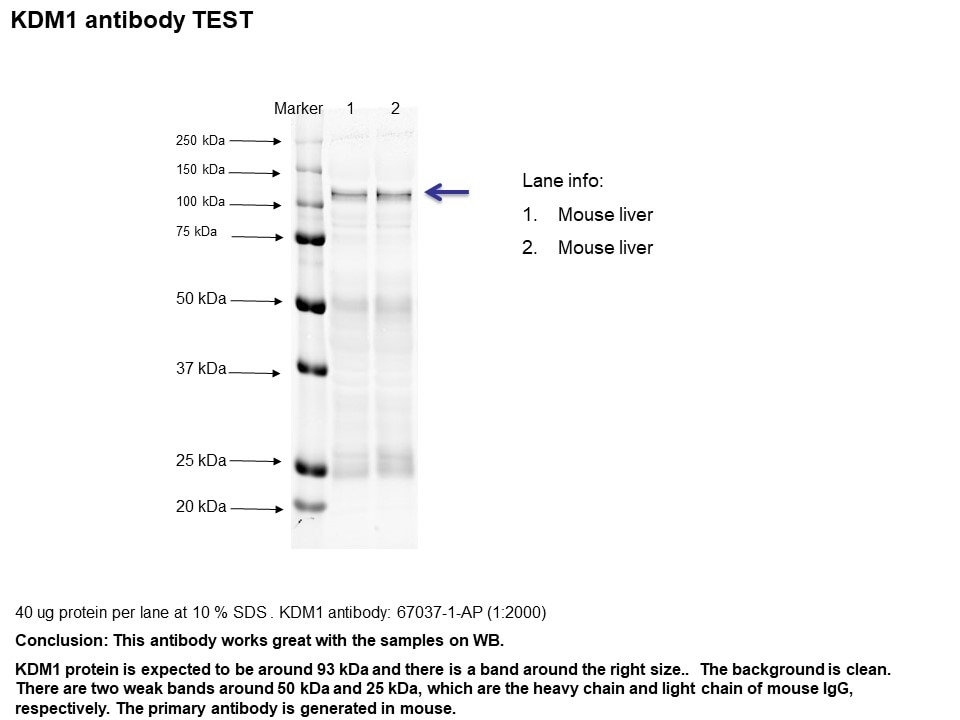
The single available review for this product is highly positive. A researcher rated it 5 stars after using it at a 1:2000 dilution for Western Blot on mouse liver lysate. They reported observing a band at the expected molecular weight with a clean background, indicating good specificity and low non-specific binding. Overall, the feedback suggests reliable performance for WB applications in mouse samples.
The reviews below have been submitted by verified Proteintech customers who received an incentive for providing their feedback.
Hua (Verified Customer) (10-21-2020) | Observed band at the right size with a clean background.
 |










