

Tested Applications
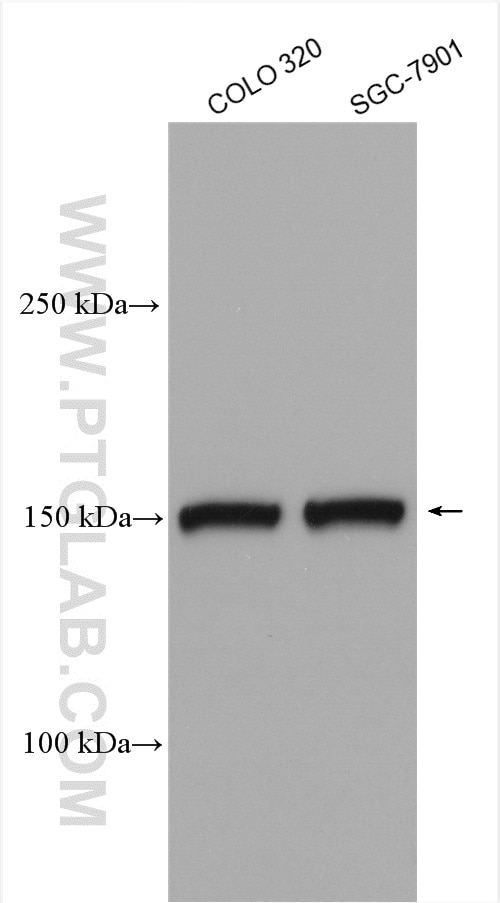
| Positive WB detected in | COLO 320 cells, SGC-7901 cells |
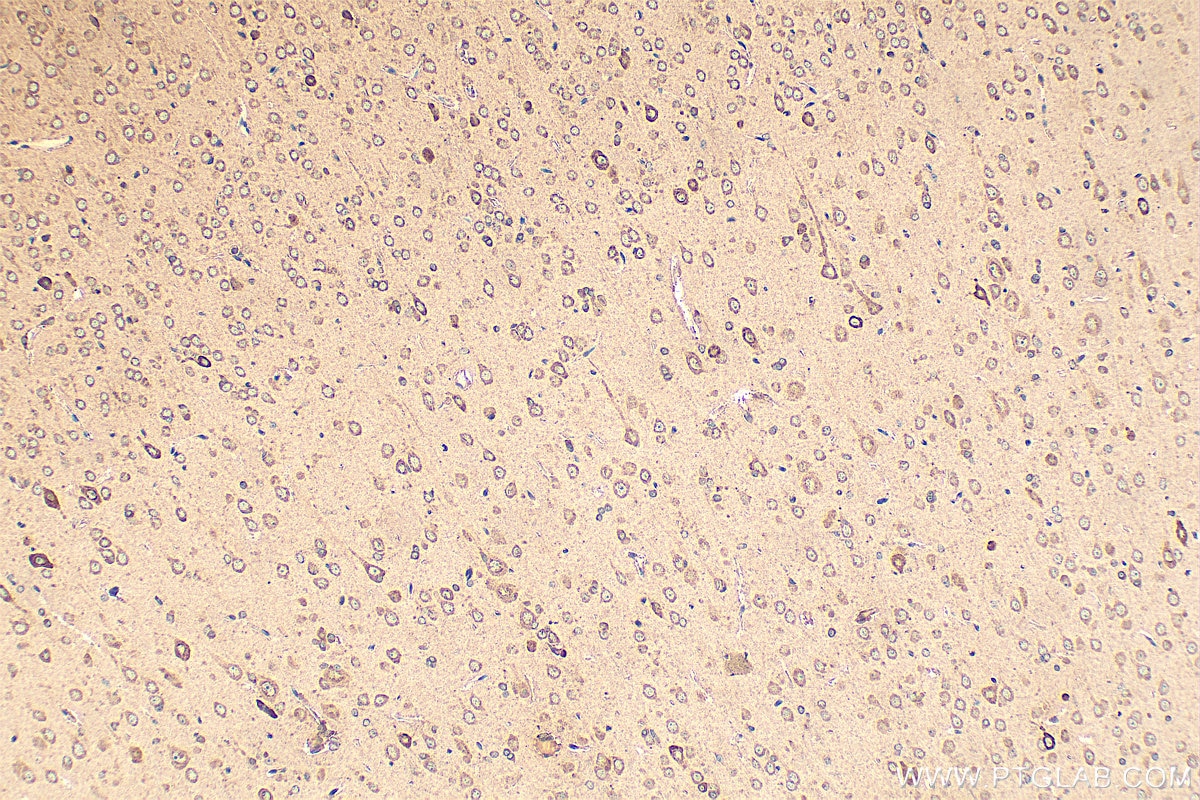
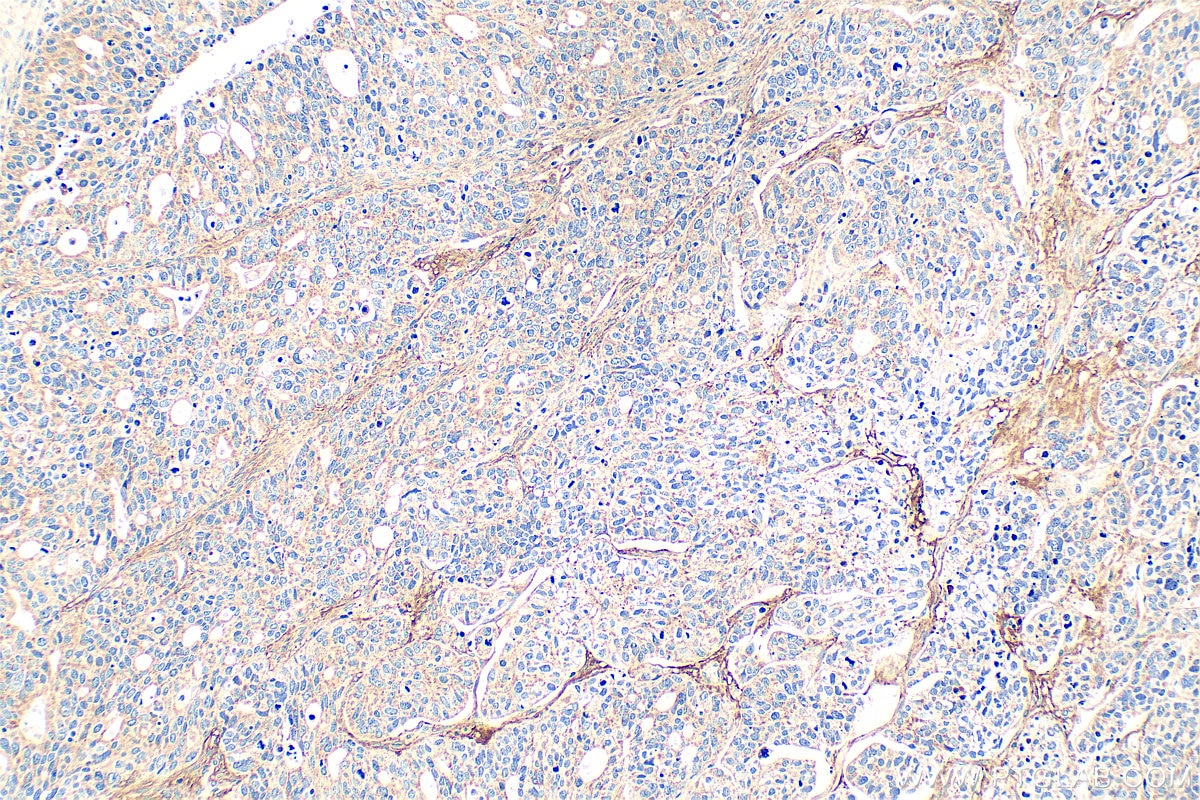
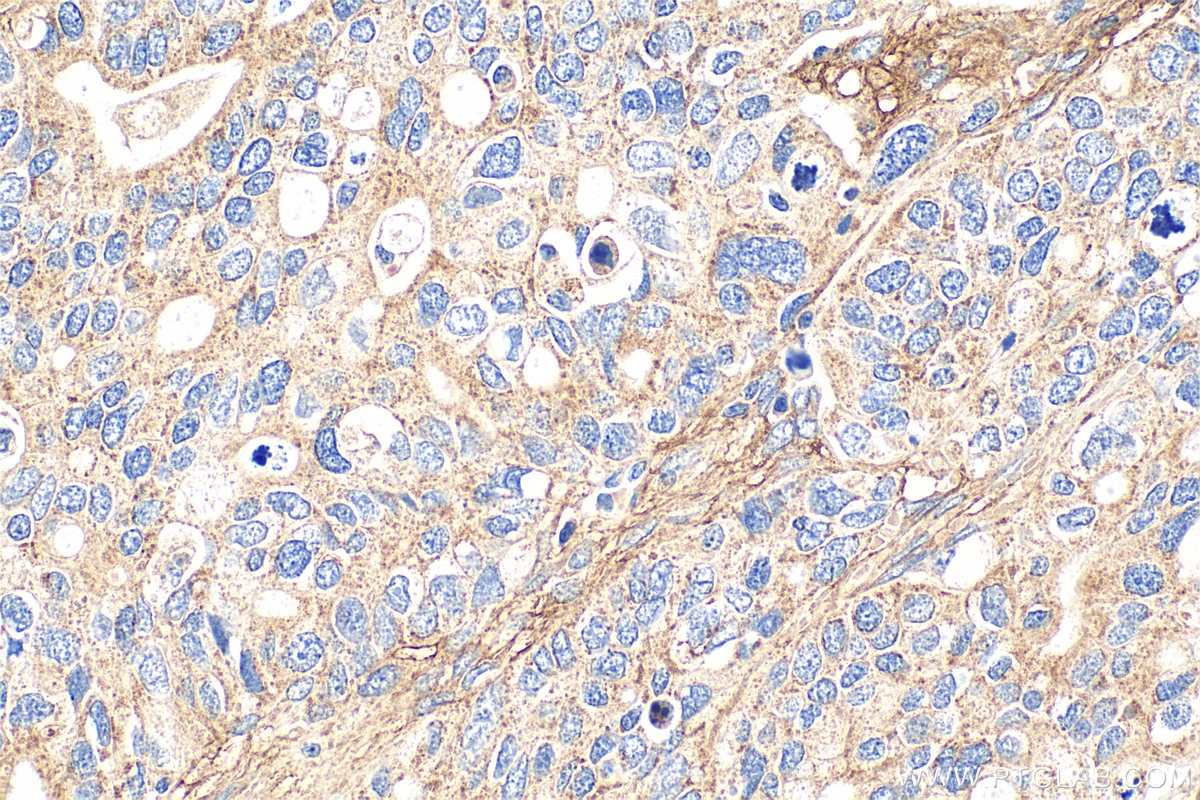
| Positive IHC detected in | human ovary tumor tissue, rat brain tissue Note: suggested antigen retrieval with TE buffer pH 9.0; (*) Alternatively, antigen retrieval may be performed with citrate buffer pH 6.0 |
Recommended dilution
| Application | Dilution |
|---|---|
| Western Blot (WB) | WB : 1:500-1:1000 |
| Immunohistochemistry (IHC) | IHC : 1:50-1:500 |
| It is recommended that this reagent should be titrated in each testing system to obtain optimal results. | |
| Sample-dependent, Check data in validation data gallery. | |
Product Information
21129-1-AP targets KIAA1199 / CEMIP in WB, IHC, IF, IP, CoIP, ELISA applications and shows reactivity with human, rat samples.
| Tested Reactivity | human, rat |
| Cited Reactivity | human, mouse, rat, marmoset |
| Host / Isotype | Rabbit / IgG |
| Class | Polyclonal |
| Type | Antibody |
| Immunogen |
CatNo: Ag15527 Product name: Recombinant human KIAA1199 protein Source: e coli.-derived, PGEX-4T Tag: GST Domain: 31-386 aa of BC020256 Sequence: TVAAGCPDQSPELQPWNPGHDQDHHVHIGQGKTLLLTSSATVYSIHISEGGKLVIKDHDEPIVLRTRHILIDNGGELHAGSALCPFQGNFTIILYGRADEGIQPDPYYGLKYIGVGKGGALELHGQKKLSWTFLNKTLHPGGMAEGGYFFERSWGHRGVIVHVIDPKSGTVIHSDRFDTYRSKKESERLVQYLNAVPDGRILSVAVNDEGSRNLDDMARKAMTKLGSKHFLHLGFRHPWSFLTVKGNPSSSVEDHIEYHGHRGSAAARVFKLFQTEHGEYFNVSLSSEWVQDVEWTEWFDHDKVSQTKGGEKISDLWKAHPGKICNRPIDIQATTMDGVNLSTEVVYKKGQDYRFA Predict reactive species |
| Full Name | KIAA1199 / CEMIP |
| Calculated Molecular Weight | 1361 aa, 153 kDa |
| Observed Molecular Weight | 150 kDa |
| GenBank Accession Number | BC020256 |
| Gene Symbol | KIAA1199 |
| Gene ID (NCBI) | 57214 |
| RRID | AB_10695771 |
| Conjugate | Unconjugated |
| Form | Liquid |
| Purification Method | Antigen affinity purification |
| UNIPROT ID | Q8WUJ3 |
| Storage Buffer | PBS with 0.02% sodium azide and 50% glycerol, pH 7.3. |
| Storage Conditions | Store at -20°C. Stable for one year after shipment. Aliquoting is unnecessary for -20oC storage. 20ul sizes contain 0.1% BSA. |
Background Information
KIAA1199, also known as CEMIP, was first discovered as an inner-ear protein whose genetic mutations were linked to nonsyndromic hearing loss. KIAA1199 is involved in hyaluronan degradation. Studies have shown that KIAA1199 is overexpressed in many types of cancers, suggesting a critical role of KIAA1199 in cancer progression.
Protocols
| Product Specific Protocols | |
|---|---|
| IHC protocol for KIAA1199 / CEMIP antibody 21129-1-AP | Download protocol |
| WB protocol for KIAA1199 / CEMIP antibody 21129-1-AP | Download protocol |
| Standard Protocols | |
|---|---|
| Click here to view our Standard Protocols |
Publications
What published studies show
The KIAA1199/CEMIP Polyclonal antibody (Cat# 21129-1-AP) has 59 citations across 45 journals, including Nature Communications, Journal of Clinical Investigation, Science Advances, Oncogene, Cell Reports, American Journal of Pathology, and Cell Death & Disease. Research fields span oncology (colorectal, breast, gastric, pancreatic, lung, liver, and bone cancers), osteoarthritis and cartilage biology, cardiac fibrosis, hearing loss, hyaluronan metabolism, EMT, and ferroptosis. Applications include WB, IHC, IF, IP, and CoIP in human, mouse, rat, and other species.
| Species | Application | Title |
|---|---|---|
Nat Commun TREX tetramer disruption alters RNA processing necessary for corticogenesis in THOC6 Intellectual Disability Syndrome | ||
Nat Commun KIAA1199 deficiency enhances skeletal stem cell differentiation to osteoblasts and promotes bone regeneration
| ||
Theranostics Functional Genomic mRNA Profiling of Colorectal Adenomas: Identification and in vivo Validation of CD44 and Splice Variant CD44v6 as Molecular Imaging Targets. | ||
J Clin Invest Osimertinib activates a TGF-β2-dependent secretory program that drives lung adenocarcinoma progression. | ||
MedComm (2020) Transforming Growth Factor Beta2 Promotes Migration and Inhibits the Proliferation of Gastric Cancer Cells by Regulating the pSmad2/3-NDRG1 Signaling Pathway | ||
Sci Adv Single-cell analysis of human basal cell carcinoma reveals novel regulators of tumor growth and the tumor microenvironment. |
Reviews
What customers say
Able is busy answering your previous question. Please try again later.
The reviews below have been submitted by verified Proteintech customers who received an incentive for providing their feedback.
DAN (Verified Customer) (06-10-2022) |
|





