
Product Information
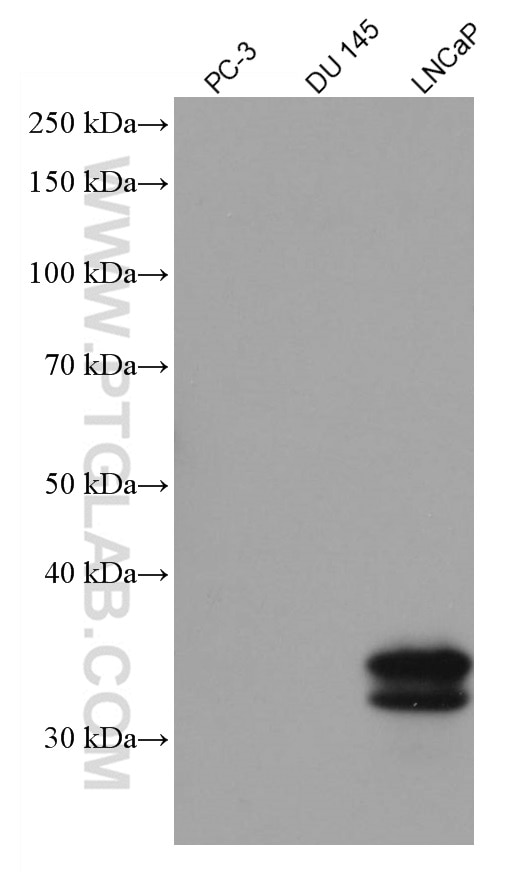
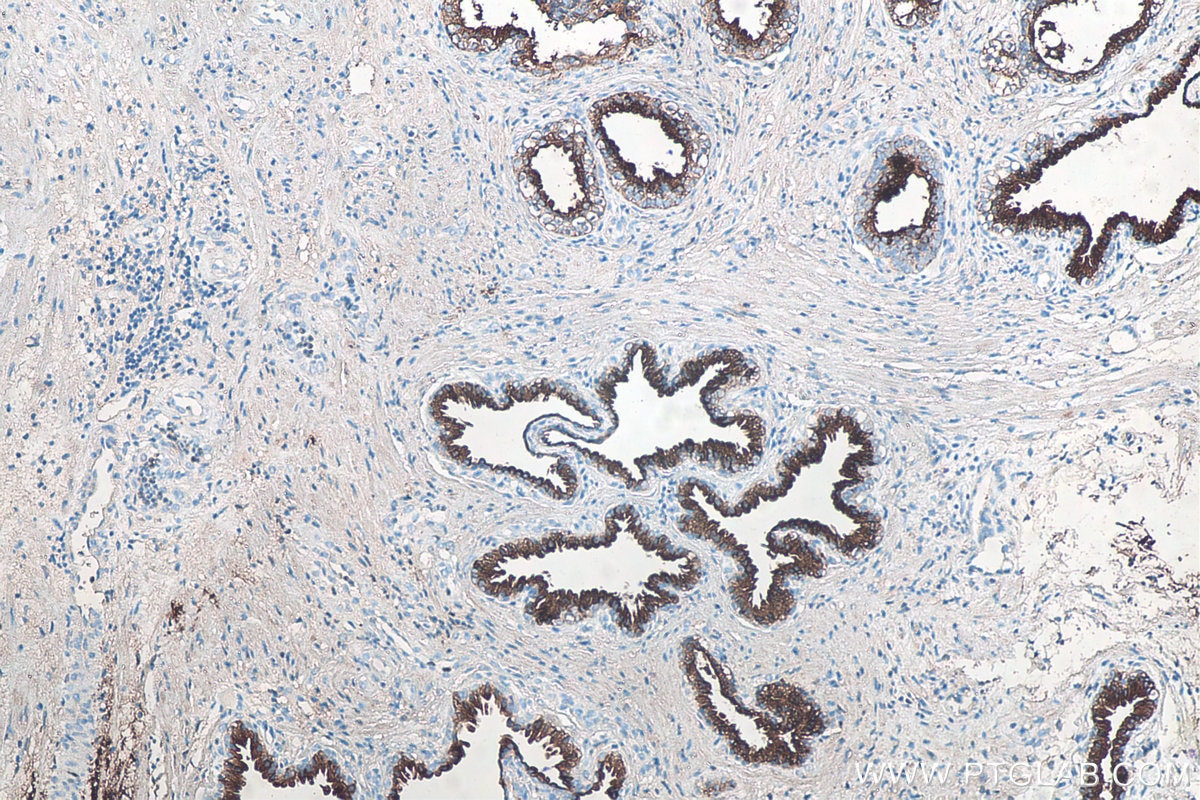
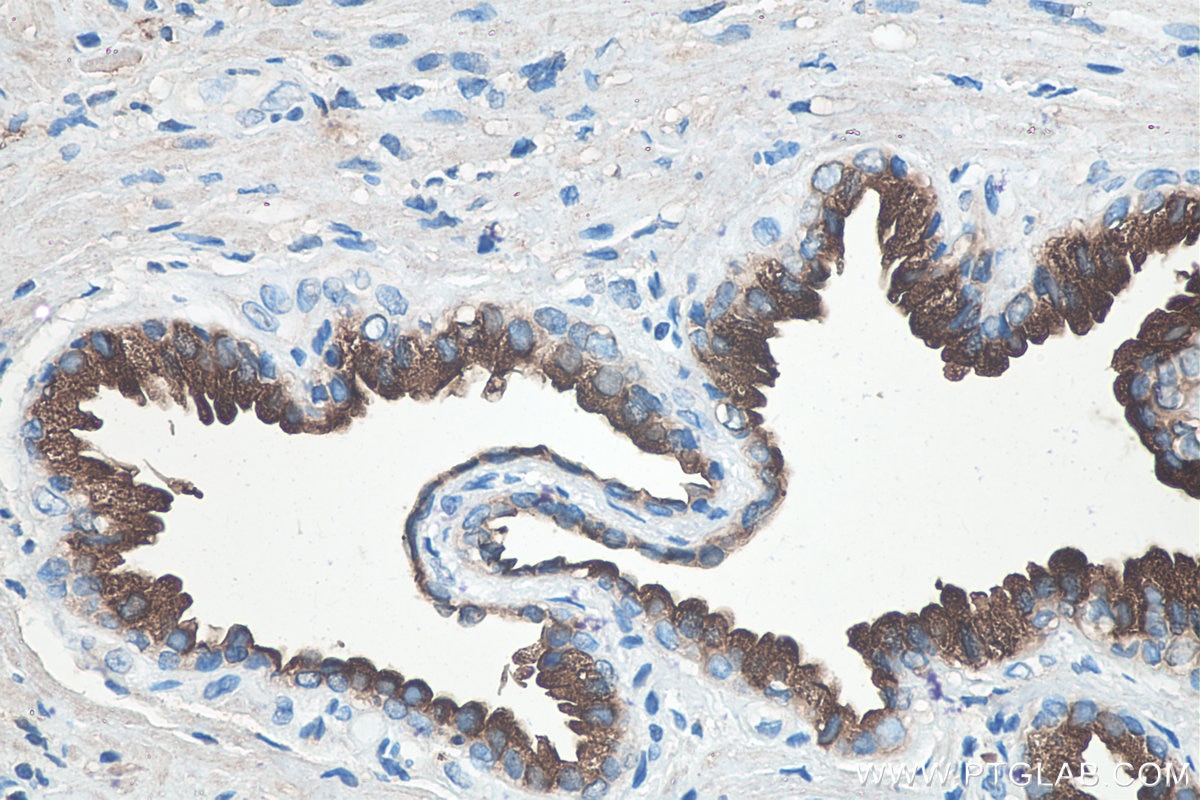
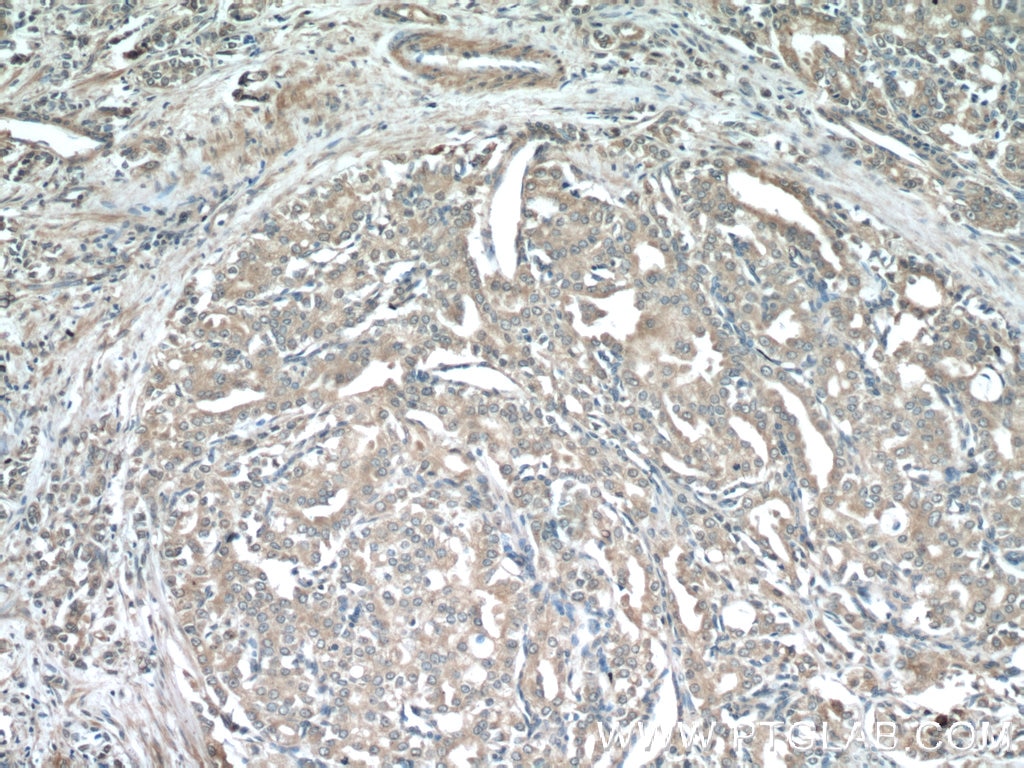
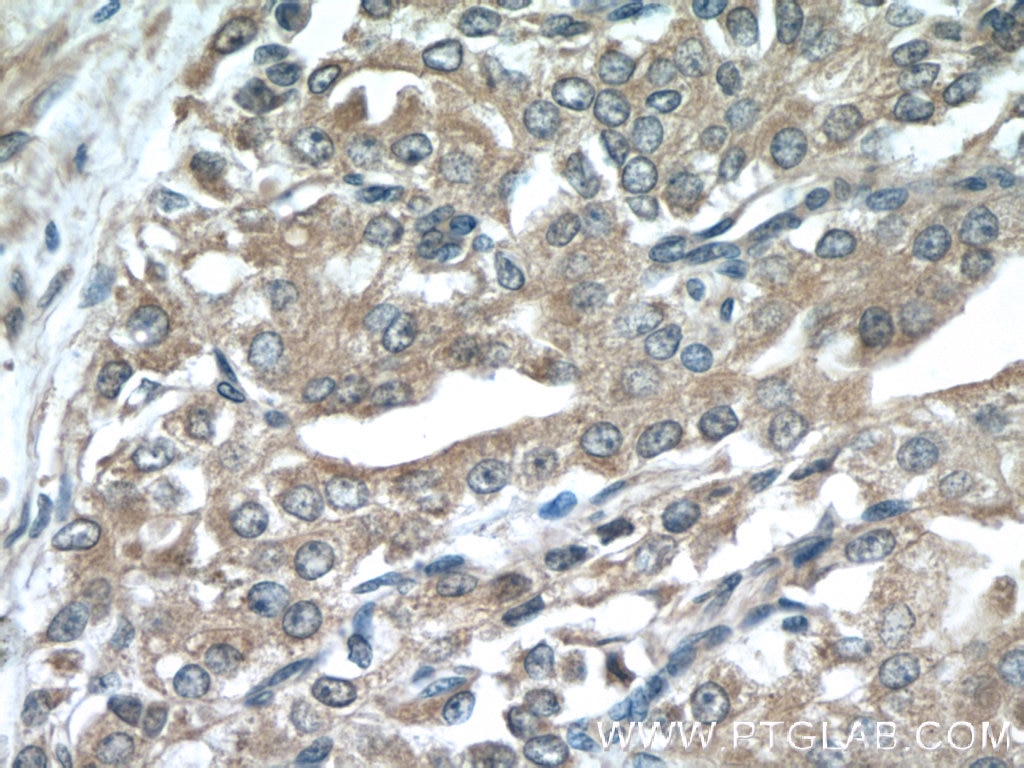
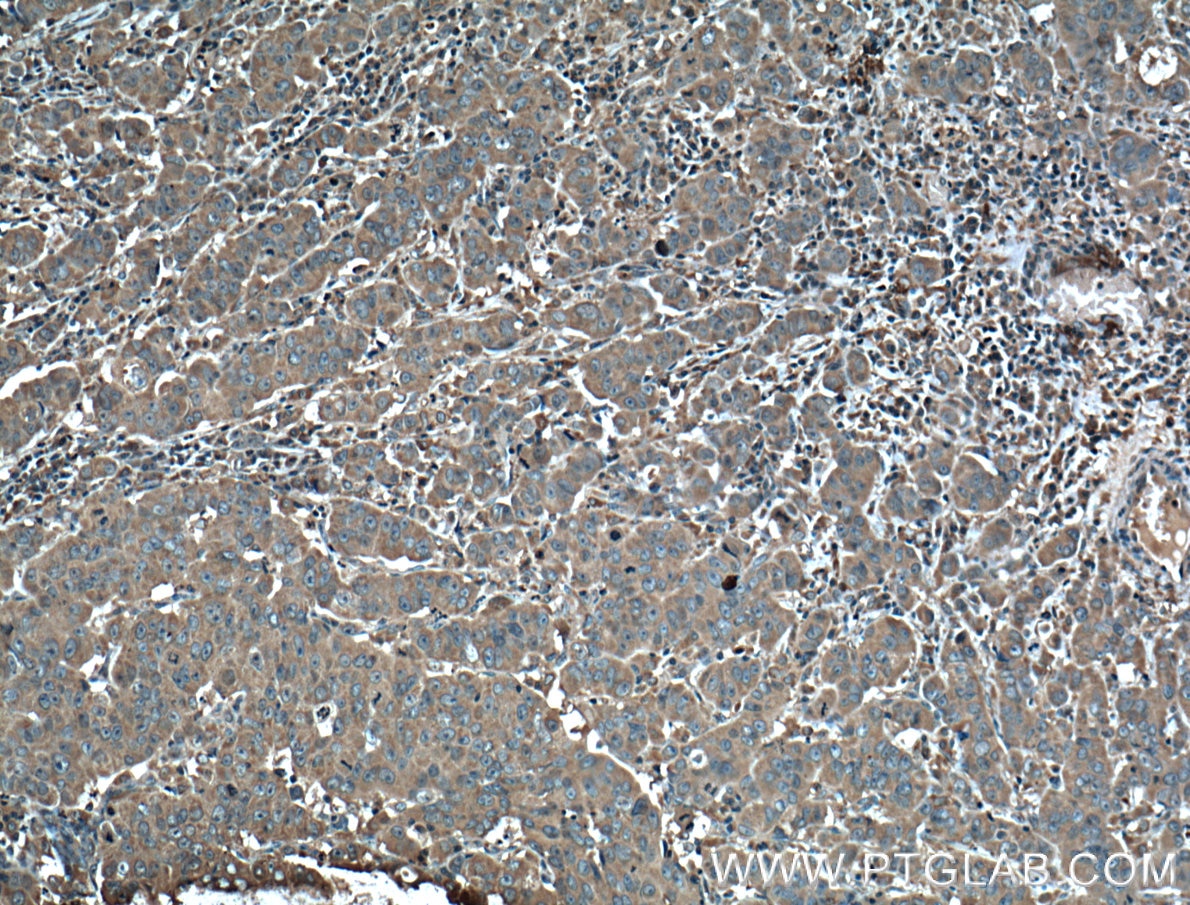
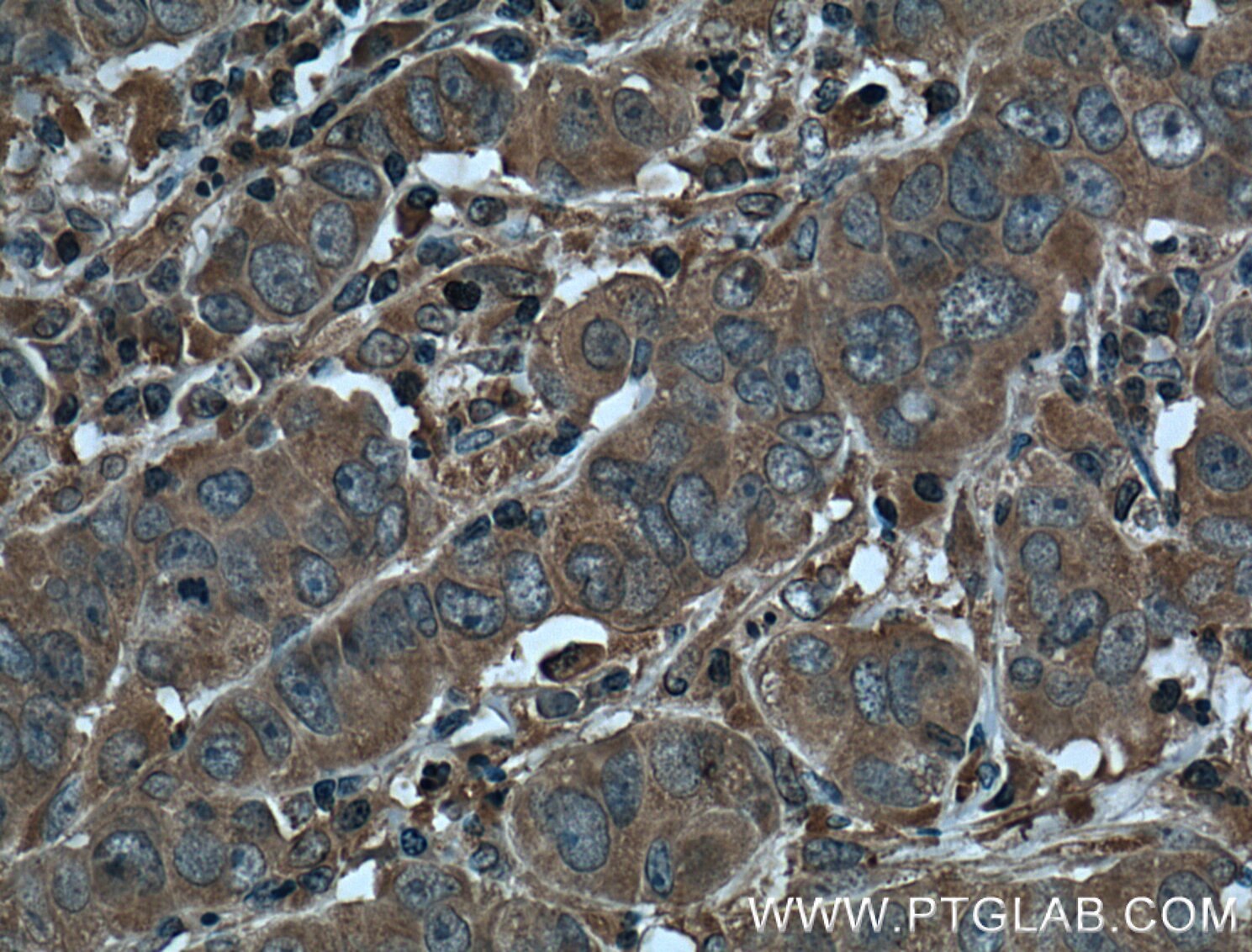
60338-1-PBS targets KLK3/PSA in WB, IHC, Indirect ELISA applications and shows reactivity with human samples.
| Tested Reactivity | human |
| Host / Isotype | Mouse / IgG1 |
| Class | Monoclonal |
| Type | Antibody |
| Immunogen |
CatNo: Ag1060 Product name: Recombinant human KLK3,PSA protein Source: e coli.-derived, PGEX-4T Tag: GST Domain: 1-261 aa of BC005307 Sequence: MWVPVVFLTLSVTWIGAAPLILSRIVGGWECEKHSQPWQVLVASRGRAVCGGVLVHPQWVLTAAHCIRNKSVILLGRHSLFHPEDTGQVFQVSHSFPHPLYDMSLLKNRFLRPGDDSSHDLMLLRLSEPAELTDAVKVMDLPTQEPALGTTCYASGWGSIEPEEFLTPKKLQCVDLHVISNDVCAQVHPQKVTKFMLCAGRWTGGKSTCSGDSGGPLVCNGVLQGITSWGSEPCALPERPSLYTKVVHYRKWIKDTIVANP Predict reactive species |
| Full Name | kallikrein-related peptidase 3 |
| Calculated Molecular Weight | 29 kDa |
| Observed Molecular Weight | 30-34 kDa |
| GenBank Accession Number | BC005307 |
| Gene Symbol | KLK3 |
| Gene ID (NCBI) | 354 |
| RRID | AB_2881447 |
| Conjugate | Unconjugated |
| Form | Liquid |
| Purification Method | Protein G purification |
| UNIPROT ID | P07288 |
| Storage Buffer | PBS only, pH 7.3. |
| Storage Conditions | Store at -80°C. |
Background Information
KLK3 also known as Prostate-Specific Antigen (PSA), is a 33 kDa glycoprotein primarily synthesized by the epithelial cells of the prostate gland. Its main physiological function is to cleave seminogelins I and II in semen, leading to the liquefaction of the seminal coagulum and the release of motile sperm. It is under tight regulation by androgens via the androgen receptor (AR). Serum PSA levels are elevated in prostate cancer due to disruption of the glandular architecture, allowing more PSA to enter the bloodstream. It is used alongside digital rectal exam (DRE) for early detection. Although termed "prostate-specific," PSA is not exclusively produced by the prostate. Very low levels can be produced in periurethral glands, breast tissue, and some other tissues. Its expression is highly abundant in prostatic tissue and seminal fluid.








